Ten Days in Chengdu After Being Laid Off: A Healing Journey Through Sichuan's Slow Life
Meta Description: Laid off and lost? Discover how a 10-day solo trip to Chengdu—from Mount Emei to hotpot dens—became an unexpected healing journey. Explore itineraries, costs, and slow travel tips for your own reset.
Introduction: When Losing Your Job Becomes a Ticket to Travel
I've been back in Hangzhou for a week now. To be honest, I wasn't planning to write this. But then I thought—since I don't have a job anyway, writing something is just as good a way to kill time as going to Chengdu. And since I spent ten days exploring Sichuan's capital and beyond, I might as well record this experience. Maybe it'll offer some inspiration to others who are also at a low point in life.
If you're reading this while scrolling through job boards, feeling stuck in a rented apartment, or wondering what comes next—this story is for you. This is not a luxury travel guide. This is a raw, honest account of how a laid-off professional found unexpected healing in Chengdu's tea houses, mountain temples, and bubbling hotpot.
The First Month After Being Laid Off: From Breakdown to Departure
In early April, the layoff notice came without warning. That morning I was still revising a proposal; in the afternoon, HR called me into the meeting room and delivered the standard script: "company strategy adjustments," "thank you for your contributions." When I walked out of the office building, the sunlight was so harsh it made me feel dazed.
For the next month, I locked myself in my rented apartment. Takeout boxes piled up like small mountains. The curtains stayed drawn. I scrolled on my phone until two or three in the morning before falling asleep, then woke up in the afternoon. During that time, I was like a plant that had been uprooted, not knowing where to take root.
One afternoon in early May, I was staring at the ceiling when a thought struck me: since I don't have a job anymore and I have plenty of time, why not go out for a walk? I opened a map, my finger gliding over a few cities, and finally stopped at Chengdu—a place I'd never been to, but always heard people say "once you come, you won't want to leave."
I set off on May 9th and returned on May 18th. Exactly ten days. During those ten days, I visited Mount Emei, the Leshan Giant Buddha, and the Sanxingdui Museum. I ate hotpot, chuan chuan (skewers), braised chicken with pork intestines, and Tao De clay pot dishes. And I stumbled into a world I never imagined I'd enter.
Day 1: From Hangzhou to Chengdu, From Unemployment to Reunion
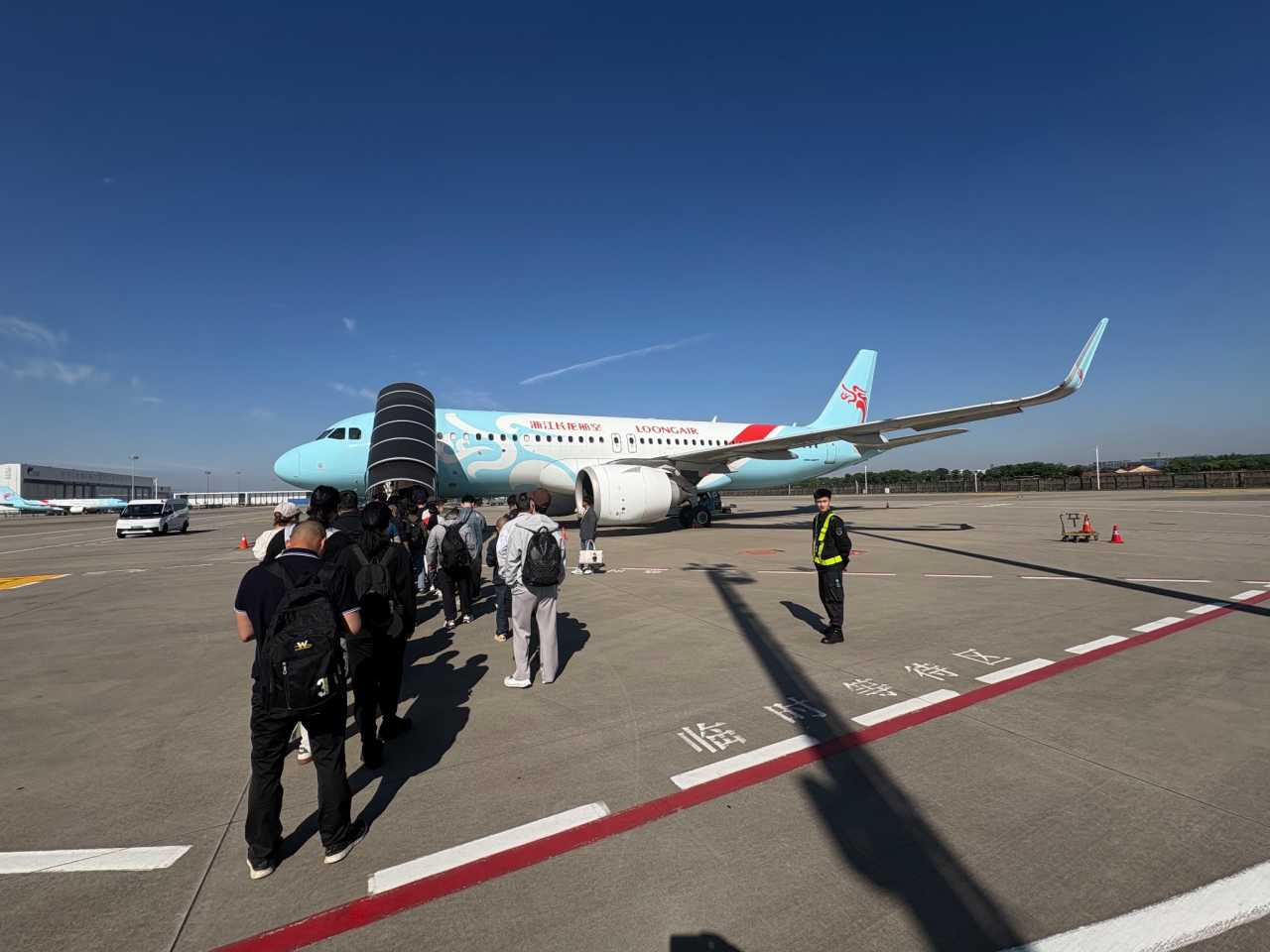
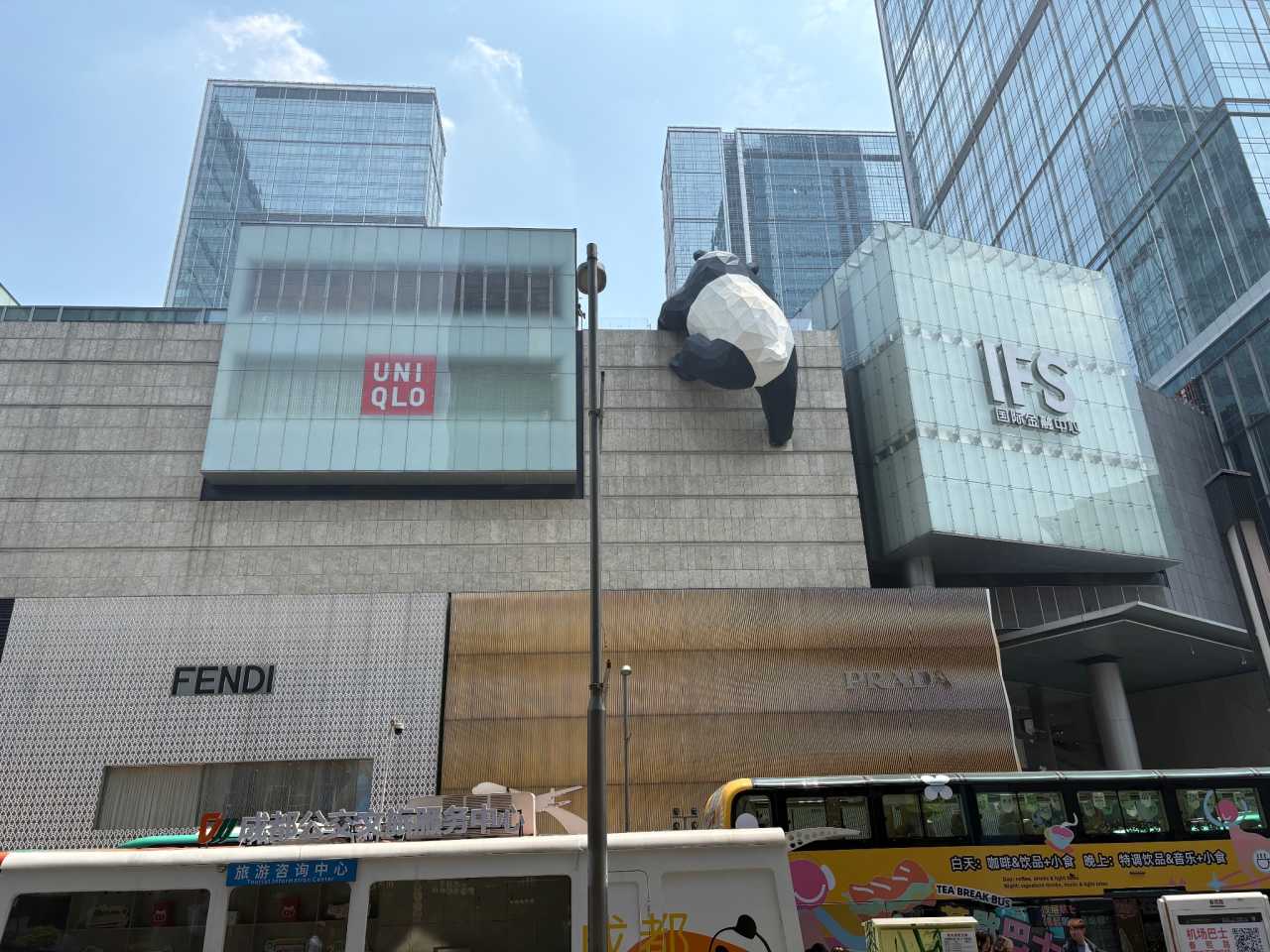
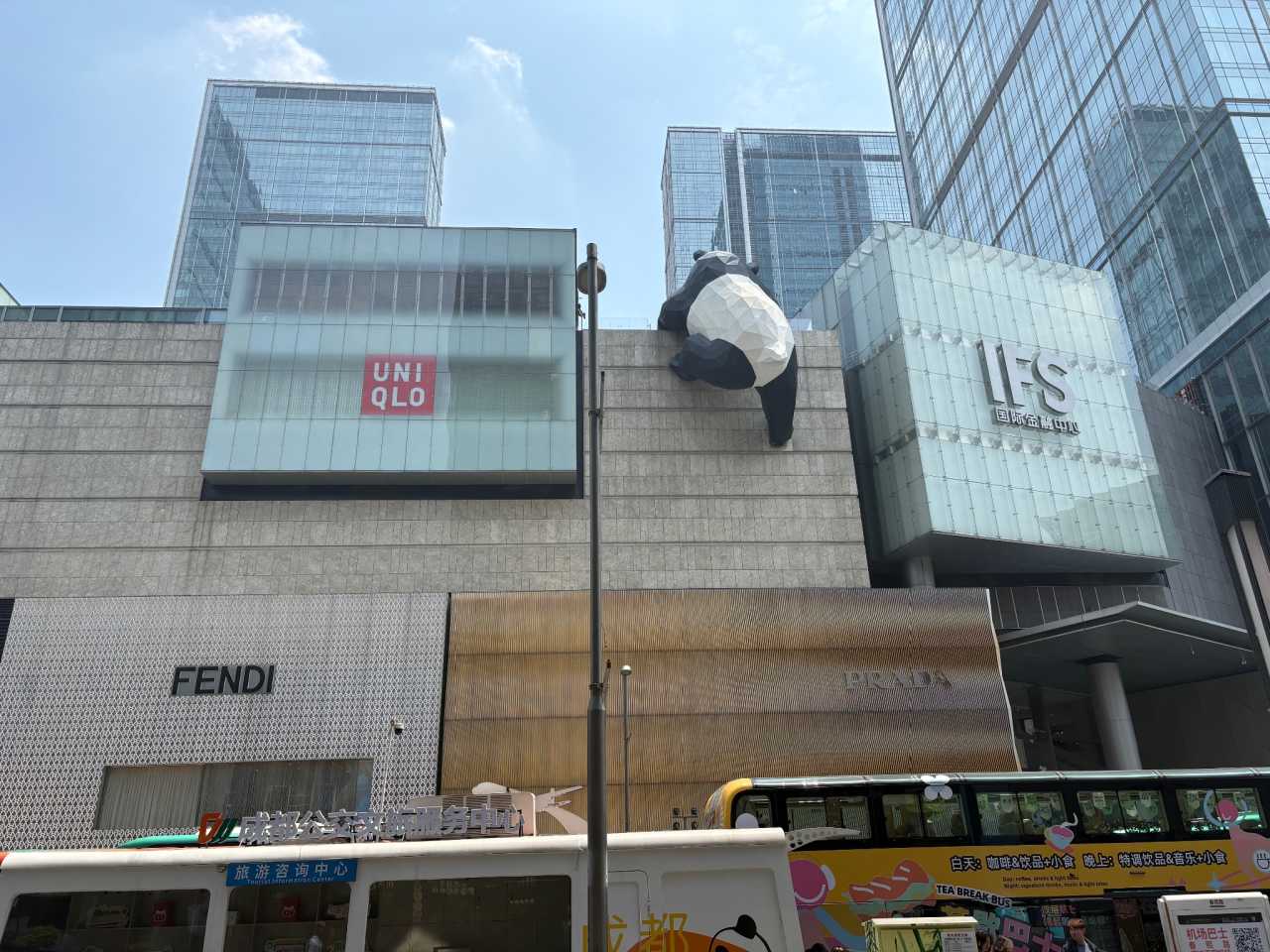
I took off from Hangzhou Xiaoshan Airport in the morning and landed at Chengdu Shuangliu Airport at noon. I hopped on the airport bus, heading to Chunxi Road—that landmark under the panda's butt, as the legend goes.
To be honest, my first impression wasn't stunning. Chunxi Road is pretty much like the commercial streets in any city—crowded with people, lined with shopping malls. But when I sat on a bench outside Wenshu Monastery and let an old man clean my ears with an ear pick, that sense of "slowness" began to seep in. Sunlight filtered through the leaves onto my face, the ear pick gently scraping inside my ear canal, making a soft rustling sound. At that moment, I suddenly felt that life could be this simple.
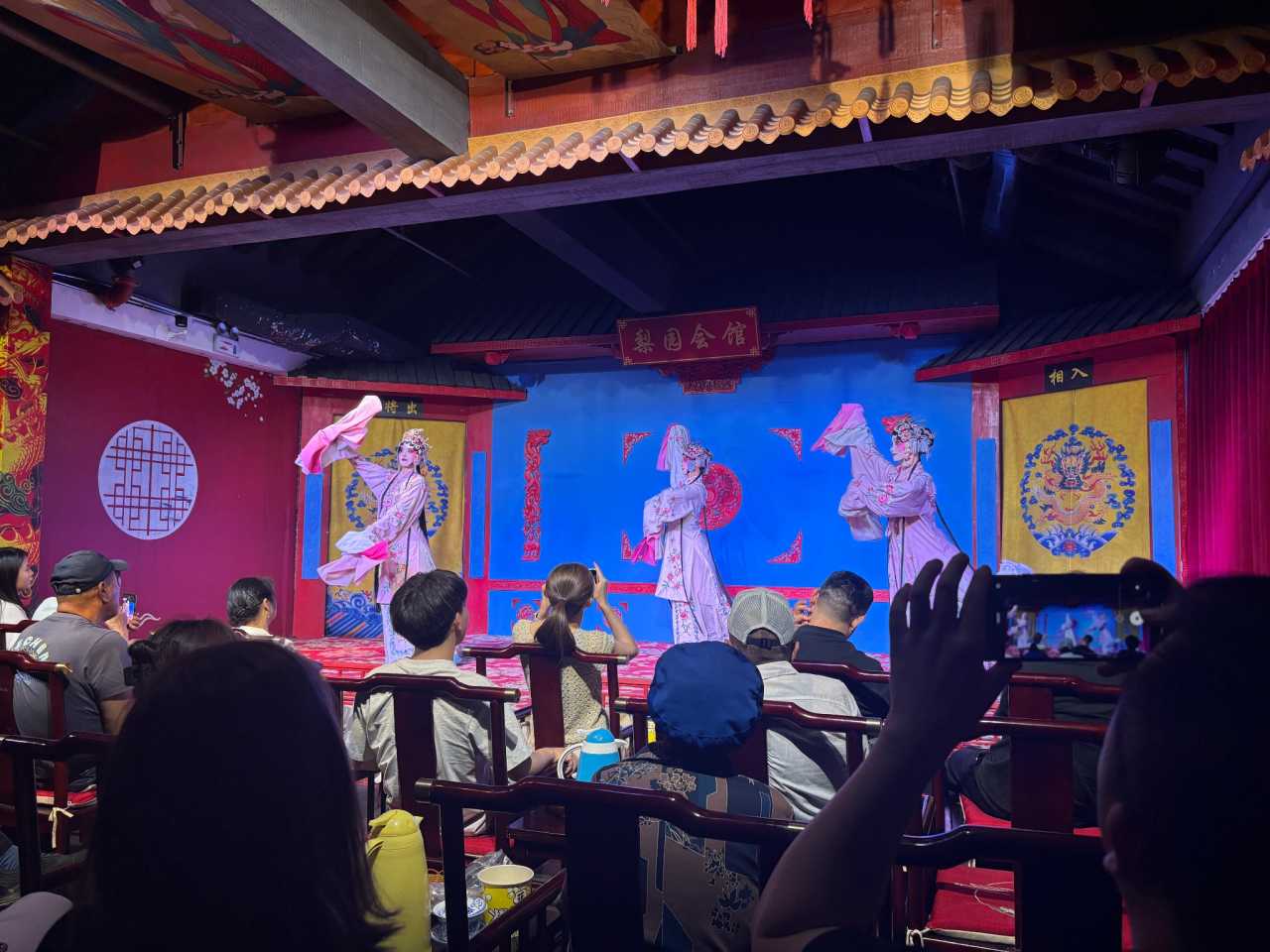
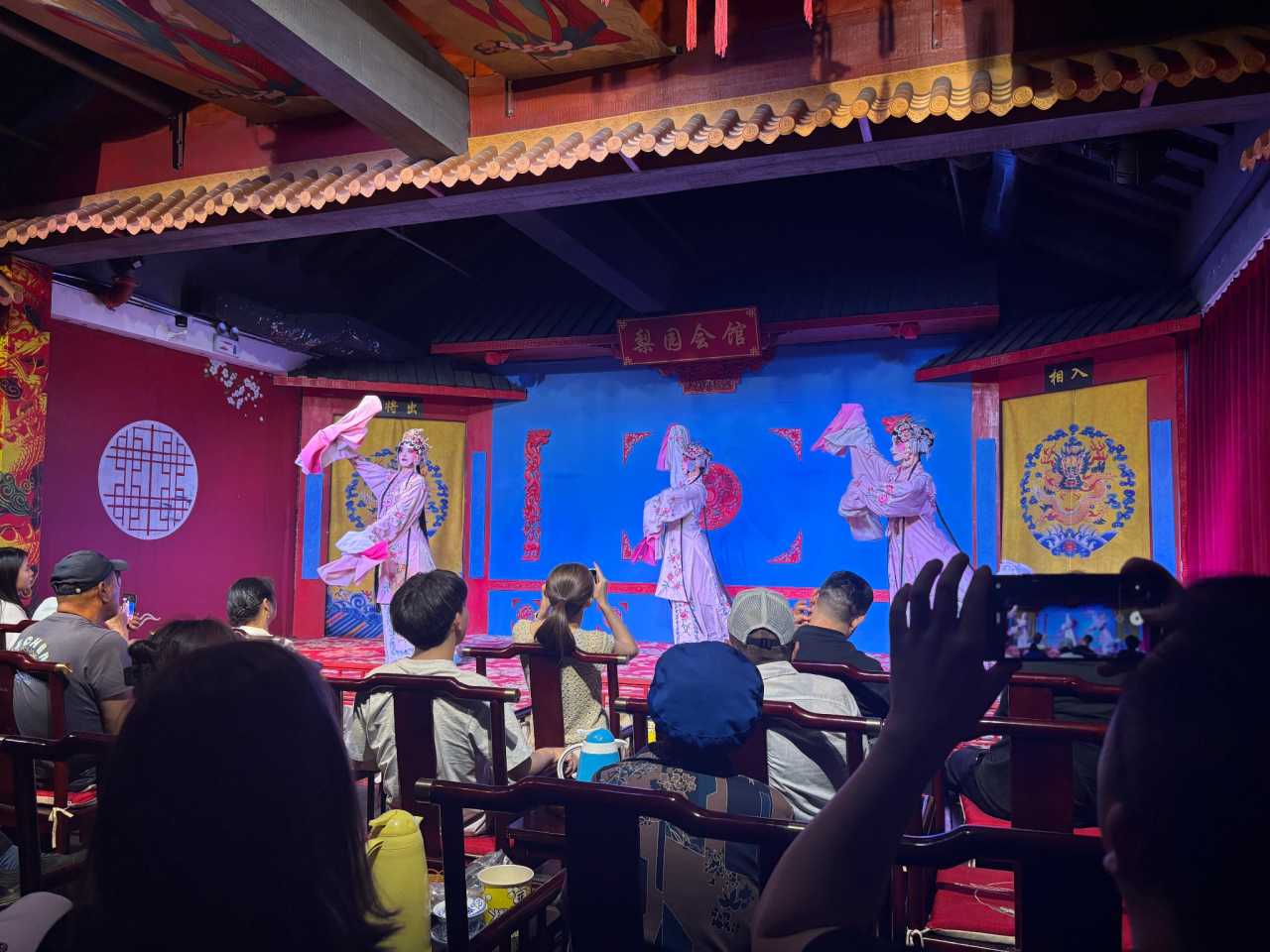
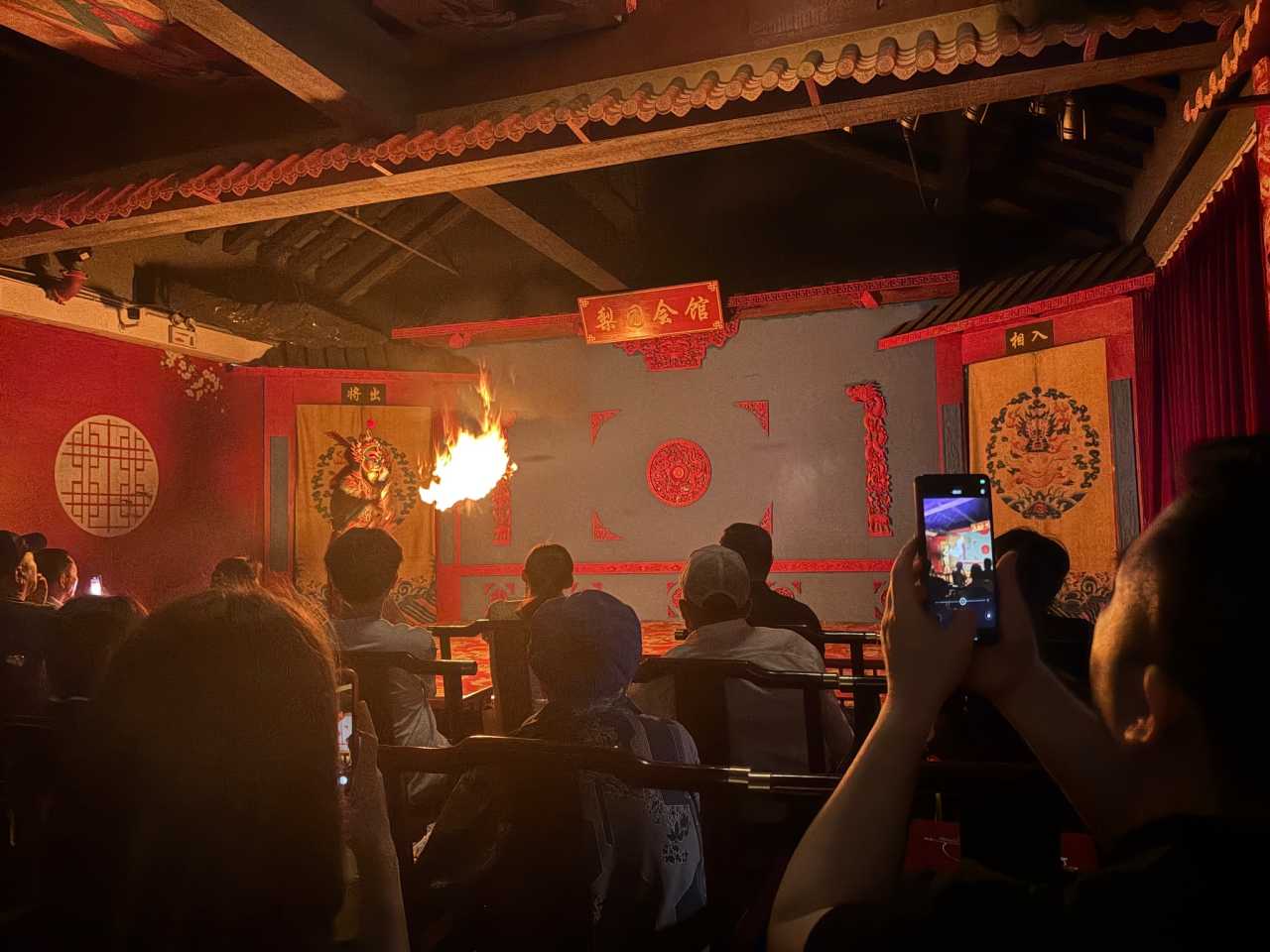
I didn't go into Wenshu Monastery, but I did head to the nearby Pear Garden Theater to watch face-changing (bian lian) performance. The show was very "Chengdu"—a puppet show of "The Butterfly Lovers," a tea ceremony performance, rubber-band lamp tricks, and face-changing with fire-spitting. Honestly, you can see this routine at every tourist spot in Chengdu, but it still felt fresh the first time. The complimentary tea, however, triggered my acid reflux, and I ended up vomiting outside the theater for a while.

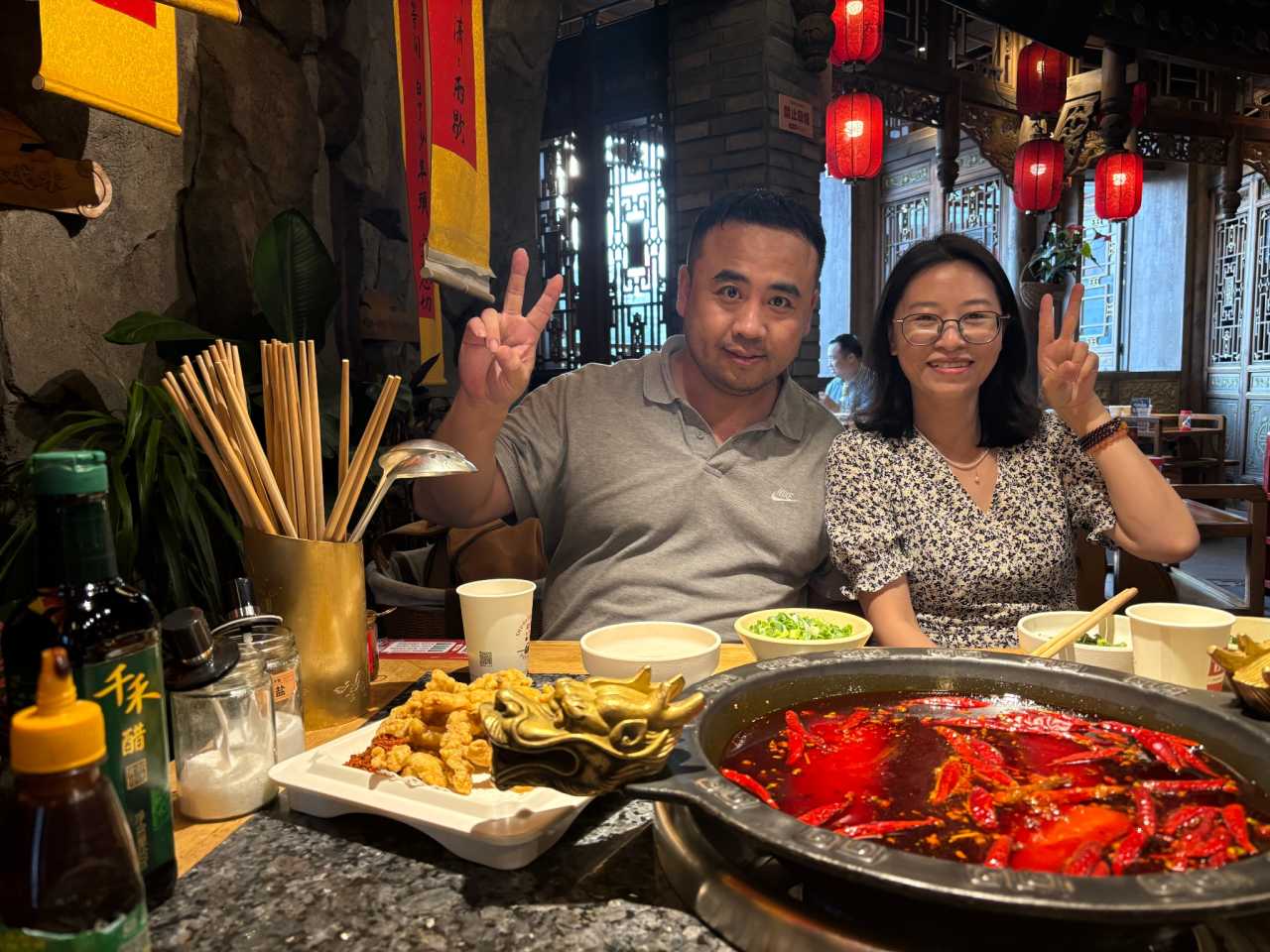
That evening, I met up with a college classmate I hadn't seen in sixteen years. After graduation, we all went our separate ways. She settled in Chengdu, got married, and had a child. Her husband was also from our university, just a different major. They'd been together since high school, applied to the same university together, and now they're a happy family of three. They took me to Shu Daxia for hotpot—bubbling red oil, tripe cooked in seven ups and eight downs, duck intestines crisp and bouncy. Sixteen years of time melted away in the steam of the hotpot.
My classmate booked me a room at the Jin Ting Hotel just outside their apartment complex—160 yuan a night, clean and comfortable. I stayed there for several nights and mooched quite a few meals. The first stop after being laid off, taken in by an old friend—it warmed my heart.
[Link: Budget travel tips for solo travelers in Chengdu]
Day 2: Qingcheng Mountain and Dujiangyan—A "Family of Three" with Three People
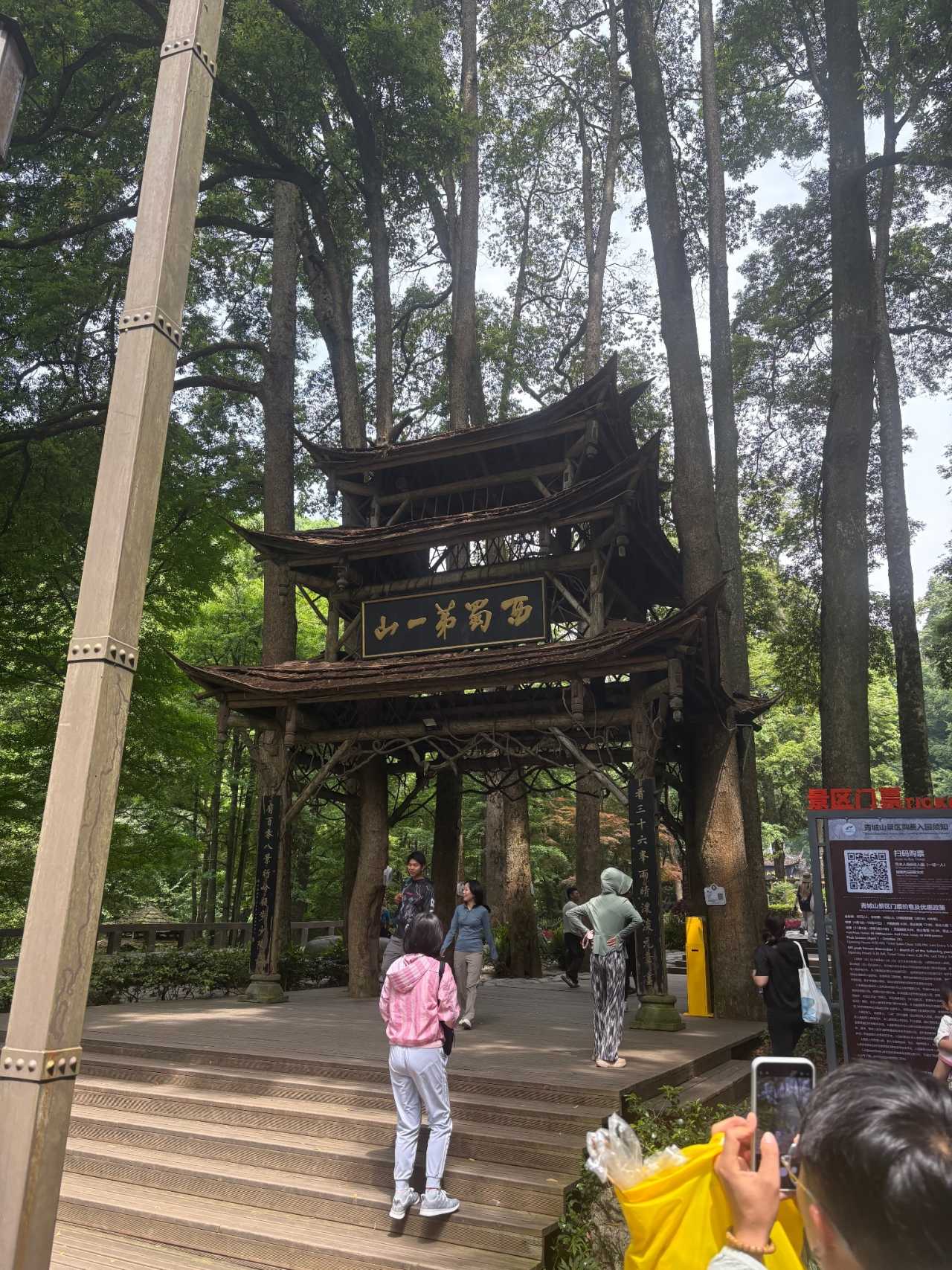
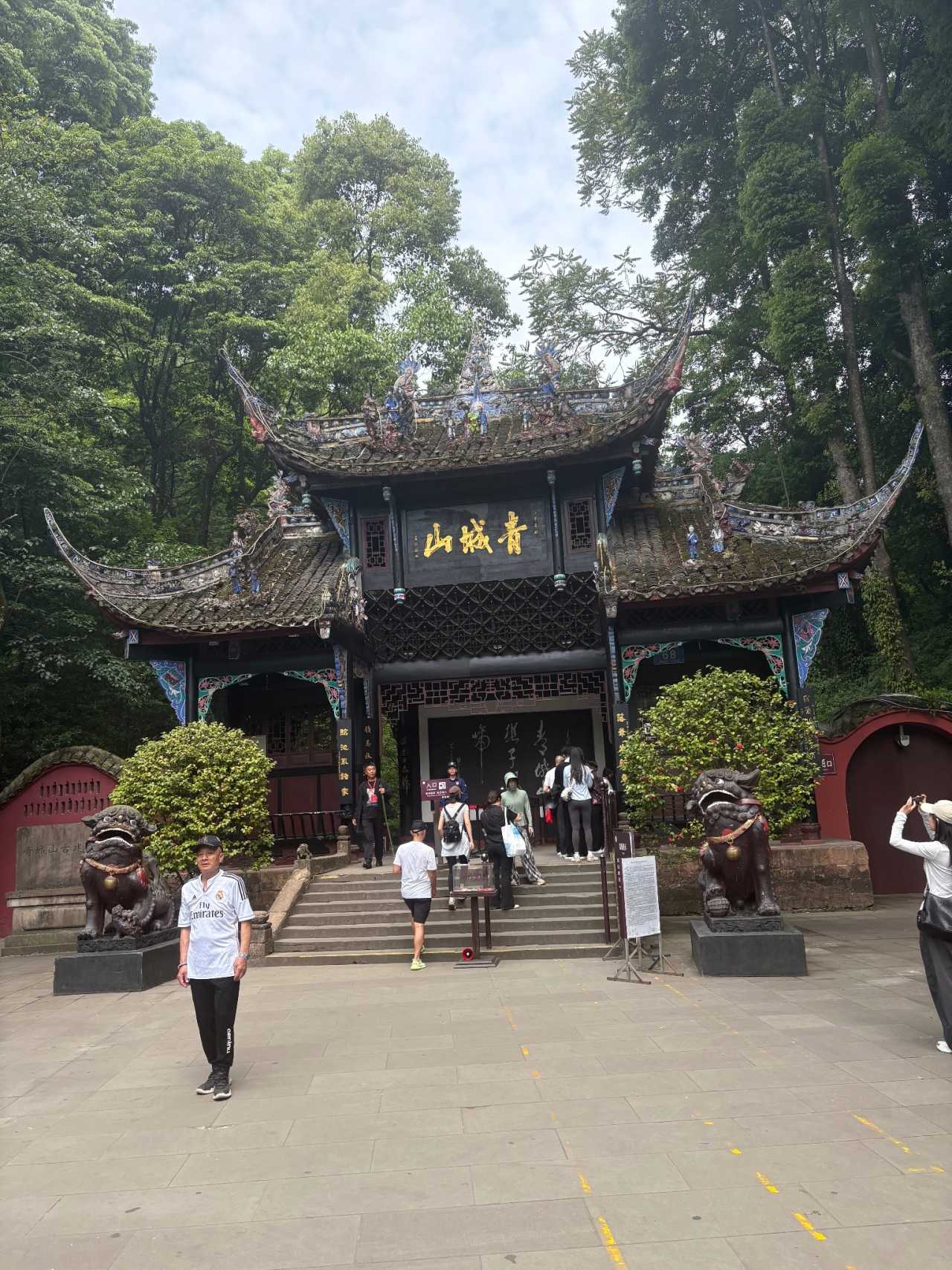
On Sunday, my classmate's family drove me to Qingcheng Mountain, located in Dujiangyan City (formerly known as Guan County), a county-level city under Chengdu's administration.
As it turned out, we didn't even go into the mountain. We took a few photos at the entrance, and a guy asked me to take his picture. After I did, he enthusiastically said, "Let me take one for your family of three!"
I quickly clarified: "We're not a family of three. We're three families... well, they're a family, and I'm not. I'm just her classmate. Her husband couldn't make it up the mountain because he wasn't feeling well..."
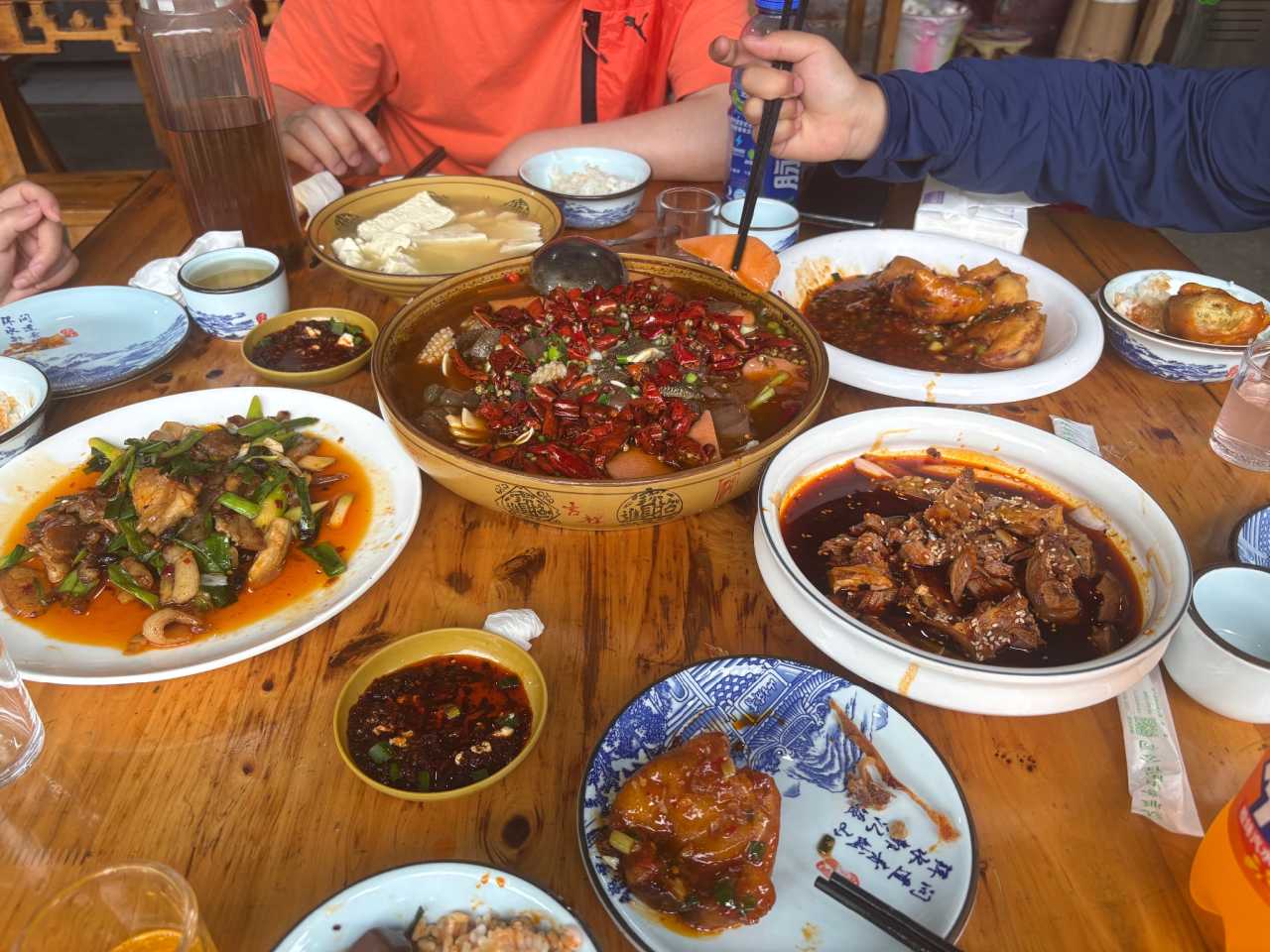
Awkward silence. But it was quickly resolved by douhua (tofu pudding), twice-cooked pork, mao xue wang (blood curd and tripe stew), and other dishes. The farmhouse restaurant at the foot of the mountain had surprisingly good food.
In the afternoon, we went to Dujiangyan, and my classmate even hired a guide. Honestly, it wasn't cheap, but it was worth it. Standing at the Fish Mouth water-dividing point, watching the Min River split in two—the wisdom from over two thousand years ago still functioning—the awe was indescribable.
That evening, we had pig trotters. I ate like there was no tomorrow. Then I booked a two-day senior tour to Mount Emei and Leshan, and crashed into bed.
[Link: Dujiangyan irrigation system history and visitor guide]
Day 3-4: Mount Emei and Leshan—The Young Person in a Senior Tour Group
At a little past six in the morning, a small car picked me up, then transferred me to a bus. Sitting next to me were two aunties with a strong Beijing accent. I said hello. We departed at eight and arrived at Mount Emei an hour and a half later.
The composition of our group was interesting: a couple from Baoding (who sounded like they were from Beijing), eight people from Loudi in Hunan, four aunties from Tianjin, and two elderly couples from Yangquan in Shanxi. Plus me—nineteen people in total. Our guide was a local named Wu, and he was very attentive throughout.
The eight people from Hunan were the fastest, while the elderly couples from Shanxi (both over seventy) usually lagged behind. But the overall pace was comfortable—no one was rushing, no one was impatient. We stayed near the Wannian Temple station, dropped off our luggage, and took the cable car up the mountain. After two cable car rides, we reached the Golden Summit.
Along the way, we saw a few monkeys, but not many. In the distance, there was a particularly flat mountain called Washan. I casually asked the guide about it, and later, while scrolling through Douyin (Chinese TikTok), I discovered that a fellow motorcyclist I follow on the app often goes there.
The sea of clouds at the Golden Summit was breathtaking, and the Samantabhadra golden statue gleamed in the sunlight. We headed back around two or three in the afternoon. The group meal included Leshan bobo ji (chicken skewers in chili oil), which was quite good. In the evening, we went to see a performance in Emeishan City—more face-changing and fire-spitting, but the stage was much better, and the ticket cost 280 yuan. I sat in the front row, only to discover there was a "row zero" in front of me. On the way back, I ran into the two Beijing aunties again—for the second time.
The next morning, we took the cable car again to Wannian Temple. The Wannian Temple parking lot is actually some distance from the temple itself, and the rest of the way is all downhill. There were many sedan chair carriers along the roadside. Guide Wu said they were all his uncles, and the second one on the left was his father. They had an agreement that they could only work twice a week. As we walked, he chatted briefly with a cleaning lady in a dialect I couldn't understand. I asked, "That's not your mom, is it?" He said yes.
When we left, I ran into the two Beijing aunties again—for the third time. We laughed and exchanged WeChat contacts. They said, "Next time you come to Beijing, we'll take you to eat zhajiangmian."
[Link: Mount Emei Golden Summit: what to expect and how to prepare]
Day 5-6: Leshan Giant Buddha and Sanxingdui—Ancient Wonders That Put My Problems in Perspective
After Mount Emei, the bus dropped us at Leshan Giant Buddha. Standing at the foot of that 71-meter-tall stone Buddha, carved into the cliff face over 1,200 years ago, I felt small—in a good way. The Buddha's calm expression seemed to say: your layoff is a tiny wave in an ocean of time.
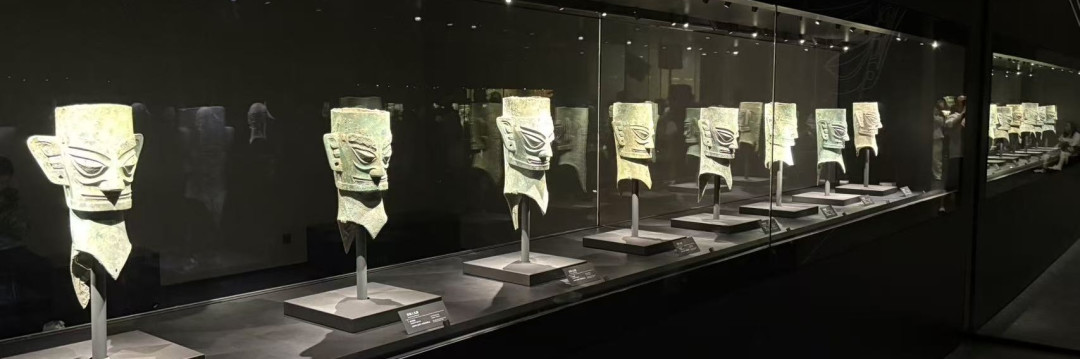
The next day, I took a high-speed train to Guanghan to visit the Sanxingdui Museum. The bronze masks, the golden sun bird, the mysterious bronze tree—these artifacts from 3,000 years ago reminded me that civilizations rise and fall, companies restructure, and individuals adapt. Somehow, that made my situation feel less catastrophic.
[Link: Sanxingdui Museum: a complete visitor's guide]
Day 7-10: Slow Days in Chengdu—Tea Houses, Street Food, and Letting Go
The remaining days blurred into a gentle rhythm: wake up late, find a tea house, order a cup of jasmine tea, and watch the world go by. I visited People's Park, where locals play mahjong, sing opera, and dance in the open-air tea gardens. I wandered through Kuanzhai Alley, ate mapo tofu at a hole-in-the-wall restaurant, and bought a bag of spicy rabbit heads from a street vendor.
I didn't have a plan. I didn't need one. For the first time in months, I wasn't thinking about my next job interview, my savings running out, or what my parents would say. I was just... existing. And it was enough.
FAQ: Planning Your Own Healing Trip to Chengdu
Q1: Is Chengdu a good destination for solo travelers who've been laid off? Absolutely. Chengdu's slow pace, affordable prices, and friendly locals make it ideal for solo healing travel. The city is safe, easy to navigate, and full of low-cost activities like tea houses, parks, and street food.
Q2: How much does a 10-day trip to Chengdu cost on a budget? Based on my experience: flights from Hangzhou ~¥800, accommodation ~¥160/night (budget hotels), food ~¥80/day, attractions and tours ~¥1,000 total. All-in, expect around ¥4,000-5,000 ($550-700 USD) for a comfortable budget trip.
Q3: What are the must-visit attractions in Chengdu for first-timers? Don't miss: Wenshu Monastery (free entry), People's Park tea houses, Kuanzhai Alley, Jinli Ancient Street, and a face-changing performance. If you have time, add Mount Emei, Leshan Giant Buddha, and Sanxingdui Museum.
Q4: Can I join senior tour groups as a young person? Yes! I did exactly that. Senior tours are often cheaper, slower-paced, and more relaxed. You'll meet interesting people and get local insights. Just be prepared for early mornings and group meals.
Q5: How do I deal with the emotional side of traveling after a layoff? Give yourself permission to not have a plan. Don't force yourself to "be happy." Let the travel happen at its own pace. Talk to locals, eat street food, sit in tea houses. Healing isn't about checking off attractions—it's about being present.
[Link: How to travel after a layoff: emotional and practical tips]
Conclusion: The Journey That Changed Nothing—and Everything
I came back to Hangzhou with the same unemployment status, the same dwindling savings, and the same uncertain future. But something had shifted. The ten days in Chengdu didn't solve my problems—but they gave me space to breathe, perspective to see that my situation wasn't permanent, and a reminder that life can be simple and beautiful even when it's messy.
If you're reading this while feeling stuck, lost, or freshly laid off—consider this your sign. Book a ticket. Go somewhere you've never been. Eat something you can't pronounce. Let the world surprise you.
Your healing journey doesn't need a destination. It just needs a start.
Have you traveled after a major life change? Share your story in the comments below. And if you're planning your own Chengdu healing trip, download our free packing checklist and budget planner.
[Link: Solo travel resources for career transitions] [Link: Best time to visit Chengdu: seasonal guide]
You may also like


