Strolling Through the Streets of Chengdu: A Graceful Autumn Quest in Bashu – The Ultimate Travel Guide

Meta Description: Discover Chengdu's hidden gems in autumn—from hotpot alleys to ancient streets, Du Fu's cottage, and industrial art parks. Your complete SEO-optimized guide to Bashu's graceful charm.
Introduction: Why Chengdu is the City You Never Want to Leave
Some say Chengdu is a city you never want to leave. It sounds like a cliché from a tourism brochure, but when you actually stand on its streets, breathing in the aroma of hotpot wafting through the air and soaking in the leisurely vibe of its teahouses, you realize it's not an exaggeration at all.
I arrived in Chengdu in September on a business trip, when autumn was just beginning to show its colors. I thought I'd be a fleeting passerby, but I ended up staying over a month. To be honest, though my time there wasn't short, I didn't engage in any deep exploration. Instead, I adopted a "free-form" approach—wandering wherever my feet took me, stopping whenever something caught my eye. This spontaneous method, ironically, let me feel the city's truest pulse.
Chengdu's beauty isn't the kind that takes your breath away. It's a gentle, subtle charm that seeps into you without notice. It's found in the bustling crowds at Chunxi Road and Taikoo Li, in the ancient elegance of Kuanzhai Alley, in the solemn grandeur of Wuhou Shrine, and in the baskets of fragrant Dandan noodles carried by street vendors. This beauty is direct, passionate, yet soft and lingering—like an aged wine that stings at first sip but leaves a sweet aftertaste.
[Link: Best time to visit Chengdu for autumn travel]
A Taste of Bashu: The World Beyond Hotpot

Hotpot: The Soul of Chengdu Cuisine
If you come to Chengdu and don't eat hotpot, you've wasted your trip. It's an old saying, but it's true. Hotpot restaurants are everywhere in Chengdu—you don't even need to look for them. Just follow the rich aroma in the air, and you'll find a steaming pot waiting for you.
Chengdu hotpot has layers of spiciness. It's not the kind that burns your mouth instantly; it's a gradual infiltration—first, a slight numbness on your tongue, then a warmth that rises from your throat, and finally, you're completely immersed in this exhilarating taste experience. If hotpot alone isn't enough, order some skewers, a rabbit head, or a duck head to gnaw on. That's how you truly embrace the Chengdu philosophy of "no spice, no joy."
Hole-in-the-Wall Eateries: Hidden Treasures of Chengdu's Backstreets
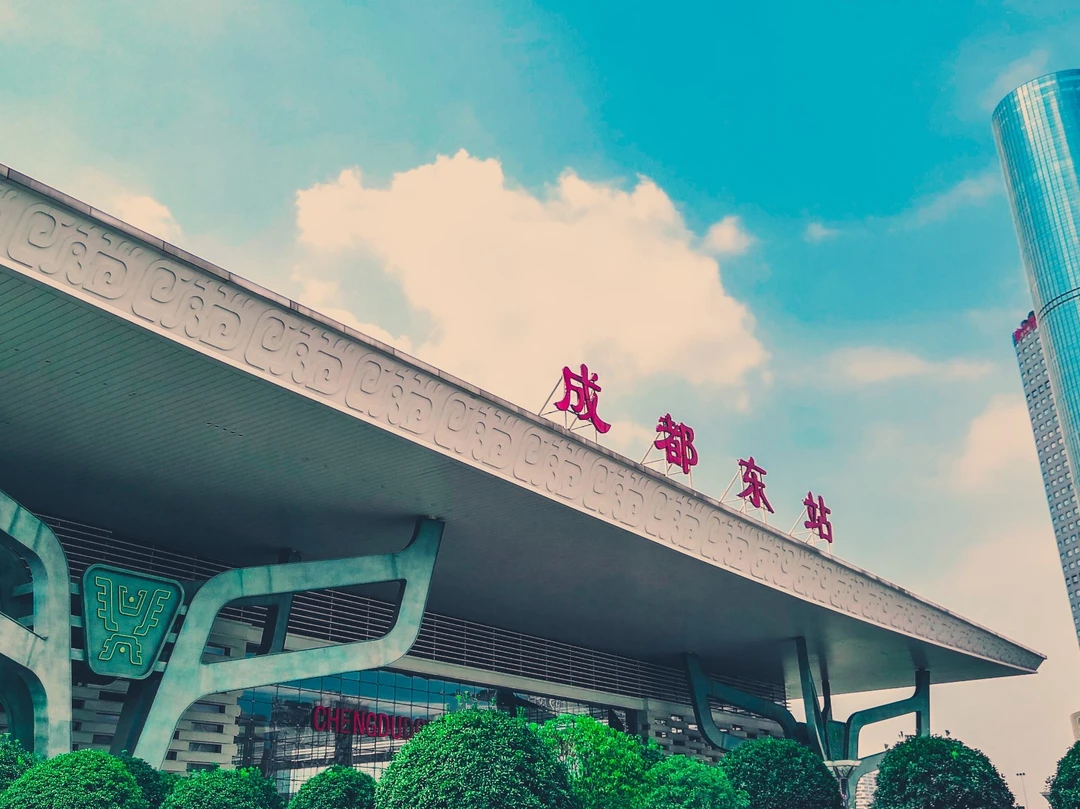
Beyond the famous hotpot chains, Chengdu's real culinary gems are tucked away in小巷子 (small alleys). Locals call these unassuming spots "苍蝇小馆" (fly restaurants)—the name isn't pretty, but the flavors are mind-blowing. Take Er Niang Chicken Feet, for example. The chicken feet are so tender and flavorful that you can chew through the bones. If you're a food lover, grab Xiaohongshu or Mafengwo and go hunting for these hidden treasures in the city's backstreets.
[Link: Top 10 Sichuan street foods you must try]
Ancient Streets and Alleys: Where Time Slows Down in Chengdu
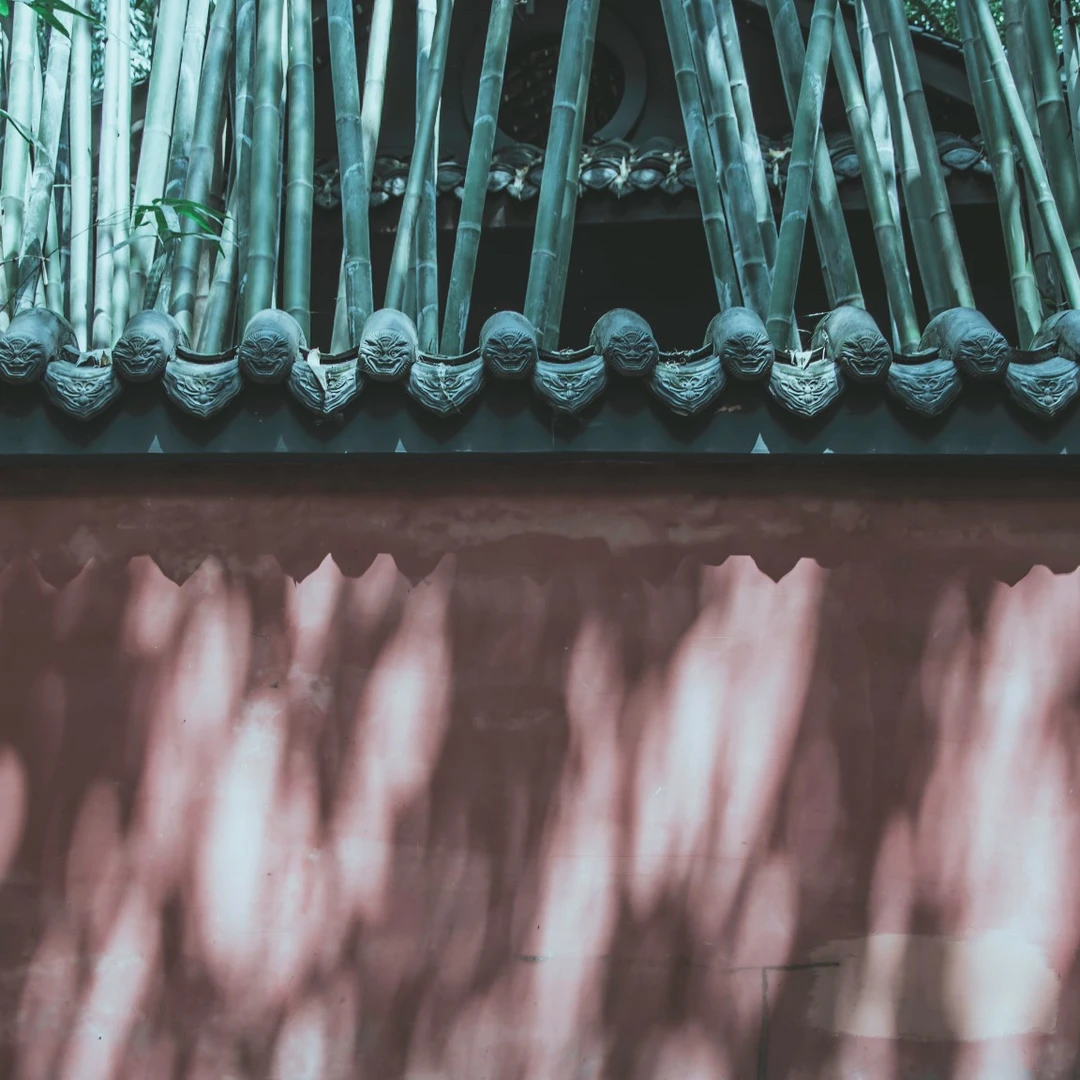
Kuanzhai Alley and Jinli: Commerce Meets Memory
Kuanzhai Alley and Jinli are Chengdu's most iconic ancient streets. Some say every city has one of these—crowded with tourists, lined with stone paths, landmark archways, and shops selling the same souvenirs and stinky tofu. In Beijing, it's Nanluoguxiang; in Shanghai, it's Tianzifang; in Chengdu, it's Kuanzhai Alley and Jinli.
But even so, you can't deny their charm. As you walk along the bluestone paths of Kuanzhai Alley, past intricately carved ancient buildings, and hear the distant strains of Sichuan opera, you feel a unique warmth. This warmth comes from centuries of history, cultural heritage, and the laid-back attitude that runs deep in Chengdu's DNA.
Sino-Ocean Taikoo Li: Where Classic Meets Contemporary
If Kuanzhai Alley represents Chengdu's past, then Sino-Ocean Taikoo Li is its present and future. The design here is distinctive—crisscrossing alleyways and open plazas that blend "fast" and "slow" lifestyles seamlessly. You can find flagship stores of international brands here, or duck into a tiny café in an alley for a lazy afternoon.

Fangsuo Bookstore, located in Taikoo Li, is a paradise for culture lovers. Unlike traditional bookstores, Fangsuo feels more like an elegant, relaxed cultural space. You can grab a novel, order a coffee, sit back, and let time flow through the scent of books and coffee. They host poetry readings and cultural salons regularly, offering a sanctuary for your soul amid the hustle and bustle of city life.
[Link: How to spend a perfect day in Taikoo Li Chengdu]
The Poet Saint and the Sage of Strategy: A Dialogue Across Time

Du Fu Thatched Cottage: The Poet Saint's Sanctuary in Chengdu
After the An Lushan Rebellion, Du Fu was trapped in Chang'an, desperately seeking an official post. But once he arrived in Sichuan, he seemed like a different person—no longer obsessed with bureaucracy, he settled contentedly in his thatched cottage in Chengdu, wandering the countryside, writing poetry, and painting. It was here that he produced countless timeless masterpieces.
Step into Du Fu Thatched Cottage, and you'll be infected by its rustic, leisurely atmosphere. In front of the cottage is a path lined with flowering plants. Pass through the "Thatched Cottage Shadow Wall," and a path flanked by red walls comes into view, contrasting beautifully with the surrounding ancient trees. It feels like stepping back to the spring of the second year of the Shangyuan era of the Tang Dynasty, living among mountains, rivers, and seagulls, isolated from the world, pure and serene. In today's noisy, restless times, this kind of tranquility is deeply alluring.
Wuhou Shrine: The Sage of Strategy's Millennial Echo
Wuhou Shrine and Du Fu Thatched Cottage—one literary, one martial—complement each other perfectly, forming Chengdu's most iconic landmarks. This is the only temple in China that enshrines both a ruler and his subjects, honoring Zhuge Liang, Liu Bei, and heroes of the Shu Han Kingdom. Walking through it—Hui Mausoleum, civil and military generals, Zhaolie Temple, Sanyi Temple, the Three Wonders Stele—you feel transported back to the tumultuous Three Kingdoms era.

Speaking of Wuhou Shrine, we must mention Du Fu. The Poet Saint's idol was Zhuge Liang, the Marquis of Wu. "Before his campaign succeeded, he died, forever making heroes weep" is Du Fu's heartfelt tribute to his hero. To be closer to his idol, Du Fu chose to build his thatched cottage not far from Wuhou Shrine. I imagine he often strolled over there, convinced that the very air smelled of wisdom.
The red-walled path at Wuhou Shrine resembles the one at Du Fu Thatched Cottage, but it's longer and more serene. A "Poet Saint" and a "Sage of Strategy," transcending time and space, sharing mutual admiration—a dialogue that spans a thousand years.
[Link: Complete guide to Wuhou Shrine and Three Kingdoms history]
Industrial Heritage: Art Blooming from Ruins in Chengdu
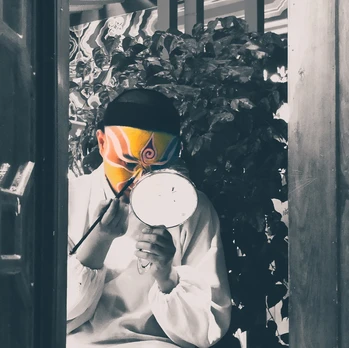
Eastern Suburb Memory: China's London West End
If you think Chengdu is all about ancient charm, think again. Eastern Suburb Memory, a music park converted from Soviet-era buildings, is Chengdu's most "industrial-chic" cultural landmark. Built on the site of the former Chengdu Hongguang Electronics Factory, it features towering smokestacks, graffiti-covered walls, and rusted railway tracks—all oozing with nostalgia.
Here, you can strike a cool, edgy pose in front of a graffiti wall, take vintage-style photos on Central Avenue, or capture an artsy, minimalist shot in the red-brick factory buildings. At the Locomotive Square, you'll find Sichuan's first steam locomotive and two green carriages. But don't be fooled—the green carriages are actually cafés, perfect for a rest. Step inside, and you can feel the passage of time, savoring its gentle touch.
U37 Creative Warehouse: A Hidden Paradise in the City
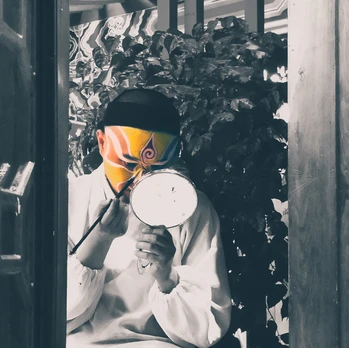
Eastern Suburb Memory's lesser-known counterpart, U37 Creative Warehouse, is tucked away in a residential compound on Shuiniuhe South Street in Jinjiang District. Originally a warehouse for the Chengdu Pharmaceutical Group, the buildings date from the 1960s to 1980s, bearing the distinct marks of their era. Though much smaller than Eastern Suburb Memory, U37 is shaded by trees, covered in vines, and exudes a quiet elegance. Finding this "hidden paradise" in the city center feels like discovering a secret garden.
[Link: Chengdu's best photography spots for Instagram]
Frequently Asked Questions About Chengdu Travel

1. What is the best time to visit Chengdu for autumn?
September to November is ideal. The weather is mild, with temperatures ranging from 15–25°C (59–77°F). Autumn colors peak in late October, especially at Du Fu Thatched Cottage and Wuhou Shrine.
2. How many days should I spend in Chengdu?
A minimum of 3–4 days allows you to explore the core attractions: Kuanzhai Alley, Jinli, Wuhou Shrine, Du Fu Thatched Cottage, and Taikoo Li. Add 2 more days if you want to visit the Giant Panda Base or Eastern Suburb Memory.
3. Is Chengdu safe for solo travelers?

Absolutely. Chengdu is one of China's safest cities for solo travelers, including women. The locals are friendly, public transport is reliable, and English signage is common in tourist areas.
4. What are the must-try dishes beyond hotpot?
Don't miss Dandan noodles, Mapo Tofu, Kung Pao Chicken, Twice-Cooked Pork, and Fuqi Feipian (beef offal salad). For street food, try Guo Kui (stuffed flatbread) and Liang Fen (cold jelly noodles).
5. Can I visit both Du Fu Thatched Cottage and Wuhou Shrine in one day?
Yes, they are only about 2 km apart. Start at Du Fu Thatched Cottage in the morning, have lunch nearby, then walk or take a short taxi ride to Wuhou Shrine in the afternoon. Both are easily walkable within a day.
Conclusion: Your Chengdu Autumn Adventure Awaits
Chengdu is not just a city—it's a feeling. It's the warmth of a hotpot on a cool autumn evening, the quiet reflection in Du Fu's garden, the vibrant energy of Taikoo Li, and the creative pulse of Eastern Suburb Memory. Whether you're a foodie, a history buff, or an art lover, Chengdu offers a graceful autumn quest that will linger in your heart long after you leave.
Ready to explore? Book your Chengdu trip now and experience the magic of Bashu for yourself. Share your travel stories with us using #ChengduAutumnQuest—we'd love to hear about your hidden discoveries!
[Link: Book Chengdu tours and activities] [Link: Find the best Chengdu hotels for autumn stays]


