Strolling Through Chengdu: A Gentle Encounter with Slow Living, Food, and National Treasures
Meta Description: Discover Chengdu's slow living charm with this complete travel guide. From Jinli's Three Kingdoms culture to People's Park tea houses, giant pandas, and spicy street food—plan your perfect Chengdu itinerary.
Introduction
One night in 2016, Zhao Lei's folk song "Chengdu" looped through my headphones. The melody painted a hazy ink painting of Yulin Road, small bars, and drizzled streets—and planted the name "Chengdu" deep in my heart. So in May 2017, I grabbed my camera, dragged my boyfriend along, and set off on this long-awaited journey to the capital of Sichuan province.
What followed was a gentle encounter with slow living, unforgettable food, and China's most beloved national treasures. This Chengdu travel guide will take you through the city's must-visit spots, hidden gems, and local flavors—whether you're planning a weekend trip or a longer cultural immersion.
Jinli Ancient Street: A Lively Trip Back to the Three Kingdoms

Why Jinli is Chengdu's Most Atmospheric Historic Street
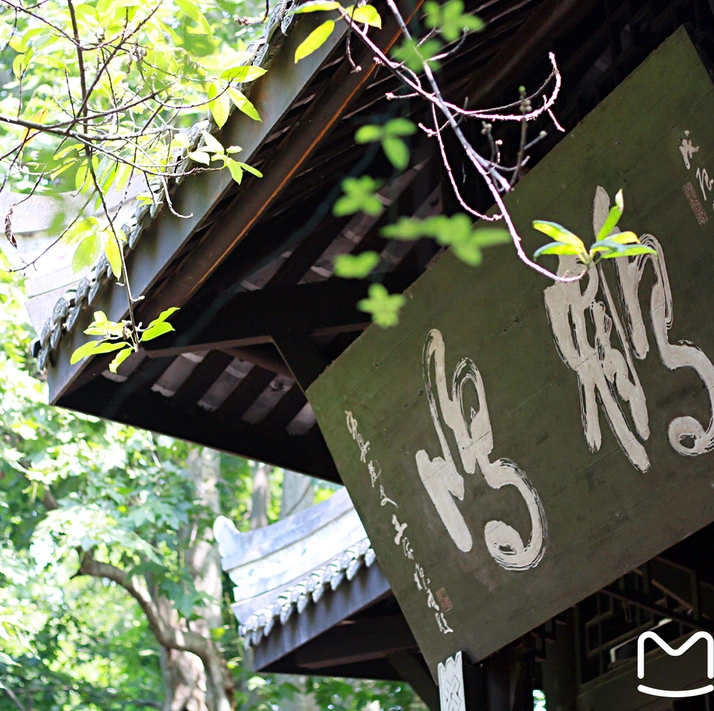
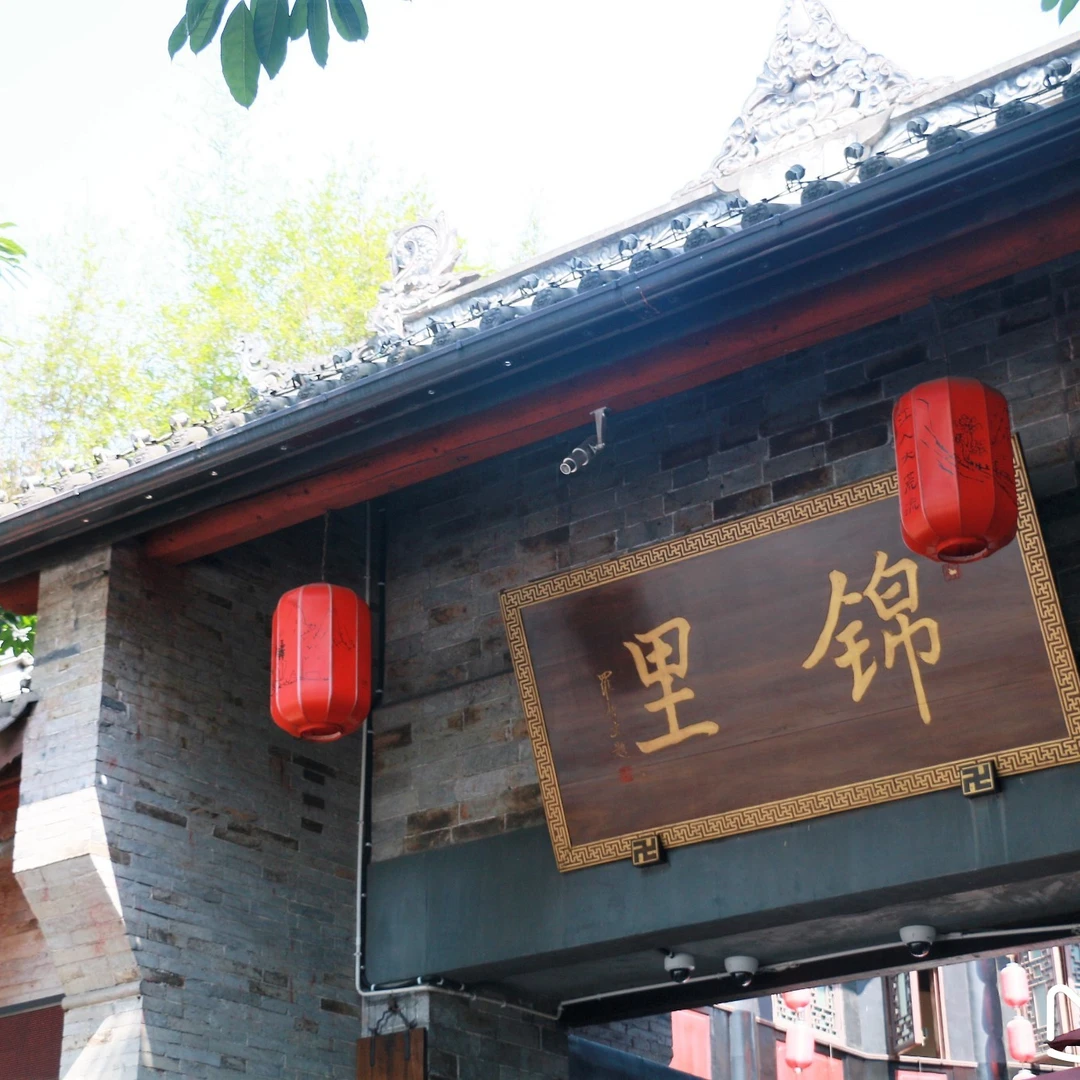
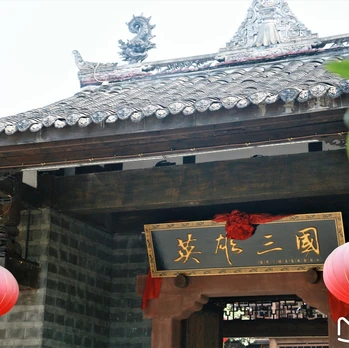
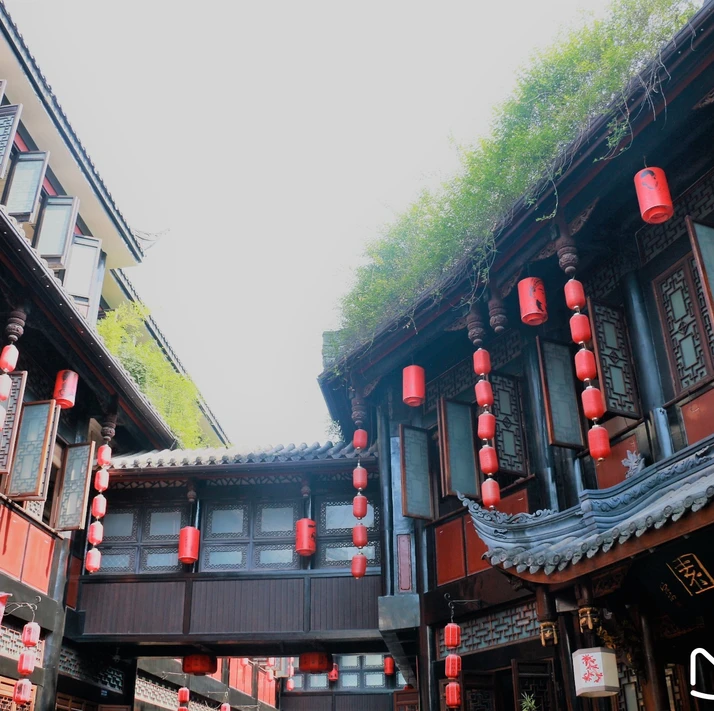
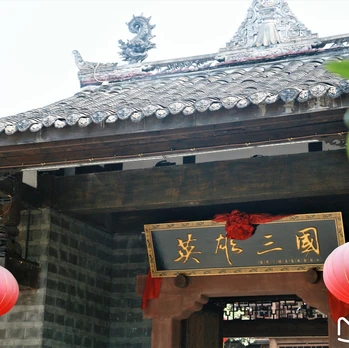
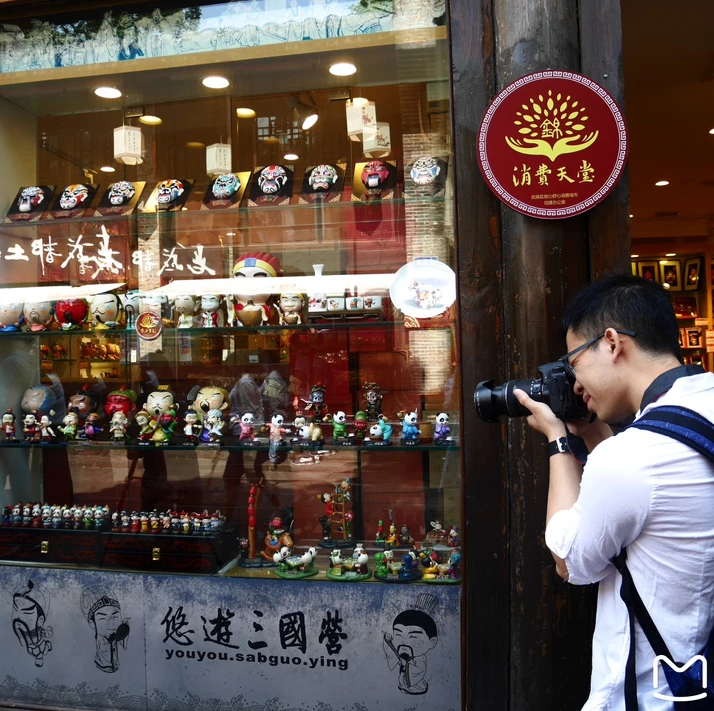
If Beijing has Nanluoguxiang and Nanjing has the Confucius Temple, then Chengdu's Jinli Ancient Street is a living, breathing Three Kingdoms theme park. Black-tiled roofs rise and fall in layers, stone pathways wind through, and old mansions, inns, and shops line the alleys in neat rows. Every brick and tile exudes the ancient charm of Shu.
Walking through Jinli, I was most surprised by the girls in hanfu (traditional Chinese clothing). Some held oil-paper umbrellas, others clutched round silk fans, gliding gracefully across the bluestone paths. It made me wonder: Why can't hanfu become a cultural symbol in our daily lives, like Japan's kimono or Korea's hanbok? It's so beautiful—it shouldn't be locked away in photo studio albums.
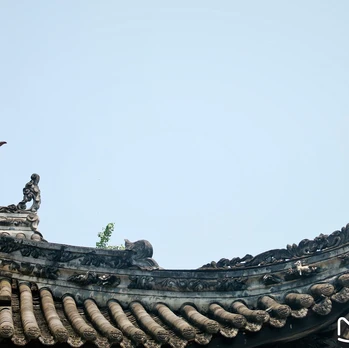
Look up, and the carvings under the eaves are so intricate you can't tear your eyes away. Jinli is a commercial street with attitude—it weaves Three Kingdoms culture into every detail. From statues of heroic figures to murals telling ancient stories, you'll bump into that era of war and turmoil at every turn.
Hidden Corners and Romantic Spots in Jinli
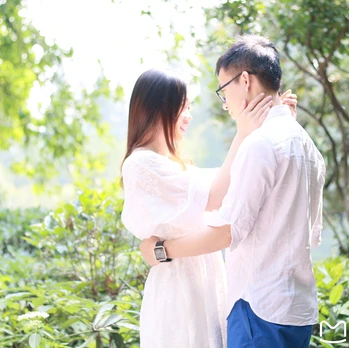
We discovered a corner in a small alley hung with red pouches, called "缘定三生" (Fate Bound Across Three Lifetimes). At the entrance stood a large stone carved with the same words. Stepping inside, we were surrounded by a sea of red—so joyful it made you want to laugh. I couldn't help thinking of the scene in Three Lives, Three Worlds where Xiao Fengjiu carves her name on the Stone of Three Lifetimes. But three lifetimes is too extravagant—holding onto the happiness right in front of you is enough.
Best Street Food in Jinli
The street food in Jinli is dizzying. We tried Juntun Guokui (baked flatbread). Fresh from the oven, the crust was crispy with a numbing kick of Sichuan pepper—but the promised beef filling was nowhere to be found. (Later, when we ate Yantaipo Guokui, I confirmed the first one had probably just forgotten the meat.)
Liaoji Bangbangji (skewered chicken) hit the spot. You pick your skewers, the prices are friendly, and if the spice level had been just one notch higher, it would've been perfect. There was also a bowl of salty douhua (tofu pudding), topped with sesame oil, soy sauce, and dried vegetables. Silky smooth, yes—but deep down, I was still craving the sweet douhua of my childhood memories.
Jinli at Night: A Different World
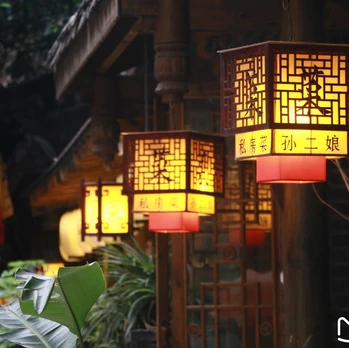
Jinli at night transforms. Red lanterns light up one by one, bathing the entire street in warm hues. Sichuan opera masks appear and disappear in the twilight. At the entrance of Xiaolong Fan Dajiang (a famous hotpot restaurant), a lifelike dragon bares its fangs with domineering presence. As the music fades and the stage grows quiet, all the noise settles into peace.
[Link: Best time to visit Chengdu's ancient streets]
People's Park: One Cup of Tea, One Whole Day
The Heming Tea House: Heart of Chengdu's Slow Living
The next morning, we went to People's Park (Renmin Gongyuan). This place really is the "people's" park—dancing aunties, tai chi-practicing grandpas, bird-walking uncles, moms pushing strollers. Everyone was enjoying Chengdu's slow time in their own way.
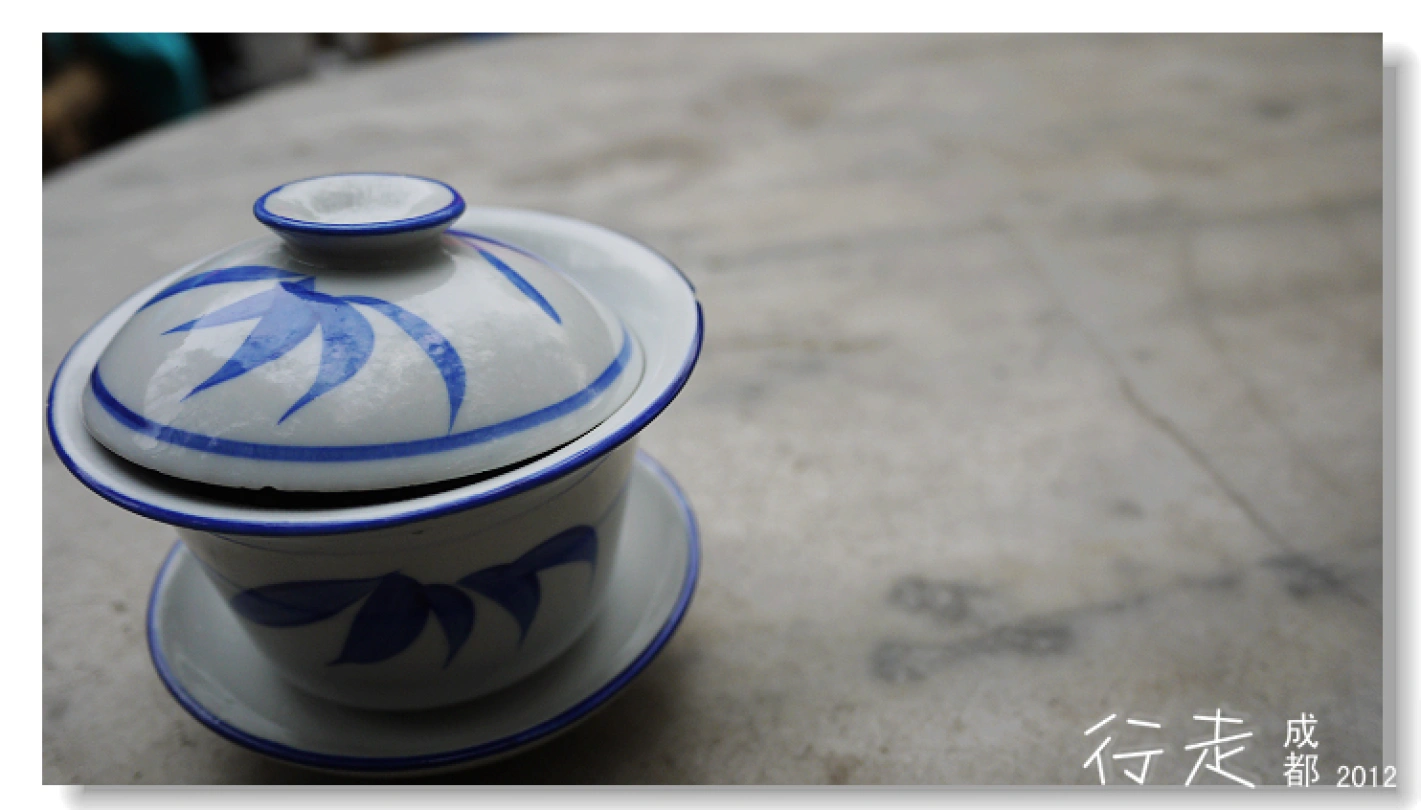
The Heming Tea House (Crane's Call Teahouse) is the soul of the park. Unlike Guangdong's "one cup, two dim sum" tradition, here most people just order a cup of tea and a pack of sunflower seeds, lean back in a bamboo chair, and zone out for an entire morning. We grabbed a spot by the lake and ordered two cups of tea—15 yuan each, with a thermos of hot water under the table for refills. The tea was slightly bitter at first, then sweet on the aftertaste—just like life itself.
Traditional Ear Cleaning and Other Park Experiences
Nearby, someone was trying Chengdu's famous ear-cleaning service. Watching that long ear pick slide into their ear made my scalp tingle. But they say it's so relaxing it can put you to sleep. I'll pass—just watching was enough.
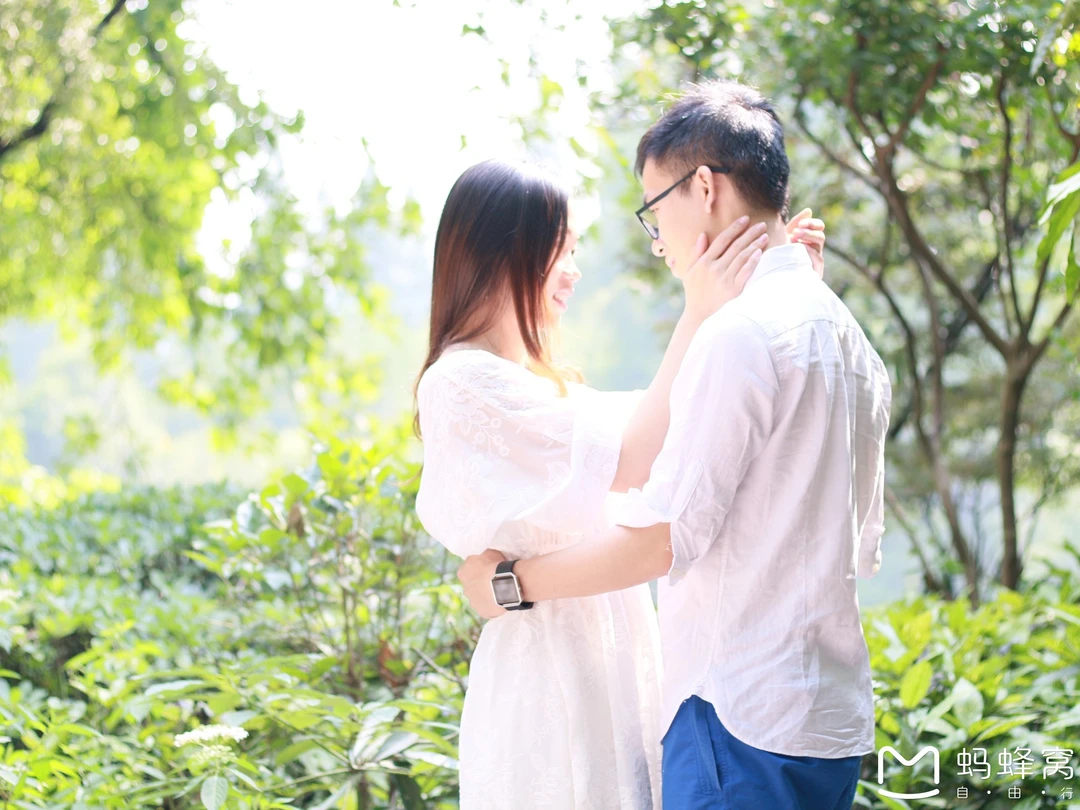
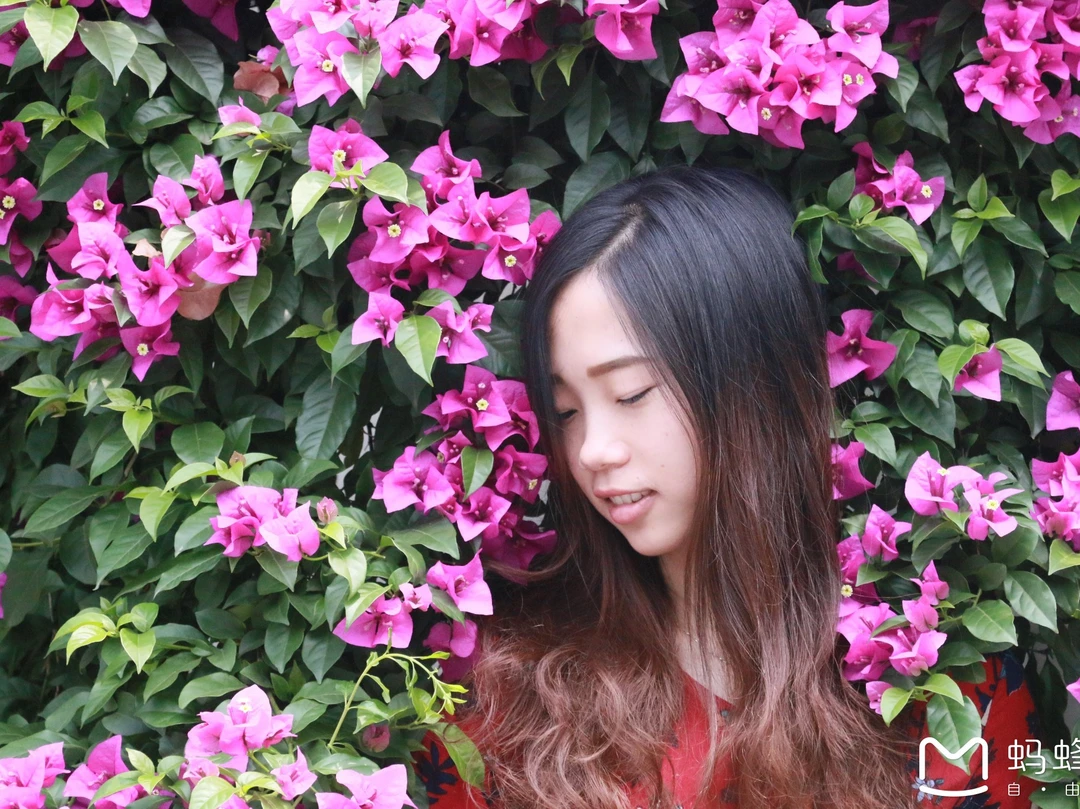
The sunlight was perfect, the breeze gentle. In that moment, I suddenly felt that leaning quietly on his shoulder like this, for the rest of my life, wouldn't be so bad.
[Link: Top things to do in Chengdu for free]
Eastern Suburb Memory: An Artistic Soul in Industrial Ruins
From Factory to Art District
Eastern Suburb Memory (Dongjiao Jiyi), originally the Chengdu Eastern District Music Park, is a bit like Beijing's 798 Art District—but smaller and more refined. It brings together music, fine arts, theater, and photography—a paradise for artsy souls.
The afternoon light was soft. We walked along the train tracks, past graffiti walls and old factory buildings. We saw couples taking wedding photos, and I couldn't help fantasizing: Where will our wedding photos be taken? My boyfriend reluctantly posed with me for a few shots in a "running toward happiness together" stance, then burst out laughing.
Dining at Eastern Suburb Canteen
We had dinner at Eastern Suburb Canteen. The décor was straight out of the Cultural Revolution era, with slogans like "人有多大胆,地有多高产" (As bold as people dare, as much as the land yields) painted on the walls. The food was cheap and generous. One plate of tangcu jiliu (sweet and sour chicken strips) was enough for two. The jiangyou fan (soy sauce rice) came in a Liberation-era cup—looked small, but was packed so tight I couldn't finish it.
When we left, it was already dark. Our reflections appeared in the shop windows, and I quickly pressed the shutter. Some scenes, if you miss the light, you can never capture that feeling again.
[Link: Chengdu art districts and creative spaces]
Giant Panda Base: Racing Against the National Treasures
Why You Must Visit the Panda Base Early
To see giant pandas, you must go early! Early! Early! I can't stress this enough. The pandas finish eating by 9:30 AM, then they're off to sleep with their butts in the air. All you'll see is a row of round, fluffy backsides.
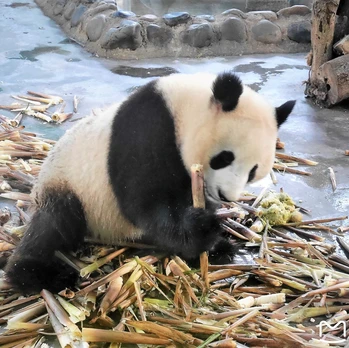
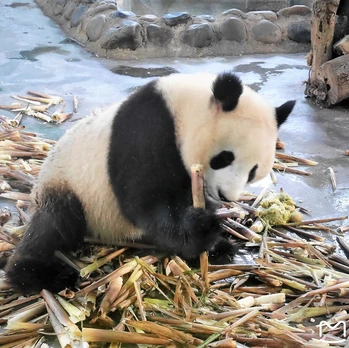
We took the sightseeing tram straight to the Moon Delivery Room (the panda nursery). The baby pandas in the incubators were so tiny it made your heart ache—like little balls of sticky rice cake. Adult pandas devoured bamboo shoots at an astonishing speed. Crunch, crunch—in no time, a whole pile was gone. After eating, they'd hang from tree branches to sunbathe, or wedge themselves into fork-shaped branches. I honestly couldn't figure out—doesn't that hurt?
Red Pandas and the Story of Qifu
The red panda area was even more fun. Along the boardwalk, there were small openings at regular intervals. Red pandas would suddenly dart past your feet, making the girls shriek. They weren't afraid of people at all, lounging lazily in the sun like born kings.
What touched me most was "Qifu" —the first giant panda born after the Wenchuan earthquake. Her name carries the meaning of "blessing" (qifu sounds like "pray for blessings"). She's not just a national treasure; she's a symbol of hope.
[Link: Chengdu Giant Panda Base tickets and tips]
Kuanzhai Alley: Early Birds Get the Views
How to Beat the Crowds at Kuanzhai Alley
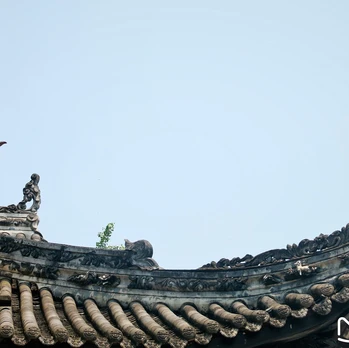
Kuanzhai Alley (Wide and Narrow Alley) is made up of three parallel lanes—Wide Alley, Narrow Alley, and Well Alley—and is one of Chengdu's best-preserved Qing Dynasty streets. Want to avoid the crowds? The secret is simple: get up early.
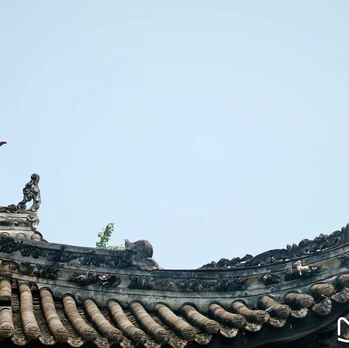
We stayed nearby and wandered over at 7 AM. We practically had the entire alley to ourselves. We could take photos however we wanted, without jostling through crowds. The morning light cast long shadows on the cobblestones, and the traditional architecture looked even more elegant in the quiet.
[Link: Kuanzhai Alley food guide]
FAQ: Planning Your Chengdu Trip
1. What is the best time to visit Chengdu?
Spring (March-May) and autumn (September-November) offer mild temperatures and clear skies. Avoid summer heat and winter chill. For panda viewing, visit early morning year-round.
2. How many days do I need in Chengdu?
A 3-4 day itinerary covers the highlights: Day 1 for Jinli and Kuanzhai Alley, Day 2 for People's Park and Eastern Suburb Memory, Day 3 for the Giant Panda Base, plus extra time for food exploration.
3. Is Chengdu food too spicy for beginners?
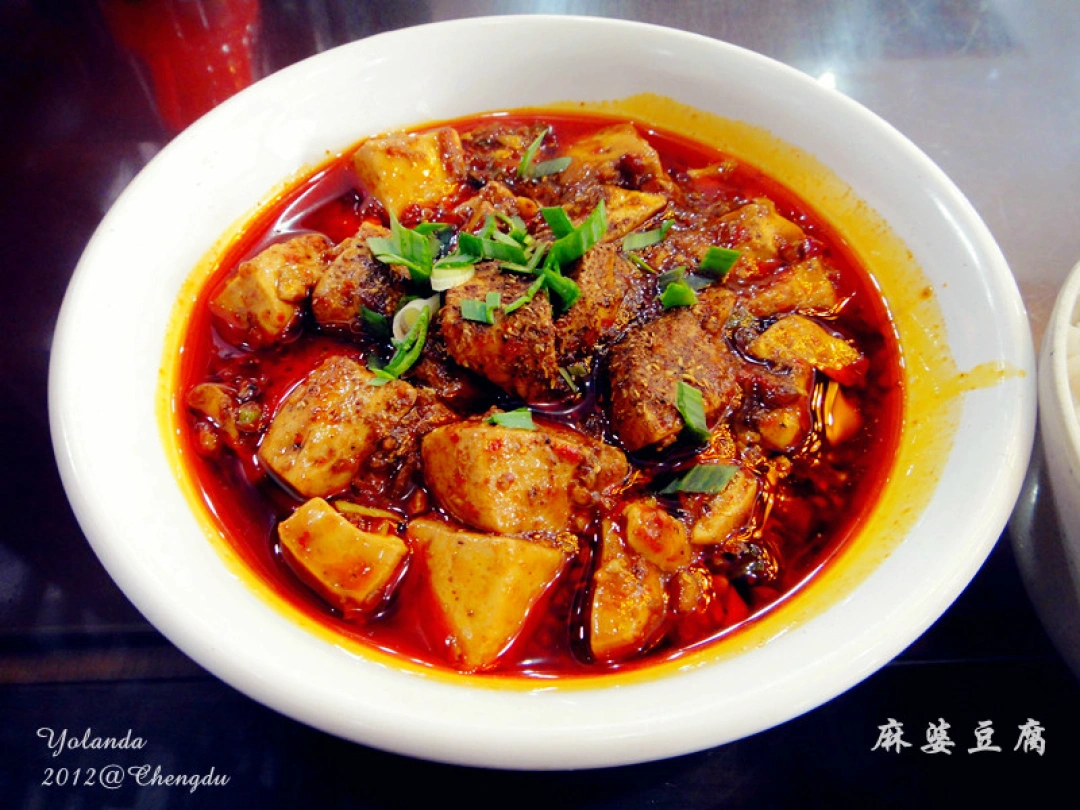
Sichuan cuisine is known for its mala (numbing and spicy) flavor, but many dishes can be ordered with mild spice. Start with mapo tofu (mild version), dan dan noodles, and sweet water noodles. Always ask for "少辣" (less spicy).
4. How do I get to the Giant Panda Base from downtown?
Take Metro Line 3 to Panda Avenue Station, then a short bus or taxi ride. Alternatively, book a guided tour that includes transportation. Aim to arrive by 7:30 AM.
5. What should I pack for Chengdu?
Comfortable walking shoes, a light jacket (for variable weather), sunscreen, and a reusable water bottle. For panda visits, bring a hat and sunglasses—the sun can be strong in the outdoor enclosures.
Conclusion: Your Chengdu Slow Living Adventure Awaits
Chengdu isn't just a city—it's a state of mind. From the ancient charm of Jinli and Kuanzhai Alley to the laid-back tea culture of People's Park, from the artistic soul of Eastern Suburb Memory to the adorable national treasures at the Panda Base, every moment in Chengdu invites you to slow down and savor life.
Whether you're a food lover, history buff, nature enthusiast, or simply someone seeking a break from the fast pace of modern life, Chengdu has something for you. The city's gentle rhythm will stay with you long after you leave.
Ready to plan your Chengdu adventure? Start by booking your flights and accommodations early—especially during peak seasons. Pack your camera, your appetite, and your sense of wonder. The slow living capital of China is waiting to welcome you.
[Link: Complete Chengdu travel itinerary for 3 days]
Have you visited Chengdu? Share your favorite memory in the comments below, or tag us in your Chengdu photos!