Steel and Glory: Medieval Knight Exhibition at Chengdu Museum – A Journey into Chivalric Legends
Meta Description: Explore the "Steel and Glory" exhibition at Chengdu Museum, featuring 140 medieval knight artifacts from Turin, Italy. Discover armor, weapons, and the true history of European chivalry in this immersive cultural experience.
Introduction: When Eastern Eyes Meet Western Steel
Have you ever wondered what lies beneath a suit of cold, gleaming armor? Is it merely metal, or does it carry the weight of honor, faith, and a warrior's soul?
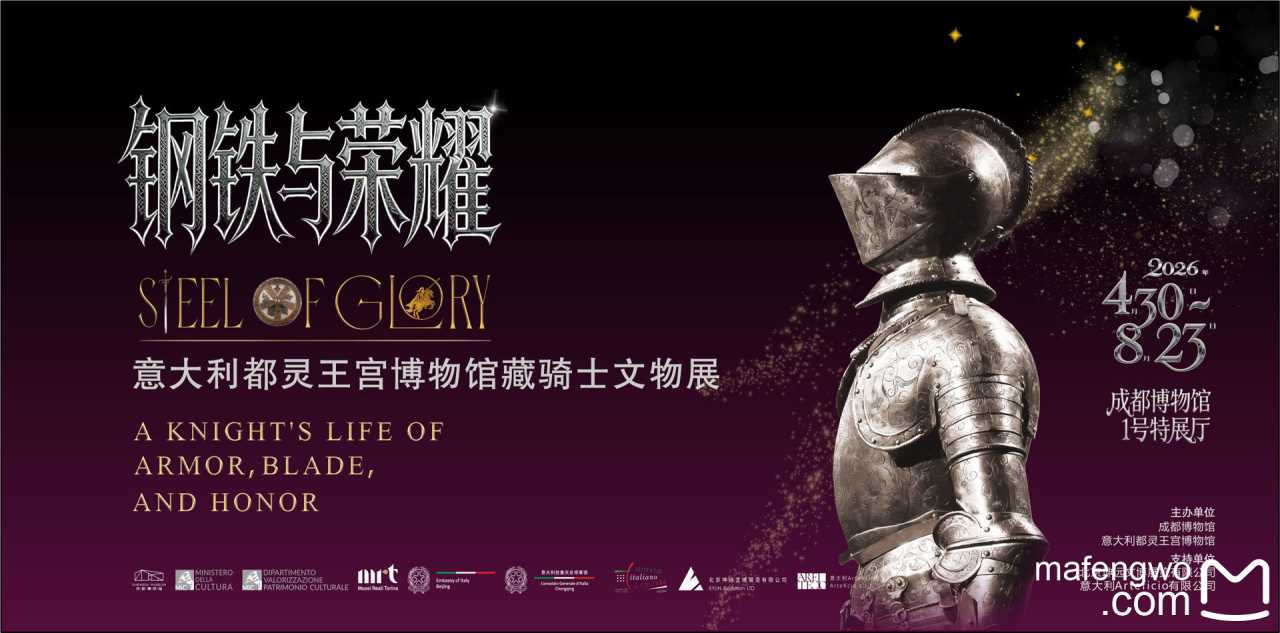
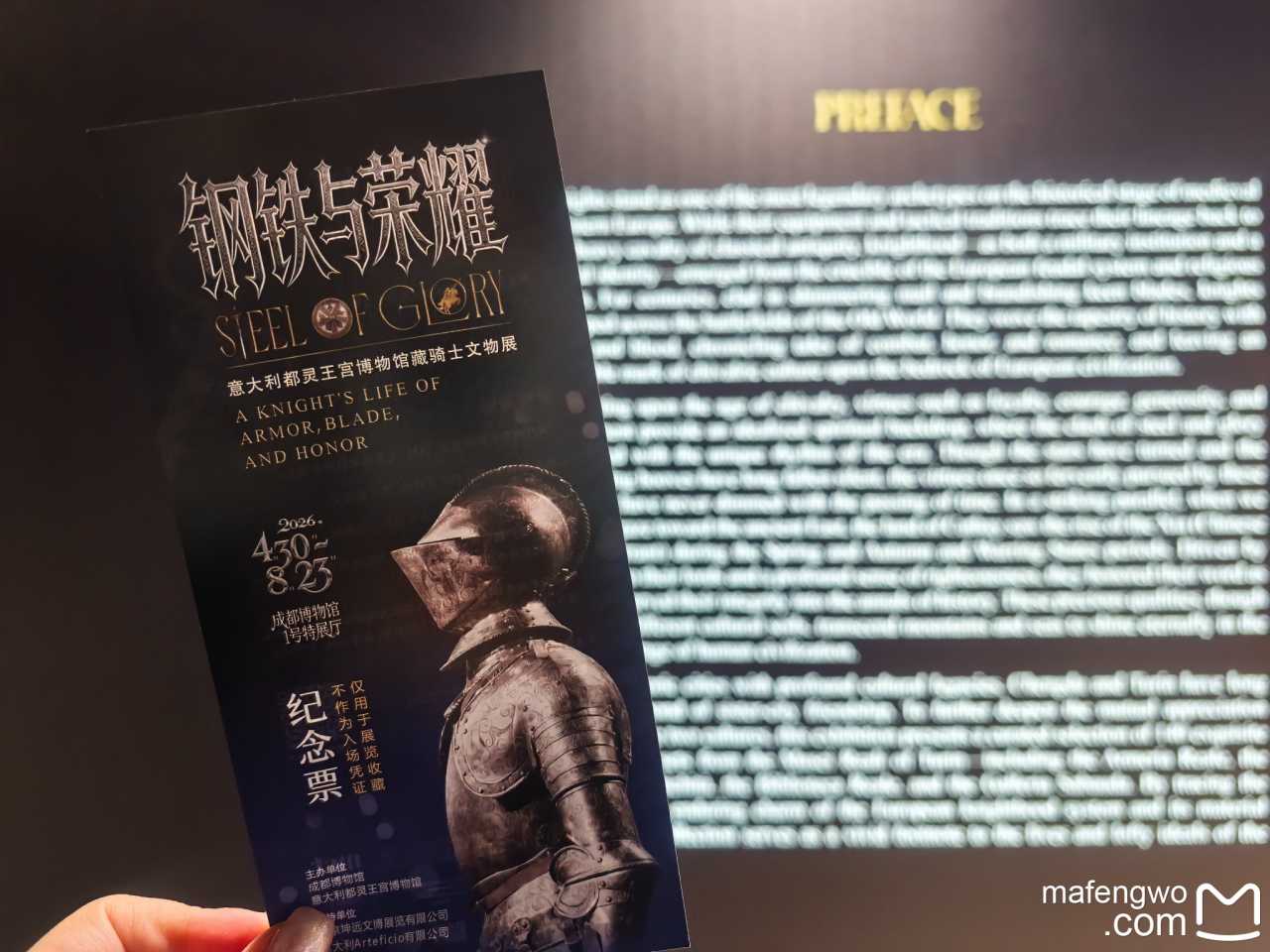
In spring 2026, the Chengdu Museum opens its doors to an extraordinary collection. "Steel and Glory: Knight Artifacts from the Museo Civico d'Arte Antica, Turin" brings 140 rare medieval treasures to China for the first time. These are not ordinary exhibits—every scratch tells a story of life and death on the battlefield; every gilded pattern whispers of noble pride and sacred oaths.
I secured an early-bird ticket and slipped into this world of steel and legend on a quiet weekday afternoon. What I discovered was far more than a display of weapons—it was an epic narrative spanning eight centuries of courage, loyalty, and human ambition.
Who Were the Medieval Knights? Beyond Fairy Tales and Hollywood
The word "knight" conjures images of princes on white horses, but the reality is far more complex—and far more fascinating.
The Three Faces of Knighthood
First, knighthood was a profession: elite heavy cavalry, the mobile fortresses of medieval battlefields. Second, it was a social class: lower nobility positioned between aristocrats and commoners, forming the backbone of Western European feudalism. Third, and most profoundly, it became a spiritual symbol: humility, honor, sacrifice, valor, compassion, and fidelity—virtues that still echo in Western culture today.
Remarkably, this entire tradition owes a debt to China.
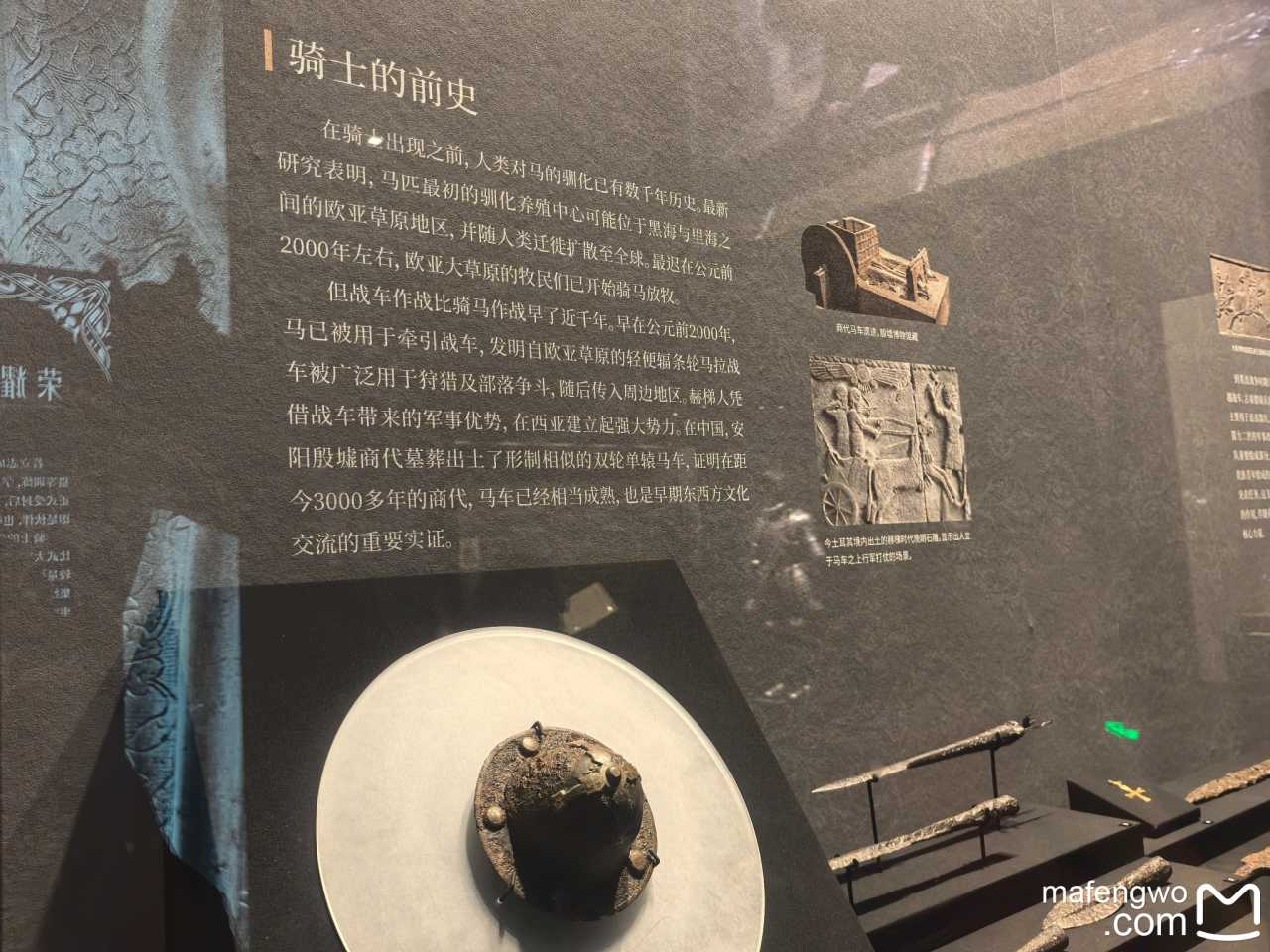
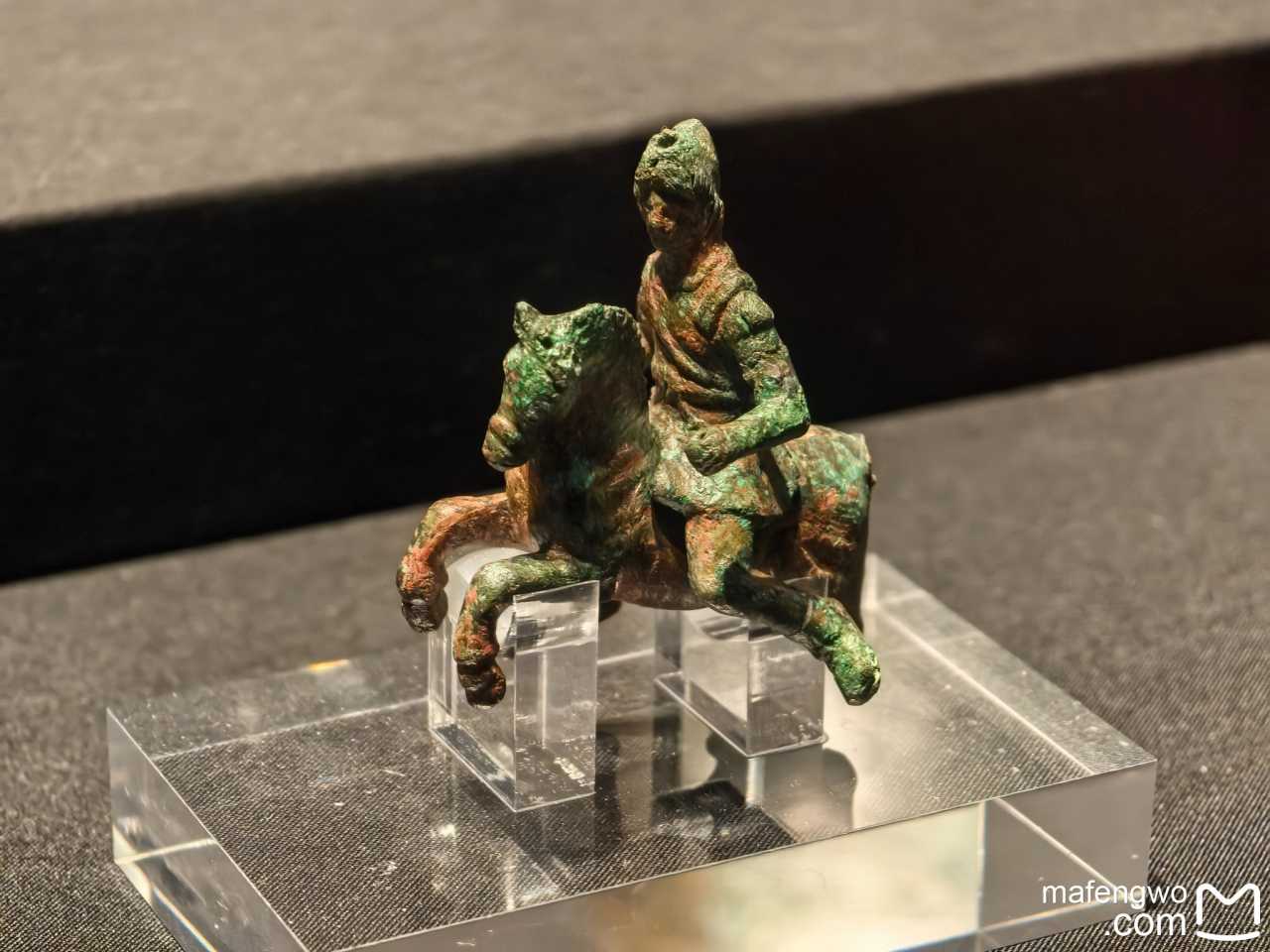
The Stirrup: A Small Invention That Changed History
Before the 6th century, European cavalry was clumsy and ineffective. Without stirrups, riders clung desperately to their horses, unable to fight without falling. Infantry ruled the battlefield.
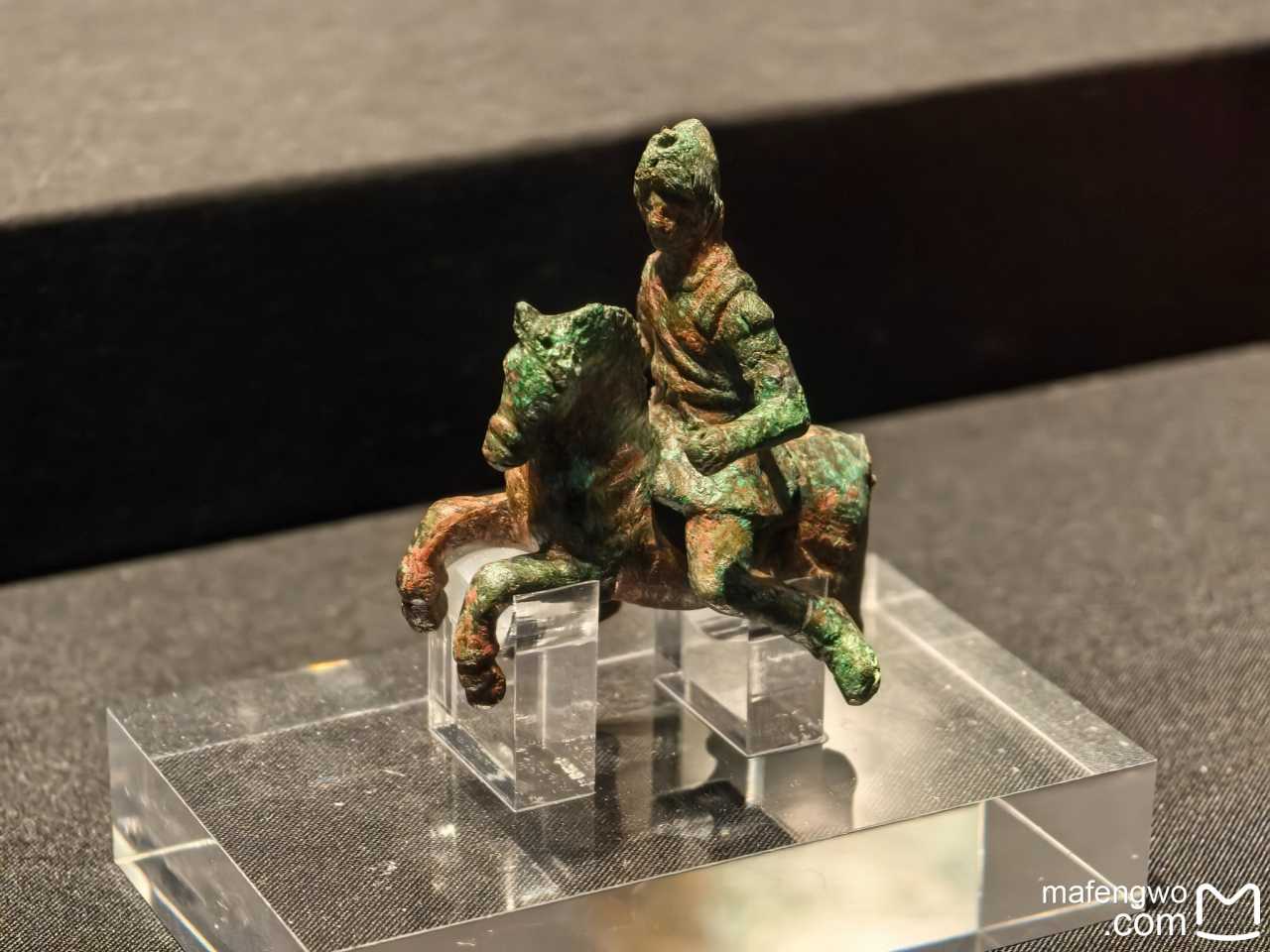
When the stirrup arrived from China, everything transformed. Riders could stand steady in the saddle, couching lances under their arms for devastating charges, or swinging swords with lethal precision. The "man-and-horse-as-one" fighting unit was born.

As historian Leften Stavrianos wrote in A Global History: "The stirrup made possible the feudal knight in heavy armor."
By the 8th century, Charles Martel implemented the "benefice system," granting land in exchange for military service. Knights became integrated into the feudal hierarchy, swearing oaths of loyalty to lords who granted them territory. After the 11th century, Christianity deepened this institution, creating religious military orders like the Knights Templar and Knights Hospitaller—monks and warriors in one.
[Link: History of the stirrup and its impact on global warfare]
The Path to Glory: From Page to Knight
The exhibition's first section, "The Path to Glory: The Life of a Knight," reveals how a boy was forged into a steel-clad warrior.
Elite Education Starting at Age Seven
A miniature armor set for a ten-year-old boy catches my eye. Every plate is perfectly scaled down from adult proportions, and the helmet bears an intricately engraved noble family crest. This is no toy—it's proof that knightly education began in childhood.
According to medieval custom, noble boys left home at age seven to serve as pages in higher-ranking lords' castles. Their duties included adding firewood, boiling water, serving wine, learning courtly etiquette, and beginning physical training. Around fourteen, capable youths became squires, learning to handle armor and warhorses, protect their lords, strike at vital points, and memorize heraldry.
Most boys were formally knighted around twenty-one through a dubbing ceremony. The night before, they bathed and prayed through the night. At dawn, the lord fastened the sword belt around their waist.
Compare this to Eastern scholar-official training: a noble boy entered private school at six, studying the six arts—rites, music, archery, charioteering, calligraphy, and mathematics. The settings differ completely, but the core truth remains: elites are never born. They are forged through rigorous, prolonged systems that break a child down and rebuild them.
Could Women Become Knights?
This question arises frequently. While female knights were historically rare, they did exist. Joan of Arc is the most famous example, though she is more often defined as a military leader than a formally knighted figure. In isolated cases, women received knighthood through inheritance or exceptional service, but this was always the exception, not the rule.
[Link: Women in medieval warfare and chivalric orders]
Armor: Where Technology Meets Art in the Middle Ages
Armor was a knight's protective gear and a masterpiece of medieval engineering. The exhibition showcases this evolution brilliantly.
A Suit of Armor Worth a Farm
Standing before the displays, you can examine the articulation of armor joints—so ingeniously designed that a knight could still nimbly mount his horse after falling to the ground. But the cost was staggering: a full set of high-quality plate armor equaled several years' income from a small farm.
The most expensive component was horse barding. A properly trained warhorse cost no less than a Ferrari today, and equipping it with custom armor signaled the rider's immense wealth and status. Nobles regarded their warhorses as comrades, sparing no expense on fine steel armor. Even the stirrups were exquisitely ornate.
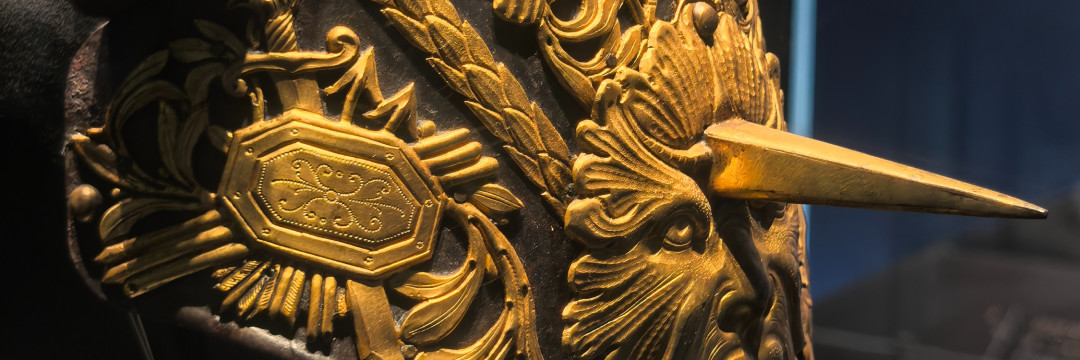
A full German knight armor set from around 1550, complete with horse barding, occupies its own dedicated display area. Man-armor plus horse-armor—this was a "human tank" on the medieval battlefield.
The Evolution of the Helmet
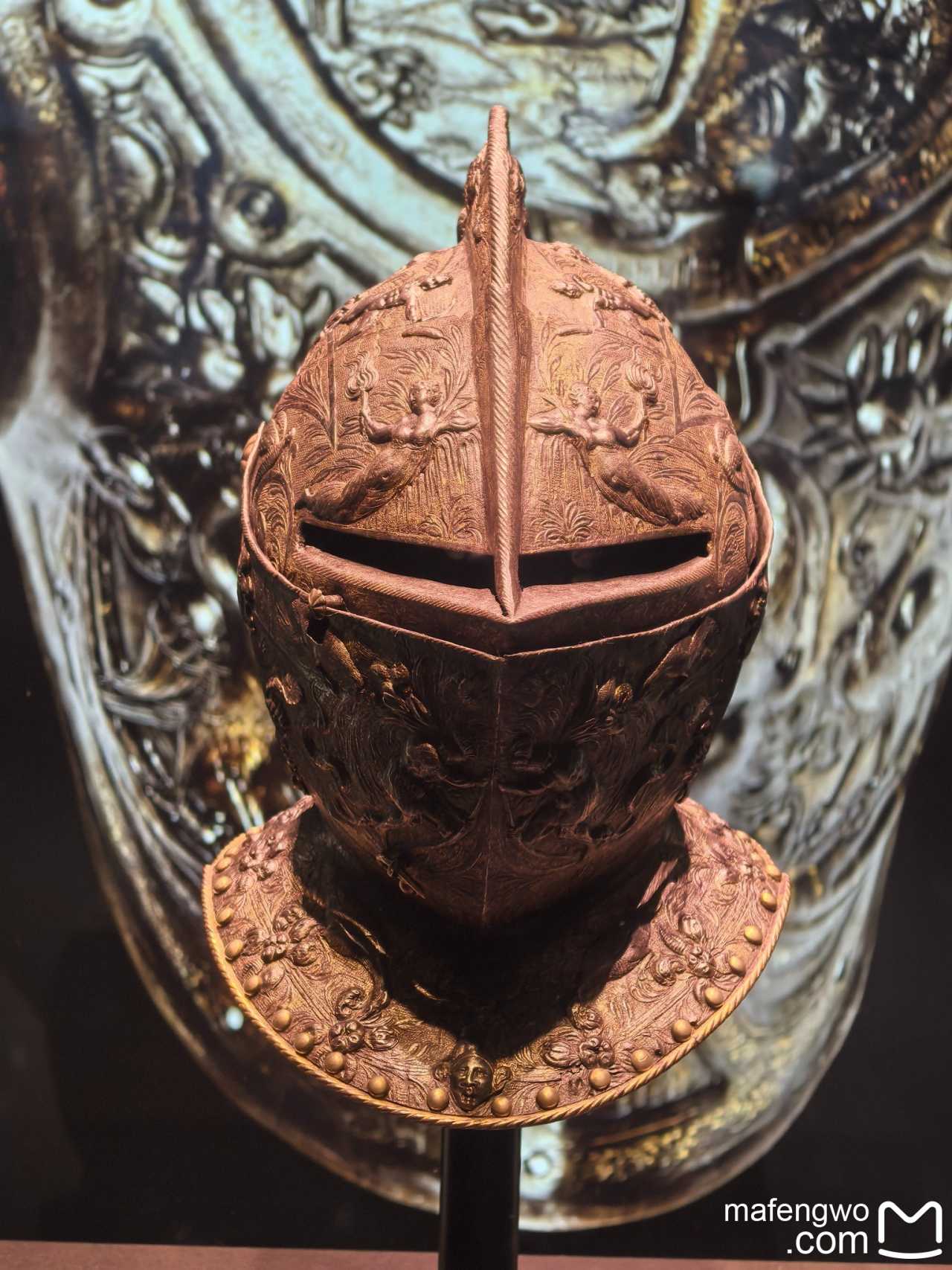
From simple conical designs to later visored bascinets with beak-like shapes, and finally to 16th-century close helmets with hinged fronts—each design sought a balance between protection and visibility. The helmet's evolution records the development of craftsmanship and the institution of knighthood itself.
Weapons: From Battlefield to Ceremony
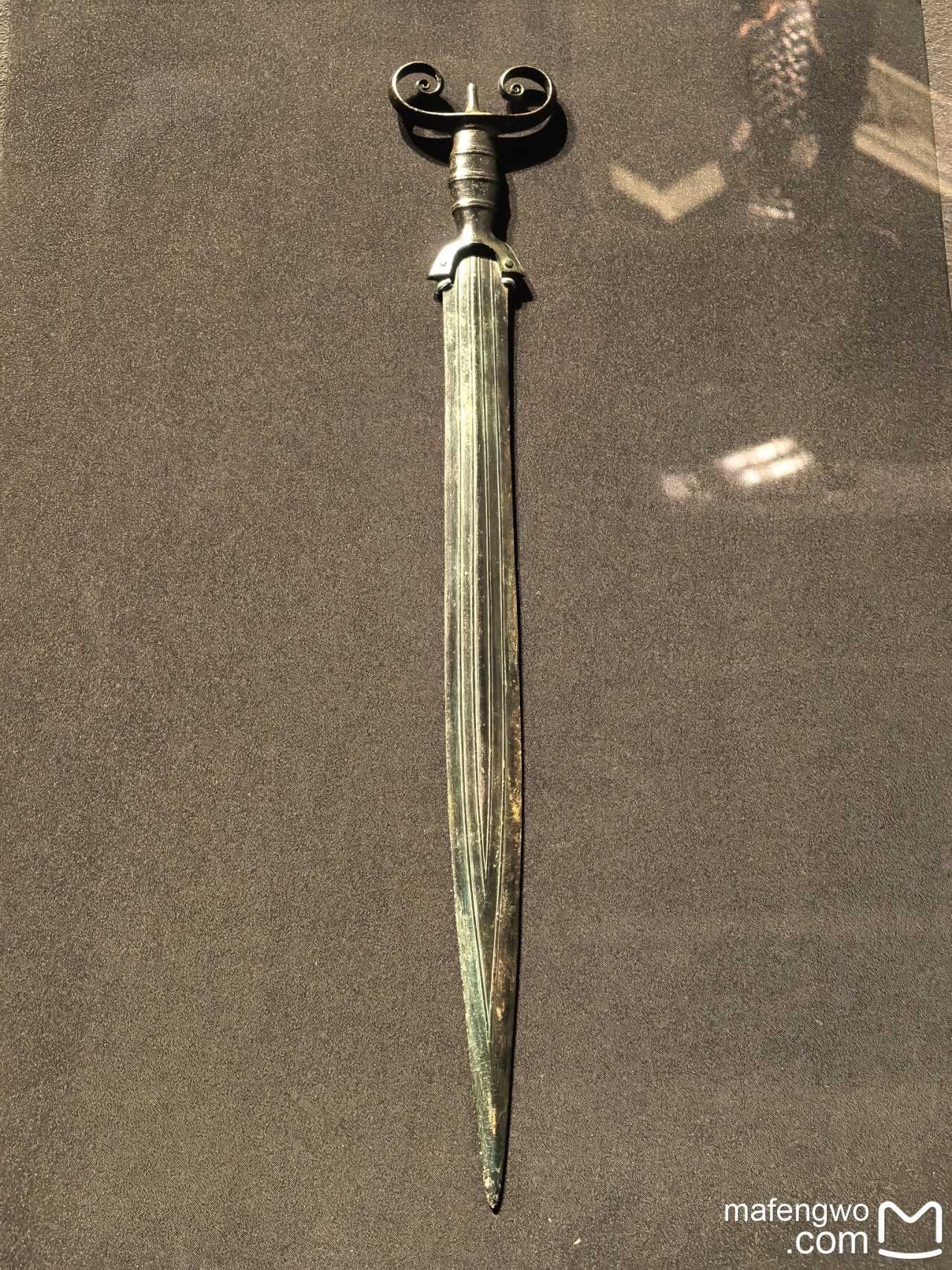
A knight's primary identity was that of a battlefield harvester; his secondary identity was that of a ceremonial noble. The sword was often seen as a witness to a knight's oath and loyalty.
But a knight's arsenal extended far beyond the sword. Bladed weapons like knives, lances, and daggers, along with impact weapons such as maces and war hammers, filled his armory. Even shields came in bewildering variety—I saw a "targe" for the first time here. This small square shield was typically used in duels, made from curved wood covered in parchment and fitted with an iron hook to catch an opponent's blade.
An interactive area in the hall provided a gauntlet for visitors to try on. I slipped it over my hand—it was indeed substantial. Imagine fighting in battle while wearing a full set of such equipment. What physical strength and willpower that must have required.
[Link: Medieval weapons and their battlefield effectiveness]
Tournaments: Bloody Conflict and Public Celebration
Paintings and documents in the exhibition depict the grand "tournaments" of medieval knights. Beyond being military training, they served a social purpose: knights had to demonstrate their skills before nobles and commoners alike.
These events were far from the romanticized jousts of modern films. Real tournaments were brutal affairs, with serious injuries and even deaths. They were also opportunities for knights to gain fame, win prizes, and attract the attention of wealthy patrons.
Frequently Asked Questions About the Exhibition
1. When and where is the "Steel and Glory" exhibition being held?
The exhibition runs through spring 2026 at the Chengdu Museum. It features 140 artifacts from the Museo Civico d'Arte Antica in Turin, Italy. Check the museum's official website for exact dates and ticket availability.
2. How much are tickets, and should I book in advance?
Early-bird tickets are available at discounted prices. Given the exhibition's popularity, booking in advance is strongly recommended, especially for weekend visits. Weekday afternoons tend to be less crowded.
3. Is the exhibition suitable for children and families?
Absolutely. The exhibition includes interactive areas where visitors can try on gauntlets and examine armor up close. The miniature armor set and colorful heraldic displays are particularly engaging for younger visitors.
4. Are there guided tours or audio guides available?
Yes, the museum offers guided tours in Mandarin and English. Audio guides with detailed commentary on key exhibits are also available for self-guided exploration.
5. How long does a typical visit take?
Plan for approximately 2-3 hours to fully appreciate the exhibition. The collection is rich with detailed artifacts, paintings, and historical context that reward careful attention.
Conclusion: Why You Must Experience This Exhibition
"Steel and Glory" is more than a display of medieval artifacts—it's a bridge across cultures and centuries. Standing before a 500-year-old suit of armor in Chengdu, you realize that human stories of courage, honor, and sacrifice transcend geography and time.
Whether you're a history enthusiast, a student of medieval culture, or simply curious about the human spirit, this exhibition offers an unforgettable encounter with the past. The knights may be gone, but their steel—and their glory—remains.
Don't miss your chance to walk among legends. Book your tickets today and step into a world where steel meets soul.
[Link: Chengdu Museum official website and ticket booking] [Link: Other medieval history exhibitions in China] [Link: Chinese and European cultural exchange programs]
Plan your visit now. The armor awaits.
You may also like


