Spring in Western Sichuan: A Seven-Day Rendezvous with Pear Blossoms and Snowy Peaks

Meta Description: Discover the ultimate spring in Western Sichuan itinerary—pear blossoms, ancient teahouses, steam trains, and snow-capped peaks. A seven-day road trip guide from Chengdu with insider tips.
Introduction: Why Spring in Western Sichuan Is a Must-See
March transforms Western Sichuan into a breathtaking canvas of contrasts. While cherry blossoms in Chengdu barely hint at pink, the pear blossoms in Western Sichuan have already turned entire valleys into snow-white wonderlands. This seven-day loop route from Chengdu captures the region's soul: the timeless rituals of century-old teahouses, the industrial romance of the last steam train on earth, the weathered beauty of ancient mining sites, and the serene majesty of snow-capped peaks framed by blossoms.
This isn't just a travelogue—it's a practical, warm-hearted guide for anyone craving an escape from concrete jungles. Whether you're a photographer chasing golden-hour light or a traveler seeking authentic cultural encounters, this spring in Western Sichuan itinerary delivers.
Day 1: From Century-Old Tea Aroma to Ancient Town Boat Silhouettes
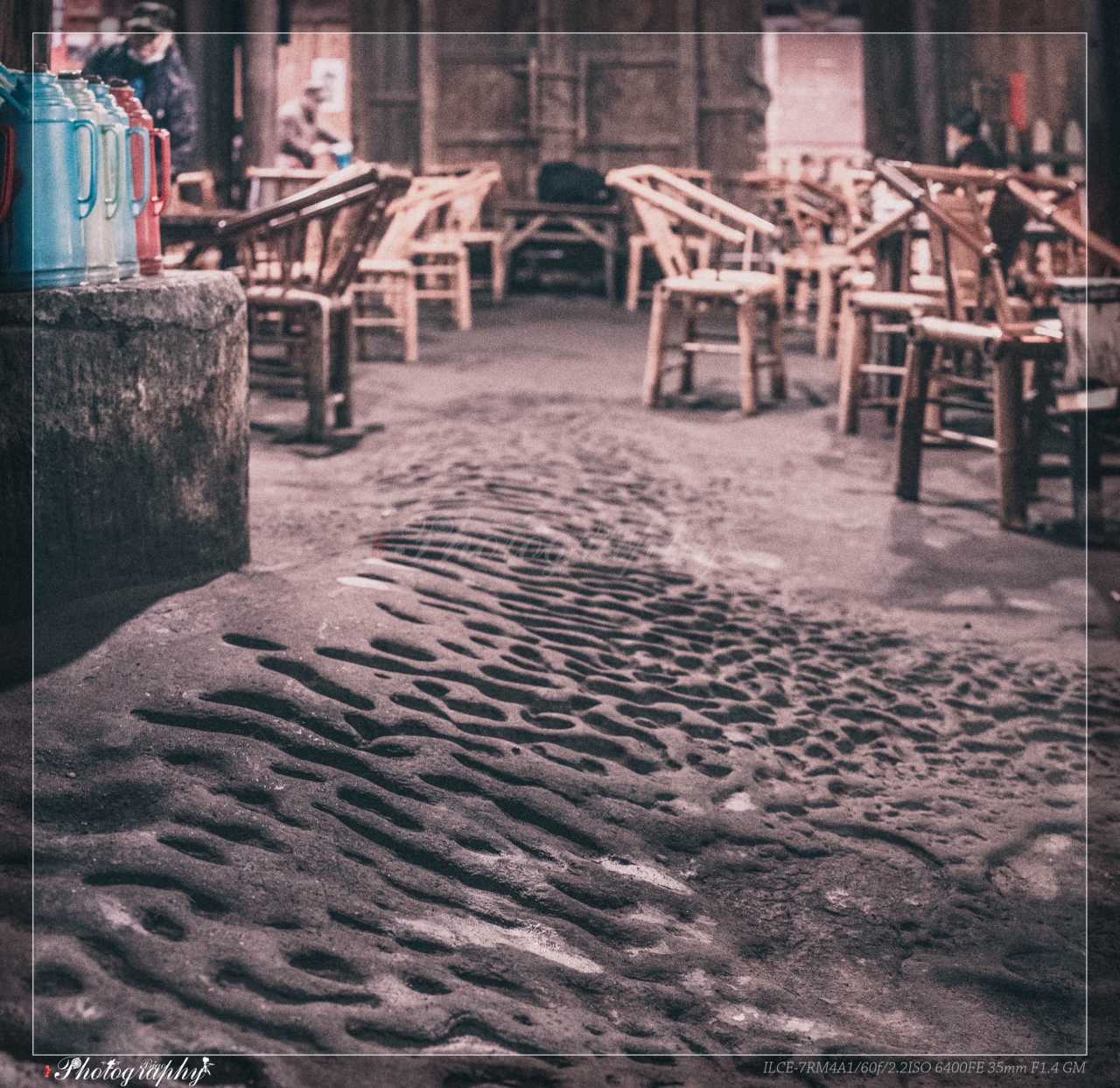
The Guanyin Pavilion Teahouse: A 4 AM Time Machine
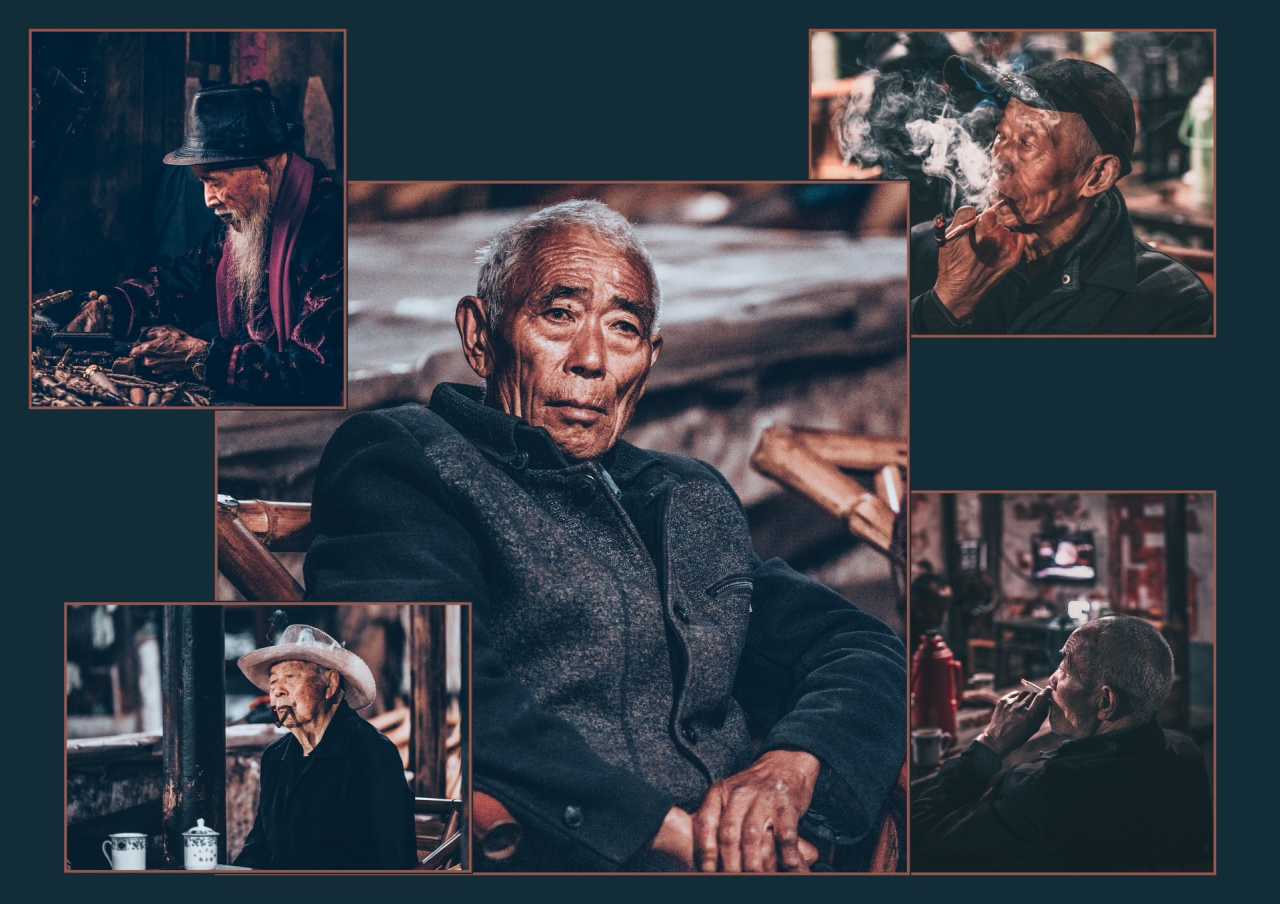
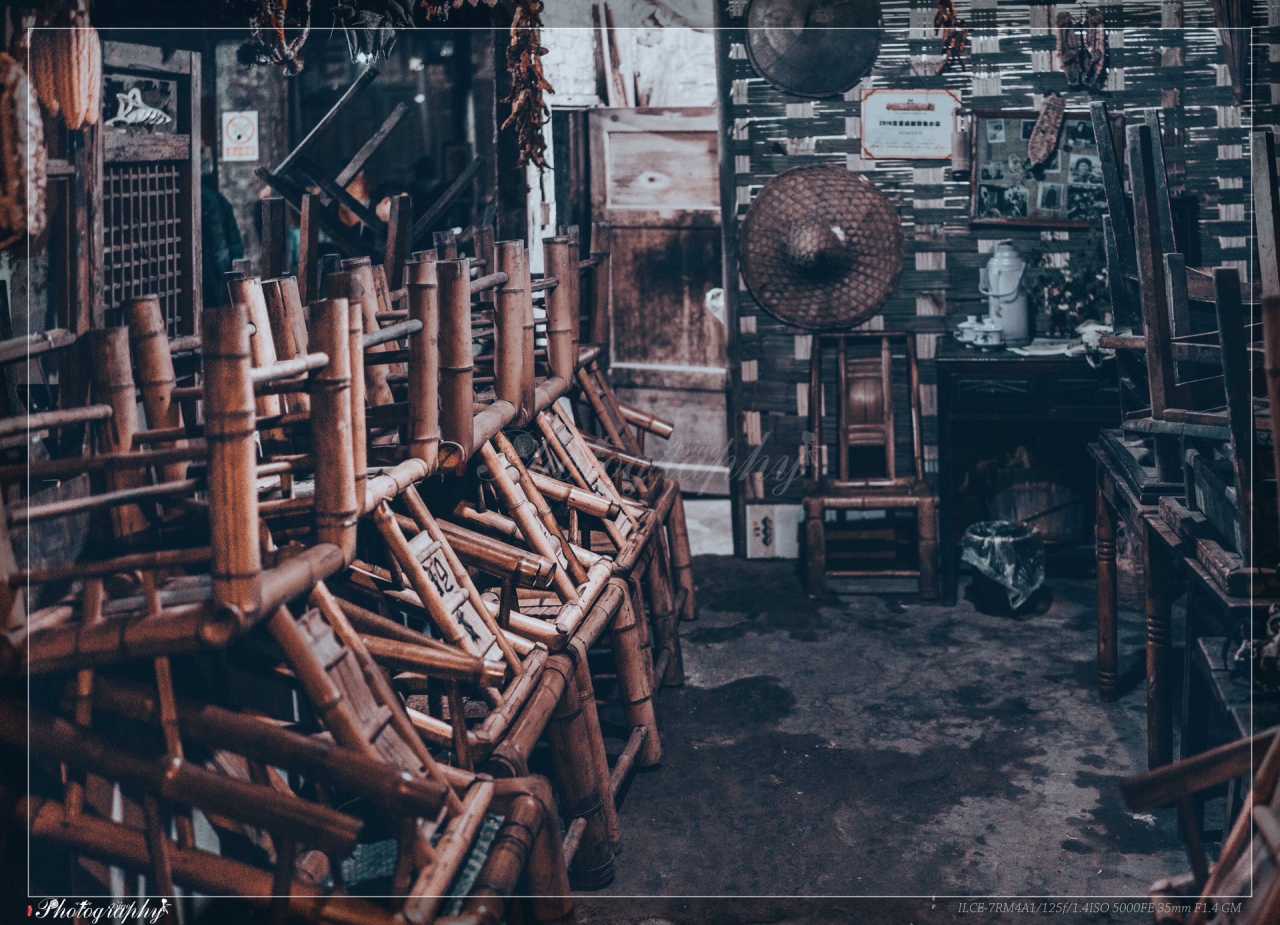
At four in the morning, while Chengdu sleeps, the Guanyin Pavilion Teahouse in Pengzhen flickers to life with dim yellow lamps. Push open the creaking wooden door, and you step back a hundred years.
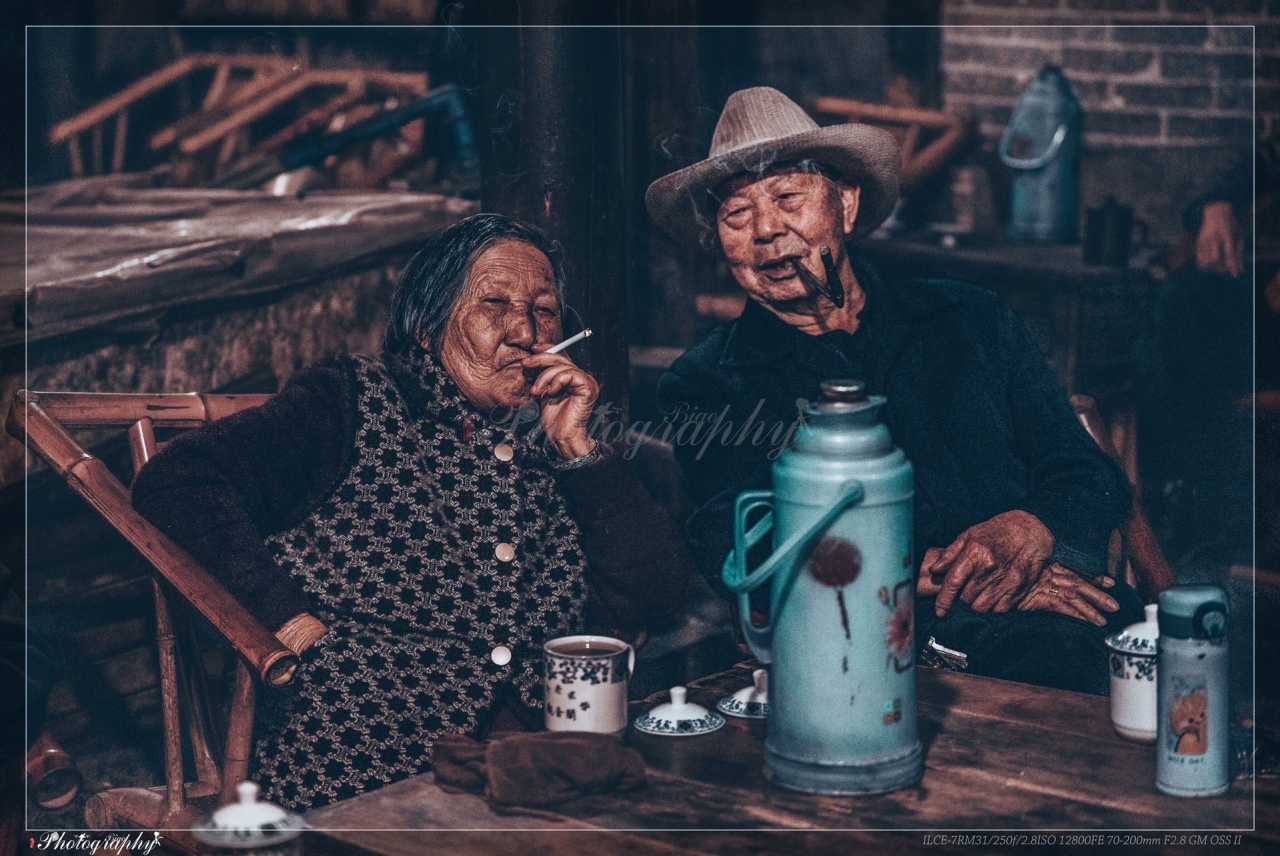
Bamboo armchairs, square wooden tables, faded political posters from a bygone era, and a clay-built "tiger stove" (a traditional multi-opening stove) tell stories of the years. Owner Master Li has maintained the same routine for over two decades: light the fire at 4 AM, boil water, and open the door planks by 5 AM. The steam rising from honeycomb briquettes, the hiss of aluminum kettles, and the calm tea drinkers holding lidded bowls create the most moving tableau of this century-old teahouse in Sichuan.
Legend says 150 years ago, a fire nearly destroyed Pengzhen—except for this very spot. Ancestors named it "Guanyin Pavilion" believing the Goddess of Mercy protected it. During the 2008 Wenchuan earthquake, the water vat shook violently, bamboo poles snapped, yet not a single roof tile fell. Perhaps spirits truly guard this earthly realm.
Behind the teahouse, an old barber opens around 5–6 AM, serving longtime neighbors. Sitting in his simple chair, listening to the crisp snip of scissors, you're transported to an era of slow carriages and distant letters.
Luocheng Ancient Town: China's Noah's Ark
Next stop: Luocheng Ancient Town in Qianwei County. This boat-shaped ancient town—209 meters long, 9.5 meters at its widest—resembles a giant wooden ship from above. Locals say: "A boat on the mountaintop, a shuttle in the clouds."
In 1982, Australians built a "Chinatown" modeled after Luocheng in Melbourne, cementing its international fame. The ancient opera stage sits at the boat's widest point, its four upturned eaves exquisitely crafted. Every Saturday at 10:30 AM, performers in traditional Sichuan opera roles—sheng, dan, jing, mo, chou—take the stage, filling the Cool Veranda Street with singing, reciting, and acrobatic fighting.
Photography tip: Climb to the top floor of Guanjing Pavilion Teahouse for the best panoramic shot. A local elder also showed me a "thread of sky"—a narrow alley between old buildings where only a sliver of sky is visible, evoking a martial arts novel atmosphere.
[Link: Best ancient towns in Sichuan for photography]
Xiaogu Winery: A Century of Wine by the Min River
Late afternoon brings us to Xiaogu Town on the banks of the Min River. This place once produced "Paozi Wine" (bubbling wine), with 32 wineries operating simultaneously at its peak. Today, only Peng Dalong Winery persists with traditional methods.
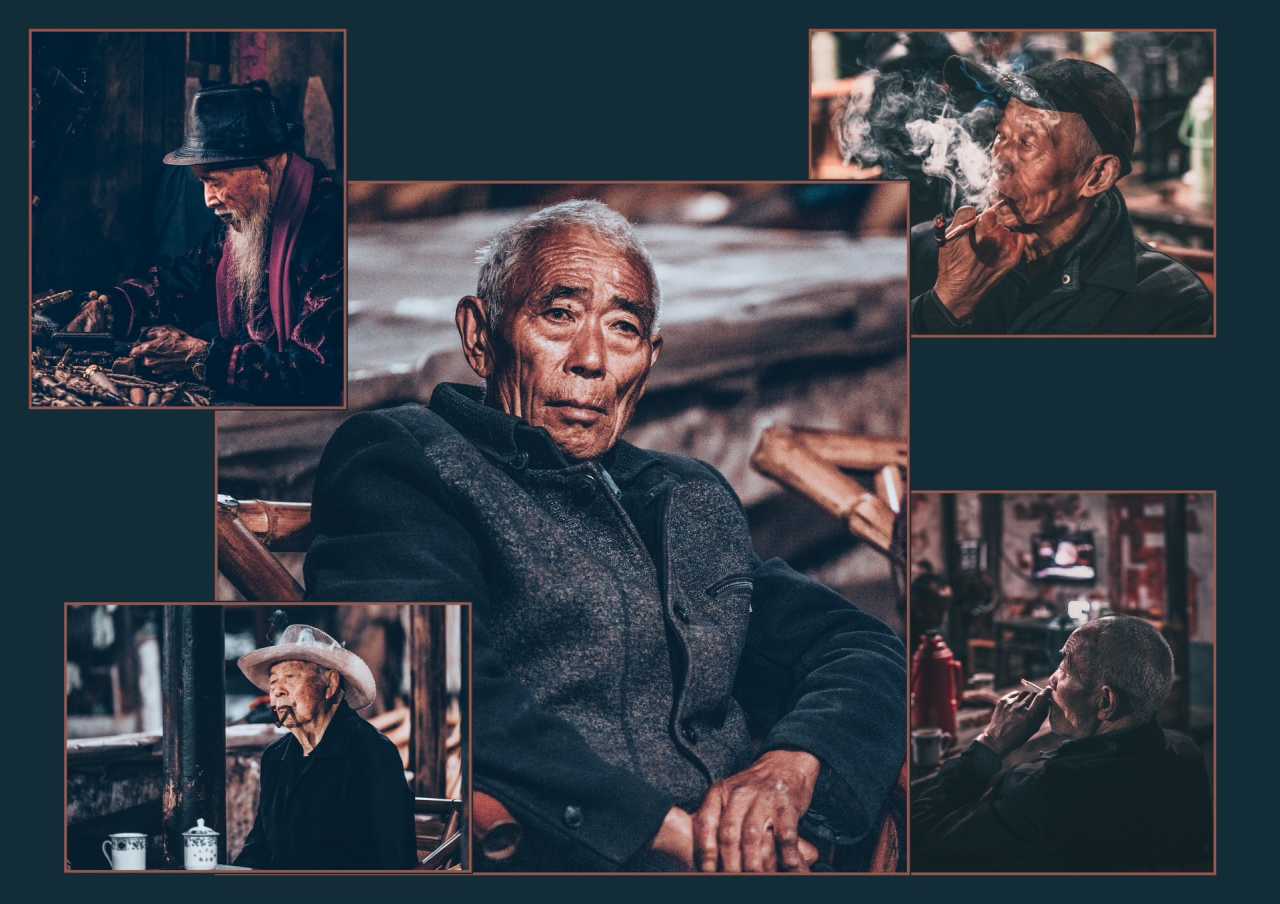
The winery sits by the river in a 300-year-old building made entirely of golden nanmu wood. Owner Peng Dalong was born next to the wine cellar and grew up in the winery. Watching him boil sorghum, wash it in a vat, and steam it in a steamer is like witnessing performance art.
The traditional process: boil sorghum → wash and steam → cool on bamboo mats → add yeast in a wooden box → ferment → move to a tall round wooden barrel. The liquid trickling from the condensation pot is "dry wine." Adding clear water creates the fragrant, sweet, mellow Paozi wine. This craft is now a county-level intangible cultural heritage.
Day 2: Industrial Remnants and 2,300-Year-Old Black Sand
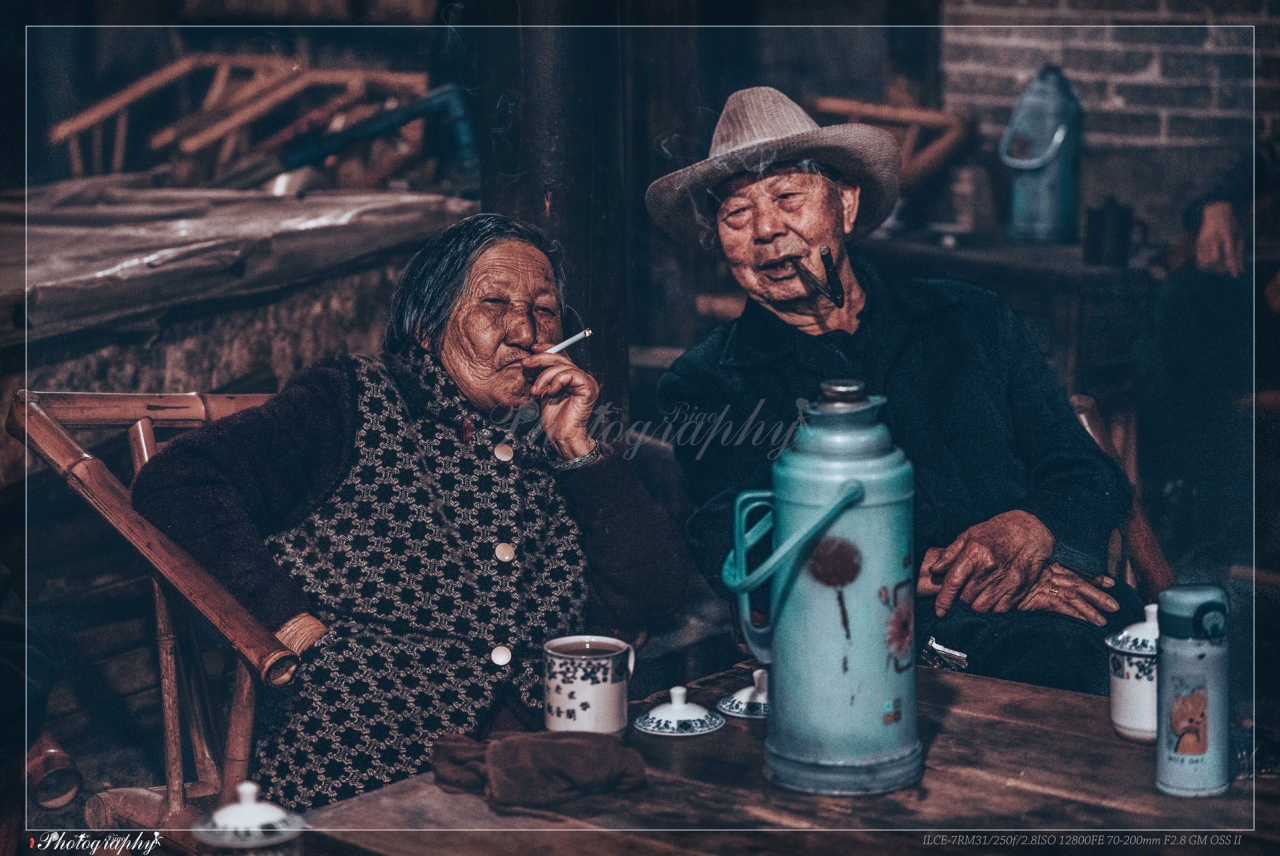
Jiayang Small Train: The Train to Spring
At dawn, the Jiayang Coal Mine Park comes alive with steam and whistles. This narrow-gauge steam train—the only one still operating in the world—shuttles through forests and mountains, pulling time back to the last century.
Driving tip: Skip the train ride. Boarding and alighting points differ, and when the train races through rapeseed flower fields, you only get a few minutes to stop—crowded and hard to photograph. Instead, drive to two viewpoints: Bee Rock Viewing Platform and Liangshui Tuo.
Near Bee Rock Station, a hillside spot captures the train climbing a "Y"-shaped railway track. Walk along the tracks; the rails gleam under sunlight, flanked by rapeseed flowers nearing their end (by March 20, many had withered).
Liangshui Tuo Station is the best place to watch the steam exhaust performance. When the train shoots white steam, forming rainbows in sunlight, the blend of industry and nature explains why this place is called a "living fossil of the Industrial Revolution."
[Link: Sichuan industrial heritage sites worth visiting]
Yingjing Black Sand: 2,300 Years of Fire and Earth
Afternoon takes us to Gucheng Village in Liuhe Township, Yingjing County. This is the main production area for Yingjing clay pots and home to the provincial-level protected "Yandao Ancient City Ruins." Yingjing black sand has a 2,300-year history and is known as the "Ancestor of Black Sand." Firing still uses traditional "steamed bun kilns" (mantou kilns).
Entering the sandware factory, you first see piles of clay material—black sand mixed with coal slag for breathability, though it heats slowly and feels rough. Workers shape and polish each piece meticulously.
The most awe-inspiring part: the firing stage. The furnace burns at over a thousand degrees Celsius, yet workers operate skillfully. After firing, sandware transfers to another cellar for insulation and slow cooling. One master even used the high-temperature furnace to steam a basket of small buns—proof of this craft's ingenious practicality.
Day 3–7: Pear Blossoms, Snowy Peaks, and Mountain Passes

The Pear Blossom Valleys of Western Sichuan
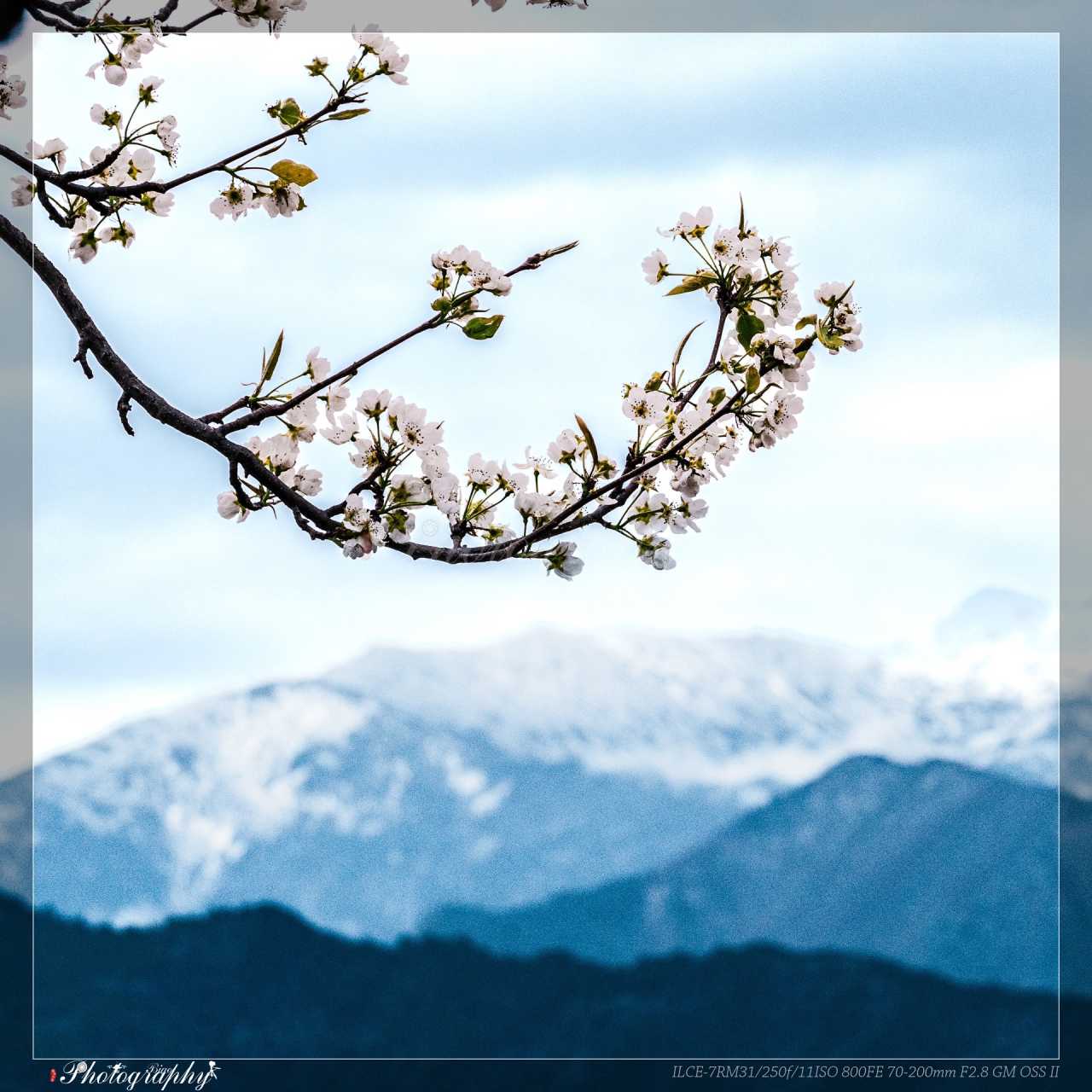
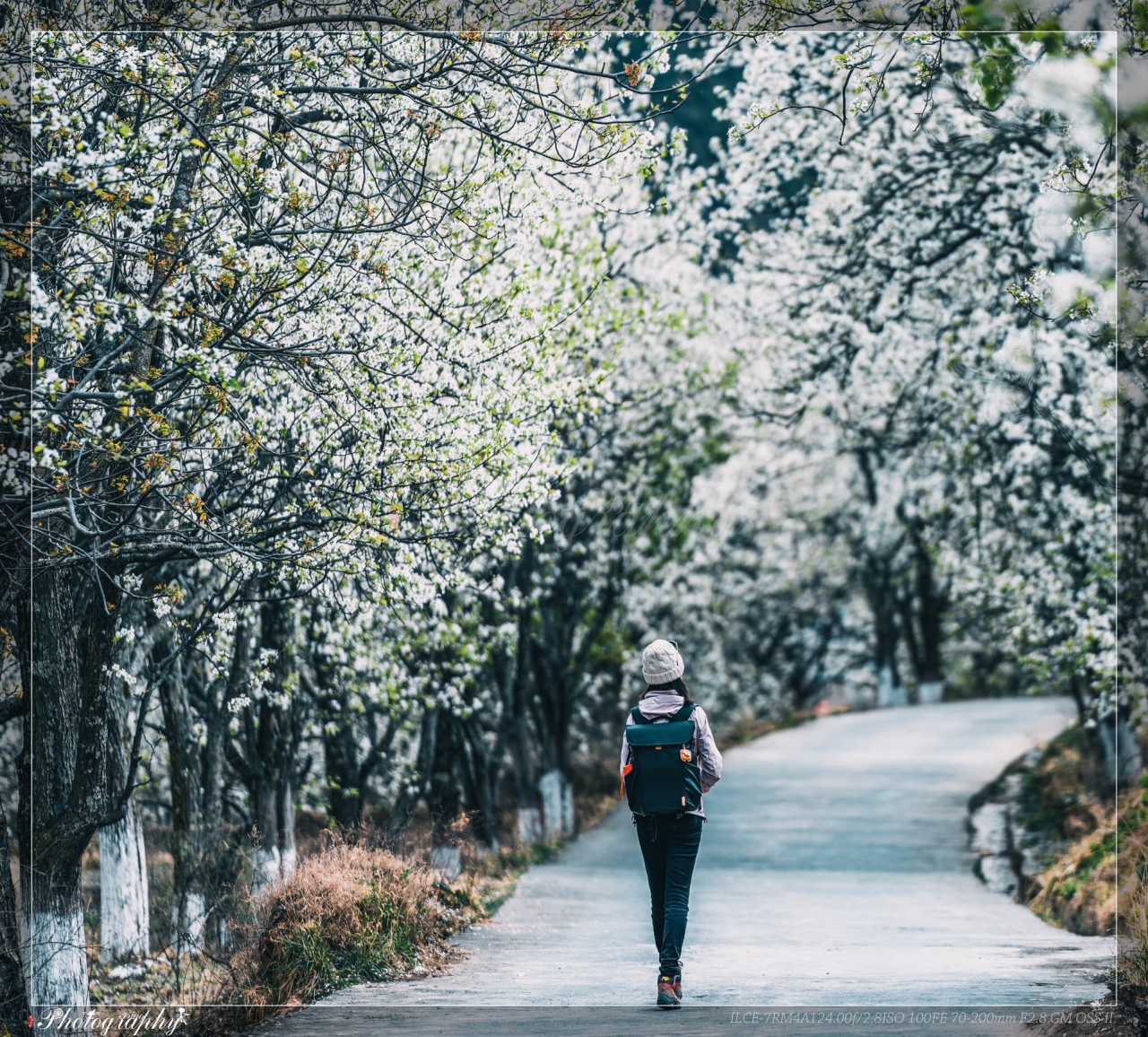
Days three through five focus on the pear blossoms in full bloom. The valleys around Danba and Jinchuan counties explode in white, creating a spectacle that rivals cherry blossom season in Japan. Unlike city blossoms, these pear trees are ancient—some over a century old—their gnarled branches contrasting with delicate white petals.

Best viewing spots: - Jinchuan Pear Blossom Valley: The most famous, with terraced hillsides covered in blossoms against snow-capped backgrounds. - Danba Tibetan Villages: White blossoms frame traditional stone houses, creating postcard-perfect scenes.
Photography tip: Arrive by 7 AM for soft morning light and fewer crowds. Use a telephoto lens to compress layers of blossoms against distant snowy peaks.
[Link: Best time to see pear blossoms in Sichuan]
Snowy Peaks and Mountain Passes
Days six and seven take you higher. The snowy peaks of Western Sichuan—including views of the Yala Snow Mountain and the Daxue Shan range—provide a dramatic backdrop. The contrast between pear blossoms at lower elevations and permanent snow at higher altitudes is uniquely Sichuan.
Key passes to include: - Zheduo Mountain Pass (4,298m): Gateway to the Tibetan Plateau, offering panoramic views. - Bamei Grassland: Wildflowers begin blooming in late March, adding purple and yellow to the palette.
Altitude tip: Acclimate in Kangding (2,560m) before attempting higher passes. Carry oxygen cans and stay hydrated.
FAQ: Spring in Western Sichuan

1. When is the best time to see pear blossoms in Western Sichuan?

Peak bloom typically falls between March 15 and April 5, varying slightly by elevation. Lower valleys (Jinchuan) bloom earlier; higher areas (Danba) peak in late March. Check local blossom forecasts before booking.
2. Is a 7-day Western Sichuan road trip suitable for beginners?
Yes, if you plan carefully. The loop route from Chengdu is well-maintained, but expect some mountain roads with sharp curves. Rent a 4WD vehicle for higher passes. Avoid driving at night in mountainous areas. Consider hiring a local driver if you're inexperienced with mountain driving.
3. What should I pack for spring in Western Sichuan?
Temperatures range from 5°C to 20°C (41°F–68°F). Pack layers: thermal base, fleece, windproof jacket, and a down vest for mornings/evenings. Bring sunscreen, sunglasses, lip balm (dry mountain air), and comfortable walking shoes. A reusable water bottle and snacks are essential for long drives.
4. Are the ancient teahouses and wineries accessible year-round?
Yes, but spring offers the best experience—cool weather, fewer crowds, and blooming surroundings. Guanyin Pavilion Teahouse operates daily from 5 AM to early evening. Peng Dalong Winery welcomes visitors but call ahead to confirm availability, as the owner sometimes travels for supplies.
5. Can I combine this itinerary with a visit to Chengdu?
Absolutely. Most travelers start from Chengdu, spending 1–2 days exploring pandas, Sichuan cuisine, and Jinli Ancient Street before heading west. The loop returns you to Chengdu, making logistics easy.
Final Thoughts: Your Spring Rendezvous Awaits
Spring in Western Sichuan isn't just a trip—it's a visual feast orchestrated by nature and history. From the 4 AM steam of a century-old teahouse to the rainbow exhaust of the world's last steam train, from ancient black sand fired in bun-shaped kilns to pear blossoms blanketing valleys like snow, every moment offers something unforgettable.
This route proves that the best journeys aren't about checking boxes—they're about stumbling into moments that feel like they belong to another time. The old barber snipping hair in Pengzhen. The winemaker stirring sorghum by the Min River. The steam train conductor waving as his rainbow arcs across rapeseed fields.
Ready to trade your concrete jungle for pear blossoms and snowy peaks?
Start planning your spring in Western Sichuan road trip today. Book your Chengdu car rental, mark your calendar for mid-to-late March, and prepare for a week that will linger in your memory long after the blossoms fall.
Your seven-day rendezvous with spring awaits. Are you ready to answer the call?
[Link: Western Sichuan road trip planning guide] [Link: Chengdu to Western Sichuan driving routes]
You may also like


