Solo Travel in Western Sichuan: A Backpacker's Public Transit Adventure During May Day (April 28 - May 1)

Here is the SEO-optimized, rewritten article based on your source material. It is structured to target high-intent keywords, improve readability, and drive engagement.
SEO Title: Solo Travel in Western Sichuan Without a Car: A Backpacker’s Public Transit Guide for May Day
Meta Description: Can you explore Western Sichuan without a car? Absolutely. Read one solo traveler’s honest guide to public transit, altitude sickness prevention, and hidden gems during the May Day holiday.
Solo Travel in Western Sichuan: A Backpacker’s Public Transit Adventure During May Day (April 28 - May 1)
If you are wondering whether a solo traveler without a car can truly experience the majesty of Western Sichuan, the answer is a resounding yes—but it requires patience, preparation, and a willingness to embrace the unexpected. My recent journey from April 28 to May 1 proved that solo travel in Western Sichuan is possible, even during the chaotic May Day holiday.
To be honest, I hesitated for weeks before departing. The memory of my last trip to Qinghai—where altitude sickness left me with splitting headaches and sleepless nights—still haunted me. But this time, I treated altitude sickness prevention as a systematic project. The result? I barely experienced any noticeable symptoms. If you are like me—someone who loves high-altitude travel but struggles with the physical toll—this guide is for you.
Pre-Trip Preparation: How to Prevent Altitude Sickness in Western Sichuan
Does Rhodiola Rosea actually work? I drank it, and at the very least, it provided full marks in psychological comfort. But what truly got me through were these essential items:
- A Shell Jacket: Weather in Western Sichuan changes faster than a person’s mood. A windproof and waterproof shell jacket is life-saving gear.
- Two Hats: One baseball cap for sun protection, one thick hat for warmth. When snow falls on the mountain, a thin hat simply cannot handle it.
- An Umbrella: You think it’s just for shade? At Mugecuo Scenic Area, it shielded me from heavy snowfall.
- Chocolate-Based Snacks: Energy boosters you can pull out and nibble on anytime.
- Motion Sickness Medicine: I cannot emphasize this enough—Western Sichuan is all mountain roads, with curves that will make you question your existence.
Pro Tip: When you arrive, rest for a full night before rushing around. Your body needs time to adapt to the altitude. This is a lesson learned through painful experience. [Link: Best practices for high-altitude travel safety]
How to Travel Western Sichuan Without a Car: A Public Transit Strategy

In Western Sichuan, being carless truly makes every step a struggle. But I completed my itinerary thanks to the kind-hearted people I met along the way. My route was simple: Chengdu → Kangding → Danba → Siguniang Mountain (Xiaojin County) → Chengdu.
Long-Distance Travel: Bus + Ride-Sharing
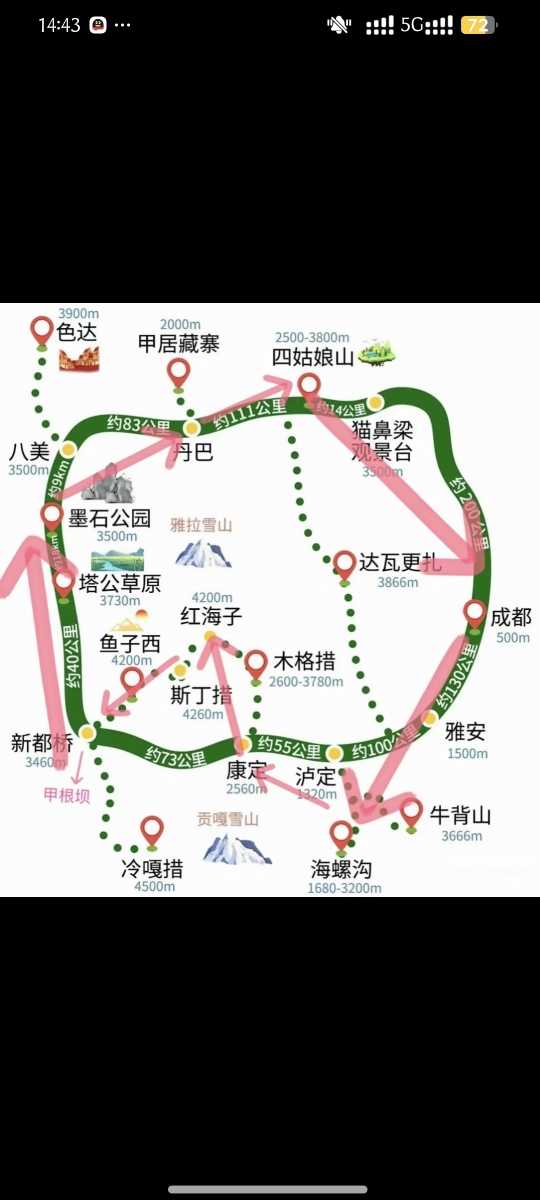
For the three main legs—Chengdu to Kangding, Kangding to Danba, and Xiaojin back to Chengdu—I used the "Tuanzi Chuxing" mini-program to buy bus tickets. It’s reliable and convenient. But the real challenge was: How to get from Danba to Xiaojin?
Here’s a little trick: Contact local drivers online. They all know each other and can help "relay" passengers. Alternatively, at the "Sanchahou" area in Danba (near the Shunfeng Express Bridge), there are dedicated small yellow vans that function like ride-sharing. Remember: The drivers here all stay in touch. Once you find one reliable person, the rest becomes easier.
Warning: Do not rely on ride-hailing apps. In Western Sichuan, it’s either taxis, public buses, or asking around.
Scenic Area Transportation: Ride-Sharing, Private Hire, or Walking

- Kangding → Mugecuo: At the bus station, people will ask if you want to share a ride. But if you arrive around 1 PM alone, like I did, you will find no one to share with. I ended up spending 180 RMB on a private car. This turned out to be a wise decision—because when I finished and headed down, a torrential rainstorm hit.
- Xiaojin → Siguniang Mountain: Driver relay. The driver who took me to Xiaojin found the next driver for me. Save the drivers’ phone numbers—they are your "connections" in Western Sichuan.
- Danba → Jiaju Tibetan Village: Another catch. I looked for a small yellow van but couldn’t find anyone to share with, so I hired a private car for 60 RMB. The driver said this way I wouldn’t need to buy a ticket. The downside? The scenic shuttle takes you directly to the top, while my guesthouse was halfway up the mountain, so I had to walk uphill.
Summary of Transportation Tips: Ask more, call more. The drivers here form a "network of acquaintances." As long as you speak up, someone will help. [Link: How to navigate Sichuan’s local transportation network]
Airport Transportation Tips
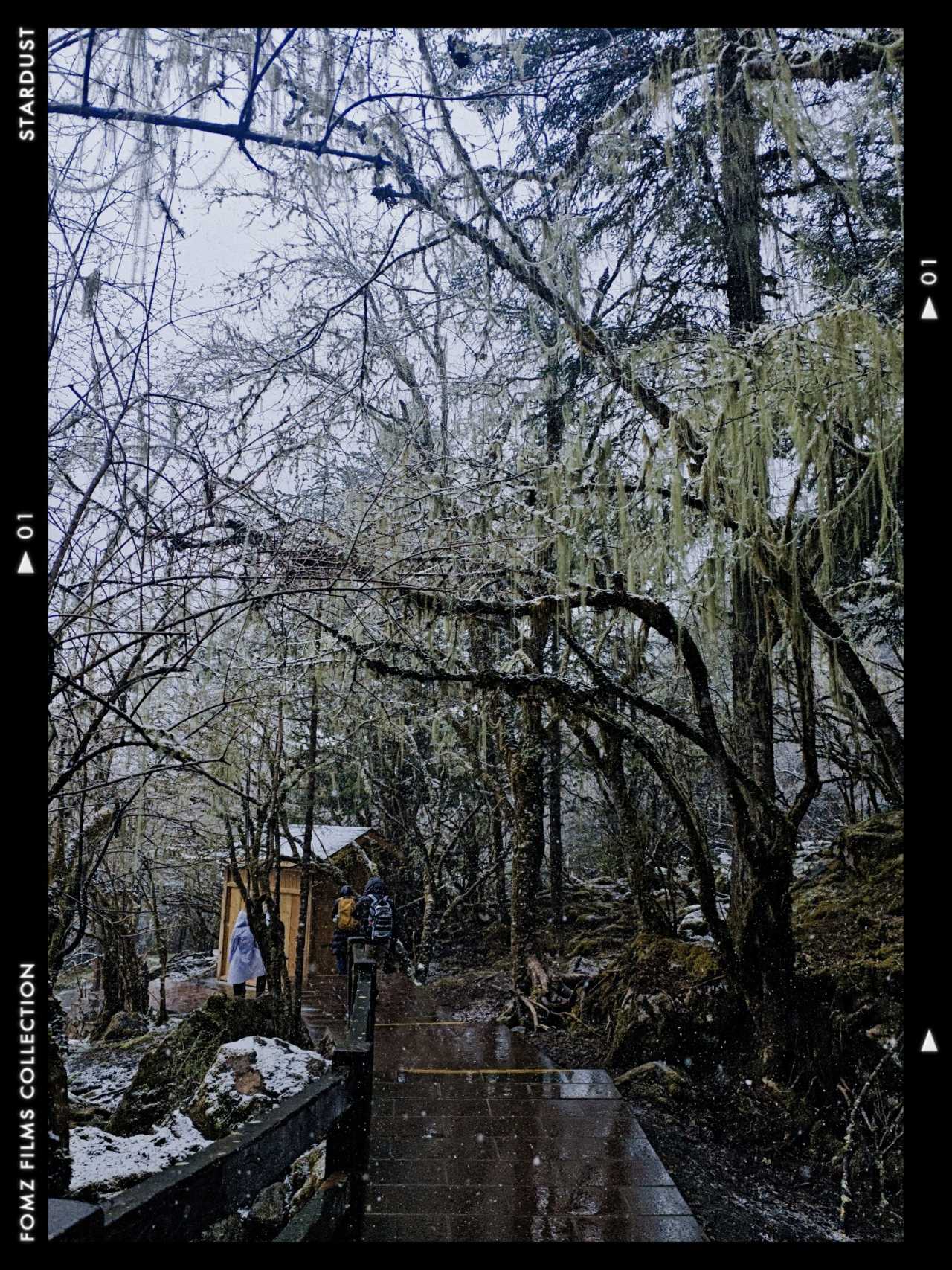
I flew into Kangding, arriving at 10:30 PM. I took Airport Bus Line 3 to the Zoo Station, then a taxi to an accommodation near the North Gate Bus Station. It was very convenient.
Top Attractions in Western Sichuan: Weather Is the Biggest Variable
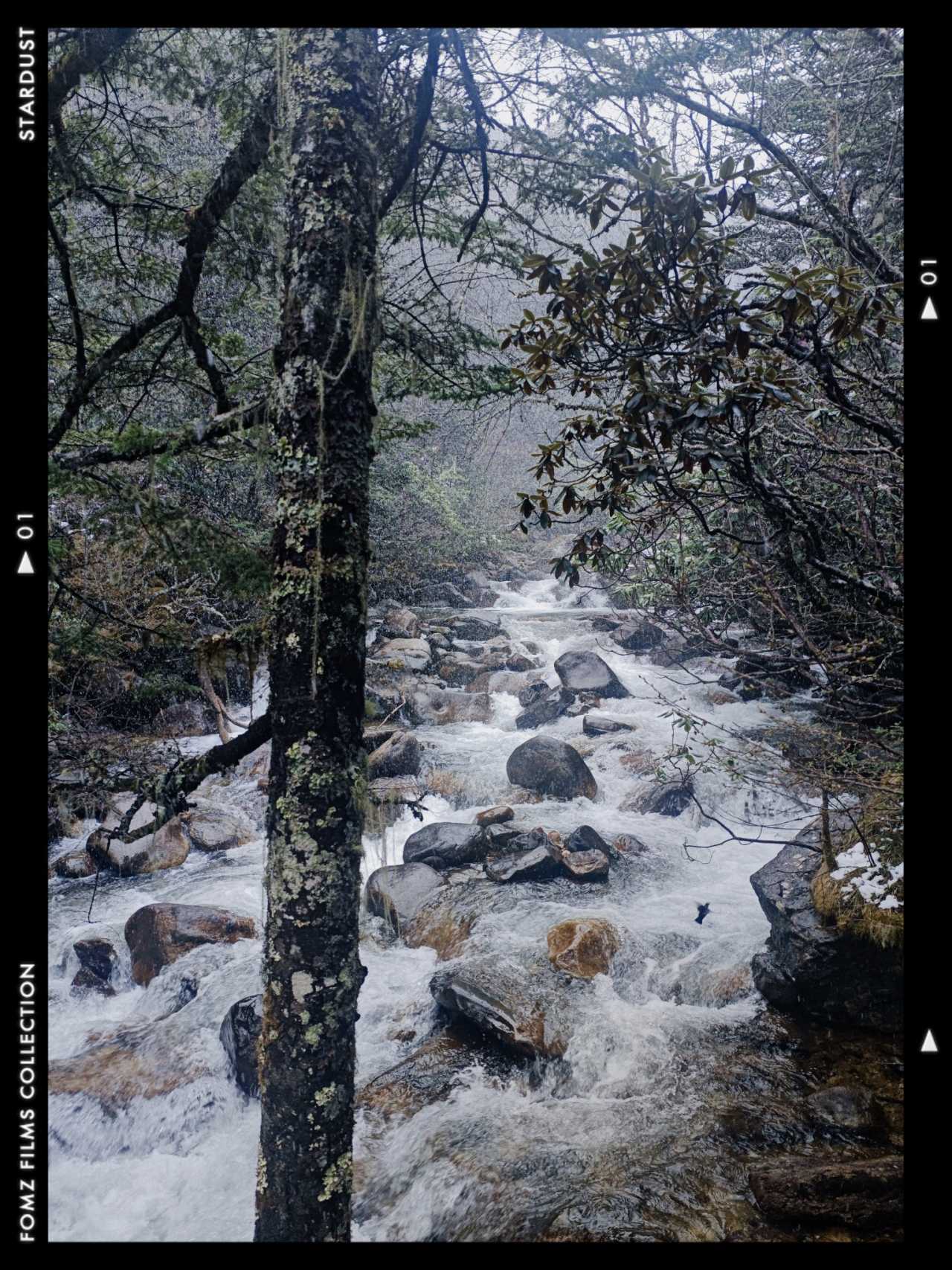
Mugecuo: Soaking in Hot Springs Amid Snow
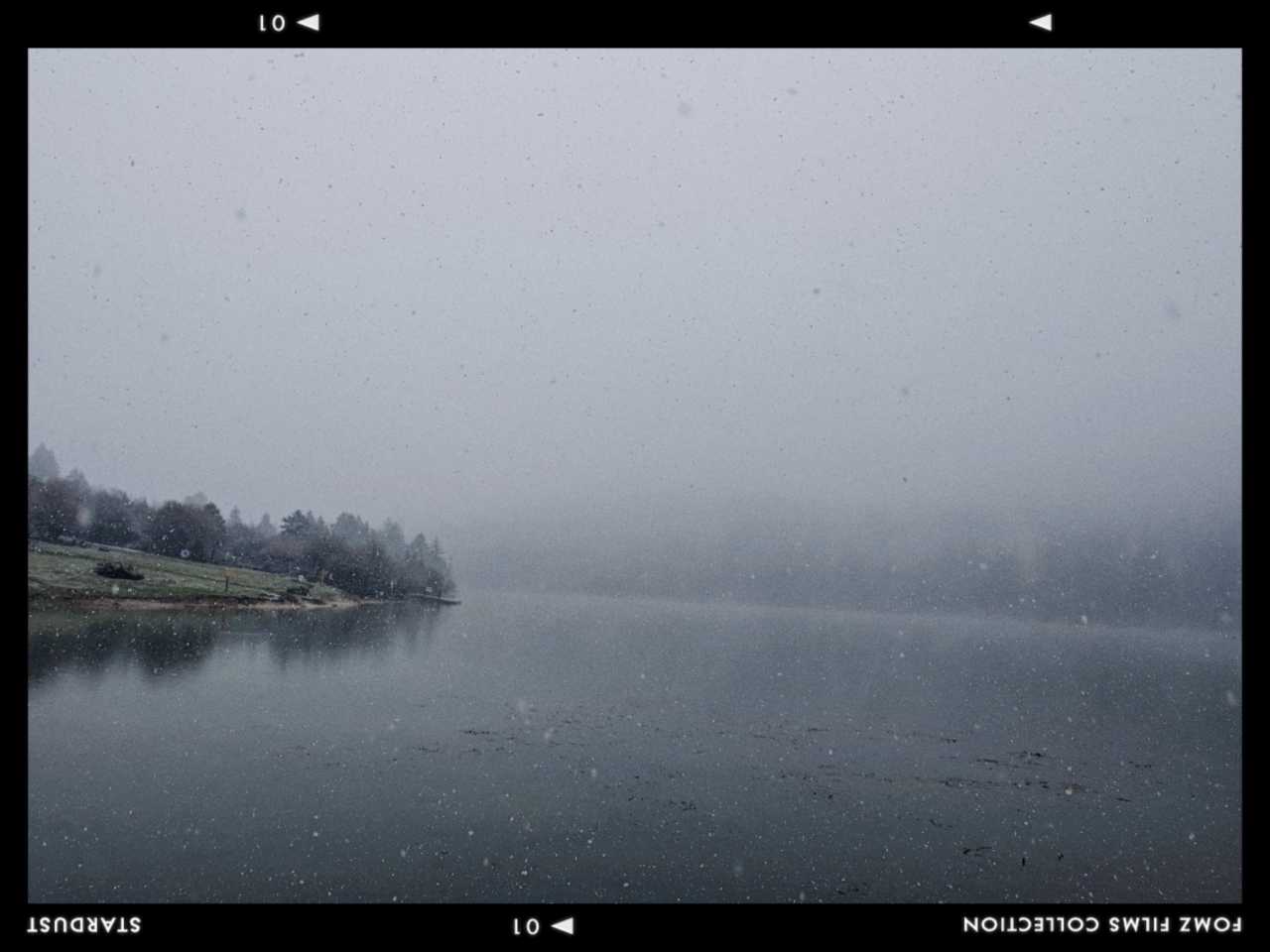
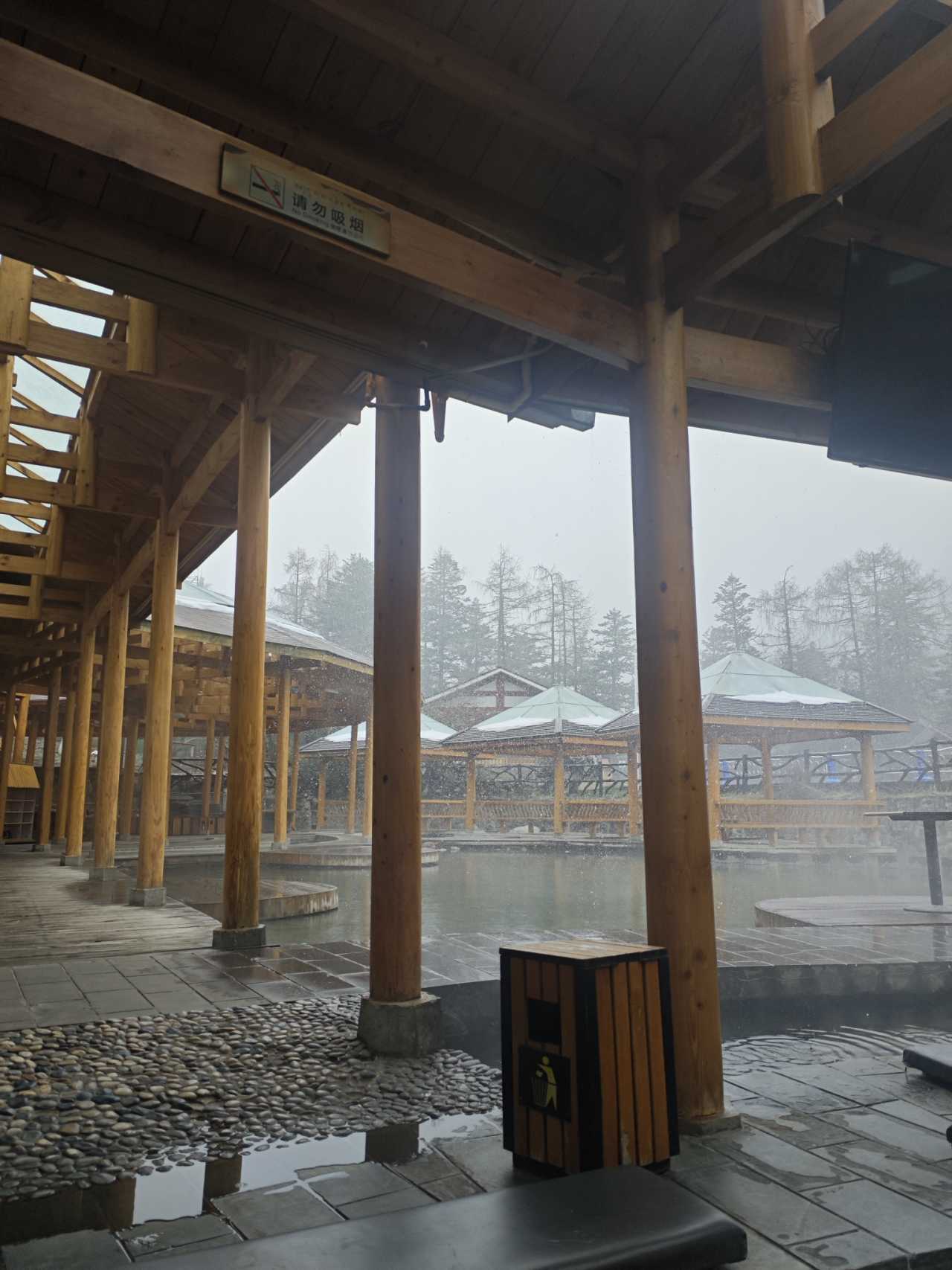
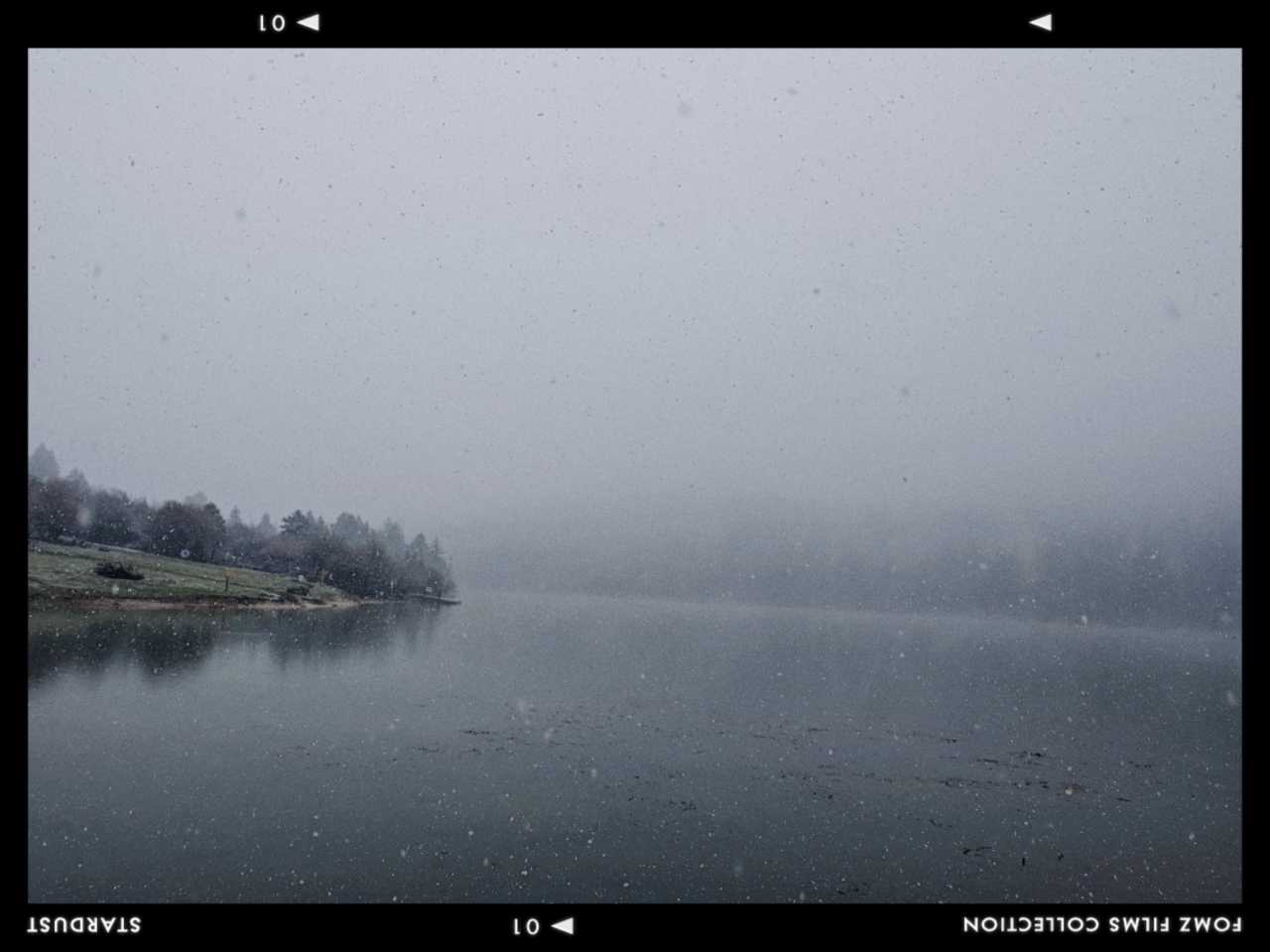
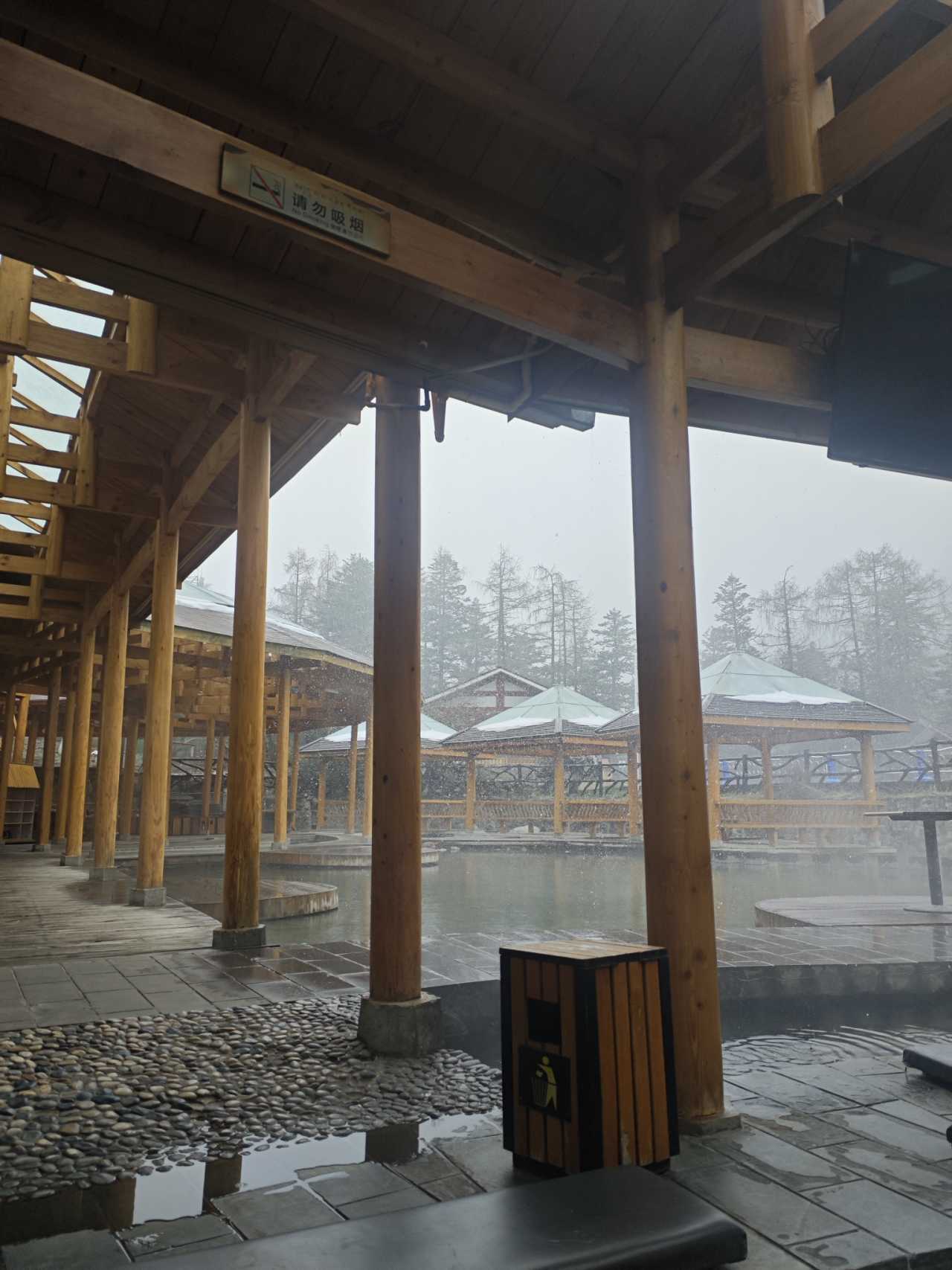
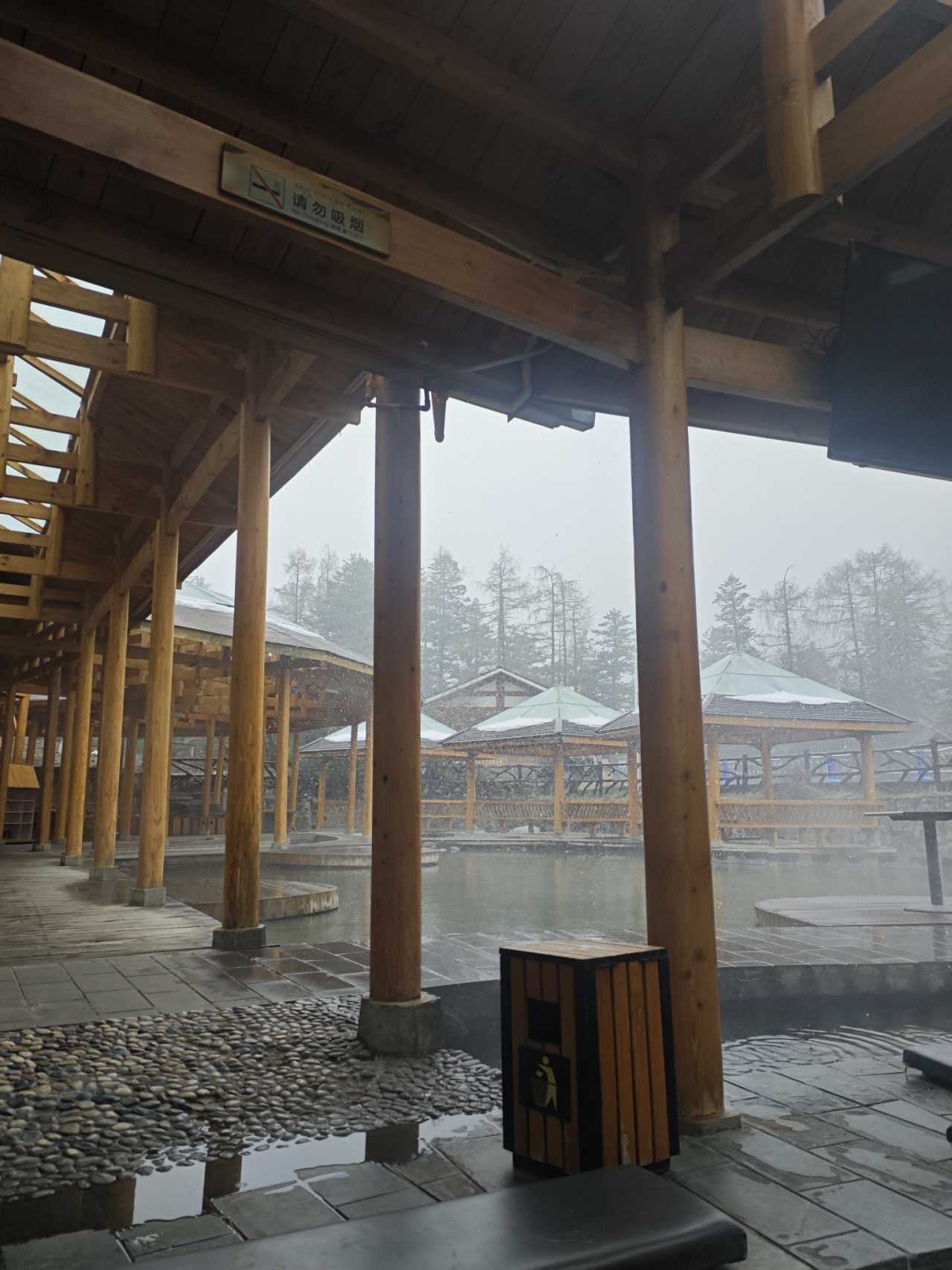
The day I went to Mugecuo, the sky was overcast, and my heart sank. But just as I reached the summit, it started to snow—heavy, feathery snow. I instantly felt incredibly lucky. The snow-covered Mugecuo had an indescribable sense of tranquility. Because the snow was so intense, I opened my umbrella—proving that bringing one was definitely not unnecessary.
The most magical part was soaking in a hot spring while it snowed. Snowflakes swirling outside, my body immersed in warm water—that sensation of extreme contrasts is something I still find hard to believe even now.
Jiaju Tibetan Village: The Walker’s "Hidden Route"
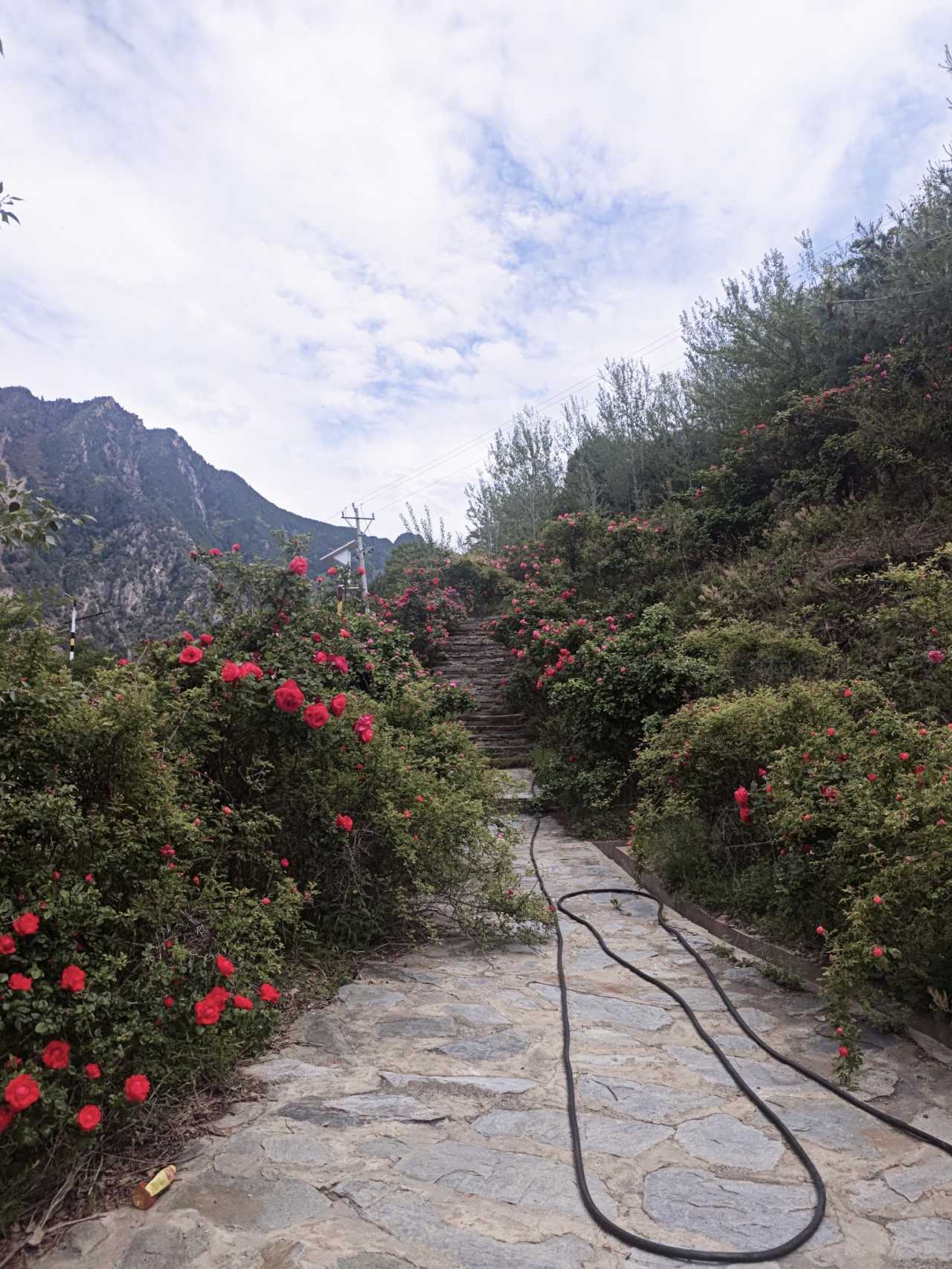
Since I walked up, my route was different from the typical tourist’s. I first headed uphill, passing a patch of blooming flowers, then saw horses grazing. Nearby, there was a trail, but I couldn’t find the entrance at first. Eventually, I found the path behind the No. 3 viewing platform. When I came back down, I realized I could have accessed it from near the vendor stalls.
I believe this walking route offers the best perspective of Jiaju Tibetan Village. Although the pavilion at the very top was abandoned and covered in cow dung, the scenery halfway up was already stunning. The next morning, waking up early to head to Xiaojin, I saw the Tibetan village shrouded in morning mist—it was breathtakingly beautiful.
Siguniang Mountain: Experiencing Four Seasons in Five Hours
The weather was decent—cloudy—so the views were hit or miss. I spent about five hours there, during which I experienced heat, rain, clear skies, and wind. Bring layers and adjust as needed.
When the sun came out, Siguniang Mountain’s beauty was explosive. The water was a deep, emerald green, like a piece of jade embedded in the valley. Since I was there, I naturally tried the rafting. The current was slow, and as I lay on the raft staring up at the sky, it felt like time had stopped.
When I was leaving, I spotted a refrigerator magnet in a small souvenir shop next to the women’s restroom on the second floor. The image on it was exactly the scenery I had just photographed. That coincidence added an extra touch of joy to the journey. [Link: Best photo spots at Siguniang Mountain]
Food in Western Sichuan: A Go-with-the-Flow Affair
On this trip, I didn’t have many proper meals.
Breakfast in Chengdu was a bit strange—I couldn’t get used to it. At the Mugecuo summit viewing platform, it got too windy and cold, so I went inside for something warm. For dinner in Kangding, I forgot I was in Sichuan and ordered something super spicy, only to end up drinking three glasses of water. Pro Tip: Ask for "less spicy" (微辣) unless you have an iron stomach.
FAQ: Solo Travel in Western Sichuan Without a Car
Q1: Is it safe to travel solo in Western Sichuan as a woman? A: Yes, but take precautions. Stick to well-known routes, save driver contacts, and let your guesthouse know your plans. The local driver network is generally trustworthy.
Q2: Can I use ride-hailing apps like Didi in Western Sichuan? A: No. Ride-hailing apps are largely unavailable outside of Chengdu. Rely on buses, taxis, or local driver contacts.
Q3: How do I prevent altitude sickness during May Day? A: Rest for a full night upon arrival, avoid alcohol, stay hydrated, and carry motion sickness medicine. Rhodiola Rosea can help psychologically.
Q4: What is the best way to get from Danba to Xiaojin? A: Use the local driver "relay" system. Ask at your guesthouse or find a small yellow van at the Sanchahou area. Drivers will coordinate to get you there.
Q5: Is it worth visiting Jiaju Tibetan Village if I don’t have a car? A: Absolutely. Walking up from the halfway point offers a unique perspective. Just be prepared for the uphill walk if you don’t take the scenic shuttle.
Final Thoughts & Call to Action
Solo travel in Western Sichuan without a car is an adventure of a lifetime. It requires resilience, a bit of luck, and a willingness to ask for help. But the rewards—snowy hot springs, misty Tibetan villages, and emerald green valleys—are worth every bump in the road.
Ready to start your own adventure? Book your bus tickets in advance, pack your shell jacket, and download the Tuanzi Chuxing mini-program. The mountains are calling.
[Link: Book your Kangding bus ticket now] [Link: Find budget guesthouses in Danba] [Link: Download our Western Sichuan packing checklist]
You may also like


