Solo Travel in China: 73 Days, 10,000 Kilometers – From Everest to Dongji Island on a Graduation Journey
Meta Description: Discover an epic 73-day solo travel in China from Everest Base Camp to Dongji Island. This 10,000-kilometer graduation thesis journey covers 23 cities, Tibet's sacred lakes, and life-changing encounters. Plan your own adventure.
Introduction: Why Solo Travel in China Became My Graduation Thesis
The most precious things in the world are often free—sunlight, air, lake water, and a heart brave enough to set out. In the summer of 2018, at 22 years old, I stood at the crossroads of graduation, where confusion and freedom intertwined. While peers chose careers or graduate school, I chose a third path: 73 days of solo travel in China through 23 cities, from the roof of the world to the eastern coast—10,000 kilometers that became my real graduation thesis.

This wasn't an escape. It was a conversation with myself. And it might just inspire your own China backpacking itinerary.
Day 1-3: Beijing to Lhasa – The Journey Begins
Beijing to Lhasa by Train: Crossing the Qinghai-Tibet Plateau
On July 13, 2018, I hoisted my backpack and boarded a westbound train from Beijing. Destination: Lhasa.
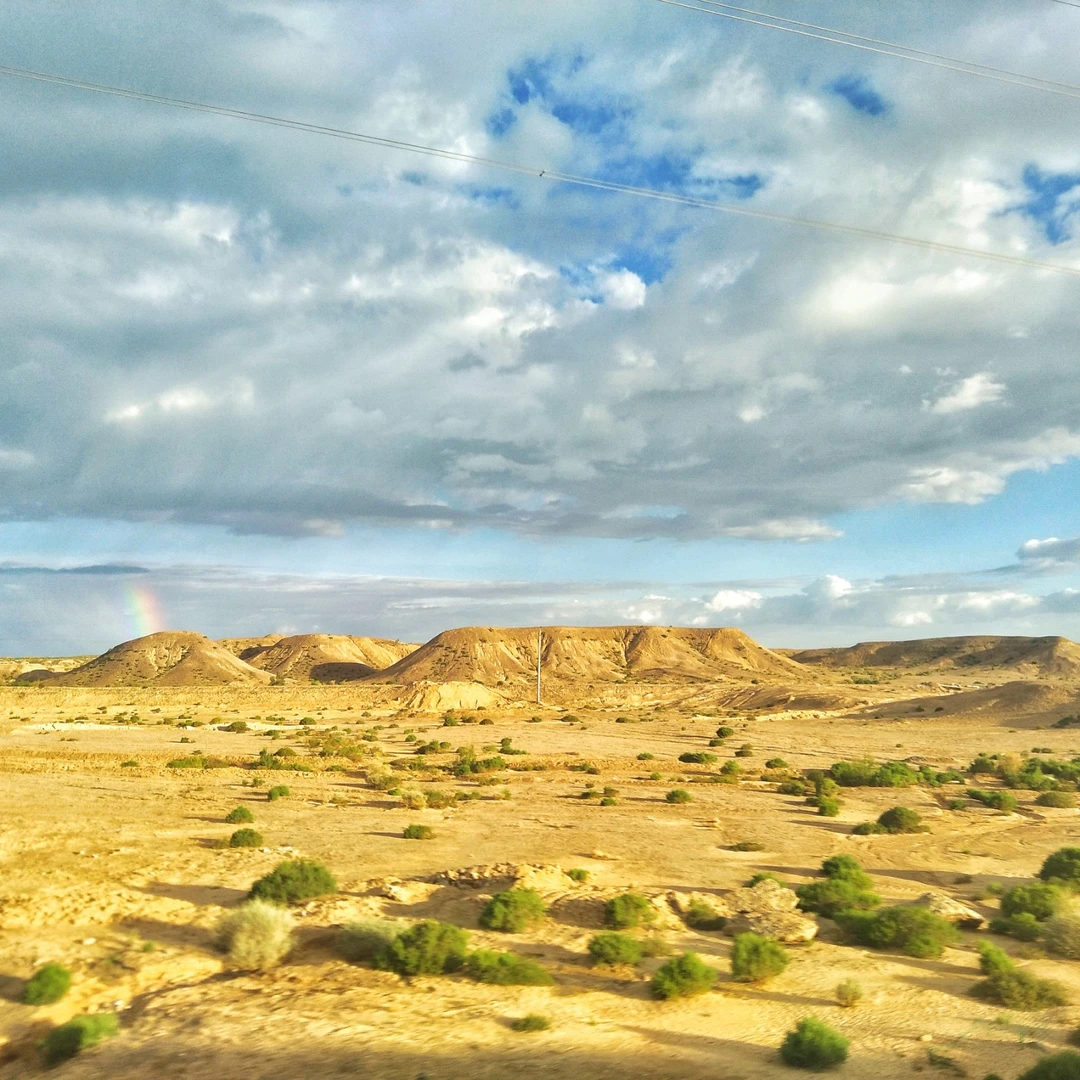
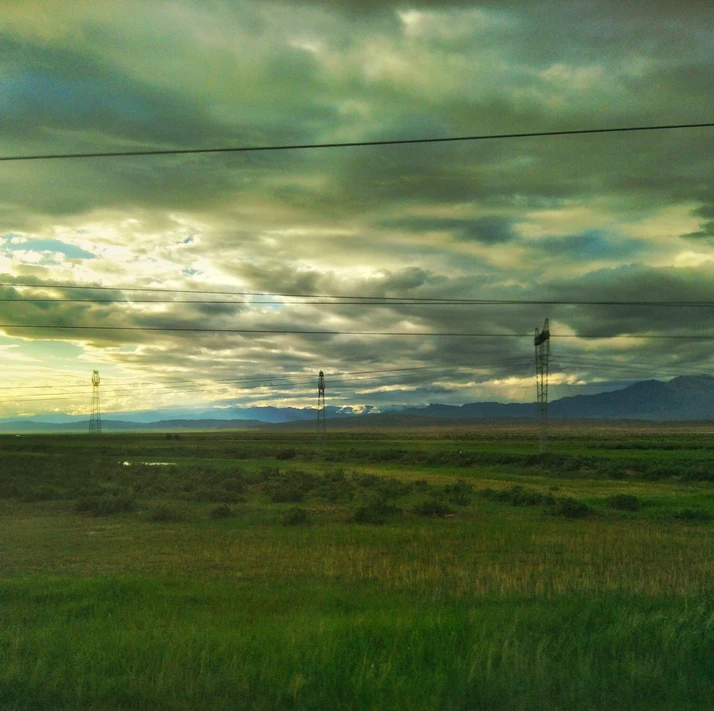
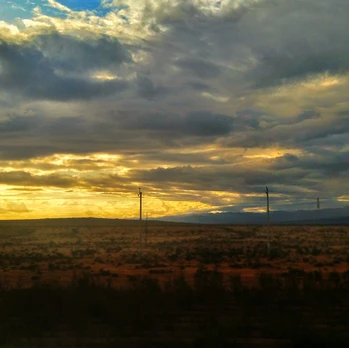
The train cut through Ningxia and climbed onto the Qinghai-Tibet Plateau. The view shifted from ochre dunes to emerald grasslands, with yaks and sheep scattered like pearls. Qinghai Lake merged seamlessly with the low-hanging sky, while canola fields blazed in bright yellow. On the other side of the carriage, rain and sun traded places, and a rainbow suddenly cleaved the sky.
Forty hours later, I arrived in Lhasa. Altitude sickness greeted me—crossing the Tanggula Pass, I had shuttled between bed and bathroom all night. But the moment I stepped onto the platform, every trace of exhaustion vanished.
Tip for solo travelers: Acclimatize slowly in Lhasa for 2-3 days before attempting higher altitudes. [Link: Tibet travel tips]
Tibet Solo Travel: A Soul Baptism at 4,000+ Meters
Jokhang Temple and Potala Palace: The Power of Faith
At the guesthouse, a mischievous little dog named "Potato" would lead guests to Jokhang Temple. I missed his guided tour but went the next day alone. Standing in Jokhang Temple Square, I watched hundreds of butter lamps burning endlessly. An elderly woman sat propped on the steps, sunlight and dust settling into the wrinkles on her forehead as she chanted sutras.
Someone told me that some Tibetan people dedicate their entire lives to one thing—making pilgrimages to Jokhang Temple, performing full-body prostrations. Their perseverance is something we "city people" can hardly fathom. Most people here are happy because their faith is as eternal as the stars.
The distance from Jokhang Temple to Potala Palace isn't far, but I had to stop and rest several times. Standing in the square, the distance between heaven and earth seemed to shrink. An eagle circled overhead, its shadow tracing the palace walls. As night fell, the Potala Palace stood proud under floodlights, stars glittering above.
Yamdrok Lake: The Goddess's Earring
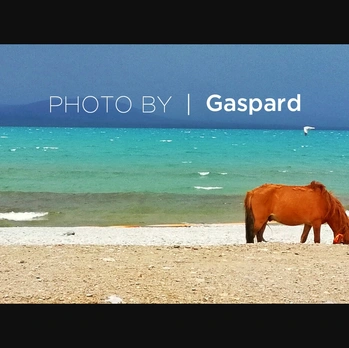
Yamdrok Lake, meaning "Turquoise Lake" in Tibetan, is one of the three sacred lakes. To Tibetan people, she is "the turquoise earring scattered by a goddess." No matter which angle you view her from, you can never see her entirety.
Legend says Yamdrok Lake was once a celestial maiden who descended to earth. She shed her misty robes, and under sunlight, she reflected a sapphire-like radiance. As the light shifted, the lake's waters transformed into a thousand shades of blue. I wandered along the shore, and when I looked up, the clouds were just an arm's length away. Mani stone piles dotted the landscape, imbued with supernatural spirituality.
Lake Pumoyumtso: The Serenity of a Maiden
Lake Pumoyumtso, meaning "Maiden Lake," sits at 5,010 meters. She lies cradled in the Himalayas, gazing across at Mount Everest like a pair of devoted lovers. When holy sunlight pierces through clouds and spills onto the lake's surface, tiny halos shimmer like scattered stars.
The driver told me some Tibetan people still live above 5,000 meters, where oxygen is chronically low and life expectancy averages 50-60 years. The government offers generous relocation packages, but they refuse to move—simply because they love the quiet life here. I loved this place too. She was like a mirror, showing me the face of God.
Karola Glacier: A Dirge of Black and White
A massive ice cap blanketed the dark mountain body, meltwater filling the ravines like veins channeling purity into the earth. The overcast sky added solemnity. Someone told me that with global warming, the glacier's melting is accelerating. Perhaps in a few decades, only the dark mountain body will remain.
Everest Base Camp: The Stars Above the World's Peak
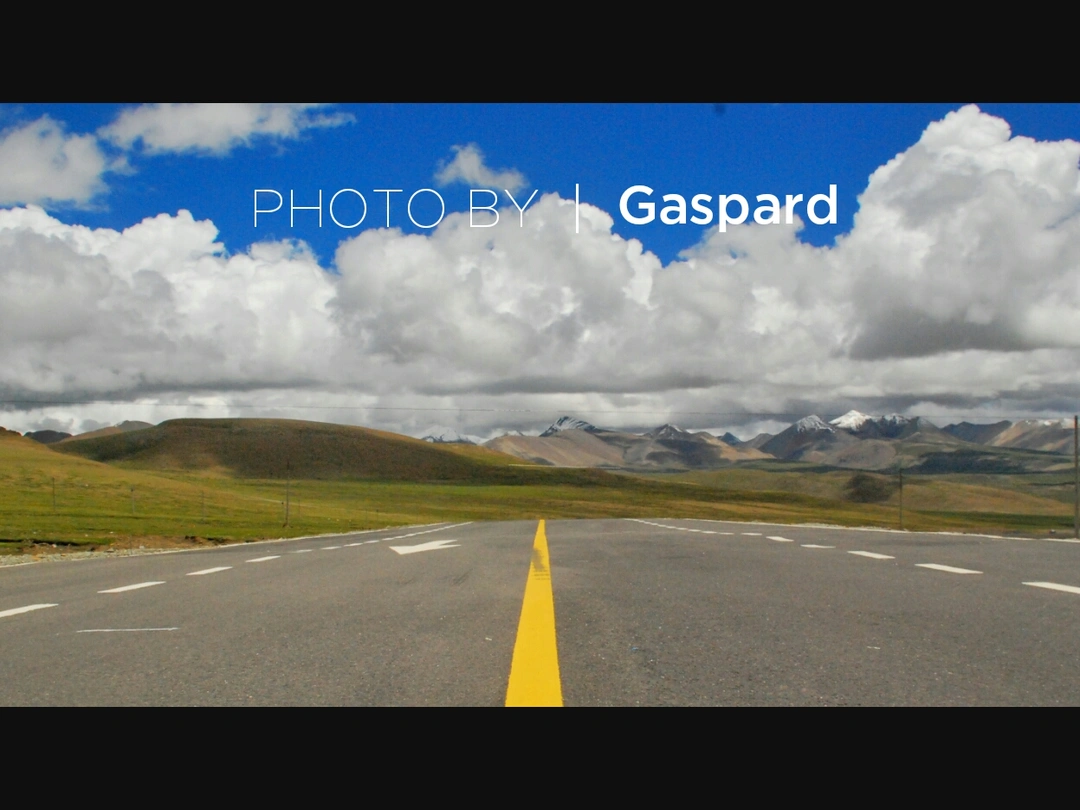
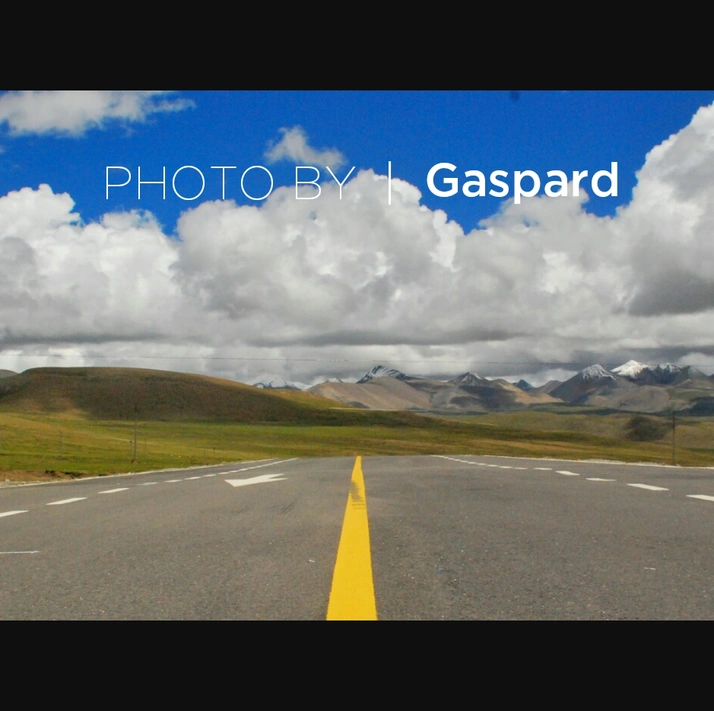
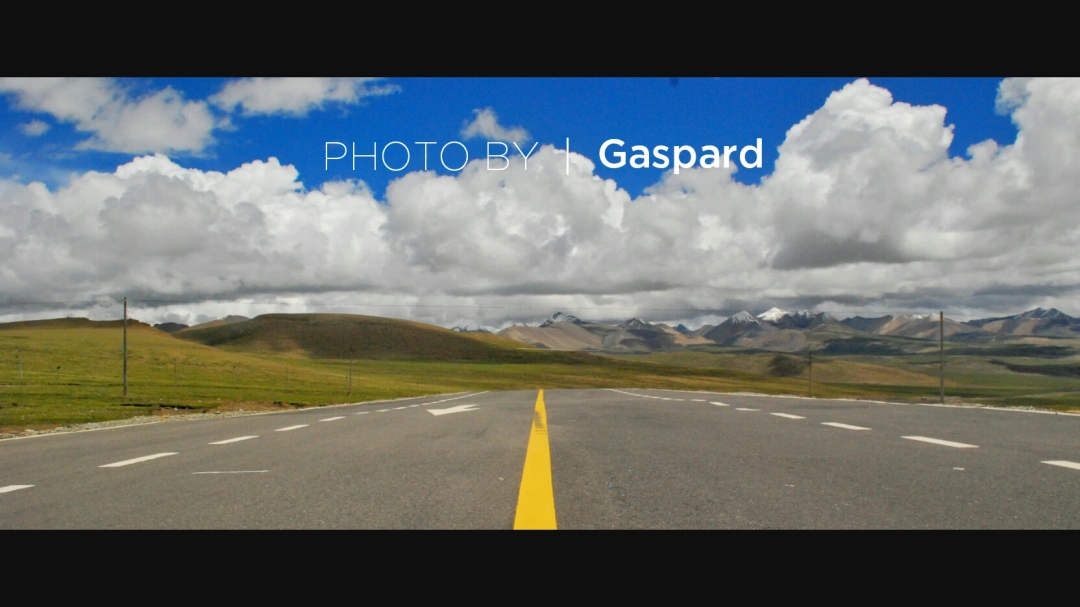
I arrived at the Everest Nature Reserve in the afternoon. Along the way, I passed the 5,000-kilometer marker on National Highway 318 and gazed at the surging Yarlung Tsangpo River. The straight road seemed to lead straight to the heart of this land.
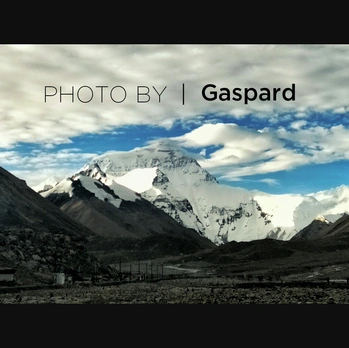
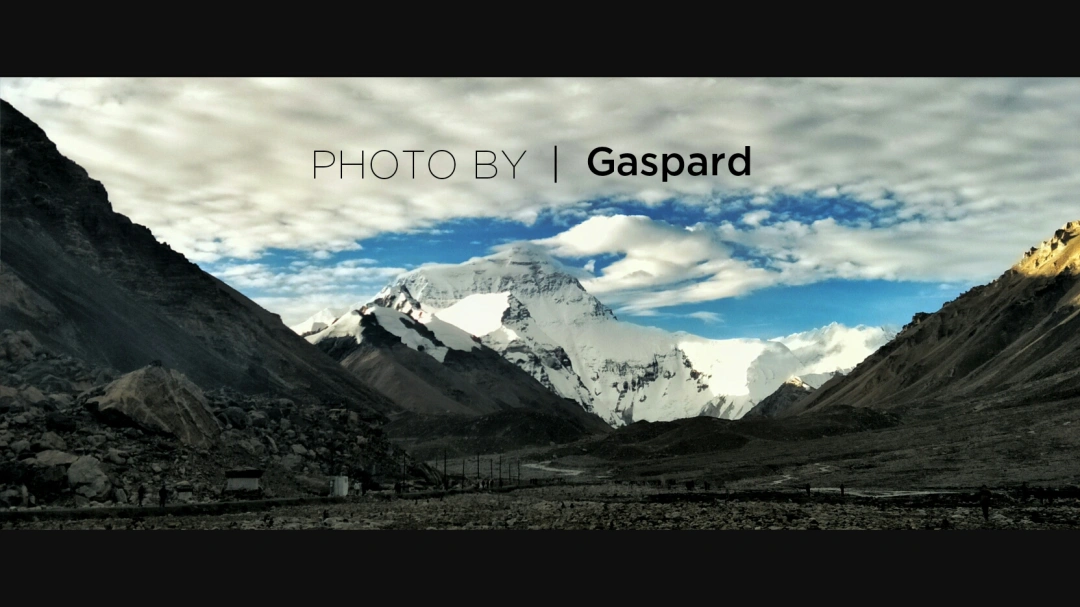
Rongbuk Monastery, the highest-altitude temple in the world, stood nearby. Looking south, Mount Everest rose like a giant pyramid. Unfortunately, clouds caught up, and light rain began. The veiled goddess remained hidden.
I entered a tent. Conditions were tougher than imagined—a lonely table and a dusty earthen bed. The tent owner was a young Tibetan man with a shy smile. We shared a watermelon, and a faint blush crept onto his cheeks.
When I stepped outside again, the distant goddess had lifted her thin white veil. A biting wind tried to stop me, but I quickened my pace. Standing at her feet, my soul merged with hers. We are but tiny sparks dancing before her eyes—small, yes, but still bright.
Words cannot describe lying in a bed at 5,200 meters, unable to sleep. Nor can they capture stepping outside to look up at the stars. When constellations hung low and shooting stars plunged into endless mountain ranges, even the distant goddess paled before the vast Milky Way.
As dawn broke, the mist scattered, and the sacred goddess stood tall, her summit reflecting golden light.
Lake Namtso: The Answer of Heaven's Lake
Lake Namtso, meaning "Heavenly Lake," is the highest large lake in the world. From a distance, this luminous lake looked like a giant crystal embedded in the earth's surface.
On the way to the lakeshore, local children followed us, their eyes fixed on our umbrellas. Their curiosity was a reminder that in remote Tibet, even simple objects from the outside world are fascinating.
Beyond Tibet: 23 Cities, 10,000 Kilometers of Solo Travel in China
After 30 days in Tibet, I continued eastward. The journey took me through:
- Chengdu – Sichuan cuisine and panda sanctuaries [Link: Chengdu travel guide]
- Chongqing – Futuristic skyline and spicy hotpot
- Zhangjiajie – The floating mountains that inspired Avatar
- Guilin and Yangshuo – Karst landscapes and Li River cruises
- Dongji Island – China's easternmost inhabited island, where I watched the sunrise over the Pacific
Each destination taught me something new about China's incredible diversity—from Tibetan Buddhist monasteries to Han Chinese temples, from yak butter tea to dim sum.
FAQ: Solo Travel in China
1. Is solo travel in China safe for first-time travelers?
Absolutely. China is one of the safest countries for solo travelers, including women. Violent crime is extremely rare. However, take standard precautions: keep valuables secure, avoid poorly lit areas at night, and register with your embassy. [Link: China solo travel safety tips]
2. How much does a 73-day China backpacking trip cost?
My 10,000-kilometer journey cost approximately ¥25,000-30,000 RMB ($3,500-4,200 USD), including transportation, accommodation, food, and entry fees. Budget travelers can reduce costs by taking hard-seat trains and staying in youth hostels.
3. Do I need a Tibet Travel Permit for solo travel?
Yes. Foreign travelers need a Tibet Travel Permit arranged through a registered tour operator. You cannot travel independently in Tibet—you must join a guided tour or hire a private guide and driver. [Link: Tibet Travel Permit requirements]
4. What's the best time for a China backpacking itinerary?
Spring (April-May) and autumn (September-October) offer the best weather nationwide. Summer works well for Tibet (June-August) but brings rain to southern China. Winter is cold but less crowded.
5. How do I handle altitude sickness in Tibet?
Acclimatize for 2-3 days in Lhasa (3,650m) before ascending higher. Stay hydrated, avoid alcohol, and consider medication like acetazolamide. If symptoms worsen, descend immediately.
Conclusion: Your China Solo Travel Adventure Awaits
Seventy-three days. Twenty-three cities. Ten thousand kilometers. From the roof of the world at Everest Base Camp to the eastern edge at Dongji Island, this solo travel in China transformed my understanding of the country—and myself.
The most precious things in the world are often free: sunlight, air, lake water, and a heart brave enough to set out.
Your journey starts with one step. Whether you have 73 days or just 7, China's vast landscapes, rich cultures, and warm people await. Pack your backpack, book that ticket, and write your own graduation thesis—not on paper, but in memories that will last a lifetime.
Ready to plan your China solo travel adventure? [Link: China backpacking itinerary planning guide] or [Link: Best solo travel destinations in China]
Have you traveled solo in China? Share your experience in the comments below!
You may also like


