Sipping a Happy Drink in the Breeze | A Western Sichuan Road Trip Guide for Late Autumn Adventures
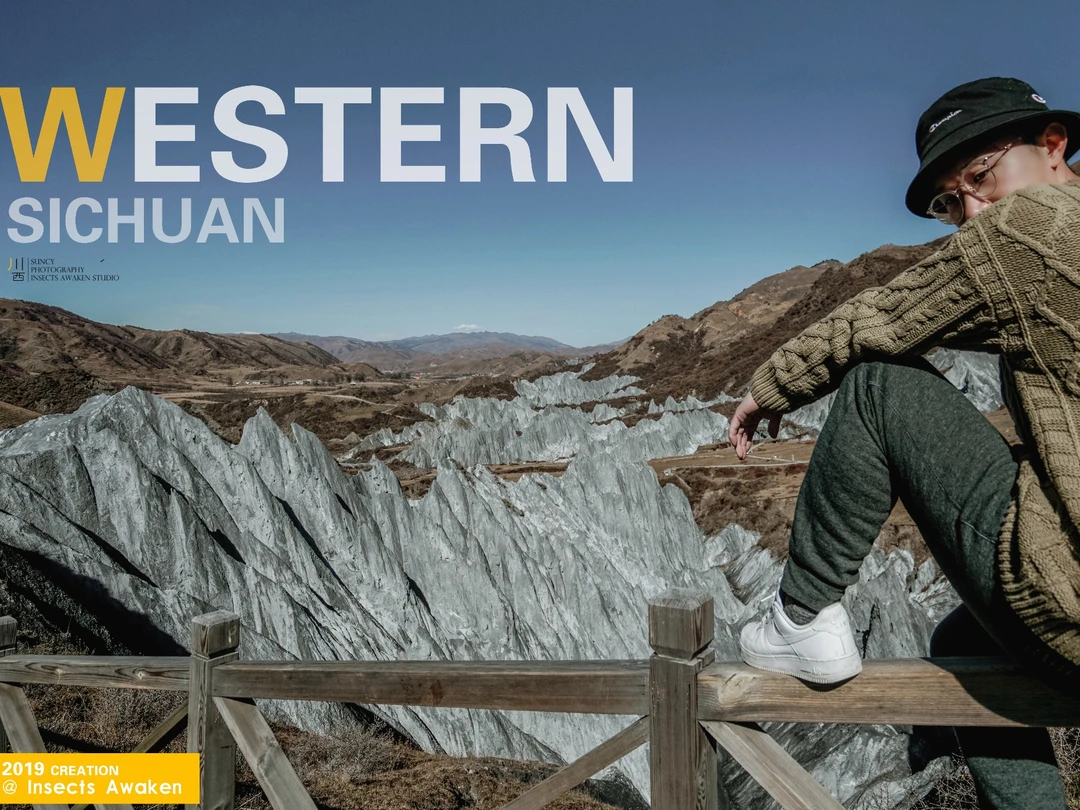
Meta Description (160 chars):
Escape the daily grind with our Western Sichuan road trip guide. Discover late autumn landscapes, driving tips, and how to chase golden light from Dali to Hailuogou.
Introduction: Why a Western Sichuan Road Trip in Late Autumn?
Life can sometimes feel like a glass of lukewarm water — not hot enough to burn, not cool enough to refresh. By late autumn 2019, my wife and I had finally had enough. We left behind the exhaustion, stress, and unnamed anxieties at the door of our Dali guesthouse, jumped into the car, and headed straight for Western Sichuan. No grand ambitions. No cinematic fantasies. Just a simple desire to breathe, to pick up our cameras, and to feel the shutter click against towering mountains and serene lakes.
The seed for this Western Sichuan road trip was planted years ago — a college travelogue about Niubei Mountain’s sea of clouds, trekking poles, and kites. I missed the region once in 2015. Four years later, I finally returned with my wife. This isn't just a travel story; it's a journey of light and shadow, of finding yourself between the golden leaves and snow-capped peaks of Sichuan's late autumn.
Before Departure: Essential Planning for Your Sichuan Road Trip

Check the Almanac, Then Check the Weather

The older I get, the more superstitious I become. Checking the almanac before a trip has become an unwritten rule. But honestly, I trust the weather more. The chance of seeing Mount Gongga from Hailuogou Glacier Park? Only about 80 clear days out of 365. The "golden hour" sunrise over snow-capped peaks is even rarer. We delayed our trip from late September to November because of rain — and hit a rare stretch of 10 consecutive sunny days. Sometimes, you just have to believe in luck.
Itinerary Overview for a Western Sichuan Late Autumn Road Trip
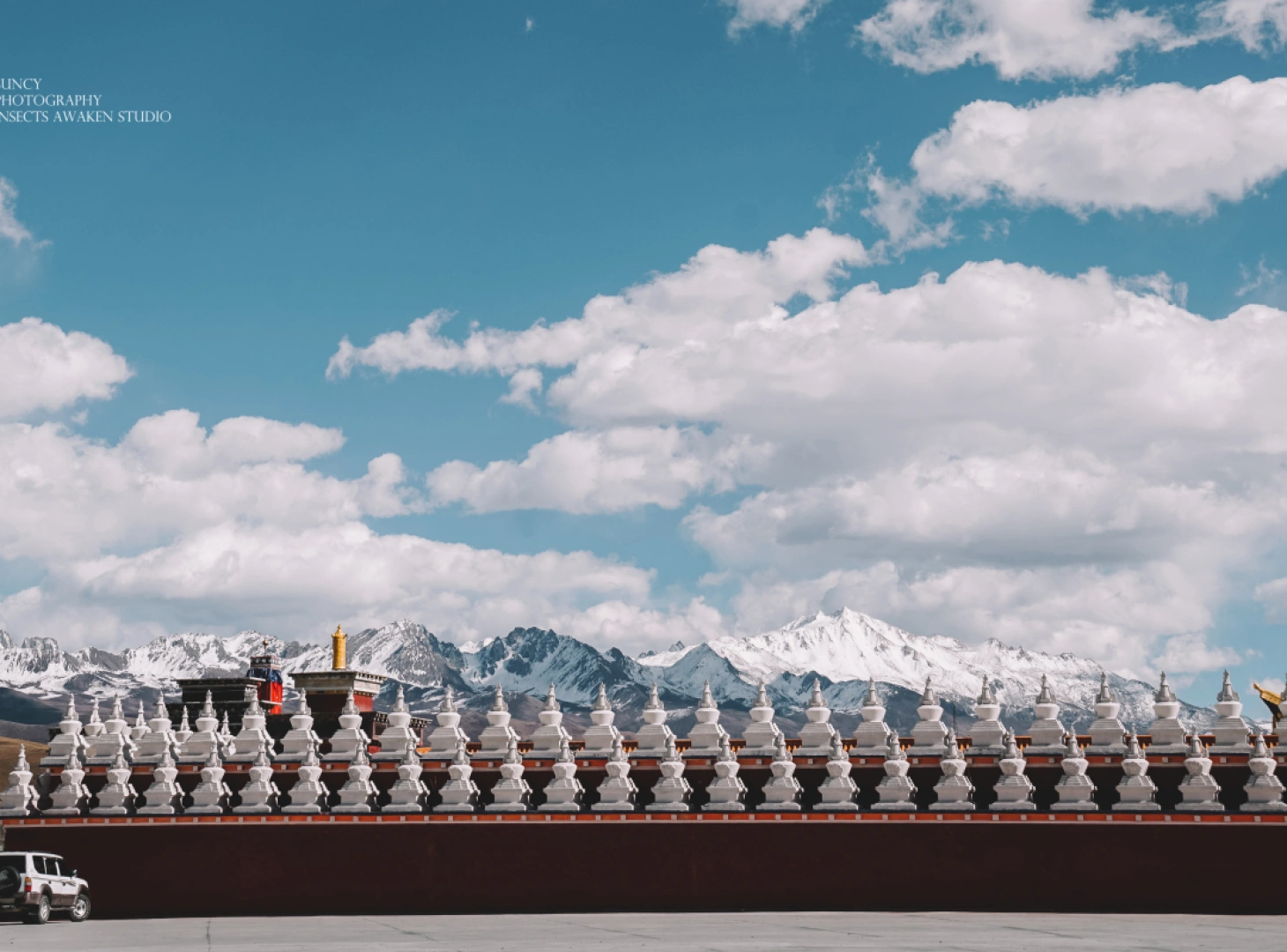
- Day 1: Dali → Panzhihua (overnight stay — cautionary tale ahead)
- Day 2: Panzhihua → Moxi Ancient Town (Yaxi Expressway, detour through Shimian)
- Day 3: Hailuogou Glacier Park full-day trip (Mount Gongga makes a stunning appearance)
- Day 4: Moxi → Kangding (Red Rock Park, winding mountain roads)
- Day 5–6: Zheduo Mountain and surrounding areas (first taste of high altitude)
- Day 7: Return trip
What to Wear, Eat, and Where to Stay on a Sichuan Autumn Road Trip
Clothing: We underestimated the cold. When we left Yunnan, it was over 30°C in Yuanmou. By Hailuogou, we were shivering. In November, at high altitudes in Western Sichuan, a waterproof jacket is essential — melting snow drips from tree branches and soaks you. Pack extra layers; that's the beauty of a road trip.

Food: Besides chocolate and snacks, happy drink (cola) is a must! On long drives, nothing beats an ice-cold cola to keep you alert.
Accommodation: A hard lesson learned — avoid city guesthouses with deceptive photos. We fell into a trap in Panzhihua: a subdivided apartment with shared bathrooms, train brakes screeching all night, and mosquitoes buzzing. Book carefully. A good night's rest is the foundation of safe driving.
Day 1: Woken Up by Train Brakes in the Middle of the Night
We set off from Dali without much conversation. I was nervous — not about driving, but about the unplanned route. Honestly, I did it on purpose. I wanted room for uncertainty. That's the real joy of a road trip.
When GPS led us into Panzhihua, the old town's shabbiness gave me pause. The new district felt better, but it was absurdly hot — at 8 PM, I could still wear a T-shirt. My wife thought the Hilton was too expensive, so she booked a guesthouse for just over 100 yuan. The photos looked decent — but then the nightmare began.
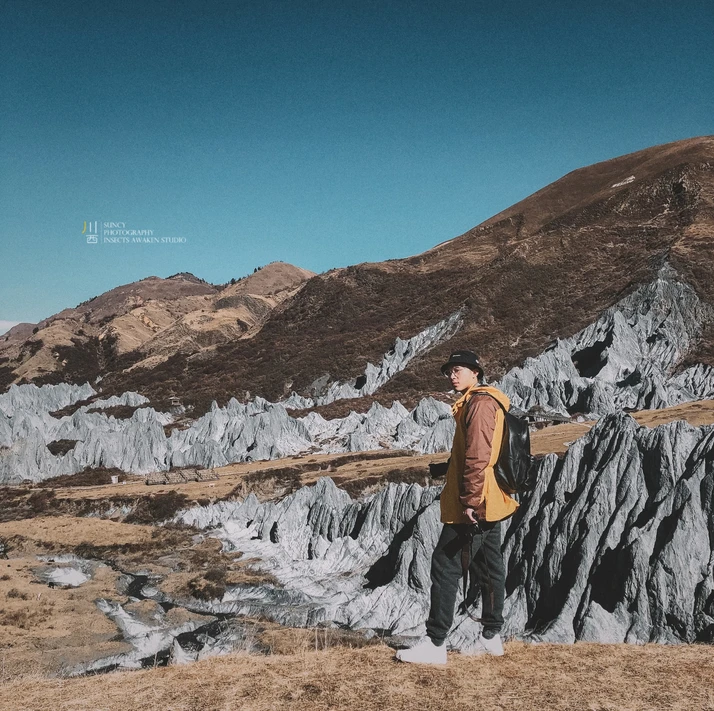
We discovered a three-room subdivision of an apartment. Everything was shared. The young couple staying there were cold as ice — they didn't even respond when we said hello. The worst part was fighting for the bathroom. At 3:40 AM, I was woken by mosquitoes and train brakes. Mosquitoes in November! And the noise on the top floor made me feel like I was sleeping on the upper bunk of a train.
I lasted until 7:40 AM, then practically jumped out of bed. As we left, I noticed a camera that swiveled to follow our movement. This city guesthouse completely let me down. We quickly grabbed a bowl of local lamb rice noodles (barely a 6 out of 10) and hit the road again.
Lesson learned: For Western Sichuan road trips, prioritize accommodation quality. [Link: Best guesthouses in Kangding and Moxi for autumn travel]
Day 2: The Yaxi Expressway — Drawing Two Circles on the Map
If you have time, take a detour on the Yaxi Expressway to visit the Xichang Rocket Launch Center — great for kids to broaden their horizons.
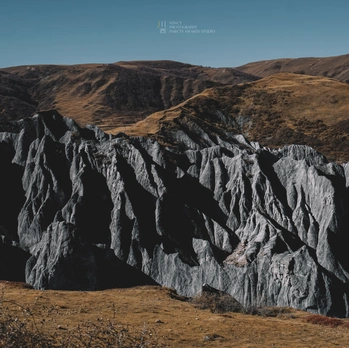
The double spiral tunnel was just a decoy. Not far away, hidden in plain sight, was something like "China's Akina Mountain" (a reference to the Initial D manga). If Takumi Fujiwara saw this, he'd probably cry — "Where's my AE86?!"
After passing Shimian, just before entering the Moxi Ancient Town scenic area, we were stopped by a barrier. An old man, fully geared up with two canisters that looked like scuba tanks and a hose-like sprayer, told me in Sichuan dialect to roll up my window. He sprayed some disinfectant and waved us through. Later, I saw a poster explaining it was to protect wildlife. National Highway 318 has been crowned with the slogan "Must Drive in This Lifetime." So I ask you — does this drive feel good? "Good, really good!"
But the next day's luck wasn't as great. Less than 40 kilometers out, the sky turned dark and it started drizzling. Considering Hailuogou only has about 80 clear days a year to see Mount Gongga, we held our breath.
Day 3: Hailuogou Glacier Park — When Mount Gongga Reveals Itself
Hailuogou Glacier Park is the crown jewel of any Western Sichuan autumn itinerary. The chance of seeing Mount Gongga from the park? Only about 80 clear days out of 365. The "golden hour" sunrise over the snow-capped peak is even rarer. But we hit the jackpot — a rare stretch of 10 consecutive sunny days.
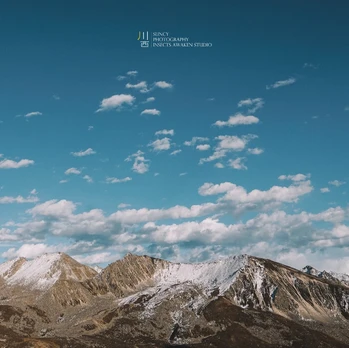
The glacier park offers stunning views of the Gongga Mountain range, ancient forests, and bubbling hot springs. In late autumn, the golden leaves contrast beautifully with the white snow. It's a photographer's dream. [Link: Best photography spots in Hailuogou for golden hour]
Pro tip: Bring a waterproof jacket. Melting snow from tree branches will soak you. And don't forget your happy drink — cola is the ultimate road trip companion.
Day 4: Moxi to Kangding — Red Rock Park and Winding Mountain Roads
From Moxi, we drove to Kangding, passing through Red Rock Park. The winding mountain roads are a driver's delight — but be prepared for altitude changes. The scenery shifts from lush forests to alpine meadows, with the Tagong Grassland appearing like a golden carpet.
We drove 200 meters past a stunning photo spot, pulled over, and ran back to capture it. No reason — it just caught my eye. Isn't that the ultimate appeal of a road trip? That 随心所欲 (doing whatever you feel like) kind of freedom?
Day 5–6: Zheduo Mountain — First Taste of High Altitude
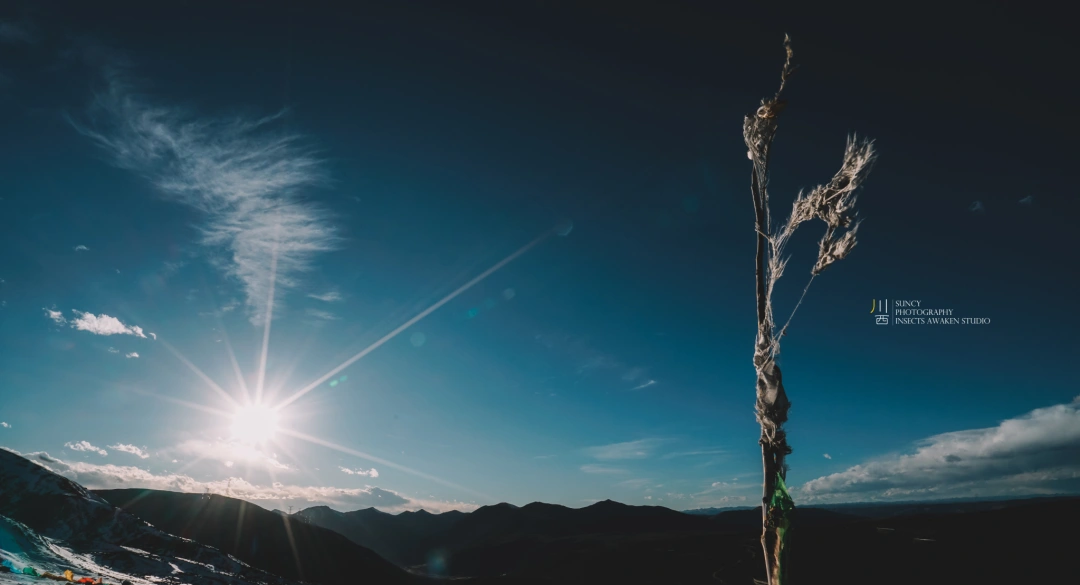
Zheduo Mountain is your first real test of high altitude on this Western Sichuan road trip. At over 4,000 meters, the air is thin, and the views are breathtaking. The Tagong Grassland stretches endlessly, dotted with yaks and prayer flags.
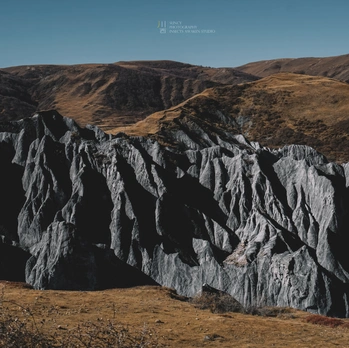
Altitude tips: Take it slow. Drink plenty of water. Avoid alcohol. And keep a happy drink (cola) handy — the caffeine and sugar can give you a quick energy boost.
[Link: How to prevent altitude sickness on a Sichuan road trip]
Day 7: The Return Trip — Reflections on Light and Shadow
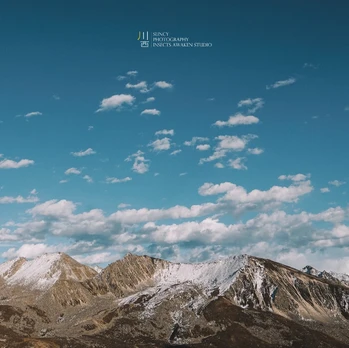
The return trip was bittersweet. We had captured the golden light of Western Sichuan's late autumn — the golden leaves, the snow-capped peaks, the endless grasslands. But more than that, we had captured a sense of freedom.
I quit smoking on October 7th. November 12th was my mom's birthday. This trip wasn't meant to be some grand ritual. It's just that time was moving too fast — too fast to even be myself. And that photo I took of the Tagong Grassland? I drove 200 meters past it, pulled over, and ran back to capture it. No reason — it just caught my eye.
FAQ: Western Sichuan Road Trip in Late Autumn

1. What is the best time for a Western Sichuan road trip?
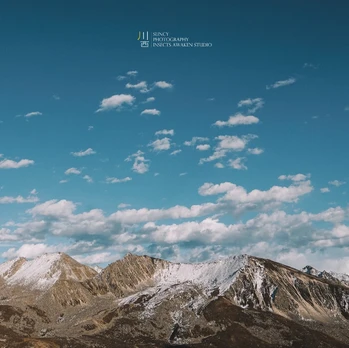 Late autumn (October to November) offers golden leaves, clear skies, and fewer crowds. The weather is cooler, but you'll have better chances of seeing snow-capped peaks like Mount Gongga.
2. Is it safe to drive in Western Sichuan in November?
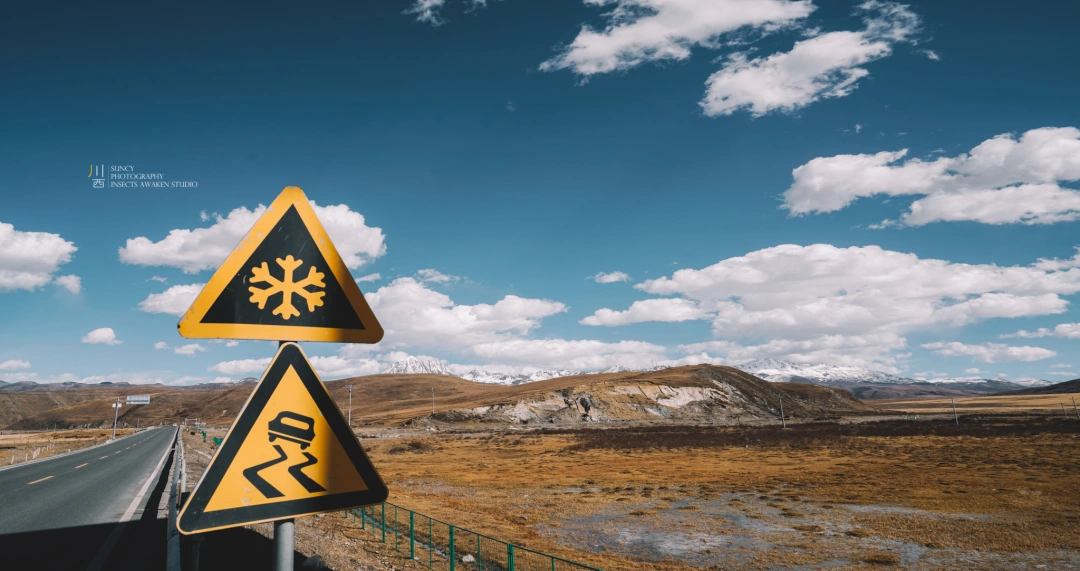
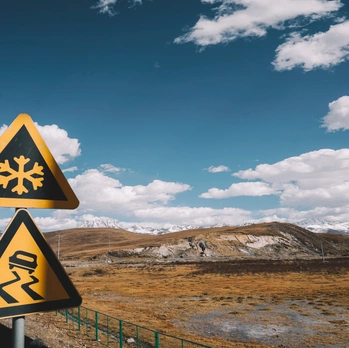 Yes, but be prepared for winding mountain roads, potential ice patches, and altitude changes. Check weather forecasts and road conditions daily. [Link: Winter driving tips for Sichuan high-altitude roads]
3. What should I pack for a Western Sichuan road trip?
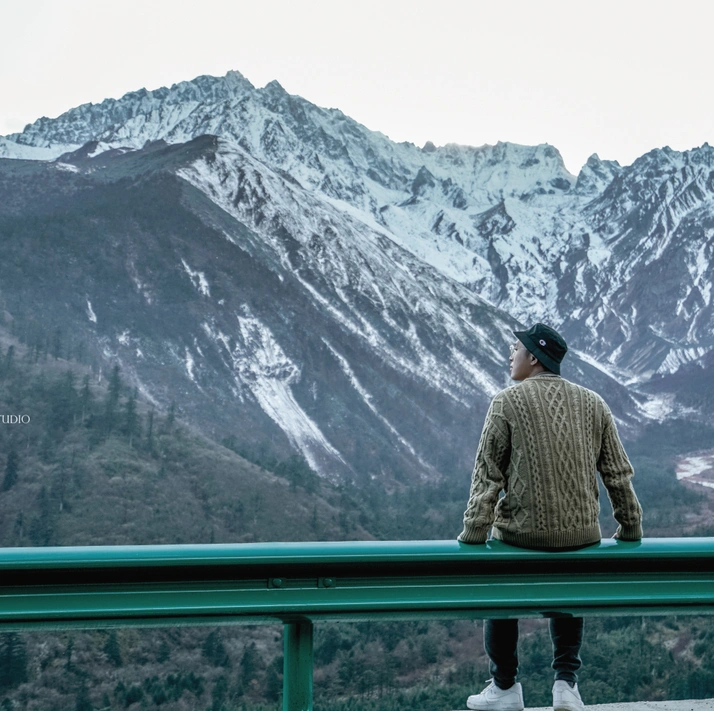 - Clothing: Waterproof jacket, thermal layers, gloves, hat - Food: Snacks, chocolate, and happy drink (cola) - Gear: Camera, tripod, spare batteries (cold drains them faster) - Health: Altitude sickness medication, sunscreen, lip balm
4. How do I avoid bad accommodation on a road trip?
 Book carefully. Avoid city guesthouses with deceptive photos. Look for hotels with genuine reviews, especially in Moxi Ancient Town and Kangding. A good night's rest is the foundation of safe driving.
5. Can I see Mount Gongga from Hailuogou in late autumn?
Yes, but it's not guaranteed. Only about 80 clear days per year. November offers better odds than summer, but check the weather forecast before you go.
Your Western Sichuan Road Trip Awaits
Life is too short for lukewarm water. If you're feeling the weight of daily grind, if you need to catch your breath, if you want to chase golden light and shadow — pack your bags, grab your happy drink, and hit the road.
Western Sichuan's late autumn is waiting. The mountains, the grasslands, the golden leaves, and the snow-capped peaks — they're all there, ready to welcome you.
Ready to plan your own journey?
[Link: Book your Western Sichuan road trip itinerary with expert guides]
[Link: Find the best accommodation in Kangding and Moxi]
[Link: Rent a reliable 4WD for mountain roads]
Don't wait. The road is calling.
You may also like


