Siguniang Mountain Scenic Area: The Ultimate Guide to the "Queen of Snow Mountains" (2024 Travel Tips)
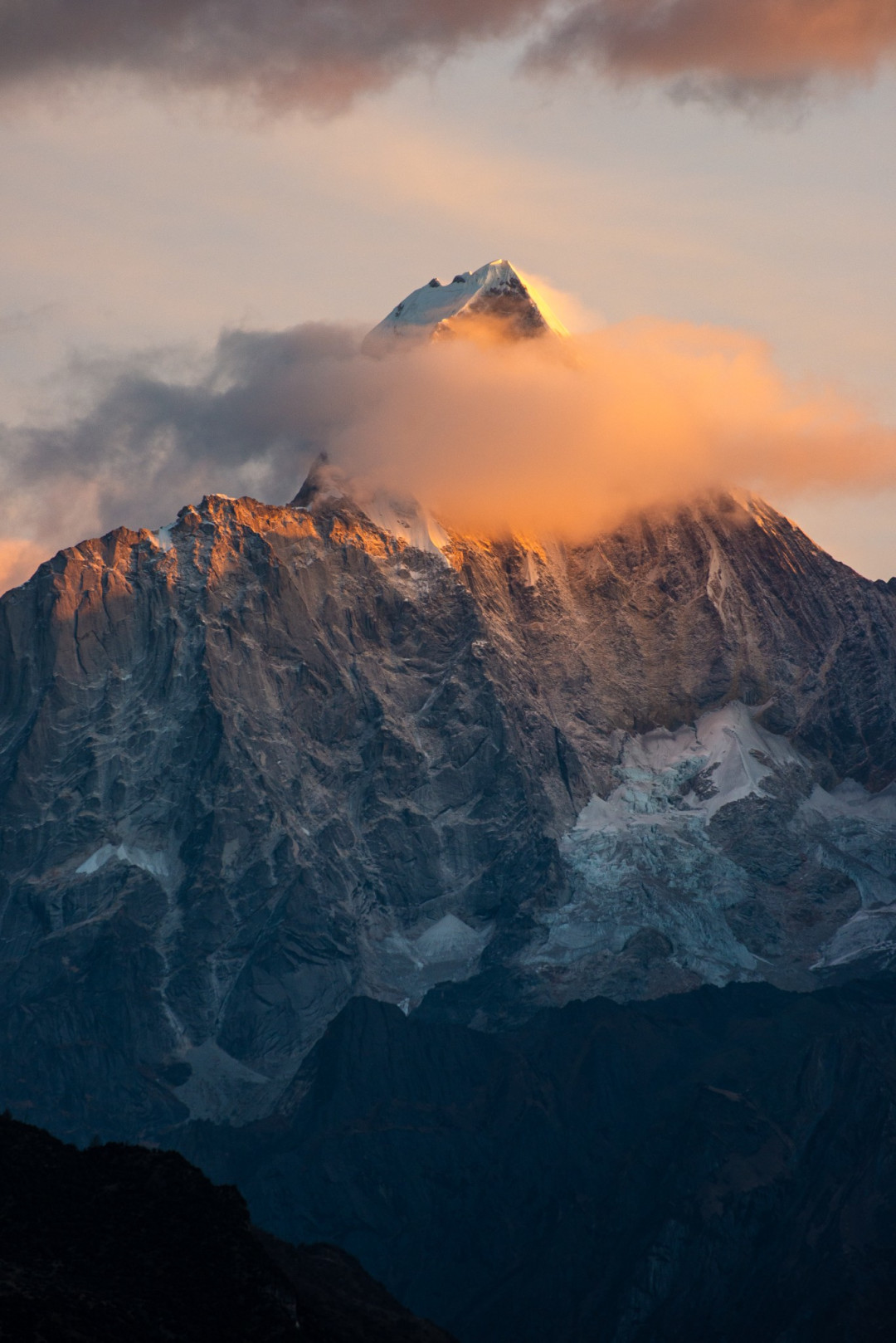
Meta Description: Discover Siguniang Mountain Scenic Area, a 5A-rated wonder in Western Sichuan. From Shuangqiao Valley to Changping Valley, this guide covers trekking, photography, and winter travel tips for the "Goddess's Hem."
Introduction: Why Siguniang Mountain Deserves a Spot on Your Bucket List
Twenty years ago, I stumbled upon the name "Siguniang Mountain" (Four Sisters Mountain) in a computer magazine. Back then, my travel world revolved around the Forbidden City's glazed tiles and Huangshan's twisted pines. But that unfamiliar name planted a seed. Later, in a hotpot restaurant stairwell, I saw a photograph: an empty valley, snow-capped peaks like a castle on the horizon, radiating pure white light under a cobalt sky. I stood frozen. So places like this really existed.
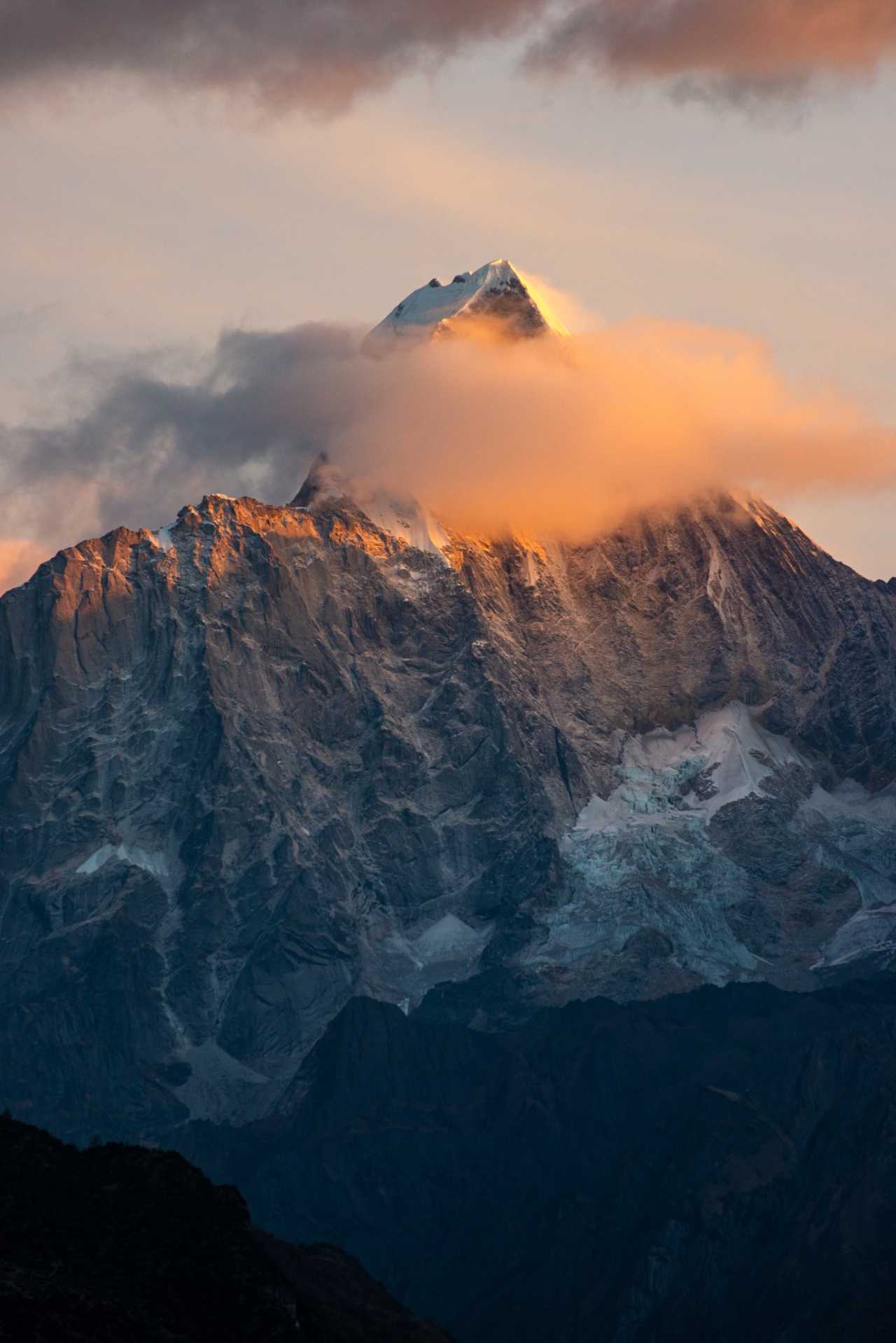
Today, Siguniang Mountain is a national 5A-level scenic area, and my connection spans two decades—from my first overloaded trek to watching the "Golden Sunlight on the Snow Mountain" (日照金山) at Cat's Nose Ridge with my daughter. Now, I'm finally writing the complete guide to this "Queen of Snow Mountains."
Why Siguniang Mountain Is the Perfect Introduction to Snow Mountain Travel
This isn't hype. I've broken it down into three concrete criteria.
Convenience: The Snow Mountain Cluster Closest to a Major City
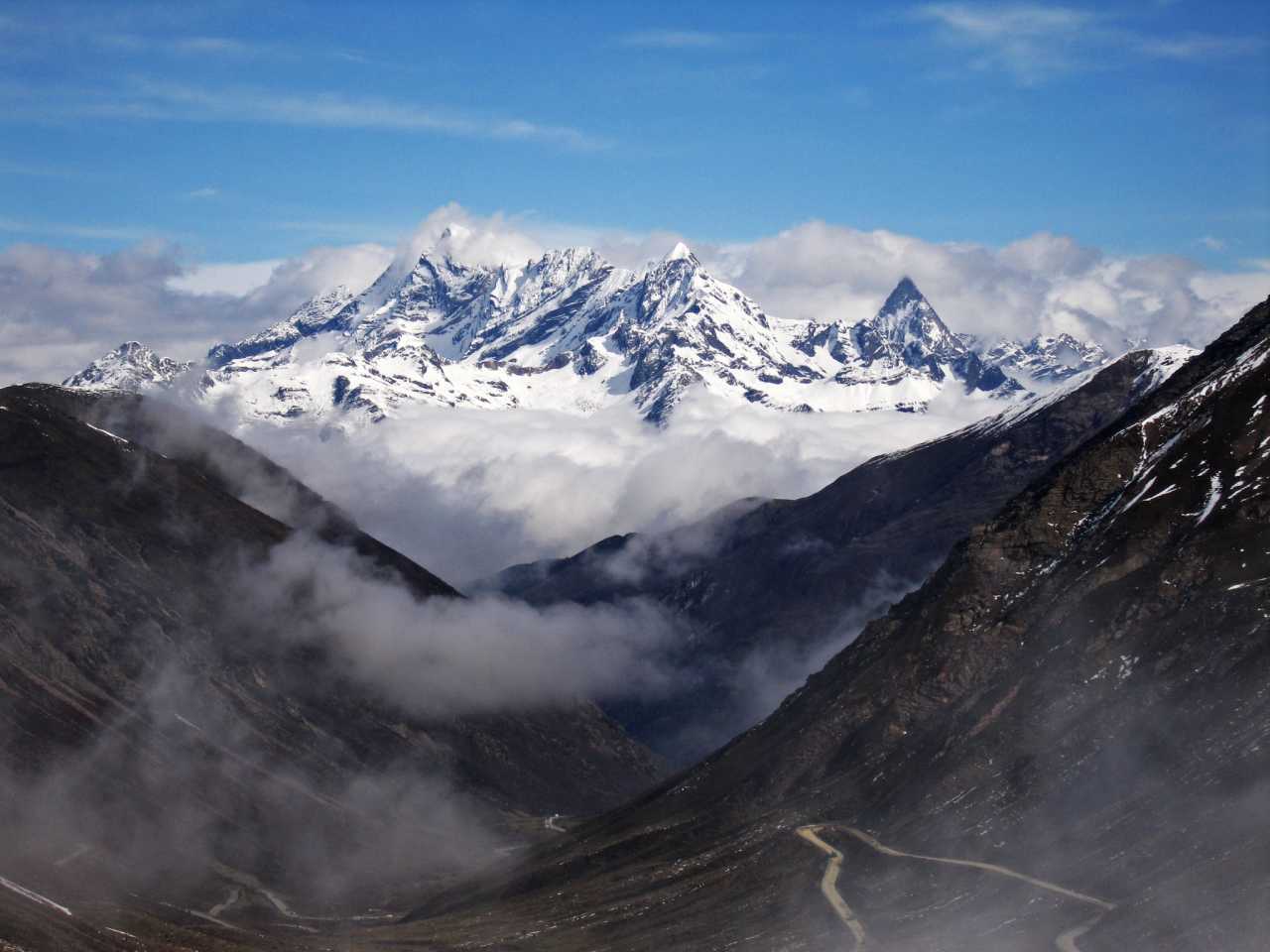
The Himalayas are magnificent but unreachable for most. Gongga Mountain's area is vast but requires bumpy Western Sichuan roads. Gangshika Snow Peak lacks facilities. Siguniang Mountain? Just a three-hour drive from Chengdu. As a newly designated 5A scenic area, roads, accommodation, and services are well-developed, making it accessible for all ages and fitness levels.
Representation: Beauty from Afar and Up Close
Jade Dragon Snow Mountain's permanent snow has largely disappeared. Bogda Peak offers less scenic value at viewing points. But Siguniang Mountain delivers: take in the full panorama from Balang Pass and Cat's Nose Ridge, appreciating its majestic, layered profile. Up close, each valley—Shuangqiao, Changping, Haizi, and Bipeng—has unique character, providing a comprehensive understanding of Western Sichuan's most representative landscapes.
Diversity: More Than Just a Check-In

Siguniang Mountain crossing is one of China's earliest and most classic trekking routes. Enter via Changping Valley, exit via Bipeng Valley—moderate intensity. Dagu Mountain (Big Sister Peak) summit is the perfect first mountaineering step—even women in their sixties and seventies have made it. In winter, Changping Valley's icefalls create a paradise for ice climbers. This diversity makes Siguniang Mountain the undisputed choice for "your first snow mountain."
Shuangqiao Valley: The Easiest Path to Snow Mountain Majesty
Shuangqiao Valley is the most developed and best-serviced area, often the first choice for tour groups. But that doesn't diminish its charm.
Winter in Shuangqiao Valley: A World of Ice and Snow
We chose winter. The wind bites, but the sky blazes a clearer blue, sunlight is more transparent, and snow-covered peaks look pure, as if untouched. The river freezes, trees go bare, and only pale yellow sea buckthorn berries bring life to the stillness.
My Advice: Take the scenic shuttle to the end point, Yutu Peak (Jade Rabbit Peak), then hike back the entire way. Wooden boardwalks line the entire route—all gentle downhill. If tired, hop on a shuttle anytime. Allow four to five hours for the main route.
Key Attractions Along the Way
- Mount Abi (5,033 m / 16,512 ft) – Legend says it's the four sisters' grandmother incarnated.
- Niuxin Shan (Ox Heart Mountain) (4,942 m / 16,214 ft) – Shaped like an ox's heart.
- Hunter Peak (5,360 m / 17,585 ft) – Along with Jianshanzi (Pointed Mountain), they stand like guardian deities.
- Potala Peak (5,240 m / 17,191 ft) – Its solid form resembles the Potala Palace.
In winter, tourists are scarce. The entire valley feels like it belongs only to you. Sea buckthorn berries hang plump and within arm's reach. If lucky, you might spot ice climbers tackling frozen waterfalls.
Practical Tips for Shuangqiao Valley
- In winter, access Siguniang Mountain via Jiajin Mountain or Balang Mountain. Roads are paved, but watch for icy patches in shaded areas.
- Set out early. Tibetan region weather is stable in the morning but can change quickly in the afternoon, with temperatures dropping fast.
- Shuangqiao Valley has excellent facilities, but completing full trails in Changping Valley and Haizi Valley in winter is challenging.
Changping Valley: Nestled at the Goddess's Hem
If Shuangqiao Valley is the easy path, Changping Valley is the pilgrimage route. It's the starting point for the classic "Chang-Chuan" (长穿毕) trek and the best valley for having Siguniang Mountain's main peak accompany you the whole way.
My First Changping Valley Trek: A Lesson in Humility
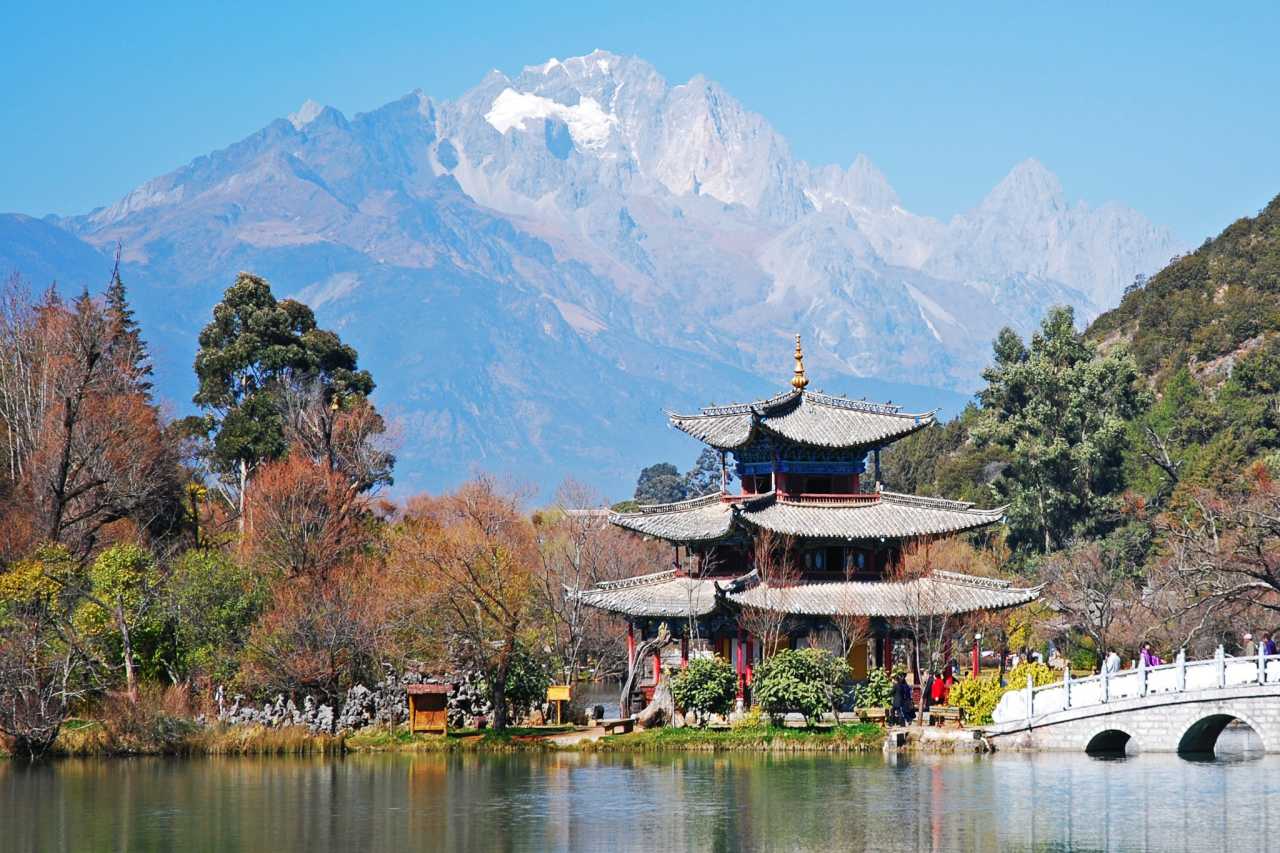
I first hiked Changping Valley in May, carrying a 65-liter backpack stuffed with tent, sleeping bag, and stove—with little understanding of my own limits. In early spring, the valley was just waking up, alternating sunshine and rain. The initial wooden boardwalk was easy; we strolled from the entrance to Withered Tree Beach without a care.
Past Withered Tree Beach, the trail turned primitive and muddy. Packs grew heavier with every step. After a strenuous uphill climb, we reached Mu Luozi (Wooden Mule Station) in the afternoon—a wide, open meadow flanked by dense forests and towering peaks. Siguniang Mountain appeared and disappeared to the east, the sheer presence of the snow mountain overwhelming.
That night, I experienced altitude sickness for the first time. Dizzy, headachy, and light-headed, I set up my tent and curled up in my sleeping bag, shivering uncontrollably. Luckily, a local herder's wooden cabin took us in. The fire's warmth helped me survive that snowy night. The next day, we turned back, abandoning our first crossing attempt. But that experience became the starting point for a decade of trekking.
Returning with My Daughter: A Winter Pilgrimage
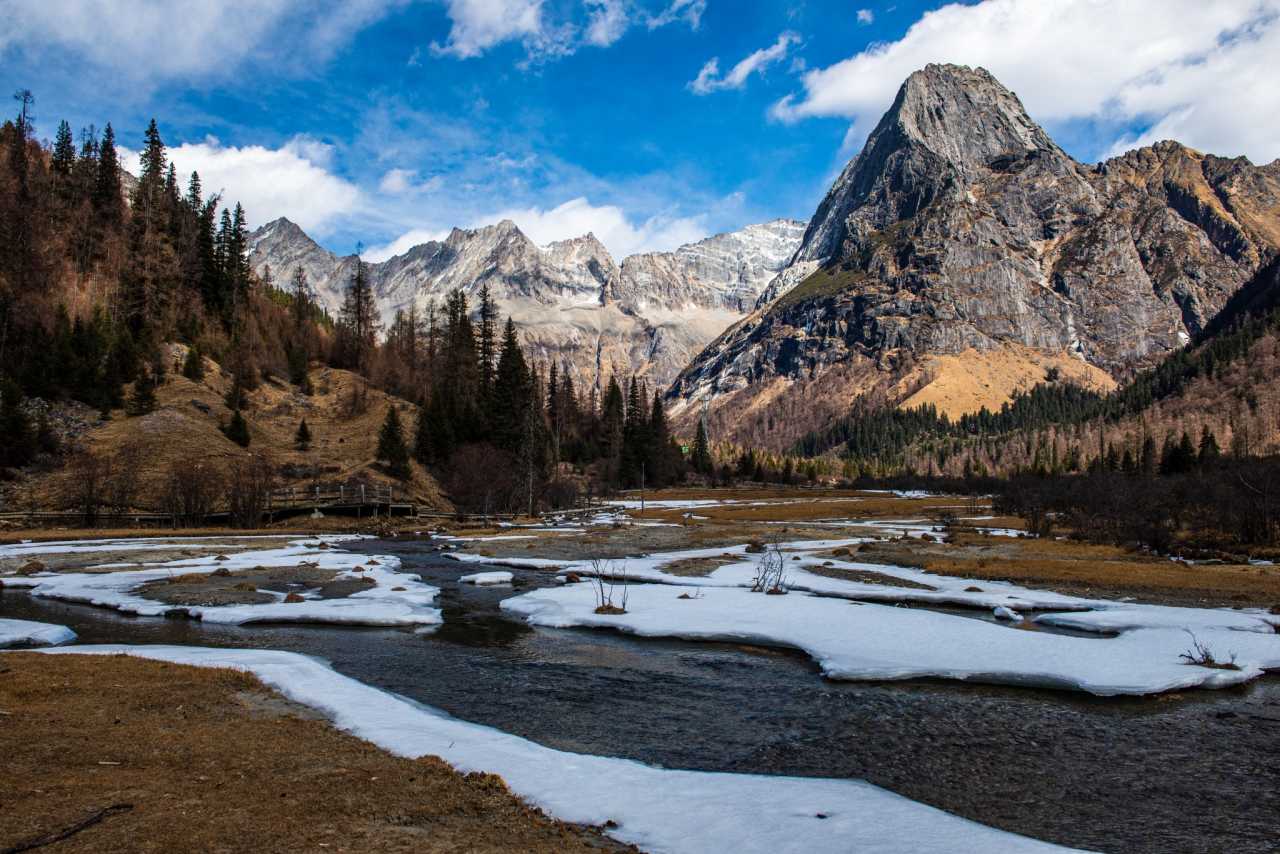
More than ten years later, I brought my daughter to Changping Valley. We chose winter for stable weather and clear skies. We gazed at Yaomei Peak (Youngest Sister Peak) from the Lama Temple, played on the thin ice at Withered Tree Beach, watched the crystal-clear stream, and saw sunlight reflected off the snow. In winter, Changping Valley is pure enough to make your heart ache.
Changping Valley Highlights
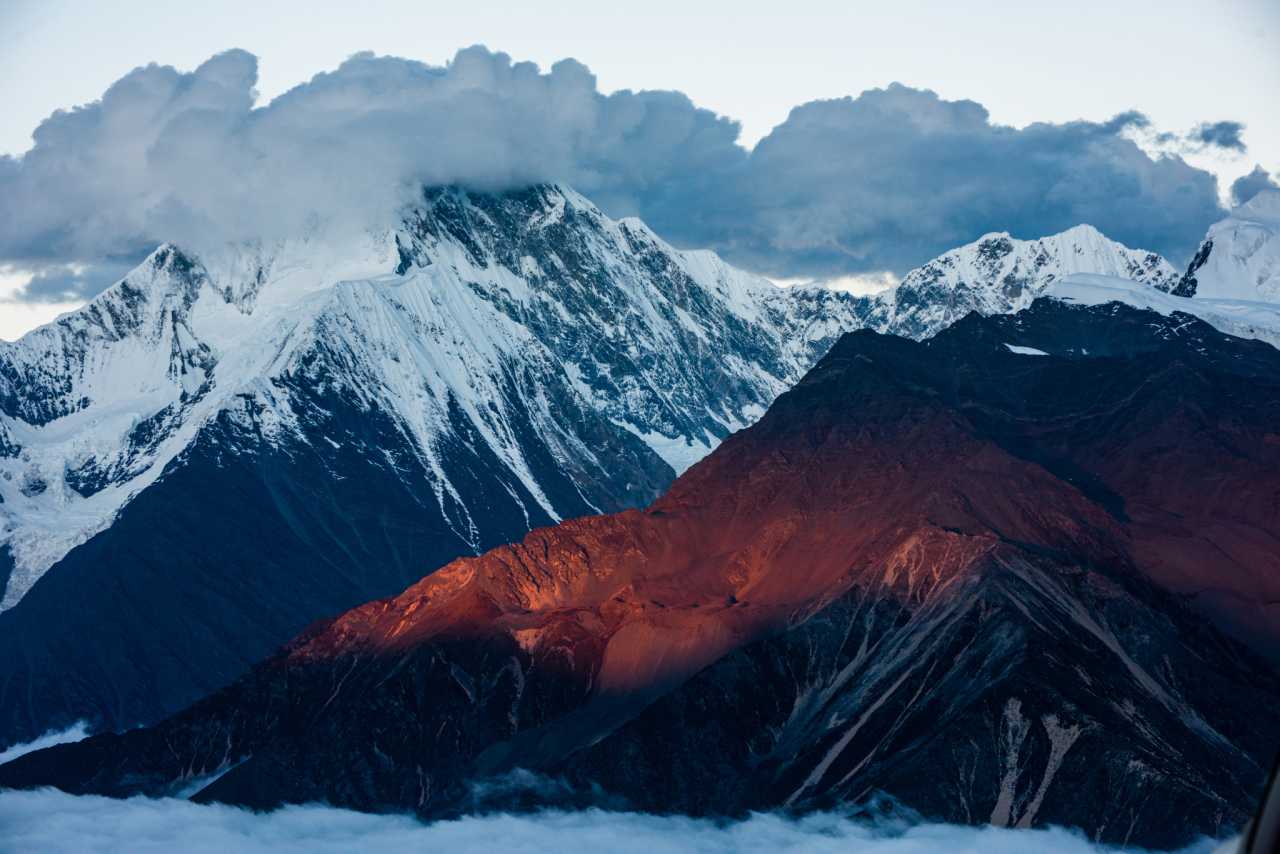
- Withered Tree Beach (枯树滩): Named for dead tree trunks in the riverbed. In winter, water is shallow—you can walk onto the sandy beach to play.
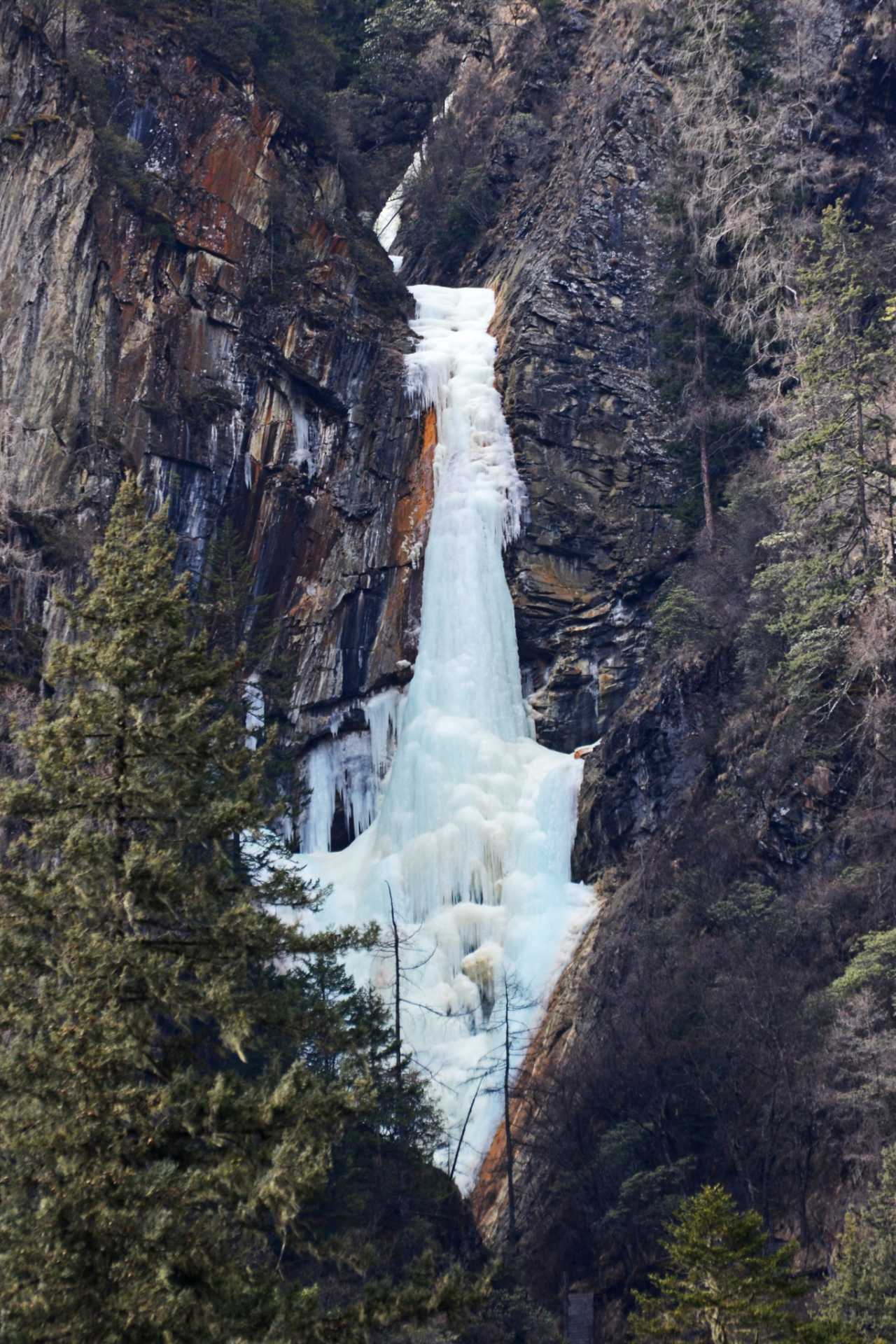
- Chongchongjiao Waterfall (虫虫脚瀑布): Frozen solid in winter, a prime spot for ice climbing.
- Mu Luozi Meadow (木骡子草场): At 3,760 m (12,336 ft), this is the perfect camping spot with stunning views of Yaomei Peak.
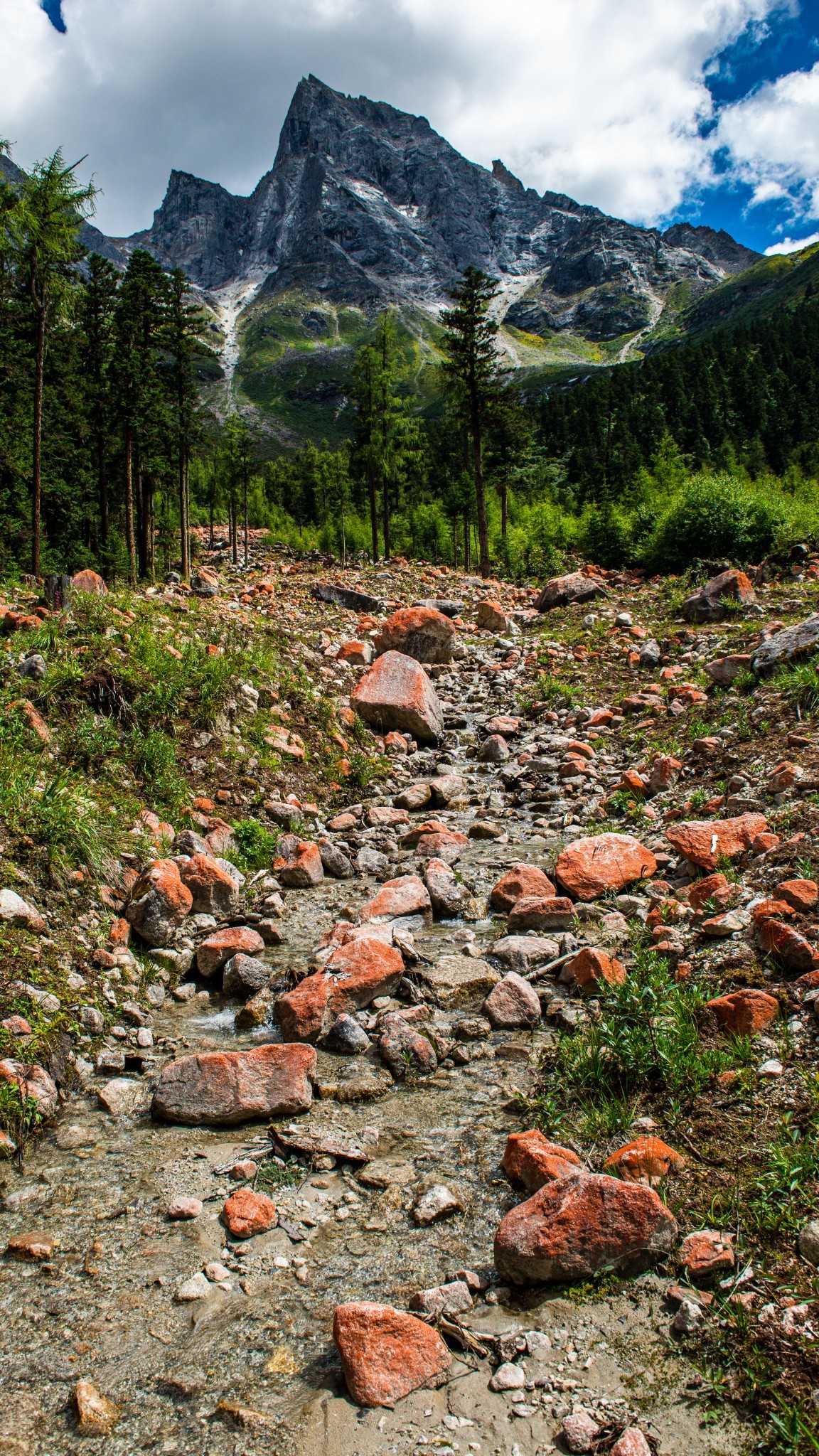
- Red Rock Formations (红石阵): A unique Western Sichuan phenomenon where rocks are coated in red lichen.
Haizi Valley: The Untamed Wilderness
Haizi Valley (Lake Valley) is the least developed of the four valleys, offering pristine alpine lakes and rugged terrain. It's best suited for experienced hikers and those seeking solitude.
Key Features: - Dahaizi (Big Lake): A stunning turquoise lake at 4,300 m (14,108 ft), reflecting the surrounding peaks. - Xiaohaizi (Small Lake): Smaller but equally beautiful, often frozen in winter. - Wildlife: Spot blue sheep, Himalayan marmots, and possibly snow leopards.
Warning: Haizi Valley has no boardwalks or shuttle buses. Proper hiking gear, navigation skills, and altitude acclimatization are essential.
Bipeng Valley: The Autumn Paradise
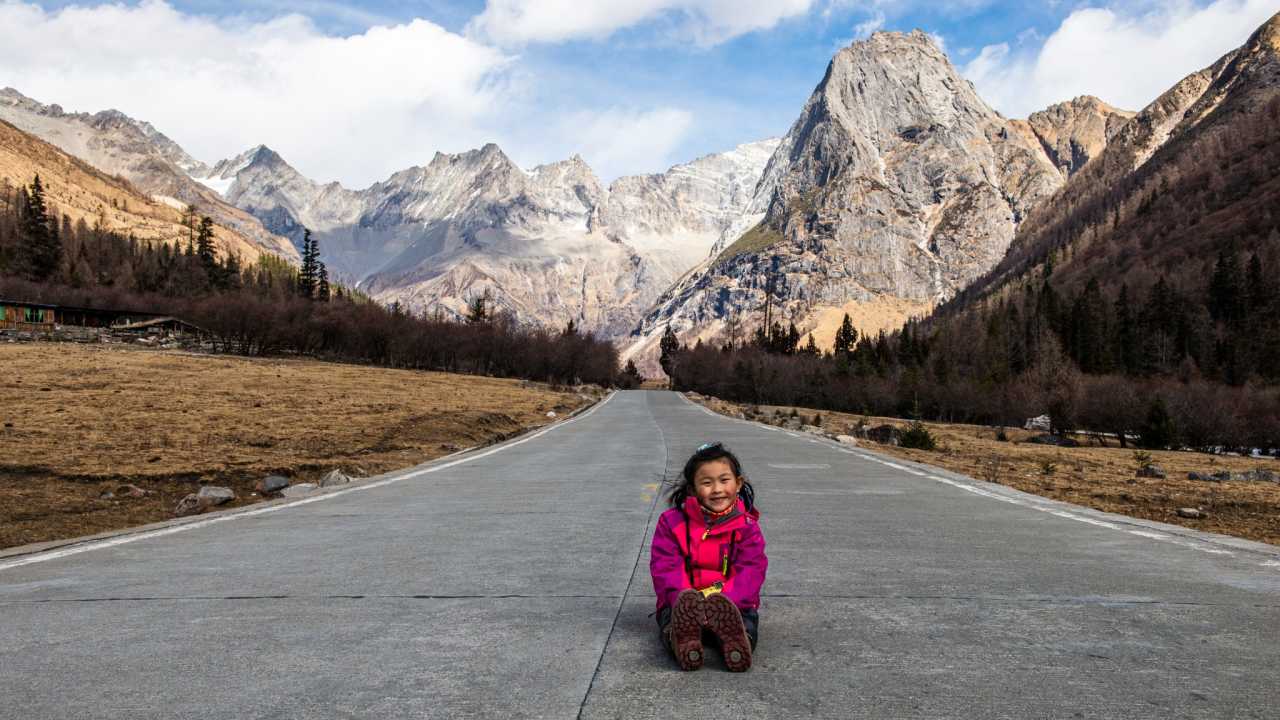
Bipeng Valley (Bipenggou) is famous for its autumn foliage, rivaling Jiuzhaigou's colors. Located just 20 minutes from Siguniang Mountain's main entrance, it's often combined with a visit.
Best Time to Visit: October to early November for peak autumn colors. Key Attractions: - Longwanghai (Dragon King Lake): A crystal-clear alpine lake surrounded by red and gold forests. - Panziyang Meadow: A vast grassland with yaks and panoramic mountain views.
Essential Travel Tips for Siguniang Mountain Scenic Area
Best Time to Visit
| Season | Pros | Cons |
|---|---|---|
| Spring (Apr-May) | Wildflowers, fewer crowds | Unstable weather, muddy trails |
| Summer (Jun-Aug) | Warm weather, lush greenery | Rainy season, occasional landslides |
| Autumn (Sep-Oct) | Clear skies, golden foliage | Peak season, crowded |
| Winter (Nov-Mar) | Stable weather, ice climbing | Bitter cold, some trails closed |
Getting There
- By Car: 3-4 hours from Chengdu via the Sichuan-Tibet Highway (G318) or Balang Mountain Pass.
- By Bus: Daily buses from Chengdu's Chadianzi Bus Station to Rilong Town (Siguniang Mountain base).
- By Air: Fly to Chengdu Shuangliu Airport, then drive or bus to the scenic area.
Altitude Acclimatization
- Rilong Town base is at 3,200 m (10,499 ft). Spend a day here to adjust.
- Avoid alcohol and heavy meals on arrival.
- Drink plenty of water and consider taking acetazolamide (Diamox) if prone to altitude sickness.
Packing Checklist
- Clothing: Layered system (base layer, fleece, waterproof jacket), warm hat, gloves, and thermal pants.
- Footwear: Waterproof hiking boots with good ankle support.
- Gear: Headlamp, trekking poles, reusable water bottle, sunscreen, and sunglasses.
- Emergency: First-aid kit, altitude sickness medication, and a fully charged power bank.
Frequently Asked Questions (FAQ)
1. How difficult is the Siguniang Mountain trek?
The classic Chang-Chuan trek (Changping Valley to Bipeng Valley) is moderate difficulty. It takes 2-3 days, with altitudes ranging from 3,200 m to 4,700 m. Beginners can enjoy Shuangqiao Valley's boardwalks, while experienced hikers can tackle Haizi Valley.
2. When is the best time to see "Golden Sunlight on the Snow Mountain"?
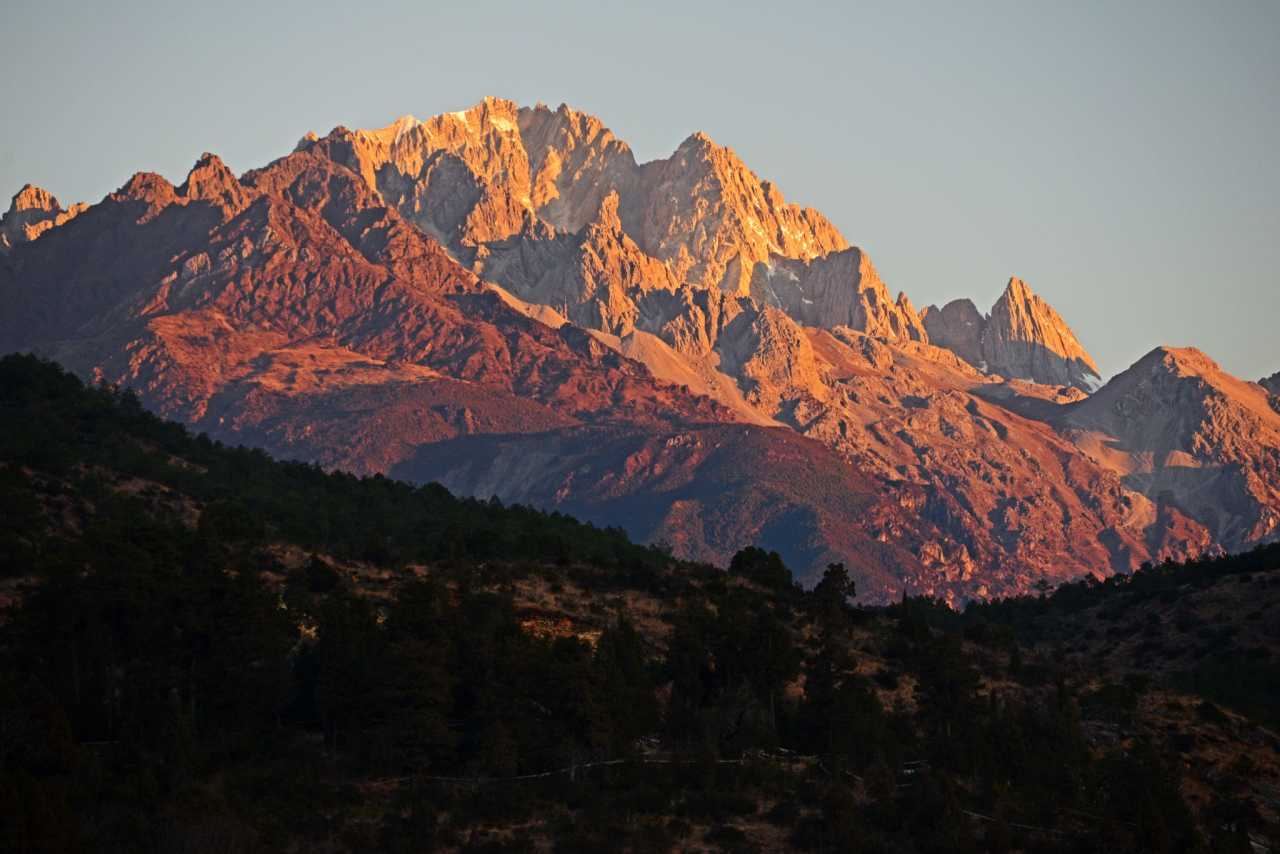
The phenomenon occurs year-round but is most spectacular in winter (November to February) when skies are clearest. Arrive at Cat's Nose Ridge or Balang Pass before sunrise (around 7:00-7:30 AM in winter).
3. Can I visit Siguniang Mountain with children?
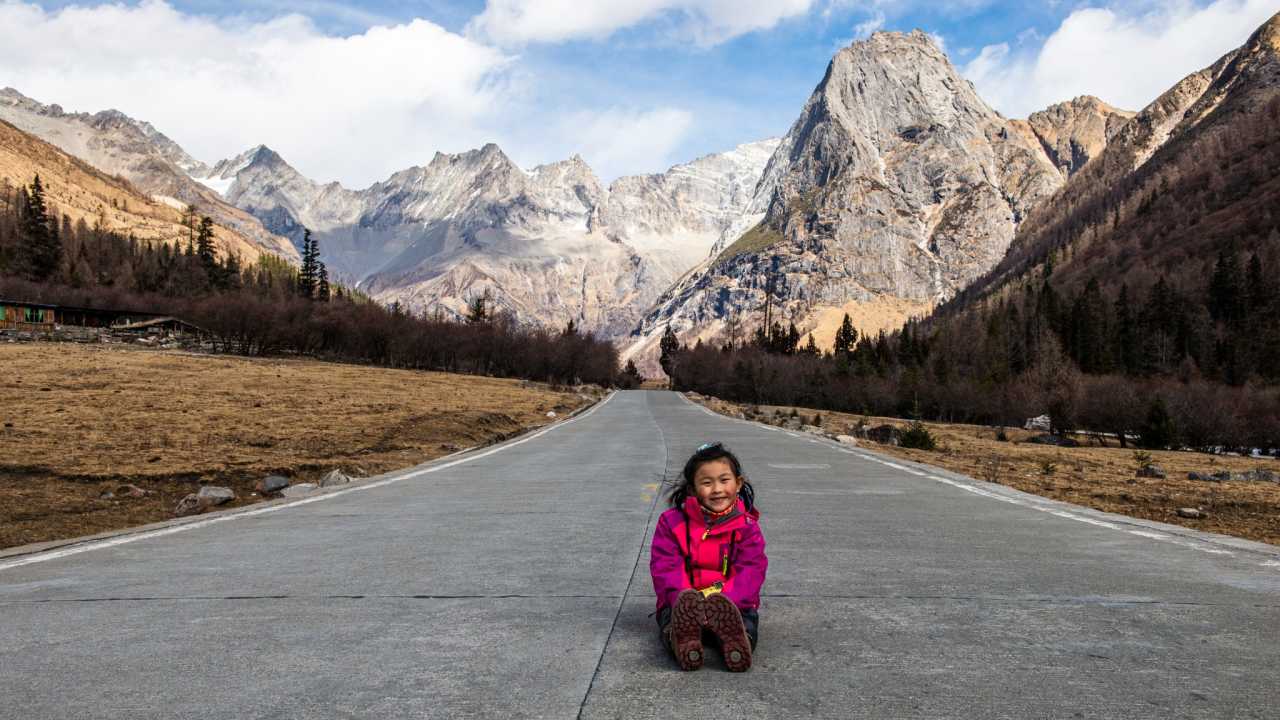
Yes. Shuangqiao Valley's boardwalks are child-friendly. Changping Valley's first section (to Withered Tree Beach) is also easy. However, avoid Haizi Valley and high-altitude passes with young children.
4. Do I need a guide for trekking?
For Shuangqiao Valley, no guide is needed. For Changping Valley and Haizi Valley, especially overnight treks, a local guide is highly recommended. Guides can be arranged in Rilong Town for approximately ¥300-500 per day.
5. What permits do I need for Siguniang Mountain?
No special permits are required for the main scenic area. For mountaineering (summiting Yaomei Peak or Dagu Mountain), you need a climbing permit from the Sichuan Mountaineering Association, which can be arranged through local guiding services.
Internal Linking Suggestions
- [Link: Best Western Sichuan Trekking Routes for Beginners]
- [Link: How to Prevent Altitude Sickness on High-Altitude Treks]
- [Link: Winter Travel Guide to Sichuan's Snow Mountains]
- [Link: Top 10 National 5A Scenic Areas in China]
- [Link: Chengdu to Siguniang Mountain Road Trip Itinerary]
Final Thoughts: Your First Snow Mountain Awaits
Siguniang Mountain isn't just a scenic area—it's a gateway. It's where city dwellers first taste the raw beauty of snow mountains, where families create memories against a backdrop of pristine peaks, and where adventurers take their first steps into high-altitude exploration.
Twenty years ago, a photograph in a stairwell changed my life. Today, I'm passing that invitation to you. Whether you're a seasoned trekker or a first-time visitor, the "Goddess's Hem" welcomes you with open arms.
Your next step: Book your tickets, pack your bags, and head to Western Sichuan. The snow-capped sisters are waiting.
Have you visited Siguniang Mountain? Share your experience in the comments below, or ask any questions—I've been there more times than I can count and love helping others plan their journey.
You may also like


