Sichuan Western Road Trip: Collecting Proof of Light in the Human World, Where Time Stands Still
Meta Description: Discover the ultimate Sichuan Western road trip guide. From Moshi Park's alien landscapes to Daocheng Yading's sacred peaks, experience where time stands still. Expert tips on altitude sickness, itinerary planning, and hidden gems.
Introduction: When the World Paused, Western Sichuan Called
Have you ever thought that when life suddenly hits the pause button, those faraway places you once thought unreachable might actually be hiding right behind you?

At the beginning of the year, I was still torn between climbing snowy mountains in Switzerland or flying to the Bahamas for diving. I always believed that only by going far enough could I touch a different world. It wasn't until my travel plans were grounded by reality that I suddenly realized—the most beautiful scenery was never far away, but right beneath my feet, on this land that had been sleeping for so long.
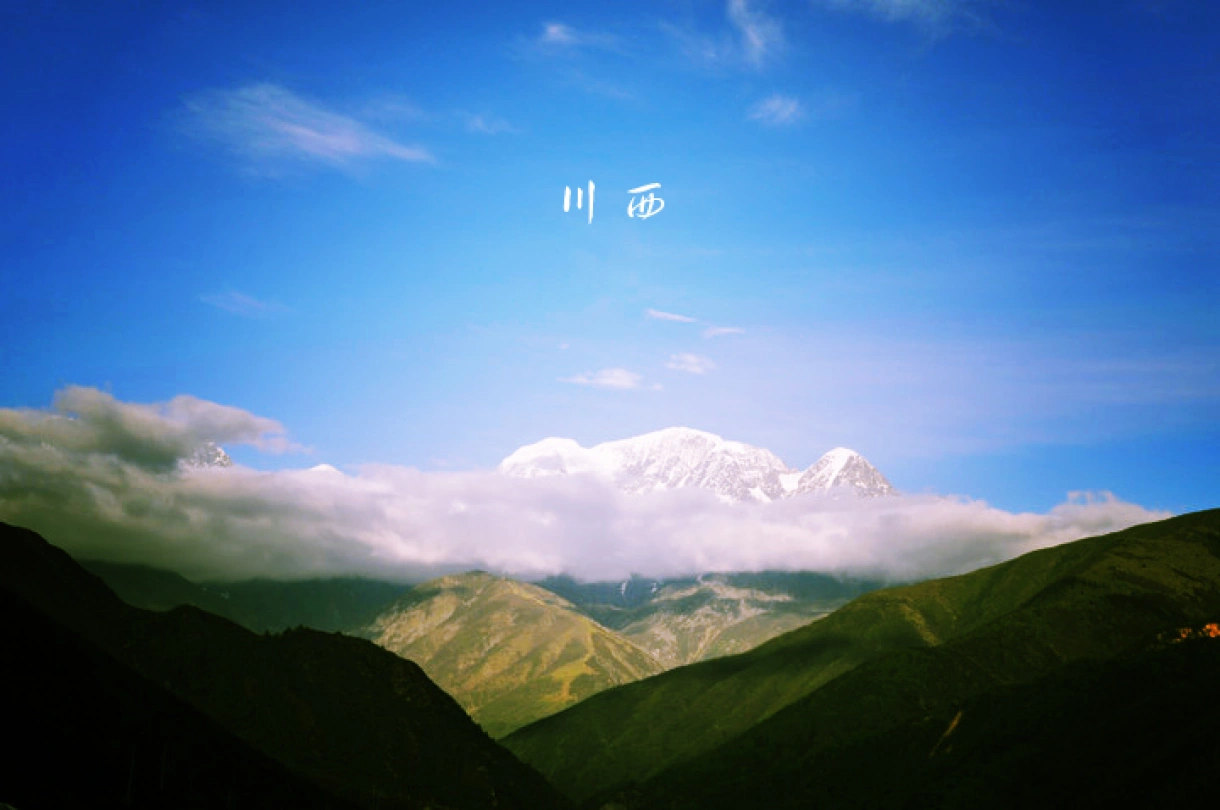
Xinjiang, Inner Mongolia, Zhongwei, the Northwest, Tibet... Each name sounded like a pearl covered in dust, waiting to be picked up again. In the end, a photo of the snowy mountains in Western Sichuan became the key that unlocked all my imagination about distant places. So the destination was set—Western Sichuan road trip, here we go!
Planning Your Western Sichuan Road Trip: The Altitude Sickness Sisterhood
Meet the Crew
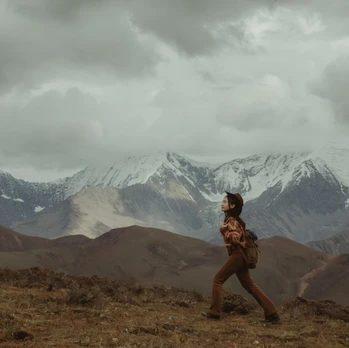
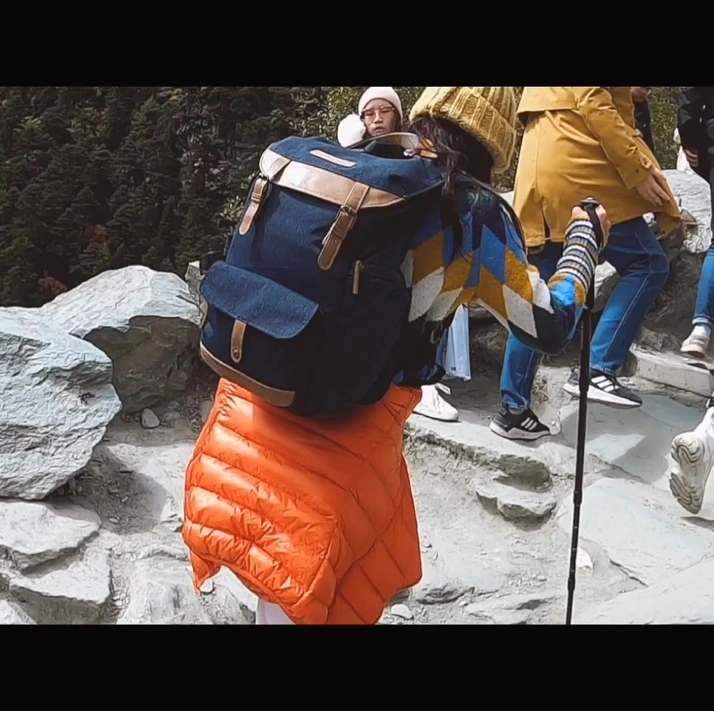
Let me introduce my Western Sichuan squad: my old partner Qingqing, and her colleague Yaomei. Three people, one car, and we were off on this journey that was destined to be anything but ordinary. Traveling with two "giants" made me, the short one, feel extra safe—honestly, without them, I probably couldn't have made it up the Despair Slope in Daocheng Yading.
But we soon discovered a brutal truth: this trip was tougher than military training.
The Devilish Schedule: 5:30 AM "Reveille"
Before departure, Qingqing gently reminded me on WeChat: "National Day might have terrible traffic jams, and we have long drives every day, so we need to be ready to wake up early." I replied confidently, "No problem, the driver has the toughest job." Driver Xiao Wang was also full of confidence: "I really enjoy driving."
What happened? On the first day, we went to bed at 2 AM, checked the navigation at 5:30 AM—still green—but by 6:30 AM, it was already glowing red. By the time we checked into our hotel in Xinduqiao, it was 11 PM.
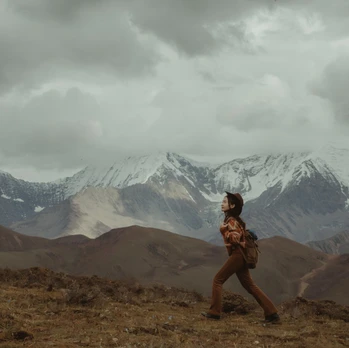
The second day, we woke up early again, but didn't reach Lenggacuo Lake until noon. To get some rest earlier, we skipped the sunset and headed down. Result? A massive traffic jam in Xinduqiao, and we didn't get back to the hotel until 10 PM.
Qingqing tentatively asked, "Tomorrow's drive to Shangri-La Town is going to be long. What if we leave at 6:30?"
Yaomei bargained pitifully, "Can we make it 6:45? Even 15 more minutes of sleep would be amazing..."
After a few days like this, our dark circles were practically hanging down to our chins, and we were constantly teetering on the edge of exhaustion. To make things worse, altitude sickness joined the party—either I was suffering, or Qingqing was. So we officially renamed ourselves the "Altitude Sickness Sisterhood."
Day One: A Mid-Autumn Festival Without Mooncakes
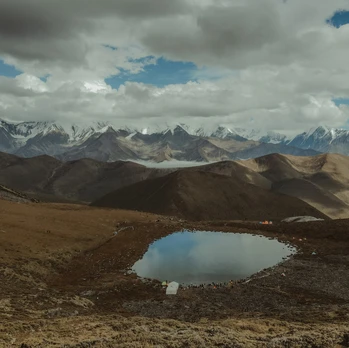
Moshi Park: One Step into Altitude Sickness
October 1st, 5:30 AM—the "military training" reveille sounded on time. We quickly packed up, ready to battle the traffic jams. But by 6:30 AM, the navigation map was already completely red—was everyone this early?
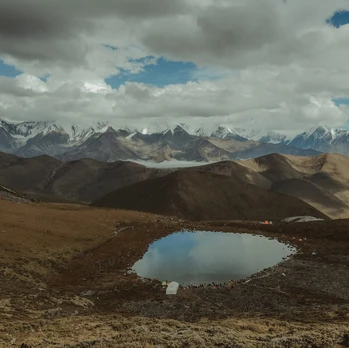
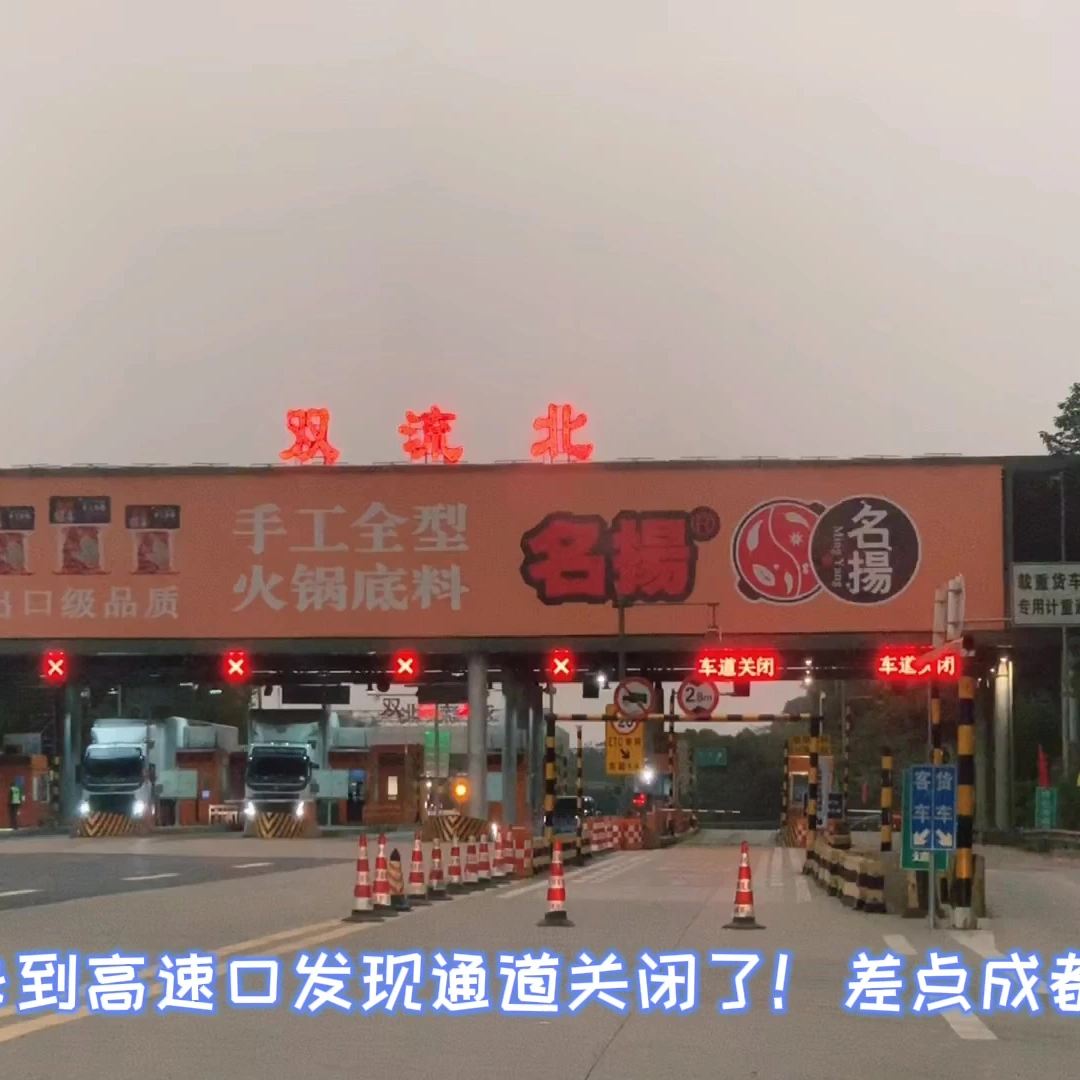
Even worse, all highway entrances were closed due to traffic control. I almost thought we'd be stuck doing a one-day tour of Chengdu! Luckily, driver Xiao Wang was clever and found a country road that led us to another highway entrance. Even though we were still stuck in traffic on the highway, it was much better than the despair of not being able to get on at all.
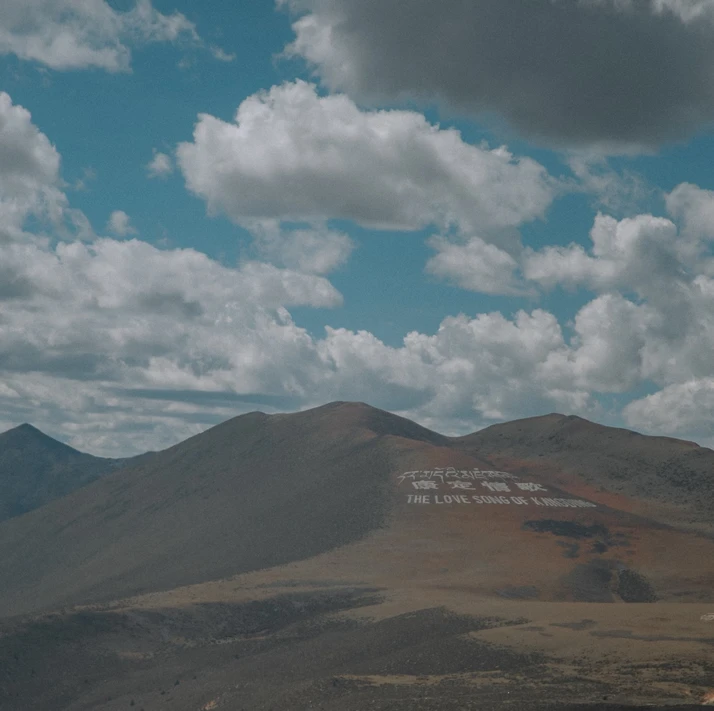
After driving for what felt like forever, we finally saw the word "Kangding." All three of us instinctively started humming that familiar tune—"On the running horse mountain, a cloud is running..." But we couldn't hit the high notes, so Qingqing, our pitch controller, quickly found the original song on her phone. Yes, that was the right tune.
At 3:30 PM, we arrived in Tagong Town. We had originally planned to visit Tagong Grassland, but time and energy only allowed for one choice—Tagong or Moshi. We chose Moshi Park without hesitation.
What is Moshi Park? The Alien Planet of Western Sichuan
Moshi Park (also known as Bamei Stone Forest) isn't Iceland—it's an alien planet hidden in China. The dark gray rock formations, with their thousands of ravines and valleys, look like they have a sign that says "No Earthlings Allowed." This magical place is a world-class geological wonder. The color of the rocks changes with air humidity and light—light gray when dry, dark black when wet. Who says black isn't the most inclusive color? This place is both mysterious and cool.
Moshi Park Practical Information
| Detail | Information |
|---|---|
| Opening Hours | Peak Season (March 15 - October 20): 08:00~18:00 / Off-Season (October 21 - March 14): 09:00~17:00 |
| Recommended Visit Time | 1-2 hours |
| Ticket Price | 60 RMB/person + Sightseeing Bus 20 RMB/person (round trip) |
| Location | Junction of Kama Village and Zhonggu Village, Bamei Town, Daofu County, Garze Tibetan Autonomous Prefecture, Sichuan Province |
| Altitude | 3,500 meters |
Outfit Recommendations for Moshi Park
- Black and White: Cool and edgy, blending into the environment
- Bright Colors: Red, yellow—to be the finishing touch against the dark rocks
Best Photo Spots in Moshi Park
- On the boardwalk for sweeping views
- At the edge of the rock formations for dramatic angles
- A wide-angle lens is essential for capturing the grand scale
Moshi Park Tips
- Pay attention to the last sightseeing bus departure time—return one bus earlier than you think you need
- The park's walking route is a loop—follow the signs to avoid backtracking
- Arrive early to avoid afternoon thunderstorms
My Altitude Sickness Wake-Up Call

At the entrance, there were horses available for riding. I got a bit excited when I saw a 50-centimeter-high platform and stepped right up onto it—and that one step triggered my altitude sickness! Qingqing and Yaomei were terrified. They gave me glucose, got me water, and almost carried me. I couldn't catch my breath, couldn't speak, kept hiccupping and yawning. Finally, my stomach suddenly cramped and I threw up. After vomiting, I broke out in a cold sweat and started to feel a little better. I never expected to be the first one to go down.
After that, I learned my lesson: move slowly (shuffle), breathe slowly, no running or jumping. I was like Flash from Zootopia—you know, the sloth.
The Thunderstorm Escape
Walking down the boardwalk, the sky darkened quickly. In about five minutes, the rock formations were almost invisible, and a huge dark cloud rolled in. A single raindrop the size of a bean hit me, and we realized it was about to pour! Time to retreat!
It was just past 7 PM, and there was no one around—not even staff. Lightning and thunder were alternating their attacks on us. Yaomei shouted for us to stay away from the power lines—out in the open like that, getting struck by lightning was a real possibility! Luckily, we were all good people. We speed-walked and jogged our way past the highest point on the hill (the scare was so bad it half-cured my altitude sickness) and safely reached the shuttle bus pickup point.
We waited for a while. No bus. Qingqing had specifically asked at the ticket office, and they said the last bus was at 7:30 PM. At 7:20 PM, a motorcycle came up and asked if we wanted a ride back—20 RMB per person. Qingqing sent me, the one with the worst altitude sickness, with my luggage on the motorcycle. The rain instantly drenched me. I huddled under the helmet of the woman driving the motorcycle, feeling small, helpless, and pitiful. I was worried about Qingqing and Yaomei, who had to walk to the parking lot. Luckily, they have long legs, and they arrived shortly after I got to the parking lot.
We made it through, but it was a close call. Still, I have to seriously criticize the scenic area—they said the last bus was at 7:30 PM, so why was there no bus after 7 PM?
Today was Mid-Autumn Festival. We were supposed to look at the moon and eat mooncakes, but instead, we were fighting for our lives in a thunderstorm at 3,500 meters altitude.
Essential Altitude Sickness Tips for Western Sichuan
Based on our experience, here are critical altitude sickness prevention tips for your Western Sichuan road trip:
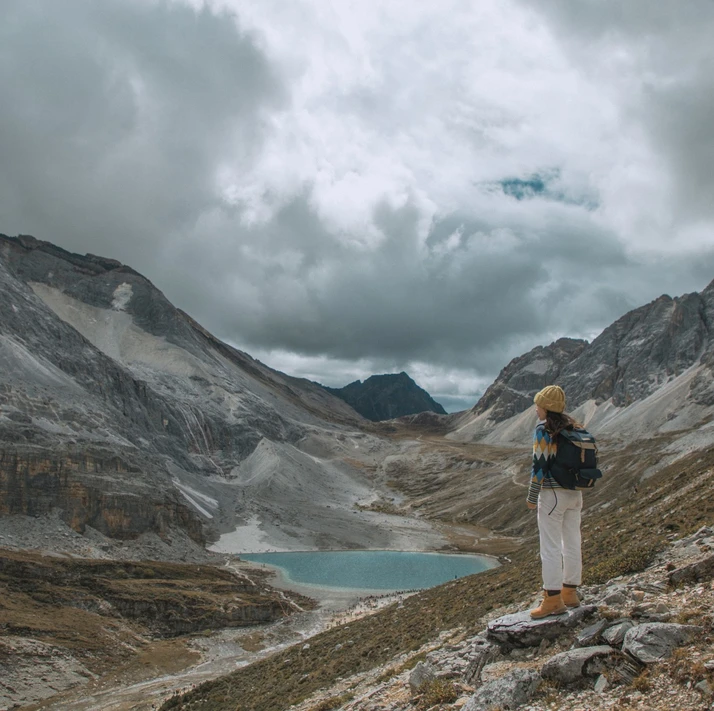
- Acclimatize gradually – Spend a night in Kangding (2,600m) before heading higher
- Stay hydrated – Drink at least 2-3 liters of water daily
- Avoid alcohol and smoking – Both worsen altitude effects
- Move like a sloth – No running, jumping, or sudden movements
- Carry medication – Glucose tablets, Diamox (acetazolamide), and pain relievers
- Listen to your body – If symptoms worsen, descend immediately
- Eat light – Heavy meals can aggravate symptoms
[Link: How to Prevent Altitude Sickness in Tibet and Western Sichuan]
Western Sichuan Road Trip FAQ
1. What is the best time for a Western Sichuan road trip?
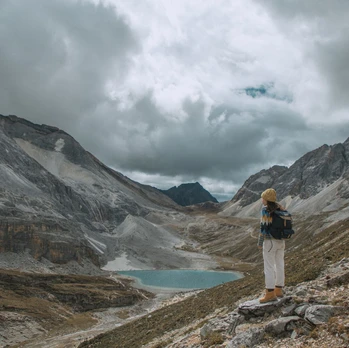
The best time is May to October when weather is milder and roads are clear. September-October offers stunning autumn colors, but be prepared for crowds during National Day holiday (October 1-7). Summer (June-August) has green grasslands but more rainfall.
2. How do I prepare for altitude sickness in Western Sichuan?
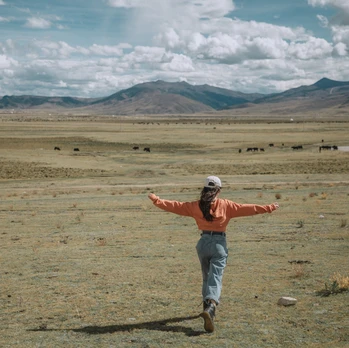
Start taking Diamox 24 hours before ascending above 2,500 meters. Stay hydrated, avoid alcohol, and plan gradual ascents. Spend your first night at lower altitudes like Kangding (2,600m) or Xinduqiao (3,300m) before heading higher.
3. Is a 4WD necessary for Western Sichuan roads?
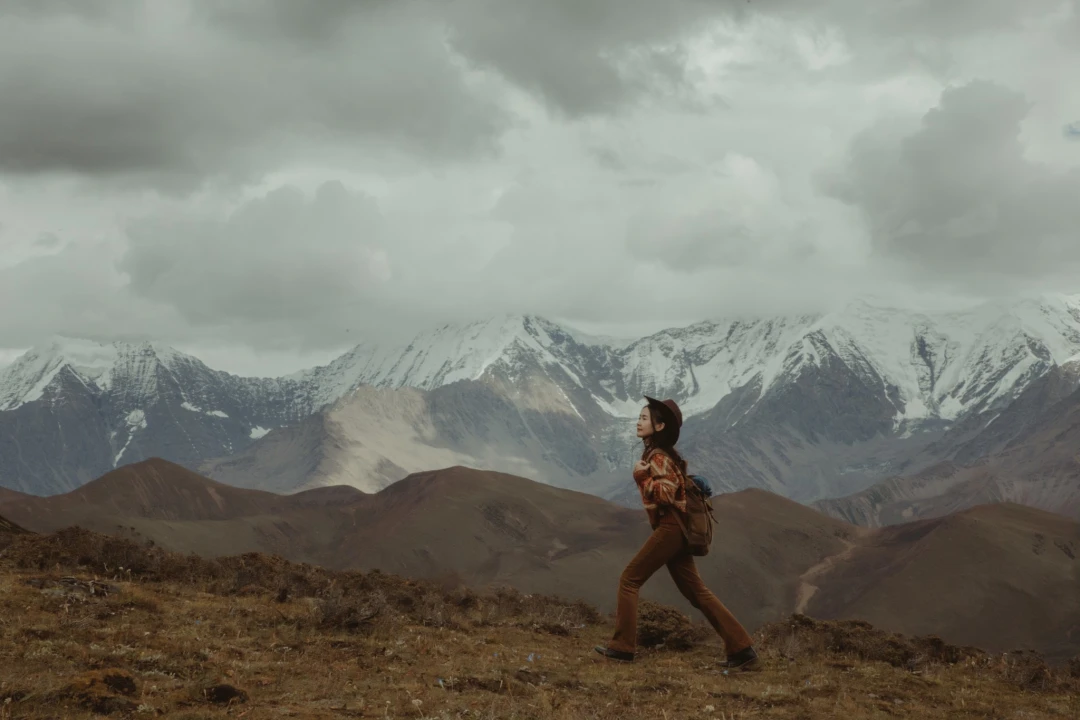
While many main roads are paved, a 4WD or SUV with good ground clearance is recommended, especially for off-the-beaten-path destinations like Lenggacuo Lake or remote villages. During rainy season (July-August), 4WD provides extra safety on muddy roads.
4. How many days do I need for a Western Sichuan road trip?
A minimum of 7-10 days is recommended for a comfortable loop from Chengdu covering Kangding, Xinduqiao, Daocheng Yading, and back. For a more relaxed pace with time for photography and hiking, plan 10-14 days.
5. What should I pack for a Western Sichuan road trip?
Pack layers – temperatures can range from 5°C to 25°C in a single day. Essentials include: thermal underwear, fleece jacket, waterproof outer layer, sun protection (hat, sunglasses, SPF 50+), comfortable hiking boots, and altitude sickness medication.
[Link: Ultimate Western Sichuan Packing List]
Conclusion: The Proof of Light in the Human World
Our Western Sichuan road trip was far from perfect. We battled traffic jams, altitude sickness, thunderstorms, and exhaustion. We missed mooncakes on Mid-Autumn Festival and skipped sunsets to avoid traffic. But looking back, every struggle was worth it.
Western Sichuan doesn't give you beauty on a silver platter. You earn it—with every labored breath at 4,700 meters, every early morning wake-up call, every step up the Despair Slope. And that's what makes it so unforgettable.
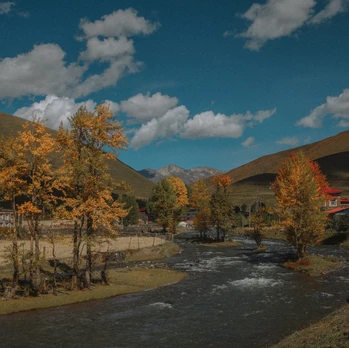
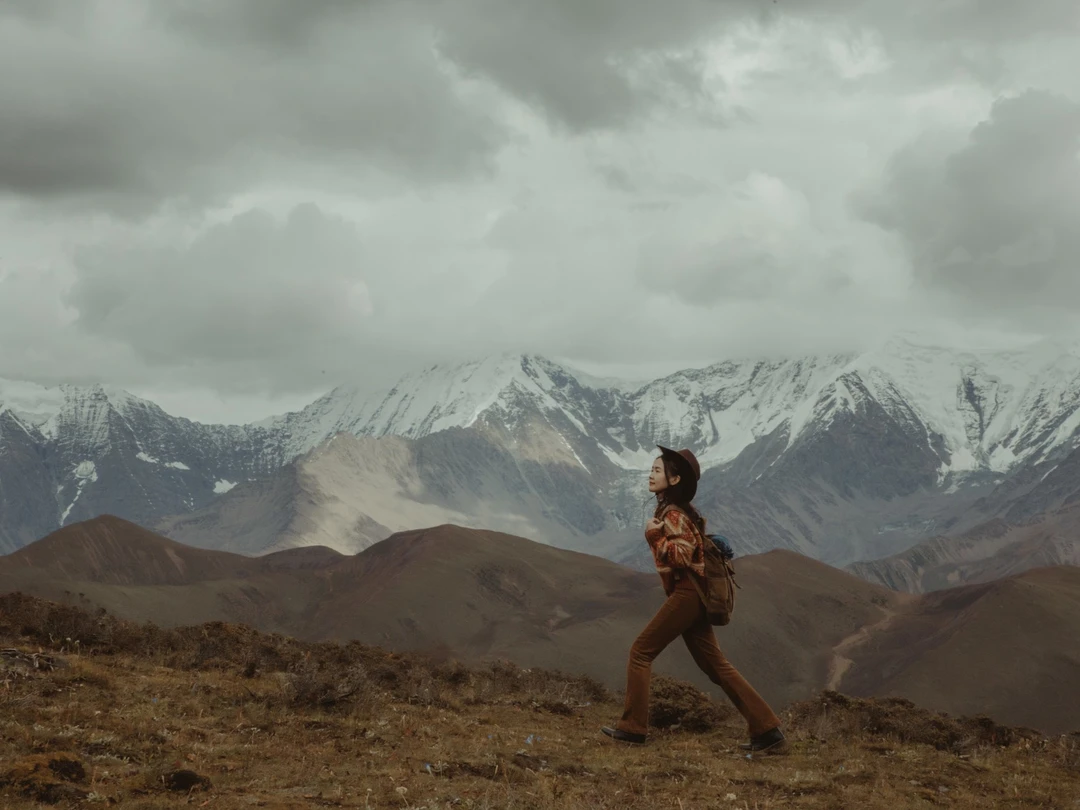
The proof of light in the human world isn't found in perfect Instagram photos or luxury hotels. It's found in the moments when time stands still—when you're standing on a windswept plateau, surrounded by snow-capped peaks, and you realize that this is exactly where you're supposed to be.
Ready to plan your own Western Sichuan road trip? Start by booking your flights to Chengdu and preparing your altitude sickness kit. The mountains are waiting, and trust me—they're worth every single step.
[Link: Book Your Western Sichuan Tour Package] [Link: Recommended Hotels in Xinduqiao and Shangri-La Town]
Have you experienced the magic of Western Sichuan? Share your stories and tips in the comments below!
You may also like