Sichuan Western Paradise: The Ultimate Winter Travel Guide to Western Sichuan
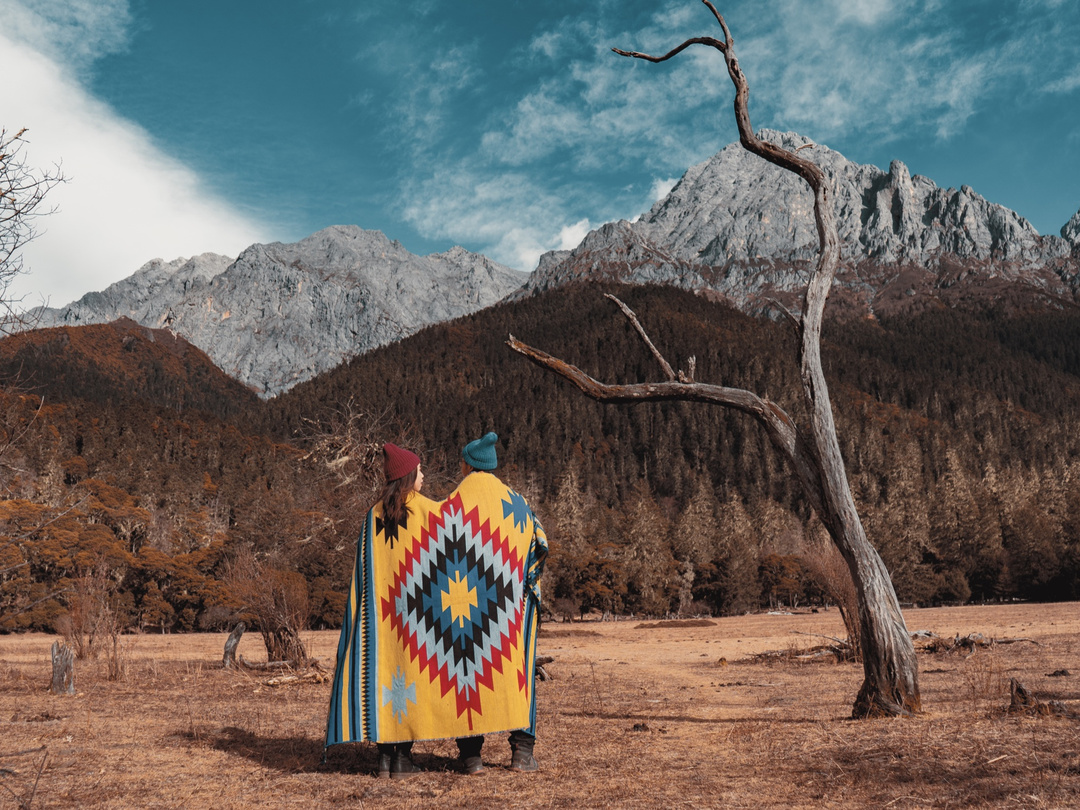
Meta Description: Discover the winter magic of Western Sichuan (Chuanxi) – from sacred snow mountains and frozen lakes to hot springs and alien landscapes. Your complete guide to planning an unforgettable winter fairy tale adventure.
Introduction: Why Western Sichuan Deserves Your Winter Travel Bucket List
"If I could only recommend one destination for all seasons, which would you choose?"
"Sertar. No, actually I love the entire Western Sichuan region. Every frame of scenery along that road reminds me of Xinjiang—they're tied for first place on my list of favorite destinations."
"Winter in Western Sichuan is breathtakingly beautiful, like a fairy tale. You haven't seen it yet, have you?"
"Then bring your snowboard—let's go!"
Has this conversation ever appeared on your travel wish list? While Tibet has been labeled a "spiritual sanctuary" and everyone dreams of that land closest to heaven, there's a place most people have forgotten, quietly resting in Western Sichuan, waiting for those who truly understand it. Here, you'll find sacred mountains, holy lakes, grasslands, culture, and faith—everything you imagine about Tibetan regions is right here. It's called Western Sichuan (Chuanxi).
Some say, "Once you've traveled all of Western Sichuan, why bother with Tibet?" Western Sichuan covers the vast territory of the Garzê Tibetan Autonomous Prefecture. If you can't make it to Tibet for now, this is an absolutely perfect substitute that rivals Tibet itself—especially in winter, when the region transforms into a snow-covered wonderland.
I've traveled through Western Sichuan several times, each time for different reasons—not enough time, bad weather—but strangely, I never get tired of it. Because different seasons reveal completely different faces of this land. This time, we finally officially set foot on this soil we both deeply love.
Divine Lakes of Western Sichuan: Drunk Between Mountains and Seas

Snow-capped peaks, glaciers, lakes, forests, highways, sunsets, stargazing bases, Instagram-worthy parks... Just imagining it feels like a healing journey. The true warmth of travel isn't about how many attractions you check off, but how many stories you leave behind and how many interesting people you meet.
Every time I flip through old photos, those funny memories come flooding back. And in this romantic, peaceful land of Western Sichuan, we have many winter travel stories to share.
Winter at Bipenggou: Warm Moments Beneath the Snow Mountains
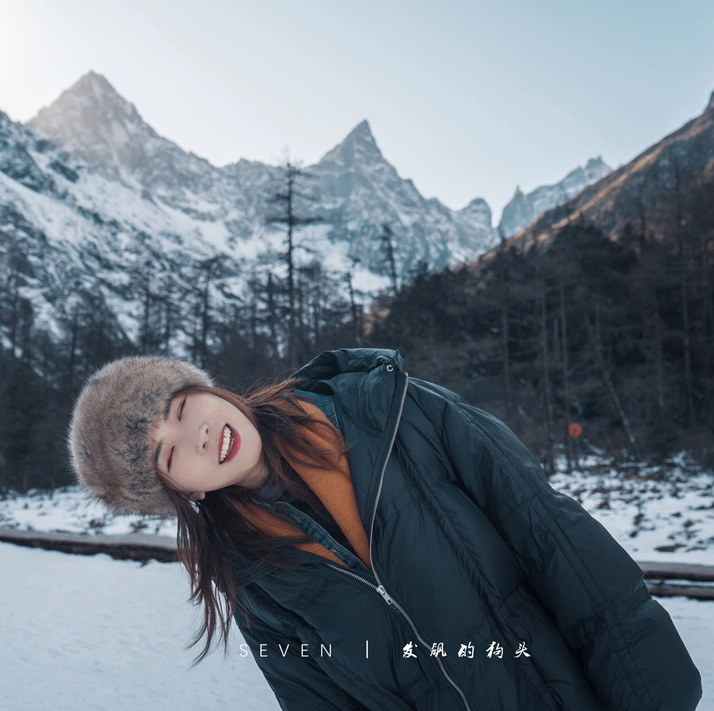
When snowflakes begin to fall, winter at Bipenggou has arrived. Soaking in a hot spring while gazing at the distant snow-capped mountains—this is the ultimate winter comfort. "Beautifully frozen" beneath the snowy peaks, I love the pure snow mountain sunsets, the warm sunlight, and the crunching sound of snow underfoot.
Pro tip: Visit early in the day to catch the golden hour light reflecting off the peaks. The hot springs here are naturally heated, making them a perfect post-hike retreat.
Yuzixi: Romance on a Cloud Swing
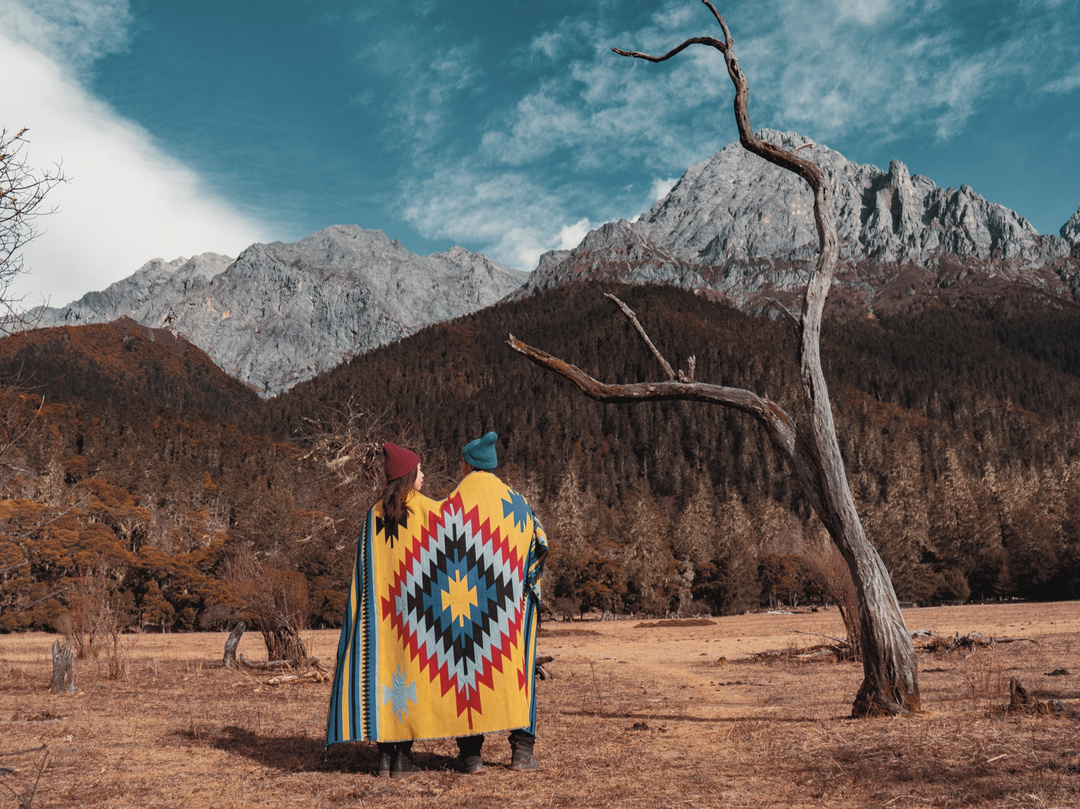
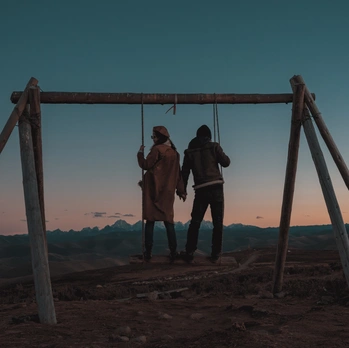
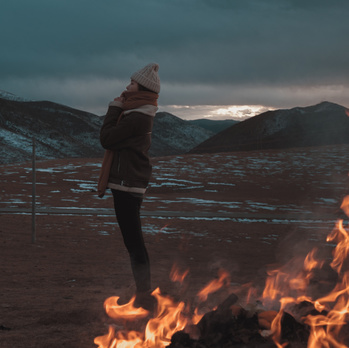
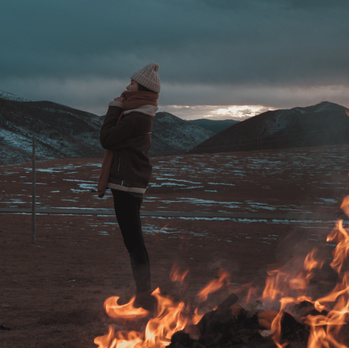
If there's one place in Western Sichuan that's most romantic, Yuzixi has to make the list. Here, you can swing on a swing while watching the sunset and the golden glow on the mountains. Or you can wait for a sunrise and witness a spectacular starry sky. On the road to Xinduqiao, we stumbled upon a wild campfire. The sunset's fiery clouds vanished in an instant, but that moment of light and emotion was worth capturing.
Photography tip: Bring a tripod for long-exposure shots of the starry sky. The altitude here means clear, unpolluted skies—perfect for astrophotography.
Cuoka Lake: A Reflection of Paradise on Earth
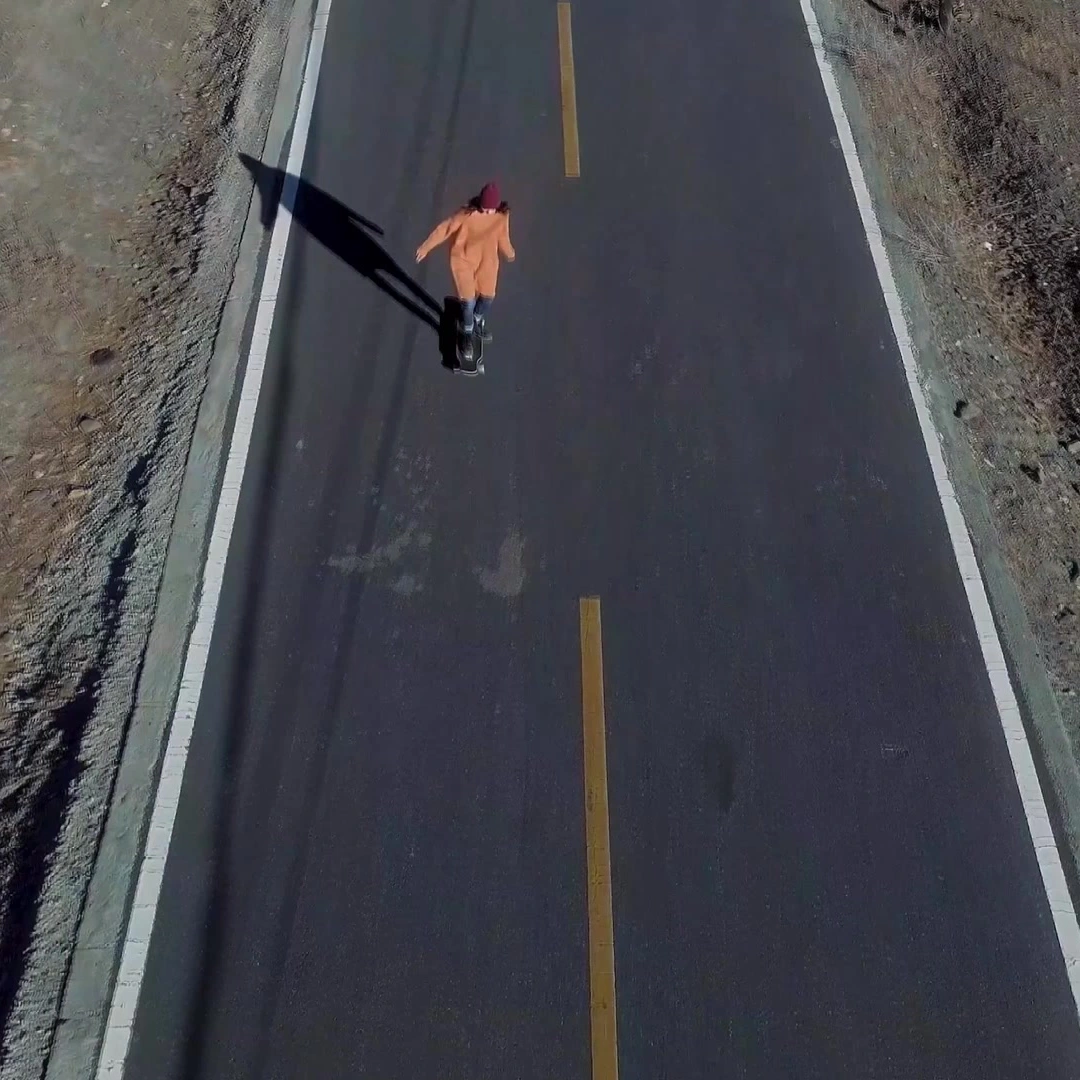
Eighteen hairpin turns on a mountain road, and the reflection around the corner stunned everyone. After half an hour of winding through high altitudes, seeing Cuoka Lake made it all worthwhile. This hidden paradise is an unmissable secret spot in Western Sichuan. In winter, the lake often freezes over, creating a mirror-like surface that reflects the surrounding snow-capped peaks.
How to get there: Navigate to Cuoka Lake via the winding mountain roads from Daocheng. A 4WD vehicle is recommended during winter months due to potential ice and snow.
Milk Sea: Ten Kilometers of Persistence
After hiking back from Milk Sea in Yading Nature Reserve, we had walked ten kilometers. The hidden winter forest in the small woods of Daocheng County—when we saw this view through the window of our guesthouse, we immediately ran wild among the trees. There was also a group camping out for afternoon coffee and a picnic. Along the Tibetan road, even the small puddles by the roadside had frozen. I tried stepping on one, and the sound of ice cracking was oddly satisfying.
Hiking tip: Wear waterproof boots with good traction. The trail can be icy, and the altitude (over 4,000 meters) means you'll want to pace yourself.
After seeing too much of the city's hustle and bustle, I love the vast mountain clouds even more. You said we should hold hands and see different scenery together. Even roads we've traveled before become different when we walk them together.
Alien Planet: An Adventure Spot on the Sichuan-Tibet Highway
In Western Sichuan, there's an incredibly otherworldly adventure spot—the Garzê Secret Realm. It's called an "alien planet," feeling just like being on Mars. A completely natural outdoor barbecue pit, with snow-capped mountains, campfire smoke, and grilled food. That night, the stars of the show were tofu and roasted potatoes paired with beer. In summer, there are even built-in stoves here. Aside from the water being a bit cold for washing vegetables, everything was perfect. In winter, there's also an ice waterfall backdrop, making it an excellent photo spot.
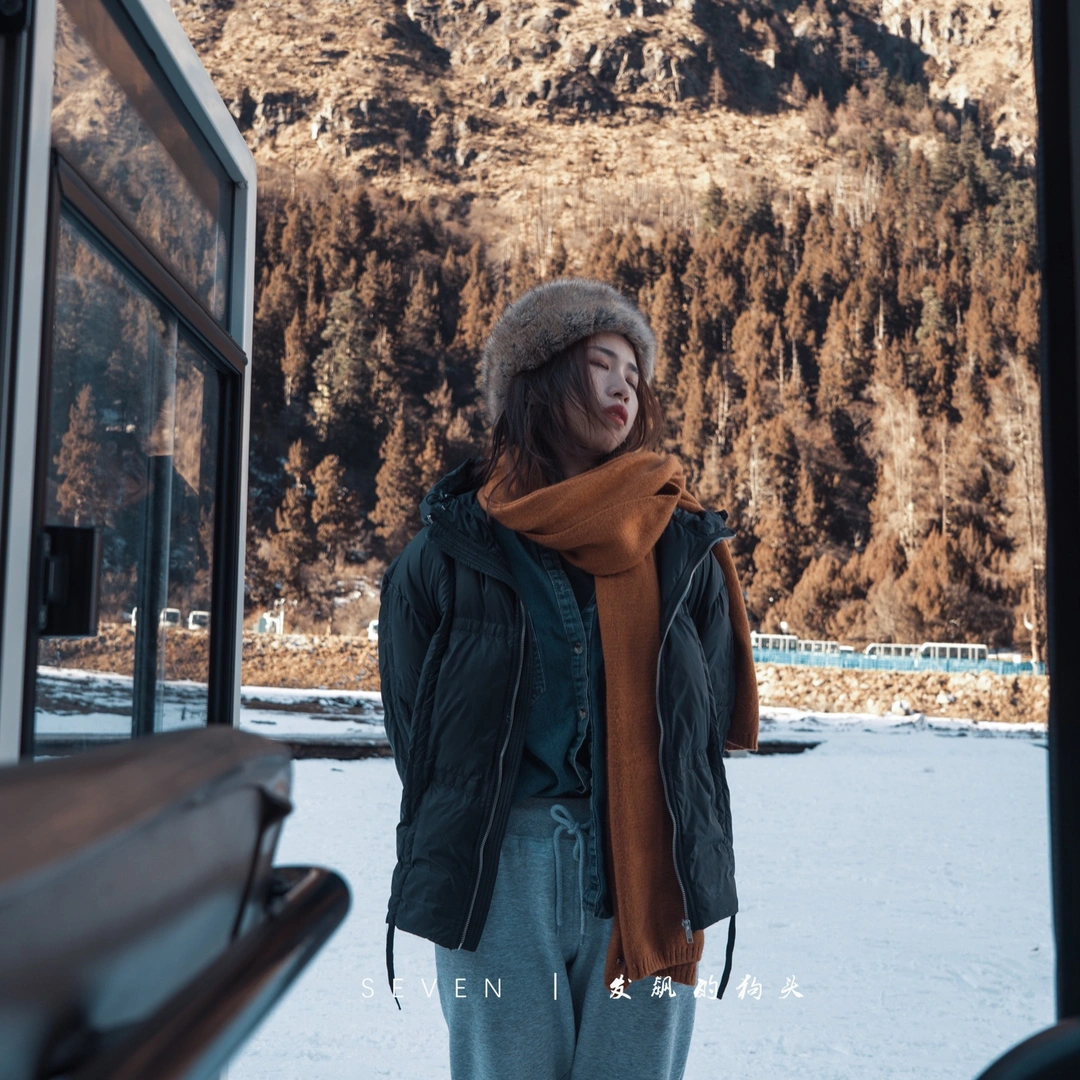
What to bring: Warm layers, a portable stove (if camping), and plenty of food and water. The "alien planet" landscape is incredibly photogenic, so don't forget your camera.
Sichuan is the place I've stayed the longest and visited most often. Although my trips are sometimes just scattered weekends or three-to-four-day itineraries, it never diminishes the rewards of each journey. Even revisiting the same place yields different results—that's probably the magic of travel.
[Link: Best time to visit Western Sichuan for winter photography]
Kangding Airport: When Planes and Snow Mountains Share a Frame
In Western Sichuan, no matter where you're going, it takes several hours by car from Chengdu. But before we set off, we were recommended a spot online—Kangding Airport. Here, you can see planes flying directly overhead, as well as the majestic Gongga Snow Mountain.
Gongga Snow Mountain is the highest peak in Sichuan, known as the "King of Sichuan Mountains," standing at 7,556 meters (24,790 feet) above sea level. To get here, simply navigate to Kangding Airport. There's a viewing platform where you can see the planes directly. We arrived in the afternoon and there were no flights—Kangding Airport's flights are mostly in the morning. I'd recommend coming early to stake out a spot, so you can capture both the plane and Gongga Snow Mountain in one shot. The parking lot here is free and very convenient.
The most unique thing is that the road markings here aren't the usual white lines but beautiful colored ones. Light snow was falling on the road, and we couldn't resist having a snowball fight. There were almost no tourists here—when we arrived, we were the only car. If you want to photograph planes and snow mountains together, check the Kangding flight schedule in advance, and you're sure to get some stunning shots. There's also a small shop by the viewing platform selling lamb skewers. Eating some meat in the falling snow warms both your stomach and your heart.
Photography tip: Use a telephoto lens (200mm or more) to compress the plane and mountain into a single frame. Arrive by 9 AM for the best morning light.
[Link: How to plan a Western Sichuan road trip itinerary]
Yaha Pass: The Best Viewpoint for Gazing at the Sacred Mountain
For landscape enthusiasts, Gongga Sacred Mountain is an absolute must-see. If Lengga Lake is the perfect dressing mirror for Gongga Sacred Mountain, then Yaha Pass is the closest and best observation deck for viewing it. Located directly to the west of Gongga Sacred Mountain at an altitude of 4,650 meters (15,256 feet), it's the highest among the many viewing platforms for Gongga Sacred Mountain, offering a panoramic view of the entire Gongga peak cluster.
All peaks above 7,000 meters in the world are concentrated in the Himalayas and the Karakoram Range. Apart from those, Gongga Sacred Mountain in Western Sichuan is the only peak over 7,000 meters. As the highest peak in the Hengduan Mountains, Gongga Sacred Mountain is a unique peak that can be viewed from all four sides.
The stone cairns (mani piles) at the summit are called "Dobang" in Tibetan, meaning "piled-up stones." These altars can be found at various mountain passes, crossroads, lakesides, and riverbanks throughout Tibet. The straight-line distance from here to Gongga Sacred Mountain is less than 20 kilometers (12.4 miles), and there's a road leading directly to the highest point of the summit. However, it's still a bumpy dirt road, so I recommend driving an SUV for an easy ascent to the top. Standing at the summit, you can clearly observe the ever-changing light on the sacred mountain.
Driving tip: A high-clearance 4WD vehicle is essential during winter. Check weather conditions before heading up—the pass can be closed after heavy snowfall.
[Link: Essential gear for high-altitude travel in Western Sichuan]
Frequently Asked Questions About Winter Travel in Western Sichuan
1. When is the best time to visit Western Sichuan for winter scenery?
The best time is from December to February, when snow covers the landscape and the lakes freeze over. January offers the clearest skies for stargazing and photography. However, be prepared for cold temperatures (often below -10°C / 14°F at night) and potential road closures due to snow.
2. Is it safe to drive in Western Sichuan during winter?
Yes, but with precautions. Use a 4WD vehicle with winter tires or chains. Check road conditions daily via local traffic reports or apps. Major routes like the Sichuan-Tibet Highway (G318) are generally well-maintained, but secondary roads to high passes (like Yaha Pass) may require snow chains. Drive slowly and avoid night driving.
3. What should I pack for a winter trip to Western Sichuan?
- Clothing: Thermal base layers, fleece or down jacket, waterproof outer shell, insulated boots, gloves, hat, and scarf.
- Gear: Sunglasses (snow glare is intense), sunscreen, lip balm, reusable water bottle, portable charger, and a first-aid kit.
- Photography: Camera with extra batteries (cold drains them fast), tripod, and lens cleaning cloth.
- Altitude: If you're not acclimated, bring Diamox (acetazolamide) and take it easy for the first 48 hours.
4. Do I need a permit to visit Western Sichuan?
No special permit is required for most areas of Western Sichuan, including Garzê Tibetan Autonomous Prefecture. However, if you plan to visit Yading Nature Reserve or other protected areas, you'll need to purchase an entrance ticket. Some remote border areas may require a Tibet Travel Permit if you cross into Tibet proper.
5. Can I visit Western Sichuan on a budget?
Yes! Budget options include: - Accommodation: Guesthouses (minzu) in small towns cost 100–200 RMB per night. - Food: Local noodle shops and street stalls offer meals for 15–30 RMB. - Transport: Shared minibuses (xiaomian) between towns are affordable, or rent a car with a group to split costs. - Attractions: Many natural spots (like Cuoka Lake and Yuzixi) are free or have minimal entrance fees.
Call to Action: Start Planning Your Western Sichuan Winter Adventure
Western Sichuan in winter is a fairy tale waiting to be explored. Whether you're soaking in a hot spring at Bipenggou, capturing planes and snow mountains at Kangding Airport, or standing at Yaha Pass gazing at Gongga Sacred Mountain, every moment here is unforgettable.
Ready to book your trip? Start by checking the weather forecast for your chosen dates, then map out your route using our recommended itinerary. Don't forget to pack your camera, snow boots, and a sense of adventure.
Share your Western Sichuan winter story in the comments below—we'd love to hear about your favorite spot or a hidden gem you discovered. And if you have questions about planning your trip, ask away!
[Link: Book a guided Western Sichuan winter tour] [Link: Download our free Western Sichuan packing checklist]
You may also like


