Sichuan | Jiuzhaigou-Huanglong-Chengdu: An 8-Day, 7-Night Electric Vehicle Self-Drive Deep Travel Guide
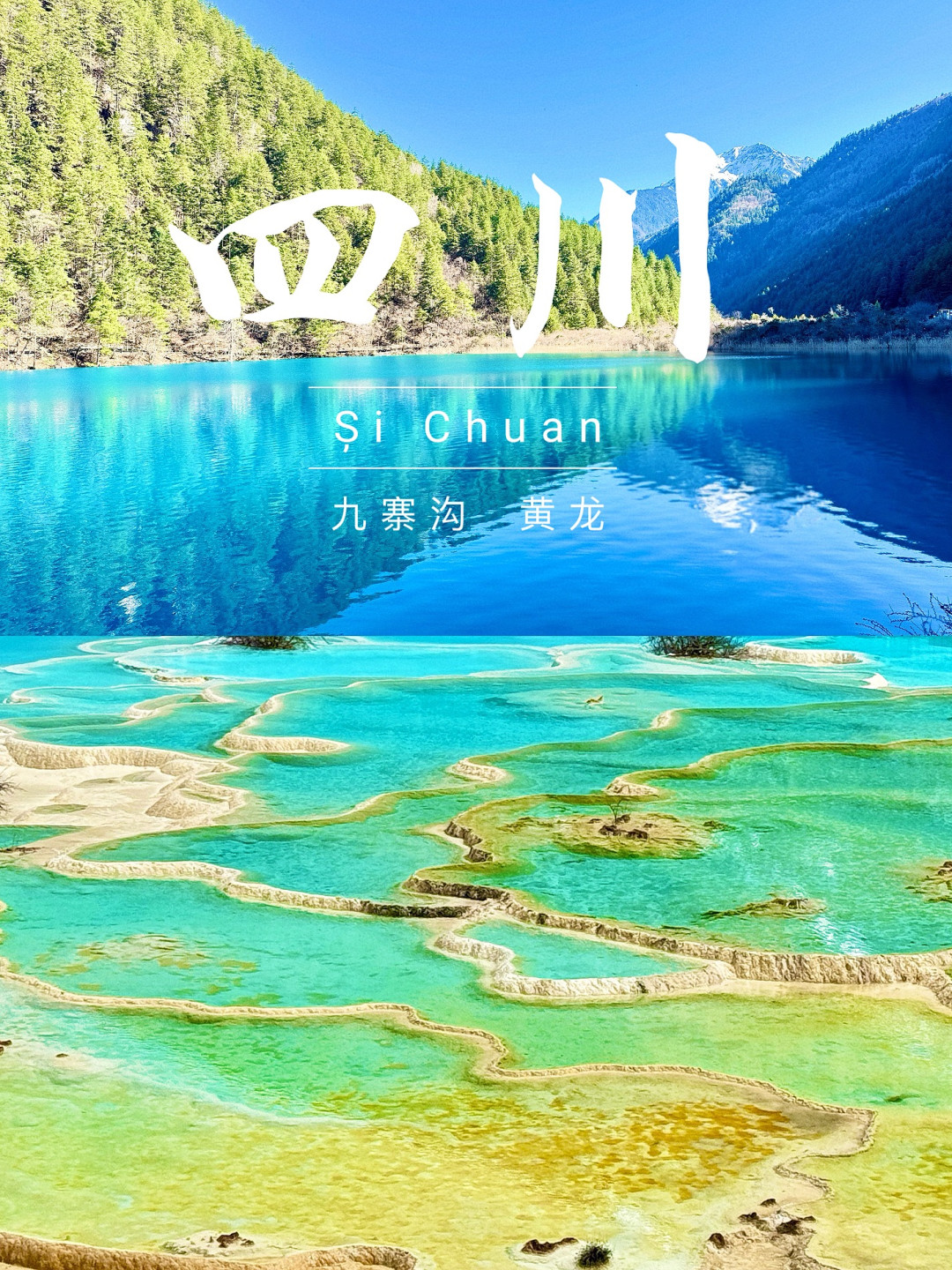
Meta Description: Discover the ultimate 8-day EV road trip through Sichuan's stunning landscapes. From Jiuzhaigou's turquoise lakes to Huanglong's travertine pools, Chengdu's pandas, and Dujiangyan's ancient engineering—this guide covers routes, charging tips, and altitude safety.
"There's plenty of time ahead—why fear the long journey? Only by traversing the mountains and rivers do you realize life is worth it."
This was a spontaneous trip—from deciding to go to actually setting off, it took just four short days. In a rush, we researched itineraries, planned routes, bought supplies, and packed luggage, all in a flurry of activity. We ordered self-heating rice and oxygen canisters on Taobao in advance, having them shipped directly to our hotel in Chengdu. They arrived right on the day we landed, perfectly synchronized.
Why Choose an Electric Vehicle for This Sichuan Road Trip?
An electric vehicle (EV) is actually surprisingly well-suited for this route through Sichuan. Charging stations are plentiful along the way—places like Jiuzhaigou, Chuanzhusi, and Dujiangyan all have fast-charging stations. Plus, EVs offer quick acceleration on mountain roads, and regenerative braking on downhill stretches saves a significant amount on fuel costs.
Pro Tip: Download the "Teledian" (特来电) and "State Grid" (国家电网) apps before you depart, and plan your charging stops in advance. [Link: Best EV charging apps for China road trips]
DAY 1: Fly Directly to Chengdu, Night Drive to Jiuzhaigou
Itinerary: ✈️ Chengdu Tianfu Airport → Rent a Car → Jiuzhaigou
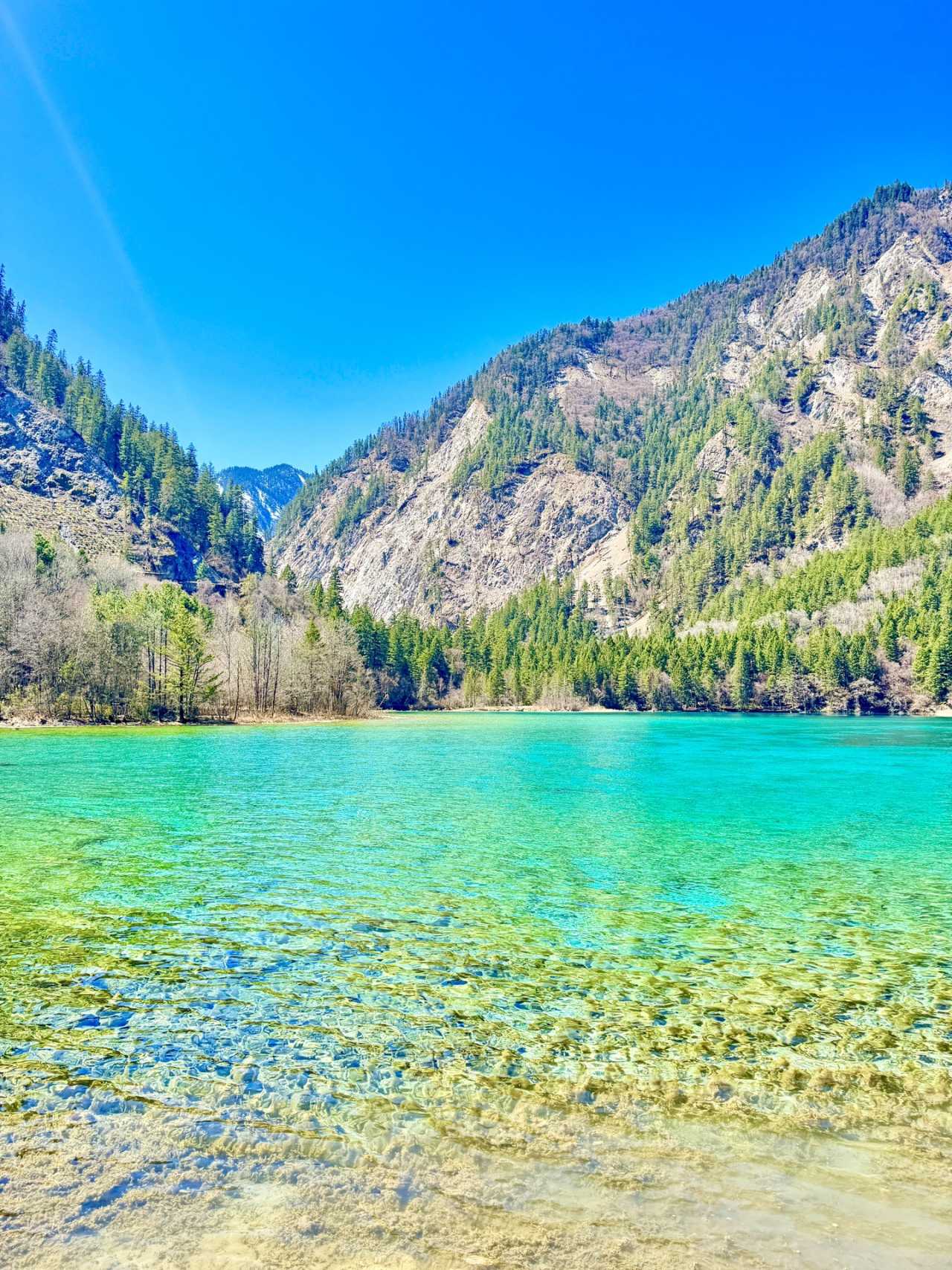
We left home in the morning and landed at Chengdu Tianfu Airport by noon. After exiting the airport, we picked up our rental car. Originally, we planned to spend the afternoon strolling through Chunxi Road and Taikoo Li, stay overnight, and then head to Jiuzhaigou the next day. But we changed our minds: that would waste an entire day, and we'd still have to get up early the following morning for the drive.
So we made a snap decision—we went to the hotel to pick up our packages, took a quick walk around Chunxi Road, and then hit the road for Jiuzhaigou that very night. After a six-hour drive, we arrived near Jiuzhaigou and checked in around 10 PM. In hindsight, this was the best choice: the next morning, we could enter the scenic area fully refreshed, without wasting any more time on the road.
Charging Tip: There are fast-charging stations at service areas along the Wenchuan-Ma'erkang highway. Plan a 30-minute charging stop around Maoxian.
DAY 2: Full-Day Deep Tour of Jiuzhaigou

Itinerary: Jiuzhaigou All Day → Evening Drive to Chuanzhusi
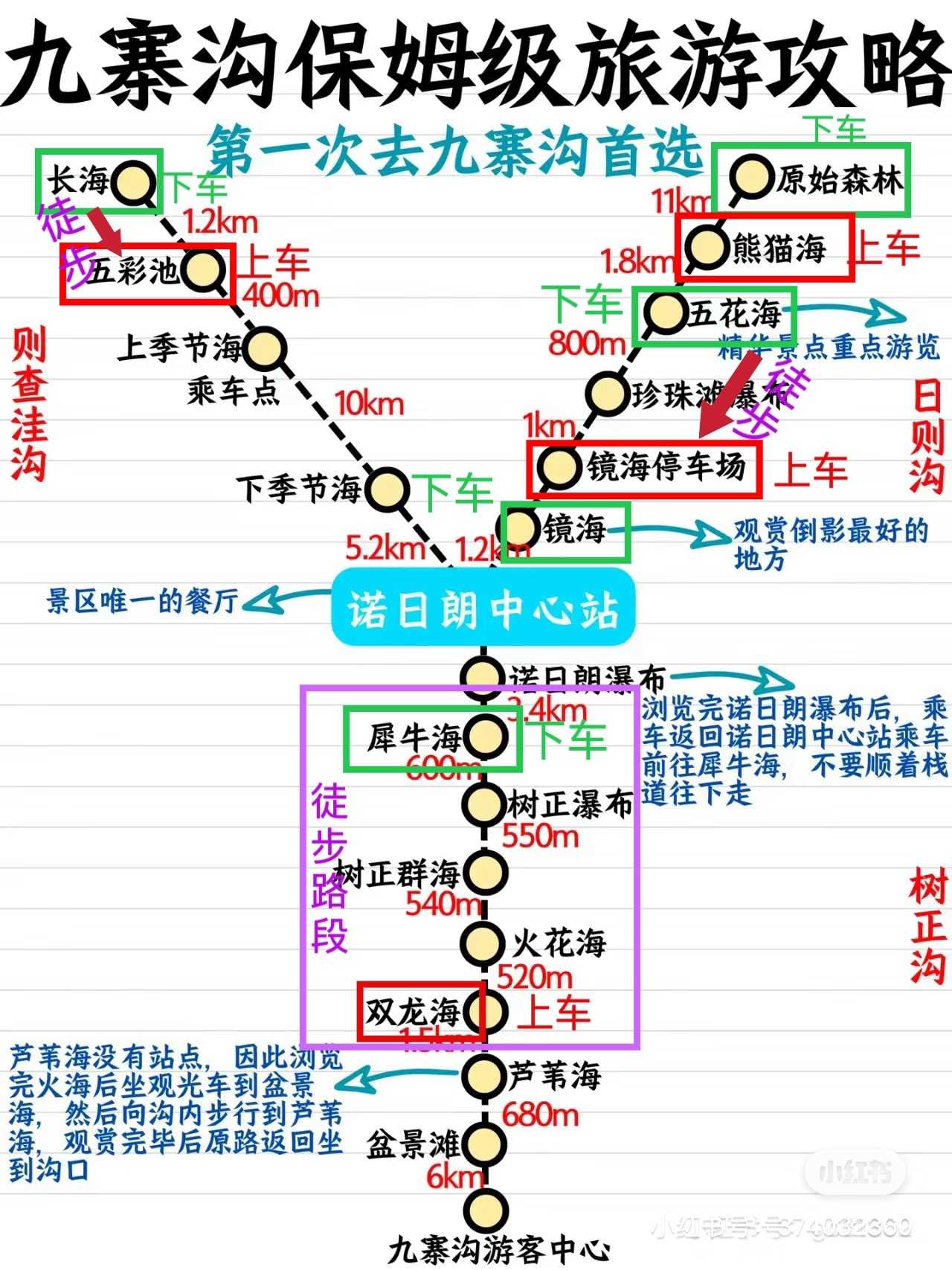
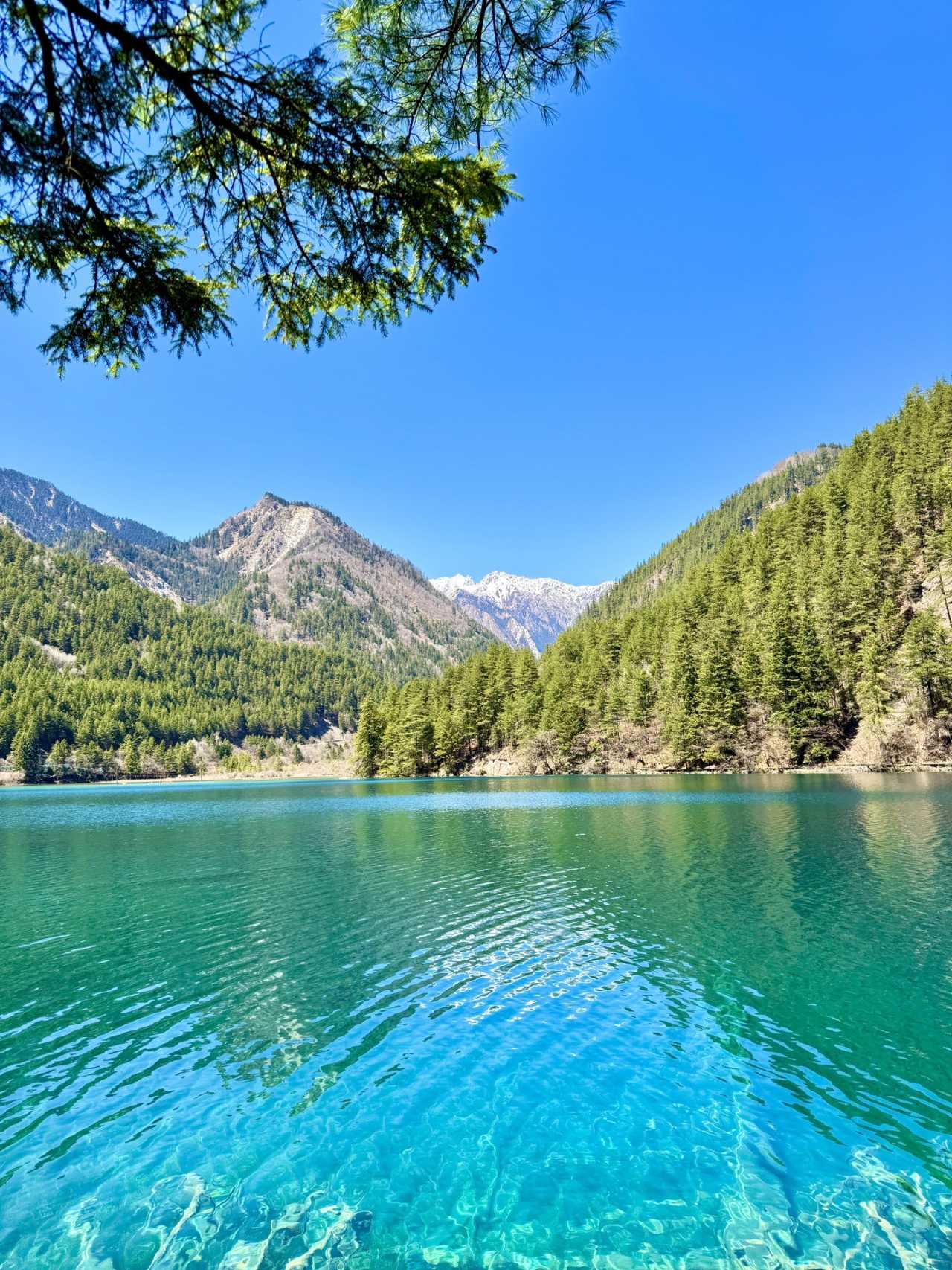
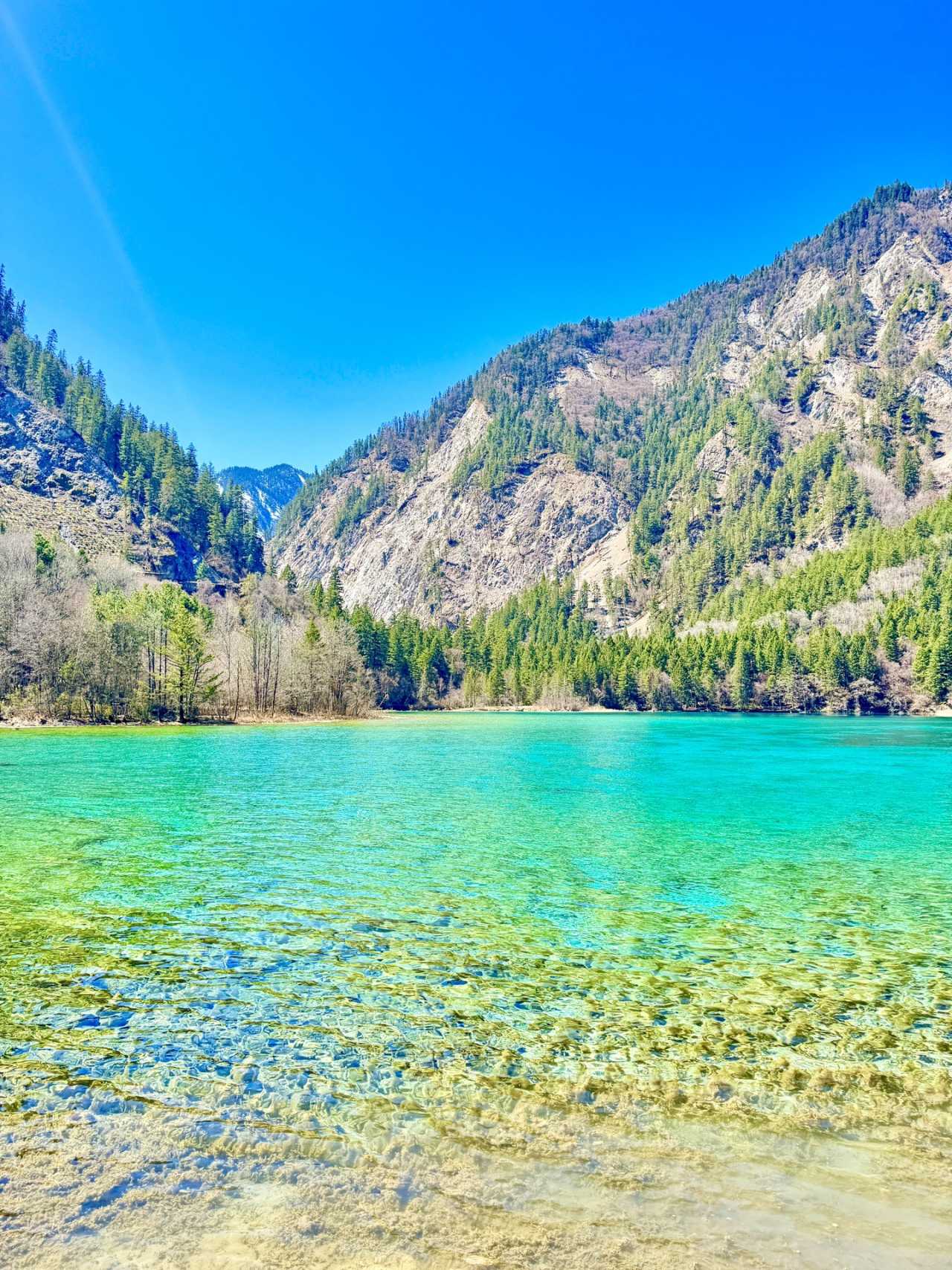
Jiuzhaigou's scenic area is laid out in a "Y" shape, consisting of three main valleys: Zechawa Valley (则查洼沟), Rize Valley (日则沟), and Shuzheng Valley (树正沟). After entering the park, the sightseeing bus will randomly take you to the top of either Rize Valley or Zechawa Valley, depending on the crowd—you don't get to choose. But no matter which side you go to, you can walk and explore along the way. Head to Nuorilang Central Station (诺日朗中心站) around noon to rest and eat, then take another bus to the other side, and finally explore Shuzheng Valley.
Jiuzhaigou Sightseeing Tips:
- Duration: 6–8 hours
- Lunch: Bring your own self-heating rice (the only restaurant in the park is at Nuorilang Central Station)
- Transportation: The sightseeing bus stops at every attraction and is very convenient for transfers
After finishing your tour in the evening, drive 1.5 hours to Chuanzhusi for the night. We highly recommend trying the local yak meat hot pot (牦牛肉汤锅)—the broth is savory, the meat is tender, and it's perfect for warming up and relieving fatigue.
Charging Tip: Jiuzhaigou scenic area parking lot has fast-charging stations. Charge while you explore.
DAY 3: Huanglong → Chuanzhusi/Songpan Ancient Town → Dujiangyan
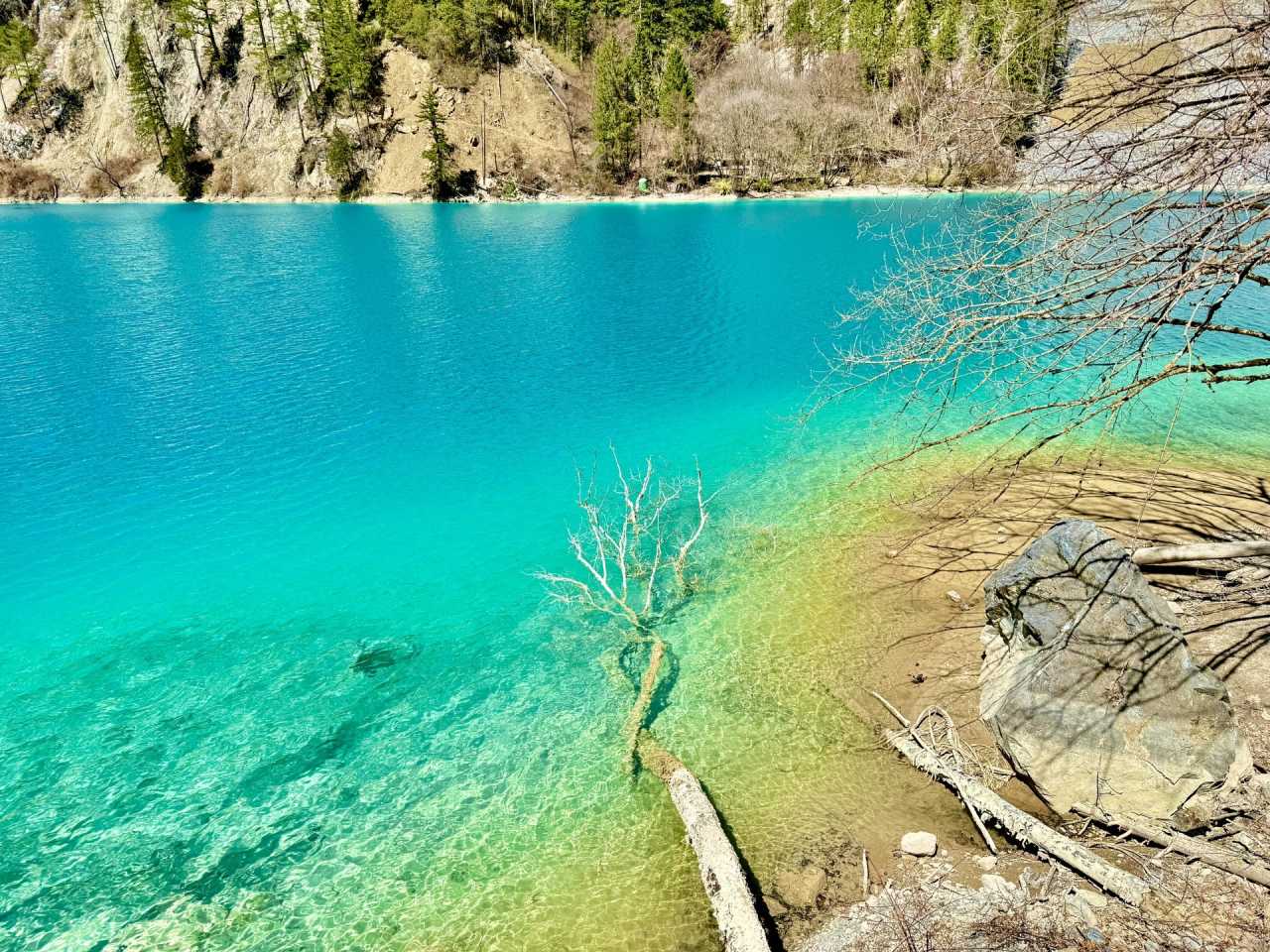
Itinerary: Huanglong Scenic Area (4–6 hours) → Chuanzhusi/Songpan Ancient Town → Dujiangyan
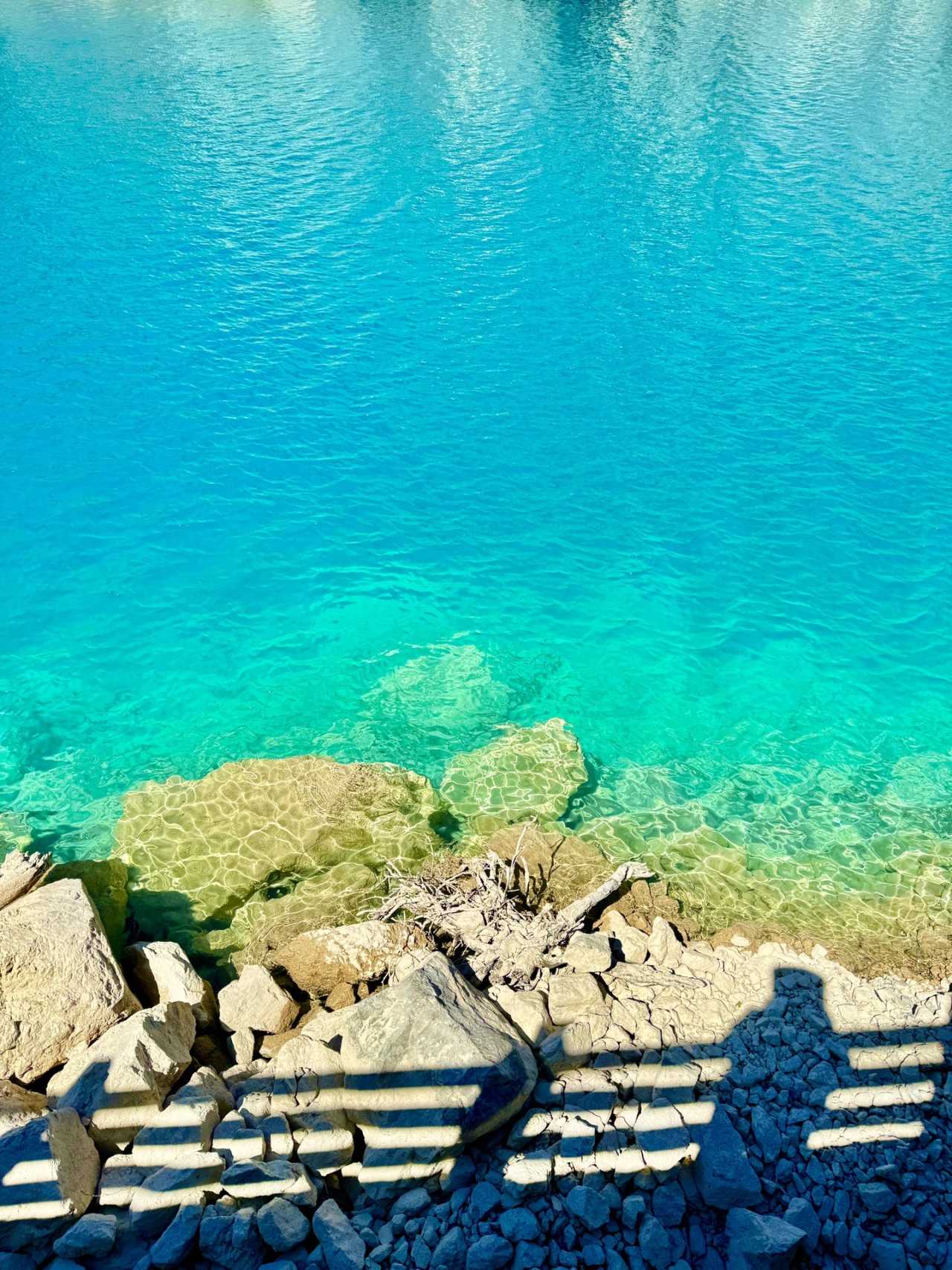
In the morning, we set off from Chuanzhusi and arrived at Huanglong in just 30 minutes. In late March and early April, the temperature on the mountain is only a few degrees Celsius, and it even drops below freezing at night. During the dry season, the travertine pools along the trail were still covered in snow, but the Five Color Pond (五彩池) was still breathtakingly beautiful. With fewer visitors during the off-season, there was an extra sense of peace and tranquility.
Recommended Huanglong Route (Least Physically Demanding Version):
- Take the cable car up the mountain
- Transfer to a sightseeing shuttle (only 5,000 tickets available per day—be sure to book in advance)
- Walk 800 meters to reach the Five Color Pond
- Walk all the way downhill to see the other attractions
⚠️ Altitude Sickness Warning: Huanglong is at a high altitude (3,500m+), and the chances of experiencing altitude sickness are significant. Prepare oxygen canisters, glucose, and chocolate in advance. If your symptoms are severe, opt for the cable car and shuttle combination without question. [Link: Altitude sickness prevention tips for Sichuan]
After coming down the mountain, we drove toward Dujiangyan, making a quick stop to visit Chuanzhusi (a small 4A-rated scenic spot) and Songpan Ancient Town. We arrived near Dujiangyan in the evening and checked in. If you have extra time, you could also stay near the Panda Valley (熊猫谷) and go see the giant pandas early the next morning.
Charging Tip: Chuanzhusi has a fast-charging station at the main square. Songpan Ancient Town also has public charging points.
DAY 4: Panda Valley → Yangtianwo (仰天窝) → Dujiangyan → Nanqiao (南桥)
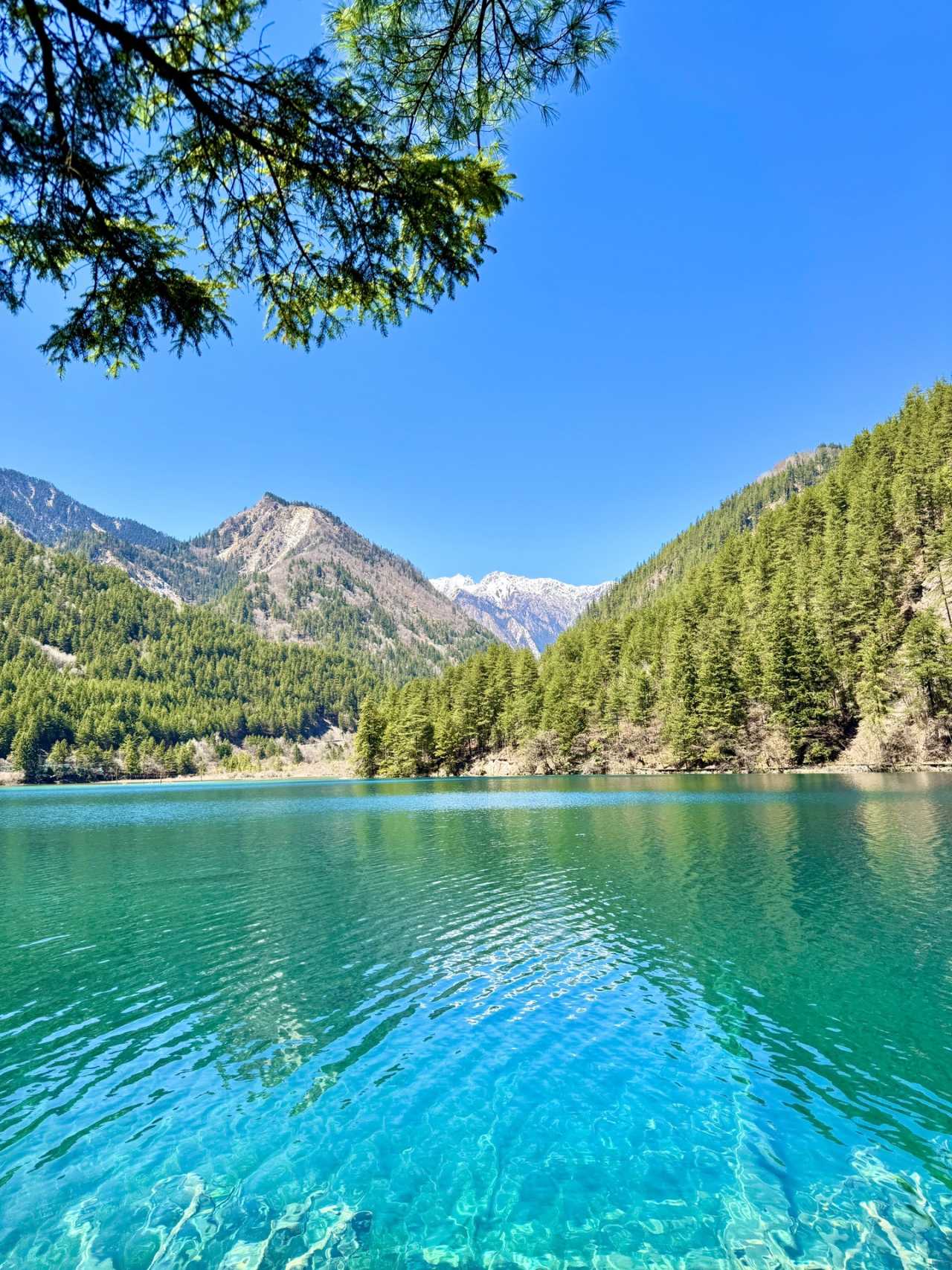
Itinerary: Panda Valley (1.5–2 hours) → Yangtianwo (0.5 hours) → Dujiangyan (4–5 hours) → West Street & North Street Snacks + Nanqiao (1–2 hours)
Panda Valley: Up Close with the National Treasure
You absolutely must go early! Between 9 and 10 AM, the pandas are most active, usually eating. You'll see them nibbling on bamboo in their adorable, carefree manner. There's also a free-range red panda area here—they might appear on the bridges above your head, so have your camera ready.
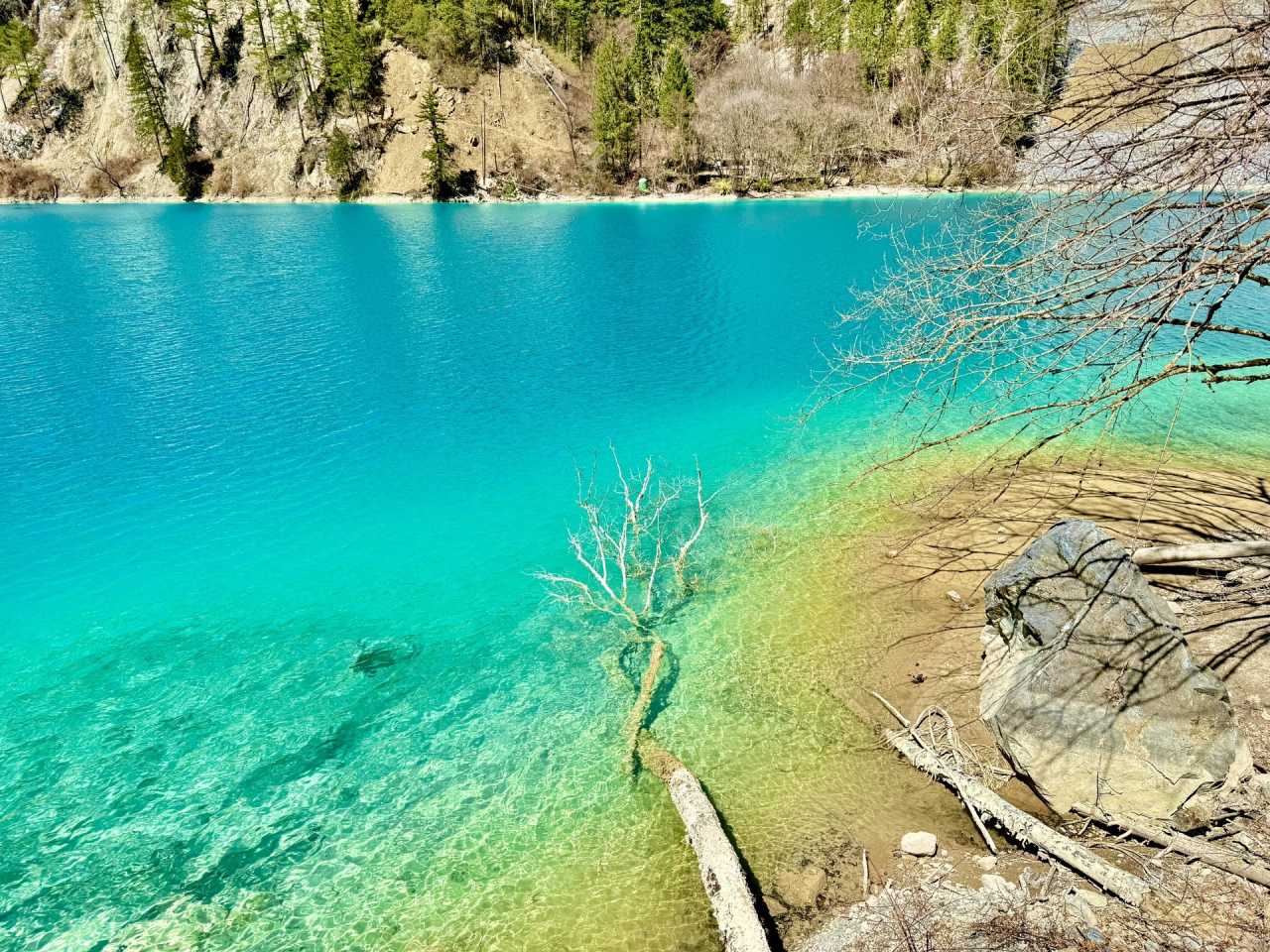
⚠️ Shopping Warning: Between the parking lot and the entrance to Panda Valley, there are many souvenir shops with inflated prices. Be sure to compare prices before buying anything.
Comparison Tip: If you only want to see pandas, Panda Valley offers a better experience. The Chengdu Panda Base is too large, and the pandas are far away. Waiting in line for an hour or two just to see "Hua Hua" (a famous panda) might only get you a glimpse of her back. [Link: Panda Valley vs Chengdu Panda Base comparison]
After visiting Panda Valley, we headed to Yangtianwo to take a photo of the giant panda sculpture there, and grabbed lunch along the way. We recommend trying the local pig trotters (蹄花) and tofu pudding (豆花)—they're authentic and delicious.
Dujiangyan: A Millennium-Old Water Conservancy Project
We hired a guide who gave us a detailed explanation of the three major engineering feats: the Bottle-Neck Channel (宝瓶口), the Flying Sand Weir (飞沙堰), and the Fish Mouth Weir (鱼嘴堰). You can buy a round-trip ticket for the sightseeing shuttle from the Flying Sand Weir to the Fish Mouth Weir. After visiting the Fish Mouth Weir, walk across the "Number One Couple's Bridge Under Heaven"—the Anlan Bridge (安澜桥)—and then head to the Qinyan Tower (秦堰楼) for a panoramic view of the entire water conservancy project.
When coming down the mountain, you can either return the same way or walk to the West Street/North Street exit. That area is a food street, full of local specialties, and it's hard to go wrong there. We had dinner on West Street, waited until it got dark around 7 PM, and then went straight to Nanqiao to see the "Blue Tears"—under the lights, the bridge looks quite stunning.
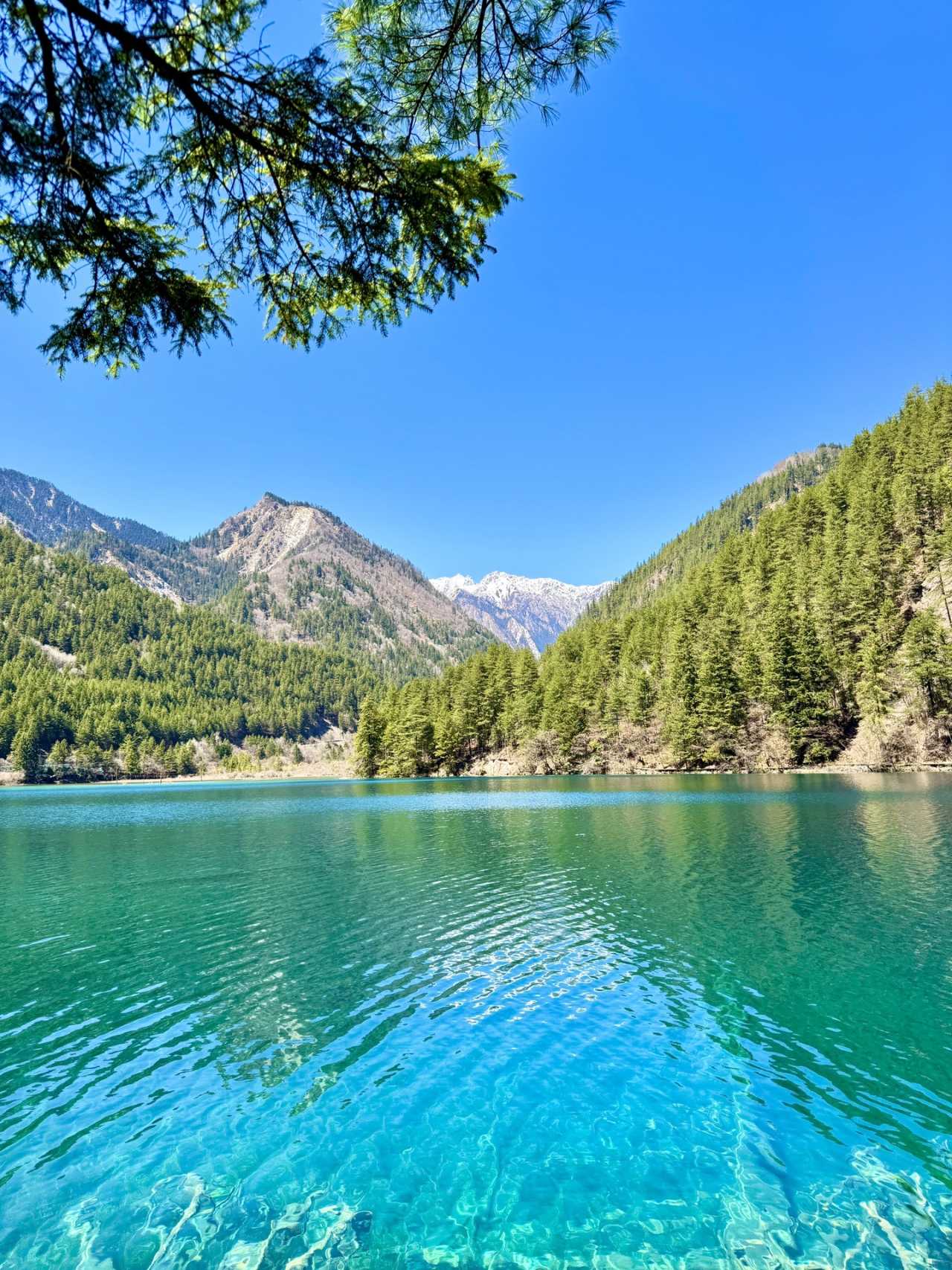
Around 8 PM, we set off for our hotel near Mount Qingcheng (青城山).
Charging Tip: Dujiangyan scenic area parking lot has multiple fast-charging stations. Charge while you explore the water conservancy project.
DAY 5: Mount Qingcheng → Leshan Giant Buddha
Itinerary: Mount Qingcheng (4–5 hours) → Leshan Giant Buddha
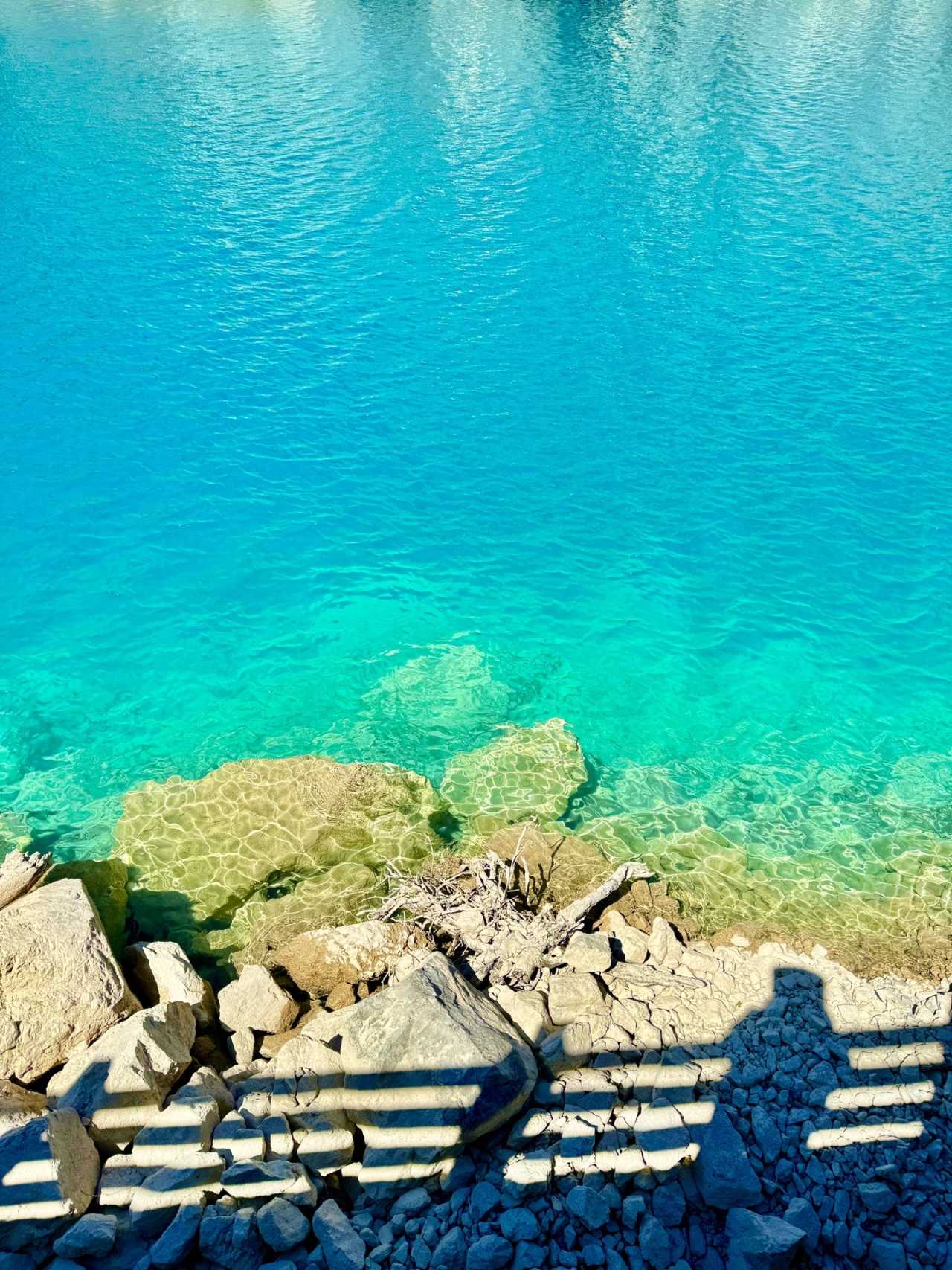
We entered Mount Qingcheng from the high-speed rail station entrance, bought round-trip tickets for the sightseeing shuttle, and rode to the foot of the mountain. From there, we walked all the way up, reaching the summit—Laojun Pavilion (老君阁), the highest point on Mount Qingcheng—for a panoramic view. Then we took the cable car down, walked back to the shuttle stop, and rode out of the scenic area.
After coming down the mountain, we drove directly to Leshan to see the Giant Buddha. We found a Zen-style guesthouse that offered a free electric shuttle directly to the scenic area—very convenient.
Charging Tip: Mount Qingcheng parking lot has charging stations. Leshan also has several fast-charging points near the Giant Buddha scenic area.
DAY 6: Leshan Giant Buddha Full-Day Tour
Itinerary: Leshan Giant Buddha (4–5 hours) → Evening Drive Back to Chengdu
The Leshan Giant Buddha is the largest stone-carved Buddha in the world, standing 71 meters tall. We arrived early (before 8 AM) to beat the crowds. The most popular route is to walk down the Nine Bends Stairway (九曲栈道) to see the Buddha from the base, then walk up the other side.
Pro Tip: If you want to avoid the long queues, consider taking a boat tour on the Min River. You'll get a fantastic view of the entire Buddha without the crowds.
After finishing the tour, we drove back to Chengdu (about 1.5 hours) and checked into a hotel near Chunxi Road for our final two nights.
DAY 7: Chengdu City Tour
Itinerary: Wuhou Shrine (武侯祠) → Jinli Ancient Street (锦里) → Kuanzhai Alley (宽窄巷子) → People's Park (人民公园)
Chengdu is a city that rewards slow exploration. We started at Wuhou Shrine, dedicated to Zhuge Liang and the Three Kingdoms era. Next door is Jinli Ancient Street—a lively pedestrian street with traditional architecture, snacks, and souvenirs.
In the afternoon, we visited Kuanzhai Alley (Wide and Narrow Alley), one of Chengdu's most famous cultural districts. For a more local experience, we ended the day at People's Park, where we sipped tea at a traditional teahouse and watched locals play mahjong.
Food Recommendations: - Mapo Tofu (麻婆豆腐) at Chen Mapo Tofu - Dan Dan Noodles (担担面) at any local noodle shop - Hot Pot (火锅) at Huangcheng Laoma
DAY 8: Departure
Itinerary: Return Rental Car → Chengdu Tianfu Airport → Fly Home
After a leisurely breakfast, we returned the rental car at the airport and caught our flight home. Eight days, seven nights, and countless unforgettable memories.
Frequently Asked Questions
Q1: Is it safe to drive an electric vehicle in Sichuan's mountainous terrain?
Yes, it's surprisingly safe. The highways are well-maintained, and charging stations are increasingly common along major routes. EVs also perform well on mountain roads thanks to their instant torque and regenerative braking, which helps conserve battery on downhill sections.
Q2: What's the best time of year for this Sichuan road trip?
Late March to early April offers fewer crowds and pleasant weather, though it can still be cold at high altitudes. September to October is ideal for autumn colors. Avoid Chinese public holidays (National Day in October, Spring Festival) when crowds are overwhelming.
Q3: How do I handle altitude sickness at Huanglong?
Prepare in advance: bring oxygen canisters, glucose drinks, and chocolate. Take it slow, stay hydrated, and avoid alcohol. If symptoms are severe (headache, nausea, dizziness), descend immediately. The cable car and shuttle combination minimizes physical exertion.
Q4: Can I charge my EV at all scenic area parking lots?
Most major scenic areas (Jiuzhaigou, Huanglong, Dujiangyan, Mount Qingcheng) have fast-charging stations in their parking lots. However, smaller towns like Chuanzhusi and Songpan have fewer options—plan your charging stops in advance using the Teledian or State Grid apps.
Q5: Is it better to rent an EV or a gasoline car for this trip?
An EV is ideal if you plan ahead. Charging is cheaper than gasoline, and the driving experience on mountain roads is superior. However, if you're not comfortable with range anxiety or don't want to plan charging stops, a gasoline car is a safer bet.
Final Travel Tips
- Download offline maps for areas with poor cell reception
- Pack layers—temperatures vary dramatically between Chengdu (mild) and Huanglong (near freezing)
- Book accommodations in advance during peak seasons
- Carry cash for small vendors and tolls (though most accept mobile payments)
- Respect local customs and environmental regulations
Ready to Hit the Road?
This 8-day, 7-night electric vehicle self-drive deep travel guide covers the best of Sichuan's natural wonders, cultural heritage, and culinary delights. From the turquoise lakes of Jiuzhaigou to the ancient engineering of Dujiangyan, from cuddly pandas to towering Buddha statues—every day offers something unforgettable.
Start planning your Sichuan EV road trip today. Download the charging apps, book your flights, and pack your sense of adventure. The mountains and rivers are waiting.
[Link: How to rent an EV in China for road trips] [Link: Best Sichuan road trip itineraries for 2024] [Link: Packing checklist for high-altitude travel in Sichuan]
Have you driven an EV through Sichuan? Share your experience in the comments below!


