Sichuan Classic Scenic Spots Custom Tour: An Eight-Day Pilgrimage Through Buddha's Realm and Snowy Mountains
Meta Description: Discover the ultimate Sichuan classic scenic spots custom tour with our eight-day itinerary covering Leshan Giant Buddha, Mount Emei, and Seda. Experience Buddhist art, snowy peaks, and Tibetan culture in this comprehensive travel guide.
Introduction: Why Choose a Custom Sichuan Tour for Your Next Adventure
Sichuan Province, often called the "Land of Abundance," offers travelers an unparalleled blend of natural wonders and cultural treasures. From the world's largest stone Buddha to snow-capped peaks that touch the clouds, this region delivers experiences that stay with you forever. But navigating these diverse attractions requires careful planning—which is exactly why a Sichuan classic scenic spots custom tour is the ideal solution for discerning travelers.
Our eight-day journey began with a serendipitous "broken promise" that transformed into an unforgettable pilgrimage through Buddha's realm and snowy mountains. What started as a planned Xinjiang trip evolved into a tailor-made adventure through western Sichuan's most iconic destinations, proving that sometimes the best journeys are the ones we never planned.
Day One: Leshan Giant Buddha and Eastern Buddha Land – A Double Dose of Buddhist Art
From Chengdu to Leshan: Starting Your Custom Tour Right
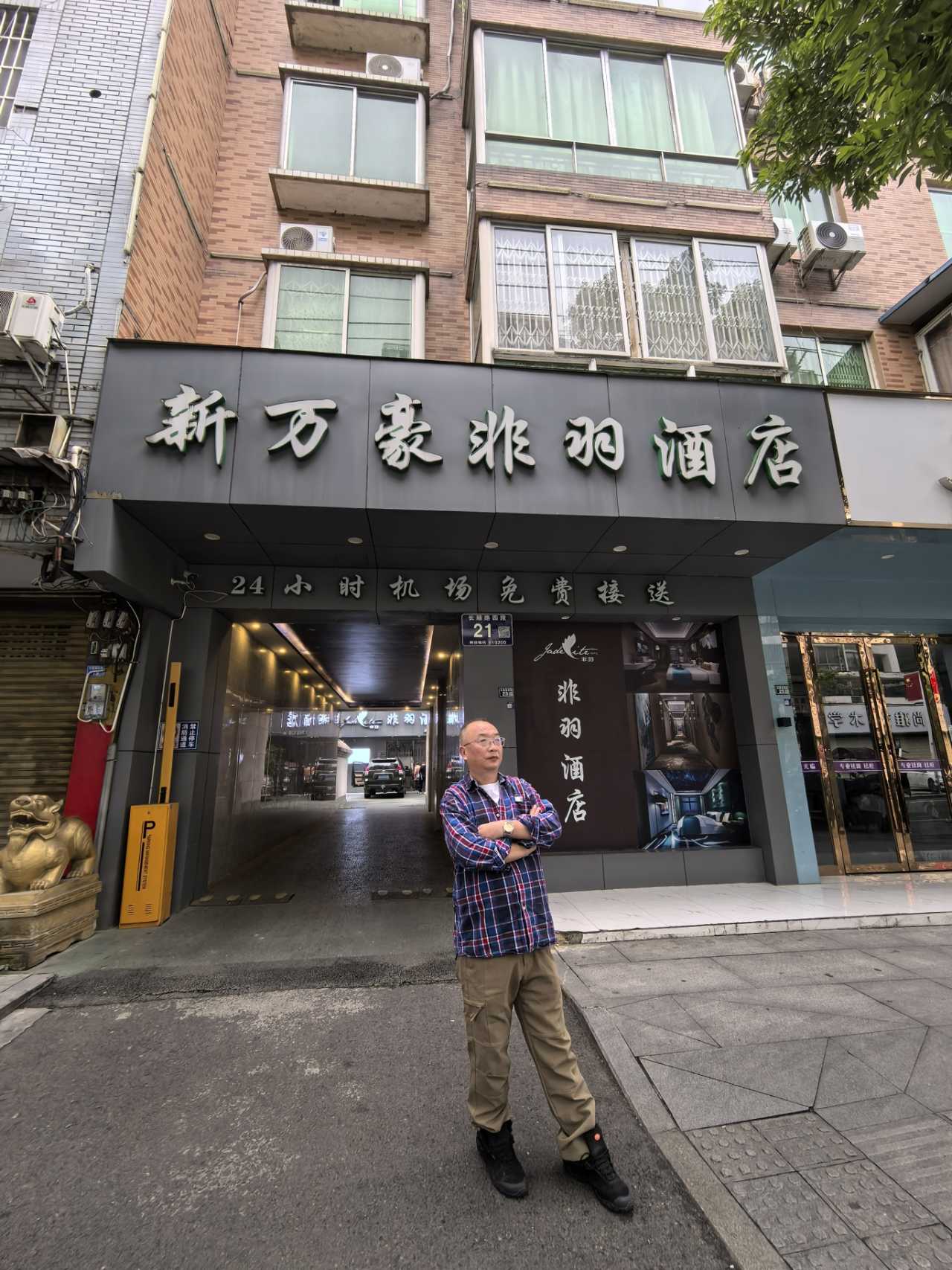
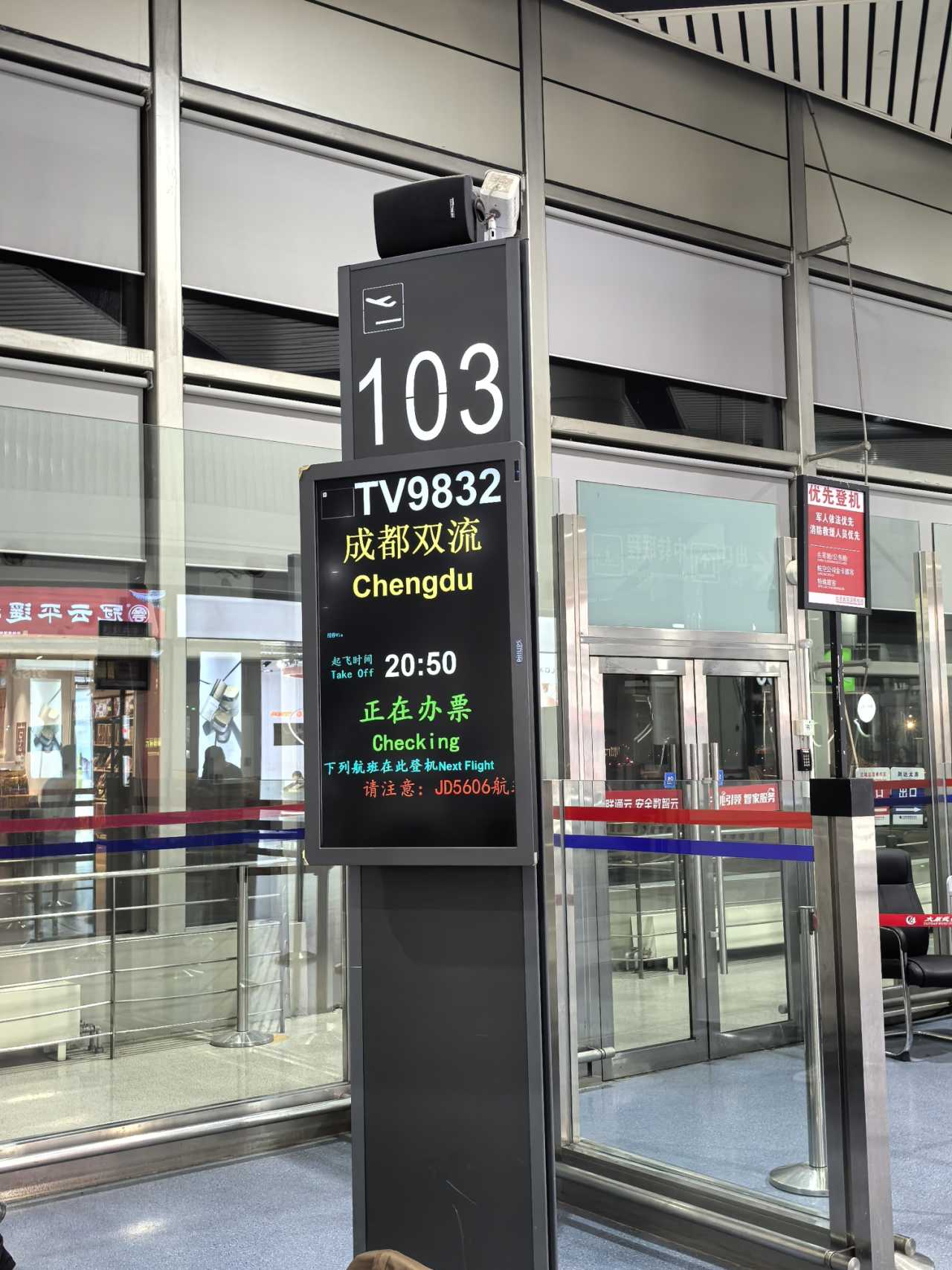
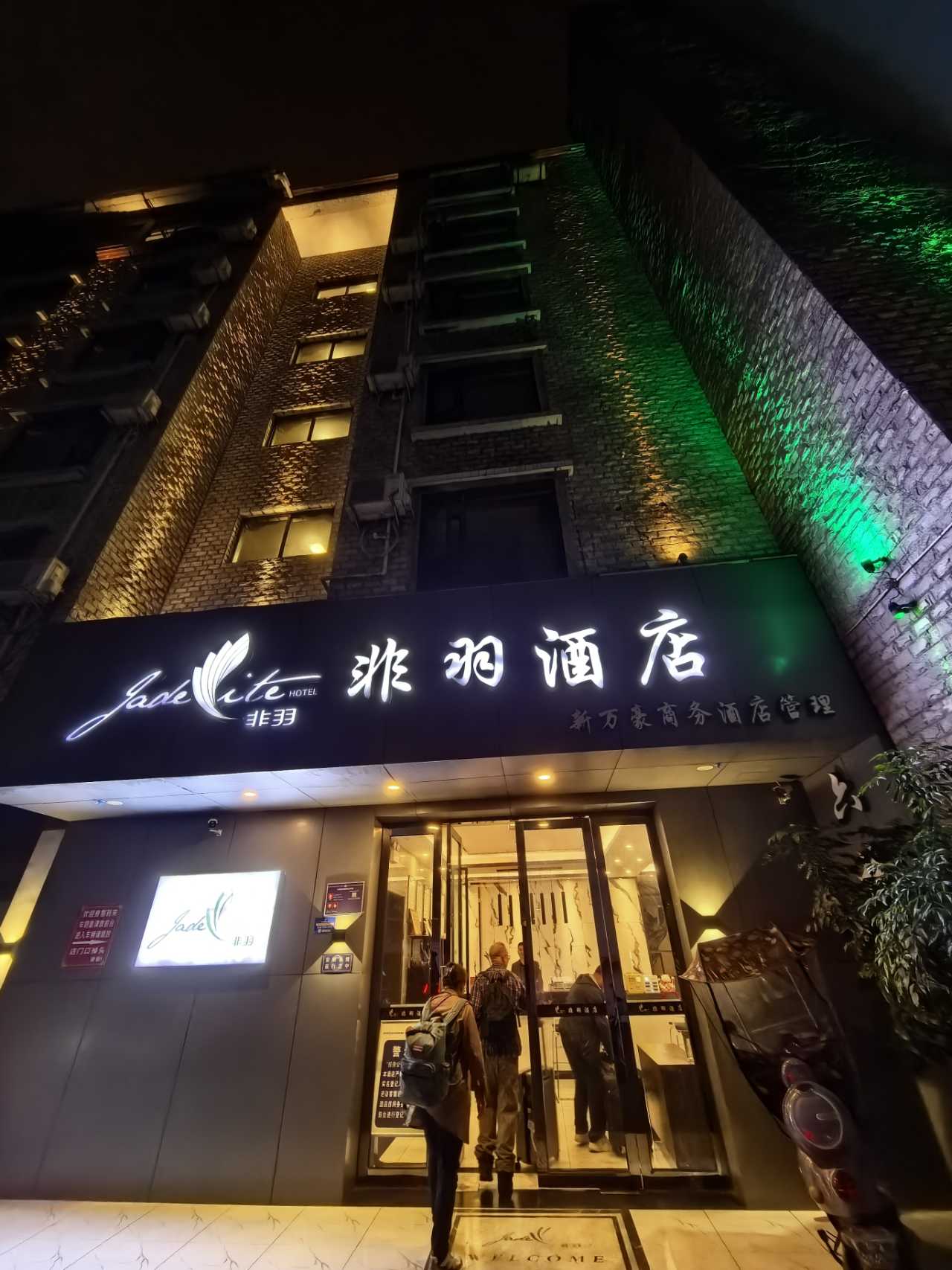
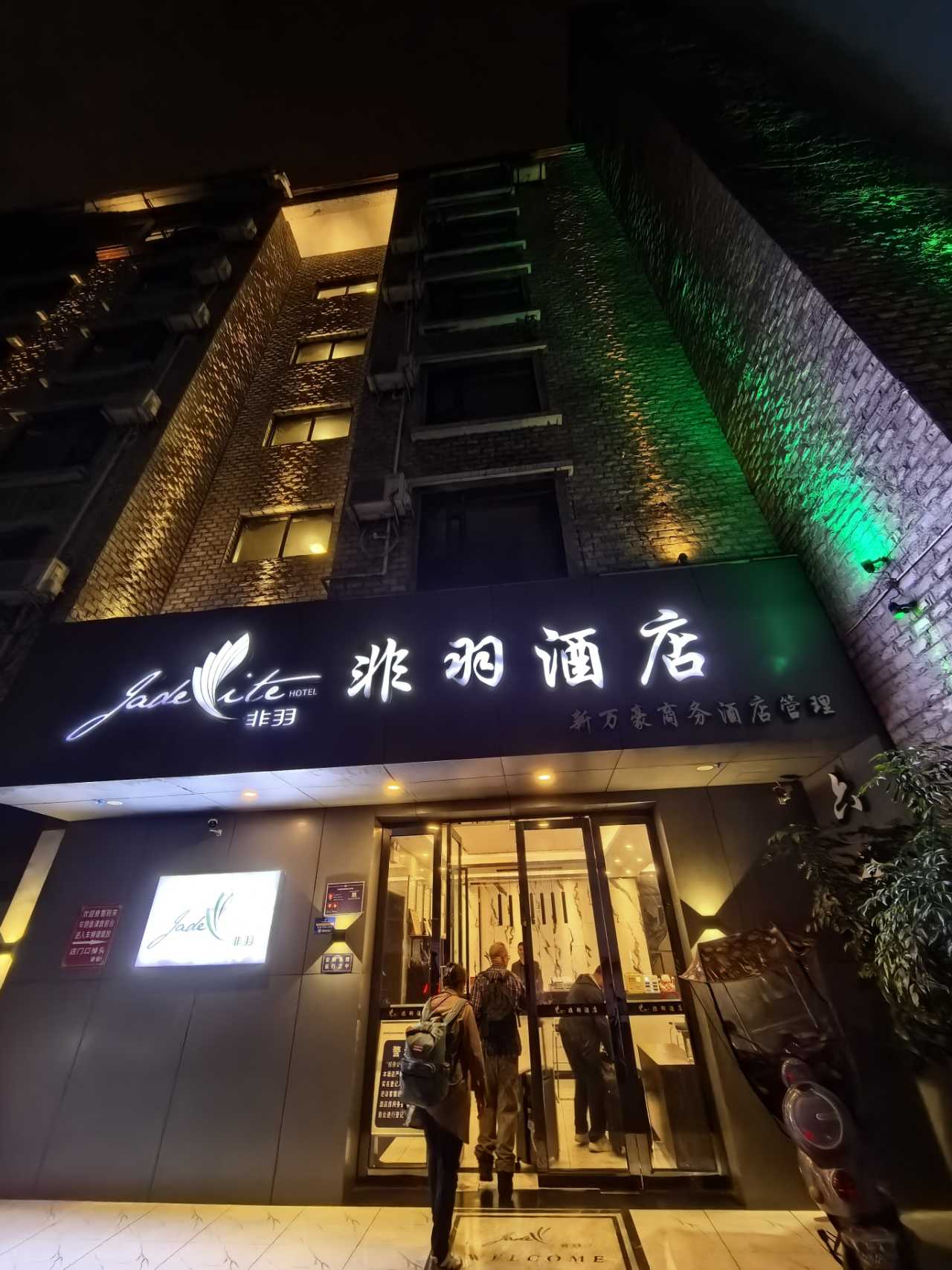
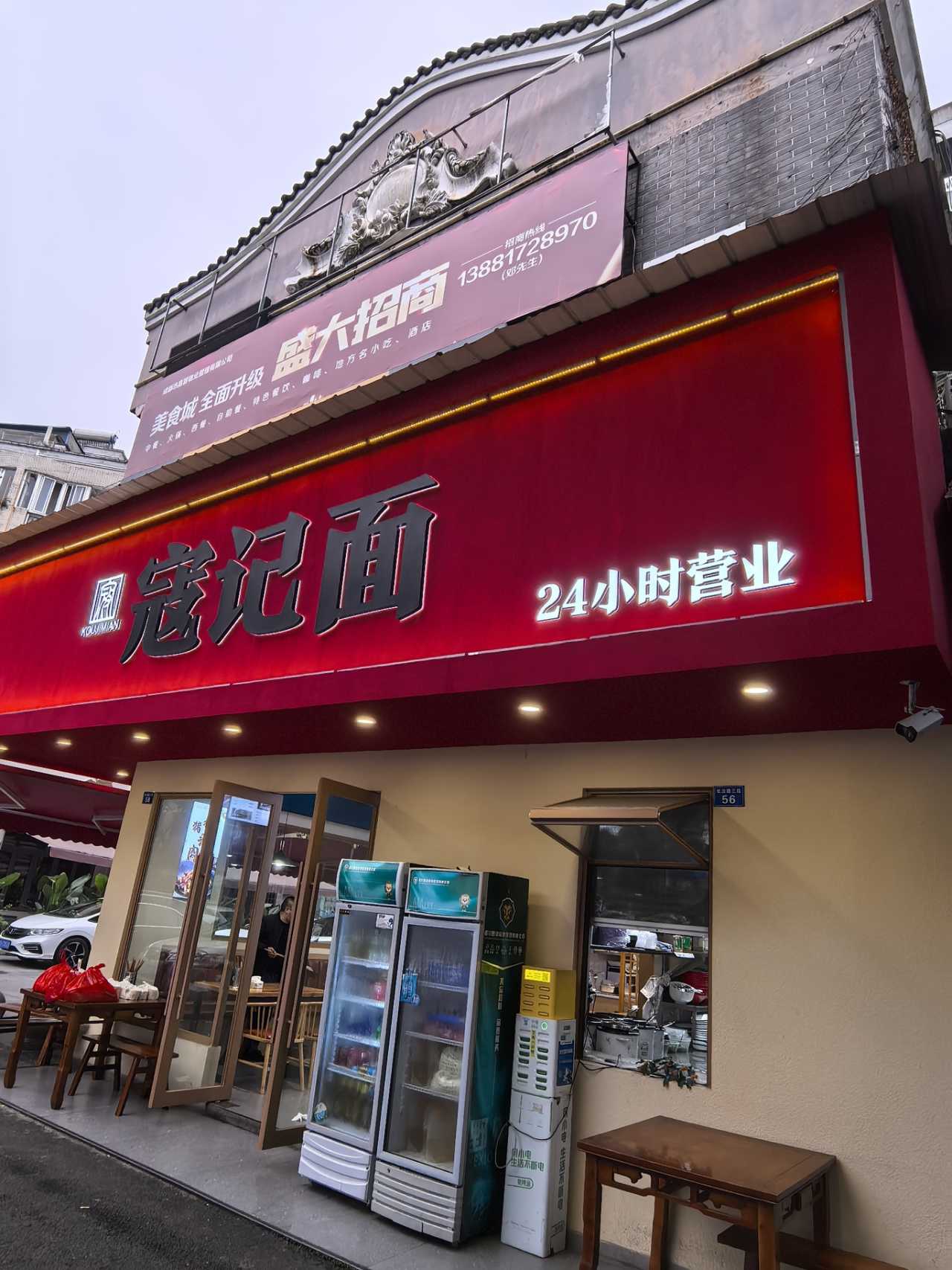
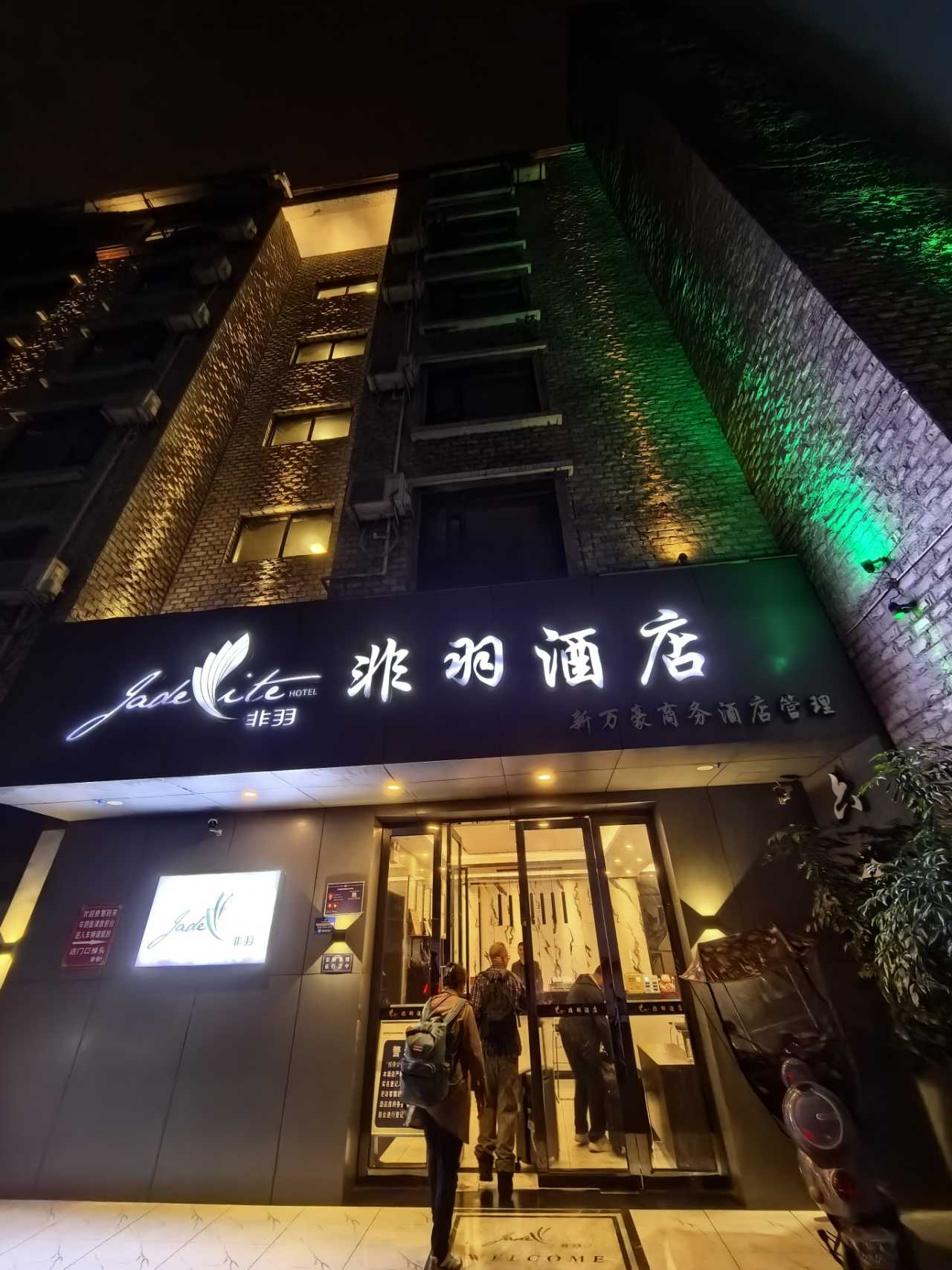
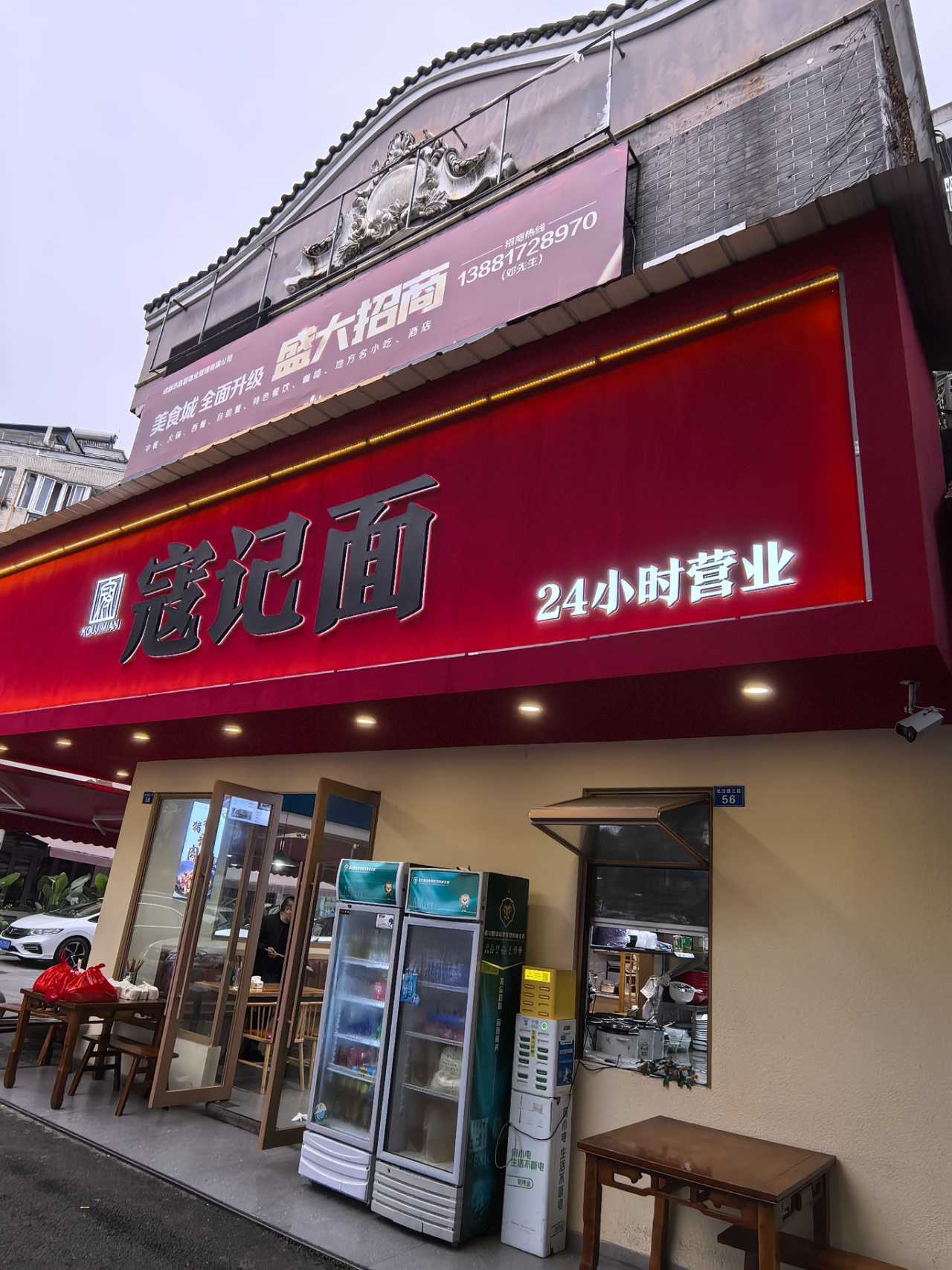
After arriving at Chengdu Shuangliu Airport late on October 12th, we checked into the Xin Wanhao Feiyu Hotel in Shuangliu District. Our Kangba Brothers Team driver, a robust Tibetan man named "Tuduo" (meaning "strong and sturdy" in Chinese), arrived promptly at 7:30 AM. A quick breakfast at Kouji noodle shop near the hotel—authentic and reasonably priced—set the tone for the journey ahead.
Pro tip for your Sichuan custom tour: Book a private driver through reputable local teams like Kangba Brothers. They know the roads, the best timing, and hidden gems that standard tours miss. [Link: Best private tour operators in Sichuan]
Eastern Buddha Land: The Underrated Underground Grotto Gem
Arriving in Leshan City at 9:30 AM, we headed to Huahubay No. 2 Parking Lot, where staff recommended visiting the Eastern Buddha Land first. This advice proved invaluable—it saved us time and allowed a logical flow through both attractions.
The Eastern Buddha Land is a national 4A-level scenic area sharing the same Lingyun Nine Peaks with the Leshan Giant Buddha. Designed by retired professors from the Sichuan Fine Arts Institute, construction ran from 1989 to 1994, aiming to restore Tang Dynasty aesthetics. This "underground grotto" houses over ten thousand Buddha statues, including the world's largest reclining Buddha at 170 meters long.
Must-do: Hire a guide for 80 yuan (including earphones). Without one, you'll miss the fascinating stories behind each carving. The Eighteen Arhats Grotto features arhats in various poses—some nude or half-nude, symbolizing shedding worldly defilements in Tibetan Buddhist esoteric tradition.
The underground palace stretches nearly a kilometer, earning recognition as one of China's "five major grotto groups" alongside Yungang, Maijishan, Longmen, and Mogao Caves. Highlights include: - Seated Shakyamuni Buddha: The world's only "mountain within a mountain" Buddha, carved from original rock, standing 33 meters tall - Thousand-Armed Guanyin: Spreading like a peacock's tail, each hand holding different ritual implements - Medicine Buddha: 51 meters tall, sitting in full lotus position—photography prohibited here, a sign of respect
Leshan Giant Buddha: Ancient Engineering Meets Spiritual Grandeur
Following signs past ancient tombs and a stele forest, we reached the Leshan Giant Buddha head square. This 71-meter-tall cliff-side carving is the world's largest outdoor stone Buddha, with construction spanning 90 years (713-803 AD).

Key dimensions that impress: - Head: 15 meters high, 10 meters wide, with 1,051 hair coils - Ears: 7 meters long - Foot instep: 8.5 meters wide (can seat over 100 people)
What truly amazed me was the ancient drainage system. Three layers of horizontal channels in the hair coils direct rainwater away from the face. Ear cavities connect left and right, channeling water behind the ears into the river. Robe folds incorporate drainage grooves, while corridors behind the ears and shoulders drain mountain seepage. Without modern technology, Tang Dynasty artisans designed this ingenious system—truly mind-boggling.
SEO tip for travelers: Search for "Leshan Giant Buddha drainage system" to find detailed diagrams showing this ancient engineering marvel.
Day Two: Mount Emei – Golden Summit and Sacred Peaks
Ascending the Buddha's Mountain
Mount Emei, one of China's Four Sacred Buddhist Mountains, rises 3,099 meters above sea level. Our custom tour included early morning departure to catch the sunrise from the Golden Summit—a sight that draws pilgrims and photographers alike.
The cable car ride offers breathtaking views of cloud-shrouded peaks. At the summit, the Ten-faced Puxian Buddha statue gleams in golden splendor, surrounded by the Huazang Temple complex. For the best photos, arrive before 8 AM when crowds are thinner and light conditions optimal.
Insider tip: Bring warm layers even in summer—temperatures at the summit can drop 15°C (27°F) below base levels. [Link: What to pack for high-altitude Sichuan travel]
Day Three: Seda Larung Gar – The Red House Buddhist Academy
A Pilgrimage to the World's Largest Buddhist Institute
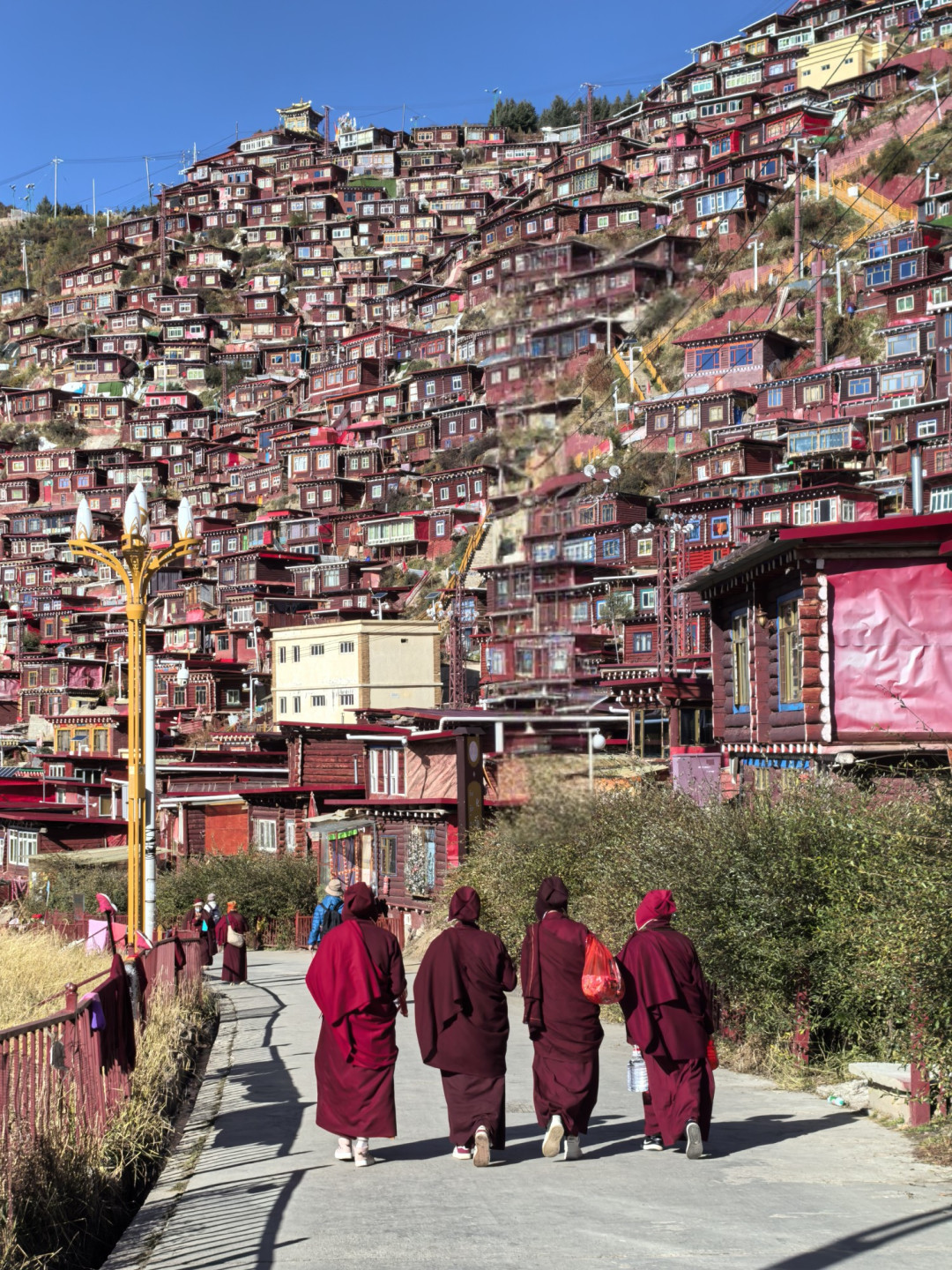
Seda County's Larung Gar Buddhist Academy is home to thousands of monks and nuns living in red-painted wooden houses that cascade down the valley slopes. This isn't a tourist attraction—it's a living, breathing spiritual community.
Important considerations for your custom tour: - Photography restrictions apply in certain areas - Respect local customs: dress modestly, speak quietly - Altitude reaches 4,000 meters (13,123 feet) – acclimatize properly - Best viewing point: the hill opposite the main prayer hall for panoramic shots
The sight of thousands of red houses against the blue sky is unforgettable. We spent hours walking through narrow alleys, hearing chanting from open windows, and watching monks debate Buddhist philosophy in the courtyards.
Cultural note: The academy's history dates to 1980 when Khenpo Jigme Phuntsok founded it. Today it houses over 10,000 residents, making it one of the world's largest Buddhist institutes. [Link: Understanding Tibetan Buddhism and Seda's significance]
Day Four: Mount Siguniang – Four Sisters' Snowy Peaks
The "Eastern Alps" of China
Mount Siguniang (Four Sisters Mountain) consists of four peaks named after four beautiful sisters in local legend. The highest, Yaomei Peak, stands at 6,250 meters (20,505 feet). Our custom tour included a full day exploring the Changping Valley—the most accessible of the three main valleys.
Trail options for different fitness levels: - Easy: Horseback riding through Changping Valley (3-4 hours) - Moderate: Hiking to the Haizi Valley viewpoint (5-6 hours) - Challenging: Overnight trek to the base camp (requires permits)
We chose the moderate hike, rewarded with stunning views of the four peaks reflected in alpine lakes. Autumn colors painted the valley in gold and crimson—a photographer's dream.
Pro tip: Hire a local guide for 200-300 yuan. They know the best spots for photos, can identify wildlife, and ensure you don't miss hidden waterfalls. [Link: Top hiking trails in Mount Siguniang]
Day Five: Miyaluo – Autumn Colors and Tibetan Villages
Chasing Fall Foliage in the "Valley of Red Leaves"
Miyaluo, meaning "gorgeous valley" in Tibetan, is famous for its autumn foliage. While the colors weren't as spectacular as I'd imagined (timing is everything), the Tibetan villages scattered through the valley made up for it.
Highlights: - Bipenggou: A nearby valley with stunning waterfalls and red leaves (worth adding if time permits) - Ganbao Tibetan Village: Traditional stone houses with painted prayer flags - Local cuisine: Try yak meat hotpot and butter tea
Lesson learned: Autumn colors peak mid-to-late October. If your custom tour dates don't align perfectly, focus on cultural experiences rather than chasing foliage.
Day Six: Kangding and the Tibetan Plateau
Gateway to the Western Sichuan Highlands
Kangding, the capital of Ganzi Tibetan Autonomous Prefecture, sits at 2,560 meters (8,399 feet). Known as the "Love Song City" for the famous folk song "Kangding Love Song," this town blends Tibetan and Han Chinese cultures.
Must-visit spots: - Pao Pao Shan (Paoma Mountain): Cable car ride with views of the entire valley - Anjue Temple: A 300-year-old Tibetan Buddhist monastery - Local market: Buy Tibetan silver jewelry, woolen scarves, and medicinal herbs
Our driver Tuduo recommended a family-run restaurant serving yak meat dumplings (momo) and tsampa (roasted barley flour)—simple but delicious. [Link: Tibetan cuisine guide for Sichuan travelers]
Day Seven: Tagong Grassland and Yala Snow Mountain
Where the Sky Meets the Earth
Tagong Grassland stretches endlessly beneath the shadow of Yala Snow Mountain (5,820 meters / 19,094 feet). This is nomadic Tibetan territory—we saw yaks, sheep, and horse herds roaming freely.
Activities: - Horseback riding across the grassland (50-100 yuan per hour) - Visiting Tagong Monastery, one of the oldest in the region - Photographing the golden stupa against the snow-capped backdrop
The sense of space here is overwhelming. Standing alone on the grassland, with only wind and distant prayer flags for company, you understand why Tibetans call this "the roof of the world."
Altitude warning: At 3,700 meters (12,139 feet), take it easy. We experienced mild headaches but managed with plenty of water and slow movements. [Link: Altitude sickness prevention tips]
Day Eight: Return to Chengdu – Reflections on a Custom Journey
Wrapping Up Your Sichuan Classic Scenic Spots Custom Tour
Our final day included a leisurely drive back to Chengdu, stopping at Ya'an for a famous Sichuan hotpot lunch. We arrived in time for evening flights, carrying memories that would last a lifetime.
Reflections on the custom tour experience: - Flexibility: We could adjust timing based on weather and energy levels - Local knowledge: Tuduo knew the best photo spots, restaurants, and shortcuts - Comfort: Private vehicle meant no rushing for buses or dealing with large groups - Depth: We spent meaningful time at each location rather than ticking boxes
The only regret? Not adding Bipenggou after Seda. Autumn colors at Miyaluo were less impressive than expected, but clear skies made up for it—we saw everything we wanted.
FAQ: Your Sichuan Classic Scenic Spots Custom Tour Questions Answered
1. What is the best time for a Sichuan classic scenic spots custom tour?
Answer: Late September to mid-October offers the best combination of clear skies, comfortable temperatures (15-25°C / 59-77°F at lower elevations), and autumn foliage. Avoid July-August for heavy rainfall and November-March for snow closures at higher passes.
2. How much does a private custom tour in Sichuan cost?
Answer: Expect to pay 3,000-5,000 yuan per person for an 8-day tour including private vehicle, driver, accommodation (mid-range hotels), and basic meals. Excludes flights, entrance fees (Leshan Giant Buddha: 80 yuan, Mount Emei: 160 yuan), and guide tips. Luxury options with English-speaking guides cost 8,000-12,000 yuan.
3. Do I need special permits for Seda or Mount Siguniang?
Answer: Seda Larung Gar Academy requires advance booking (usually handled by your tour operator). Foreigners need a Tibet Travel Permit for certain areas near the Tibetan border. Mount Siguniang National Park requires entry tickets (150 yuan) but no special permits for standard trails.
4. What should I pack for a Sichuan mountain tour?
Answer: Essential items include: layered clothing (base layer, fleece, waterproof jacket), sturdy hiking boots, sun protection (hat, sunglasses, SPF 50+), altitude sickness medication (Diamox), reusable water bottle with filter, and a power bank (limited charging options in remote areas).
5. Can I combine this tour with other Sichuan destinations?
Answer: Absolutely! Popular additions include Jiuzhaigou Valley (2 hours from Chengdu by flight), the Panda Base in Chengdu, and the ancient town of Lijiang (Yunnan province, 4-hour drive). Discuss options with your tour operator to customize the itinerary.
Ready to Plan Your Sichuan Classic Scenic Spots Custom Tour?
Don't leave your dream trip to chance. Contact the Kangba Brothers Team (or your preferred local operator) to craft a personalized itinerary that matches your interests, fitness level, and schedule.
What to include in your inquiry: - Travel dates and group size - Must-see attractions (Leshan Giant Buddha, Seda, Mount Siguniang) - Budget range - Special requirements (dietary restrictions, mobility concerns)
Book your consultation today and start counting down the days to an unforgettable pilgrimage through Buddha's realm and snowy mountains. The Land of Abundance awaits.
Note: This article is based on a real traveler's experience. Prices and conditions may vary. Always verify current information with your tour operator before booking.
You may also like


