Seven Days on the Road: A Symphony of Two Generations – Ultimate Western Sichuan Road Trip Guide
Meta Description: Discover the ultimate Western Sichuan road trip itinerary from Chongqing. Explore Songpan, Ruoergai Grassland, Mouni Valley, and the First Bend of the Yellow River in this multi-generational family adventure. Tips, costs, and hidden gems inside.
Prologue: Why Western Sichuan Road Trips Are the Ultimate Family Adventure
For those born and raised in Chongqing and Sichuan, pride isn't just about fiery hotpot or surreal mountain city skylines—it's the vast highlands, endless plains, and gentle basins carved by nature itself. These are the landscapes we boast about over tea with friends from afar. Poetry and distant horizons feel within reach; every restless heart is brewing a spontaneous road trip into the unknown.

Western Sichuan road trips offer something unique: they bridge generations. In 2014, my parents first stepped onto Western Sichuan soil. Last autumn, swept up in the I Belonged to You craze, I rushed to Daocheng Yading. But this time, our destination was Northwestern Sichuan—we would even cross into Qinghai and Gansu to find the hidden gem of Nianbaoyuze.
This wasn't ordinary travel. Four cars, two generations, setting out from Chongqing, heading west. My parents' friends were avid road-trippers, but what they secretly wished for most was to have their children by their side. Fortunately, we made it happen.
[Link: Best family road trips from Chongqing]
Chapter One: A Rocky Start That Made the Journey Unforgettable
The prelude to our Western Sichuan road trip was far more thrilling than any pop song.
Late Friday night, I flew back to Chongqing from Singapore; by eight o'clock Saturday morning, I was already speeding along the expressway into Western Sichuan. My cousin and I shared a car, chatting about his new girlfriend and catching up on our lives. The easy rhythm shattered near Pixian—we took the wrong exit, and then a 25-ton truck scraped past us from the left. The screech of metal jolted everyone awake. The left side of the car was badly scratched, and the tire was damaged. If it hadn't been a run-flat tire, we'd have had a blowout.
Luckily, no one was hurt. For the next two or three hours, we argued and negotiated with the truck driver under the blazing sun. We finally reached an agreement and headed to the traffic police station—only to have an old man on a pink electric scooter crash straight into our license plate and collapse on the ground. He insisted his leg hurt, but there wasn't a scratch in sight. He refused two hundred yuan, refused to go to the police, and we finally settled for 250.
By then, our schedule was in shambles. We rushed like mad and didn't reach our hotel in Songpan Ancient Town until after ten that night.
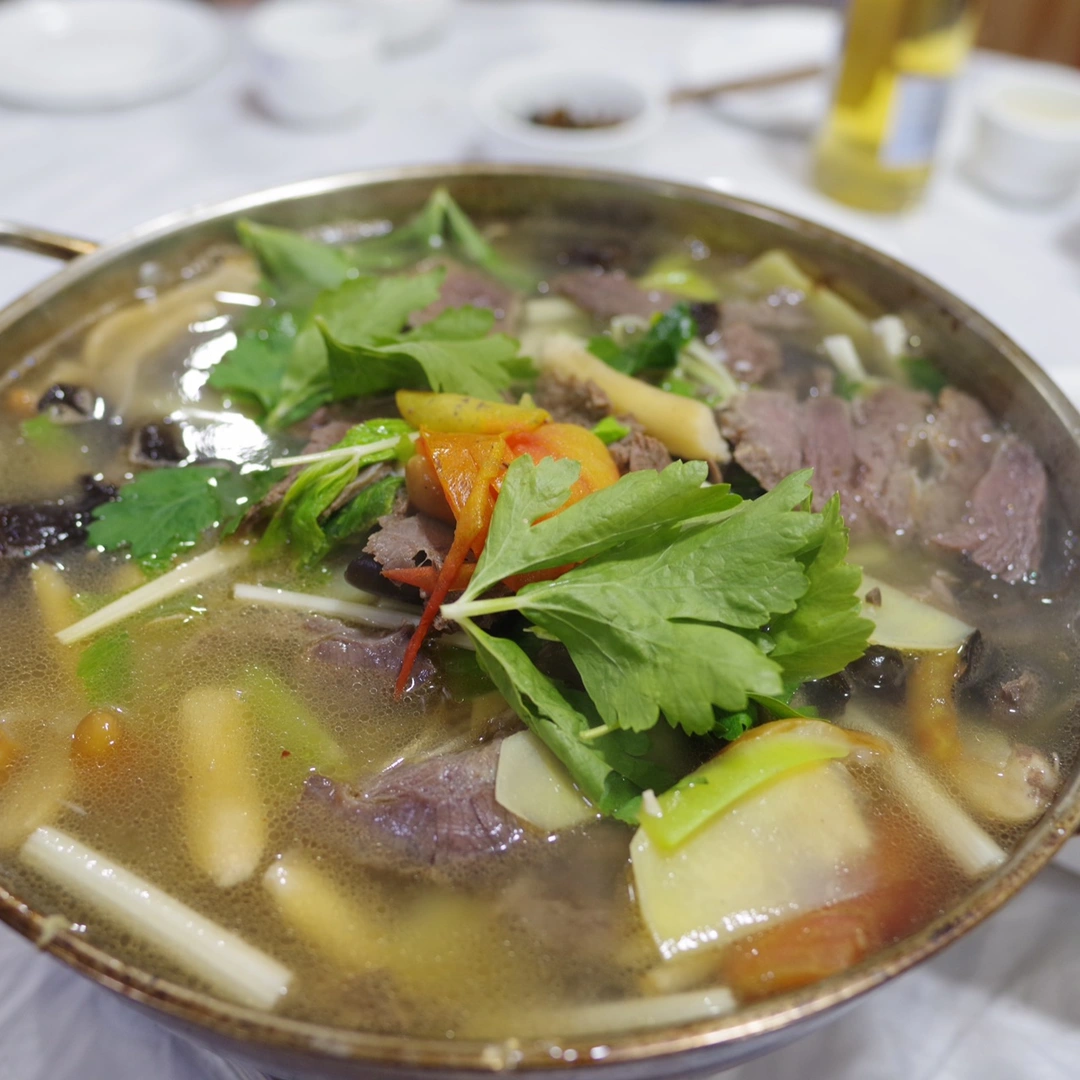
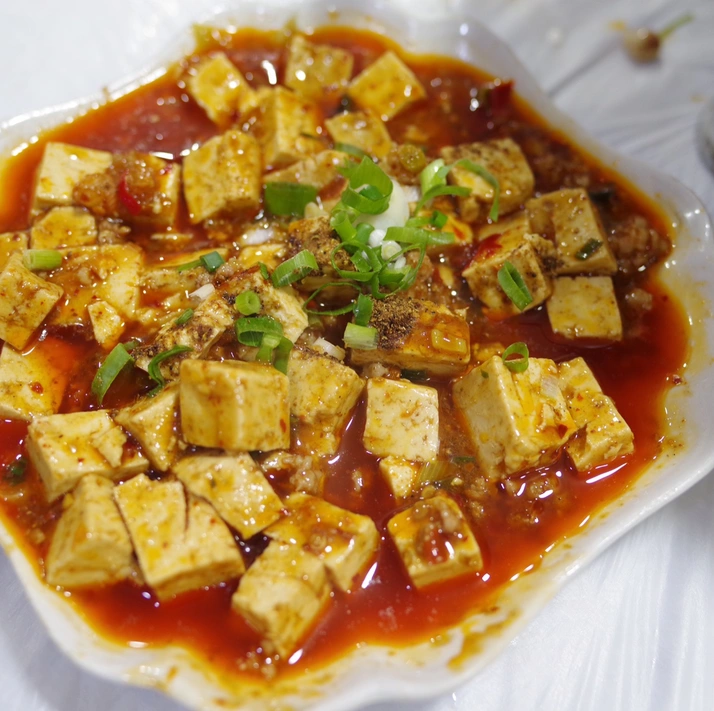
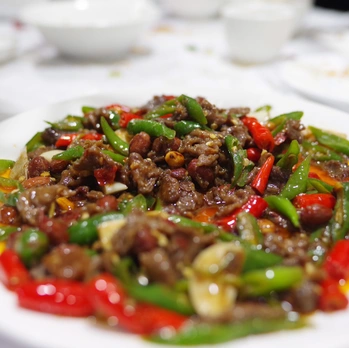
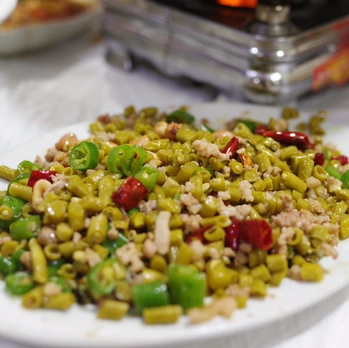
Songpan's nightlife was as lively as New Year's Eve. Along the streets, the aromas of Chongqing and Sichuan specialties mingled with the scent of yak meat. We didn't eat dinner until eleven—mapo tofu, diced pork with green beans, every bite tasting like home.
Behind the freedom of a road trip lies endless driving and exhaustion. I'd barely slept on the plane and had a nosebleed all day. But amidst the monotony of crossing mountains and valleys, getting to chat a little more with family felt precious. Living abroad for so long, I knew little about my family's daily life. The care and concern shared along the way were enough to warm me for an entire year.
Accommodation: Minling Inn | Average price: 128 yuan/night
[Link: Songpan Ancient Town travel guide]
Chapter Two: Songpan Flower Fields and the Disappointment of Mouni Valley
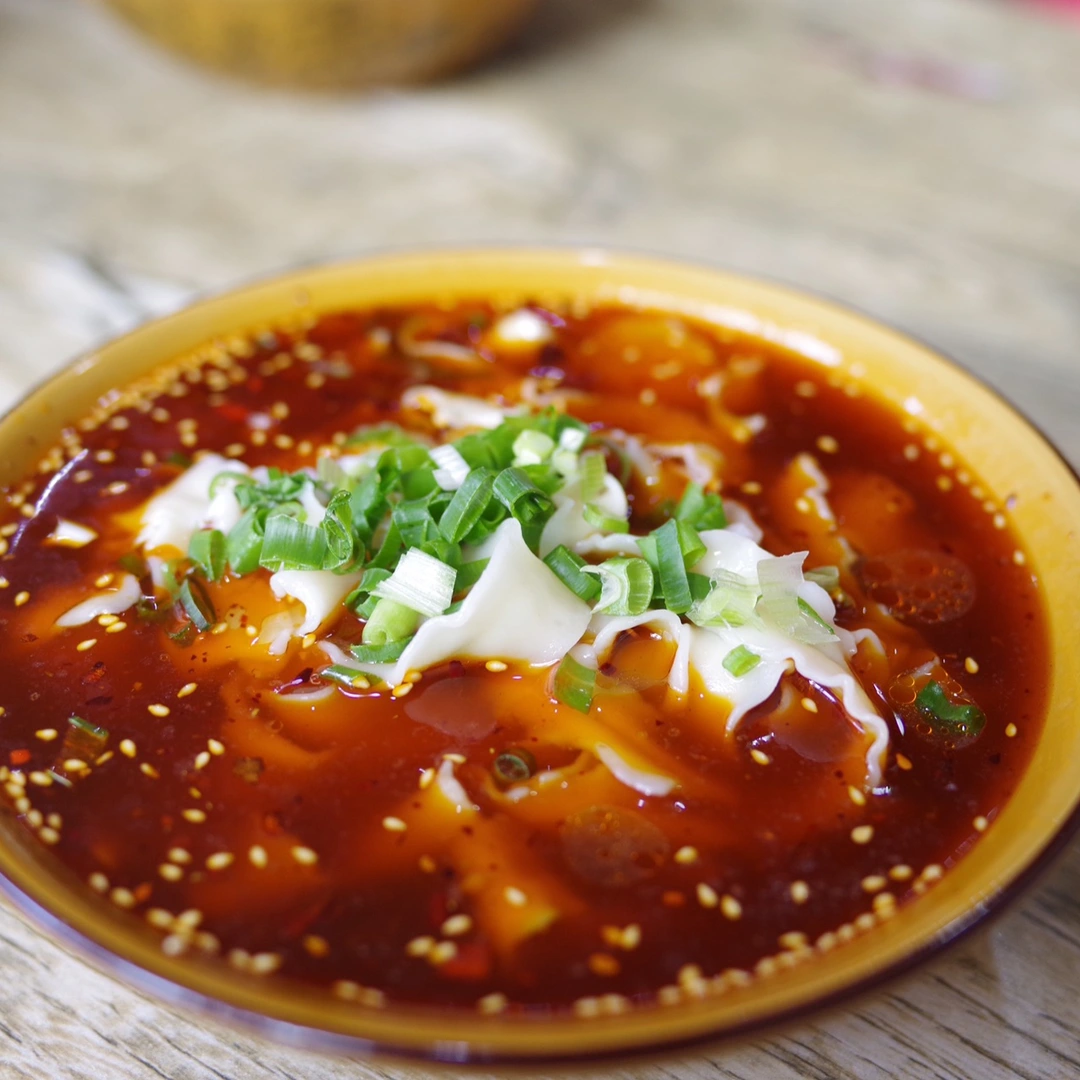
At eight in the morning, we went out to find breakfast. I suddenly craved knife-cut noodles. Songpan sits at over two thousand meters above sea level, and most restaurants have to use pressure cookers to make noodles.
Songpan is known as the "Highland Ancient Town" and is a must-pass route to Northern Sichuan. Legend has it that Princess Wencheng passed through here on her way to Tibet. The town itself isn't particularly special—it has a bit of Lijiang's vibe but is far from fully developed. Outside the city walls, cosmos and chrysanthemums bloomed brilliantly under the sun.
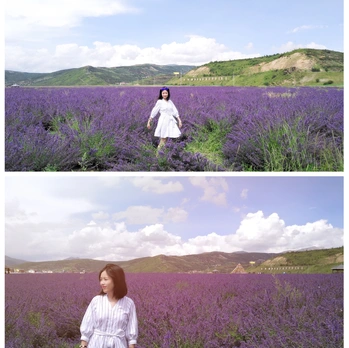
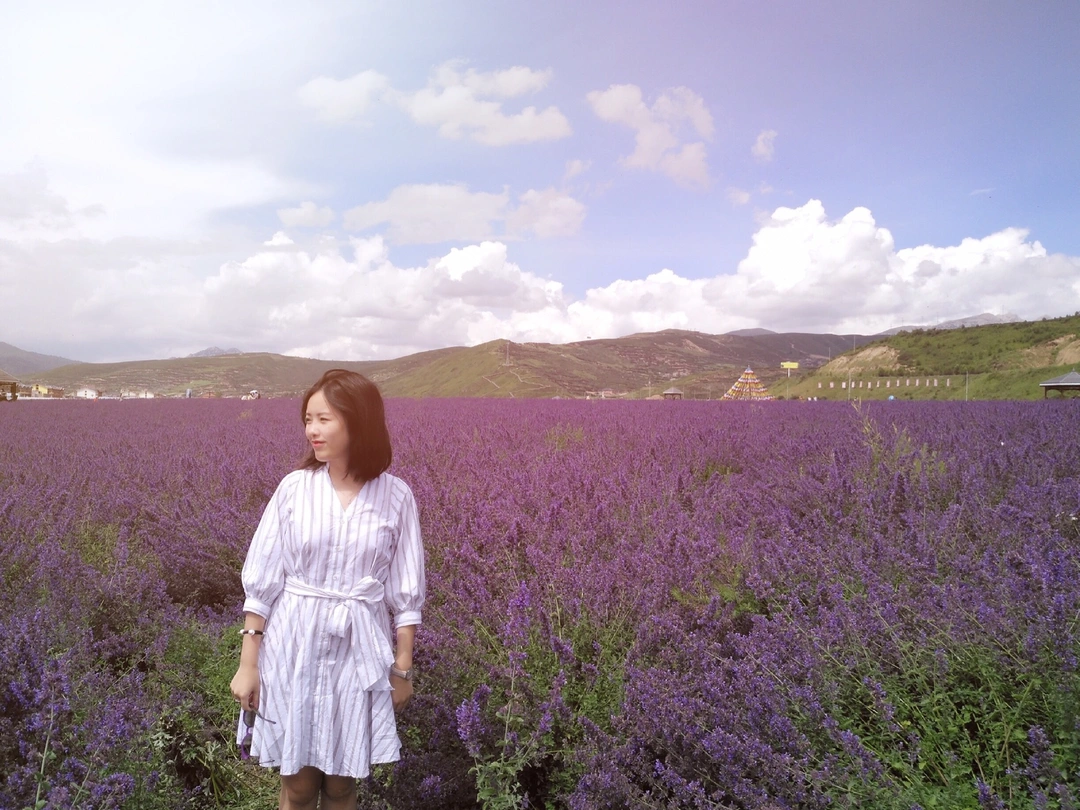
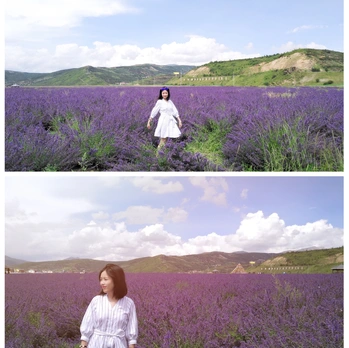
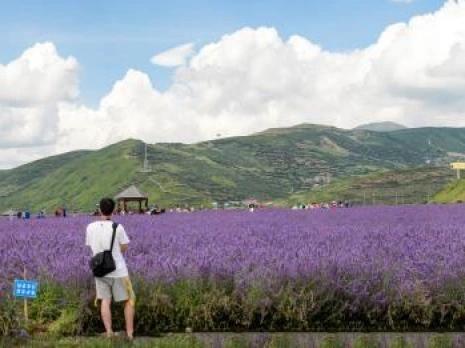
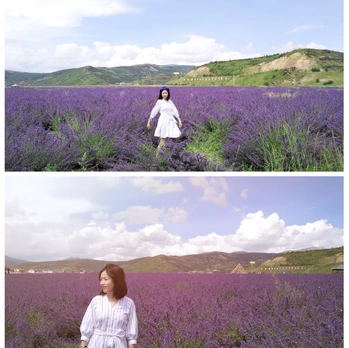
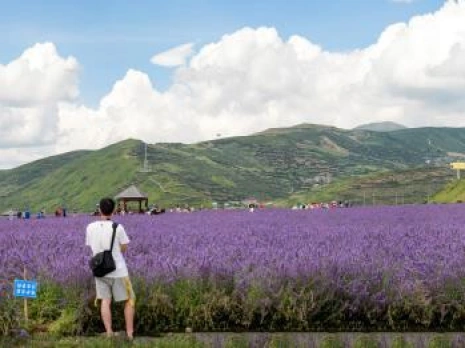
In early July, Songpan County's three thousand acres of lavender enter their prime viewing season, lasting until September. The lavender base in Chuanzhusi Town is part of the "Heavenly Fragrance Valley." We wanted to fly our drone, but the staff told us it was too close to Jiuhuang Airport, so we had to give up.
The purple sea of flowers, surrounded by mountains, felt almost like Provence when the sunlight poured down. The women in our group couldn't stop taking photos—white horses and fake plum blossom deer became the perfect props.
But Mouni Valley was a letdown. The Erdaohai Scenic Area cost 70 yuan for admission, and all we saw were a few dried-up gullies. The promised dazzling colors and vibrant hues were nowhere to be found. The area claims to have over six hundred lakes, but we could barely count the water we saw. What made it worse was that just a few days later, the earthquake hit Jiuzhaigou—that paradise on earth may never regain its former beauty.

It's a common human flaw: we never cherish what's right in front of us until it's too late.
Accommodation: Huahu Tourism Hotel, Ruoergai County | Average price: 200 yuan/night
[Link: Best time to visit Songpan lavender fields]
Chapter Three: Rainy Ruoergai Grassland – Out of Sync
It started raining last night, and by morning, it was still a steady drizzle. The weather in the highlands is unpredictable; the temperature dropped sharply, and I had to put on my down jacket.
Our plan was to visit Huahu (Flower Lake), right next to National Highway 213, a natural lake on the Reda Dam grassland. But the rain wouldn't let up. By the time we reached Huahu, all enthusiasm had evaporated. Someone suggested Langmusi (Sichuan-Tibet Temple). After an hour's drive, the rain cleared, and the sun came out. I'm not particularly interested in temples, so I wandered around the town instead. It was small but well-equipped, with a fair degree of commercialization—Sichuan restaurants, Tibetan braid stalls, inns, and coffee shops everywhere.
At two in the afternoon, we set off for Tangke. Disaster struck again—we hadn't checked the road conditions and chose the shortest route, which turned out to be the worst. Over a hundred kilometers took us more than four hours, and one of our teammates got a flat tire.
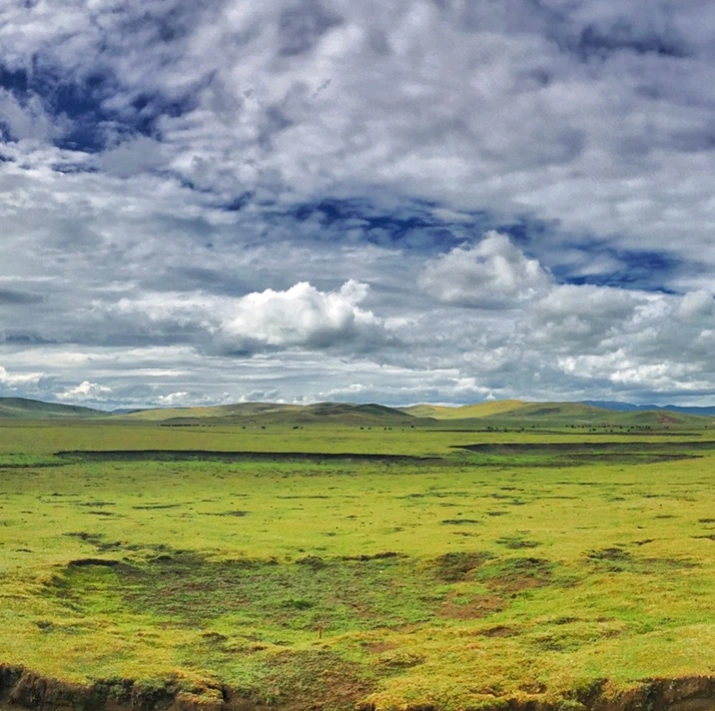
But the scenery along the way was enough to soothe everything. The clouds were heavy, but the endless grassland was still a joy to behold. Ruoergai Grassland is known as the "Oasis of the Northwestern Sichuan Plateau" and is one of China's three major wetlands and five major grasslands. The sight of wind bending the grass to reveal cattle and sheep was like a Windows desktop come to life.
Deserts, wilderness, grasslands, oceans—I've always been drawn to vast, wild places. They seem abandoned by the world, yet they stand alone. What does it mean to stand alone? It's the pride of being detached from the mundane, the disdain for materialism, the wisdom of knowing the world without being corrupted by it.
Accommodation: Jiangge Stars Hotel | Average price: 258 yuan/night
[Link: Ruoergai Grassland travel tips]
Chapter Four: The First Bend of the Yellow River and the Shaking of Jiuzhaigou
Morning brought a glimpse of sunshine, lifting our spirits. It took only half an hour from the hotel to the First Bend of the Yellow River, but the electric carts and elevators were all out of service, so everyone had to walk.
This is the first of the Yellow River's ninety-nine bends—it curves into Sichuan from Gansu and then quickly bends back. It's hard to believe this is the Yellow River. Climbing to the viewing platform took about an hour, and the high altitude made it especially exhausting. I was wearing a short-sleeved shirt, but the temperature was only around ten degrees Celsius.
The view from the top was worth every step. The river snaked through the landscape like a jade ribbon against the golden grassland. It was a moment of pure stillness—a reminder that even the mightiest rivers begin humbly.
But the trip was cut short by news that shook us all. Just days later, the Jiuzhaigou earthquake struck. That paradise on earth—known for its turquoise lakes, multi-tiered waterfalls, and snow-capped peaks—may never regain its former glory. We felt a deep pang of regret for not visiting sooner.
The lesson was clear: travel while you can. Nature is beautiful, but it is also fragile.
[Link: Jiuzhaigou earthquake recovery travel updates]
FAQ: Western Sichuan Road Trip Essentials
1. What is the best time for a Western Sichuan road trip?
 The ideal window is June to September when the weather is mild, grasslands are lush, and flower fields (like Songpan's lavender) are in full bloom. July and August are peak season for families. Avoid November to March due to snow and road closures.
2. How many days do you need for a Western Sichuan road trip from Chongqing?
 A minimum of 5–7 days is recommended for a relaxed itinerary covering Songpan, Ruoergai Grassland, the First Bend of the Yellow River, and Langmusi. Our 7-day trip allowed for unexpected delays and spontaneous detours.
3. What are the must-visit spots in Northwestern Sichuan?
 Top picks include: Songpan Ancient Town and lavender fields, Ruoergai Grassland, Huahu (Flower Lake), Langmusi Temple, the First Bend of the Yellow River, and Nianbaoyuze (if crossing into Qinghai/Gansu). Mouni Valley is skippable unless water levels are high.
4. How should I prepare for high altitude in Western Sichuan?
 Acclimatize gradually. Songpan is at 2,800m, Ruoergai at 3,400m. Drink plenty of water, avoid alcohol, carry oxygen canisters, and pack layers (temperature drops sharply at night). Our group used pressure cookers for meals—noodles take longer to cook at altitude.
5. What are the road conditions like for a Western Sichuan road trip?
Variable. Major highways (National Highway 213) are well-maintained, but side roads can be rough. In our trip, a flat tire and a truck scrape taught us to always check road conditions, carry a spare tire, and avoid shortcuts. Drive defensively—especially in rain.
Final Thoughts: Why You Should Take This Journey Now
This Western Sichuan road trip was more than a vacation—it was a bridge between generations. We drove through rain, flat tires, and altitude sickness, but we also shared meals, laughter, and conversations that would never happen in a living room. My parents' friends finally had their children by their side. The symphony of two generations played out against the backdrop of endless grasslands and winding rivers.
The road is calling. Don't wait for the perfect moment. Pack your bags, rent a car (or join a convoy), and head west. Whether you're chasing lavender fields, the First Bend of the Yellow River, or simply time with family, Western Sichuan will give you memories that last a lifetime.
Ready to plan your own Western Sichuan road trip? [Link: Book your Chongqing car rental] | [Link: Find family-friendly hotels in Songpan] | [Link: Download our 7-day itinerary PDF]
Start your journey today. The highlands are waiting.
Note: All prices and conditions are based on our 2017 trip. Check current travel advisories and road conditions before departure.
You may also like


