Sertar Larung Gar Five Sciences Buddhist Academy: The Ultimate Four Seasons Travel Guide for 2024
Meta Description: Discover the Sertar Larung Gar Five Sciences Buddhist Academy through all four seasons. From crimson houses to snowy peaks, this complete travel guide covers when to visit, what to pack, and how to experience faith at the world's largest Tibetan Buddhist academy.
If you've ever dreamed of a place where crimson houses cascade across mountain slopes, prayer flags dance in the wind, and the rhythm of morning bells and evening drums replaces the noise of modern life—Sertar is that place. Nestled on the Western Sichuan Plateau, the Sertar Larung Gar Five Sciences Buddhist Academy is not just a sacred site of Tibetan Buddhism; it's a pilgrimage destination that travelers call "a must-visit once in a lifetime." But when is the best time to go? How do you avoid common mistakes? As an experienced Western Sichuan travel photographer and self-driving tour leader, I'll walk you through every season, every essential tip, and every hidden gem.
Why Visit Sertar Larung Gar Five Sciences Buddhist Academy?
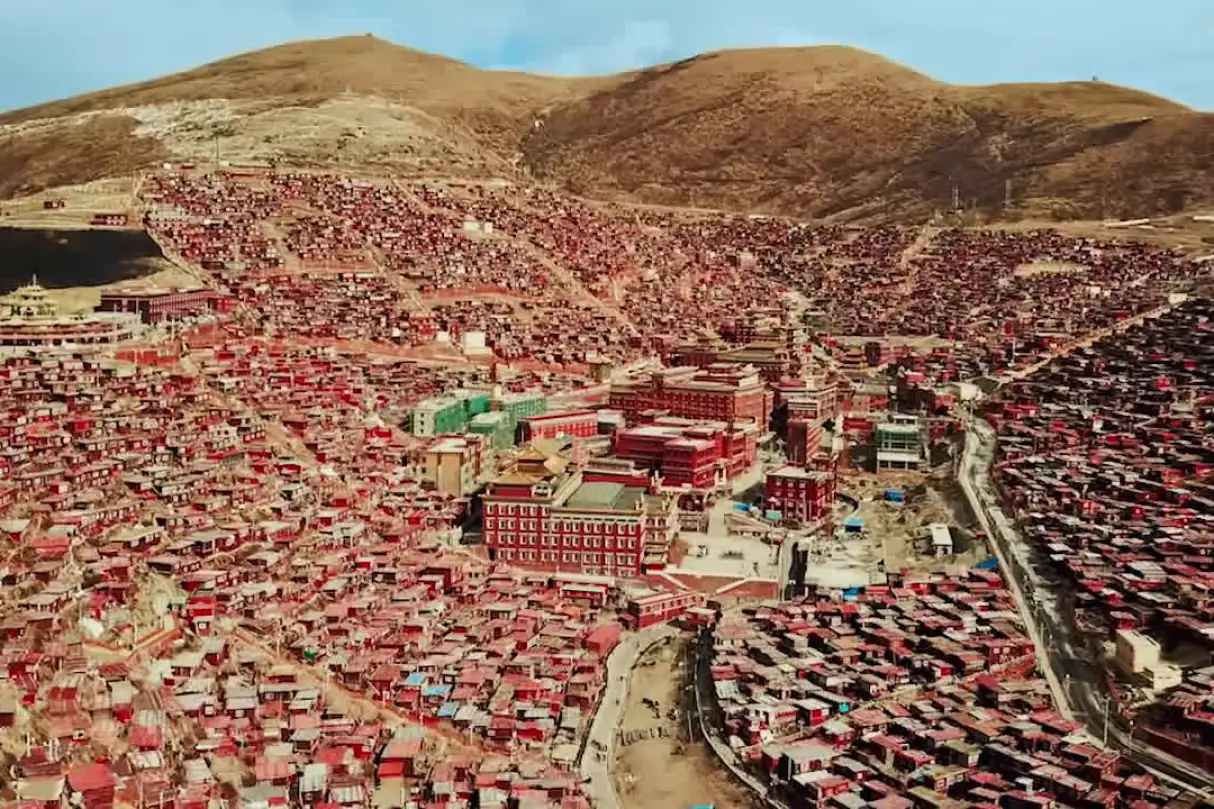
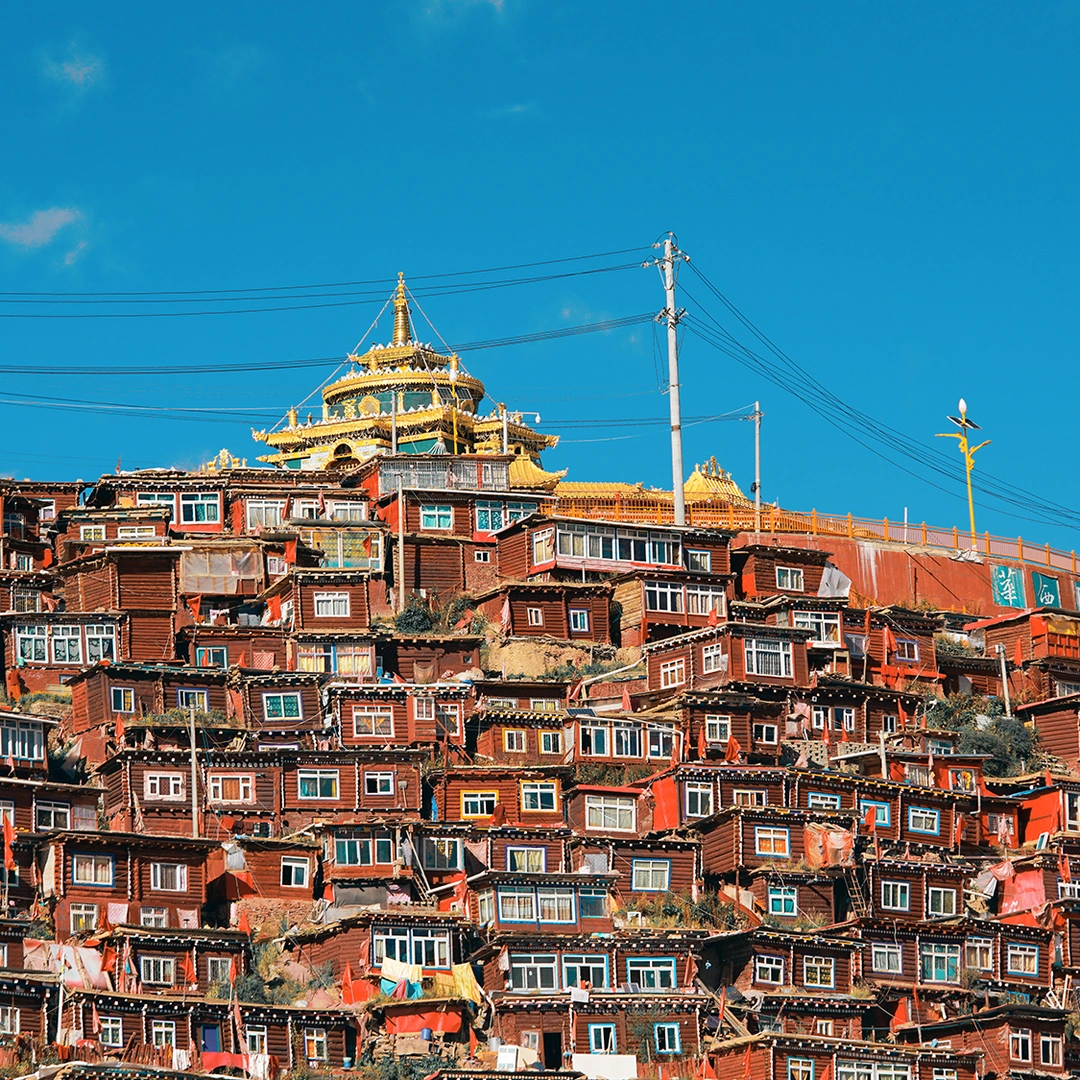
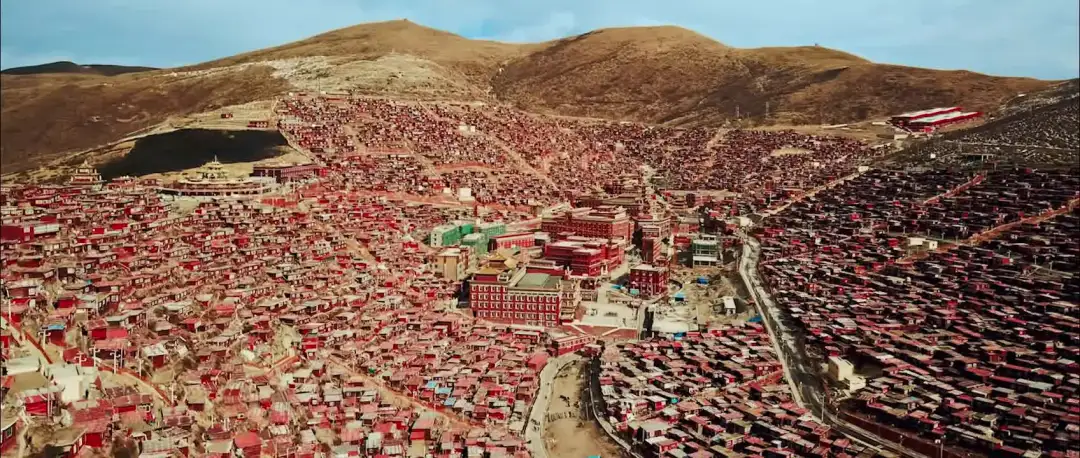
Founded in 1980 by His Holiness Jigme Phuntsok Rinpoche, the Larung Gar Five Sciences Buddhist Academy has grown into the largest Tibetan Buddhist academy in the world. Perched among surrounding mountains, thousands of red wooden huts—hand-built by monks (zhaba) and nuns (jomo)—climb the hillsides in tight, narrow alleyways. Each tiny hut barely holds one person for meditation and sleep. The academy enforces strict separation between male and female quarters, and living conditions are intentionally simple. Yet it's this very simplicity that makes faith feel tangible.
Walking the mountain paths, you'll encounter pilgrims performing full-body prostrations—standing, kneeling, bowing with meticulous devotion. At the base of the mountain, female practitioners carry stones daily to fill mantra scriptures at the summit, rain or shine. Monks in maroon robes move between huts, their eyes steady and serene. Faith—invisible yet powerful—takes root here, sustaining every soul who walks these paths.
When to Visit Sertar: A Season-by-Season Breakdown
Many travelers ask: "Which season is the most beautiful?" The honest answer? Every season offers something unique—but the most breathtaking moments often hide in the most extreme weather. Here's your Sertar travel guide by season.
Spring (June to September): Life Amid the Rain

Sertar sits at an average altitude of over 4,000 meters in a folded mountain zone with a plateau monsoon climate. The true peak travel season starts in June. Spring arrives late here—June feels like lowland spring: mild temperatures, grass turning green, and red houses glowing under warm sun. July and August bring the rainy season, with most annual precipitation falling in these two months. If you only have summer vacation, be prepared: in a five-day trip, expect at least three days of rain. But after the rain, Sertar becomes a misty wonderland—red houses appearing and disappearing through clouds like an ink-wash painting.
Packing Tips: Summer clothing works, but bring a windbreaker. Plateau temperature swings are extreme—sunny days can be scorching, rainy days turn suddenly cold. SPF 50+ sunscreen, sunglasses, and a hat are non-negotiable.
Autumn (October to Mid-November): Golden Days and First Snow
After October 10th, leaves along the route turn from green to gold—the most brilliant time on the Western Sichuan Plateau. From October 20th to November 10th, the leaves are fully golden, creating a stunning contrast with red monastic houses, blue sky, and white clouds. Every snapshot looks like a masterpiece. Autumn in Sertar is brief but intense—a grand farewell before the long winter.
Note: Pack a thick jacket. Daytime temperatures may reach 15°C (59°F), but nights plunge near freezing.
Winter (November to May): The Ultimate Snowy Buddhist Kingdom
If I had to choose one season, winter is the most spectacular. Starting in November, Sertar enters a half-year-long harsh winter. Heavy snow blankets the hillsides, while red houses blaze like flames against the white. Prayer flags crackle in the bitter wind, and vultures from the sky burial site circle against gray-white skies. After a snowfall, Sertar is so quiet you can hear your own heartbeat—as if time has frozen.
The cost: Extreme cold. Temperatures of -10°C (14°F) or lower are normal. Your cold-weather gear must be battle-ready. But if you can endure the chill, you'll witness scenery that most travelers miss.
Winter Bonus: Far fewer tourists mean you can enjoy the academy's tranquility alone. Photography enthusiasts should capture the red houses under the starry sky—the Milky Way and white snow reflecting off each other is breathtaking.
Pre-Trip Essentials: What You Need to Know
Altitude Sickness: Don't Panic, But Don't Be Careless
Sertar sits above 4,000 meters. Upon arrival, avoid overeating, alcohol, smoking, and strenuous exercise. Start taking Rhodiola rosea (hongjingtian) a week before (results vary). Mild symptoms like headaches or nausea? Drink plenty of water, rest, and take it easy for a day or two—it usually passes. Severe symptoms? Use supplemental oxygen or descend to lower altitude immediately.
Sun Protection and Moisturizing: Plateau Hidden Dangers
UV rays are intense. SPF 50+ sunscreen is mandatory. Lip balm and moisturizer are essential—the plateau is dry, and your body loses moisture quickly. Drink plenty of water to boost resistance.
Dressing Guide: Better Warm Than Cold
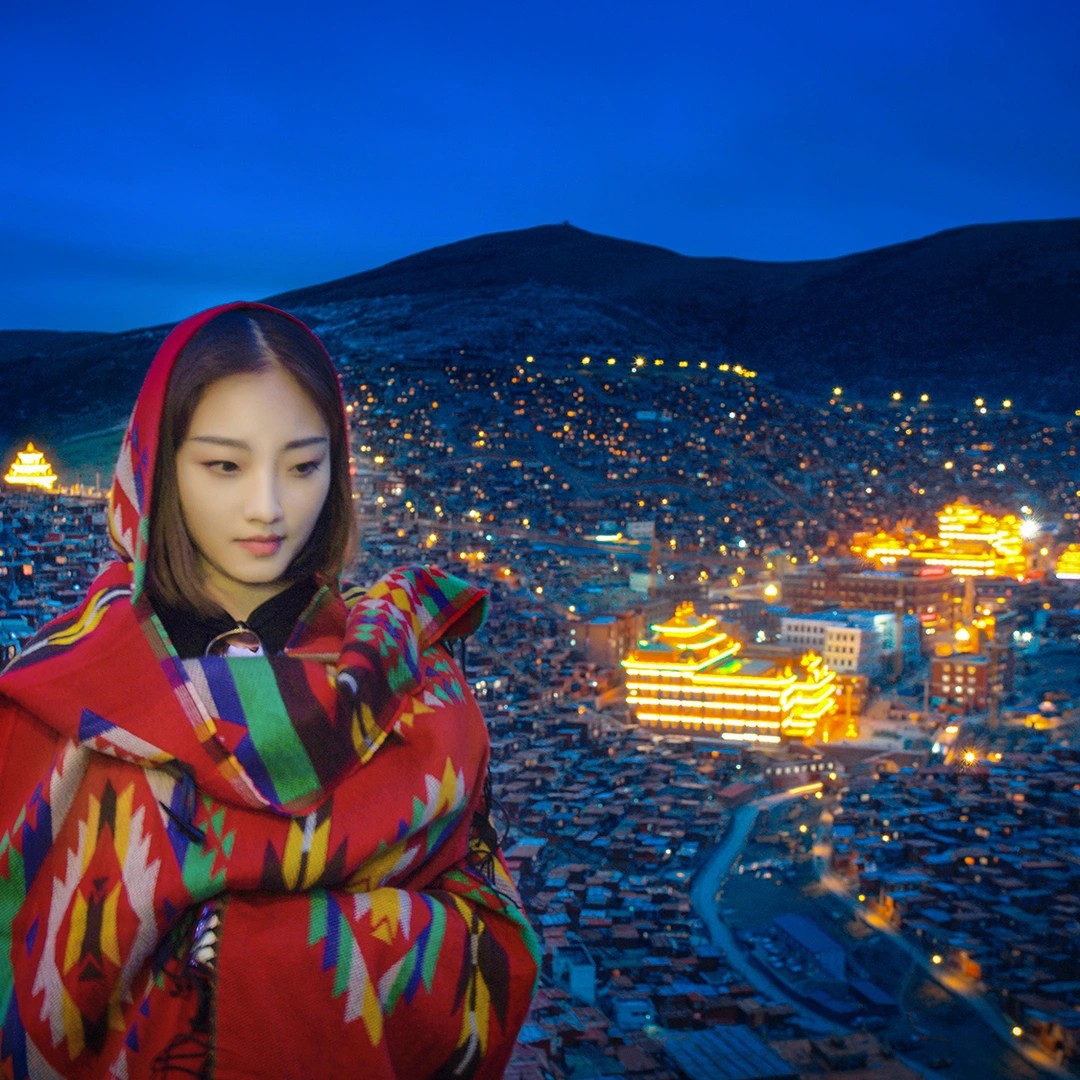
Plateau temperature swings are extreme. Under midday sun, you might want short sleeves—but by evening, cold wind will leave you shivering. Use the "onion-style layering" method: moisture-wicking base layer + fleece + windbreaker. In winter, add a down jacket, thermal pants, snow boots, gloves, and a scarf.
Photography Taboos: Respect Over Getting the Shot
- Absolutely prohibited: Photographing the sky burial site or monks and nuns in meditation (especially close-ups). Do not enter religious halls or sacred spaces without permission.
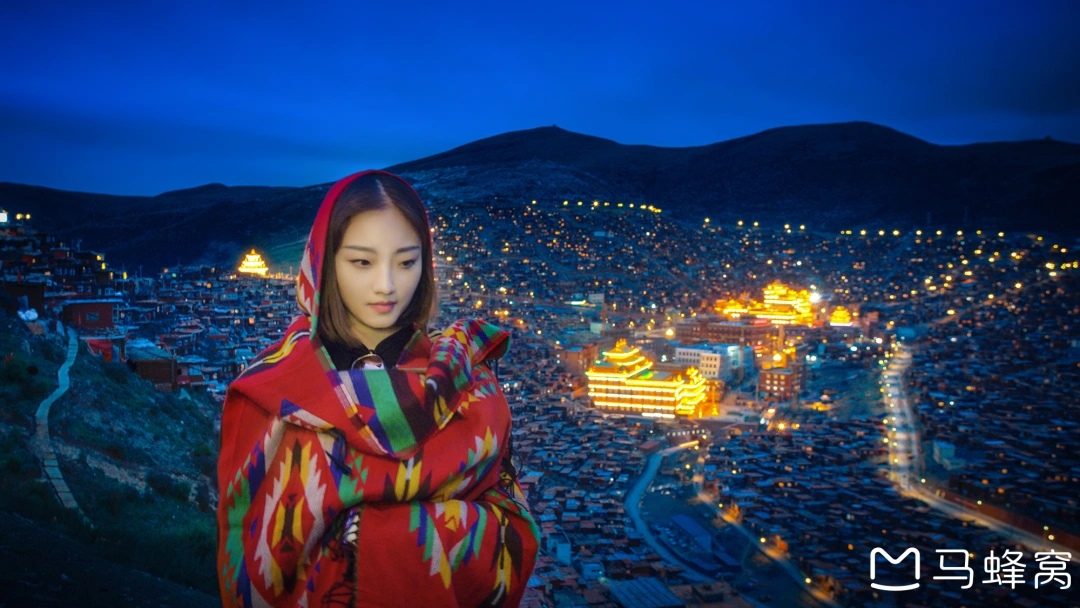
- Best spots: The academy's observation deck, the Mandala (altar), and small hillside paths. Dawn and dusk light gives red houses a golden glow.
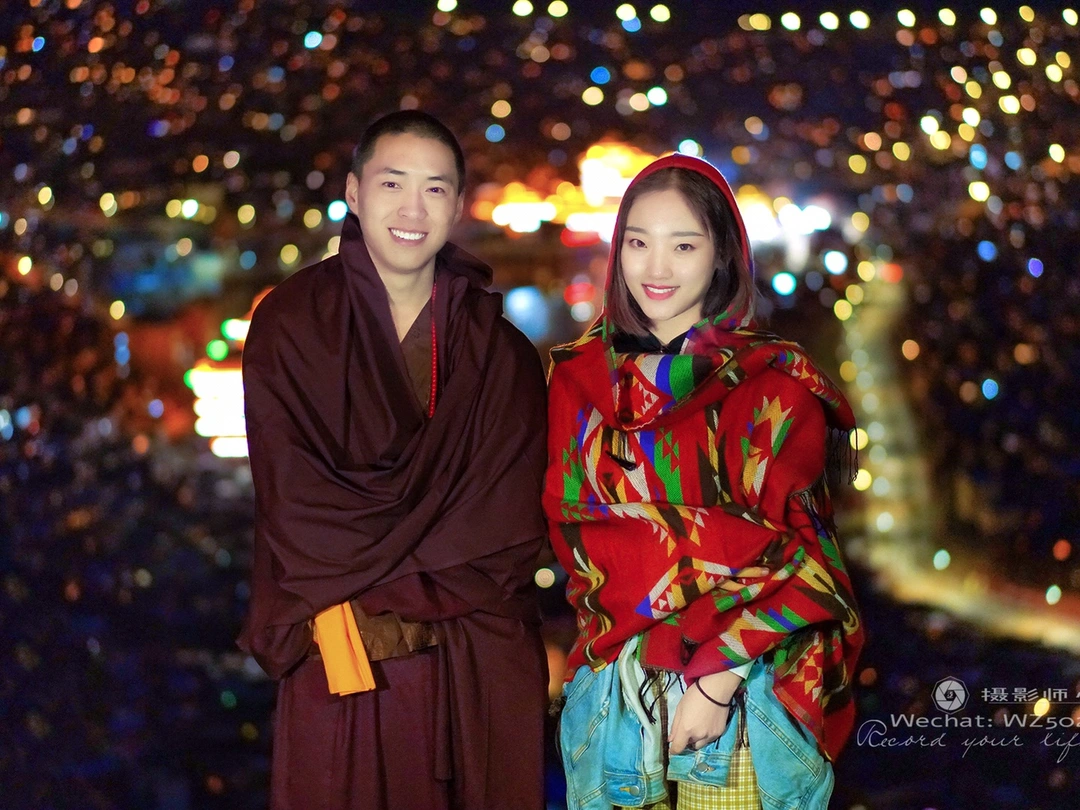
- Clothing tips: Light-colored or brightly colored outfits work well—a versatile shawl can elevate your look. But choose pieces that highlight your own style, not just what others wear.
Transportation: Self-Driving Is the Way to Go
Sertar is located in Garzê Tibetan Autonomous Prefecture, Sichuan Province, about 20 kilometers from the county seat. I recommend driving the Sichuan-Tibet route for maximum flexibility. [Link: Sichuan-Tibet self-driving route guide] For those without a car, buses run from Chengdu to Sertar County, followed by a short taxi ride.
Accommodation and Food: What to Expect
Lodging near the academy ranges from basic guesthouses to slightly more comfortable hotels in Sertar County. Most accommodations are simple—think heated blankets and shared bathrooms. Book ahead during peak seasons (June-October). Food options include Tibetan staples like yak meat, butter tea, and tsampa, as well as Chinese noodle shops. Vegetarian options are limited but available.
FAQ: Your Sertar Questions Answered
1. Is Sertar safe for solo female travelers?
 Yes, but with precautions. The academy is generally safe, but the high altitude and remote location require planning. Stick to main paths, avoid walking alone at night, and inform someone of your itinerary. Consider joining a small group tour for added safety.
2. Can I visit the sky burial site?
The sky burial site is off-limits to tourists. Photography is strictly prohibited. Respect local customs—this is a sacred ritual, not a tourist attraction.
3. What's the best time for photography?
Dawn and dusk offer the softest light. Winter provides the most dramatic contrast between red houses and snow. Autumn (late October) delivers golden leaves. For star photography, visit during a new moon in winter.
4. How long should I stay?
 Most visitors spend 2-3 days at the academy. This allows time for exploration, attending prayer sessions, and acclimatizing to the altitude. Add extra days for travel to/from Chengdu.
5. Are there English-speaking guides?
Limited. Most guides speak Chinese or Tibetan. Consider hiring a local guide through your accommodation or joining a tour group. Download offline translation apps before you go.
Call to Action: Plan Your Sertar Journey Today
Sertar Larung Gar Five Sciences Buddhist Academy isn't just a destination—it's an experience that will stay with you forever. Whether you're seeking spiritual connection, breathtaking photography, or simply a break from the ordinary, this crimson-covered hillside offers something unique in every season.
Ready to plan your trip? Start by checking the weather for your preferred season, packing accordingly, and booking accommodation early. For self-driving enthusiasts, map out your Sichuan-Tibet route [Link: best Western Sichuan road trips]. And if you're unsure where to begin, drop a comment below—I'd love to help you craft your perfect Sertar itinerary.
Faith grows among the red houses. Will you answer the call?
You may also like


