SEO-Optimized Article: Jialing River Travel Guide – Exploring Ancient Cave Temples & Hidden Gems in Sichuan
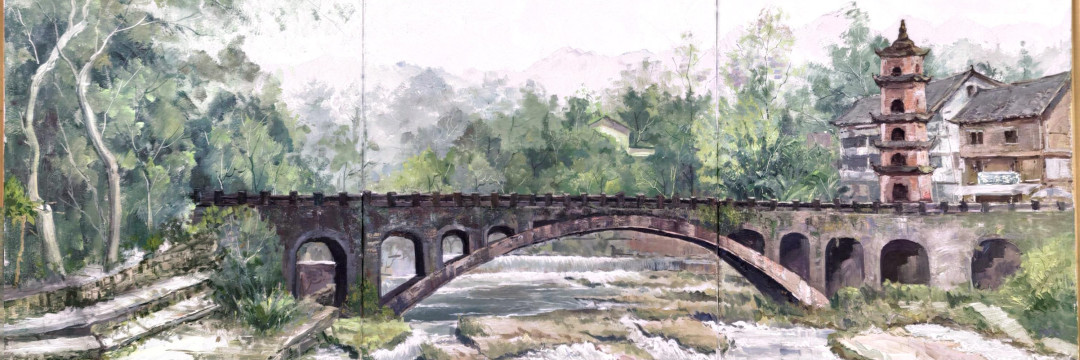
Meta Description: Discover the Jialing River travel guide covering Dazu & Anyue rock carvings, Chongqing's hidden spots, and Song Dynasty art. Plan your Sichuan cultural road trip with expert tips.
Introduction: When Weather Derails Your Plans, Follow the River
My third trip to Sichuan was supposed to be a high-altitude dream—snow-capped peaks of Mount Siguniang, autumn colors in Bipenggou, and the winding curves of the Lixiao Highway. But the weather forecast had other ideas. A relentless string of rain icons dashed my alpine expectations like a bucket of cold water. With plane tickets booked and vacation days approved, I had no choice but to pivot.
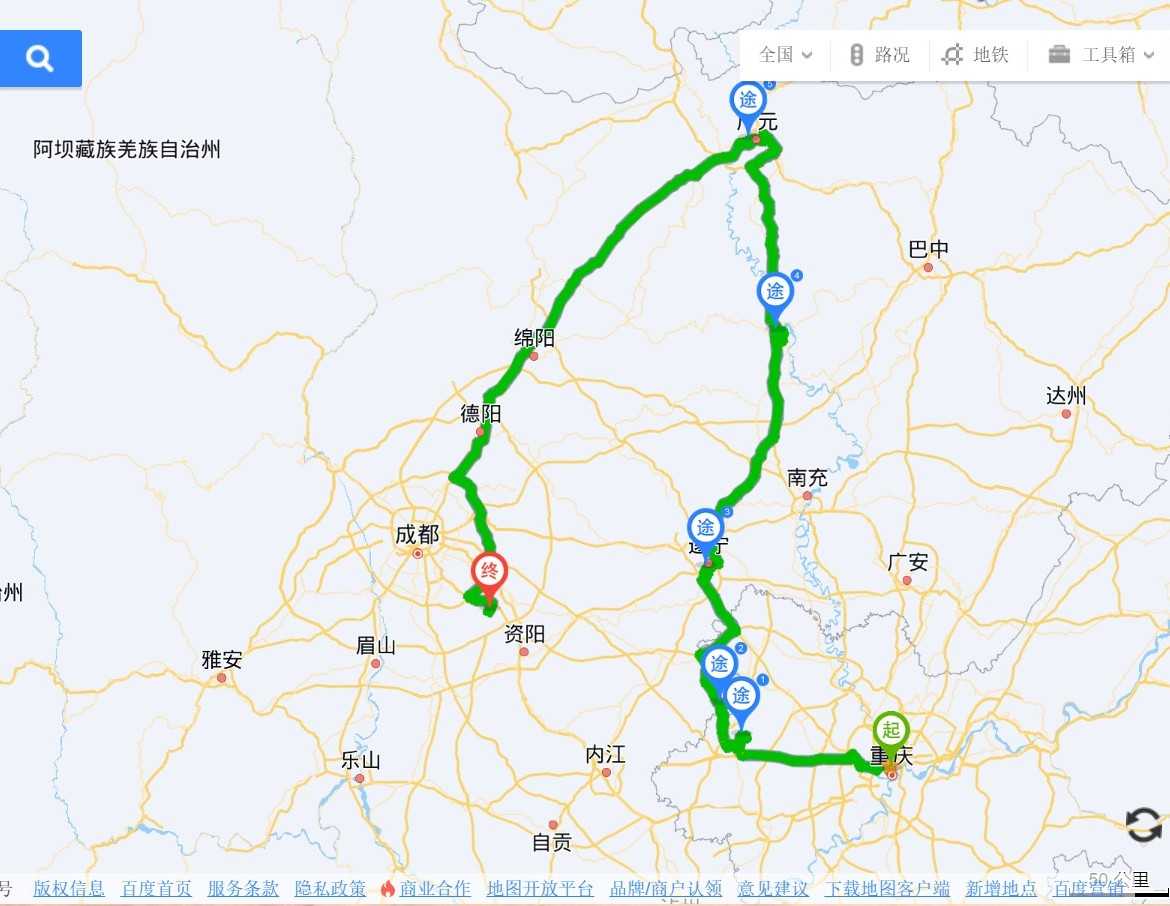
That's when the Jialing River caught my eye on the map. Surging from the depths of the Qinling Mountains, this ancient waterway has carved hidden gorges and terraced plateaus into northern Sichuan's folds. Along its banks lie China's late-period cave temple masterpieces—Dazu Rock Carvings, Anyue Rock Carvings, Guangyuan, and the two-thousand-year-old Golden Ox Ancient Road (Jinniu Gudao). I decided to travel upstream from Chongqing, following the Jialing's veins to pick up pieces of a bronze moon polished bright by time.
What you'll discover in this Jialing River travel guide: - Chongqing's best photo spots and cultural hideaways - Dazu and Anyue rock carvings – UNESCO-worthy masterpieces - Practical tips for navigating Sichuan's cave temple circuit - Where to stay, eat, and photograph along the way
Chapter 1: Chongqing Travel Guide – Light, Shadow & Urban Layers
Homa Art Studio: An Unexpected Artistic Awakening
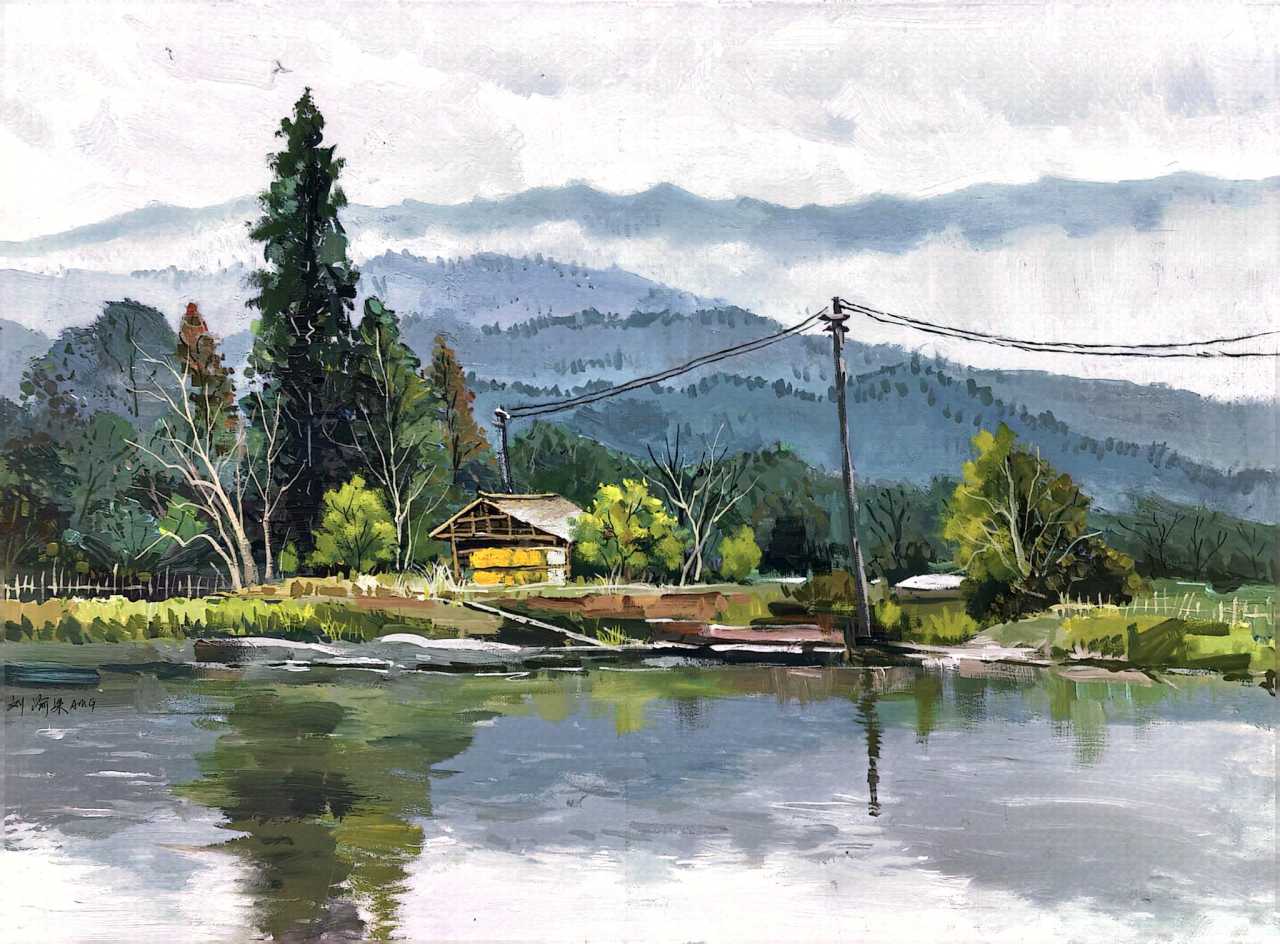
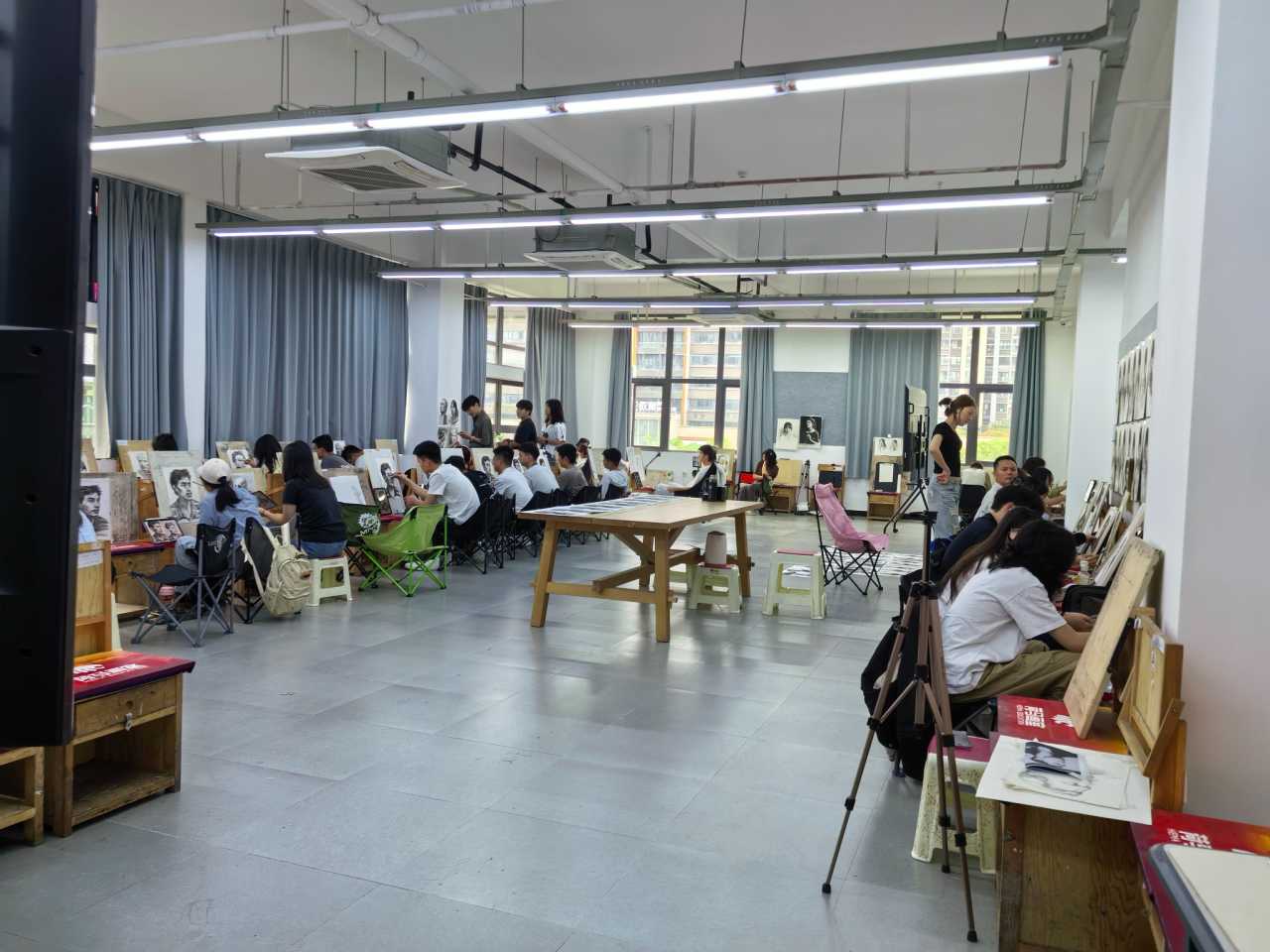
My first stop in Chongqing was the Homa Art Studio in the university town. As a self-confessed engineering nerd, my art vocabulary was limited to "I like it" and "I don't." But walking into that building—walls plastered with sketches, color studies, and design drafts—I was genuinely floored. These art students were training in their own "Whampoa Military Academy." Their brushstrokes may have been immature, but the focus in their eyes reminded me of burning midnight oil in the lab. I quietly snapped photos of a few pieces and silently wished them success.
[Link: Chongqing art districts – explore more creative hubs]
Xiahaoli: Where Old Chongqing Meets New Trends
As dusk fell, I walked to Xiahaoli, Chongqing's newest Instagram hotspot on the eastern side of where the Jialing and Yangtze Rivers meet. The hillside was dotted with trendy cafés and boutiques. Young people sipped coffee on terraces, the river breeze carrying the aroma of hotpot. It felt remarkably like Fuzhou's Yantai Mountain—built on a hillside, surrounded by river views, hiding everyday life beneath a commercialized veneer.
As the sun sank, lights flickered across the river. A weekend drone show spelled out "Hello Chongqing" in the night sky. In that moment, I admitted I was captivated by this city's play of light and shadow.
Shancheng Lane & Baixiangju: Navigating a 3D Maze

Early the next morning, I emerged from Qixingang metro station and walked down Shancheng Lane from top to bottom. This old-meets-new walking path was crowded, but every step offered a different view—ivy-covered walls, laundry hanging from windows, a cat napping on stone steps. Passing through Shibati, I detoured to see the wartime air-raid shelter exhibition. Those black-and-white photos recorded the city's most resilient memories.
Baixiangju is the best spot for photographing the Yangtze River Cableway. The building was packed with photographers wielding long lenses and tripods. But it was the unassuming Donghua Temple—a small Taoist temple I stumbled upon by the roadside—that made me linger. Under its upturned eaves, incense smoke curled upward. An old Taoist priest swept the ground. Time seemed frozen there.
Ciqikou Ancient Town & Raffles City: Slow Time & Skyline Views
The commercialization of Ciqikou Ancient Town was almost suffocating. But I found my rhythm on the terrace of the Fanjing Teahouse, ordering a bowl of covered tea (gaiwan cha) and spending two hours staring at the Jialing River. Occasionally a sightseeing boat passed, its horn diluted by the river breeze into a distant echo. In that moment, I understood why Chongqing locals love the word "bashi" (巴适, meaning comfortable or content). It's not laziness—it's wisdom for making peace with life.
My last stop was the rooftop of Raffles City. Standing 250 meters above the confluence of the two rivers, the tour boats at Chaotianmen looked like toys moving slowly. Chongqing's night view didn't astound me, but the feeling of being wrapped in river water and lights was like a warm glass of wine—slowly seeping warmth through my whole body.
[Link: Chongqing night photography guide – best viewpoints]
Chapter 2: Dazu Rock Carvings – Southern Song Art in Stone
Baodingshan: A Complete Esoteric Buddhist Sanctuary
A two-hour drive from Chongqing brought me to Dazu, a small town world-famous for its rock carvings. Baodingshan is the crown jewel. The Southern Song monk Zhao Zhifeng spent his entire life creating a complete Esoteric Buddhist cave sanctuary here. The carvings unfold along the mountainside, stretching about 500 meters, with 31 large-scale relief panels forming a grand religious narrative system.
Standing before the "Six Paths of Reincarnation" (Liudao Lunhui Tu), I was awed by the immense Wheel of Destiny—gods, humans, asuras, animals, hungry ghosts, and hell beings cycling endlessly within the giant wheel. The Buddha gently holds its rim, as if to say: All is suffering; only awakening brings liberation. In the "Three Holy Ones of the Avatamsaka Sutra" (Huayan San Sheng Xiang), Vairocana Buddha stands 5.5 meters tall, flanked by Manjushri and Samantabhadra Bodhisattvas holding pagodas, their robes cascading like flowing water.
The most astonishing is the Thousand-Armed Guanyin—1,007 golden hands spread out like a peacock's tail, each in a different gesture, with an eye carved in each palm. It's said this statue took eight years to restore, with artisans applying gold leaf piece by piece to revive its 800-year-old glory. Standing before the Guanyin, a phrase came to mind: Faith is nothing more than humanity's effort to find eternity in the midst of impermanence.
The Ox-Herding Pictures: A Pastoral Poem of Spiritual Practice
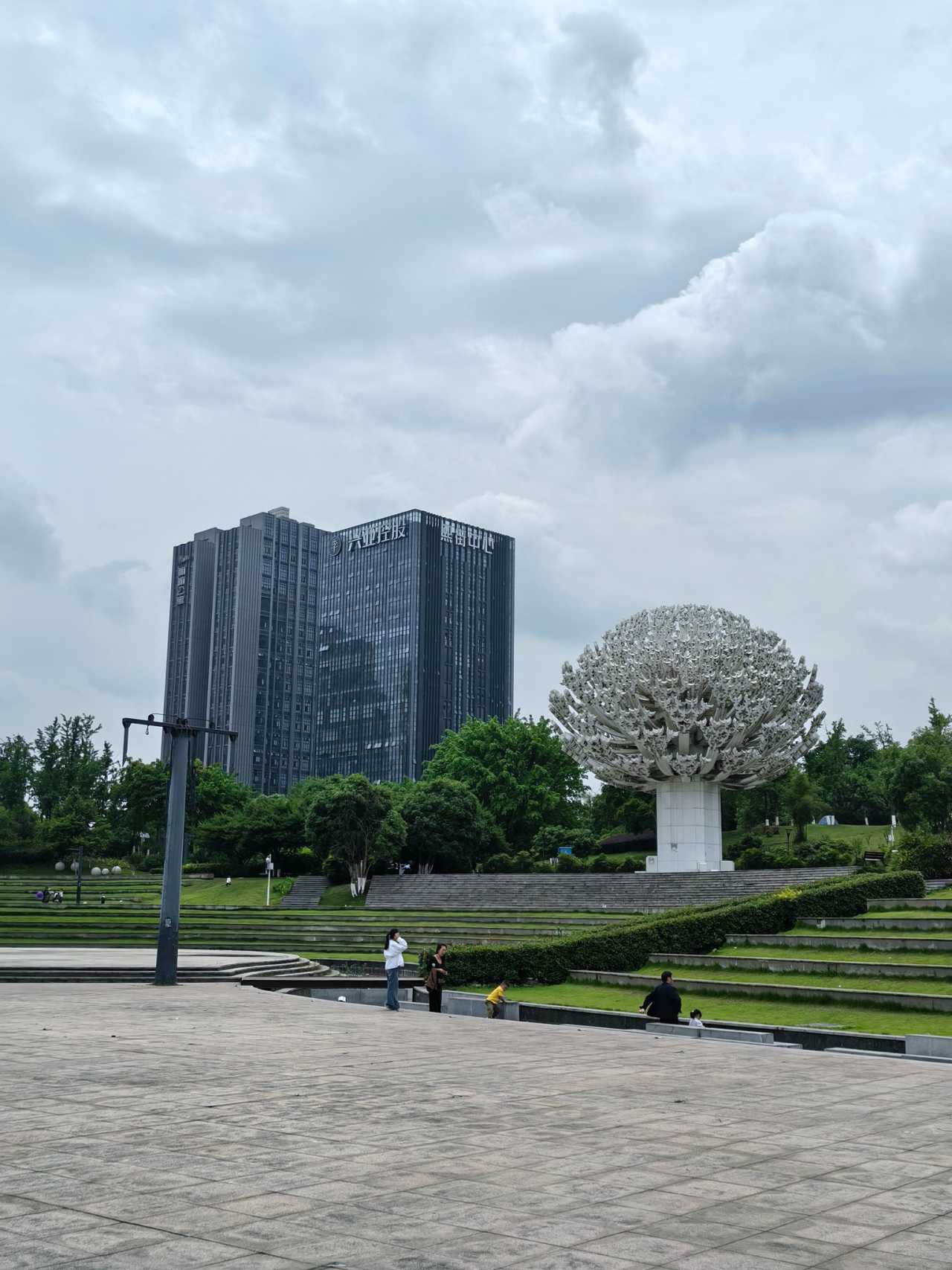
What moved me most at Baodingshan wasn't the grand Buddha statues, but a set of reliefs called the "Ox-Herding Pictures" (Muni Tu). Ten panels depict a cowherd taming an ox—from the animal's initial wild rebellion to its eventual docility, and finally the cowherd sitting on the ox's back playing a flute while the ox grazes peacefully. Using pastoral life as a metaphor, these carvings illustrate the stages of Buddhist practice: from subduing the mind to effortless freedom. The cowherd's smiles and the ox's playful expressions gave cold stone warmth. This is what makes Chinese cave art unique—it doesn't just tell stories of gods; it tells stories of people.
[Link: Dazu Rock Carvings visitor guide – tickets, best time to visit]
Where to Stay Near Dazu Rock Carvings
Two excellent hotels are near the Dazu Rock Carvings:
| Hotel | Style | Highlights |
|---|---|---|
| Kaiyuan Guantang | Song Dynasty aesthetics, high-end | Bamboo courtyard, tea tables, excellent restaurant "Xiaguanzi" |
| Baoding Xiaozhu | Local government-run, authentic | Murals from stone carving rubbings, more budget-friendly |
I chose Kaiyuan Guantang because its restaurant "Xiaguanzi" (下馆子, literally "Eat Out") was said to be excellent—and the bowl of tofu and rice (douhua fan) was indeed unforgettable.
Chapter 3: Anyue Rock Carvings – Song Dynasty Realism at Its Peak
Mingshan Temple: Bodhisattvas Hidden in the Cliff Face
From Dazu to Anyue is only a two-hour drive. But Anyue's carvings are scattered across the countryside, less visited and more intimate. Mingshan Temple houses some of the finest Song Dynasty bodhisattva statues in China—hidden in the cliff face, their expressions remarkably human. Unlike Dazu's grand narrative panels, Anyue's carvings focus on individual figures with lifelike proportions and subtle emotions. The Guanyin statues here are particularly renowned for their gentle, almost playful smiles.
[Link: Anyue Rock Carvings self-drive itinerary]
FAQ: Jialing River Travel & Sichuan Cave Temples
1. What is the best time to visit Dazu and Anyue rock carvings?
Spring (March–May) and autumn (September–November) offer mild temperatures and clear skies. Summer can be hot and humid; winter is chilly but less crowded. Avoid Chinese national holidays for smaller crowds.
2. How do I get from Chongqing to Dazu Rock Carvings?
 Drive or take a bus from Chongqing's Chenjiaping Bus Station (2 hours). The high-speed train from Chongqing West to Dazu South takes about 40 minutes, followed by a local bus or taxi (30 minutes) to the carvings.
3. Are the Anyue Rock Carvings worth visiting after Dazu?
Absolutely. While Dazu is more famous and well-preserved, Anyue offers a quieter, more authentic experience with fewer tourists. The carvings are more scattered, so a rental car or private driver is recommended.
4. What should I pack for a Jialing River cultural road trip?
 Comfortable walking shoes (many stairs), a light jacket (river breeze can be cool), sunscreen, a camera with a wide-angle lens for carvings, and a reusable water bottle. Most temples require modest clothing (cover shoulders and knees).
5. How many days do I need for this itinerary?
4–5 days minimum: 2 days in Chongqing, 1 day for Dazu, 1 day for Anyue, plus travel time. Add 1–2 days if you want to explore Guangyuan or the Golden Ox Ancient Road.
Conclusion: Your Jialing River Adventure Awaits
This journey along the Jialing River taught me something valuable: sometimes the best trips are the ones you never planned. When the weather closed the door on alpine dreams, the river opened a window to millennia of art, history, and everyday beauty.
From Chongqing's neon-lit skyline to the serene bodhisattvas hidden in cliff faces, from a bowl of douhua fan at a Song Dynasty-inspired hotel to the wisdom of an ox-herding cowherd carved in stone—this is a journey that feeds both the eyes and the soul.
Ready to pick up your own bronze moon along the Jialing River?
👉 Start planning your trip today: Book your Chongqing flights, reserve a rental car for the Dazu-Anyue circuit, and pack your curiosity. The river is waiting.
[Link: Sichuan cultural travel packages – curated itineraries]
Have you explored the Jialing River's cave temples? Share your experience in the comments below, or ask any questions about planning your trip!
You may also like


