SEO-Optimized Article: Atypical Chengdu Surroundings | Three Days and Two Nights: Seeking Ancient Buddhist Treasures in the Mountains
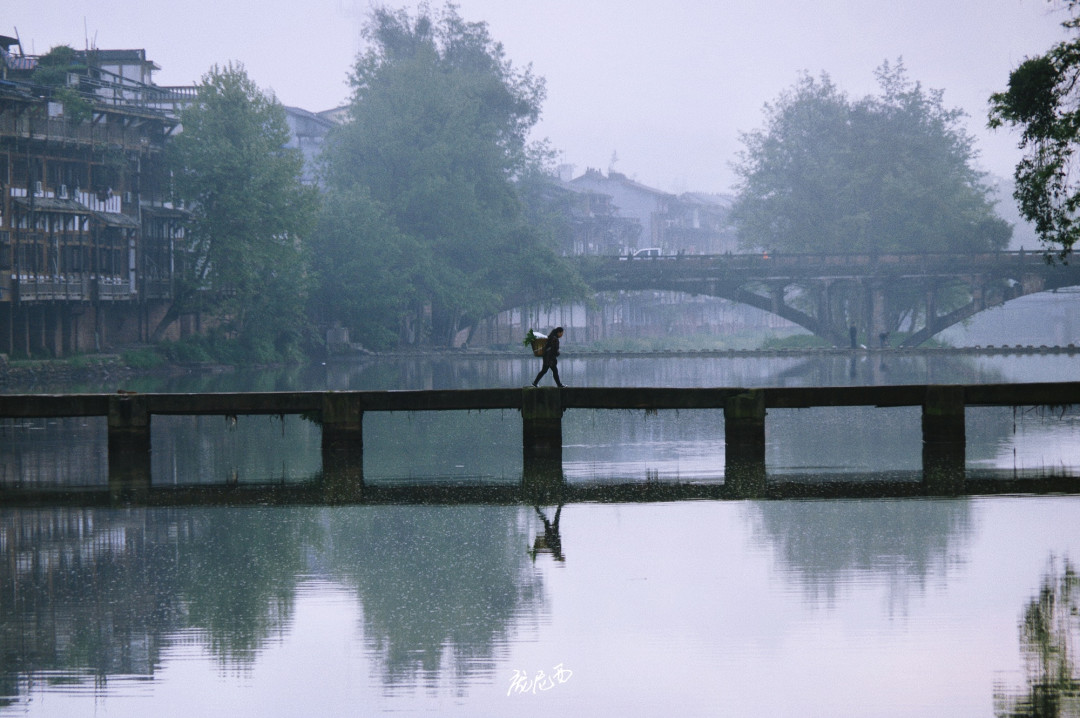
Meta Description: Explore off-the-beaten-path Chengdu surroundings with our 3-day itinerary. Discover moss-covered Buddhist ruins, Chinese-Western ancient towns, and hidden gems in Dayi and Qionglai. Perfect for weekend getaways from Chengdu.
Introduction: Rediscovering Hidden Gems in Chengdu's Backyard
In the third year of pandemic travel restrictions, exploring the outskirts of Chengdu became a revelation. While far-flung destinations remained out of reach, the Chengdu surroundings revealed themselves as treasure troves of history, culture, and natural beauty. This three-day, two-night journey through Dayi and Qionglai—two seemingly ordinary destinations—uncovered moss-covered Buddhist ruins, a quirky Chinese-Western ancient town, the final resting place of a Three Kingdoms general, and a thousand-year-old love story of elopement.
This isn't just a travelogue; it's a journey in conversation with time. Whether you're planning a weekend getaway from Chengdu or seeking off-the-beaten-path Sichuan attractions, this atypical Chengdu itinerary offers authentic experiences away from tourist crowds.
Day 1: Yuelai Ancient Town – Where East Meets West
A Serendipitous Stop in Yuelai
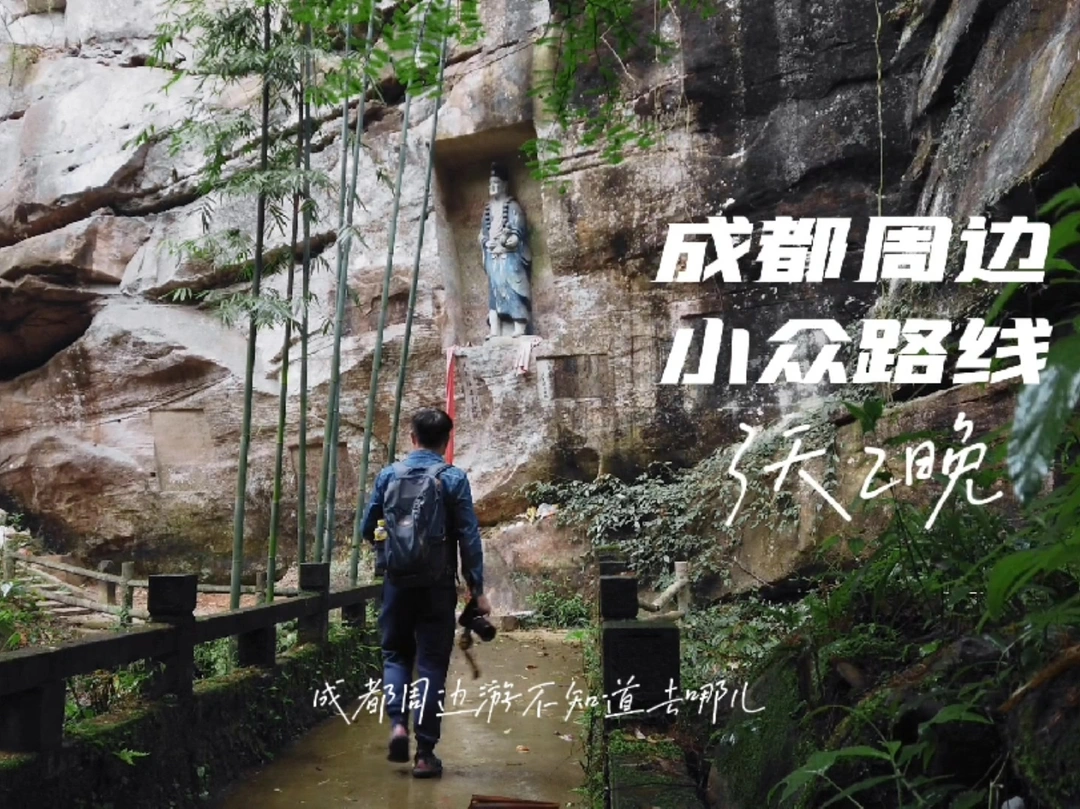
Our first day began lazily, sleeping until noon before heading to Wuzhong Mountain. However, hunger struck at Yuelai, and we decided to stop for lunch. Despite visiting Dayi countless times, I'd never stepped foot in Yuelai Ancient Town—a confession that speaks volumes about how much we overlook our own backyard.
The food in towns around Chengdu never disappoints. A random, unremarkable eatery served a bowl of blood curd (xuè wàng) and a plate of tofu pudding (dòuhuā) that left us completely satisfied. Sometimes, the places you least expect bring the biggest surprises.
Exploring Yuelai's Unique Character
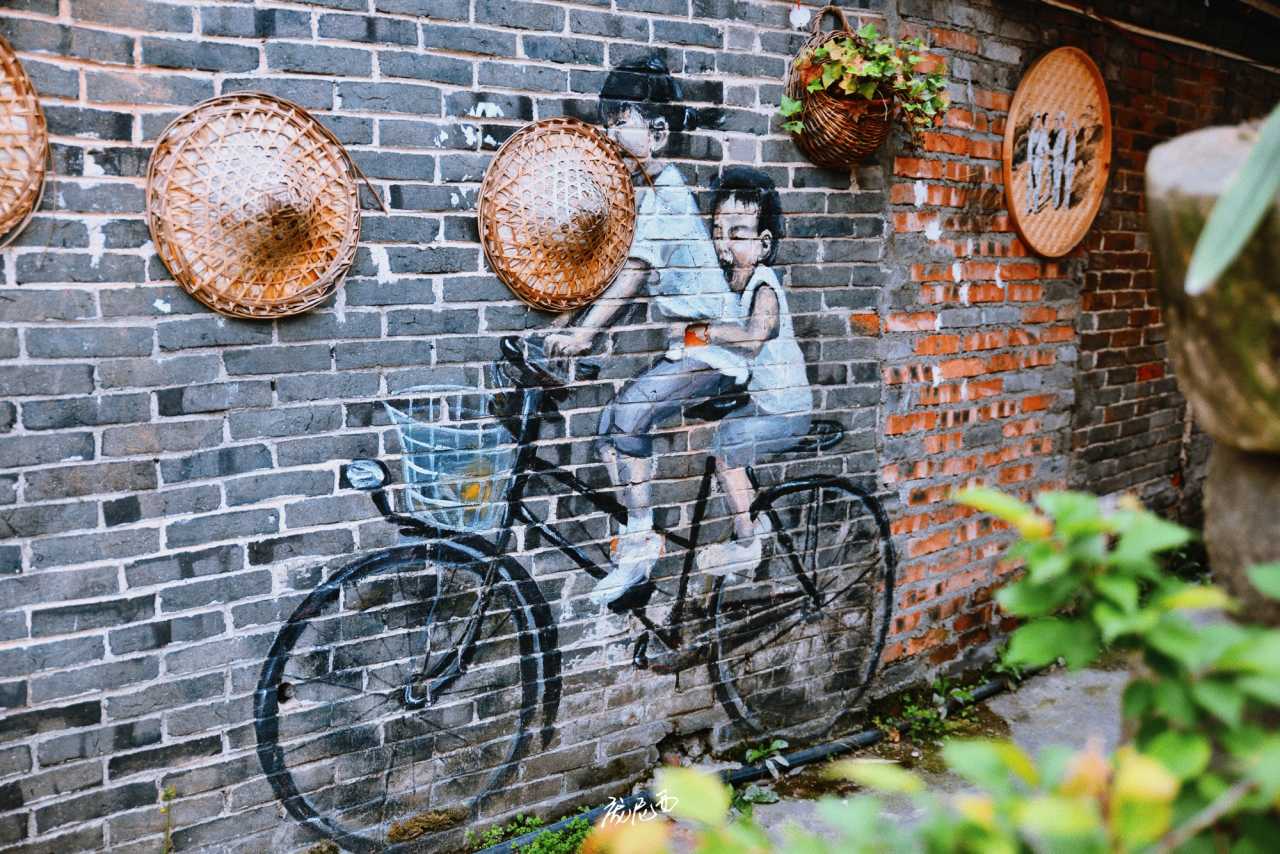
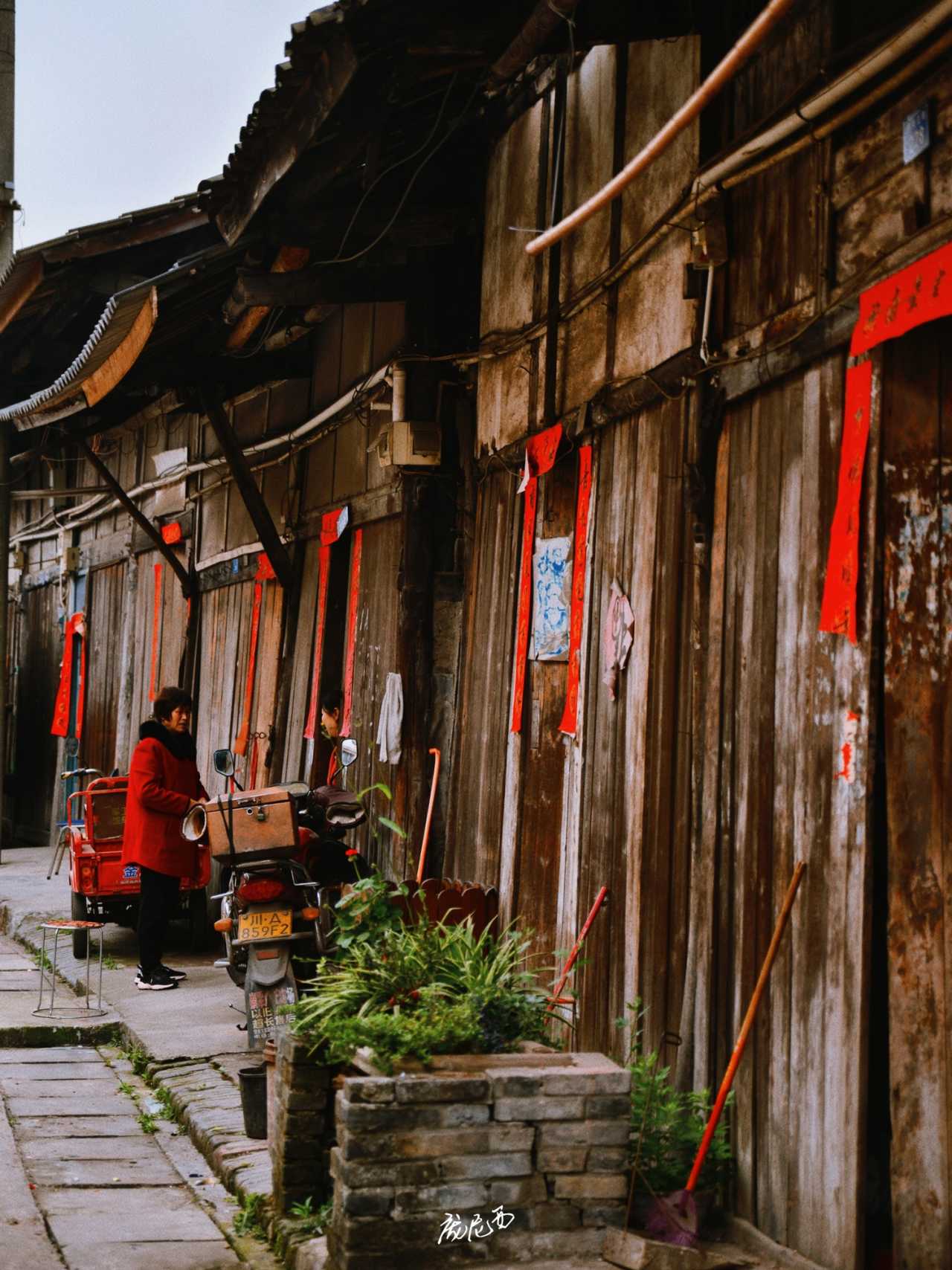
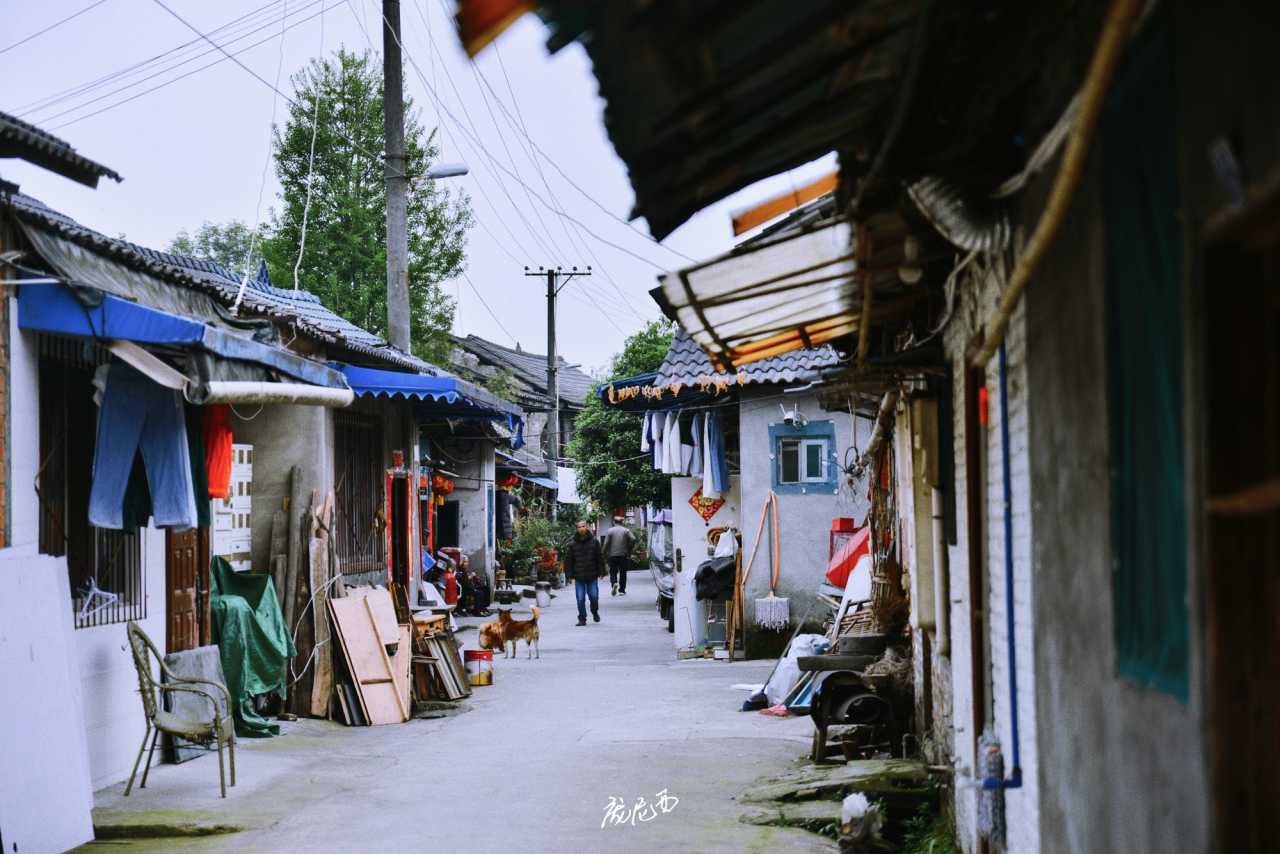
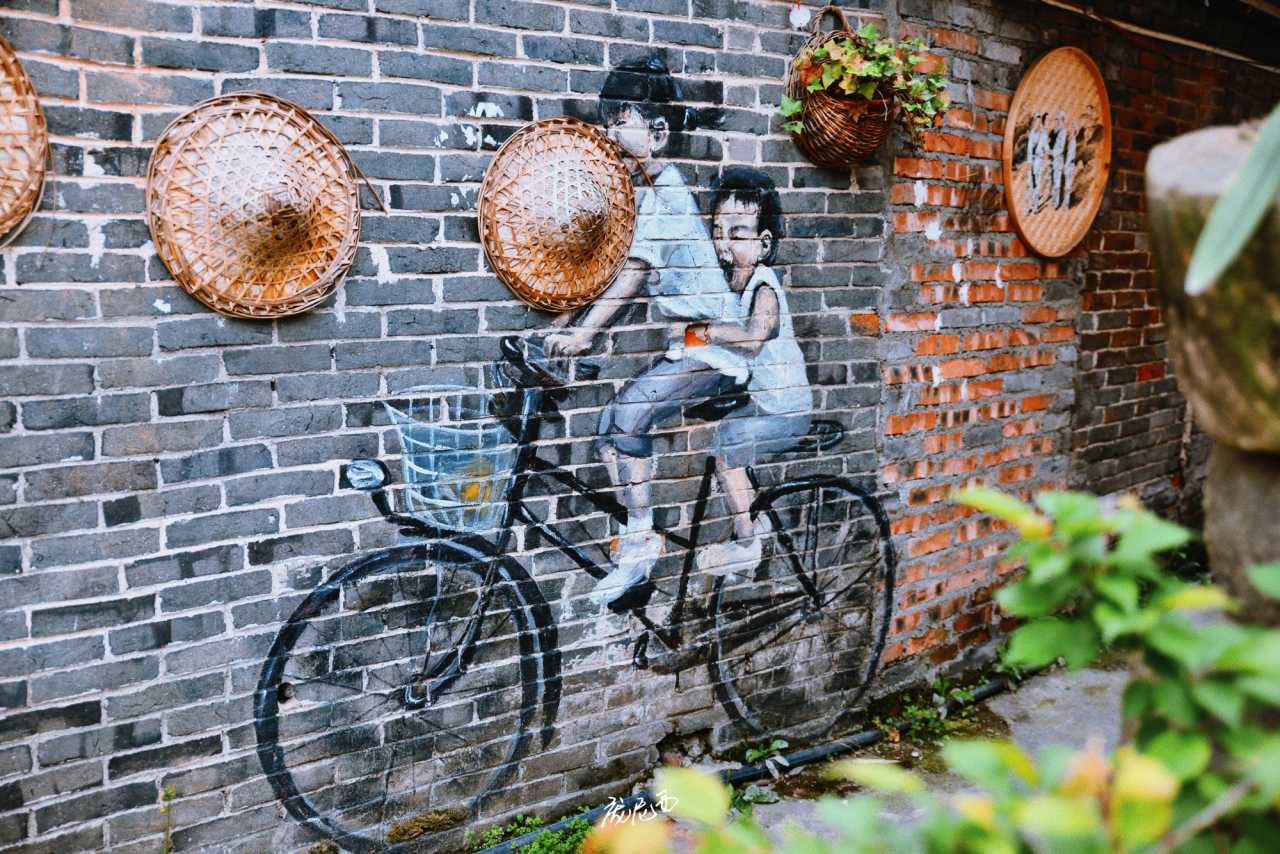
Yuelai Ancient Town remains one of the least developed ancient towns around Chengdu. Apart from some street murals—colorful graffiti reminiscent of Penang, Malaysia—most of the place still functions as an ordinary township. Stepping onto the old stone-paved streets of the main thoroughfare feels like breaking free from the shackles of time. Tiled wooden houses bear the marks of age, while faded revolutionary slogans on walls tell stories of changing eras.
History of Yuelai: Dating back 1,300 years to the early Tang Dynasty, Yuelai was originally called "Guankou." Surrounded by dense forests where wild animals roamed, it was the only place for miles around where people could gather for markets. Over time, the call to "meet up" evolved into "Yuelai"—a pun on the original phrase.
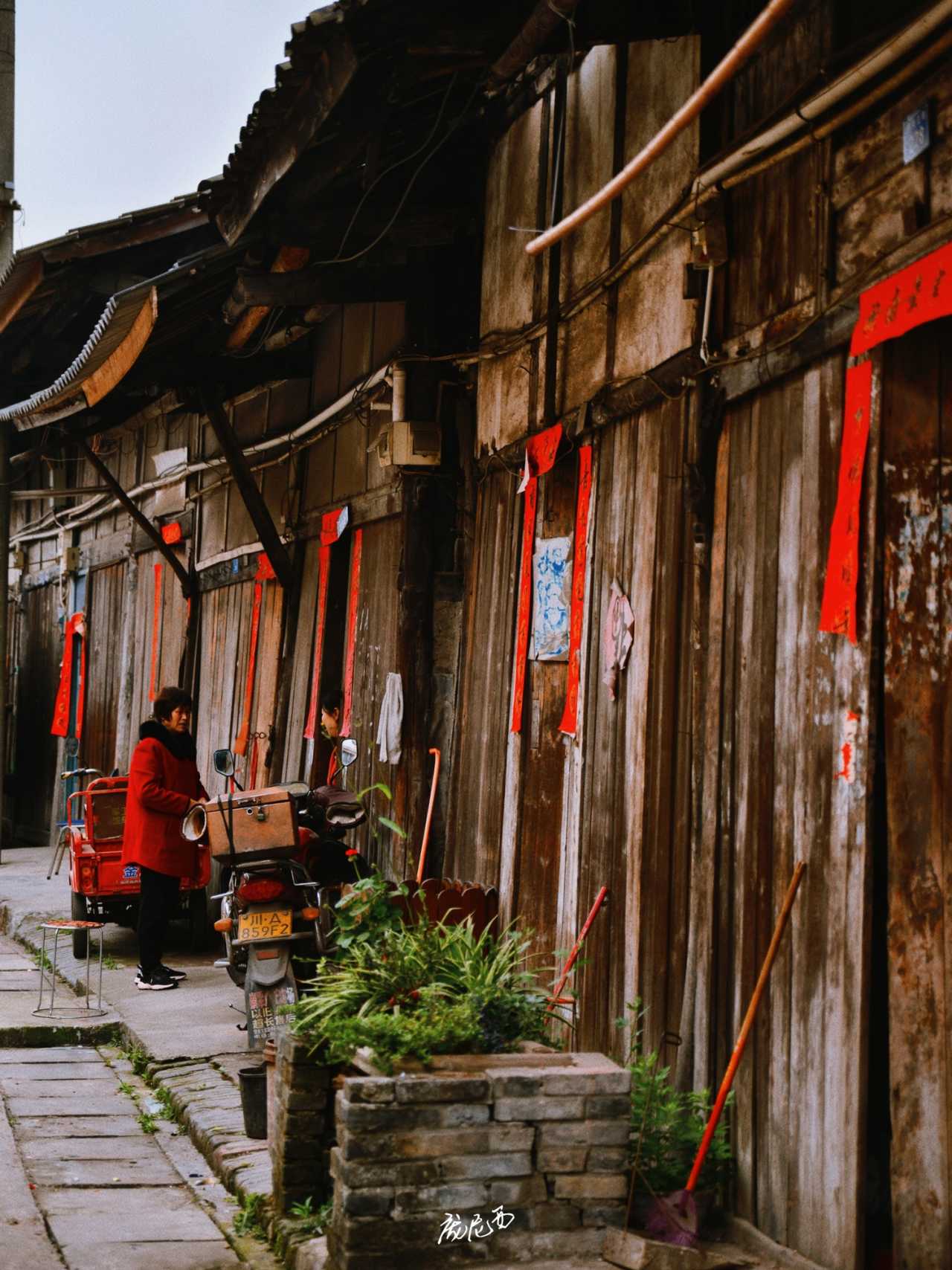
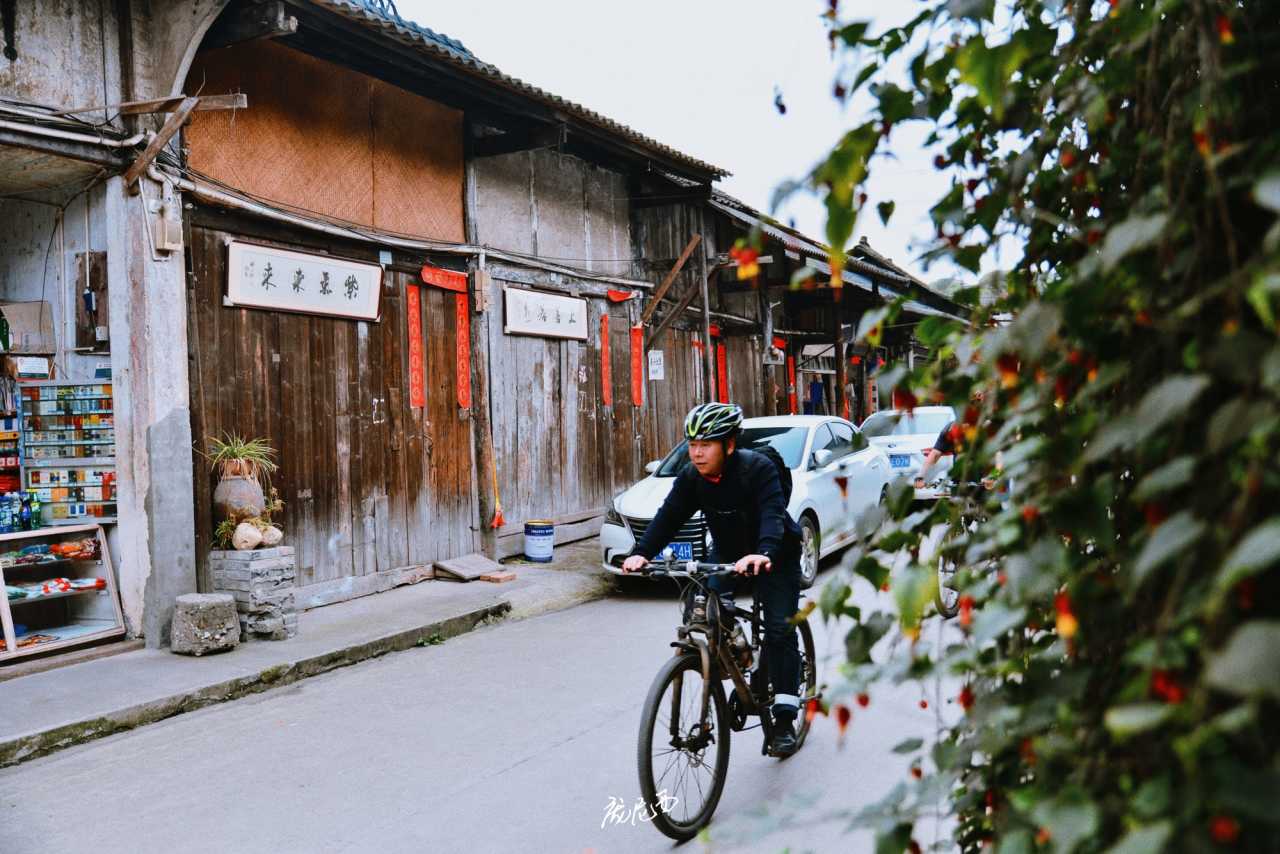
Walking into the main street feels like time-traveling to the 1970s or 80s. On both sides of the quiet street stand mostly late Qing and Republican-era column-and-tie-beam houses with gray tiles and blue brick walls. Look closely, and you'll notice Western architectural elements subtly woven in: triangular window frames, Roman-style stucco—clear evidence that this place once thrived with merchants and prosperity.
Key Attractions in Yuelai Ancient Town
Number 209 – The Supply and Marketing Cooperative: A modern building with red characters in concrete frames reading "Develop the Economy, Ensure Supply." This was once a supply and marketing cooperative, and its interior remains largely unchanged: counters arranged in an inverted U-shape, with staff inside and customers outside. This 1980s layout may keep customers at a distance, but it brings visitors closer to the past.
Number 309 – Former Residence of Che Yaoxian: Yuelai's greatest pride is the former residence of Che Yaoxian, founder of "Nuli Can" (Effort Meal), a long-established restaurant at the intersection of Jinhe Road in Chengdu. However, the current residence is a reconstruction rather than the original.
The Leng Mansion (Juelu): The town's most dazzling feature is this Western-style mansion built in the 1930s. Unlike other attractions, the Leng Mansion isn't on the main street—you have to take a side path to find it, and without guidance, it's easy to miss. This gives it an air of solitary elegance.
During the pandemic, the iron gate was locked, preventing entry. But even walking around the outer walls reveals the sophistication and grandeur of this Chinese-Western courtyard mansion. The blue brick walls, about three meters thick, were said to be impenetrable even by cannon fire. Inside, a carved stone archway with red and white lines depicts simple flowers, birds, and insects, with the characters "觉庐" (Juelu) in regular script above.
[Link: Best ancient towns near Chengdu for weekend trips]
Day 2: Wuzhong Mountain Buddhist Ruins – A Hidden Spiritual Sanctuary
The Secret Realm of Wuzhong Mountain

Leaving Yuelai Ancient Town, we officially entered the mountainous area of Dayi. Our destination was Wuzhong Mountain—a relatively niche spot in Dayi that holds immense significance in Chinese Buddhist history.
Wuzhong Mountain Overview: Belonging to the eastern foothills of the Qionglai Mountain Range, Wuzhong Mountain is named for being "perpetually shrouded in mist." Though not well-known today, it was an important Amitabha Pure Land site. According to the Sichuan General Gazetteer, Wuzhong Mountain was the first stop for Buddhism's spread into China. In the 16th year of the Yongping era of the Eastern Han Dynasty (73 AD), Indian monks Kasyapa Matanga and Dharmaratna came here to build the Great Illumination Puzhao Temple and spread Buddhism—only six years later than the White Horse Temple in Luoyang.
At its peak, Wuzhong Mountain was covered with temples for miles around, housing thousands of monks. Yang Shen wrote in his Record of Wuzhong Mountain: "Kaihua Temple is the monastery of Wuzhong, the center of Buddhist teaching." Unfortunately, most temples were destroyed during the chaos of Zhang Xianzhong's rebellion at the end of the Ming Dynasty, buried in history for over 350 years. Today, it's only a provincial-level cultural protection site, known as the "Wuzhong Mountain Buddhist Ruins."
Why Moss-Covered Ruins Are More Moving Than Reconstructions
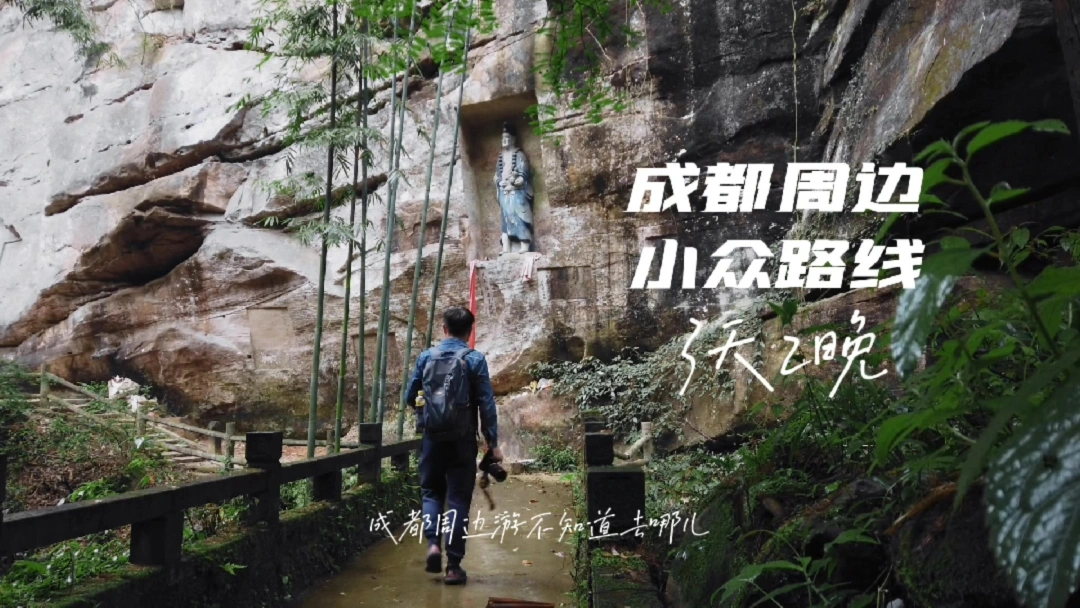
I actually prefer this moss-covered sense of history. The surviving structures are mostly ruins—stone screens, steles, column bases—scattered along the hiking trails. Compared to tacky reconstructed fakes, these broken walls and pillars are far more moving. They tell authentic stories of time, destruction, and resilience.
Exploring Wuzhong Mountain's Buddhist Relics
Our exploration of Wuzhong Mountain's Buddhist relics focused on three main sites: Jiewang Temple, Kaihua Temple, and Shifo Temple.
Jiewang Temple: Solitude Under a Millennia-Old Tree
Jiewang Temple isn't on the hiking trail but a few kilometers away from Kaihua Temple, requiring a detour off the main road. We visited on our way back.
Originally a reception point for Kaihua Temple, Jiewang Temple was built in 73 AD. However, its gate was locked, so we could only glimpse it from a small hill beside it—which turned out to be the cemetery of the temple's abbots. Overall, Jiewang Temple seemed to have been recently restored, including its three-story pavilion, which didn't look original.
The most historically valuable features are the Ming Dynasty openwork stone screen and stone lions at the mountain gate, and four ancient trees in front. One of them, a yew tree, is over 1,800 years old—a living witness to centuries of history.
Kaihua Temple: The "Yuanmingyuan" of Chinese Buddhism
Kaihua Temple is the starting point for hiking Wuzhong Mountain, and you can only park here. The monks and nuns will ask for a donation as parking fee.
Kaihua Temple is the largest restored temple on Wuzhong Mountain, including the Mahavira Hall, Sutra Hall, and Guanyin Hall. Though built in Tang Dynasty style, it lacks much ancient charm, nestled among farmers' fields. Instead, the collapsed carved bricks, engraved stones, and broken pillars along the hiking trails tell the real story—earning it the nickname "Yuanmingyuan of Chinese Buddhism."
[Link: Buddhist heritage sites in Sichuan province]
Day 3: Qionglai's Hidden Treasures
The Final Resting Place of a Three Kingdoms General

On our third day, we ventured into Qionglai to discover the final resting place of a Three Kingdoms general. While the source article doesn't name the general explicitly, Qionglai is known for several historical figures from the Three Kingdoms period. The tomb offers a quiet, contemplative experience away from the crowds.
A Thousand-Year-Old Love Story of Elopement
Qionglai is also home to a legendary love story of elopement from a thousand years ago. The tale of Wenjun and Xiangru—where the wealthy widow Zhuo Wenjun eloped with the poor poet Sima Xiangru—has been celebrated in Chinese literature for centuries. Their story of love against all odds adds a romantic layer to this historical journey.
[Link: Three Kingdoms historical sites in Sichuan]
Practical Travel Tips for Your Chengdu Surroundings Trip
Best Time to Visit
The best time to explore Dayi and Qionglai is spring (March-May) and autumn (September-November) when temperatures are mild and the mist on Wuzhong Mountain creates an atmospheric experience.
Getting There
- By car: About 1.5-2 hours from Chengdu city center to Dayi
- By bus: Regular buses from Chengdu's Chadianzi Bus Station to Dayi and Qionglai
- Recommended: Self-driving offers the most flexibility for exploring remote sites
Accommodation Options
- Dayi town center: Budget-friendly hotels and guesthouses
- Near Wuzhong Mountain: Limited options; consider staying in Dayi town
- Qionglai: A range of options from budget to mid-range
What to Pack
- Comfortable hiking shoes for Wuzhong Mountain trails
- Water and snacks (limited food options on the mountain)
- Camera for moss-covered ruins and ancient architecture
- Light jacket (mountain temperatures can be cool even in summer)
FAQ: Your Questions About Chengdu Surroundings Answered
1. Is Wuzhong Mountain suitable for beginners?
Yes, the hiking trails are moderate and suitable for most fitness levels. The main route from Kaihua Temple to the ruins is well-marked and takes about 2-3 hours round trip.
2. Are there entrance fees for these sites?
Yuelai Ancient Town and Wuzhong Mountain Buddhist Ruins are generally free to enter. Kaihua Temple may ask for a small donation for parking. Always carry some cash for such occasions.
3. Can I visit both Dayi and Qionglai in one day?
While possible, it would be rushed. For a more immersive experience, we recommend the three-day, two-night itinerary to fully appreciate the history and atmosphere of each location.
4. What is the best way to reach these places from Chengdu?
Self-driving is the most convenient option. If you don't have a car, consider hiring a private driver for the day or taking buses from Chengdu's Chadianzi Bus Station.
5. Are there guided tours available for the Buddhist ruins?
Guided tours are not commonly available for these niche sites. However, the source article and this guide provide sufficient information for self-guided exploration. You can also hire a local guide in Dayi town.
Conclusion: Your Journey Awaits
This three-day, two-night journey through the atypical Chengdu surroundings proves that hidden gems exist right in our backyard. From the Chinese-Western fusion of Yuelai Ancient Town to the moss-covered Buddhist ruins of Wuzhong Mountain, and from Three Kingdoms history to a thousand-year-old love story in Qionglai, every stop offers a unique conversation with time.
Ready to explore Chengdu's hidden treasures? Start planning your weekend getaway today. Pack your hiking shoes, charge your camera, and prepare for an adventure that combines history, nature, and authentic local culture.
Share your experience: Have you visited any of these hidden gems in Chengdu's surroundings? Share your photos and stories in the comments below, or tag us on social media with your Chengdu adventures.
Book your trip: Check out our recommended [Link: Chengdu weekend getaway packages] or [Link: Sichuan off-the-beaten-path tours] for guided experiences.
Your atypical Chengdu adventure starts now. Don't wait for faraway places—discover the treasures that have been waiting right next door.
You may also like


