Self-Driving Through Western Sichuan: An Autumn Fairy Tale Above the Clouds – The Ultimate 8-Day Road Trip Guide
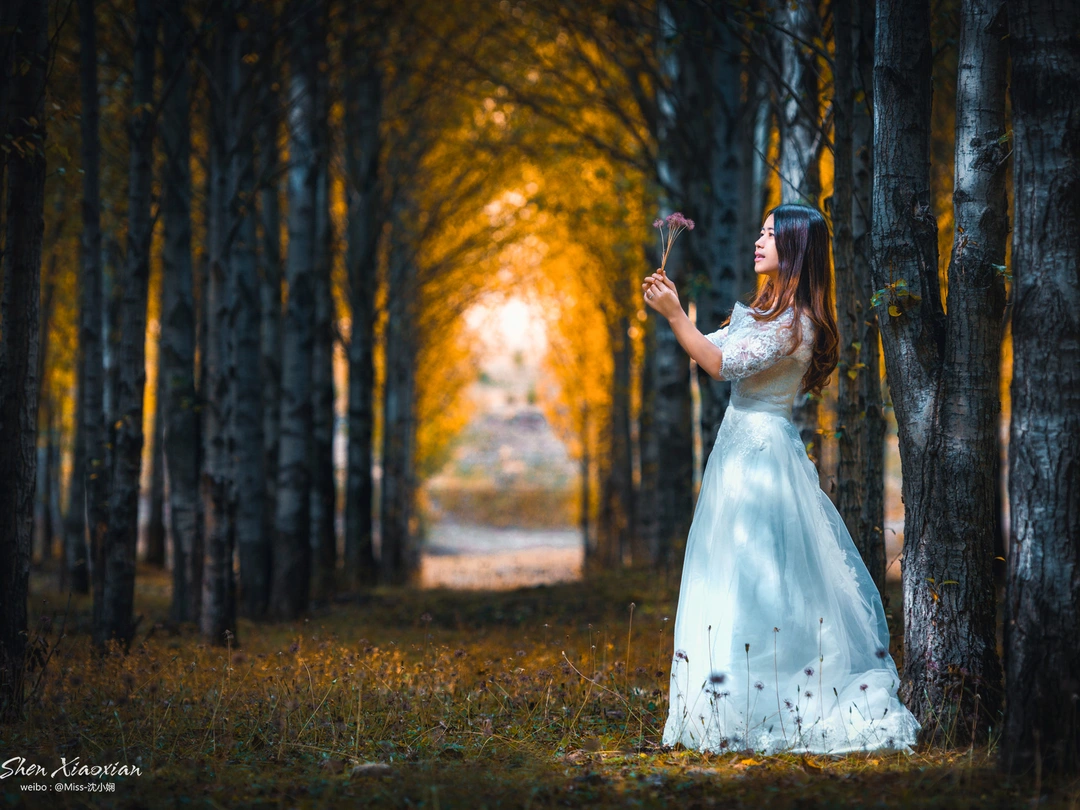
Meta Description: Discover the magic of Western Sichuan in autumn with this 8-day self-driving itinerary. From Daocheng Yading to Hailuogou Glacier, experience fairy-tale landscapes, Tibetan culture, and epic mountain views. Perfect for couples and photography lovers.
Introduction: From a Movie Promise to a Real-Life Journey
"There is a place called Daocheng, and I want to go there with the person I love most—to see the white snow, to witness an autumn fairy tale. As long as it's you in the end..."
That iconic monologue from the Chinese film I Belonged to You planted a seed deep in my heart. In 2016, I walked into the cinema alone, umbrella in hand, watching rain-soaked streets and lonely pedestrians on screen. But the images of Daocheng Yading pierced through that damp night like a beam of light.
Back then, I was single. But I made a promise: One day, I will go there with the person I love.
Life has a funny way of keeping its promises. After cycling through decent matches and absolute disasters in the dating world, I had almost given up on love. Then, quite by accident, I met the man who is now my husband—I call him "Master Liao." We're both restless souls: we love to travel, we love photography, and we love turning everyday life into poetry.
In autumn 2017, we got married. I'm from Zhejiang Province; he's from Sichuan. So our wedding naturally became a road trip from Zhejiang to Sichuan in search of autumn colors. This is the story of Western Sichuan—a self-driving adventure that turned a movie dream into a shared reality.
This travelogue has had a rough fate, too. I finished writing it once, then accidentally deleted the entire thing. My heart shattered. But I gritted my teeth and sat back down to piece together the memories. Some scenery and some experiences are worth recording—otherwise, my forgetful brain would lose them forever.
About the Author

I'm Shen Xiaoxian, an ordinary person who loves to measure the world on foot. If there's one thing worth sticking with, it's travel.
There are roads that high heels can never walk, air that perfume can never capture, and people you'll never meet inside an office—you only find these things by stepping outside. If you enjoy my words and photos, feel free to follow my little corner of the internet: Weibo: Miss-沈小娴, WeChat: 175568038.
Western Sichuan Self-Driving Itinerary: 8 Days Above the Clouds
Route Overview
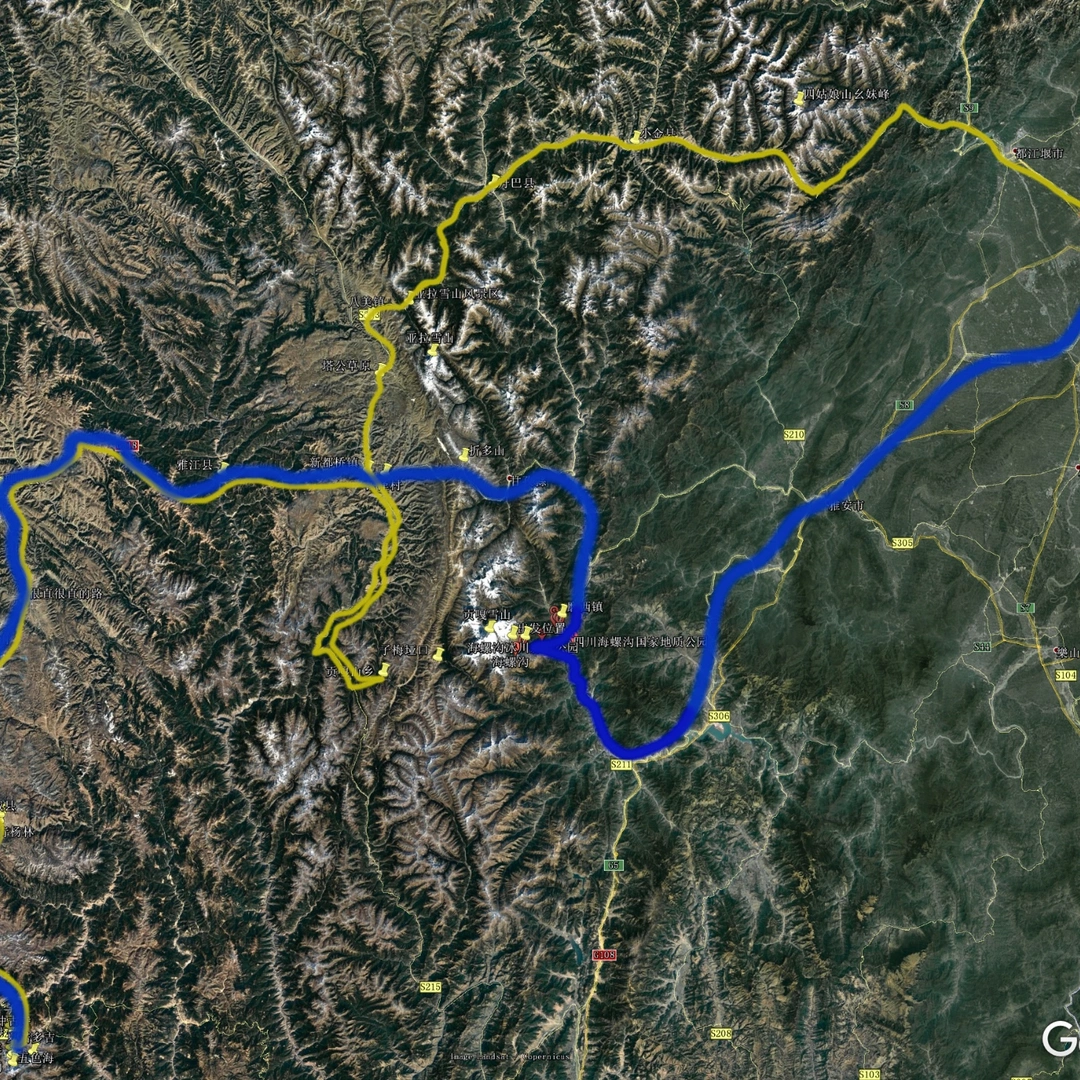
Chengdu → Moxi Ancient Town → Hailuogou Glacier → Xinduqiao → Yading Village → Daocheng Yading Scenic Area → Daocheng County → Xinduqiao → Zimei Pass (Gongga Snow Mountain) → Tagong Grasslands (Yala Snow Mountain) → Danba → Siguniang Mountain → Chengdu
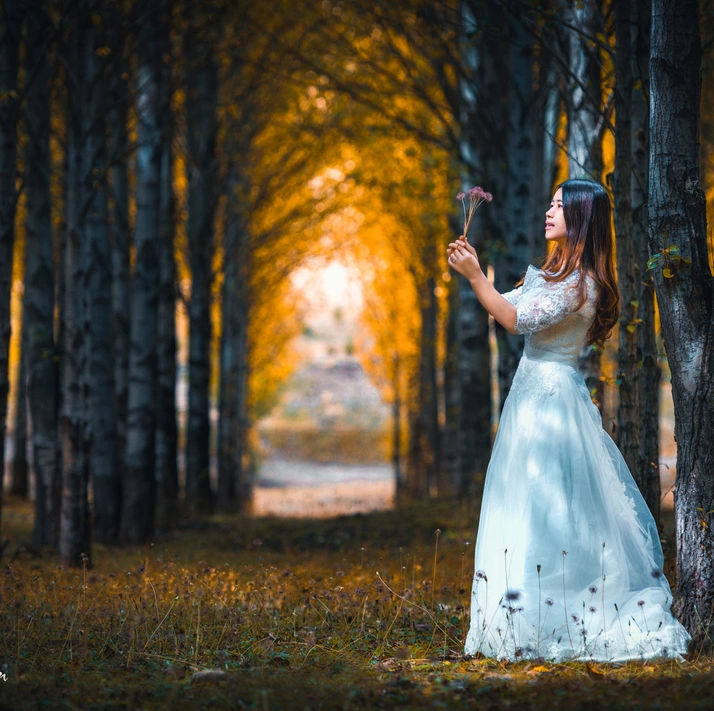
Travel Dates: October 9–16, 2017 | Duration: 8 days
Average Cost: Approximately 5,000 RMB per person (including car rental, gas, food, accommodation, and tickets)
Travel Companions: Me and Master Liao, a newlywed couple
Road Conditions & Vehicle Recommendations
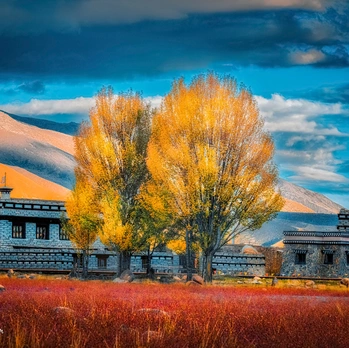
We drove the entire way. Car rental can be arranged through various platforms—just remember your driver's license. National Highway 318 is in good condition now; aside from lots of trucks, a regular sedan can handle it. However, if you're heading to Zimei Pass to see Gongga Snow Mountain, the road is terrible—I recommend an off-road vehicle.
Essential Packing List for Western Sichuan
| Category | Items |
|---|---|
| Altitude Sickness | Rhodiola rosea, altitude sickness medication, glucose. Start taking them before you leave. When you reach 3,000–4,000 meters above sea level and feel unwell, rest—don't push through it. |
| Clothing | Hat, sunscreen, rain jacket and umbrella, hiking shoes, fleece jacket or down jacket, sunglasses. Bring warm clothes—when the weather turns bad, it's freezing. |
| Accommodation | Most rooms provide toiletries, but it's still a good idea to bring your own. |
| Photography Gear | Camera, lenses, drone, tripod—don't leave any behind. |
| Eco-Friendly Supplies & Snacks | Bring garbage bags and dry food. Don't throw trash out the window—we need to protect nature together. |
Day 1: Chengdu – The Only Thing I Can't Take With Me Is You
After the wedding at Master Liao's place during National Day, we hit the road in a hurry. Chengdu was the starting point of this Western Sichuan road trip.
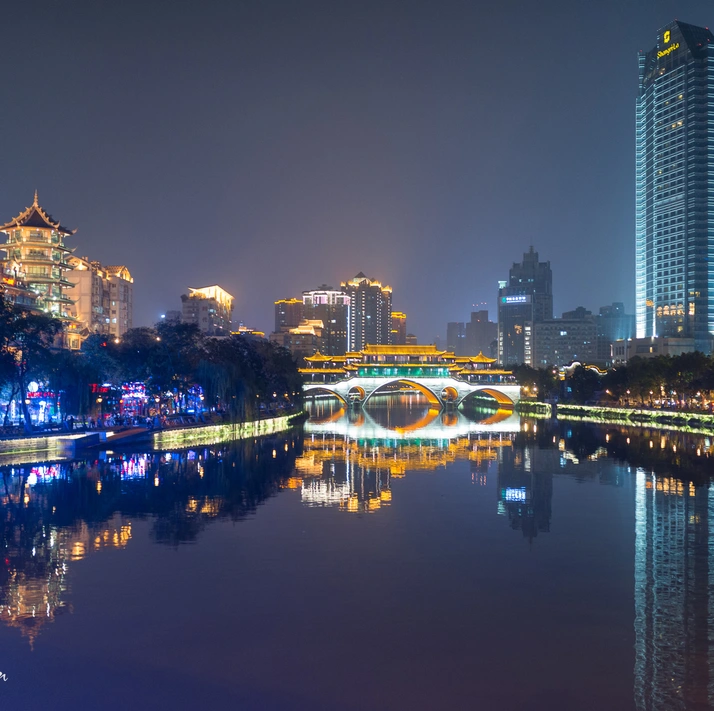
The song Chengdu has captured so many people's urban nostalgia. I've been to Chengdu many times. The city always exudes a sense of leisure and gentleness—the pace of life is unhurried, and the aroma of hotpot wafts through every street and alley. It's a paradise for food lovers.
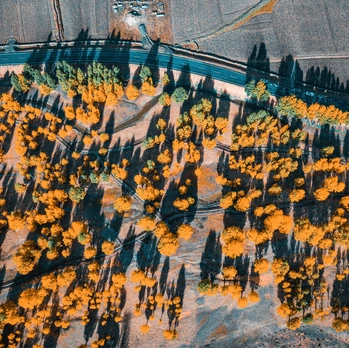
As an outsider, Kuanzhai Alley (Wide and Narrow Alley) is a must-visit. Three parallel streets—Wide Alley, Narrow Alley, and Well Alley—with bluestone slabs and old brick tiles, all preserving their ancient charm. There are plenty of people drinking covered-bowl tea in the teahouses, but nowadays most are tourists; locals are fewer. The ear-cleaning stalls on the street have become a local specialty—apparently, it's an indescribable pleasure. But I'm ticklish, so I've never dared to try.
Drinking tea, watching performances, getting your ears cleaned, and admiring beautiful women—this is the leisurely life of old Chengdu, all on display here.
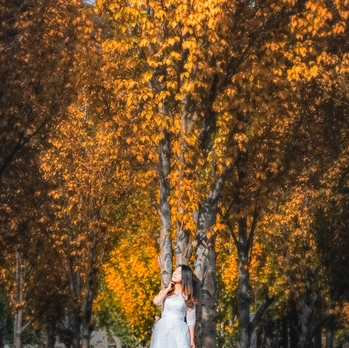
In comparison, People's Park has a more authentic local vibe. It was deep autumn, and the ginkgo trees were dazzling yellow. Under the warm afternoon sun, I stepped onto the soft carpet of ginkgo leaves, watching the shimmering fan-shaped leaves—none of them identical. An elderly woman sat on a bench, soaking up the sun. Golden leaves fell on rooftops, paths, and courtyards, like a fairy tale. I picked the leaf I liked best to use as a bookmark—the best gift this autumn could offer.
[Link: Best things to do in Chengdu in autumn]
Day 2: Moxi Ancient Town – Cats and Children in a Timeworn Place
From Chengdu to Hailuogou, take the Chengdu-Ya'an Expressway and then the Ya'an-Kangding Expressway. It's about 280 kilometers in total, passing through the Erlang Mountain Tunnel and Luding County. The road was fine, but there were plenty of mountain curves. I drove most of this stretch. A six-year veteran driver tackling such a long distance for the first time—I deserve a pat on the back.
We arrived in the evening, too late to enter Hailuogou, so we wandered around nearby Moxi Ancient Town instead. The town is nestled among green mountains and clear waters, at an elevation of about 1,600 meters. It's a multi-ethnic settlement, home to 12 ethnic groups including Han, Yi, and Tibetan. Since we arrived late, there weren't many people around—peaceful and quiet.
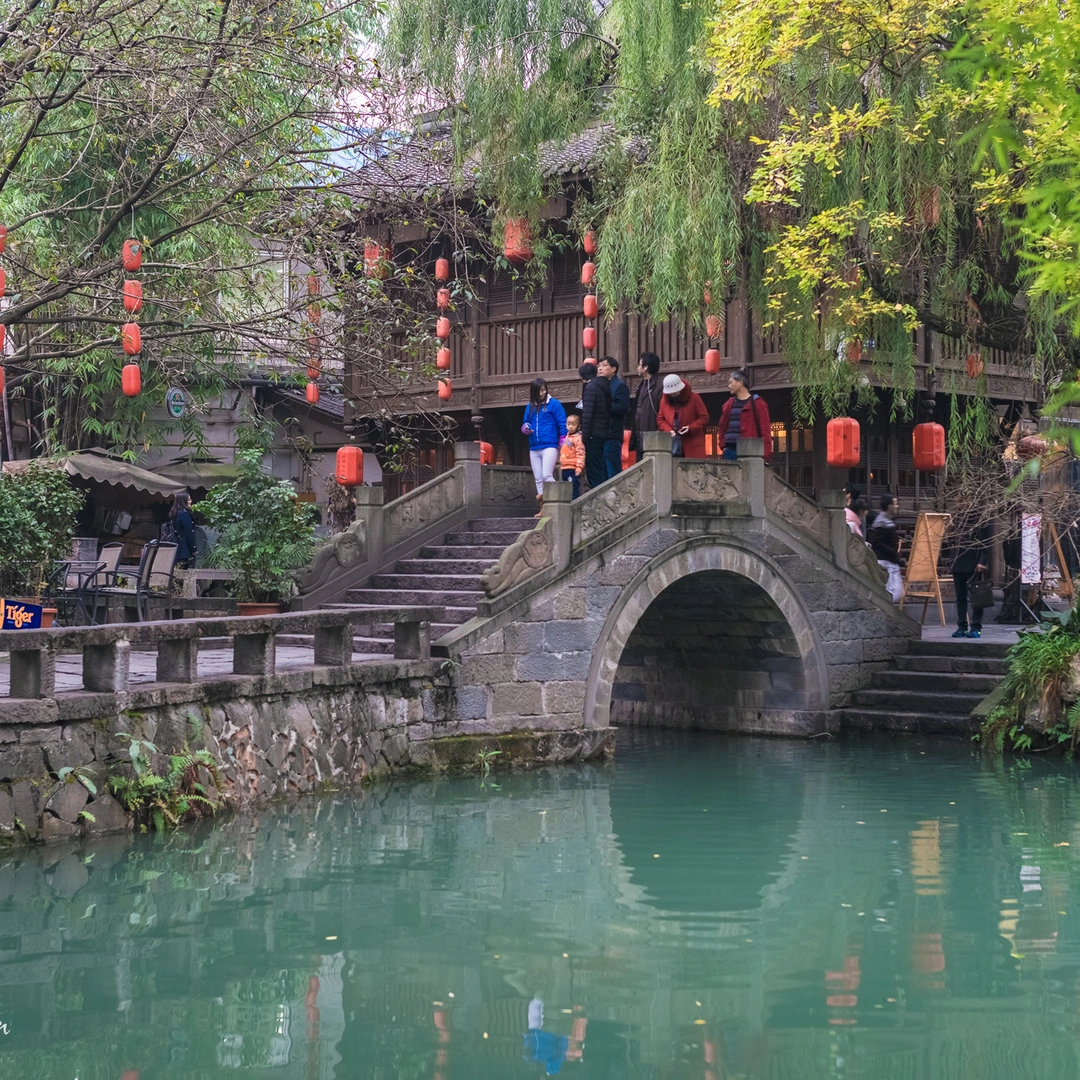
The ancient street stretches about 1,200 meters, lined with wooden buildings, gray-tiled eaves, and stone paths that glistened in the fading light. Locals told us that most young people have left for work in the cities, leaving only the elderly and children behind. We happened to run into a group of elementary school students heading home, chattering about their day—just like I did when I was their age.
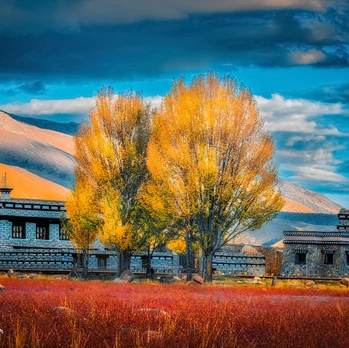
I especially love one photo: two cats crouching on the stone path, one staring at the other. The scene was warm and full of affection. Who says only humans have playmates?
The only real attraction in the ancient town is the Catholic Church. It's quite striking to see such a Western building in a quaint old town. Built by French missionaries, its bells have echoed through the valley for over a century.
That night, we stayed at the Mulinsen Village Hot Spring Hotel at the foot of Hailuogou. The room was small, but the hot spring was worth it. You can buy Hailuogou tickets at the hotel, and an eco-friendly shuttle picks you up at the door in the morning—saves a lot of hassle.
[Link: Moxi Ancient Town travel guide]
Day 3: Hailuogou Glacier – Alice in Wonderland, But the Glacier Remains a Mystery
What drew me to Hailuogou were the glaciers and hot springs. I'd heard that on clear days, you can even see Gongga Snow Mountain. The scenic area ticket plus sightseeing bus costs 160 RMB per person for adults. If you don't take the cable car, you can walk to the glacier observation deck—it's about a 40-minute walk from the bus drop-off point.
Hailuogou is a wonderland of primeval forests, glacial lakes, and hot springs. The air is so fresh it feels like you're breathing liquid oxygen. The glacier itself is massive—the largest low-altitude glacier in Asia—but honestly, it's a bit underwhelming. The glacier has retreated significantly over the years, and what you see is mostly grayish ice mixed with rock debris. Still, the journey through the forest is magical—moss-covered trees, crystal-clear streams, and the occasional glimpse of snow-capped peaks.
If you're lucky with weather, you might catch a glimpse of Gongga Snow Mountain (海拔7,556米), the highest peak in Sichuan. We weren't so lucky—clouds rolled in just as we reached the observation deck. But that's the nature of mountain travel: you take what the weather gives you.
After the glacier, we soaked in the hot springs at the foot of the mountain. There's nothing quite like soaking in natural hot springs while surrounded by autumn colors and snow-capped peaks. It's the perfect remedy for tired muscles and weary souls.
[Link: Hailuogou Glacier travel tips]
Day 4: Xinduqiao – The Photographer's Paradise
From Hailuogou, we drove to Xinduqiao (新都桥), a small town that's famous among photographers as "the photographer's paradise." The drive itself is stunning—winding mountain roads, golden poplar trees, and traditional Tibetan houses with prayer flags fluttering in the wind.
Xinduqiao is not really a tourist attraction in itself. It's more of a base for exploring the surrounding areas. But the scenery along the way is the real draw. The golden poplar trees lining the road, the meandering rivers, the distant snow-capped mountains—it's a landscape that looks like it was painted by a master artist.
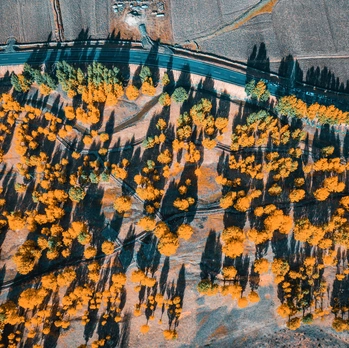
We arrived in the late afternoon, just in time for golden hour. The light was soft and warm, casting long shadows across the golden fields. We pulled over dozens of times to take photos—each bend in the road revealing a new masterpiece.
That night, we stayed at a local Tibetan guesthouse. The owner was a friendly Tibetan woman who served us butter tea and homemade yak meat dumplings. The room was basic but clean, and the hospitality was warm. It's experiences like these that make self-driving travel so special—you never know what kind of encounter awaits around the next corner.
[Link: Xinduqiao photography spots]
Day 5: Daocheng Yading – The Soul of Western Sichuan
The highlight of our trip was undoubtedly Daocheng Yading (稻城亚丁), the place that inspired the movie I Belonged to You. The drive from Xinduqiao to Daocheng takes about 6-7 hours, passing through some of the most spectacular scenery in Western Sichuan.
Daocheng Yading is often called "the last Shangri-La" and "the pure land on the blue planet." And it's not hard to see why. The scenic area is home to three sacred mountains—Xiannairi, Yangmaiyong, and Xianuoduoji—as well as pristine alpine lakes, meadows, and forests.
We entered the scenic area early in the morning. The sightseeing bus took us through a winding road that climbed higher and higher into the mountains. As we ascended, the vegetation changed from dense forests to alpine meadows, and finally to barren rocky slopes.
The first stop was Chonggu Temple (冲古寺), a small Tibetan Buddhist temple perched on a hillside. From there, we could see the majestic Xiannairi Snow Mountain (海拔6,032米) in all its glory. The mountain is considered sacred in Tibetan Buddhism, and locals believe that circumambulating it brings good fortune.
We then took the electric cart to Luorong Pasture (洛绒牛场), a vast alpine meadow at the foot of the three sacred mountains. The pasture is covered in golden grass in autumn, with crystal-clear streams meandering through it. Yaks and horses graze peacefully, and the snow-capped peaks tower above.
The highlight of the day was the hike to Milk Lake (牛奶海) and Five-Color Lake (五色海). The hike is challenging—about 5 kilometers each way, with an elevation gain of 500 meters. At an altitude of 4,500 meters, every step feels like a marathon. But the reward is worth it: Milk Lake is a stunning turquoise lake surrounded by snow-capped peaks, and Five-Color Lake is a kaleidoscope of colors that changes with the light.
We made it to Milk Lake but had to turn back before reaching Five-Color Lake due to altitude sickness. Even so, the experience was unforgettable. Standing at 4,600 meters above sea level, surrounded by sacred mountains and pristine lakes, I felt a sense of peace I've never felt before.
[Link: Daocheng Yading hiking guide]
Day 6: Zimei Pass – Gongga Snow Mountain Up Close
After Daocheng, we drove back to Xinduqiao and then headed to Zimei Pass (子梅垭口) to see Gongga Snow Mountain (贡嘎雪山). Gongga is the highest peak in Sichuan at 7,556 meters, and Zimei Pass offers one of the best views of the mountain.
The road to Zimei Pass is terrible—rough, unpaved, and full of potholes. Our regular sedan struggled, and we had to drive at a snail's pace. But the view at the top made it all worth it.
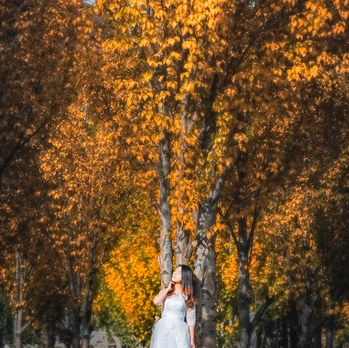
We arrived at the pass just before sunset. The clouds parted, and there it was—Gongga Snow Mountain in all its glory. The peak was bathed in golden light, a sight that's known as "golden mountain" (日照金山). It's a fleeting moment that lasts only a few minutes, but it's a moment you'll remember for a lifetime.
We stayed at the pass until the last light faded, then drove back to Xinduqiao in the dark. The road was even more treacherous at night, but we made it back safely. Sometimes the best experiences come from the most difficult journeys.
[Link: Gongga Snow Mountain viewing spots]
Day 7: Tagong Grasslands & Danba – Tibetan Culture and Ancient Villages
From Xinduqiao, we drove to Tagong Grasslands (塔公草原), a vast expanse of alpine meadows at the foot of Yala Snow Mountain (雅拉雪山). The grasslands are dotted with prayer flags, stupas, and traditional Tibetan tents. It's a place where you can feel the pulse of Tibetan culture.
The highlight of Tagong is the Tagong Temple (塔公寺), a 1,000-year-old Tibetan Buddhist monastery. The temple is famous for its golden roof and the massive prayer wheel that pilgrims turn as they circumambulate the temple.
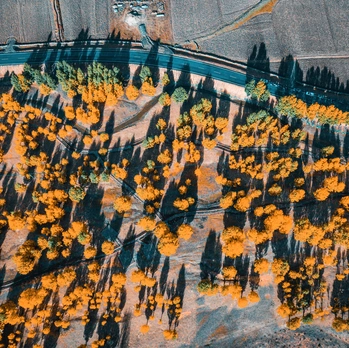
We then drove to Danba (丹巴), a county known for its ancient Tibetan villages and the "Beautiful Valley" (美人谷). Danba is home to the Jiaju Tibetan Village (甲居藏寨), a UNESCO World Heritage site that's often called "the most beautiful village in China."
The village is perched on a hillside, with traditional Tibetan houses built into the slope. The houses are made of stone and wood, with flat roofs and intricate carvings. In autumn, the village is surrounded by golden poplar trees and red leaves, creating a fairy-tale landscape.
We spent the night at a local guesthouse in Danba. The owner served us a traditional Tibetan dinner—yak meat hotpot, tsampa (roasted barley flour), and butter tea. It was a simple but delicious meal that warmed us from the inside out.
[Link: Danba Tibetan village guide]
Day 8: Siguniang Mountain – The Four Sisters
Our last stop was Siguniang Mountain (四姑娘山), also known as "the Four Sisters." The mountain is named after four peaks that resemble four sisters standing side by side. The highest peak, Yaomei Peak (幺妹峰), is 6,250 meters tall and is considered one of the most beautiful mountains in China.
We entered the Changping Valley (长坪谷) scenic area, which offers stunning views of the four peaks. The valley is filled with primeval forests, crystal-clear streams, and alpine meadows. We hiked for about 3 hours, stopping frequently to take photos and soak in the scenery.
The highlight of the day was the view of Yaomei Peak reflected in the lake at the end of the valley. The water was so clear that the reflection looked like a mirror image. It was the perfect end to our Western Sichuan adventure.
From Siguniang Mountain, we drove back to Chengdu, completing the loop. The drive was about 4 hours, mostly on well-maintained highways. As we descended from the mountains, the air became warmer and the scenery changed from alpine to subtropical. It felt like we were returning to the real world after a dream.
[Link: Siguniang Mountain hiking routes]
FAQ: Western Sichuan Self-Driving Travel Tips
1. Is it safe to self-drive in Western Sichuan?
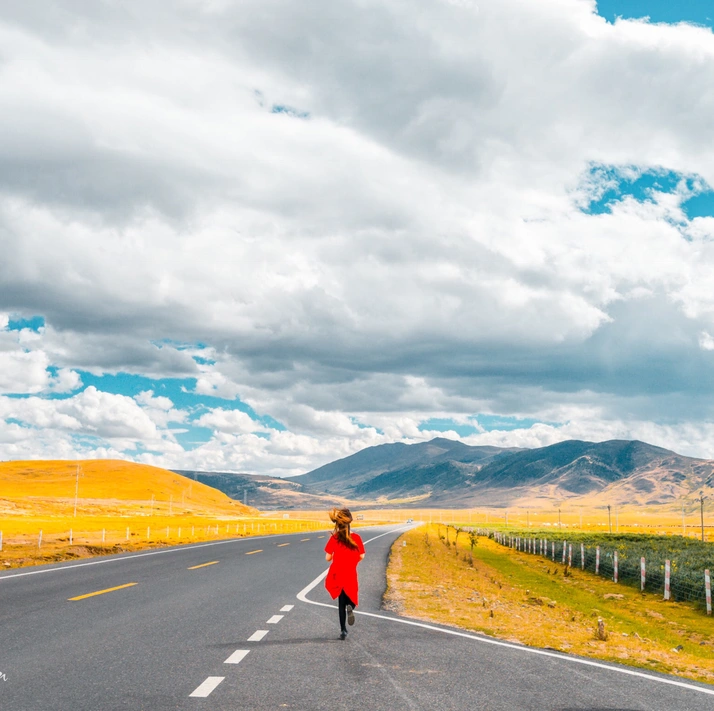
Yes, but with precautions. National Highway 318 is generally in good condition, but mountain roads can be challenging, especially in bad weather. Drive slowly, take breaks, and be prepared for altitude sickness. It's also recommended to have a GPS or offline maps, as mobile signal can be unreliable in remote areas.
2. What is the best time to visit Western Sichuan for autumn colors?
Mid-October to early November is the peak season for autumn colors in Western Sichuan. The golden poplar trees, red leaves, and snow-capped mountains create a stunning contrast. However, weather can be unpredictable, so pack for all conditions.
3. How do I deal with altitude sickness in Western Sichuan?
Start taking Rhodiola rosea or altitude sickness medication a few days before your trip. Stay hydrated, avoid alcohol, and don't overexert yourself. If you feel unwell, rest and descend to a lower altitude if necessary. Glucose tablets can help with energy levels.
4. Do I need a special vehicle for Western Sichuan self-driving?
A regular sedan can handle most of National Highway 318 and main roads. However, if you plan to visit remote areas like Zimei Pass or Danba's mountain villages, an off-road vehicle is recommended. Check road conditions before you go and rent accordingly.
5. What are the must-see attractions in Western Sichuan?
Daocheng Yading, Hailuogou Glacier, Xinduqiao, Tagong Grasslands, Danba Tibetan Village, and Siguniang Mountain are the top attractions. Each offers unique landscapes and cultural experiences. If you have time, consider adding Litang (理塘) and the Yading Nature Reserve to your itinerary.
[Link: Western Sichuan travel planning guide]
Conclusion: A Fairy Tale Above the Clouds
Our 8-day self-driving trip through Western Sichuan was more than just a vacation—it was a journey of love, discovery, and transformation. From the movie-inspired promise to the real-life adventure, every moment was worth the wait.
Western Sichuan in autumn is a fairy tale come to life. The golden poplar trees, the snow-capped mountains, the pristine lakes, and the warm Tibetan hospitality—it's a place that stays with you long after you leave.
If you're planning a self-driving trip through Western Sichuan, here's my advice: go with an open heart, pack your camera, and be prepared for the unexpected. The best experiences often come from the most challenging moments.
And if you're traveling with someone you love, cherish every moment. Because some journeys are meant to be shared.
Ready to Plan Your Western Sichuan Adventure?
Start your journey today! Whether you're a solo traveler, a couple, or a group of friends, Western Sichuan offers something for everyone.
Book your car rental through platforms like Ctrip or Qunar—just remember your driver's license.
Download offline maps for navigation in remote areas.
Pack your bags with warm clothes, altitude sickness medication, and your camera.
Hit the road and discover the fairy tale above the clouds.
Have questions about Western Sichuan self-driving? Drop a comment below or reach out to me on Weibo: Miss-沈小娴. I'd love to hear about your travel dreams!
This article was originally published on Mafengwo and has been optimized for SEO. All experiences and opinions are based on the author's personal travel in October 2017. Prices and conditions may have changed since then—please verify current information before planning your trip.


