Self-Driving the Western Sichuan Loop: Chasing the Burning Autumn Forest Under a Dusting of Frost
Meta Description: Discover the ultimate Western Sichuan self-driving itinerary for autumn foliage. A 4-day loop through Honghaizi, Tagong Grassland, and Yuke Prairie. Tips for avoiding crowds, altitude sickness advice, and hidden gems from three women on the road.
Introduction: Why Western Sichuan in Autumn is a Must-See
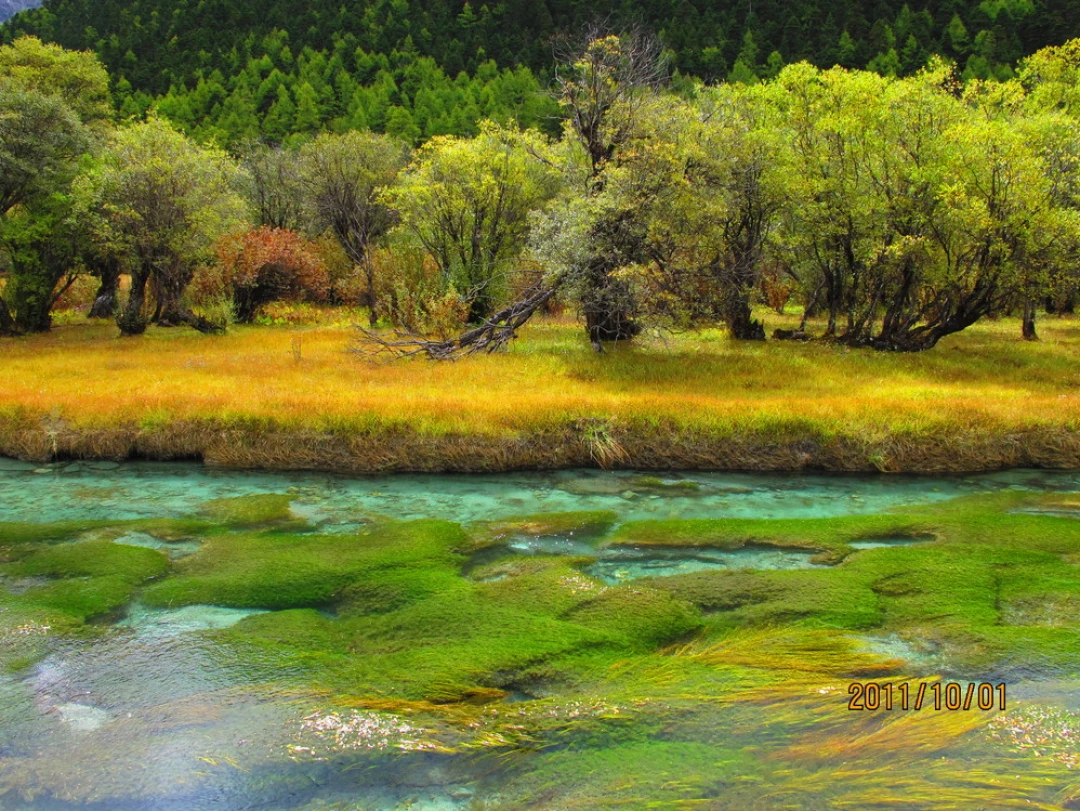
There's a reason photographers and road-trippers alike call Western Sichuan "China's Colorado in autumn." When the first frost dusts the golden larch forests and the air turns crisp at 4,000 meters above sea level, the landscape transforms into something almost unreal. The Western Sichuan Loop self-driving route offers one of the most spectacular autumn foliage drives in the world—and we're here to show you exactly how to plan it.
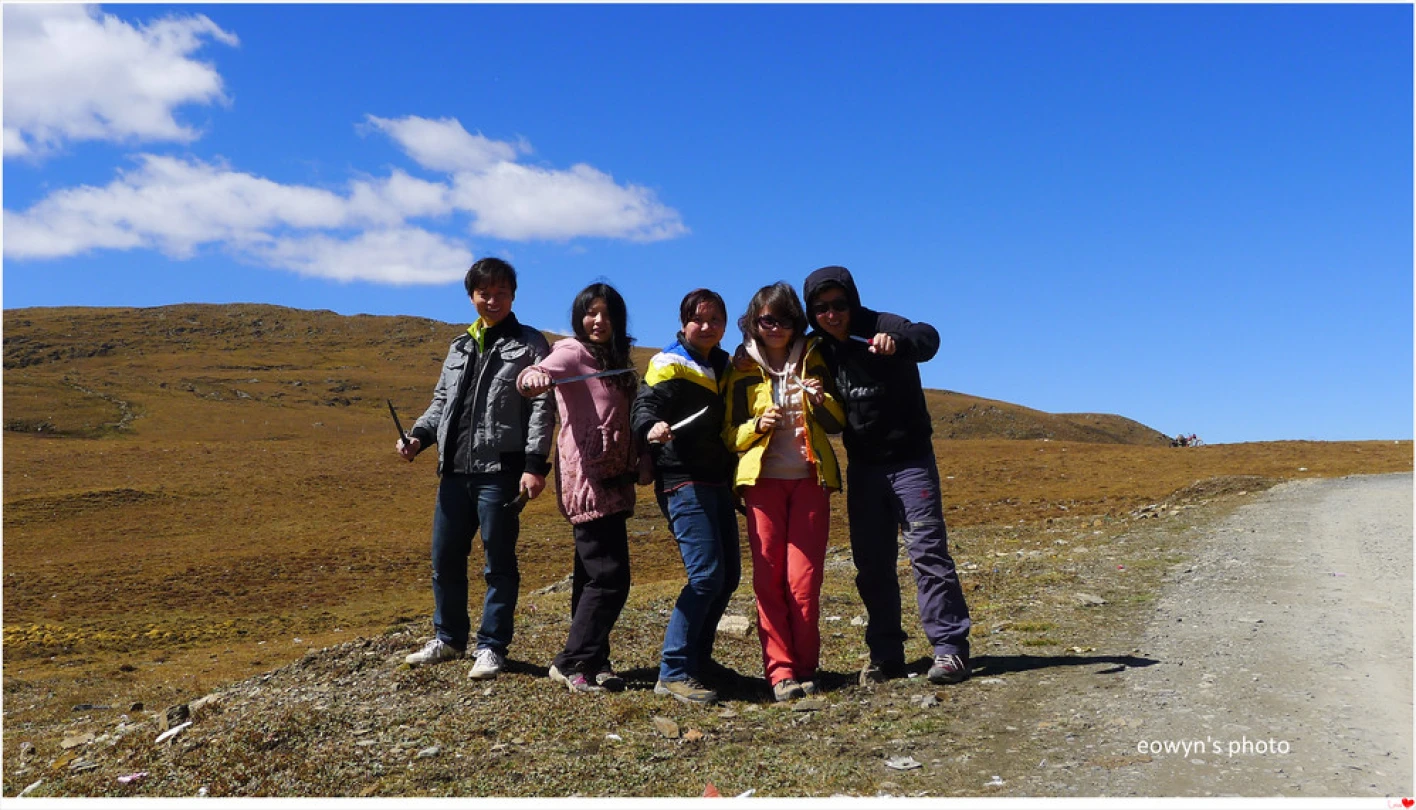
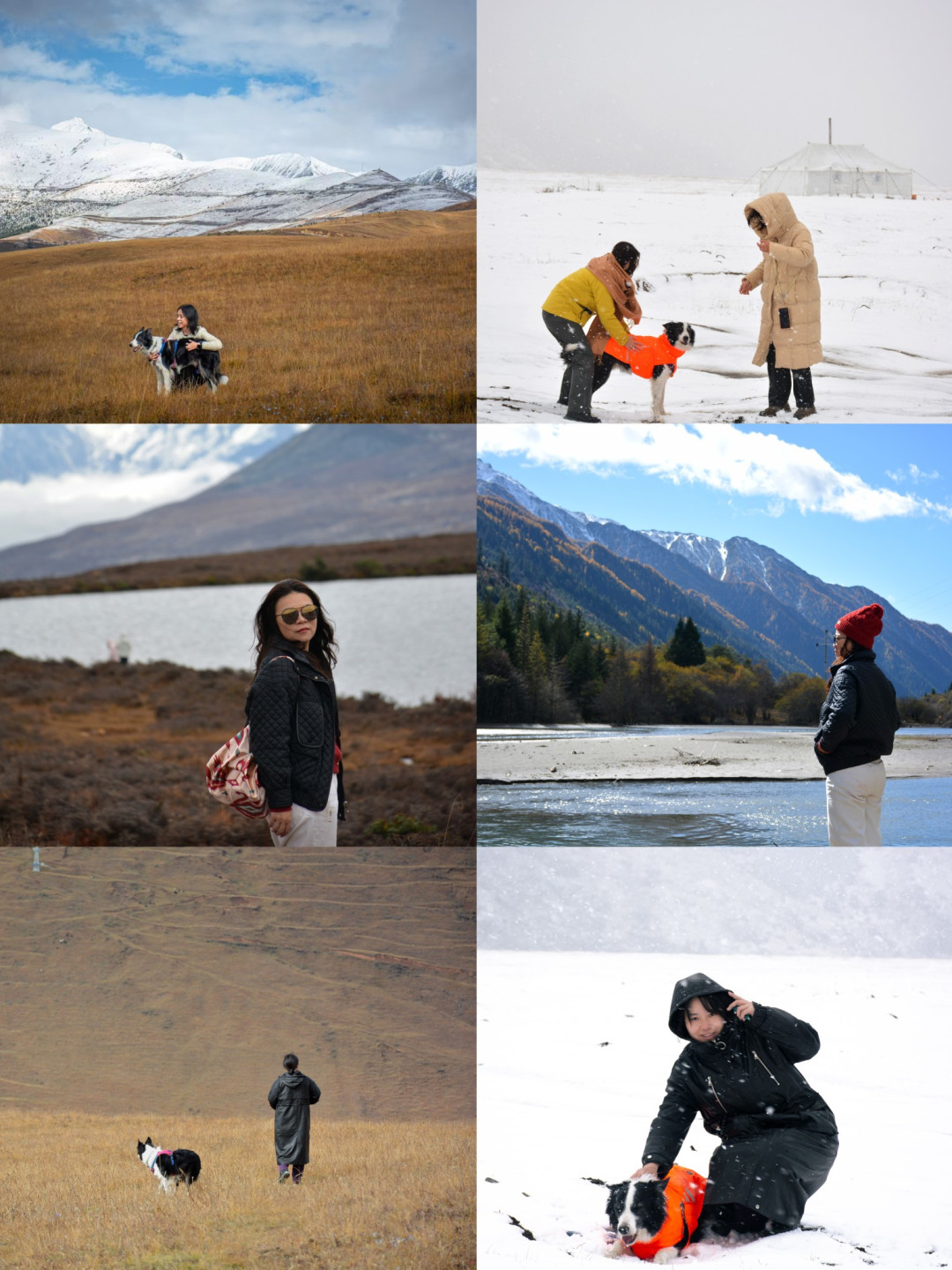
In late October, three friends—a jobless wanderer, a digital nomad, and a city office worker—plus a dog named Meimei, set out from Chengdu to chase the burning autumn colors. This is their story, your guide, and the blueprint for an unforgettable autumn road trip in Western Sichuan.
Planning Your Western Sichuan Self-Driving Itinerary
The Perfect 4-Day Loop for Autumn Colors
We designed this route to maximize scenery while minimizing crowds. By saving the most popular segments for weekdays, we avoided the weekend traffic jams that plague Provincial Road 434 and the famous Li-Xiaolu Road.
Day 1: Chengdu → Ya’an–Kangding Expressway → Provincial Road 434 → Bamei Town (5.5 hours) Day 2: Bamei Town → Daofu County → China Panda Highway → Yuke Town (2.7 hours) Day 3: Yuke Town → County Road 002 → Danba County (3.3 hours) Day 4: Danba County → China Panda Highway → National Highway 626 → Chengdu (6.4 hours)
Pro tip: Don't book accommodation in advance. Negotiating on the spot often gets you better rates—especially if you arrive mid-afternoon when hotels are eager to fill empty rooms.
Essential Preparation for High-Altitude Driving
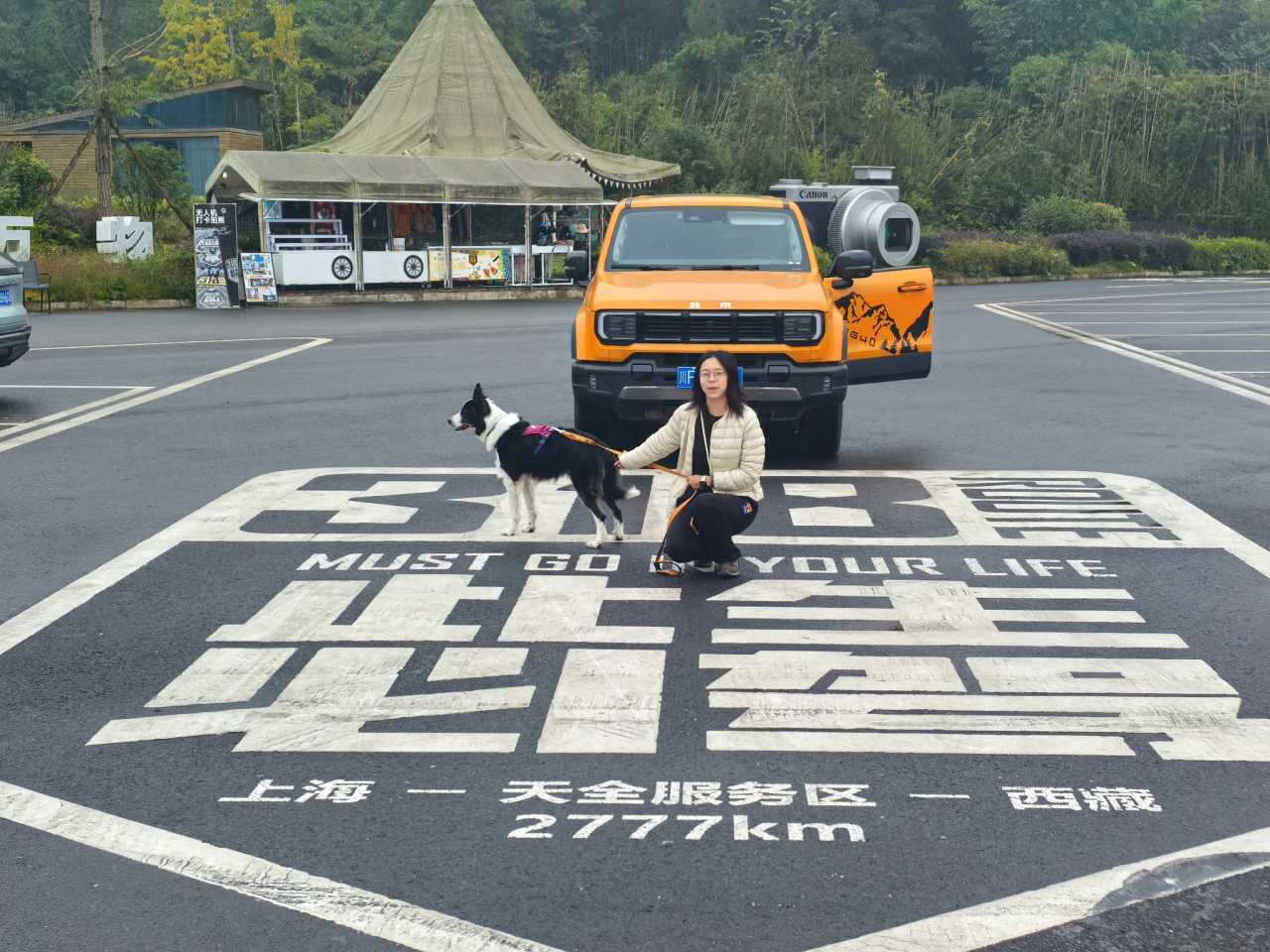
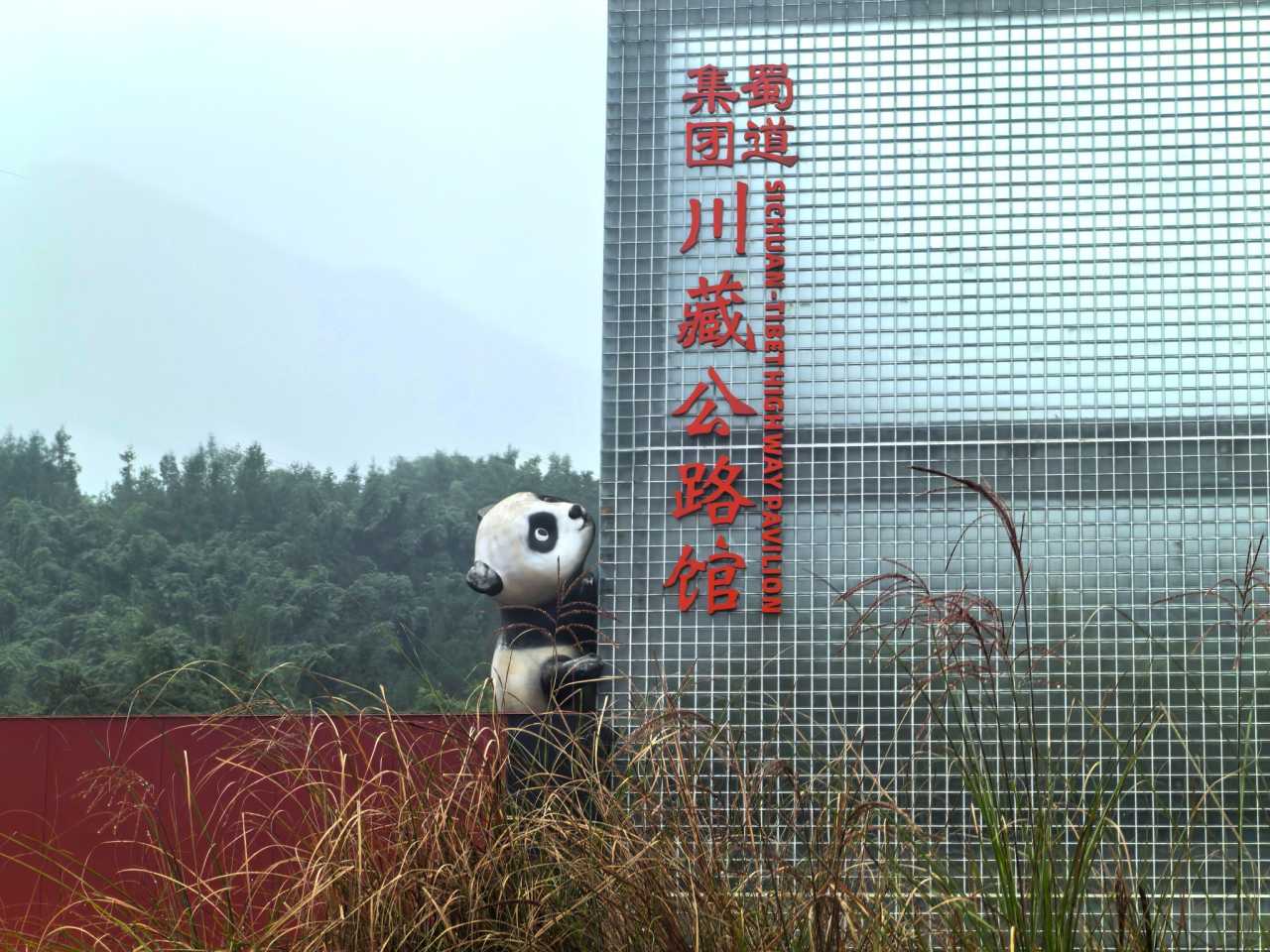
Three driver's licenses, two actual drivers, and one "theoretical expert." We agreed to switch drivers every two hours and take mandatory breaks at the Tianquan Service Area—a surprisingly photogenic spot with Route 318 signage and giant panda motifs.
Altitude awareness: The loop reaches elevations of 4,094 meters. Pack altitude sickness medication, oxygen canisters, and plenty of water. Your body needs 24-48 hours to acclimatize.
Day 1: Pushing Limits at 4,094 Meters Above Sea Level
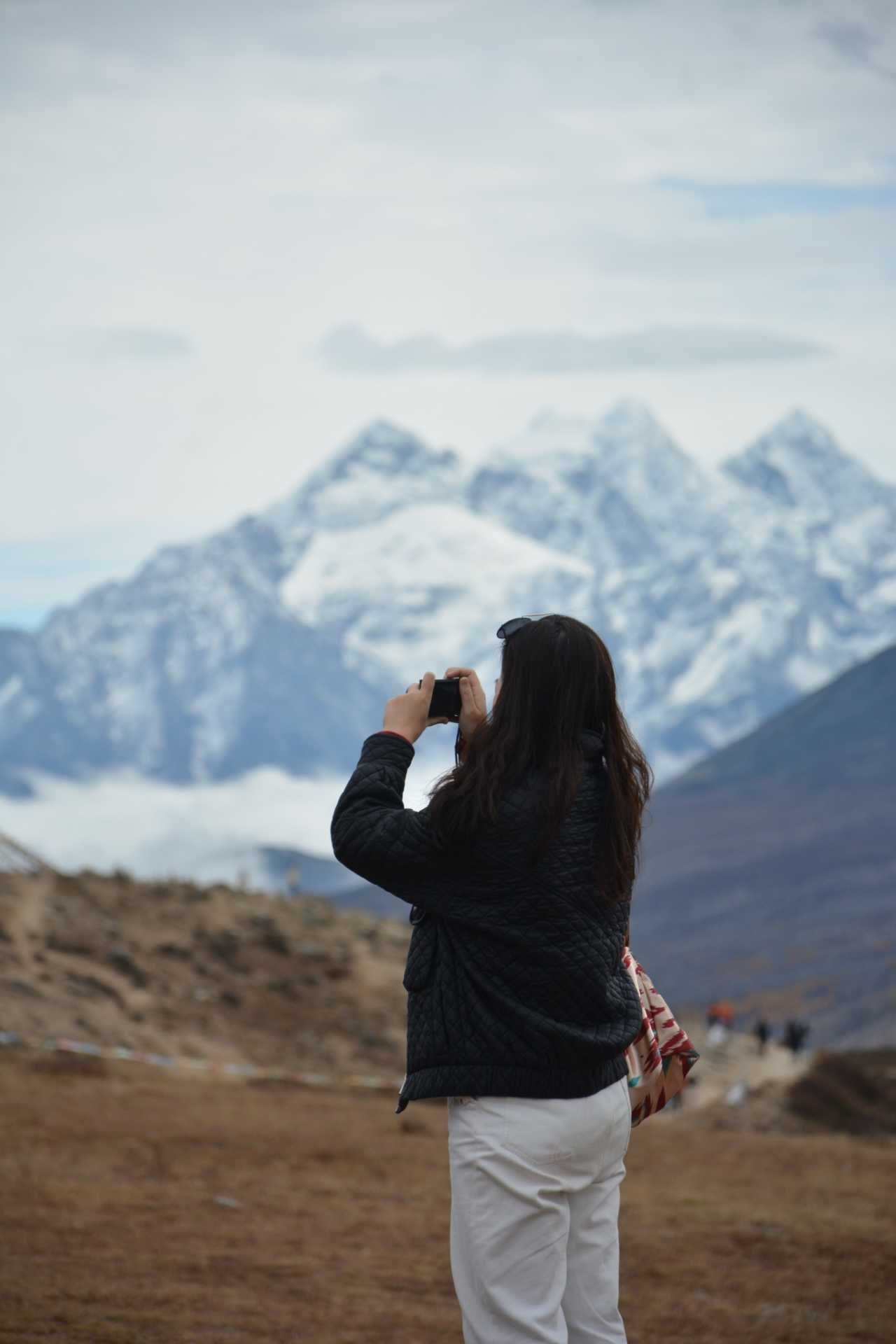
Honghaizi Lake: The Hidden Gem of Kangding
After passing Kangding, we stopped for lunch at a roadside eatery. By 1:20 PM, we reached Honghaizi Lake—called "Gagatso" in Tibetan. This is a pasture contracted by local herders, charging 15 yuan per person entry fee.
"Is it worth it?" you might ask. The answer is a resounding yes.
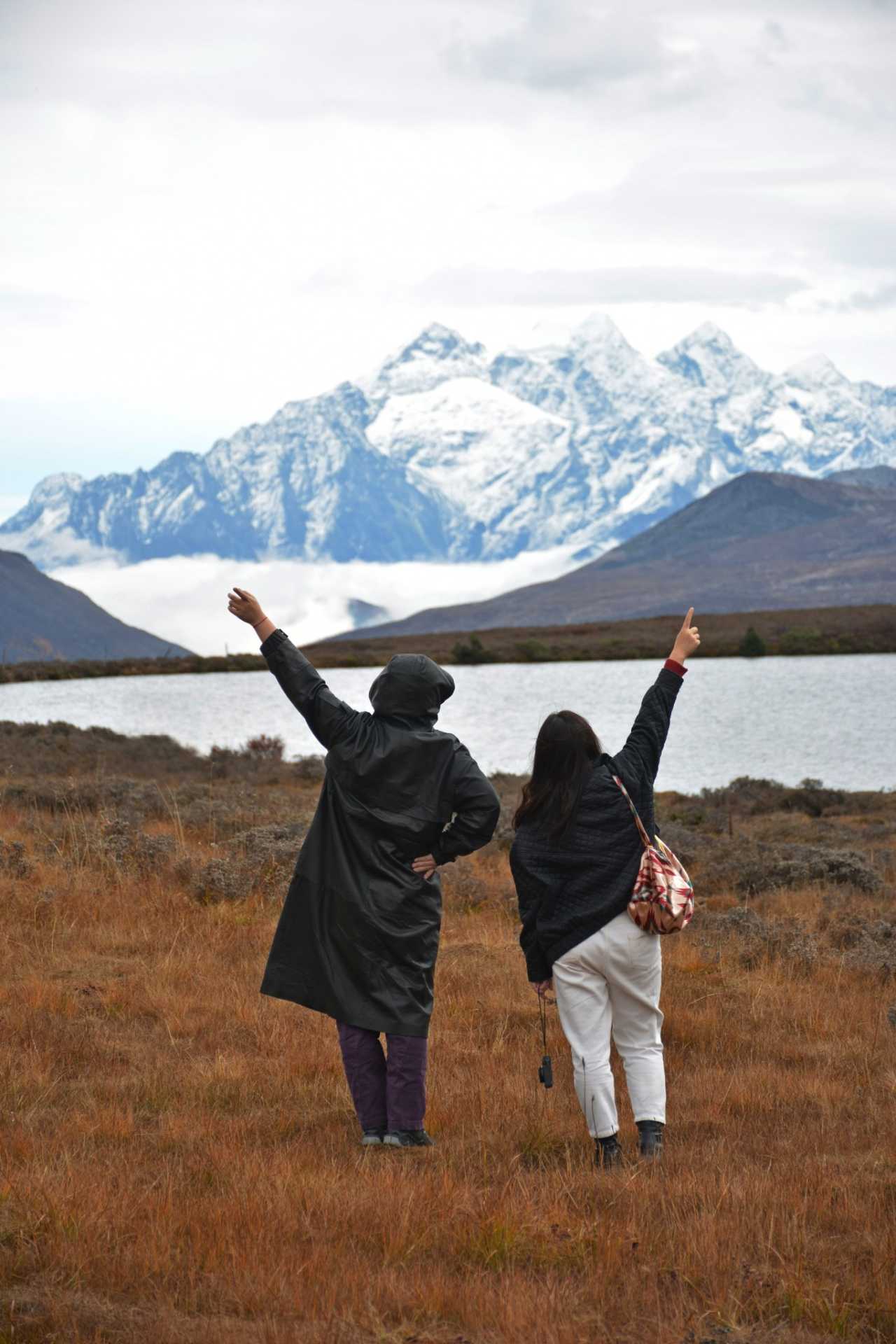
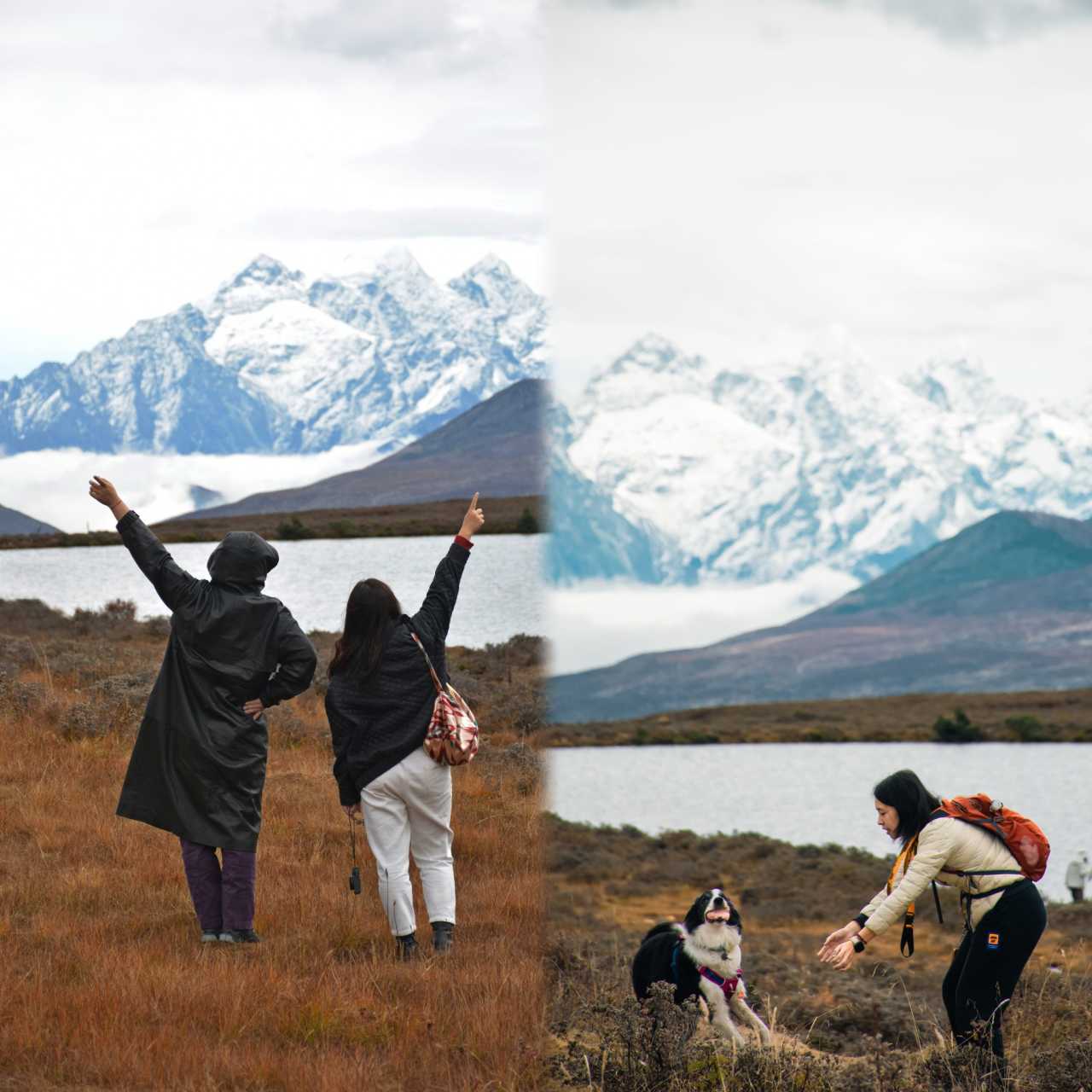
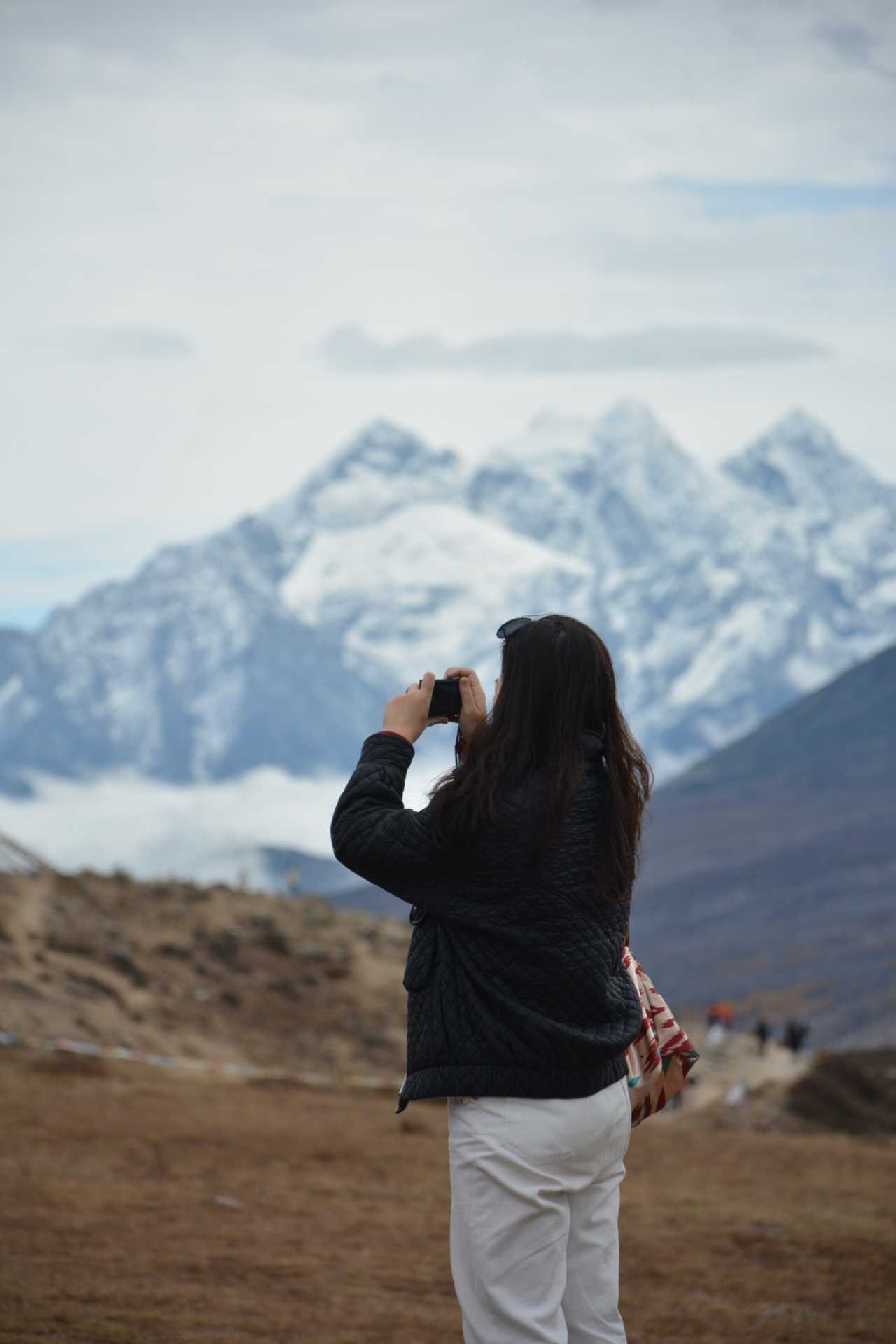
Last year, snow covered the lake in a vast white expanse. This year, we saw its true face: crystal blue water reflecting the majestic Gongga Snow Mountain. The sight left us speechless.
Drone warning: DJI flags this as a no-fly zone due to proximity to Kangding Airport. Instead, enjoy the ground-level views and let your dog run free across the pasture.
The Qingrao Shenshan Viewing Platform: A Must-Stop
The viewing platform at Qingrao Shenshan is the 必经之路 (must-pass route) to Tagong Grassland, offering distant views of Yala Snow Mountain. At 4,094 meters, this mountain pass is where our friend Pangpang learned the hard way about altitude sickness.
"Nice. You just threw up and had diarrhea at 4,094 meters. Can't wait to see you challenge yourself at the next height."
Best frenemy material, right there.
Where to Stay: Daofu Duojie Zong Homestay

We stayed at the Daofu Duojie Zong Homestay in Bamei Town—250 yuan per night, plus 10 yuan per person for breakfast. The amenities included: - Air conditioning and electric blankets - A private yard for dogs - Tibetan hospitality from the owners
Compared to the nearly 1,000-yuan "trendy" homestay we stayed at in Jiagenba last year—which had power shortages and couldn't keep the electric blanket running—this place was paradise.
Day 2: Three Points—Who Can Beat Me?
Breakfast Surprises on the Panda Highway
At breakfast, the homestay owner's son wasn't around, and the Tibetan uncle and aunt weren't familiar with the coffee machine. A couple from Shanghai, also self-driving, stepped up and made hot coffee for everyone. A 10-yuan breakfast with coffee, congee, corn cakes, eggs, and butter tea with tsampa—an absolute steal.
Longdeng Pasture: Snowstorms and Yak Encounters
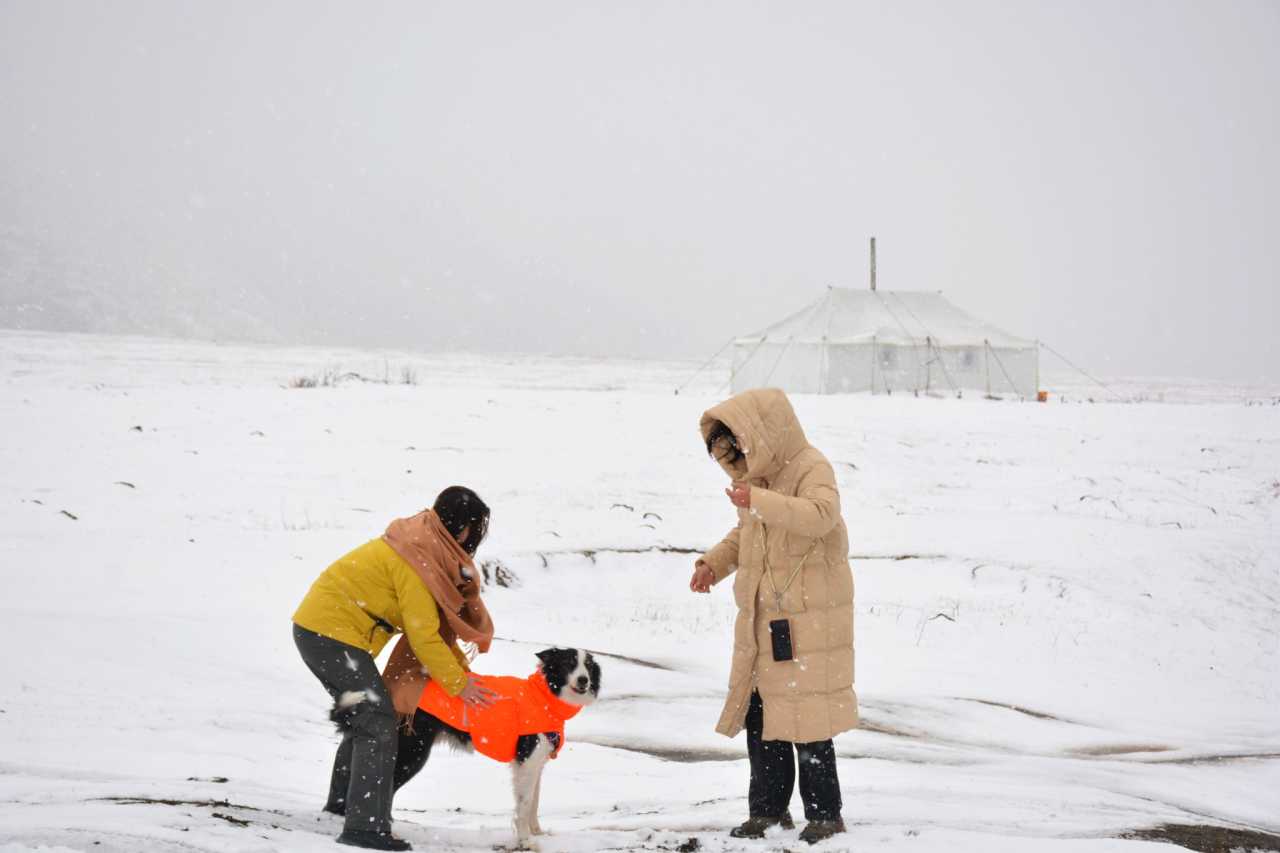
The weather forecast said rain, but Western Sichuan's weather changes faster than you can flip a page. By the time we reached Longdeng Pasture, rain had turned to snow and wind. For us southern "little potatoes," the snowstorm was mesmerizing.
The China Panda Highway (G350) runs from Longdeng Pasture to Daofu. Why "Panda Highway"? Not because you'll see pandas—but because the road winds through panda habitat territory. The scenery transitions from Nordic-style alpine landscapes to Tibetan architecture, every turn revealing a new vista.
Yak encounter warning: Meimei the dog, who had gnawed on a yak bone, never expected she'd be chased by a protective mother yak. Never underestimate a mother's determination to protect her young—two "mamas" went from standoff to near-brawl, just one rope's length apart.
Yuke Town: Table Tennis at 3,500 Meters
A drive that should have taken less than three hours took us the entire day. We arrived in Yuke Town at 5 PM, when most restaurants were already closed.
Next to the Yuke Prairie, two Tibetan kids were playing table tennis. As a seasoned penhold grip player, I couldn't resist.
"Hey kids, can I join in?"
Turns out, I underestimated the development of table tennis among Chinese youth. These two young players could actually rally a few strokes with me.
The Yuke Prairie itself is stunning—sparsely populated, with yaks walking home by themselves at feeding time. It's a photographer's dream.
Day 3: The Hidden Gems of County Road 002
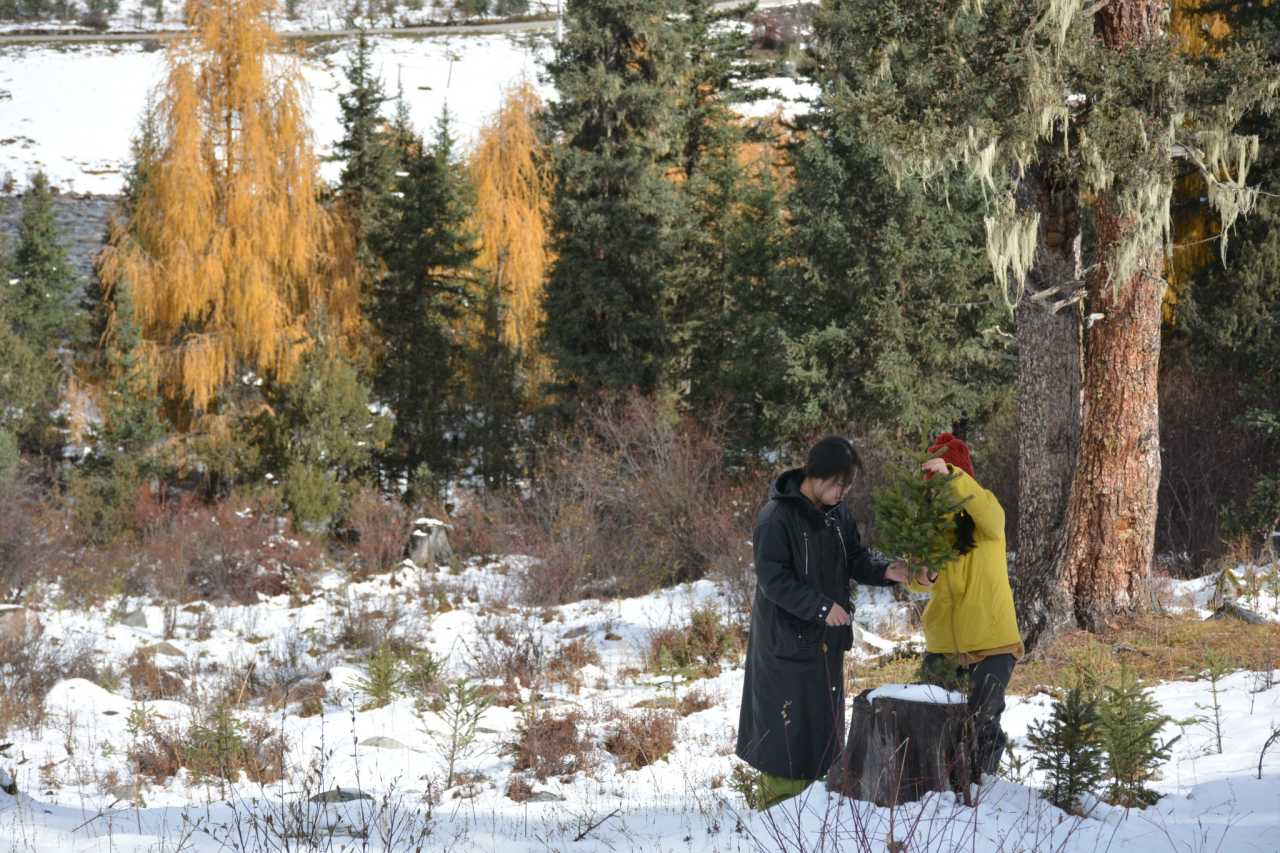
Yin'en Riyuetan Lake: A Photographer's Paradise
County Road 002 from Yuke Town to Danba County offers some of the most dramatic scenery on the loop. Yin'en Riyuetan Lake is a must-stop—a twin-lake formation that reflects the surrounding peaks like a mirror.
Best time for photos: Early morning or late afternoon, when the light is golden and the crowds are thin.
Danba County: The Tibetan Village Experience
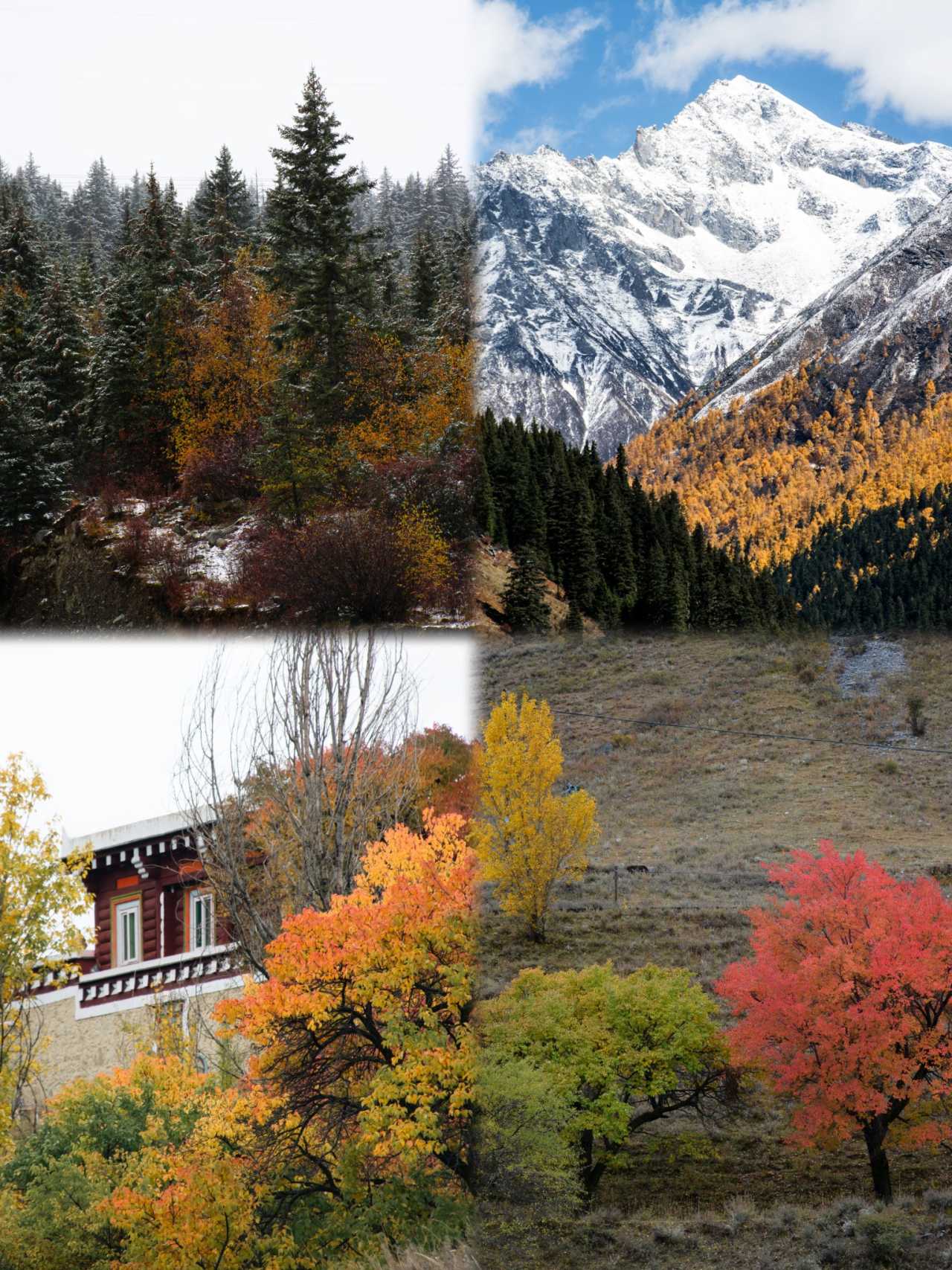
Danba County is famous for its Tibetan watchtowers and villages. The architecture here is distinct from other parts of Western Sichuan—tall, stone watchtowers that date back centuries, surrounded by terraced fields and apple orchards.
Local tip: Every household grows big, golden apples. Branches heavy with fruit hang over the roads. Ask permission before picking, but most locals are happy to share.
Day 4: The Return Journey via Li-Xiaolu Road
Why Li-Xiaolu Road is Worth the Drive
The Li-Xiaolu Road is one of the most scenic drives in Sichuan. From Danba County back to Chengdu via the China Panda Highway and National Highway 626, you'll pass through: - Deep river valleys - Terraced farmland - Traditional Tibetan villages - Autumn foliage that rivals New England
Time budget: Allow 6.4 hours for this segment, but plan for stops. The Li-Xiaolu Road is notorious for photo opportunities that can delay your journey by hours.
Avoiding Weekend Traffic
We deliberately scheduled the Li-Xiaolu Road for a weekday. Weekend traffic can turn a 6-hour drive into 10+ hours, especially during peak autumn foliage season (mid-October to early November).
FAQ: Western Sichuan Self-Driving Autumn Loop
1. When is the best time to see autumn colors in Western Sichuan?
The peak autumn foliage season runs from mid-October to early November. The exact timing depends on elevation and weather patterns. Late October offers the best balance of color intensity and comfortable temperatures.
2. What vehicle do I need for the Western Sichuan Loop?
A standard SUV or crossover with good ground clearance is sufficient for most of this route. However, if you plan to explore side roads or encounter unexpected weather, a 4WD vehicle is recommended. Avoid sedans—the roads can be rough, especially on County Road 002.
3. How do I prevent altitude sickness on this trip?
- Acclimatize for 24-48 hours before driving above 3,000 meters
- Stay hydrated (drink 3-4 liters of water daily)
- Avoid alcohol and heavy meals
- Carry Diamox (acetazolamide) and oxygen canisters
- Descend immediately if symptoms worsen
4. Can I bring my dog on this road trip?
Yes! Many homestays and hotels in Western Sichuan are pet-friendly. However, keep your dog on a leash around yaks and other livestock. The yak encounter we experienced could have been dangerous.
5. What should I pack for a Western Sichuan autumn road trip?
- Warm layers (temperatures drop below freezing at night)
- Rain gear and waterproof boots
- Sunscreen and sunglasses (UV is intense at high altitude)
- Portable charger/power bank
- Snacks and emergency food
- Cash (many remote areas don't accept cards)
- First-aid kit with altitude sickness medication
Internal Linking Suggestions
[Link: Best time to visit Western Sichuan for autumn foliage] [Link: How to prepare for high-altitude driving in China] [Link: Top 10 scenic drives in Sichuan Province] [Link: Pet-friendly accommodations in Western Sichuan] [Link: Tibetan culture and etiquette for travelers]
Conclusion: Your Autumn Adventure Awaits
The Western Sichuan Loop self-driving route is more than a road trip—it's a journey through some of China's most dramatic landscapes, shared with friends (and dogs) who answer the call. From the crystal waters of Honghaizi Lake to the snow-dusted peaks of Longdeng Pasture, every mile offers a new reason to stop, stare, and photograph.
Three women, one dog, and four days of pure magic. That's what awaits you when you chase the burning autumn forest under a dusting of frost.
Ready to Plan Your Western Sichuan Adventure?
Book your rental car today and secure the best rates for autumn foliage season. [Link: Car rental services in Chengdu]
Download our free Western Sichuan road trip checklist with altitude sickness tips, packing lists, and emergency contacts. [Link: Free download]
Share your own Western Sichuan stories in the comments below—we'd love to see your photos and hear about your adventures!
Article optimized for SEO with primary keyword "Western Sichuan self-driving loop," secondary keywords including "autumn foliage road trip Sichuan," "Honghaizi Lake altitude," "China Panda Highway," and "Yuke Prairie."