Self-Driving the Heishui Route in Western Sichuan: A Complete Guide to the Forest Gallery & Qiang Villages
Meta Description: Discover the ultimate Western Sichuan self-drive itinerary. Explore the Heishui route, Qiang villages, and Kalong Valley's forest gallery. Experience solitude, primeval forests, and authentic Tibetan-Qiang culture without the crowds.
Introduction: Why Western Sichuan Beckons Every Chengdu Traveler
Ask any Chengdu resident where they escape for a weekend breather, and the answer is almost always the same: "Head west!" Just over a hundred kilometers from the city, the Western Sichuan Plateau unfolds—a rugged, mountainous paradise that has become our annual "backyard getaway."
In early September, we embarked on another self-drive adventure through Western Sichuan. The timing was deliberate—not the chaos of Golden Week, nor the peak of autumn foliage. This "offbeat" choice meant fewer crowds, lower costs, and a tranquility that felt exclusively ours.
While many consider mid-October the golden season for Western Sichuan self-drive tours, September offers its own magic. The early autumn forest is a painting in progress—green hasn't fully faded, and gold is quietly emerging. Better yet, September means budget-friendly accommodations and near-empty scenic spots. This feeling of "having the entire forest to yourself" is priceless during peak season.
Day 1: Chengdu to Wenchuan – Setting Out Is Half the Victory

After a leisurely lunch, we packed lightly and hit the road. As the saying goes, "setting out is half the victory." The moment we left Chengdu behind, anticipation filled the car.
Wenchuan—a town devastated by the 2008 earthquake—has been completely reborn. Modern buildings stand in striking contrast against the layered mountains. Shop signs and smiling faces tell a story of resilience and resurgence. Previously, we'd always rushed through Wenchuan. Spending a night here for the first time revealed its unique charm. Built along the S-shaped Min River, the city glitters at night like a necklace embedded in the valley. [Link: Best places to stay in Wenchuan for self-drive travelers]
Day 2: Wenchuan – The Solitude of Ar Village and Buzhai Fortress

Hiking Baduo Gully in Ar Village: Cabbage Fields in the Primeval Forest
From the mountain path beside Longxi Qiang Village in Wenchuan County, we climbed to reach Ar Village—known as the place "resting on the clouds." This is one of the oldest Qiang villages and the birthplace of the Qiang intangible cultural heritage: the Shibi culture. The Shibi are intermediaries with the gods, responsible for mountain worship, spirit appeasement, and healing.

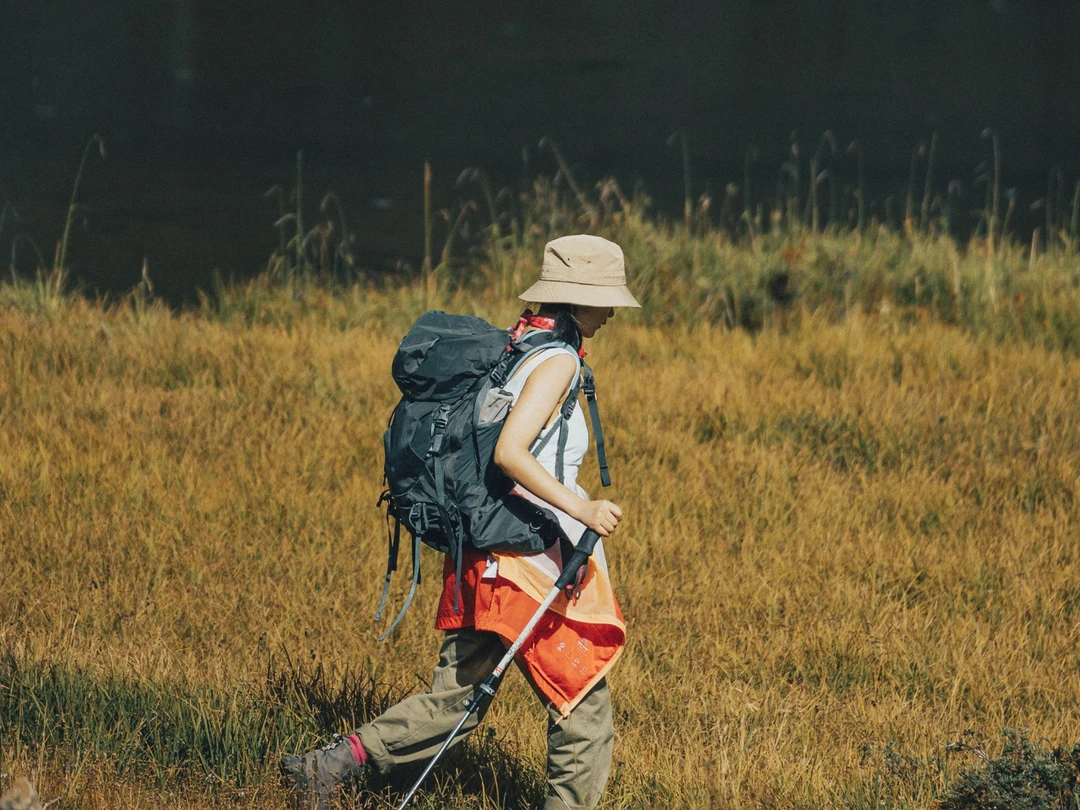
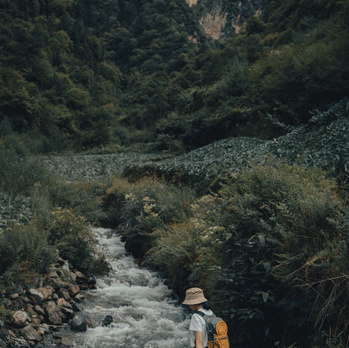
Before the May 12 earthquake, Ar Village housed 40 families. Today, only about 10 remain. A few new buildings stand at the village entrance, but the traditional Qiang village style is slowly fading. We parked and set off on foot along Baduo Gully. Flanking us were over 2,000 hectares of primeval forest—towering mountains, deep valleys, swirling mist. It felt like stepping into a fairyland.
A villager we met on the trail said, "There's nothing to see here—just forest." For us, that was exactly the appeal. Hardly any tourists, good road conditions, and after walking the main 5-kilometer path, a winding trail stretched deeper into the mountains.
The scenery was "rustic"—mountain streams and cabbage fields dominated. The villagers grow round, compact cabbages. Because the terrain is uneven, fields scatter haphazardly along creek banks and hillsides. Some plots were overgrown with weeds, leaves riddled with insect holes; others had cabbages fully ripe but unharvested. This "anything goes" approach to farming felt utterly endearing—raw, free, and unbounded.
Buzhai Fortress: The Last Guardians of the Yellow Earth Watchtowers
After leaving Ar Village, we visited another Qiang settlement: Buzhai Village. According to Lonely Planet, this is home to the world's only remaining yellow earth watchtowers, built during the Ming and Qing dynasties. Originally numbering over 40, only three still stand today.
From the mountaintop, we looked down on Wenchuan County town. The city, built along the S-shaped Min River, appeared tiny and serene. The same place, viewed from a different angle, felt entirely different—vast and noisy when you're in it, quiet and small from above.
Following the sign to Tower No. 8, we were a little disappointed. This Ming-and-Qing-era watchtower had nearly crumbled into a heap of dirt, its roof and corners overgrown with weeds. It survived several earthquakes undamaged, but given the current state of "preservation," it likely won't last much longer. The village was nearly deserted—even the township government office stood empty. One villager looked at us with surprise, as if to say, "What are you two doing here as tourists?"
We walked back to our parking spot—a village activity center—along a stone staircase carpeted with fallen leaves. Beside the square were unused exercise equipment, broken vending machines, a tractor, and two cars. We drove off in one of them, bidding farewell to Buzhai Village, a lonely mountain settlement. [Link: Complete guide to Qiang villages in Western Sichuan]
Day 3: Wenchuan to Mao County to Heishui – Plans Change on the Road
What's the most profound lesson from travel? "Plans change on the road."
Today, we'd planned to hike and camp at Jiuding Mountain. We even had our gear ready. Then, just a few kilometers from the scenic area entrance, we were stopped—the park wasn't open. But we hadn't seen any "closed" signs on the way up, and the online ticketing platform was still selling tickets. Left with no choice, we turned around.
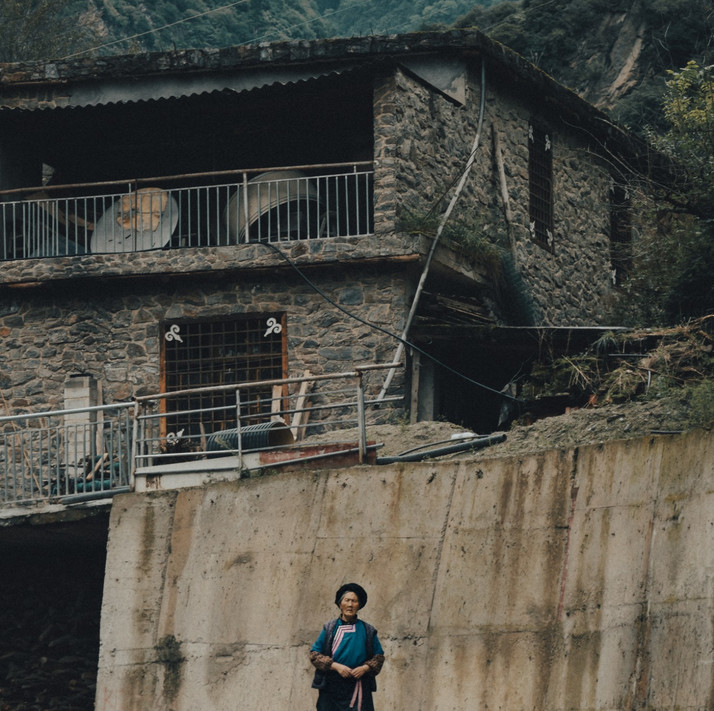
We made a spur-of-the-moment decision to visit Sêrkog Tibetan Village. When we got to the gate, a staff member told us the village was under renovation and closed to visitors. We silently turned and left. The single street by the roadside felt even more desolate.
By the time we reached Heishui, it was past three in the afternoon. We hadn't set foot in any scenic spot, but we were completely drained. The stretch from Mao County to Heishui was arguably the most challenging drive we'd ever done. This year had seen unusually heavy rainfall, with many sections damaged by landslides and mudslides. Some puddles were so deep we hesitated to cross. We mustered our courage, carefully inching through the water, our car's undercarriage scraping with a jarring sound.
The most unforgettable moment came when we passed through a nameless tunnel—pitch black inside, no lighting, relying solely on our headlights. The tunnel was long and curved, with no visible end. All we could hear was the sticky, wet grind of tires on the damp, muddy road. For a moment, it felt like we were driving into a black hole. There was a split second when I truly felt like we'd entered another dimension. [Link: Essential tips for self-driving in Western Sichuan during rainy season]
Day 4: Heishui – Kalong Valley: The "Fear and Surprise" of Having a Whole Valley to Ourselves
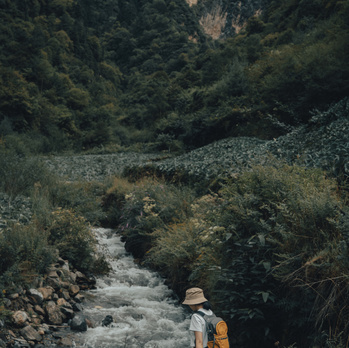
Kalong Valley lies 70 kilometers from Heishui County town and is famous for its travertine formations. We followed the wooden boardwalk up and down the mountain, passing golden calcified waterfalls and pools. A park staff member told us that most visitors come in October to see the colorful forests, so now there were very few people.
How few? For the entire day, Kalong Valley had only two visitors—us. Not even any staff were inside the park. I couldn't resist the clickbait: "Visiting the Forest Gallery of Kalong Valley in early September? We had the whole valley to ourselves!"
But honestly, when you're completely alone in a vast, silent valley, the experience shifts from peaceful to unsettling. Every rustle of leaves, every bird call echoes unnaturally. The boardwalk creaks underfoot. The calcified pools reflect the sky so perfectly they look like mirrors—but there's no one else to share the reflection. It's both terrifying and exhilarating.
The forest gallery of Kalong Valley is a living museum of nature. Ancient trees draped in moss, streams carving through limestone, and the faint scent of damp earth create an immersive experience. Without the distraction of crowds, you notice details—the texture of tree bark, the pattern of lichen, the way light filters through the canopy.
FAQ: Self-Driving the Heishui Route in Western Sichuan
1. What is the best time for a self-drive trip to Heishui?
The ideal time is mid-September to mid-October. September offers fewer crowds, lower prices, and the beginning of autumn colors. October peaks with vibrant foliage but brings higher costs and more tourists. For solitude and budget-friendly travel, late September is perfect.
2. How difficult is the drive from Mao County to Heishui?
This stretch is moderate to challenging, especially after heavy rainfall. Expect landslide-prone sections, deep puddles, and unlit tunnels. A high-clearance vehicle (SUV or 4WD) is recommended. Check road conditions before departure and drive cautiously during the rainy season (June–September).
3. What are the must-visit attractions on the Heishui route?
Top attractions include Ar Village (primeval forest and Qiang culture), Buzhai Fortress (yellow earth watchtowers), and Kalong Valley (travertine pools and forest gallery). For a longer trip, consider adding Jiuding Mountain (check opening status) and Sêrkog Tibetan Village (confirm renovation schedule).
4. Is the Heishui route suitable for beginner self-drivers?
Not recommended for beginners. The route involves narrow mountain roads, unpredictable weather, and sections with poor infrastructure. Experienced drivers comfortable with off-road conditions and emergency planning will enjoy it most.
5. What should I pack for a Western Sichuan self-drive trip?

Pack: warm layers (temperatures drop significantly at night), rain gear, flashlight, first-aid kit, snacks and water, a physical map (GPS can be unreliable), and emergency cash. A portable tire inflator and tow rope are wise additions for the challenging Mao County–Heishui stretch.
Conclusion: Your Western Sichuan Self-Drive Adventure Awaits
The Heishui route in Western Sichuan is more than a road trip—it's an encounter with raw nature, resilient cultures, and the thrill of the unknown. From the ancient Qiang villages clinging to mountainsides to the silent majesty of Kalong Valley's forest gallery, every mile offers something unforgettable.
Yes, plans will change. Roads will challenge you. You might find yourself alone in a valley, questioning your choices. But that's precisely the point. Travel isn't about checking boxes—it's about the stories you bring home.
Ready to breathe with nature? Start planning your Western Sichuan self-drive adventure today. Check road conditions, book your accommodations in advance for September, and prepare for the unexpected. The forest gallery is waiting—and it might just have your name on it.
Plan Your Trip Now: [Link: Western Sichuan self-drive itinerary planner] | [Link: Best accommodations near Heishui] | [Link: Essential gear checklist for high-altitude driving]
Have you driven the Heishui route? Share your experience in the comments below!
You may also like


