"Poetry Unfolds for Twenty Miles, from Qingyang Palace to Huanhua Stream" – A Three-Day New Year's Tour of Chengdu's Du Fu Thatched Cottage Poetry Avenue
Meta Description: Discover Chengdu's poetic soul on a three-day New Year's tour from Qingyang Palace to Huanhua Stream. Explore Du Fu Thatched Cottage, Poetry Avenue, and ancient literary landmarks. Plan your cultural journey today.
Introduction: A Poetic Escape in Chengdu
On the final night of 2021, while most of Chengdu gathered for hotpot and countdown celebrations, one traveler chose a different path. Instead of joining the crowds on Chunxi Road, they embarked on a solitary pilgrimage to visit an old friend—the legendary Tang Dynasty poet Du Fu, who spent four transformative years in Chengdu.
This three-day New Year's journey follows the famous poetic route from Qingyang Palace to Huanhua Stream, tracing the footsteps of Du Fu and Lu You through Chengdu's most cherished literary landmarks. Whether you're a poetry enthusiast, a history buff, or simply seeking a unique cultural experience, this Chengdu poetry tour offers an unforgettable immersion into China's golden age of verse.
Chapter One: New Year's Eve at Du Fu Thatched Cottage

A Solitary Walk Through History
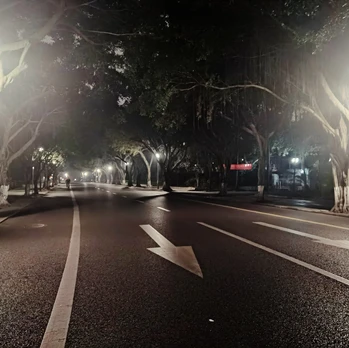
The subway deposits you at Caotang North Road, and suddenly the bustling city fades away. On New Year's Eve, the streets around Du Fu Thatched Cottage are eerily quiet—a silence that feels less like loneliness and more like invitation. As you walk south along Caotang Road, the ghost of Du Fu seems to walk beside you.
The poet's journey mirrors your own: from the glorious Kaiyuan era through the An Lushan Rebellion, from Chang'an to Brocade City (Chengdu). In the cold winter night, you recall Du Fu's famous lines:
"If only I could have a grand mansion for all the world's poor scholars to smile in—I'd be happy to freeze to death in my broken hut."
This is the essence of the Du Fu Thatched Cottage experience—not merely visiting a museum, but connecting with a soul who, even in desperate poverty, cared more for others than himself. [Link: Du Fu's life and poetry in Chengdu]
The Scent-Seeking Path: Plum Blossoms and Ancient Legends
Passing the south gate of Du Fu's Thatched Cottage, you enter the western section of Huanhua Stream Park. Here, a statue commemorates the famous "Liangzhou Dream Encounter" between poets Yuan Zhen and Bai Juyi. Though the park lies dark at night, a subtle fragrance guides you forward—the scent of winter plum blossoms.
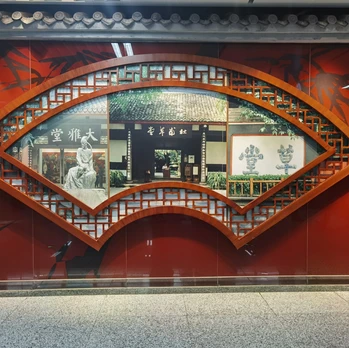
This path is called the "Scent-Seeking Path," and it inspired one of Lu You's most beloved poems:
"In those years I galloped through western Brocade City, Drunk as mud on plum blossoms. For twenty miles the fragrance never ceased, From Qingyang Palace to Huanhua Stream."
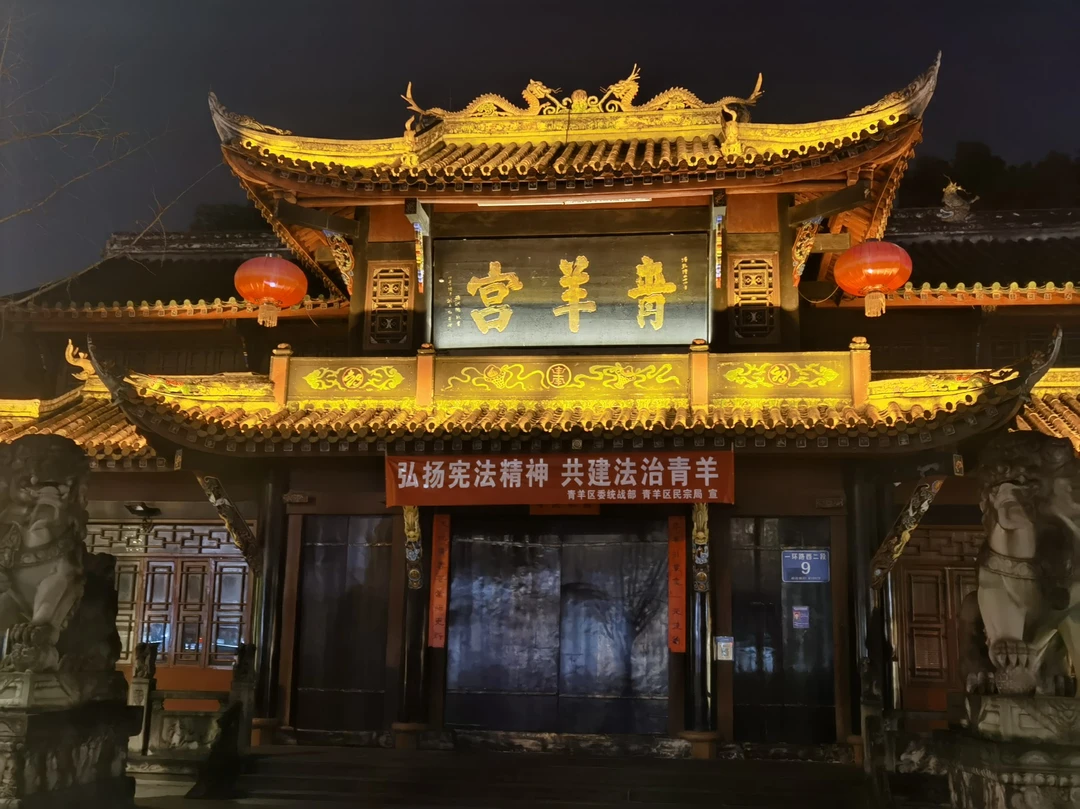
Your journey continues toward Qingyang Palace, a Taoist temple with origins dating back to the Zhou Dynasty. Legend says that Laozi himself promised to meet his disciple Yin Xi at the "Qingyang Market in Chengdu" after a thousand days of practice. Today, it stands as one of Chengdu's most significant Taoist temples and cultural landmarks.
Chapter Two: New Year's Day – Poetry Avenue and Literary Immersion
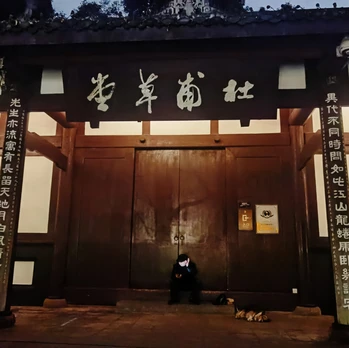
The First Rays of the New Year
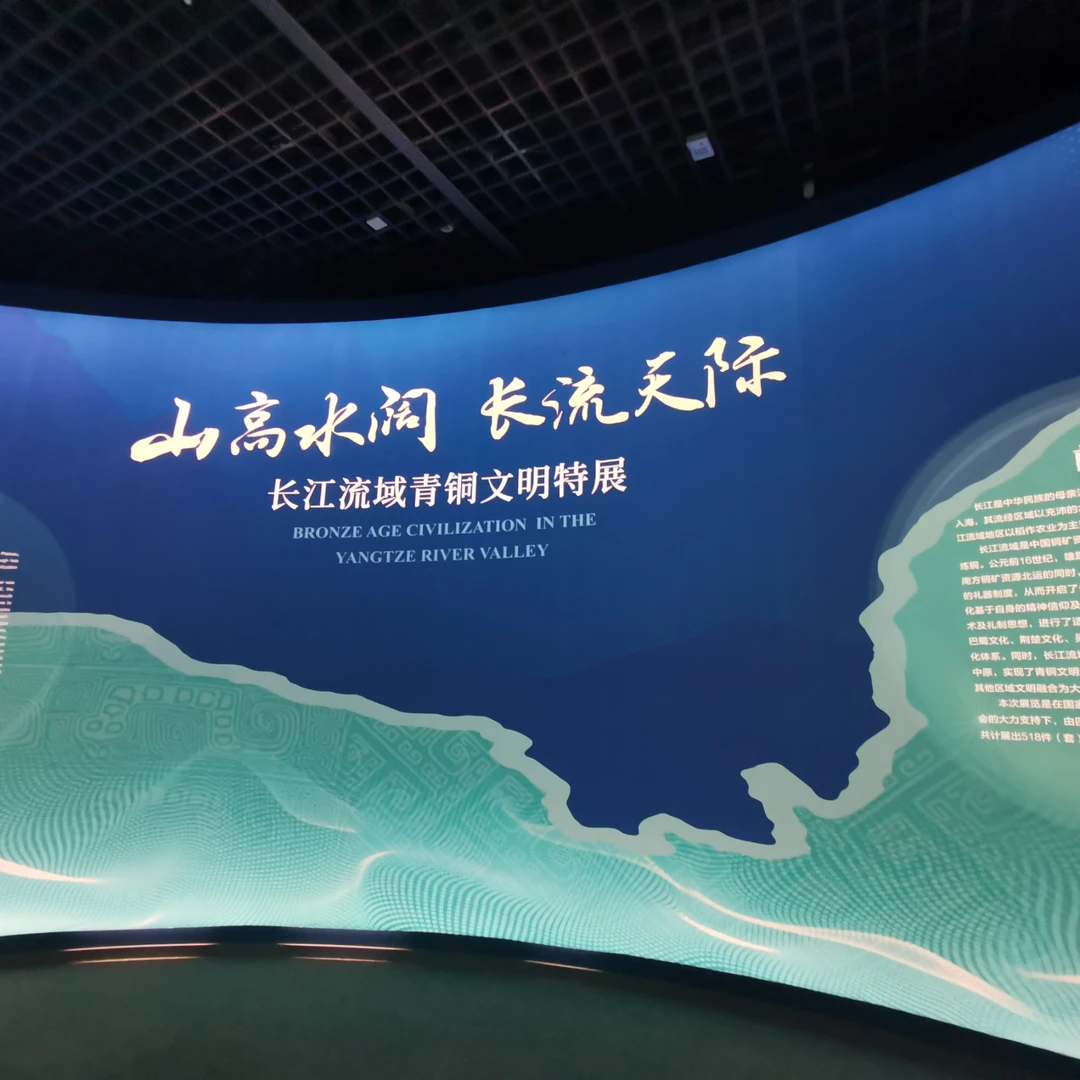
New Year's morning dawns warm and bright—a rare blessing that Chengdu residents cherish. After a hearty breakfast and a quick visit to the Sichuan Museum, you head toward the heart of your journey: the expanded garden area of Du Fu's Thatched Cottage.
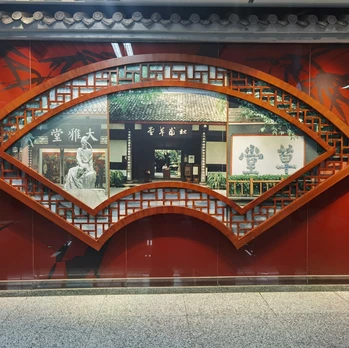
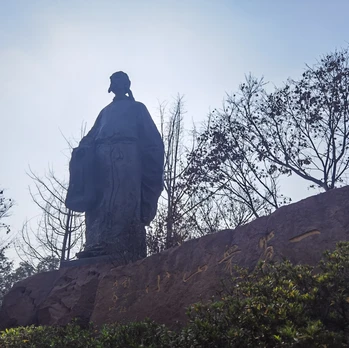
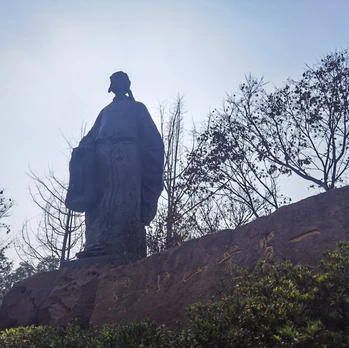
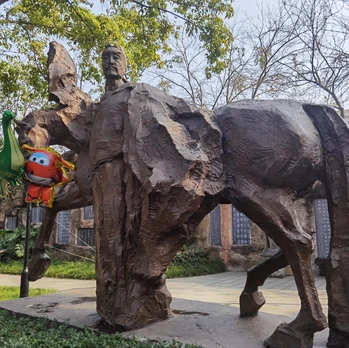
Here, you encounter your first statue of Du Fu. Unlike the heroic portrayals of Li Bai, Du Fu's statues always show him frail and gaunt—a testament to his life of hardship. The park follows his life journey through six sections:
- Wandering Youth – His early years of travel and ambition
- Chang'an Meditation – His struggles in the capital
- Exile in Qinzhou – His flight from war
- Lamenting at Kuizhou – His most productive poetic period
- Thatched Cottage Years – His time in Chengdu
- Echoes at Dongting Lake – His final years
Each section sculpts a life woven with heroic passion and deep melancholy, ideals constantly at odds with reality. [Link: Best time to visit Du Fu Thatched Cottage]
The Thousand-Poem Stele: A Literary Treasure
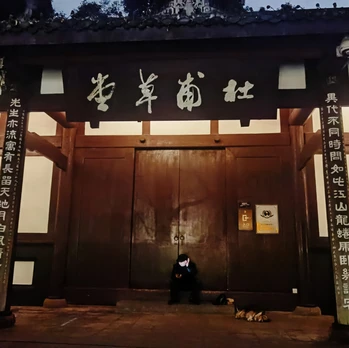
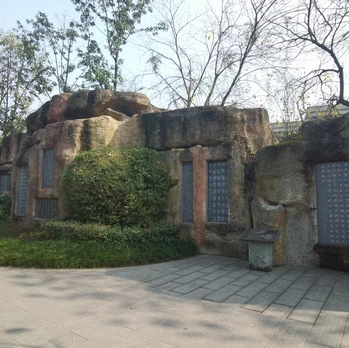
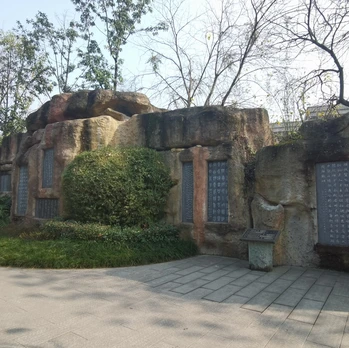
Inside the park, over a thousand of Du Fu's poems are carved in chronological order—the "Du Fu Thousand-Poem Stele." This is not a quick read; it's a meditation on one of China's greatest literary minds. Take your time. Follow the path from "Echoes at Dongting Lake" to Poetry Avenue, where the real magic begins.
Poetry Avenue: Where 300 Poets Speak
Poetry Avenue stretches over 200 meters, organized by era and timeline. It features:
- Over 300 poets from modern times back to the pre-Qin period
- More than 200 famous lines carved in stone
- Statues of literary giants: Li Bai, Du Fu, Qu Yuan
- Group statues: The Three Caos (Cao Cao, Cao Pi, Cao Zhi), the Three Sus (Su Xun, Su Shi, Su Zhe), the Four Great Poets of the Early Tang
- Special sections: Jiangxi Poetry School, Southern Song lyric poets, modern revolutionaries
One visitor noted the intriguing placement of Jin Dynasty poet Yuan Haowen among the Southern Song's Xin-style lyric poets, surrounded by Yue Fei's "Manjianghong" and Wen Tianxiang's "Crossing Lingding Ocean"—a poetic conversation across centuries.
A Serendipitous Meeting with Wang Anshi
2021 marked the thousandth anniversary of Wang Anshi's birth. Though you'd planned to visit his memorial hall in Fuzhou, Jiangxi, fate brought you to Chengdu instead. And there, on Poetry Avenue, you unexpectedly encounter Old Wang himself—a statue, yes, but a welcome New Year's surprise. (Though, as one visitor joked, "Old Wang didn't seem keen on taking photos with fans.")
By contrast, Du Fu's statue proves much more cooperative for selfies—a testament to his enduring hospitality.
Ground Calligraphy and Community Connection
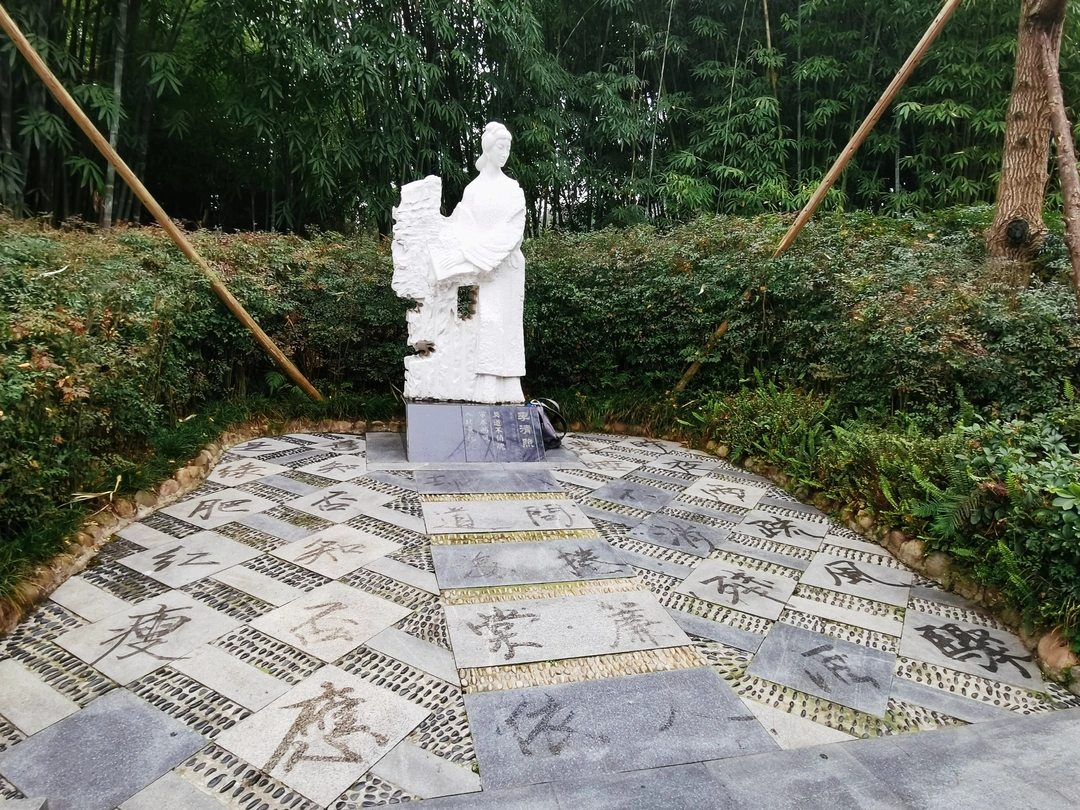
What makes Chengdu's Poetry Avenue special isn't just the stone carvings—it's the living culture. On New Year's afternoon, retirees from the Chinese Calligraphers Association write the character "Fu" (blessing) to give to passersby. As a visitor from afar, you receive a blessing from the people of Chengdu.
Nearby, a small shop sells ground calligraphy brushes. You buy one and begin writing on the pavement—Zhang Xiaoxiang's "Remembering the Beauty – Crossing Dongting Lake," Lu You's "Telling My Heartfelt Longing." Passersby stop to chat, sharing their own favorite poems. It's your first time doing ground calligraphy, and the resistance of the ground makes each stroke deliberate, meditative.
After two poems, hunger calls—but the connection remains. [Link: Cultural activities near Huanhua Stream Park]
Why This Poetry Tour Matters
This three-day journey from Qingyang Palace to Huanhua Stream offers more than sightseeing. It's an immersion into China's poetic soul—a chance to walk where Du Fu walked, to smell the plum blossoms that inspired Lu You, and to connect with a literary tradition that spans millennia.
Key highlights of this Chengdu cultural itinerary:
| Day | Activity | Focus |
|---|---|---|
| Day 1 (New Year's Eve) | Evening walk, Qingyang Palace, Scent-Seeking Path | Solitude and reflection |
| Day 2 (New Year's Day) | Du Fu Thatched Cottage, Thousand-Poem Stele, Poetry Avenue | Deep literary immersion |
| Day 3 | Huanhua Stream Park, calligraphy practice, local cuisine | Community connection |
Frequently Asked Questions
Q: What is the best time to visit Du Fu Thatched Cottage?
 A: Winter (December–February) offers the unique experience of plum blossoms along the Scent-Seeking Path, as described in Lu You's poem. Spring and autumn provide milder weather for walking the full Poetry Avenue route. Avoid Chinese National Day holiday (October 1–7) when crowds peak.
Q: How long does it take to explore Poetry Avenue thoroughly?
 A: Plan at least 2–3 hours for a meaningful visit. Reading the 200+ famous lines and studying the poet statues requires time. Many visitors return multiple times to fully appreciate the collection.
Q: Is the Poetry Avenue suitable for non-Chinese speakers?
 A: While the poems are in classical Chinese, the visual experience of the stone carvings and statues is universal. English translations are available at the park entrance. Consider hiring a guide or downloading a translation app for deeper understanding.
Q: Can I practice ground calligraphy at Poetry Avenue?
 A: Yes! Small shops near the avenue sell ground calligraphy brushes. It's a popular activity, especially on weekends and holidays. Locals are happy to offer tips and share their favorite poems.
Q: What other Chengdu attractions pair well with this poetry tour?
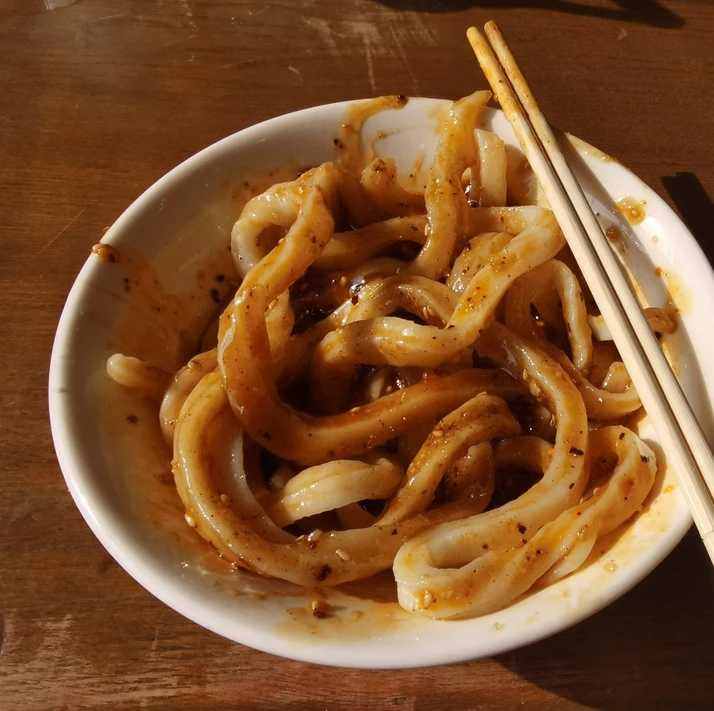
A: Combine your visit with the Sichuan Museum (nearby), Jinli Ancient Street (for traditional snacks), and Wuhou Shrine (Three Kingdoms history). For a full literary itinerary, consider a day trip to Dujiangyan, which inspired many Tang Dynasty poems.
Plan Your Poetic Journey Today
Chengdu's Du Fu Thatched Cottage Poetry Avenue isn't just a tourist attraction—it's a living museum of Chinese poetry, a place where ancient verses breathe and new connections form. Whether you're a lifelong poetry lover or a curious traveler seeking something different, this three-day tour offers an experience you'll treasure forever.
Start planning your Chengdu poetry tour now: - Book your visit to Du Fu Thatched Cottage (open daily, 8:00 AM–6:00 PM) - Check the Poetry Avenue event calendar for calligraphy demonstrations - Reserve a ground calligraphy brush from local shops - Download a classical poetry app for on-the-go translations
"For twenty miles the fragrance never ceased, from Qingyang Palace to Huanhua Stream." – Lu You
Come find your own poetic fragrance in Chengdu. The poets are waiting.
Ready to walk in the footsteps of Du Fu and Lu You? [Book your Chengdu cultural tour here] or [Contact us for custom itinerary planning]. Let the poetry unfold.
You may also like