One City, One Story: Discover Mianyang Anzhou – A Timeless Haven of Ease and Happiness
Meta Description: Explore Mianyang Anzhou, Sichuan's hidden gem where 1,600 years of history meet hot springs, Qiang culture, and pastoral bliss. Your ultimate travel guide to Luofu Mountain, Flower City Fruit Countryside, and more.
Introduction: Why Anzhou is Mianyang's Best-Kept Secret
At 25, I picked up my camera and set out to measure the world through my lens—from northern snowfields to southern islands, from foreign streets to China's most evocative landscapes. I've always believed every city has its own breath and pulse. But in Anzhou, Mianyang, Sichuan, I found something rare: a long-missed sense of ease. It's a tranquility沉淀 from 1,600 years of history, a happiness woven from misty mountains, steaming hot springs, and everyday rural life.
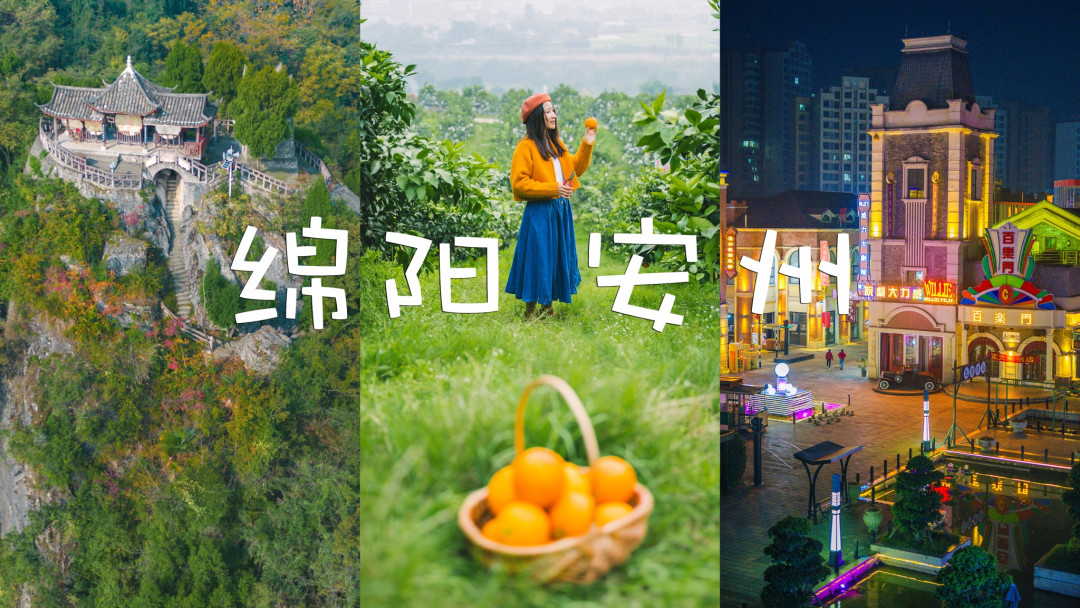
When you think of Mianyang, what comes to mind? As Sichuan's second-largest city and China's only science and technology city, its labels are "hardcore." But the city's soft core lies in its "back garden"—Anzhou. One of Mianyang's main urban districts, Anzhou was once a vital pass on the Sichuan-Tibet Tea Horse Road. Even more remarkably, it's an ancient sea pearl that rose from the ocean floor 280 million years ago. Here, you'll find the layered peaks of Luofu Mountain, misty hot springs, the poetic pastoral charm of "picking chrysanthemums beneath the eastern fence," the民国-era style of Yangma Road, and irresistible local delicacies.
Led by a local Mianyang girl, I spent a weekend thoroughly exploring Anzhou tourism and savoring its food. There's always a kind of ease and happiness that can move you. Follow my lens as we step into this city of comfort.
H2: Luofu Mountain Qiang King City – Sichuan's "Little Western Paradise"
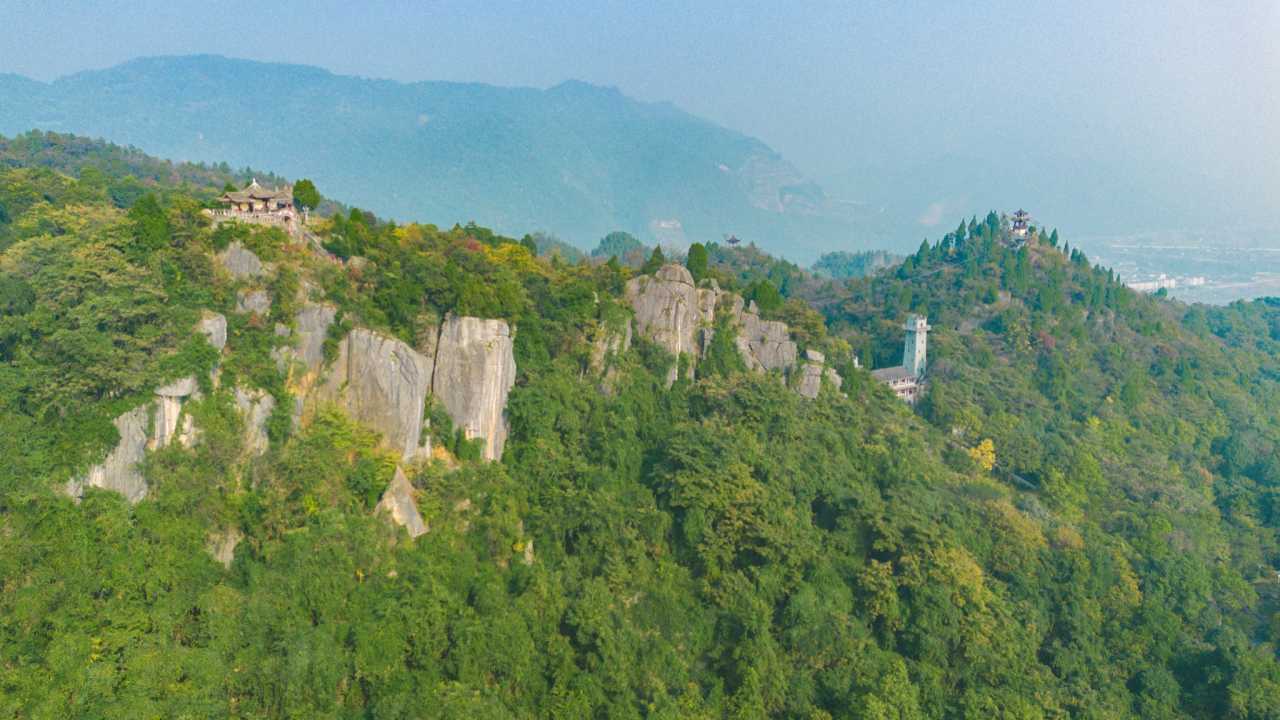
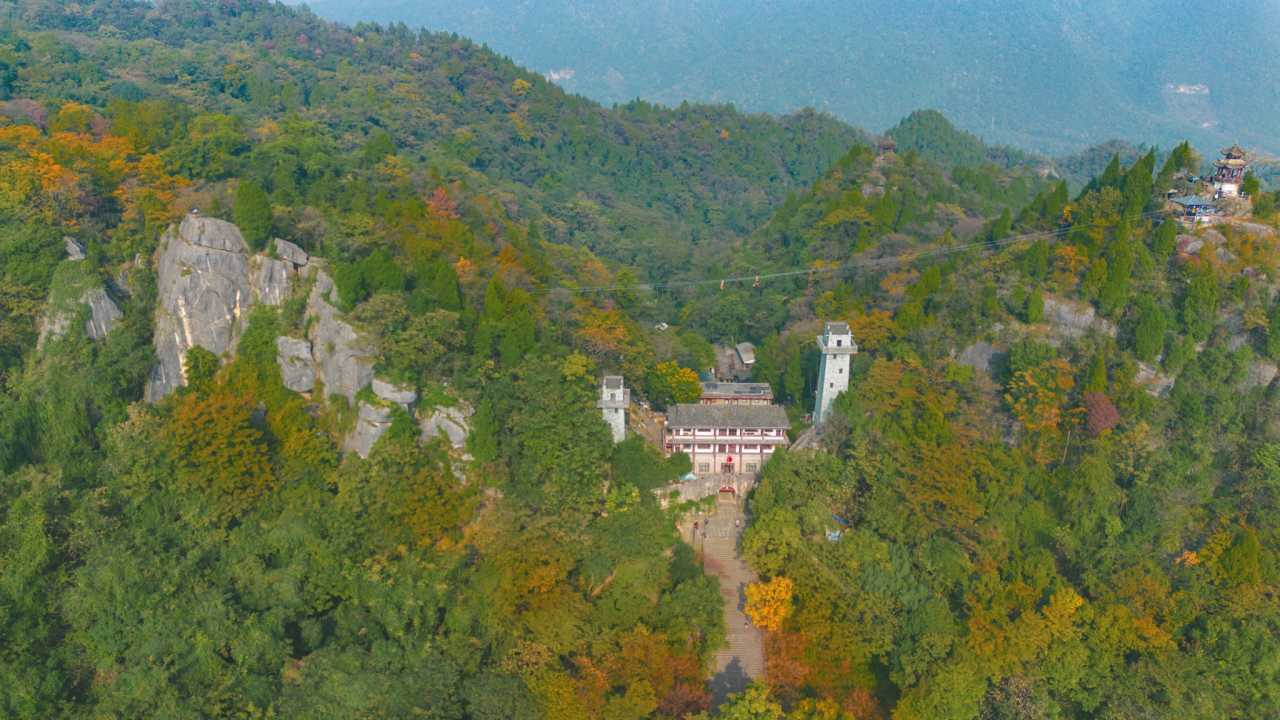
For hiking enthusiasts, Saturday begins with a climb. Luofu Mountain Qiang King City, on the outskirts of Anzhou, is a national AAAA-level scenic area. Rising from the seabed 280 million years ago, it's a classic karst solitary mountain with steep terrain and layered peaks. It's not only a historical site of the Qiang people but also the filming location for the Lion Camel Ridge in the 1986 version of Journey to the West.
At the foot of the mountain, the Luofu Mountain Temperature Tourism Resort gathers five major hot spring hotels, including Luofu Mountain Mianzhou Hotel and Fushengyu Resort. Each has its own style—an ideal place for leisure and vacation.
H3: A Natural Landscape Painting
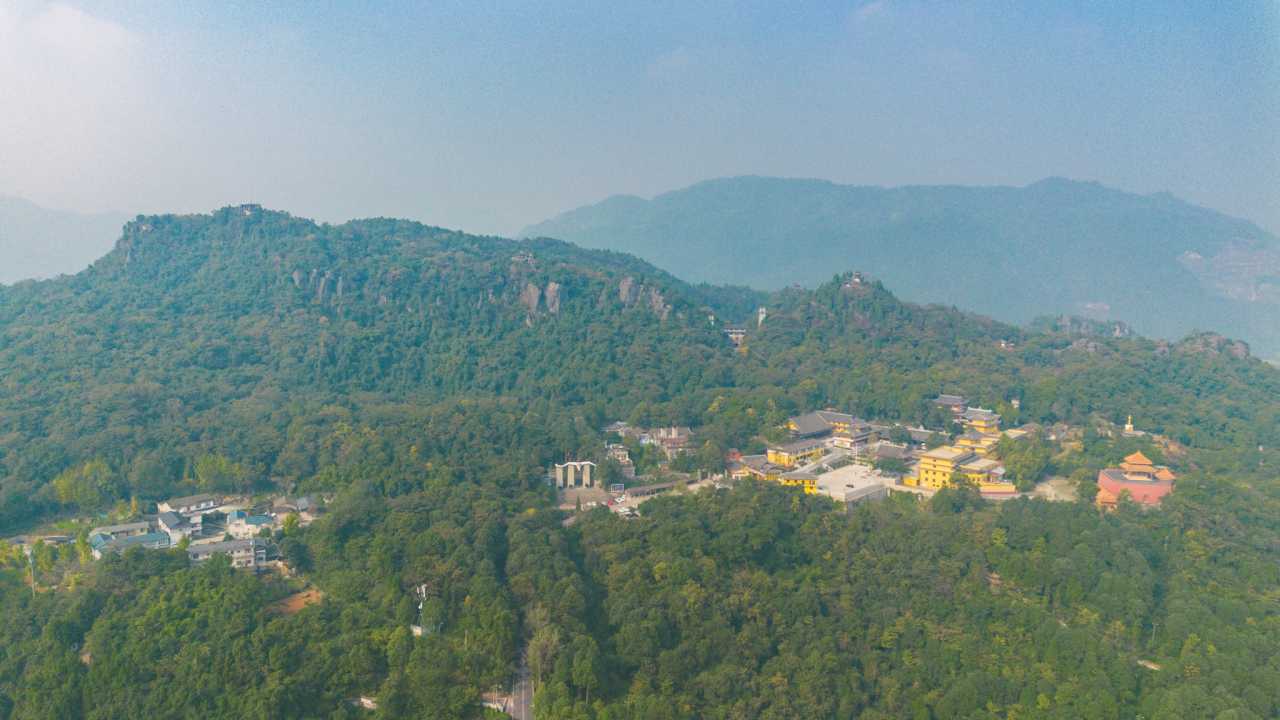
From a high vantage point, Luofu Mountain's rugged terrain unfolds: twelve main peaks like Jiahe (Crane-Riding), Lingxiao (Sky-Scraping), and Guayi (Hanging Clothes), along with twenty-four companion peaks. As a famous mountain where Buddhism and Taoism coexist, Luofu Mountain has long been called "Little Western Paradise, Best in Bashu." Despite its steep appearance, the climb is surprisingly easy, taking 2–3 hours total and suitable for all ages.
Entering the mountain gate, you follow blue stone steps along winding mountain paths, surrounded by ancient towering trees and grotesque rocks. The massive boulders are masterpieces of tectonic movements from hundreds of millions of years ago—the vicissitudes of the sea turning into land have created wonders like "A Thread of Sky." This stone forest is also a filming location for the 1986 Journey to the West; you can spot traces of the four pilgrims, along with Monkey King's Flower-Fruit Mountain and Sun Wukong pinned under the Five Elements Mountain. Along the path, you might encounter sculptures of the White Elephant Spirit and the Lion Spirit. As familiar music plays, you're instantly transported back to childhood TV-watching days.
H3: Why It's Called "Floating Mountain"
Luofu Mountain is densely forested, with abundant moisture in summer often rising to the mountainside to form clouds and mist. From a distance, the mountain appears to float in the clouds, giving the sensation of riding on air—hence its name "Floating Mountain." On clear autumn and winter days, walking through the forest, listening to birdsong and smelling flowers, is a pure pleasure.
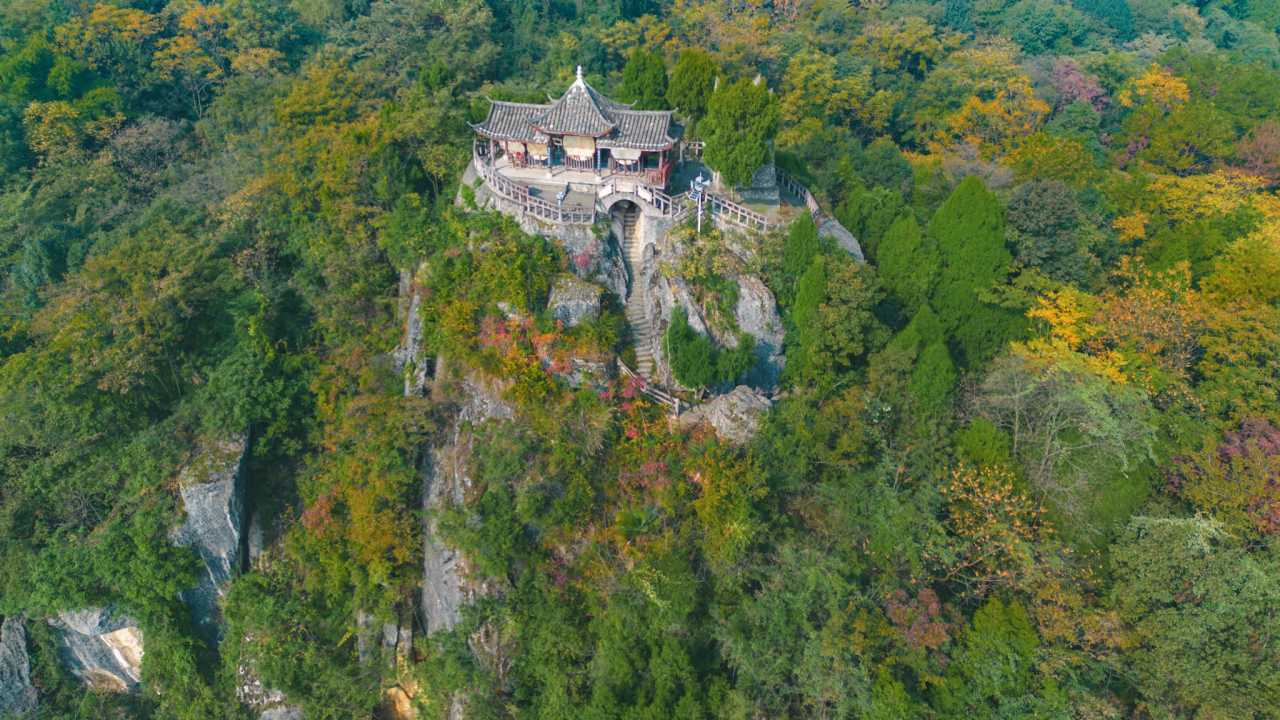
Climbing the steep stone ladder to the top of the rocks, the ascent is quite treacherous, threading through crevices where only one person can pass in many places. In about ten minutes, you reach the summit, and the view opens up dramatically. On a clear day, you can overlook the entire town of Sangzao. Distant strange peaks and奇特 rocks lie nestled in the mountains. My companion said that as a child, her parents would bring her here on holidays to climb high and gaze far. In early winter, a few red leaves still linger in the wild, presenting a different kind of autumn scenery.
Take a break at the mountaintop pavilion, and you can ring the bell for blessings. For the descent, you have two options: a zip line or walking.
H3: Qiang King City Ruins – Echoes of History
Descending between two peaks, you reach the ancient battlefield where the Qiang people once fought the Ming Dynasty—the "Qiang King City Ruins." The city walls, built with strip stones on the east and west, include military and living facilities like a general's platform, sentry posts, and house foundations. Among the Qiang dwellings, many children's interactive facilities and a petting zoo have been built. Further in, you'll find the antique, history-rich Erma Tower. An elderly man in ethnic costume plays the Qiang flute and hums folk songs; a melodious tune rises, carrying the enduring vitality of Qiang culture. Seeing how much we enjoyed it, the old man gave my companion a grasshopper handwoven from leaves—we couldn't stop admiring it. Passing through a tunnel-like city gate, I turn back to look at the silent, standing ancient walls, as if they are telling the heroic stories of the Qiang people's iron horses and golden spears.
Luofu Mountain's autumn scenery is stunning right now—go for it! At the entrance, there's also the bustling Feiming Zen Temple, with its serene environment and majestic architecture—a great choice for worship and meditation.
H3: World-Class Hot Springs at Your Feet
Beyond natural beauty, Luofu Mountain is also a hot spring health resort. Hot spring hotels dot the foothills, with water drawn from 1,500 to 2,000 meters underground. The wellhead temperature is 48°C, and the water contains iodine, metasilicic acid, radium, lithium fluoride, strontium, and metaboric acid. It is a high-temperature thermal mineral water, comparable in quality to France's Vichy hot springs—a world-class healing温泉. Spending a holiday here, relaxing amidst mountains and waters, is truly a treat.
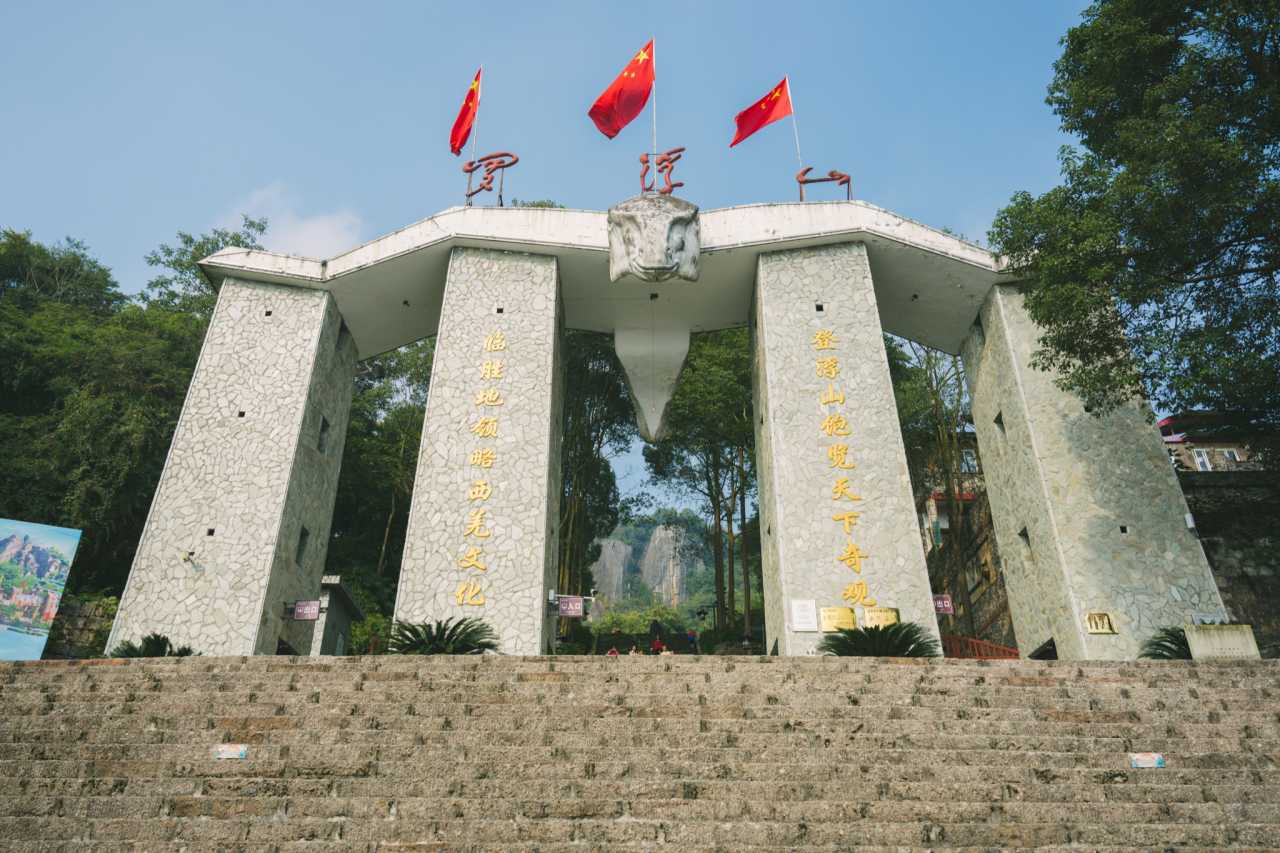
Travel Tips: - Luofu Mountain is 30 km from Anzhou city center, about a 30-minute drive. - Winter opening hours: 8:00–17:30; ticket price: 40 RMB/person.
[Link: Best hot spring resorts in Sichuan]
H2: Flower City Fruit Countryside – Pastoral Poetry in Motion
Heading east from Luofu Mountain back toward Anzhou city, don't miss this poetic Flower City Fruit Countryside. Compared to popular tourist spots, Anzhou's countryside is quiet with a touch of elegance. Driving through the wild mountains, you see fruit trees about to bear a bountiful harvest—everywhere you look, it's the pastoral life of your dreams. Flower City Fruit Countryside is a national AAA-level scenic area, integrating agricultural sightseeing, farming culture experiences, and leisure vacation—a rural tourism pastoral complex.
H3: Rediscovering Childhood Flavors – Zhuangyuan Gongcheng

Zhuangyuan Gongcheng's Ougeng Garden is located in Taiping Village, not far from the city, yet quiet with fresh air. This is Anzhou's back mountain, also the organic industrial park of Zhuangyuan Gongcheng, surrounded by 800 mu (about 53 hectares) of negative-oxygen pine forests. The farm consists of six areas: a banquet hall, Linxi Tea Pavilion, farmer's market, organic planting zone, ecological breeding zone, and forest zone. With various organic breeding and planting, every ingredient you eat at Ougeng Garden is organic and ecological.
[Link: Organic farm stays in Sichuan]
H2: Yangma Road – A Stroll Through民国-Era Elegance
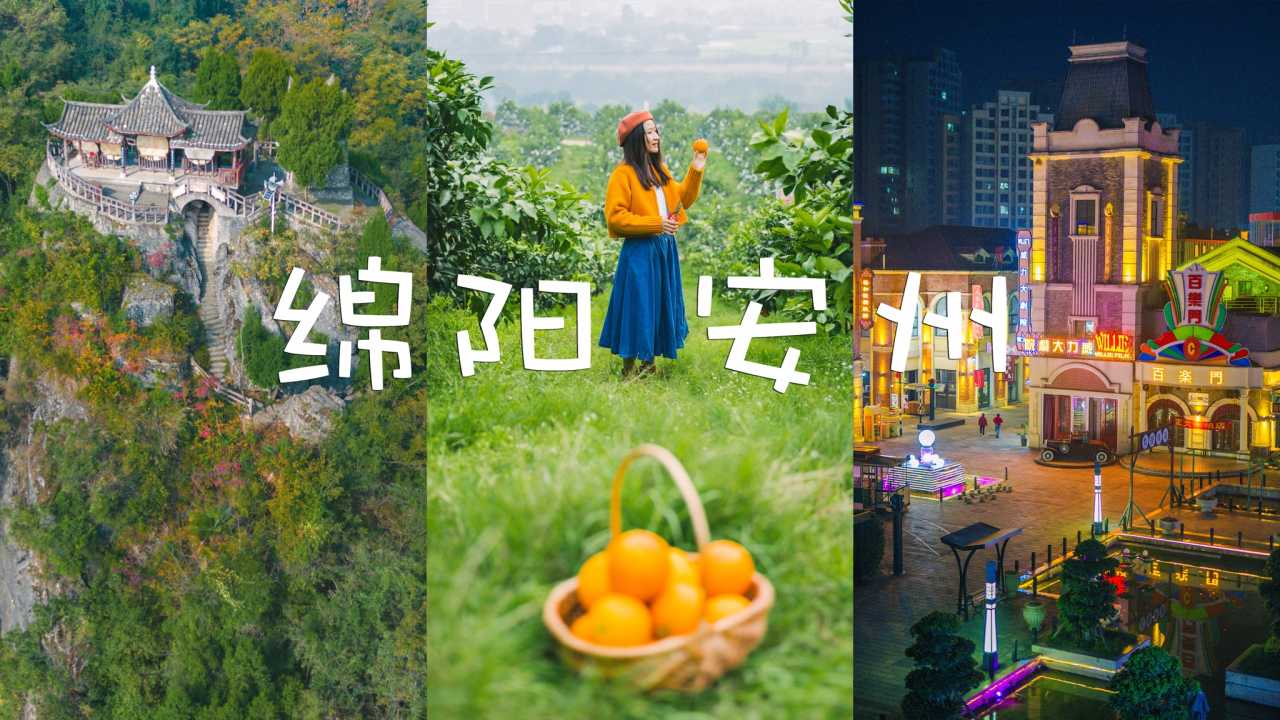
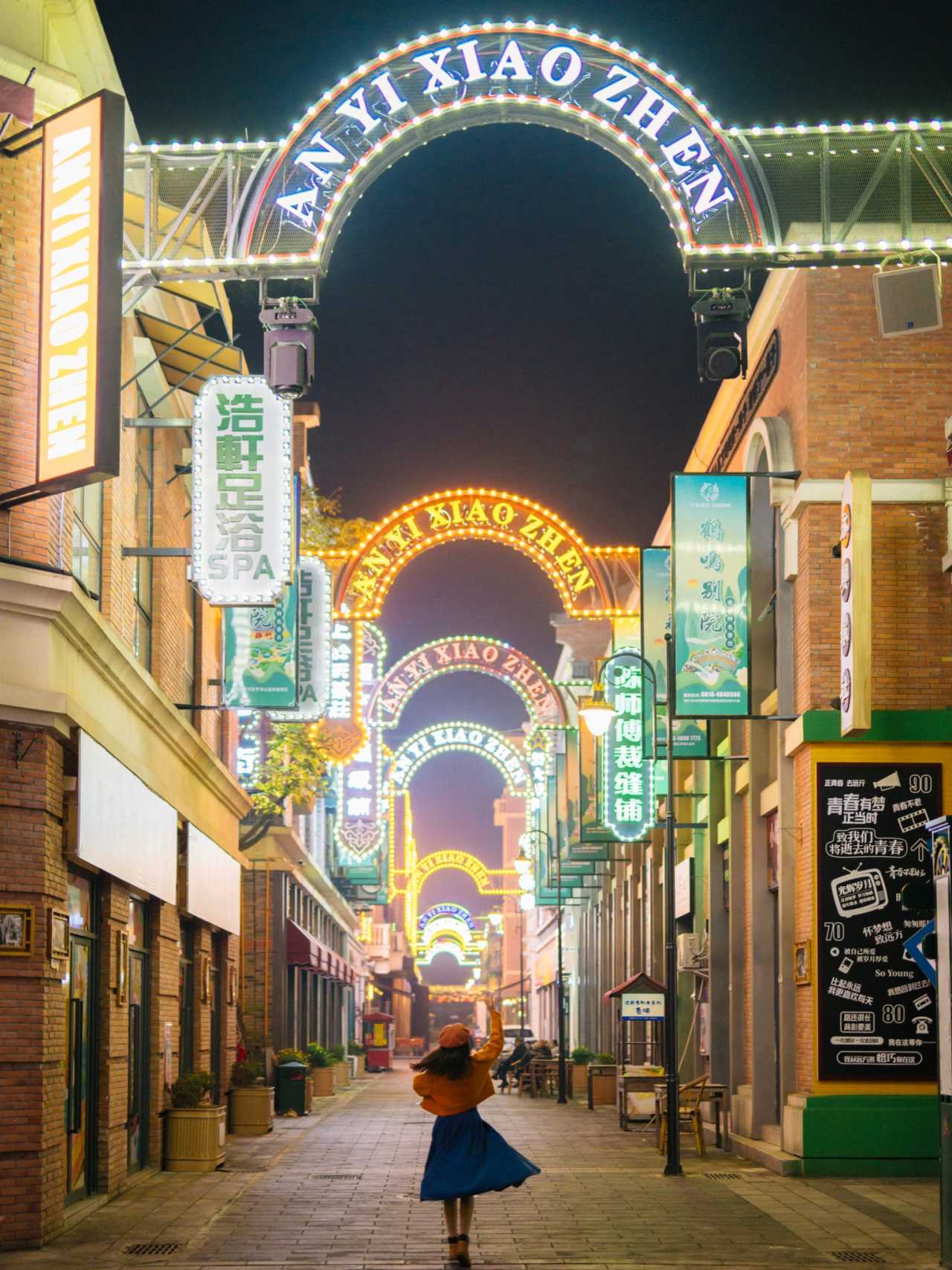
No visit to Anzhou is complete without a walk down Yangma Road. This street preserves the architectural charm of the民国 period, with weathered brick facades, arched doorways, and leafy trees that cast dappled shadows. It's a photographer's paradise and a living museum of Anzhou's cultural heritage. Local shops sell handmade crafts, traditional snacks, and antiques. The street comes alive in the late afternoon, when golden light filters through the leaves and locals gather for tea and conversation.
[Link: Historical walking tours in Mianyang]
H2: Anzhou Food Scene – Where Flavors Tell Stories
Anzhou's culinary landscape is as rich as its history. Don't leave without trying:
- Anzhou Hot Pot: A local twist on Sichuan's famous dish, with broths infused with mountain herbs.
- Qiang-Style Roasted Lamb: Marinated with indigenous spices and slow-roasted over open flames.
- Mountain Vegetable Stir-Fry: Foraged greens from Luofu Mountain, simply prepared to highlight their natural sweetness.
- Sweet Osmanthus Rice Cakes: A delicate dessert that captures the fragrance of autumn.
[Link: Must-try Sichuan street food]
H2: FAQ – Everything You Need to Know About Anzhou
Q1: How do I get to Anzhou from Mianyang city center?
 A: Anzhou is about 30 km from Mianyang city center. You can take a taxi (30–40 minutes) or catch a local bus from Mianyang's main bus station. The drive is scenic and straightforward.
Q2: What is the best time to visit Luofu Mountain?
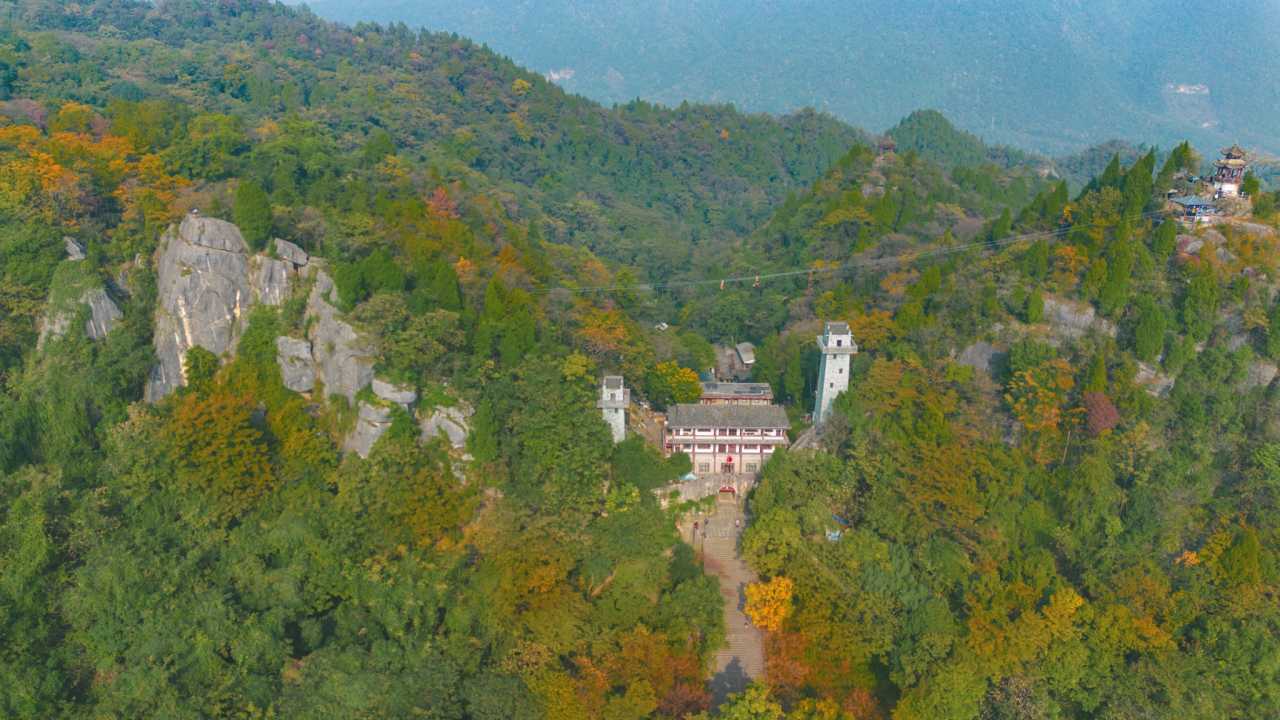 A: Autumn (October–November) and early winter (December) offer the most stunning scenery—crisp air, red leaves, and clear views from the summit. Spring is also beautiful for blooming flowers.
Q3: Is Luofu Mountain suitable for families with children?
A: Absolutely. The climb is moderate (2–3 hours), and there are children's interactive facilities, a petting zoo, and a zip line at the top. The hot spring resorts also offer family-friendly amenities.
Q4: Can I visit Anzhou as a day trip from Chengdu?
 A: Yes. Anzhou is about 2 hours by car from Chengdu. However, to fully experience the hot springs and countryside, a weekend trip is recommended.
Q5: Are English guides available at historical sites?
A: Most major sites have basic English signage. For a deeper experience, consider hiring a local guide or using a translation app.
Conclusion: Your Invitation to Anzhou
Anzhou is not a destination you rush through. It's a place to slow down, breathe deeply, and let history and nature wash over you. Whether you're soaking in world-class hot springs after a hike up Luofu Mountain, savoring organic farm-to-table meals, or wandering through民国-era streets, you'll find that ease and happiness are not just words here—they're a way of life.
So pack your camera, bring your appetite, and come discover why Mianyang Anzhou is the city of comfort you've been searching for.
Ready to plan your trip? [Link: Book your Anzhou travel package] or [Link: Find hotels near Luofu Mountain]. Share your Anzhou story with us in the comments below—we'd love to see your lens on this timeless haven.
You may also like