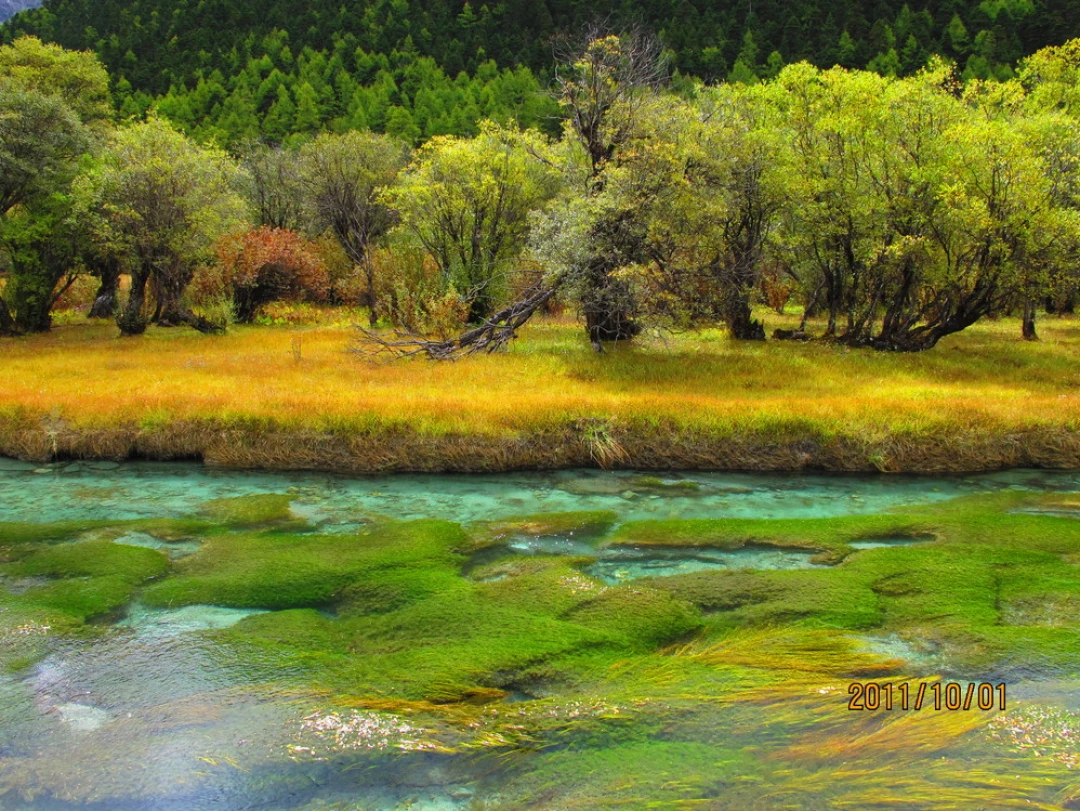
October in Western Sichuan: The Autumn Colors of Jiuzhaigou and the First Snow of Huanglong — An Unexpected Romance
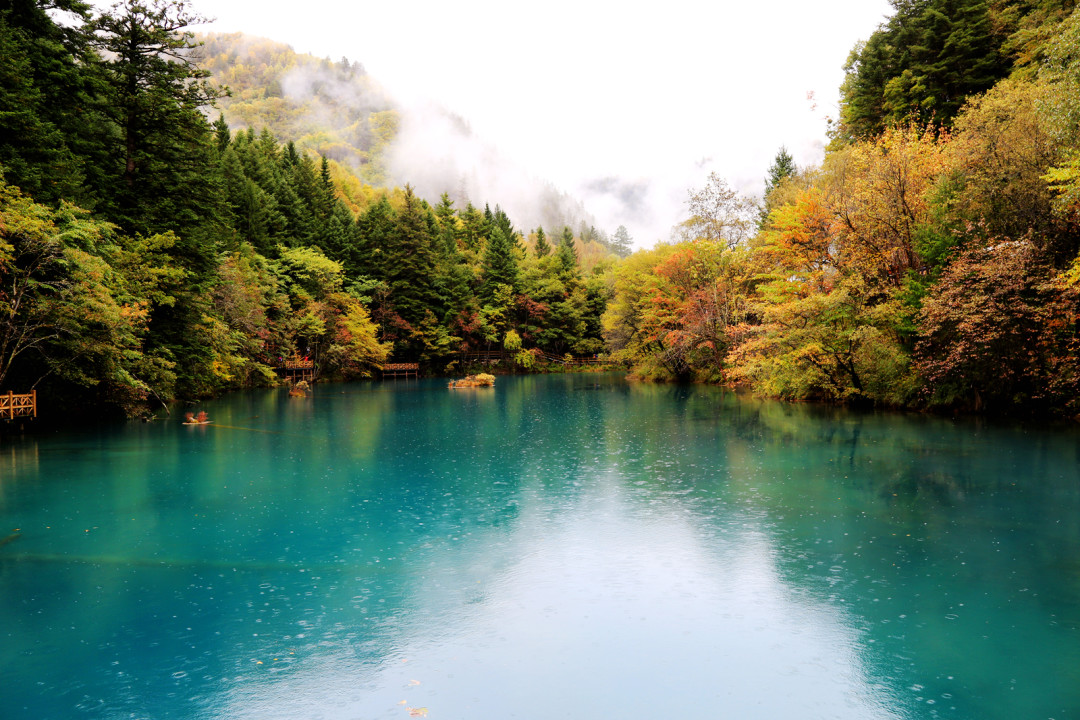
Meta Description: Discover the magic of Western Sichuan in October: golden autumn at Jiuzhaigou, first snowfall at Huanglong, and practical travel tips from Chengdu. Plan your 3-day itinerary now.
There is a peculiar impulse that stirs within people — the urge to escape the place where you've grown tired of living, and rush off to somewhere someone else has grown tired of. This impulse gave birth to "tourism," and it has become one of the most beloved lifestyles of our generation. I've herded cattle, weeded fields, stepped into grand halls, witnessed extravagance and indulgence, traveled across most of China, and experienced no small amount of foreign lands. At the end of the day, I'm just someone without grand ambitions, content with a simple life. But simple as it may be, there's one place you simply must go: Jiuzhaigou.
"After visiting Jiuzhaigou, no other water is worth seeing" — this praise is perhaps the highest accolade for Jiuzhaigou. And in October, Jiuzhaigou is the perfect union of golden autumn and emerald waters. On the way, it's only natural to stop by Huanglong, known as the "Jade Pool on Earth," with its travertine pools. After all, the two destinations are not far apart and lie along the same route. So, on October 12, 2024, I set out with my family on this three-day, two-night journey through Western Sichuan.
Pre-Trip Preparation: Three Ways to Reach Jiuzhaigou from Chengdu
Jiuzhaigou lies deep in the Minshan Mountains, where the borders of Sichuan, Shaanxi, and Gansu meet. The terrain is rugged and the distance long, making transportation less than convenient. Most travelers fly into Chengdu first and then transfer onward. There are currently three main options:
- By Air: Fly to Jiuhuang Airport, then take the airport shuttle bus.
- By High-Speed Rail: Arrive at Huangjiu Station, then transfer by bus.
- By Long-Distance Bus: Take a direct bus from Chengdu.
Since both the airport and the high-speed rail station are still a considerable distance from Jiuzhaigou, transfers are not particularly convenient. In the end, I signed up for a group tour in Chengdu. The tour came in three price tiers — A, B, and C — with the same activities, the only difference being the quality of the hotel. The tour company arranged the bus, making everything hassle-free: meals, accommodation, transportation, and entrance fees were all included. Within the scenic areas, we were free to explore on our own, as long as we gathered at the designated meeting point. The downside? Far too much time on the road, and the itinerary came with a few "mandatory add-ons": a Tibetan home visit, the "Eternal Love of Jiuzhaigou" show, and a Tibetan medicine training session at Huanglong. According to the guide, these were government requirements and couldn't be skipped.
[Link: Best group tours from Chengdu to Jiuzhaigou]
Itinerary Overview: Three Days, Two Nights — A Crossing of Autumn and Winter
- DAY 1: Chengdu → Jiuzhaigou, with a stop at the Panda Paradise, a Tibetan home visit, and overnight stay in Jiuzhaigou.
- DAY 2: Full-day tour of Jiuzhaigou, evening performance of "Eternal Love of Jiuzhaigou," overnight stay in Jiuzhaigou.
- DAY 3: Half-day tour of Huanglong, return to Chengdu.
[Link: 3-day Jiuzhaigou Huanglong itinerary]
Preview: Jiuzhaigou in the Autumn Rain, Huanglong Under Falling Snow
Let me start with a few images to give you a taste.
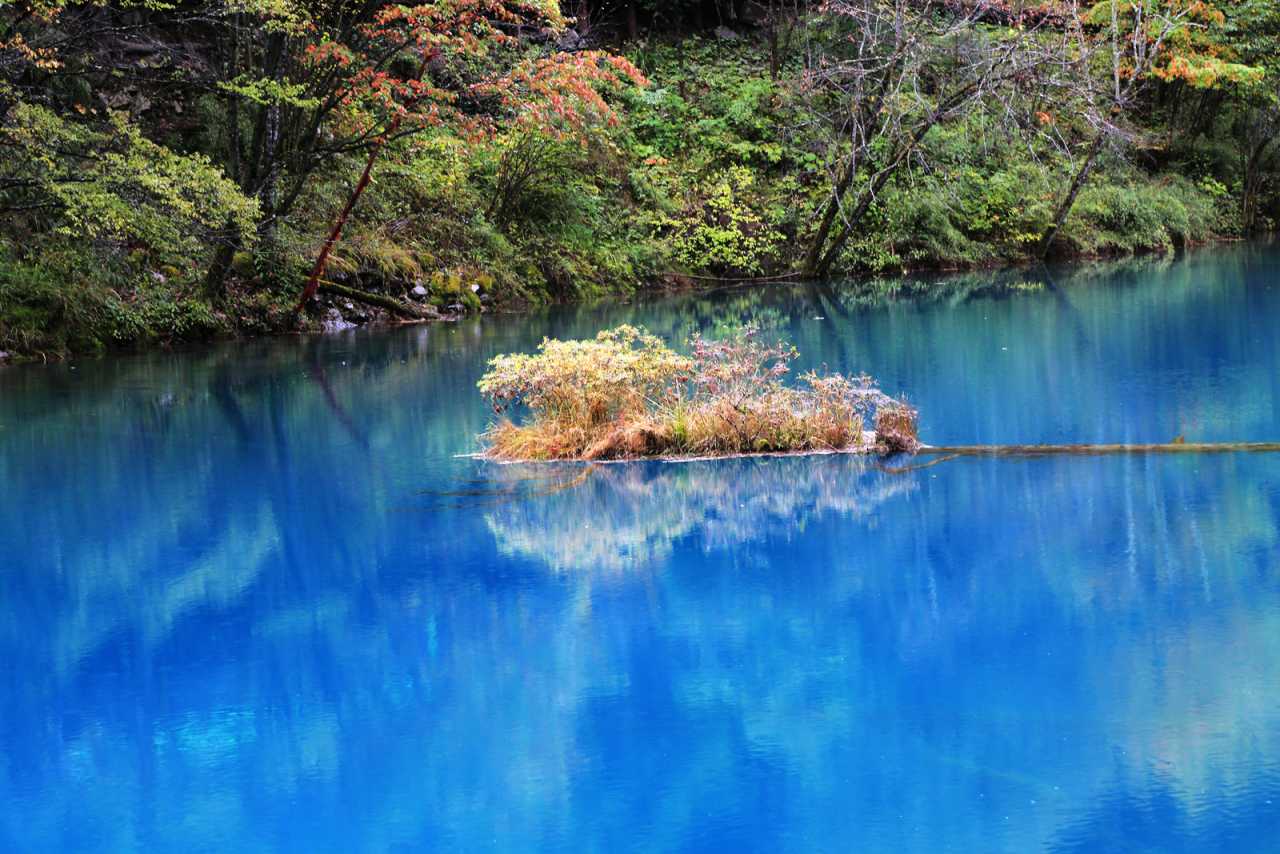
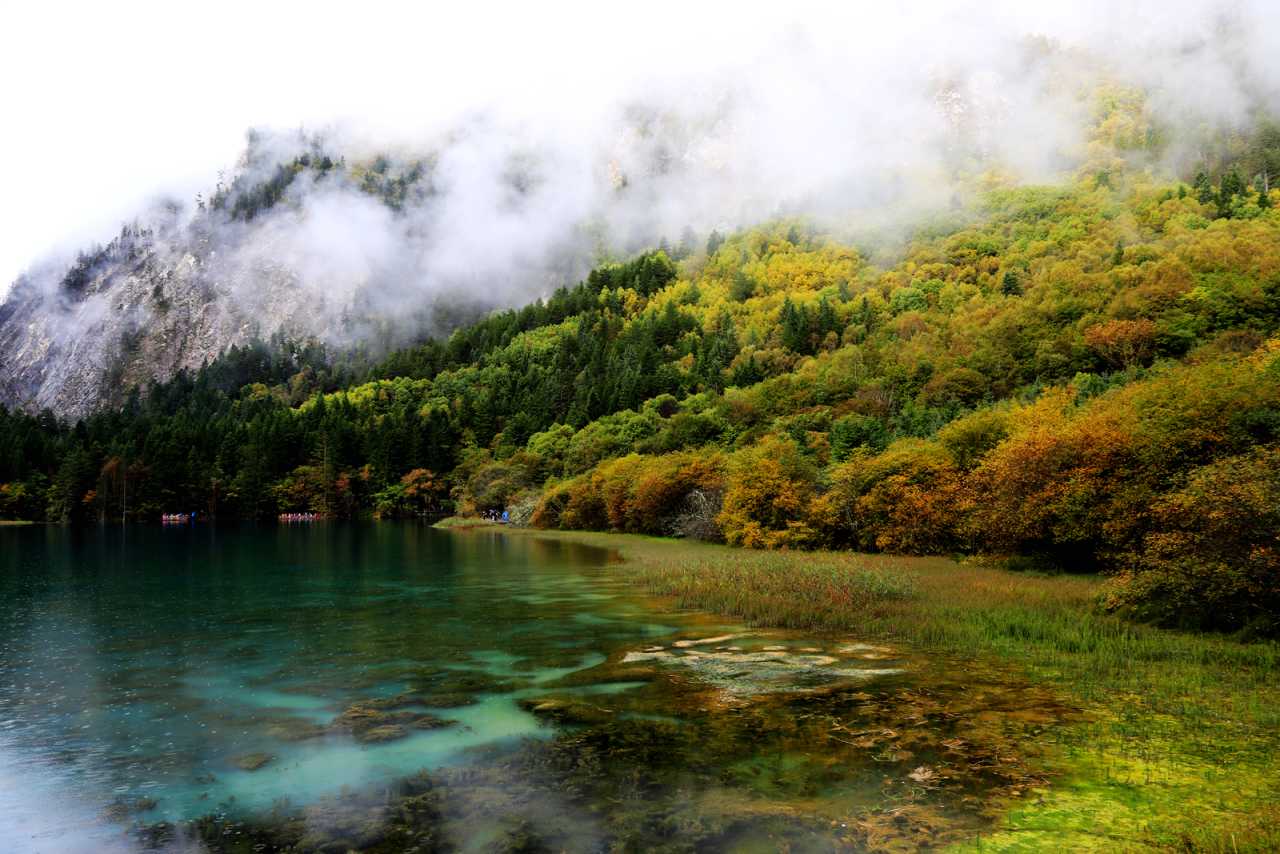
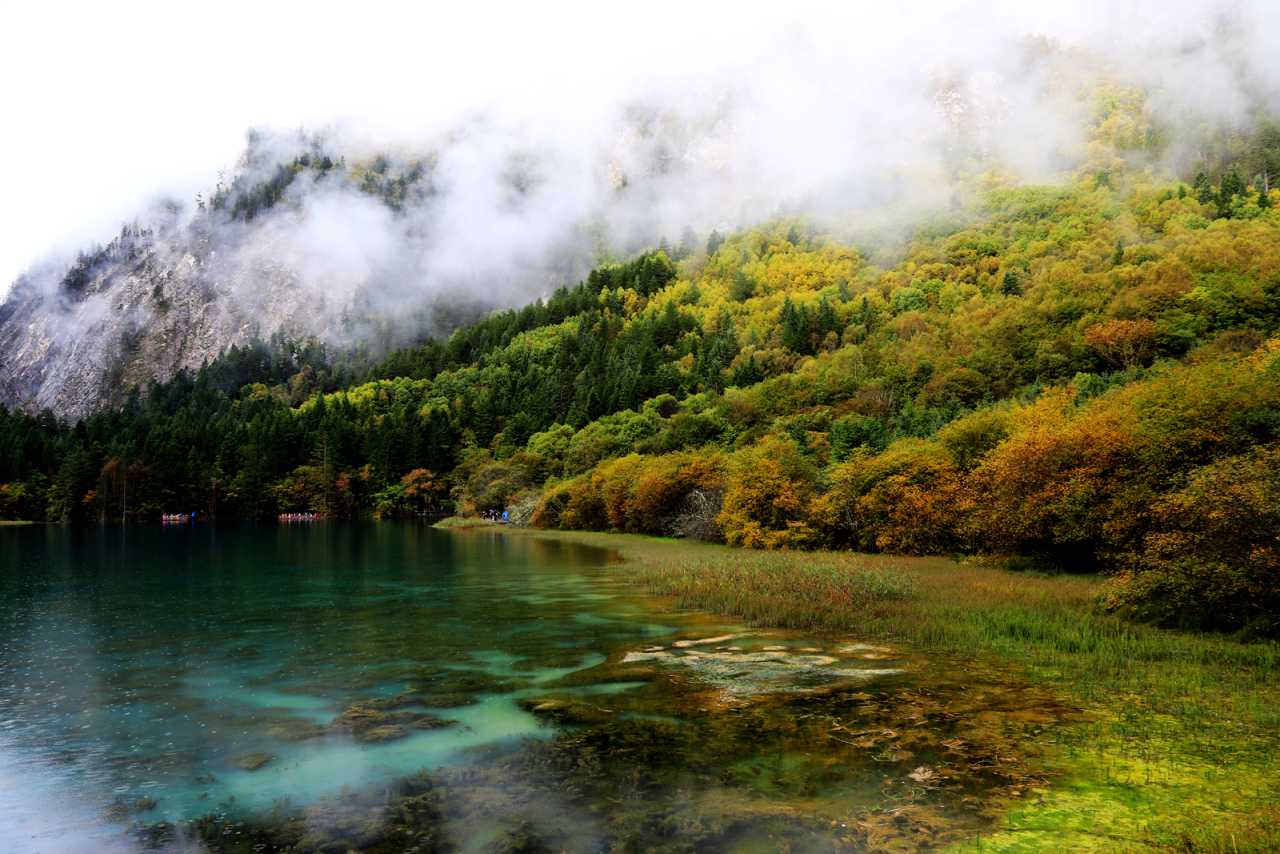
In October, the Min River Valley is thick with the onset of autumn, leaves beginning to turn gold. The scenery of Jiuzhaigou lives up to its reputation — even in the rain, it feels like a fairyland. As for Huanglong, we were lucky enough to catch its first heavy snowfall of the year, blanketing everything in silver — a unique charm all its own. On a sunny day, Huanglong's travertine pools would be dazzlingly colorful, but under overcast skies, though the colors are less vibrant, they are still worth seeing. As for "Eternal Love of Jiuzhaigou," produced by the Hangzhou Songcheng Group, its stage effects — combining sound, light, electricity, and 3D technology — are breathtaking. While opinions on the show are mixed, the visual experience alone is well worth it.
[Link: Best time to visit Jiuzhaigou for autumn colors]
Panda Paradise: The Daily Life of National Treasures — Utterly Adorable
You can't come to Chengdu without seeing the pandas. On the way to Jiuzhaigou, we happened to pass by the Dujiangyan Base of the China Conservation and Research Center for the Giant Panda, and the travel agency arranged a stop here. You can often see pandas in zoos across major cities, but usually just two or three. Here, there are forty or fifty, spanning all age groups.

The pandas are kept in open-air enclosures. A light rain was falling as they lounged about — some lying down, some sitting up, munching on bamboo on the wet ground. Each panda has its own name, and I have to admire the zookeepers' eyesight — to me, they all looked nearly identical. The cubs, by contrast, were the real crowd-pleasers. Energetic and restless, they never stopped moving. Two cubs climbed onto their mother's back, stacking on top of each other like a totem pole. Climbing trees was their specialty. At one point, two little "troublemakers" got into a fight over a tree branch, biting and pulling at each other — an utterly adorable scene.
[Link: Dujiangyan Panda Base vs Chengdu Panda Base]
The Min River Gorge: Crossing a Seismic Zone, Heading for Jiuzhaigou
Leaving the Panda Paradise behind, we passed through Dujiangyan and entered the Min River Gorge. National Highway G213 winds along the gorge, serving as the main artery connecting southern Gansu and western Sichuan. We spent most of our journey to Jiuzhaigou traveling along this road.
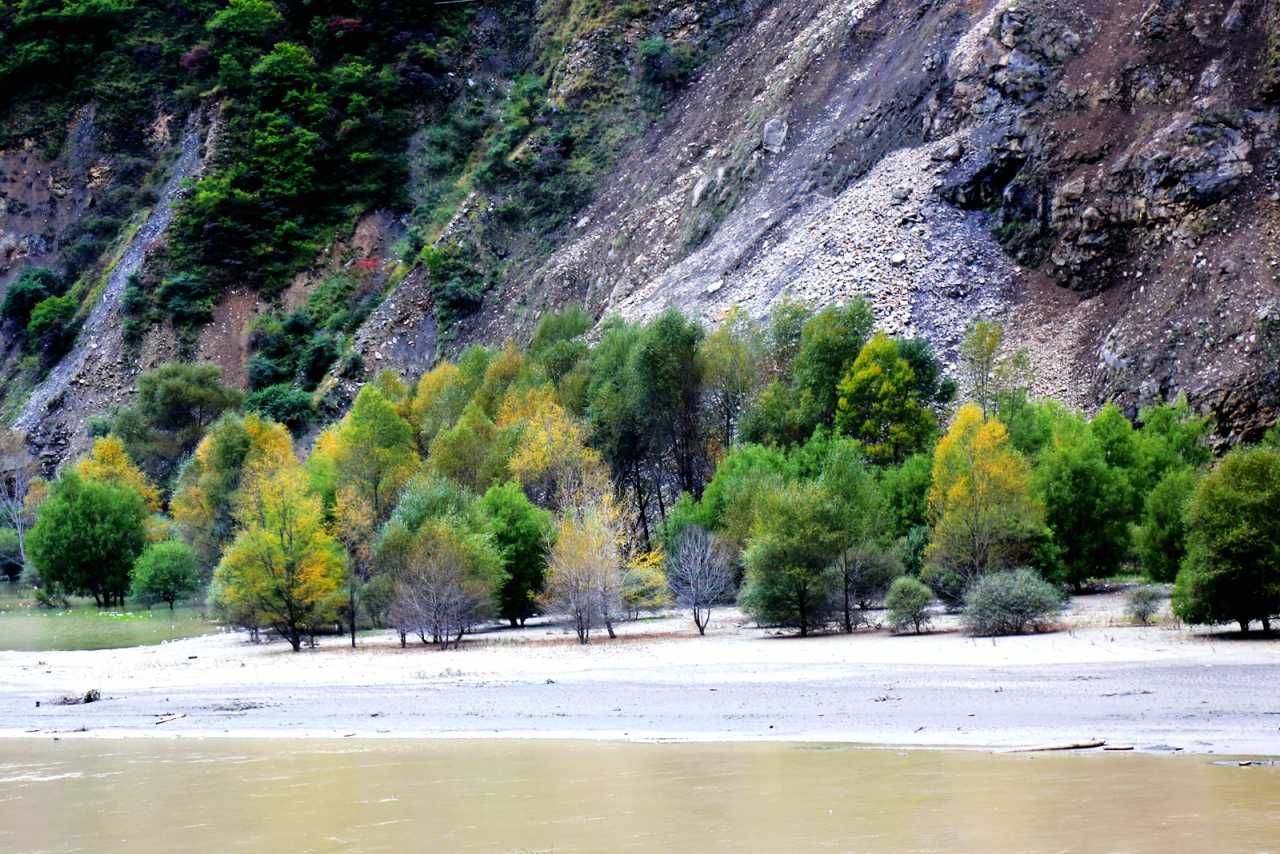
The lower reaches of the Min River are flanked by towering mountains and deep valleys. This area lies on the fault line between the Sichuan Basin and the Qinghai-Tibet Plateau, with fragile geological conditions — earthquakes and landslides are common. Wenchuan, rebuilt after the devastating earthquake, sits right in the river valley. To be honest, the Min River Valley is not particularly suitable for human habitation — flat land is scarce, the slopes are steep, and even grazing is difficult. The living conditions in Western Sichuan are far harsher than most people imagine. The residents of Wenchuan, Mao County, and Songpan mostly live in such gorges.
On the cliffs, you can still see traces of the ancient Tea Horse Road. Before the highway was built, the people here relied entirely on pack mules for trade with the outside world. Whenever it rained, landslides became almost routine, and traffic jams were common. Fortunately, the road-clearing crews arrived quickly, so the delays were usually short. The Minshan Mountains on both sides of the Min River were especially majestic under the overcast sky, with white mist shrouding the peaks — a scene straight out of a painting.
Along the way, we passed Songping Valley, known as "Little Jiuzhaigou." But the most awe-inspiring sight was Diexi Lake. In 1933, a massive earthquake plunged the ancient town of Diexi into the valley floor. The collapsing mountainsides blocked the Min River, forming two barrier lakes. The water level rose by several hundred meters, and to get from the valley floor to the top of the lake, you have to navigate a winding, zigzagging mountain road. The lake stretches about 10 kilometers long and 1 kilometer wide, with a maximum depth of 98 meters. This is also a rest stop for buses heading to Jiuzhaigou. Legend has it that the earthquake struck at night, burying more than 20,000 residents of Diexi Town beneath the valley floor — almost no one survived. Locals say that at night, Diexi Lake often emits eerie, mournful cries.
Past Diexi Lake, the Min River begins to slow, forming sandbars in the valley — rare patches of fertile farmland in this rugged gorge.
[Link: Min River Gorge road conditions and safety tips]
Tibetan Home Visit: A Feast That Was Lively but Hard to Swallow
After a full day on the road, we finally arrived at Jiuzhaigou in the evening. Without a moment's rest, we headed straight for the Tibetan home visit. The so-called "home visit" was essentially a meal at a restaurant run by Tibetan locals, accompanied by cultural performances. The food was abundant — yak meat, butter tea, tsampa, and barley wine — but the flavors were strong and unfamiliar to many Han Chinese palates. The hosts were warm and enthusiastic, encouraging guests to sing and dance. While the experience was memorable, the authenticity felt somewhat commercialized. If you're looking for a genuine cultural exchange, you might want to seek out smaller, family-run homestays instead.
[Link: Authentic Tibetan cultural experiences in Jiuzhaigou]
Jiuzhaigou in October: A Fairyland of Golden Autumn and Emerald Waters
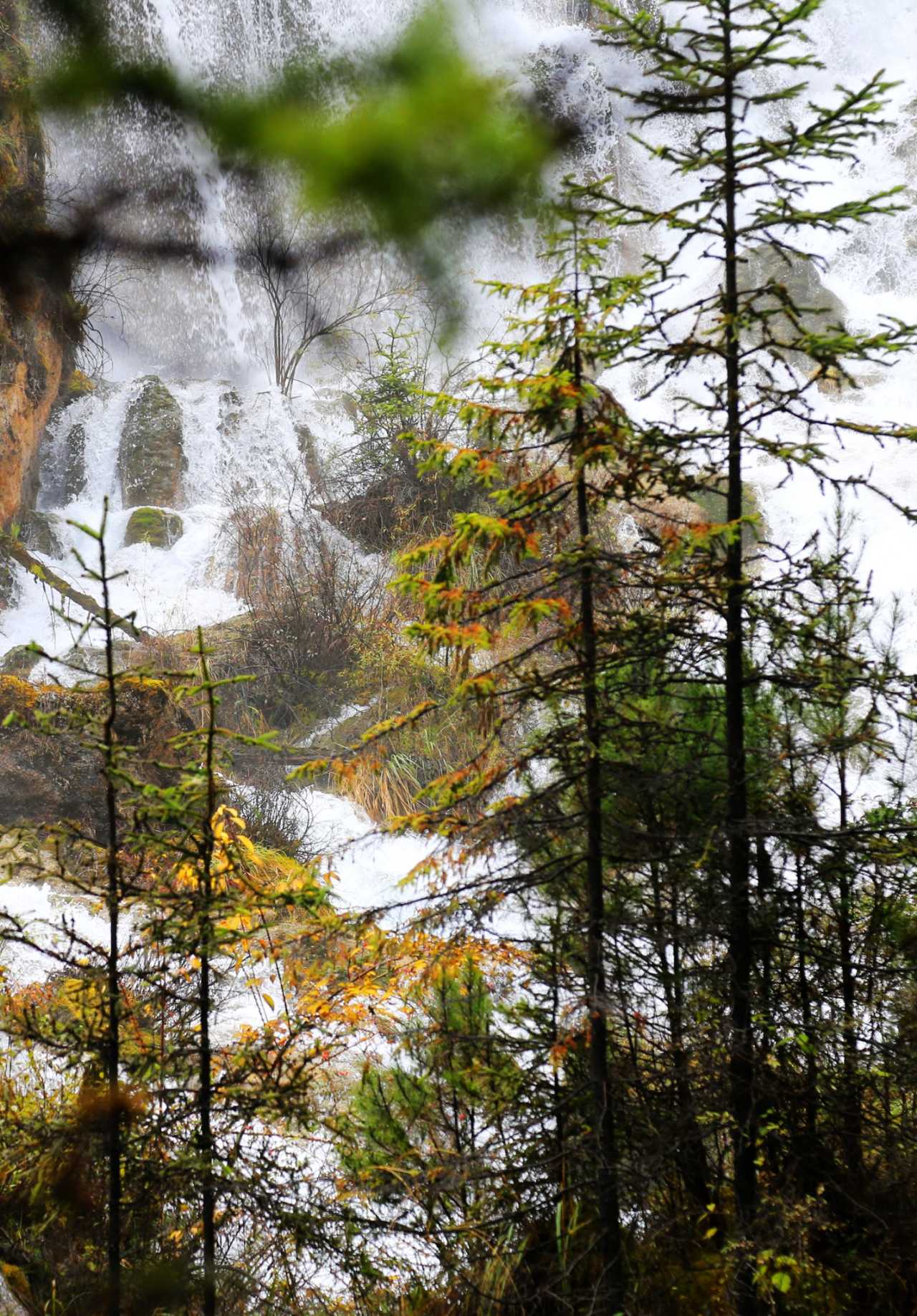
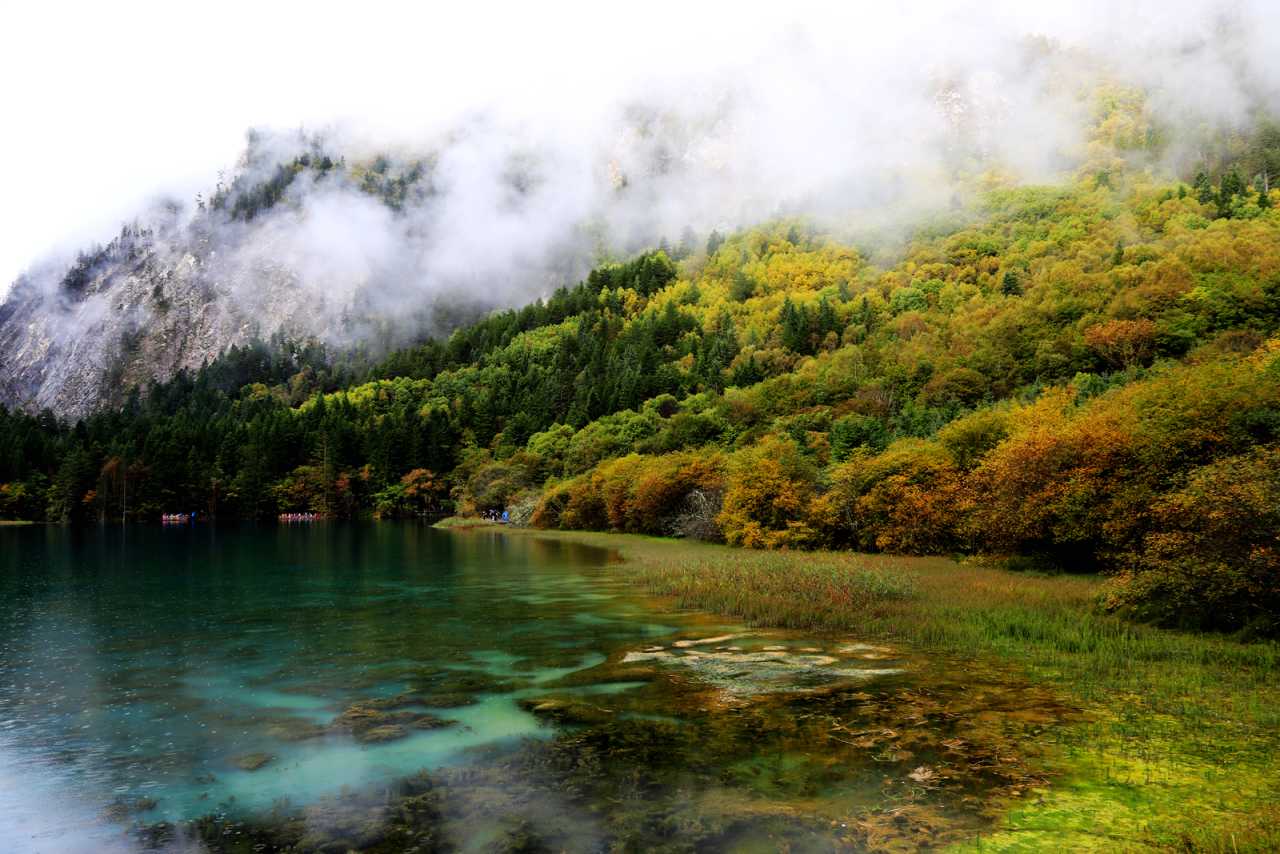
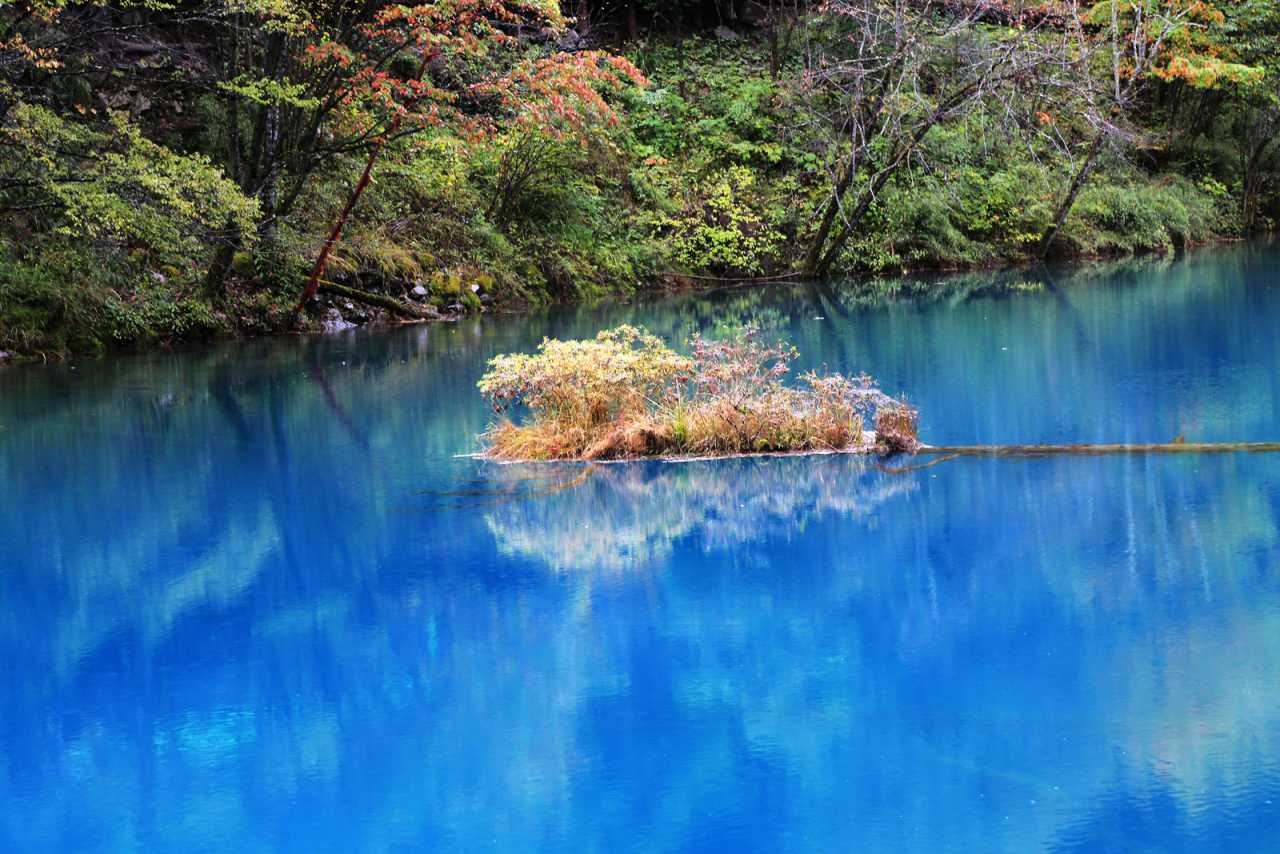
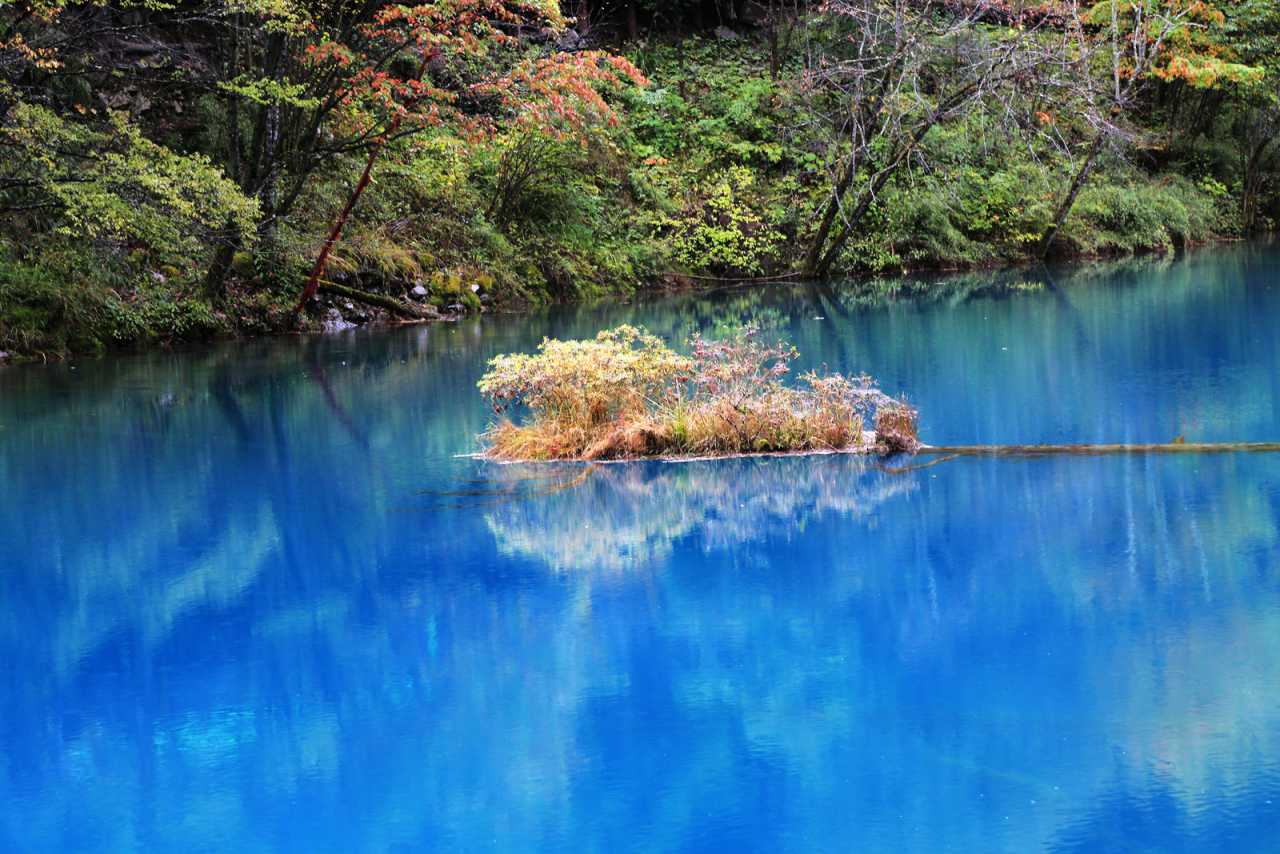
The next morning, we entered Jiuzhaigou National Park. Even under a light drizzle, the scenery was breathtaking. The park is divided into three main valleys: Rize Valley, Shuzheng Valley, and Zechawa Valley. The most iconic spots include Nuorilang Waterfall, Five-Flower Lake, Long Lake, and Panda Lake. In October, the leaves of maple, birch, and oak trees turn brilliant shades of red, orange, and gold, reflecting off the crystal-clear turquoise waters. The contrast is nothing short of magical.
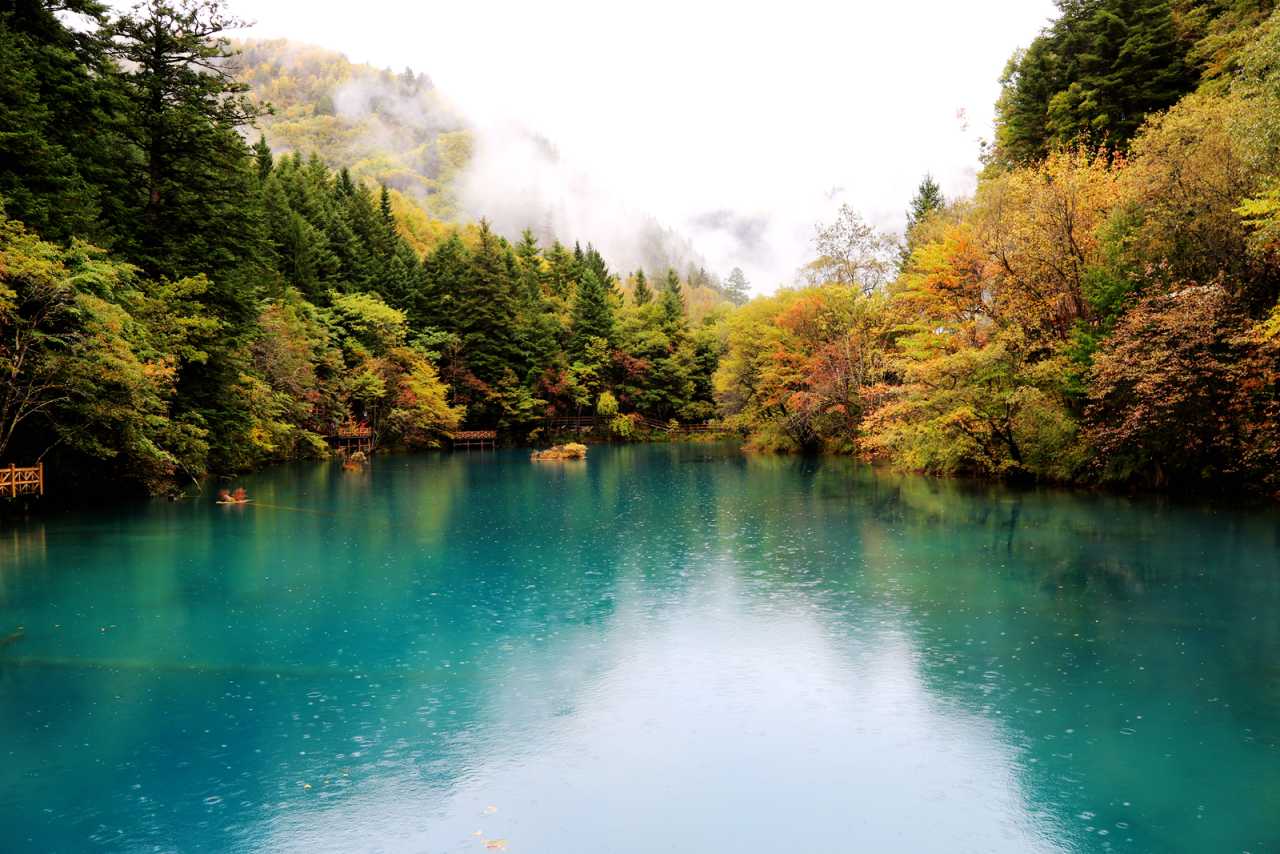
I recommend taking the park's shuttle bus to the highest point first (Long Lake or Primeval Forest), then walking downhill. This saves energy and allows you to enjoy the scenery at your own pace. The boardwalks are well-maintained, and the crowds, while present, are manageable in October.
[Link: Jiuzhaigou autumn photography tips]
Huanglong in the First Snow: A Silver Wonderland
On the third day, we drove to Huanglong Scenic Area. The weather had turned, and a heavy snowfall had transformed the landscape into a winter wonderland. The travertine pools, usually a riot of color, were now dusted with white — a rare and beautiful sight. The main attraction is the Five-Color Pond, a series of terraced pools filled with mineral-rich water that shimmers in shades of blue, green, and yellow. Even under overcast skies, the colors were visible, though less vibrant than on a sunny day.
The hike up to the Five-Color Pond takes about 2-3 hours, depending on your pace. Alternatively, you can take the cable car up and walk down. Be sure to wear warm, waterproof clothing and sturdy shoes — the snow can be slippery.
[Link: Huanglong winter travel guide]
Frequently Asked Questions
1. What is the best time to visit Jiuzhaigou for autumn colors?
Mid-October to early November is the peak season for autumn foliage in Jiuzhaigou. The leaves turn vibrant shades of red, orange, and gold, and the weather is generally cool and pleasant.
2. Is it worth visiting Huanglong in October?
 Absolutely. October offers a unique opportunity to see both autumn colors and the first snowfall of the season. The contrast between golden leaves and white snow is unforgettable.
3. How do I get from Chengdu to Jiuzhaigou?
 You can fly to Jiuhuang Airport, take the high-speed rail to Huangjiu Station, or book a direct bus from Chengdu. For convenience, many travelers opt for a group tour that includes transportation.
4. What should I pack for a trip to Jiuzhaigou and Huanglong in October?
 Pack layers, including a warm jacket, waterproof shoes, a hat, gloves, and an umbrella. The temperature can drop significantly, especially at higher elevations.
5. Are there any altitude sickness concerns?
Jiuzhaigou sits at around 2,000-3,000 meters, while Huanglong reaches over 3,500 meters. If you're prone to altitude sickness, consider taking medication in advance and avoid strenuous activity on the first day.
Final Thoughts: Why You Should Visit Western Sichuan This October
Western Sichuan in October is a land of contrasts — golden autumn forests meet the first snow of winter, emerald lakes reflect fiery foliage, and ancient cultures blend with modern tourism. Whether you're a nature lover, a photographer, or simply someone seeking an escape, this journey will leave you spellbound.
Don't wait. Book your trip to Jiuzhaigou and Huanglong today. The romance of autumn and winter awaits.
Ready to plan your adventure? [Link: Book your Jiuzhaigou tour now]