October in Western Sichuan: A Nine-Day Gongga Autumn Loop – Ultimate Travel Guide
Meta Description: Discover the ultimate 9-day Western Sichuan autumn loop itinerary. Gaze at sacred Gongga Snow Mountain, explore Siguniang & Hulu Lake, and experience peak fall colors. Expert tips, costs & route inside.
Introduction: Why Western Sichuan in October is a Bucket-List Destination
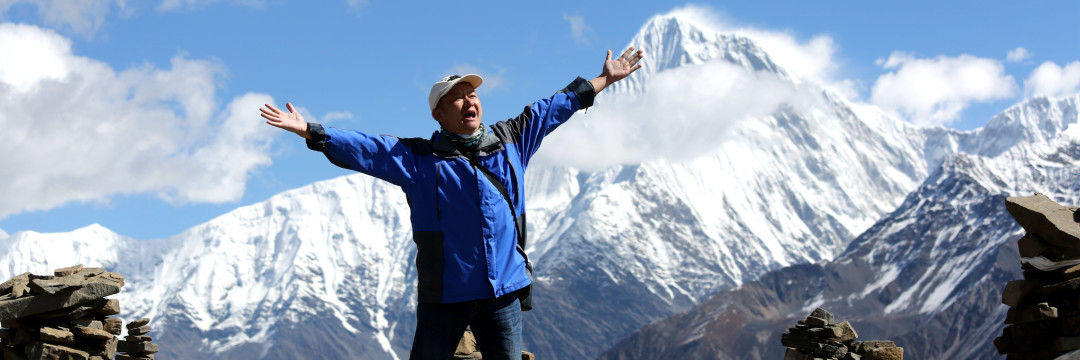
Some places linger in your soul like a haunting melody. For seasoned travelers, Western Sichuan in October is exactly that—a dreamscape where autumn paints the valleys in gold and crimson, and the sacred peaks of Gongga Snow Mountain (the "King of Sichuan Mountains") pierce crystalline skies.
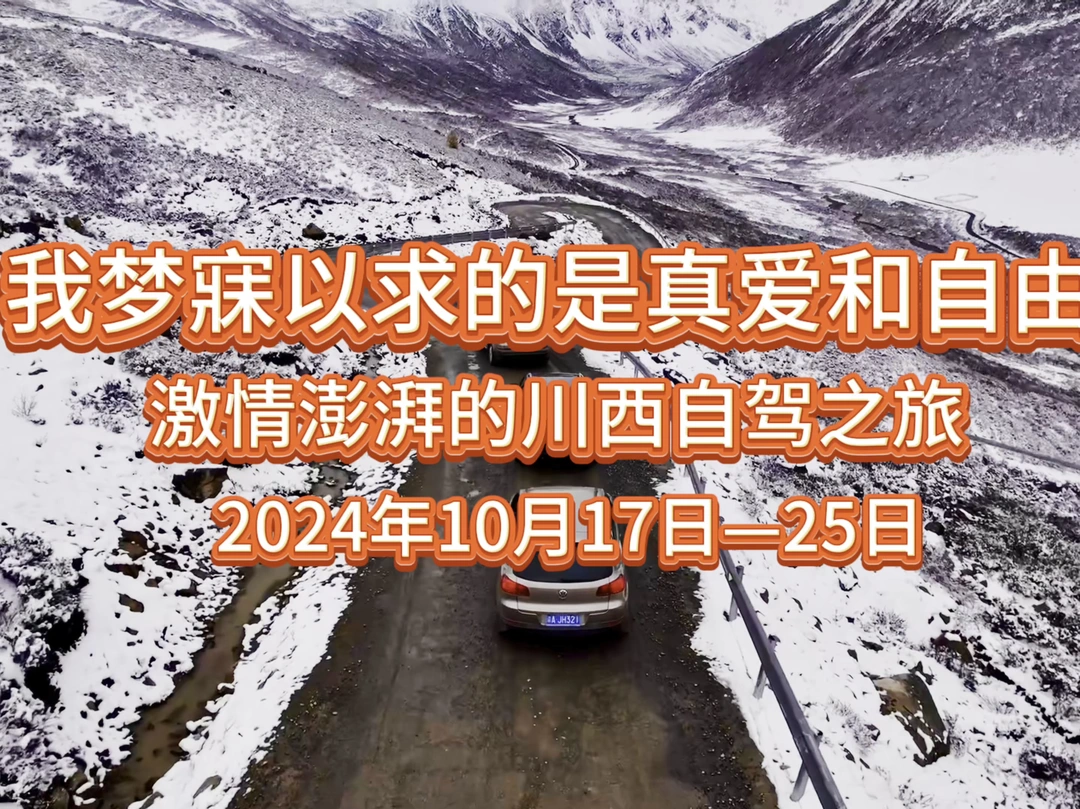
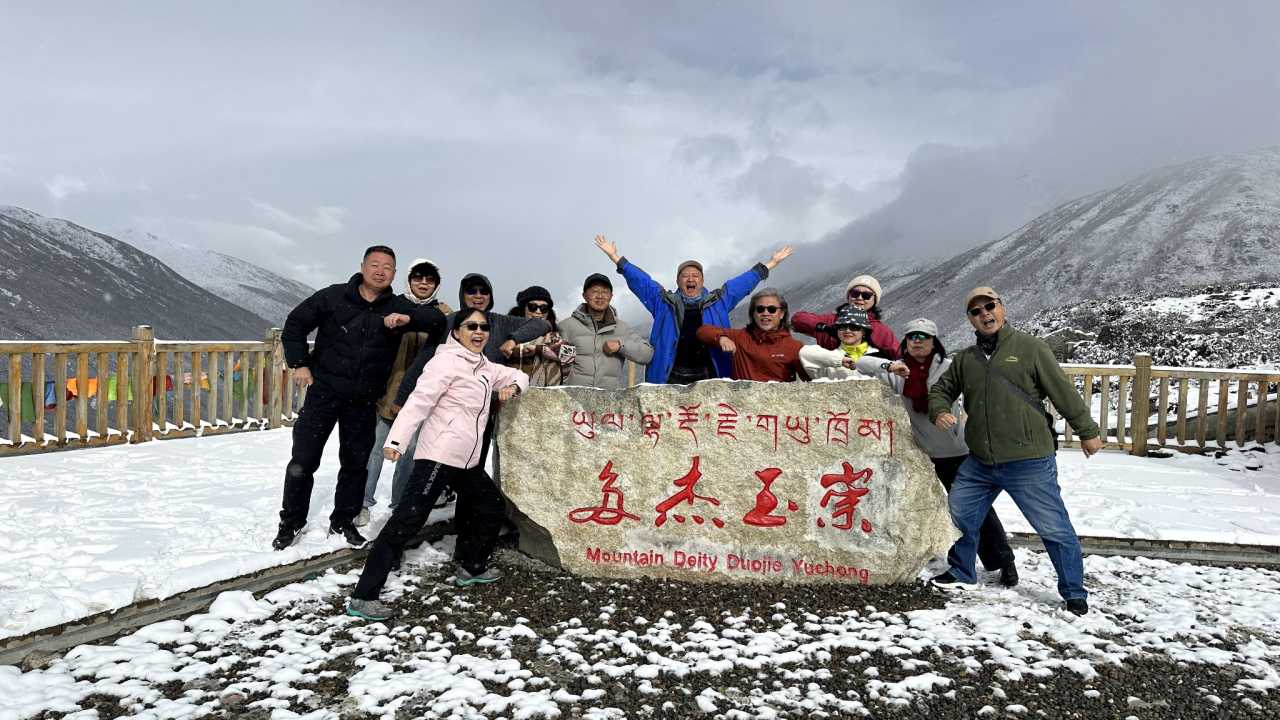
After leading countless groups through this magical region, I finally answered the call of autumn. This year, I organized a nine-day loop journey through Western Sichuan—a pilgrimage through National Highways 248 and 318 that would take 12 travelers from Chongqing to the heart of the Gongga autumn colors. The result? A carefully crafted itinerary that balances breathtaking scenery with comfortable pacing, proving that the "Sichuan autumn dream" is real.
Itinerary Overview: Your Nine-Day Autumn Feast
Route Planning: Chongqing → Mount Siguniang → Dangling → Danba → Xinduqiao → Gongga Township → Kangding → Chongqing
Total Distance: ~2,100 kilometers
Travel Dates: October 17–25, 2024 (9 days)
Cost per Person: ~4,500 yuan (upscale accommodation, meals, entrance fees included)
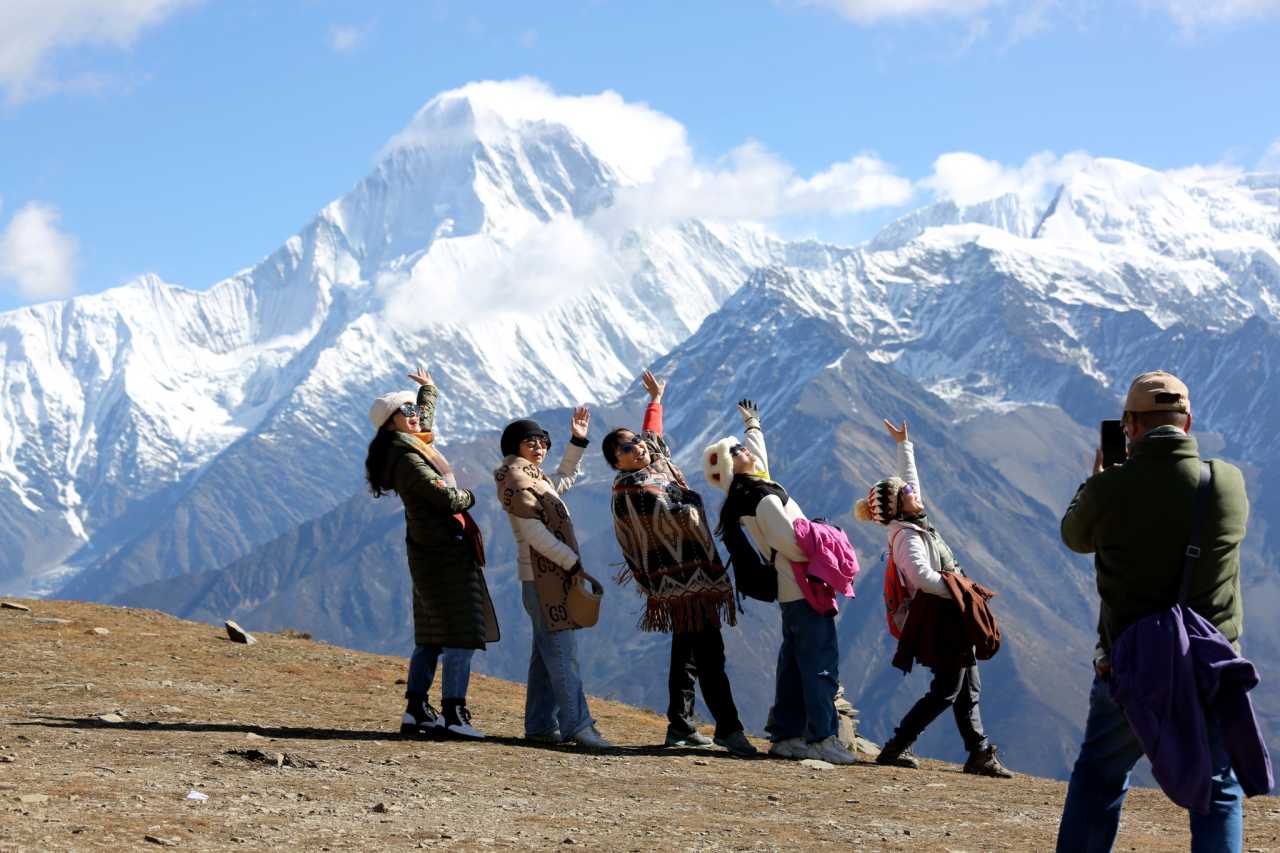
Travelers: 12 people (ages 50s–70s, from Chongqing, Shenzhen, and other cities)
Pro Tip: While Western Sichuan has high-altitude sections, our balanced pace ensures no one feels exhausted. We chose local guesthouses and hotels with excellent conditions—far better value than typical self-driving club tours.
[Link: Best time to visit Western Sichuan for autumn colors]
Day 1: Arriving at Mount Siguniang – Autumn's First Greeting
The morning sun bathed Chongqing as our three city SUVs raced toward Western Sichuan. The city's hustle faded, replaced by rolling mountains and thickening autumn atmosphere.
At the Mao Biliang Service Area, we finally met Mount Siguniang—known in Tibetan as "Sigula Sacred Mountain." This four-peaked giant, with the youngest sister peak standing at 6,250 meters, is second only to Gongga Mountain, earning the title "Queen of Sichuan Mountains." When those snow peaks appeared and disappeared through clouds, everyone gasped.
By evening, we arrived at the Mount Siguniang Mountain Journey Private Hot Spring Courtyard. A steaming beef hot pot feast awaited—tender beef rolling in bubbling broth, aromas wafting, melting away road fatigue. Twelve travelers shared stories, laughter echoing. At that moment, all the rushing became worthwhile.
Day 2: Shuangqiao Valley – The Queen's Autumn Whisper
The Mount Siguniang scenic area has three valleys: Shuangqiao Valley, Changping Valley, and Haizi Valley. Shuangqiao Valley, developed earliest with the best facilities, is the top choice for first-time visitors.
Key Details: - Entrance fee + scenic bus: 150 yuan - Distance: 34.8 kilometers (30 km bus ride from gate to Redwood Forest Yutu Peak) - Stops: 4–5 where visitors can get on and off freely
Valley Sections: - Front: Yin Yang Valley, Five-Color Mountain - Middle: Nianyu Dam, sea buckthorn forests - Rear: Niupengzi Grassland, Changhe Beach

We chose to hike from Redwood Forest to Sigula Lake. Though our feet tired, the flat path allowed us to immerse slowly. Shuangqiao Valley doesn't offer a full view of Mount Siguniang, but other snow-capped peaks remain incredibly majestic. Budala Peak is a must-visit photo spot—the composition of snow mountains and the road is simply perfect.
Don't Miss: Shuangqiao Valley rafting (90 yuan/person, ~25 minutes). The gentle current won't wet your clothes, and the views of snow mountains, forests, shrubs, and streams are stunning.
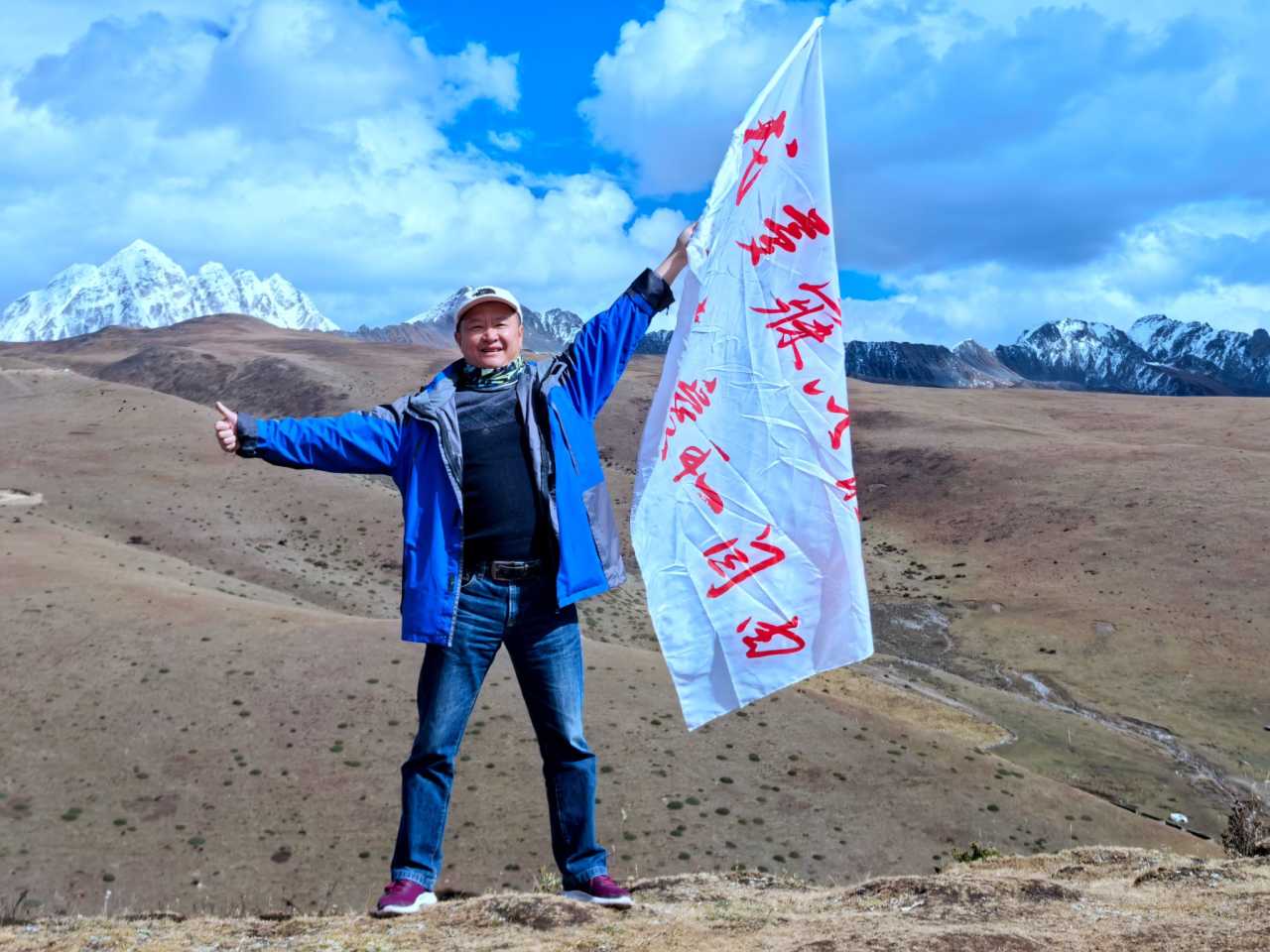
Insider Tip: On the way back, take a "risky" detour to the guesthouse's back hill—a wild scenic spot with an open view. Our drone captured everyone's exhilaration as the team flag fluttered in the strong wind.
[Link: Shuangqiao Valley hiking guide for beginners]
Day 3: Dangling Hulu Lake – A Hidden Alpine Gem
A four-hour drive from Mount Siguniang brought us to Dangling Village. The 70-kilometer stretch from Danba County to Dangling Village—the autumn colors grew more intense, every frame breathtaking.
Dangling actually refers to three things: Dangling Mountain, Dangling Nature Reserve, and Dangling Village. We stayed at the Marmot Guesthouse—one of the best local accommodations with underfloor heating.
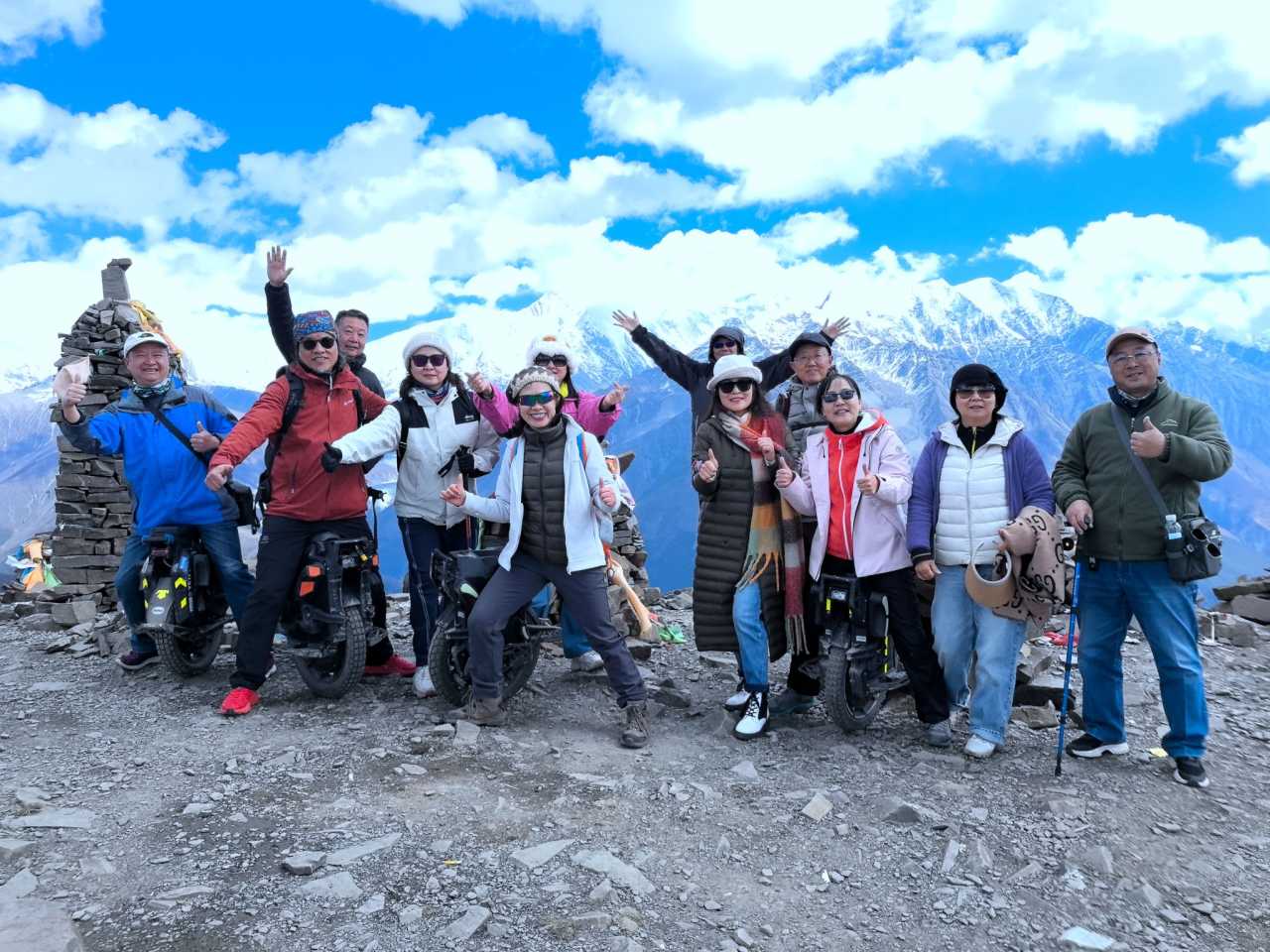
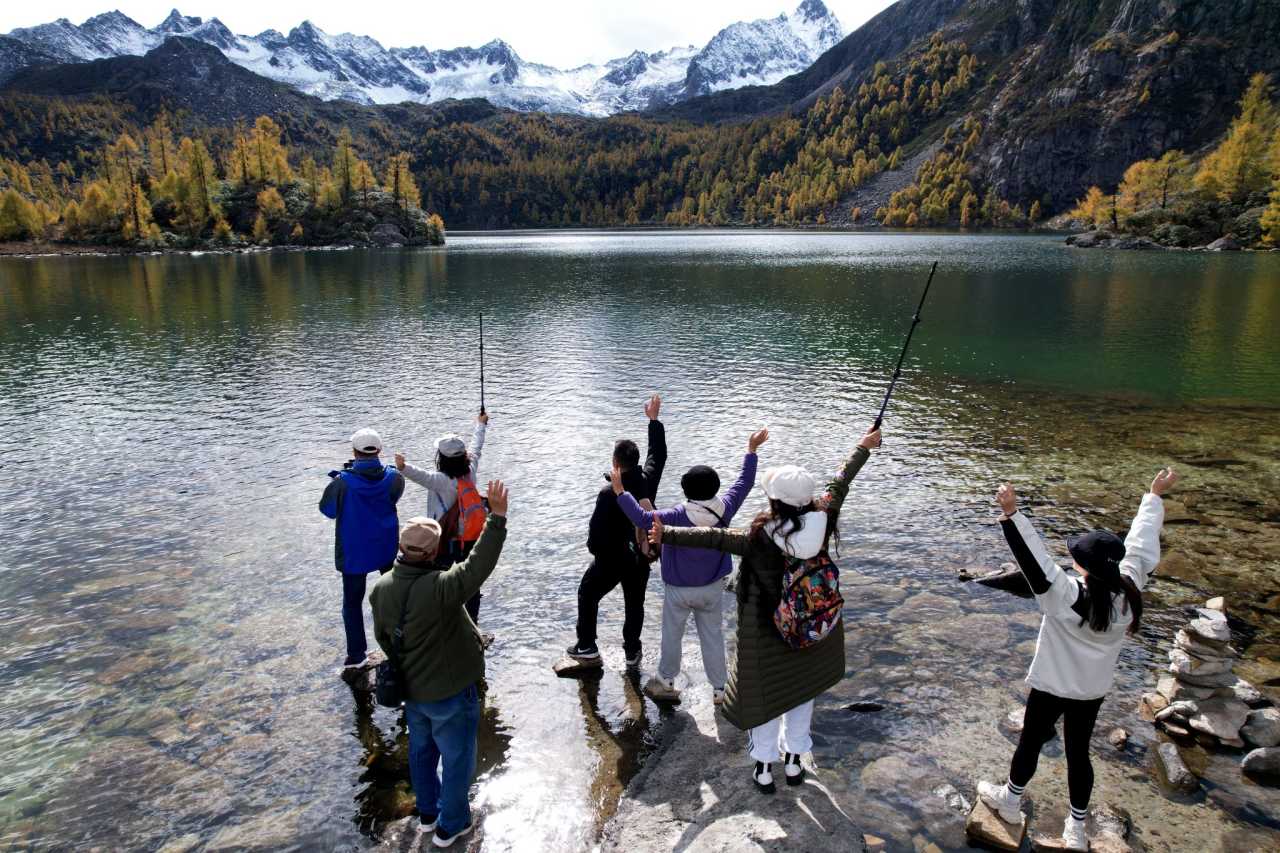
After lunch, we set off for Hulu Lake, a hidden alpine lake with crystal-clear water backed by snow mountains.
Getting to Hulu Lake: - Transport: Motorcycle (7 km one way over gravel roads—very bumpy) - Cost: 300 yuan round trip (200 one way, 100 return) - Altitude: 4,100 meters
What to Expect: Surrounded by mountains with perpetually snow-covered peaks, Hulu Lake is home to many rare plants and animals. The weather is highly changeable—in a single day, we experienced sun, rain, snow, hail, clouds, scorching sun, and ended with bright sunshine.
Current Status: Hulu Lake is still relatively unknown, but it's estimated that within two years, its mystery will be completely unveiled. For those who don't want to see crowds, hurry up and come now!
Day 4: Dangling and Yuke Grassland – A Time-Traveling Loop
Dangling, in the northern section of the Great Snow Mountains, is likely to be the next hotspot in Western Sichuan after the Genie Loop. It offers paved roads to the county plus a stunning secret loop route through Yuke Grassland and Yin'en S.
This area feels like stepping back in time—pristine grasslands, nomadic herders, and untouched autumn colors. The loop takes about 4–5 hours by SUV, with plenty of photo stops along the way.
Day 5–6: Xinduqiao & Gongga Township – The Heart of Autumn
Xinduqiao, known as the "Photographer's Paradise," lives up to its name in October. The autumn colors peak here—golden poplar forests, meandering rivers, and distant snow peaks create postcard-perfect scenes.

From Xinduqiao, we headed to Gongga Township, the gateway to Gongga Snow Mountain. This is where the "King of Sichuan Mountains" reveals itself in full glory.
Key Activities: - Gongga observation deck (free entry) - Morning photography at sunrise (golden hour on the snow peak) - Local Tibetan homestay experience
Day 7–8: Kangding – A Cultural & Scenic Finale
Kangding, the "Gateway to Western Sichuan," offers a perfect blend of Tibetan culture and natural beauty. The Kangding Love Song scenic area is a must-visit, with its alpine lakes and autumn foliage.
Don't Miss: The Mugecuo (Lake with Seven Colors) area—a 20-minute drive from Kangding city center. The autumn reflections on the lake are unforgettable.
Day 9: Return to Chongqing – The Journey Home
The final leg takes us back to Chongqing, completing the loop. Total distance: ~2,100 kilometers. The drive is scenic, especially through the Zheduo Mountain pass, where autumn colors linger even at high altitudes.
FAQ: Your Western Sichuan Autumn Travel Questions Answered
Q1: When is the best time to see autumn colors in Western Sichuan?
A: Mid-October to early November is peak autumn. For Gongga and Siguniang, October 15–25 offers the most vibrant colors. Higher elevations (3,500m+) may see colors earlier (early October), while lower valleys peak later.
Q2: Is the nine-day itinerary suitable for first-time high-altitude travelers?
 A: Yes. The pace is balanced with gradual altitude gain. We recommend spending the first night at Mount Siguniang (3,200m) to acclimatize. Bring altitude sickness medication (Diamox recommended) and stay hydrated.
Q3: What's the total cost for this nine-day trip?
 A: Approximately 4,500 yuan per person, including upscale accommodation, meals, entrance fees, and transportation. Excluding personal expenses like rafting (90 yuan) and motorcycle rides (300 yuan round trip).
Q4: How crowded are the attractions in October?
A: Mount Siguniang and Xinduqiao can be busy on weekends. For quieter experiences, visit Hulu Lake (still relatively unknown) or the Dangling loop route. Weekdays (Monday–Thursday) are significantly less crowded.
Q5: What should I pack for October in Western Sichuan?
A: Layered clothing is essential. Pack: thermal base layers, fleece jacket, waterproof outer shell, warm hat, gloves, sunglasses, sunscreen (high UV), and comfortable hiking shoes. Temperatures range from 5°C at night to 20°C during the day.

[Link: Essential packing list for Western Sichuan autumn travel]
Your Autumn Adventure Awaits
The nine-day Western Sichuan loop is more than a trip—it's a pilgrimage through nature's most spectacular autumn canvas. From the Queen of Sichuan Mountains at Siguniang to the King of Sichuan Mountains at Gongga, from the hidden gem of Hulu Lake to the photographer's paradise of Xinduqiao, every day brings a new masterpiece.
Ready to book your October Western Sichuan adventure?
👉 Contact us for customized itineraries, group tours, or self-driving support. We'll help you secure the best accommodation before the autumn rush.
Don't wait—the autumn colors won't last forever. Start planning your dream loop today!
Note: This itinerary is based on actual travel in October 2024. Conditions may vary. Always check weather forecasts and road conditions before departure.
You may also like


