Niubèi Mountain: Touching the Sea of Stars at the Summit of the Clouds – The Ultimate Hiking Guide
Meta Description: Discover Niubèi Mountain (3,666m) in Sichuan – China's largest viewing platform. Learn hiking tips, best seasons, packing lists, and why this raw, undeveloped peak offers unmatched seas of clouds and star trails.
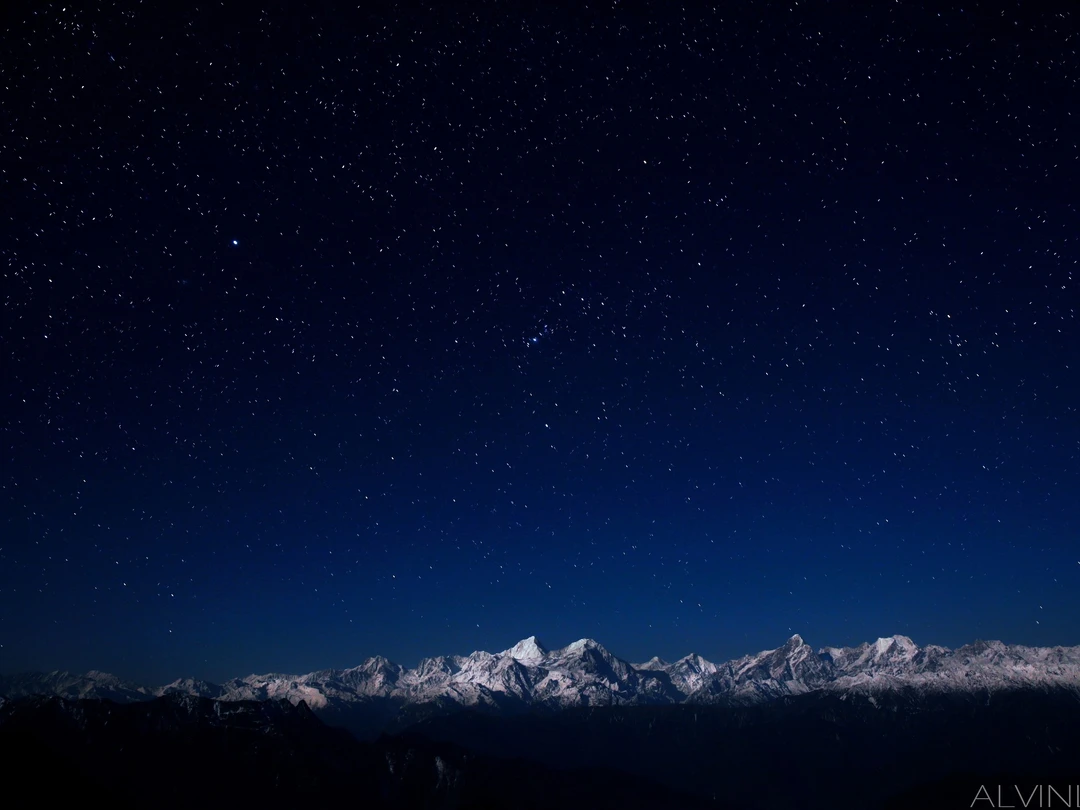
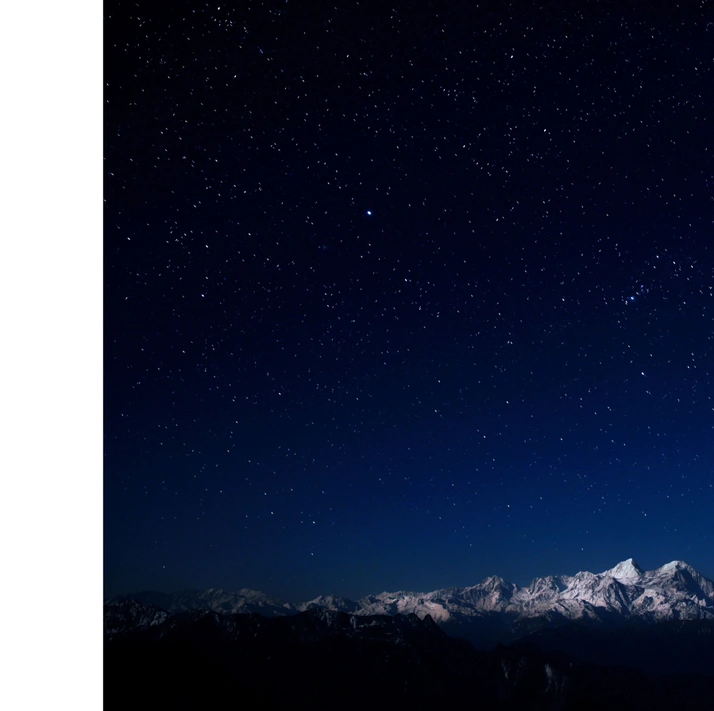
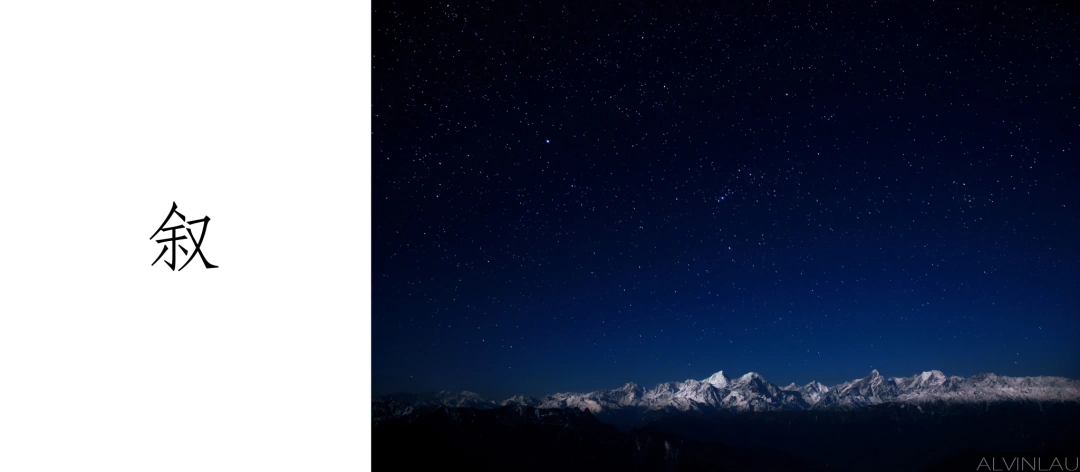
In February 2016, I stood atop Niubèi Mountain at an elevation of 3,666 meters, craning my neck toward a night sky pierced by billions of stars. The wind cut like a knife, and at minus ten degrees Celsius, my fingers had nearly lost all sensation. But in that moment, I forgot the cold. I forgot the ten hours of hiking that had brought me here. I even forgot to breathe.
The universe was right above me, close enough to touch.
This wasn't my first time gazing at the stars, but it was the first time I truly understood the ancient poet Cao Cao's words: "The sun and moon rise and set within it; the Milky Way shines brilliant within it." The grandeur he described was no mere imagination—it was real. All you had to do was climb that mountain. The mountain called Niubèi.
Why Niubèi Mountain? China's Largest Viewing Platform
For travel enthusiasts, the name Niubèi Mountain is hardly unfamiliar. Located in Yingjing County, Ya'an City, Sichuan Province, it's a branch of the Erlang Mountain range, standing at 3,666 meters. Before 2009, it was known as "Big Mine Mountain" due to its rich deposits of manganese, iron, and granite. It wasn't until Chinese National Geography magazine published an article titled "Luding: The Forgotten Beauty Built by the King of Sichuan Mountains" that the name "Niubèi Mountain"—literally "Cow's Back Mountain"—entered the public consciousness with its vivid imagery.
It's been hailed as "China's Largest Viewing Platform," boasting six wonders: seas of clouds, sunrise, sunset, star trails, Buddha's light, and a distant view of the Gongga Snow Mountain. Unlike established scenic spots like Jiuzhaigou, Niubèi Mountain was discovered through grassroots exploration—meaning it retains its raw, wild character. It also means no cable cars, no paved roads, and no five-star hotels.
In recent years, Niubèi Mountain has frequently made headlines due to rollover accidents. Abandoned car frames still cling to the cliffsides, like warning signs reminding every visitor: this road is not easy. Yet despite the risks, more and more hikers and photographers flock here, drawn by a simple truth: the harder a place is to reach, the more worthwhile the view.
In early 2016, the news finally came: Niubèi Mountain would be closed for development. Starting that year, it would be off-limits, with a planned reopening in 2019. That meant if I didn't go now, the next time I'd see it, there might be a cable car straight to the summit.
For someone like me, who has a deep connection to mountains, this was a call I couldn't refuse.
[Link: Best hiking trails in Sichuan]
Preparation: More Than Just a Backpack

Niubèi Mountain Itinerary Planning
Our schedule was tight and efficient:
- Day 1: Chongqing → Chengdu (7:00 PM high-speed rail) → Shimian → Lengqi Town → Pumaidi Village (arrive 1:00 AM)
- Day 2: Pumaidi Village (depart 8:00 AM) → Niubèi Mountain Summit (arrive 6:30 PM)
- Day 3: Niubèi Mountain Summit (depart 9:00 AM) → Chengdu → Chongqing
Given the treacherous mountain roads and complex conditions, driving up yourself requires extensive experience with mountain roads. We opted for a club-organized trip that included accommodation at the base and summit. If you prefer complete independence, you can bring your own tent.
Niubèi Mountain Trip Cost
The entire trip cost about 1,000 RMB per person, including round-trip high-speed rail between Chengdu and Chongqing, the club fee of 450 RMB per person, plus supermarket purchases and daily expenses. Prices on the mountain weren't outrageous: Red Bull energy drink at 10 RMB per can, instant noodles at 10 RMB per pack, hot water refills at 5 RMB, group dinner at the summit at 50 RMB per person (including next day's breakfast), and individual vegetable dishes at 20-30 RMB each.
Best Season for Niubèi Mountain Hiking
April and May are the most favorable months for visiting Niubèi Mountain. June through September is the rainy season, making it difficult to see the sea of clouds, starry sky, or sunrise—and increasing the risk of landslides. We chose to go in late February. Despite the cold, the clear skies after snowfall made both the sea of clouds and the stars exceptionally vivid.
Niubèi Mountain Packing List
- Clothing: Windproof waterproof jacket, hiking boots (non-slip, waterproof), crampons (essential for icy or snowy conditions), gloves (non-slip, waterproof), hat, scarf, spare underwear and socks
- Tools: Flashlight, trekking poles (or find sturdy branches at the base), thermos, power bank (the generator at the summit only runs until 10:00 PM)
- Protection: Sunglasses, sunscreen, lip balm, hand warmers (electric blankets are nearly useless, and cameras can freeze up)
- Photography: Tripod (essential for photographers), power strip (useful if you have many devices or travel in a group)
- Supplies: Chocolate, energy bars, beef jerky, sports drinks
- Medication: Altitude sickness pills, cold medicine
Important Reminders for Niubèi Mountain
- Communication: China Mobile and China Unicom have no signal from the base to the summit. China Telecom has a weak, unstable signal. Prepare to be out of contact for two days.
- Accommodation: To be honest—it's terrible. If you have high standards or are particular about cleanliness, bring your own tent and sleeping bag (rated for minus 10 degrees Celsius in winter).
- Other: The weather is unpredictable. Bring your own luck and good karma for the mountain views.
[Link: High-altitude hiking tips for beginners]
Day 1: From City to Mountain Base, a Journey Through Time and Space
A Brief Stop in Chengdu
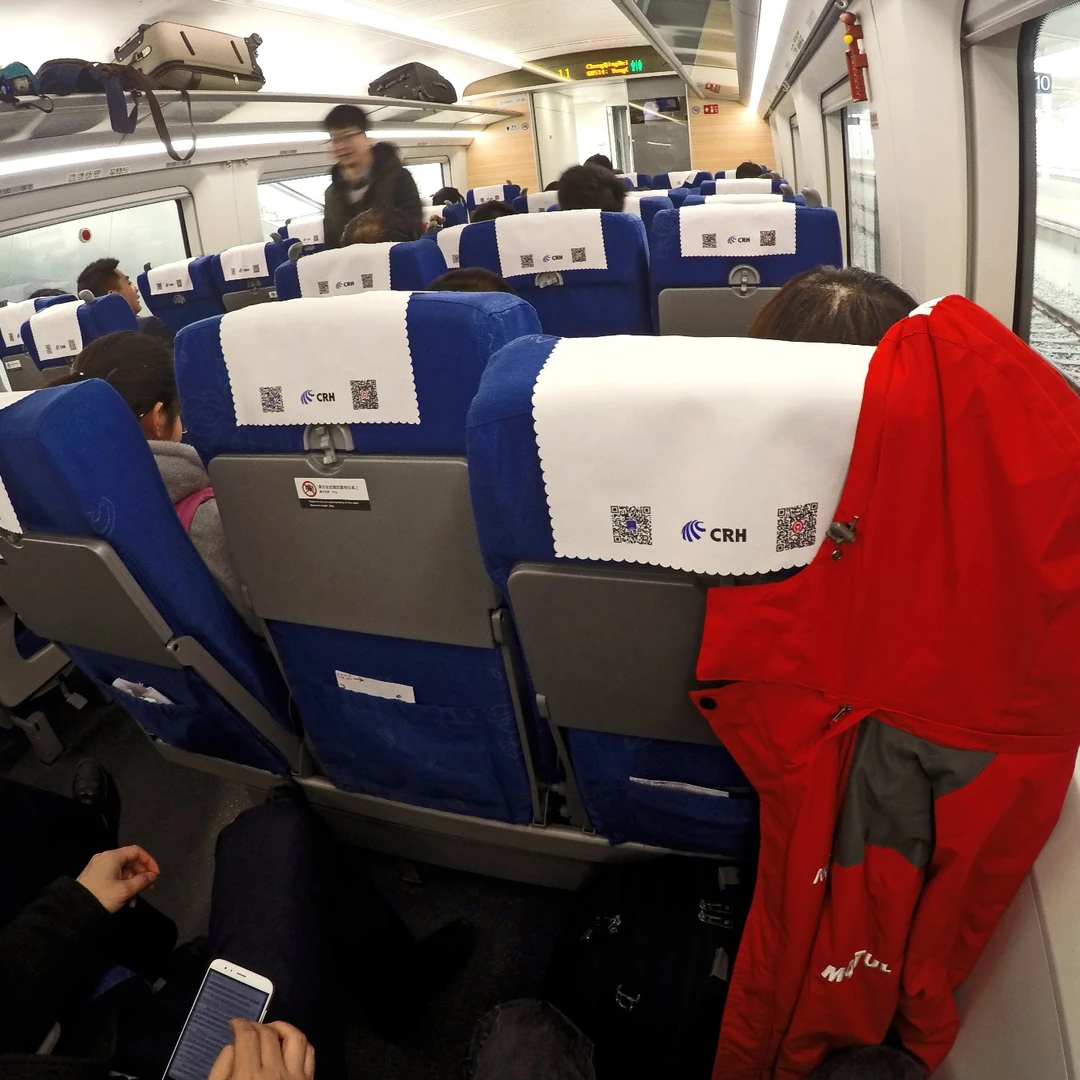
The high-speed train from Chongqing to Chengdu was so short I couldn't even finish a movie. Chengdu has a special familiarity for me—not because I know every street, but because I understand the similarities and differences between these two neighboring cities. Teahouse culture versus dock culture—it's just a matter of "different waters nurture different people."
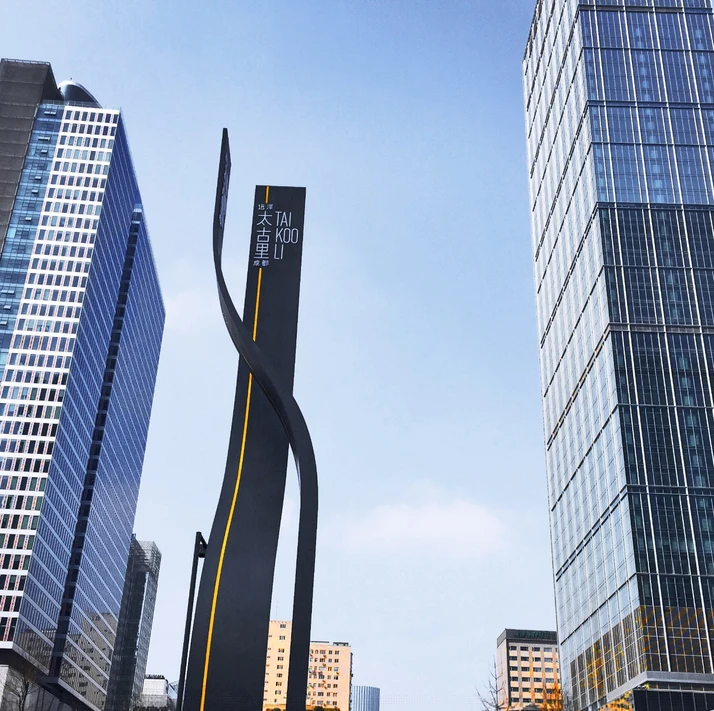
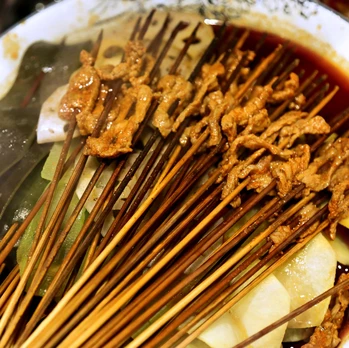
I wandered through downtown Chengdu, mostly on foot. My last reserves of energy were spent at Carrefour, where the most practical items in my cart were six packs of instant noodles and some sausages. My usual ritual of eating boboji (skewers served in chili oil) in Chengdu was ruined—I accidentally walked into a malatang (Sichuan spicy hot pot) shop instead. Fortunately, the food wasn't bad.
Night Travel to Niubèi Mountain Base
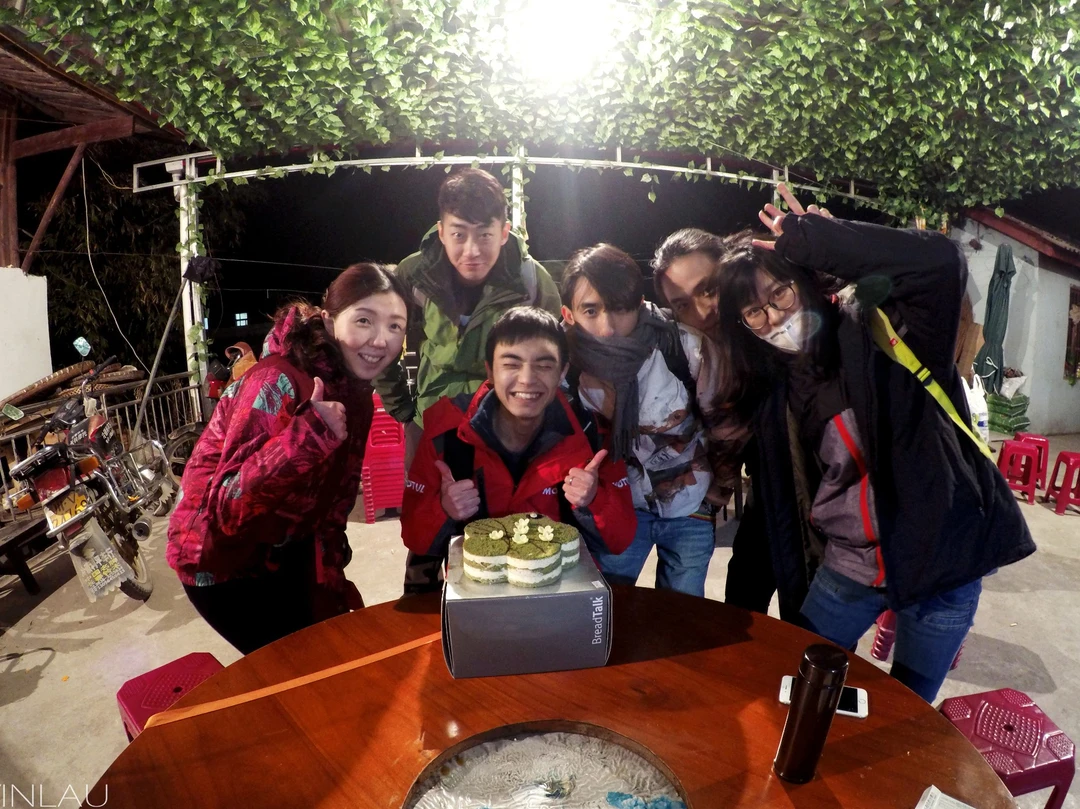
At 6:00 PM, we gathered at the designated meeting point in front of the "Noah's Ark Hotel." The entire street was filled with young people in full hiking gear, all wearing the same expression of curiosity and anticipation. Our group of six squeezed into a commercial van and set off as night fell.
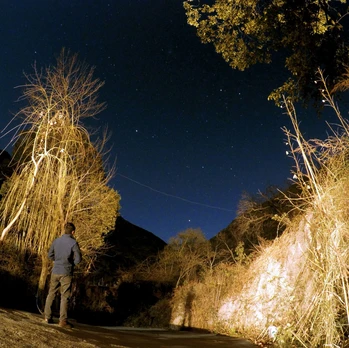
Night driving has its dangers, but it oddly gives me a sense of security. Unlike the chaotic daytime traffic and the unease of being exposed to everyone's view, the night wraps around you like a soft blanket. You can't see where the road leads, so you just lean against the window, occasionally glancing at the small circle of ground illuminated by the headlights. This subtle feeling stayed with us all the way to our destination.
We arrived at Pumaidi Village at the base of Niubèi Mountain at 1:30 AM. The temperature outside was freezing, and even the beautiful night sky couldn't distract me from the shivering. The club arranged for dozens of us to stay in villagers' homes, which took over an hour. While this wasn't a professional tour group, the efficiency was still frustrating. The accommodation didn't even meet the standards of a mid-range farm stay—a typical drawback of undeveloped scenic areas. Nothing to argue about.
To avoid being split between two houses, our group of six decided to share two beds: four of us slept sideways on one bed, and two shared the other.
Day 2: Ten Hours of Climbing, a Conversation with Myself
A Pre-Departure Interlude
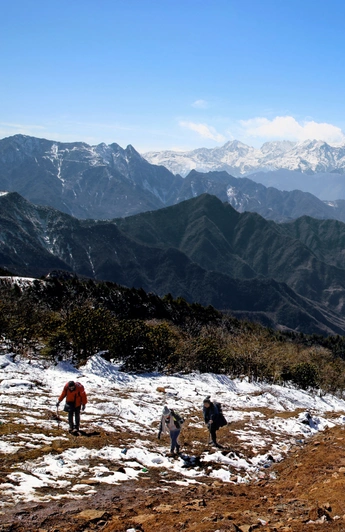
Before leaving at 8:00 AM, everyone was complaining: someone's blanket had been taken, someone's snoring was unbearable, the electric blanket was too hot, and someone was debating whether to wear two pairs of socks. But once we stepped outside, all complaints vanished. The morning air was crisp, and the distant peaks were wrapped in a golden glow.
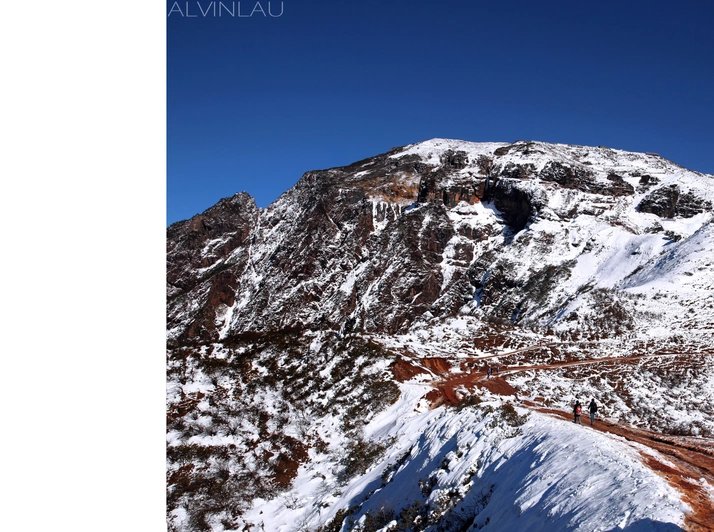
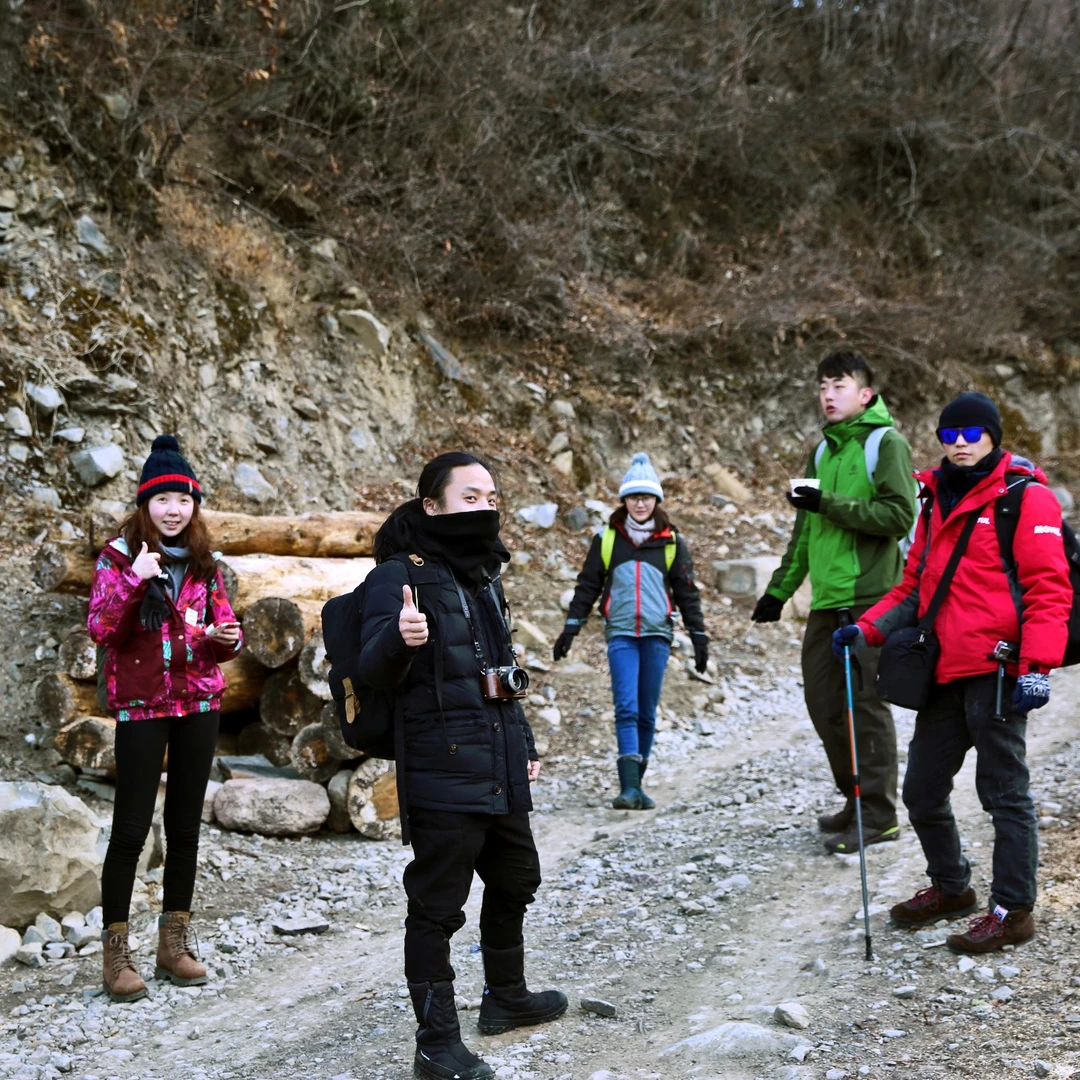
The trail began gently, winding through rhododendron forests and past abandoned mining equipment. The first hour was almost pleasant—a warm-up for what lay ahead. But as the altitude increased, so did the difficulty. The path became steep, rocky, and at times, barely visible.
The Ascent: Niubèi Mountain Trail Conditions
By midday, we had passed the treeline. The landscape opened into a vast alpine meadow, but the wind picked up dramatically. At 3,000 meters, every step required conscious effort. My legs felt like lead, and my lungs burned with each breath. The group had spread out; some were far ahead, others had fallen behind. I found myself alone, walking in silence.
This is the magic of a long hike. Without the distraction of conversation, your mind begins to wander. You think about the people you've loved, the mistakes you've made, the dreams you've postponed. The mountain doesn't judge. It simply waits for you to catch up with yourself.
Reaching the Summit of Niubèi Mountain
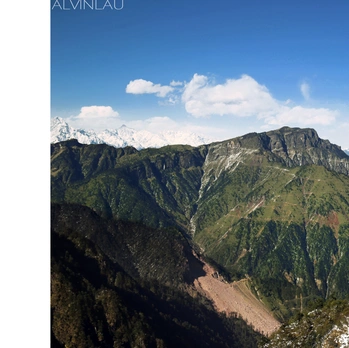
At 6:30 PM, after ten hours of continuous climbing, I reached the summit. The first thing I saw was the sea of clouds—a vast, white ocean stretching to the horizon. Above it, the sky was a deep, endless blue. And there, in the distance, stood Gongga Snow Mountain, its peak glowing in the fading sunlight.
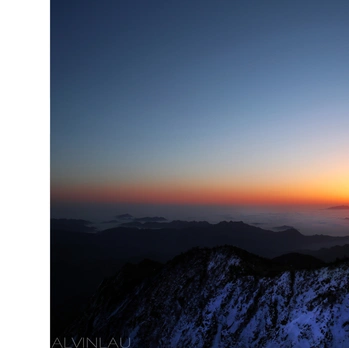
I found a spot on the edge of the cliff and sat down. The wind was fierce, but I didn't care. I watched the sunset paint the clouds in shades of orange, pink, and purple. Then, slowly, the stars began to appear.
The Starry Sky: Touching the Universe
By 8:00 PM, the sky was fully dark. The Milky Way stretched overhead like a river of light, so bright and dense that it seemed to cast a shadow. I had seen the stars before, but never like this. The air was so thin and clear that each star appeared sharp and three-dimensional. I reached out my hand, and for a moment, I believed I could touch them.
The temperature dropped rapidly. My camera battery died after 20 minutes. My fingers were numb despite the gloves. But I couldn't tear myself away. I lay on the cold ground, staring upward, until someone tapped my shoulder and said it was time for dinner.
Day 3: Descent and Reflection
Sunrise at Niubèi Mountain
We woke at 5:30 AM to catch the sunrise. The eastern horizon was already glowing, and the sea of clouds below us was perfectly still. As the first rays of sunlight broke over the peaks, the entire world turned golden. The Buddha's light—a rare optical phenomenon—appeared briefly, a rainbow halo surrounding our shadows on the clouds below.
We descended quickly, the journey taking only five hours. The mountain seemed less intimidating in the daylight. We passed the abandoned car frames, the warning signs, the endless switchbacks. By noon, we were back at Pumaidi Village, eating a simple lunch of noodles and pickled vegetables.
The Return to Civilization
The drive back to Chengdu was quiet. Everyone was exhausted, but there was a shared sense of accomplishment. We had done it. We had climbed Niubèi Mountain.
Frequently Asked Questions About Niubèi Mountain
1. Is Niubèi Mountain still open to visitors?
As of the latest updates, Niubèi Mountain has been closed for commercial development. However, independent hikers and small groups may still access the area. Always check local conditions and travel advisories before planning your trip.
2. How difficult is the Niubèi Mountain hike?
The hike is considered moderate to difficult. It requires good physical fitness, proper gear, and experience with high-altitude hiking. The total ascent is about 1,200 meters over 10 hours. Altitude sickness is a real risk.
3. What is the best time to see the sea of clouds and starry sky?
April and May offer the best conditions for clear skies and stable weather. Winter months (December to February) can also provide excellent visibility, but temperatures drop below -10°C at the summit.
4. Do I need a guide to climb Niubèi Mountain?
While not mandatory, a guide or club-organized trip is highly recommended for first-time visitors. The trail is not well-marked, and weather conditions can change rapidly. Local guides also handle accommodation and logistics.
5. What should I pack for a Niubèi Mountain trip?
Essential items include: windproof jacket, hiking boots with crampons, gloves, hat, flashlight, power bank, thermos, high-energy snacks, altitude sickness medication, and a tripod for photography. If you're sensitive to cold, bring a sleeping bag rated for -10°C.
[Link: Best photography spots in Sichuan]
Your Turn: Will You Answer the Mountain's Call?
Niubèi Mountain is not for everyone. It demands effort, patience, and a willingness to suffer. But for those who make the climb, the reward is unforgettable: a sea of clouds that stretches to the horizon, a starry sky that feels close enough to touch, and a quiet moment of connection with something greater than yourself.
If you're ready for the challenge, start planning now. Check the weather, gather your gear, and find a reliable group or guide. The mountain is waiting.
Are you ready to touch the stars?
Note: This article is based on a personal experience from February 2016. Conditions, access, and regulations may have changed. Always verify current information before traveling.
You may also like


