Namibia Travel Guide: Exploring the Primordial Land of Red Dunes, Himba Tribes, and Etosha Wildlife
Meta Description: Discover why Namibia is Africa's most surreal destination. From 80-million-year-old red dunes to ancient Himba tribes and Etosha's wildlife, this Namibia travel guide reveals essential safety tips and hidden gems.
Introduction: The Allure of Namibia's Primordial Landscapes
Namibia is not a destination for the faint of heart. It is a land where death and grandeur intertwine, where ancient deserts whisper stories of 80 million years, and where life persists against all odds. For travelers seeking an authentic African adventure, Namibia offers an experience unlike any other—raw, untamed, and breathtakingly beautiful.
But before you pack your bags and book that flight, there's something you need to know: self-driving in Namibia is one of the most dangerous decisions you can make. This article will explain why, while also guiding you through the country's most extraordinary destinations—the red dunes of Sossusvlei, the ancient Himba people, and the wildlife-rich plains of Etosha National Park.
Why Self-Driving in Namibia Is a Risk You Shouldn't Take

If you take only one piece of advice from this Namibia travel guide, let it be this: Do not self-drive in Namibia. This is not alarmism—it's a warning based on real tragedies.
The Hidden Dangers of Namibia's Roads
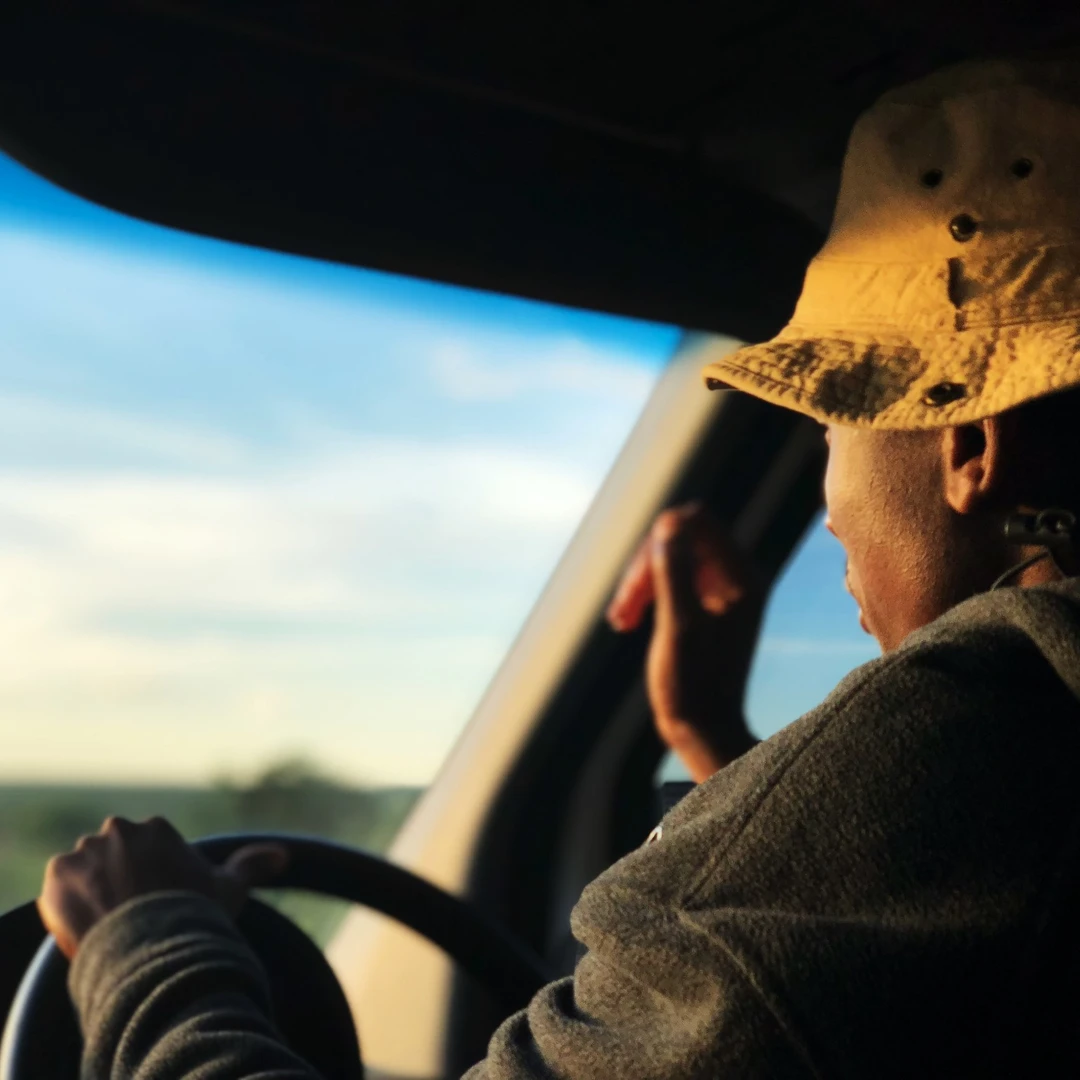
On our second day in Namibia, we met fellow Chinese travelers in Etosha National Park who had adopted a "black driver plus self-driving" hybrid model. Their three-vehicle convoy set out in grand style. The result? One of their self-driven cars flipped on the way to Etosha. Fortunately, it was a minor accident with no serious injuries—but not everyone is so lucky.
In the red dunes reserve, our guide pointed into the distance and said, "Right there, that's where the accident happened last month. Everyone in the car died." That spot was just a few kilometers from where a photographer friend had lost his life days before our departure.
Why Are Namibia's Roads So Dangerous?
- Gravel roads dominate: Good asphalt roads are extremely rare. Most are gravel roads that look smooth but are actually covered in sand and stones.
- False sense of speed: Sparse traffic gives drivers the illusion that "I can hit 120 km/h on this road"—a deadly mistake on loose surfaces.
- Slippery surfaces: Gravel is extremely slippery, especially on curves.
- Dust and visibility: The air is dry, dust is enormous, and visibility drops to zero when vehicles pass each other.
- Rollover risk: Desert terrain is uneven, dramatically increasing the risk of rollovers.
Even more frightening is that Namibia's car rental market is not well-regulated. Finding a four-wheel-drive SUV in good condition is far more difficult than in developed countries. Many travelers simply drive ordinary sedans across the African wilderness.
Our recommendation: Hire a local professional driver, buckle your seatbelt, and trust your life to someone who knows this land. [Link: Namibia tour operators and guided safaris]
Sossusvlei: The Red Dunes of Namibia's Ancient Desert
The Namib Desert, the oldest desert in the world, stretches across three countries. Eighty million years of history have ground mountains into fine sand and turned ancient seabeds into endless seas of dunes. The part we can visit has a beautiful name—Sossusvlei.
Dune 45: Half Flame, Half Abyss
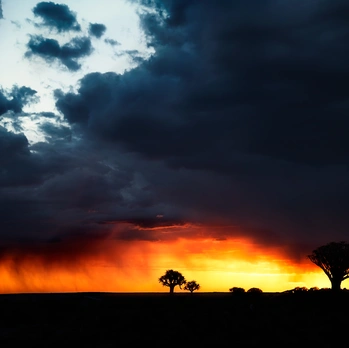
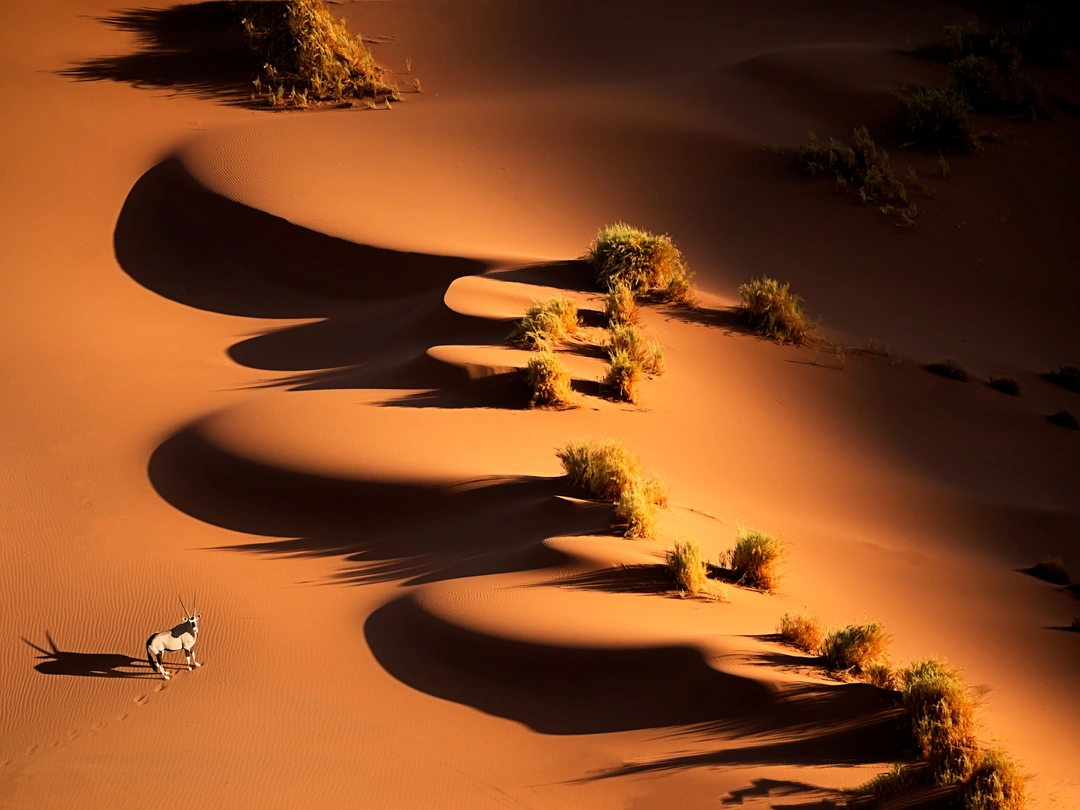
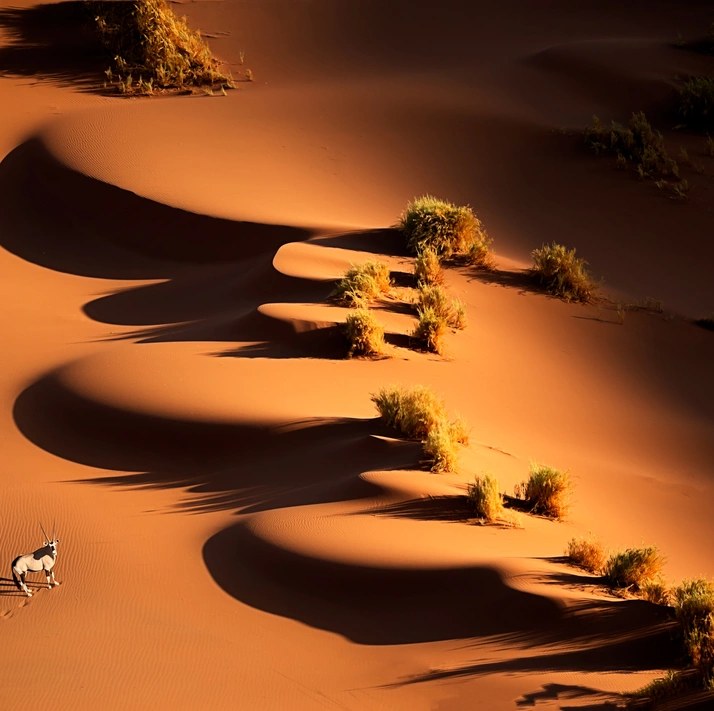
At five in the morning, we took off in a helicopter. The earth unfolded like a painting being slowly illuminated, sunlight awakening this sleeping sea of sand inch by inch. The dunes, carved by 80 million years of time, layered themselves in light and shadow—intoxicating, mesmerizing.
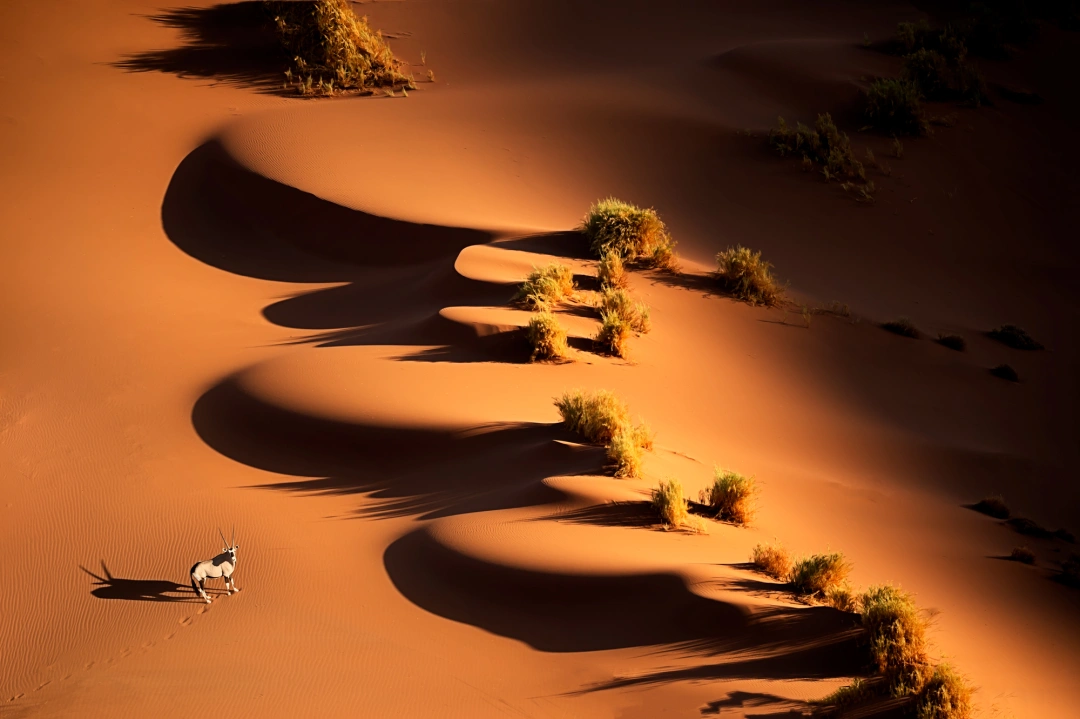
Dune 45 gets its name from being 45 kilometers from the park entrance. It's famous not just for its height, but for its elegant, sweeping S-curve. At sunrise and sunset, this curve presents a bizarre spectacle: one side is a seductive red, the other a deep black. Red like flame, black like an abyss.
The most remarkable thing is that the sun-facing side of the dune is dotted with green plants, while the shaded side is completely barren. To this day, this remains a mystery.
Deadvlei: A Thousand Years of Silence
Deadvlei is about 20 kilometers from Dune 45. It's a massive basin surrounded by red dunes, the tallest of which rises as high as a 70-story building. People call it "Big Daddy."
A thousand years ago, this was an oasis. Then the towering dunes sealed it off completely, cutting off the water supply. Life disappeared. Now, only withered camel thorn trees stand like mummies on the cracked riverbed, telling every visitor tales of a thousand years of wind and rain.
I thought it would be nothing but barrenness, until I stood in the center of the basin and realized it's the perfect place for portraits. Humans appear impossibly small between the parched earth and the crimson dunes. The scattered ancient trees add a sense of rawness and mystery. In that moment, I felt as if I were on another planet.
Practical Tips for Visiting Sossusvlei
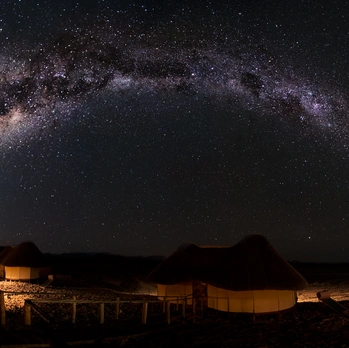
- Transportation: The roads inside the park are two-way, single-lane asphalt roads with sand on both sides—it's very easy to speed. These seemingly ordinary roads have seen frequent fatal accidents. Please be extremely cautious.
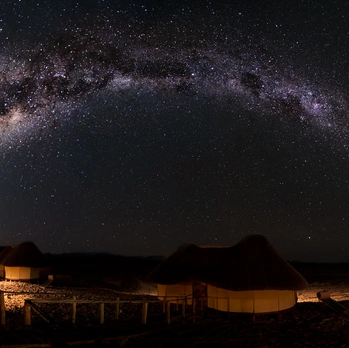
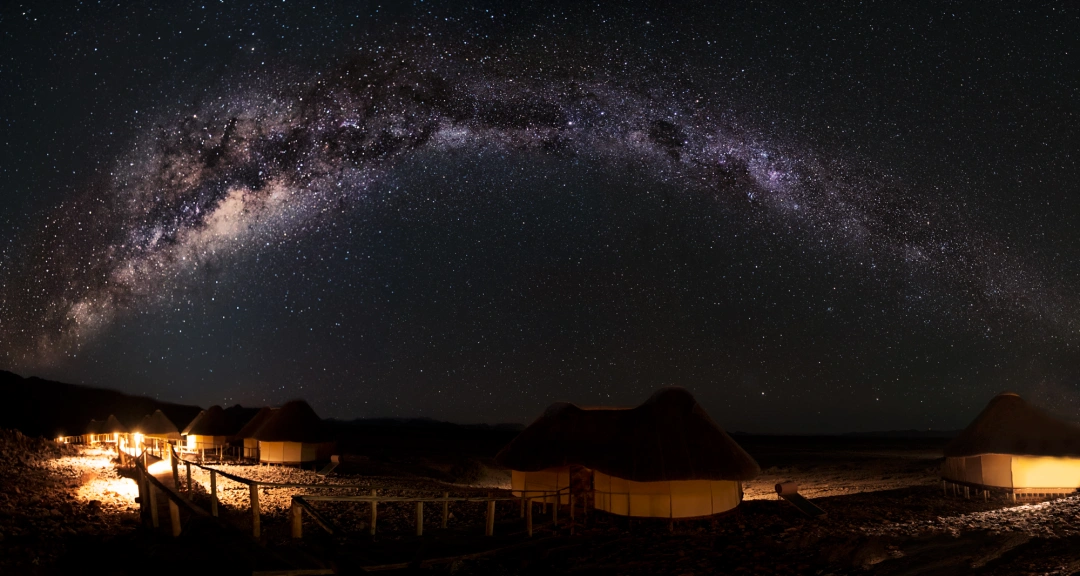
- Accommodation: There's only one hotel inside the park—Sossusvlei Dune Lodge—with just 25 rooms. One side of each room is completely open, with no walls or curtains. You can lie in bed and see the stars. If it's booked out, there are several unique hotels outside the park gates, but accommodation in Namibia during peak season is even harder to secure than in Tanzania. Book well in advance.
- Photography: Dune 45 has long golden hours at sunrise but many people; sunset has fewer people but the light is brief. For Deadvlei, leave Dune 45 at 8 a.m. to catch the first rays of sunlight hitting the basin. Helicopter aerial photography is best in the morning—the light is soft, and the companies pack up early in the afternoon.
[Link: Best time to visit Namibia for photography]
The Himba People: A 500-Year-Old Way of Life, Still Breathing
The Himba people are an ancient tribe in Namibia. They govern themselves in an autonomous region. The women go bare-chested year-round, covering their bodies with a mixture of red ochre powder and butter—both as sunscreen and insect repellent. In this age of scientific advancement, they still maintain a way of life from 500 years ago.
We arranged three visits to their villages. Unlike the Maasai villages in East Africa, these settlements are hidden deep in the mountains. Without a local guide, you simply cannot reach them. Once, even our guide got lost. He had to draw a map by hand to find the village nestled among the peaks.
Their houses are incredibly simple: branches tied together in a cone shape, covered with palm leaves, then plastered with mud and cow dung. To preserve the tribe's authenticity, tourists are not allowed to give cash or food directly. All donations are collected by the guide, who buys daily necessities and hands them to the chief, who then distributes them to each family.
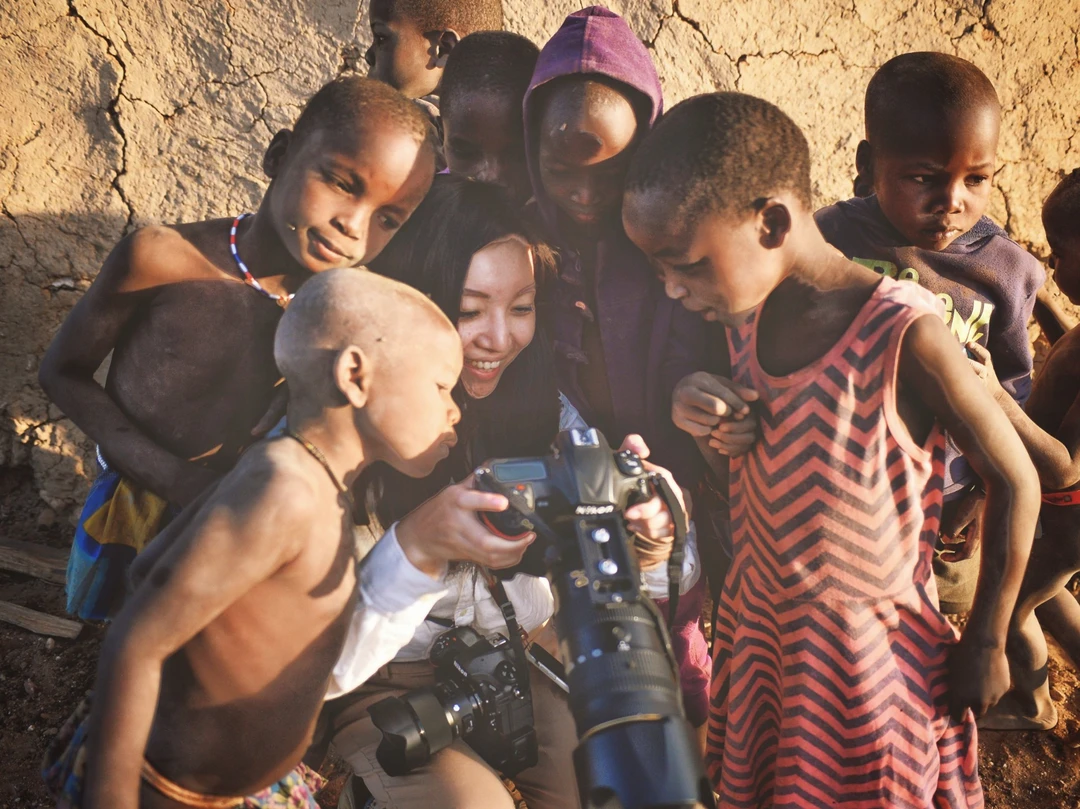
When we photographed them, the Himba were just as curious about us "modern people." There was no greed in their eyes—only pure exploration. This kind of interaction is far more genuine than any staged shot.
Tip: The best light is at dawn and dusk. Drones are allowed for aerial photography in the village.
[Link: Ethical travel in Namibia: Responsible tourism tips]
Etosha National Park: A Life Miracle from Ocean to Dryness
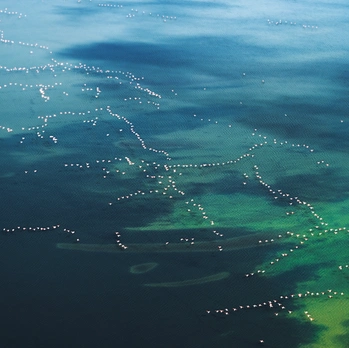
A very long time ago, this was a vast ocean. Then tectonic shifts created many lakes. Later, rivers dried up, lakes evaporated and seeped away, and the entire lake disappeared.
Today, Etosha National Park is one of the largest wildlife reserves in the world. But unlike Tanzania's Serengeti or Kenya's Maasai Mara, its surface is covered with rocks of all sizes, and most vegetation is scrub. The government has artificially intervened in the water supply, installing multiple waterholes and reservoirs throughout the park.
When to Visit Etosha for the Best Wildlife Viewing
The dry season is the best time for wildlife viewing. Animals gather around the waterholes—you just need to find one, and you'll witness a life-filled water party. But in the rainy season, water is abundant and animals are scattered. Etosha is so vast that finding them becomes a gamble.
Where to Stay in Etosha
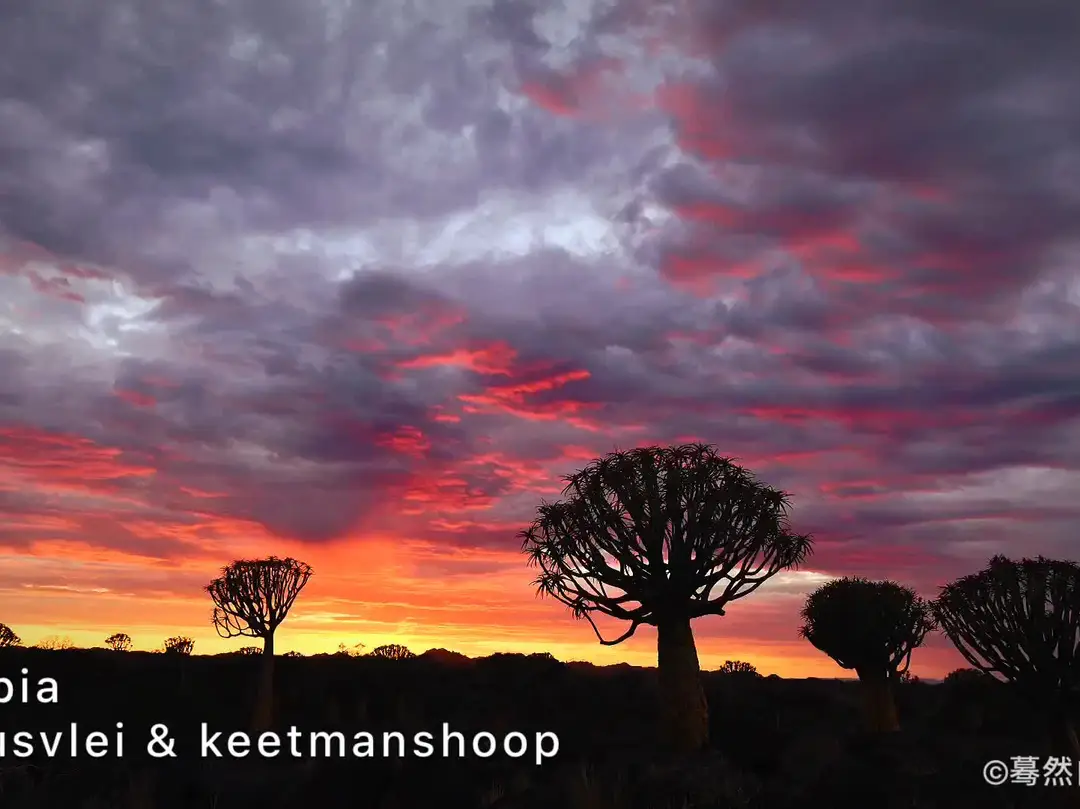
I recommend staying at Okaukuejo Resort. There's a waterhole right on the property—even when the park is closed, you can watch elephants, rhinos, and antelopes come to drink under the stars. It's a wildlife experience unlike any other.
[Link: Etosha National Park safari packages]
Frequently Asked Questions About Namibia Travel
1. Is it safe to travel to Namibia?
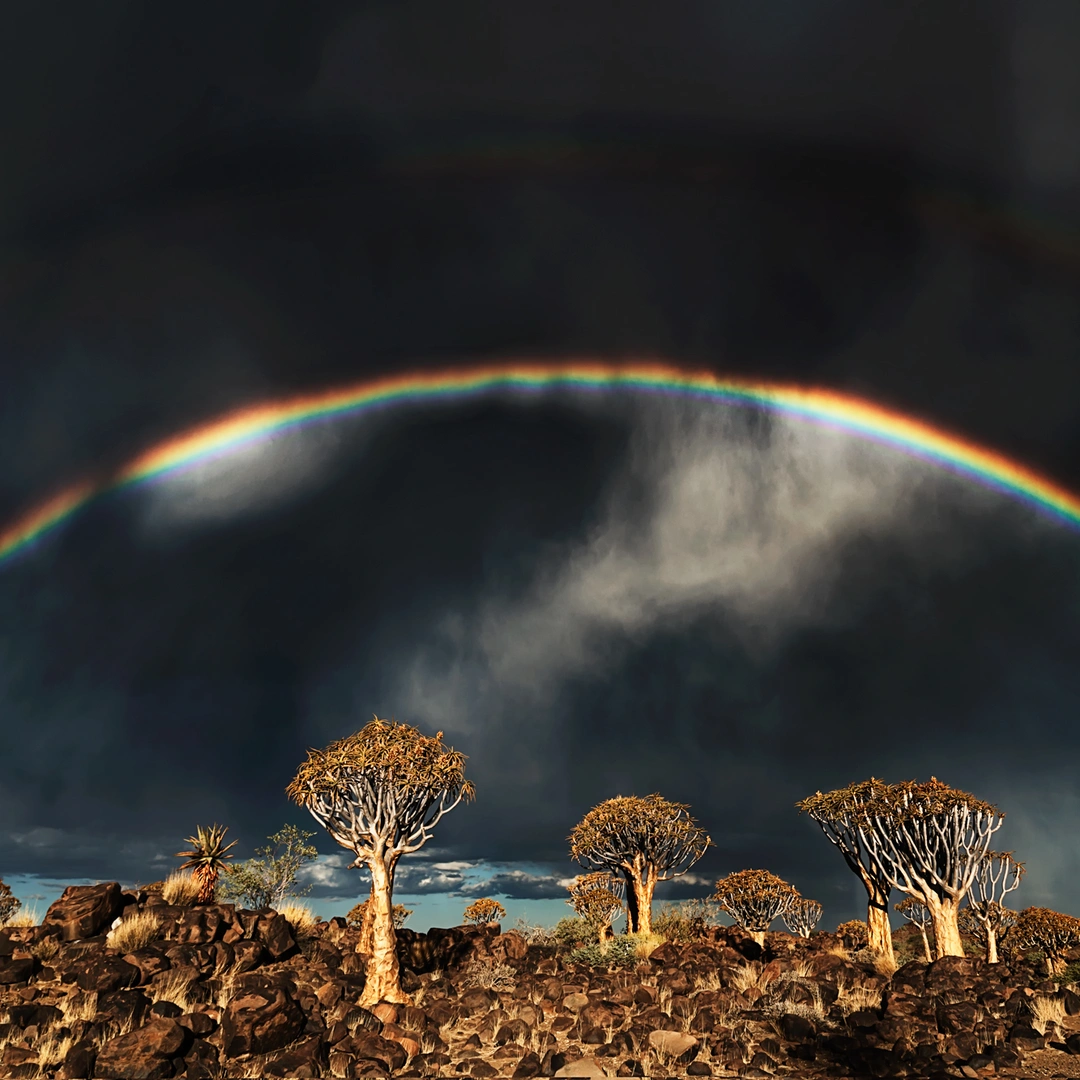
Namibia is generally safe for tourists, but road safety is a major concern. Avoid self-driving and hire a professional guide or driver. Petty crime can occur in cities like Windhoek, so take standard precautions.
2. When is the best time to visit Namibia?
The dry season (May to October) is ideal for wildlife viewing in Etosha. For photography in Sossusvlei, the winter months (June to August) offer clear skies and golden light. Avoid the rainy season (November to April) if you're focused on wildlife.
3. Do I need a visa for Namibia?
Many nationalities, including US, UK, and EU citizens, can enter Namibia visa-free for up to 90 days. Always check the latest requirements with the Namibian embassy in your country.
4. What should I pack for a Namibia trip?
- Lightweight, breathable clothing for day; warm layers for cold desert nights
- High-SPF sunscreen, wide-brimmed hat, and sunglasses
- Sturdy hiking boots for dune climbing
- Camera with telephoto lens for wildlife
- Binoculars for bird and animal viewing
- Reusable water bottle (hydration is critical)
5. How much does a Namibia trip cost?
A 10-14 day guided tour typically costs $3,000–$6,000 per person, depending on accommodation level and inclusions. Budget travelers can reduce costs by camping, but professional guides are still recommended for safety.
Your Namibia Adventure Awaits
Namibia is a land of extremes—ancient deserts, resilient tribes, and wildlife that defies the odds. But it's also a land that demands respect. The tragedies that have occurred on its roads are not isolated incidents; they are warnings that too many travelers ignore.
Don't let your dream trip become a nightmare. Book with a reputable tour operator, hire a local guide, and experience Namibia the way it should be experienced—safely, authentically, and unforgettably.
[Link: Book your Namibia guided safari now]
Ready to explore Namibia's primordial landscapes? Contact our travel specialists today for a personalized itinerary that prioritizes your safety and delivers the adventure of a lifetime.


