My Autumn Quest: Chasing the Most Beautiful Fall Colors in Western Sichuan
Meta Description: Plan your ultimate Western Sichuan autumn foliage tour with this 9-day itinerary. Discover Four Sisters Mountain, Bipenggou, and more. Expert tips for seniors, costs, and packing list included.
Introduction: Why Western Sichuan's Fall Colors Are Unmissable
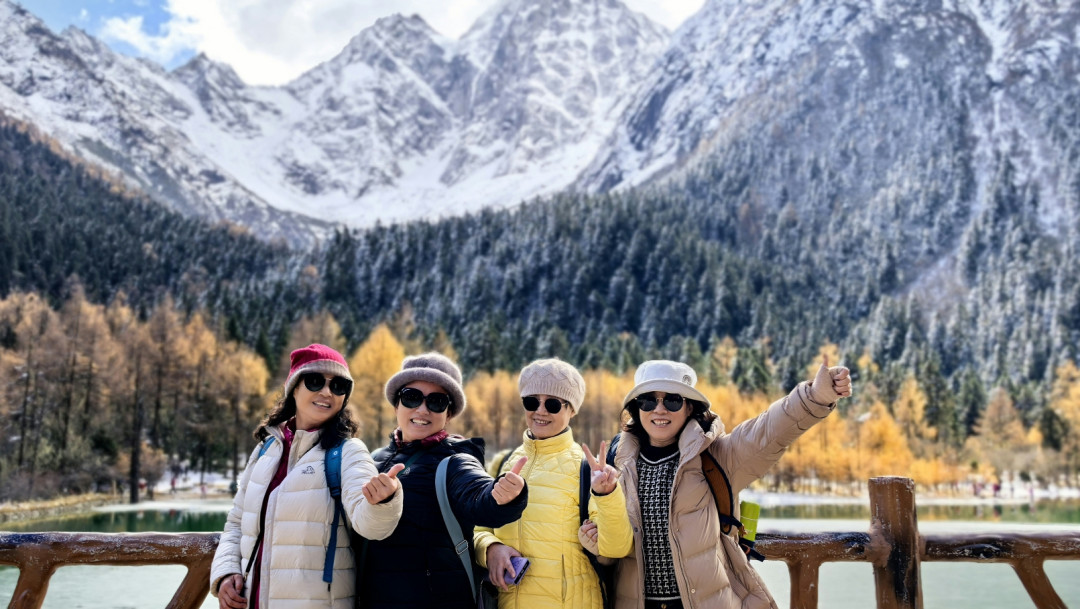
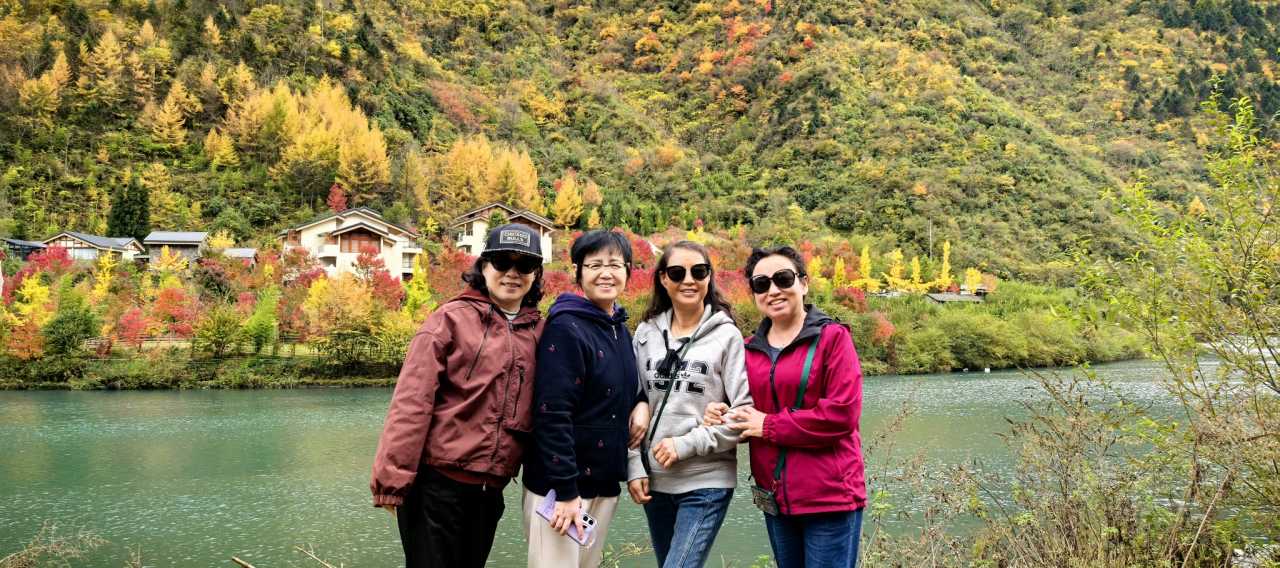
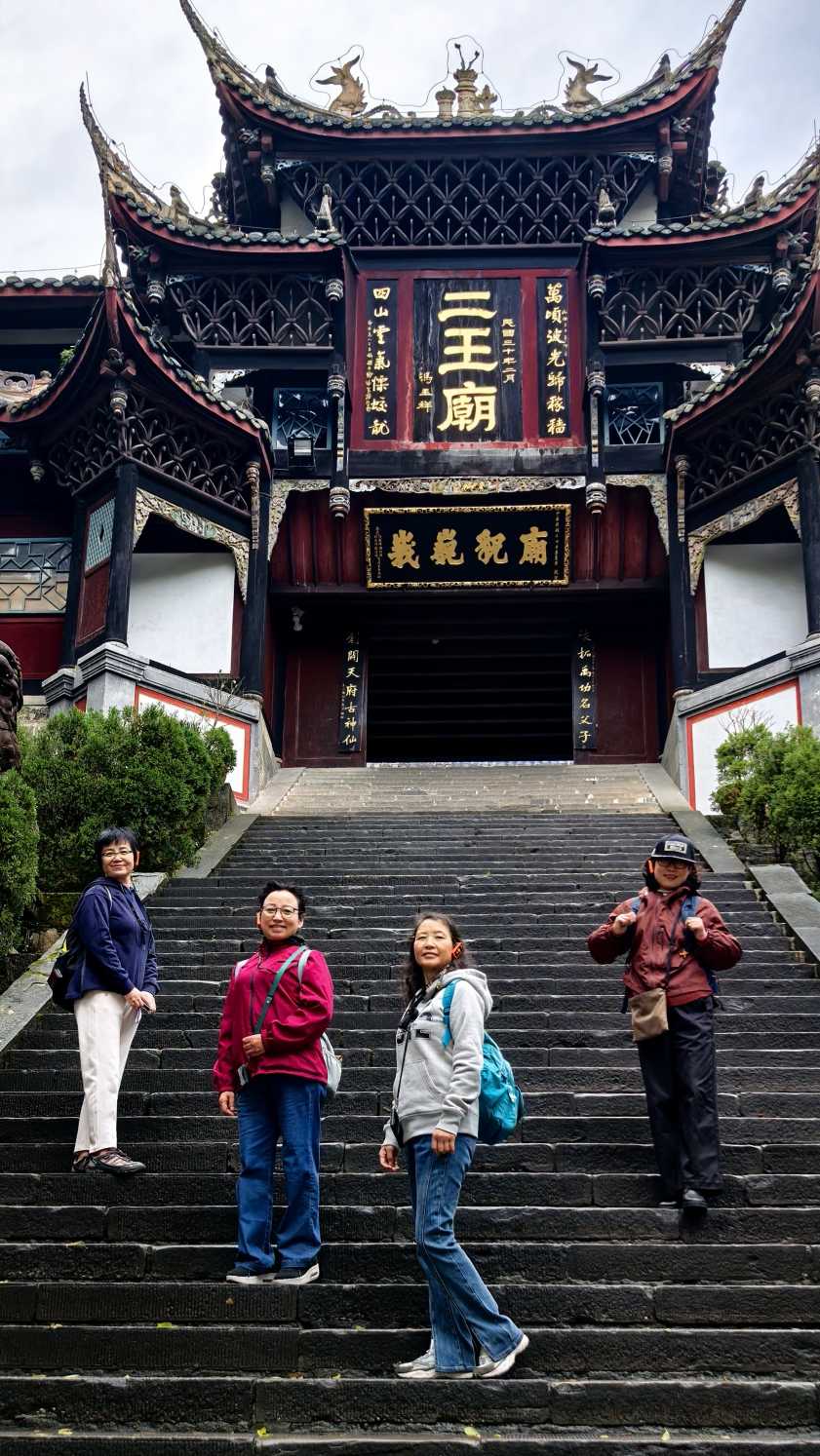
For years, I dreamed of witnessing the kaleidoscopic autumn forests of Western Sichuan and setting my eyes on the legendary Four Sisters Mountain. Life, with its endless obligations and unforeseen delays, always seemed to get in the way. But this year, the stars finally aligned. In early November 2024, alongside three dear friends—all of us proud "mothers of grown children" averaging over 60 years of age—I embarked on a nine-day journey that would become one of the most unforgettable chapters of my life.
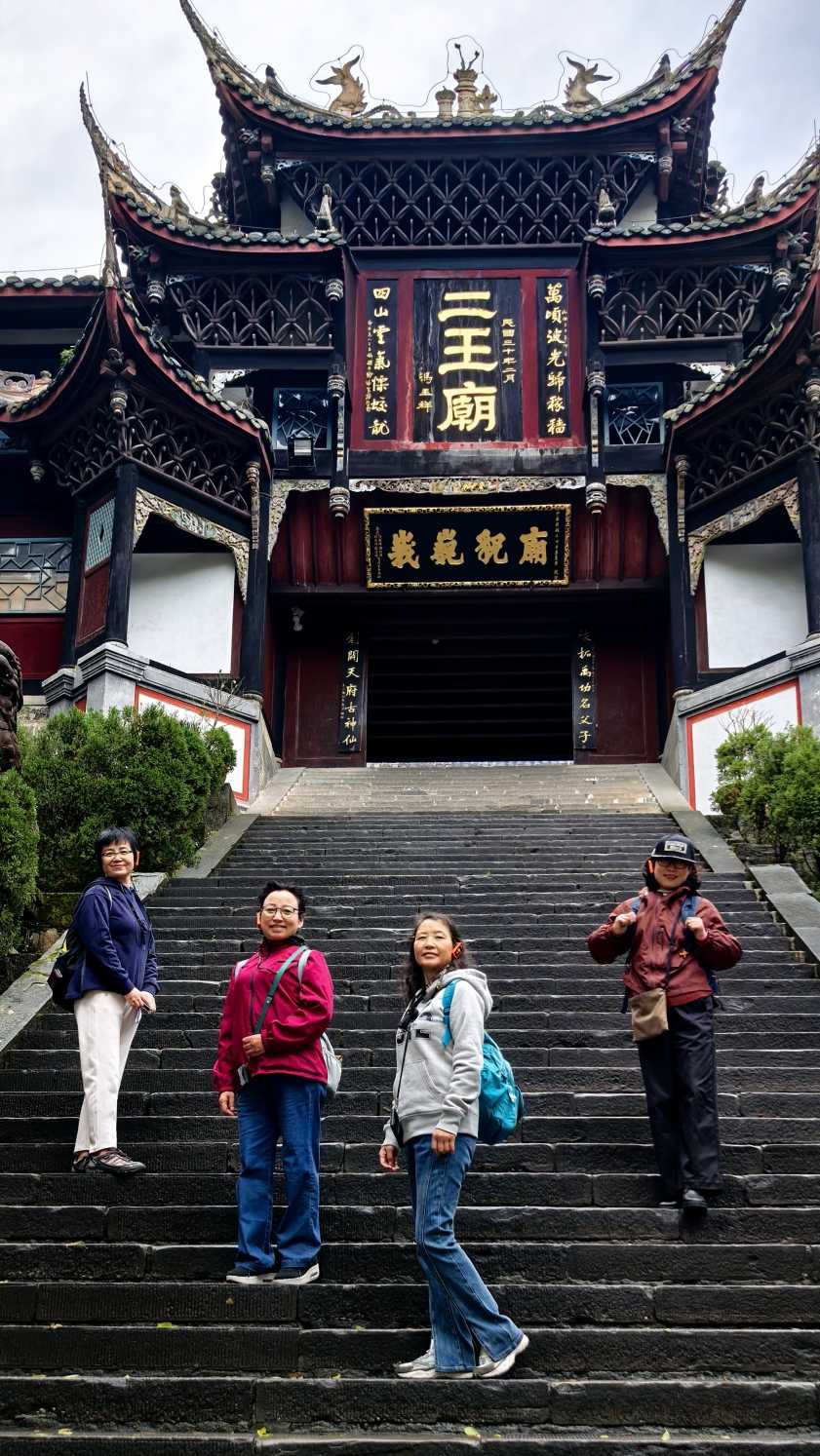
The optimal window for viewing Western Sichuan's famed autumn foliage runs from early October to early November. Since our schedules in late October were packed, we settled on a departure date of November 3rd. Our route traced a classic loop through Sichuan: Nanjing to Chengdu, then through Aba Prefecture, Garzê Prefecture, and finally Leshan before returning home.
The Master Plan: Preparation and Logistics for Your Western Sichuan Autumn Tour
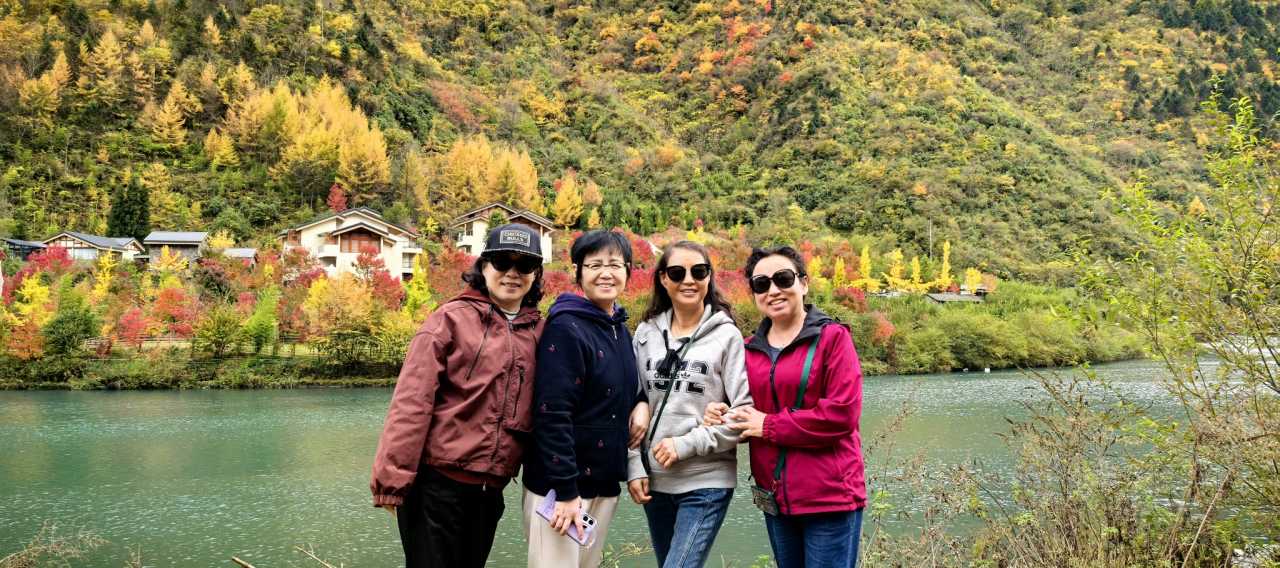
Building Your Travel Squad
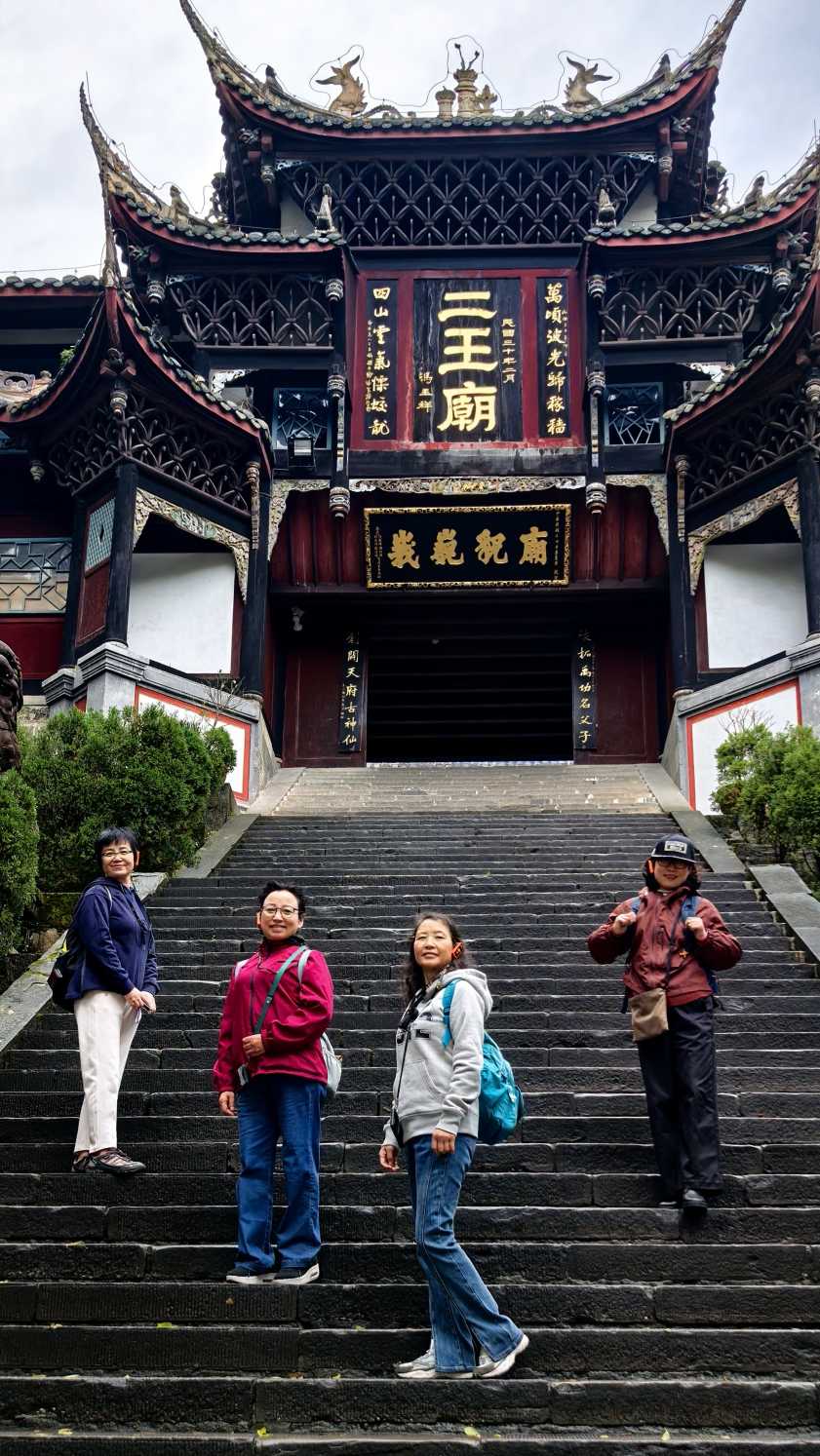
Every great adventure needs a reliable team. We divided responsibilities according to our strengths:
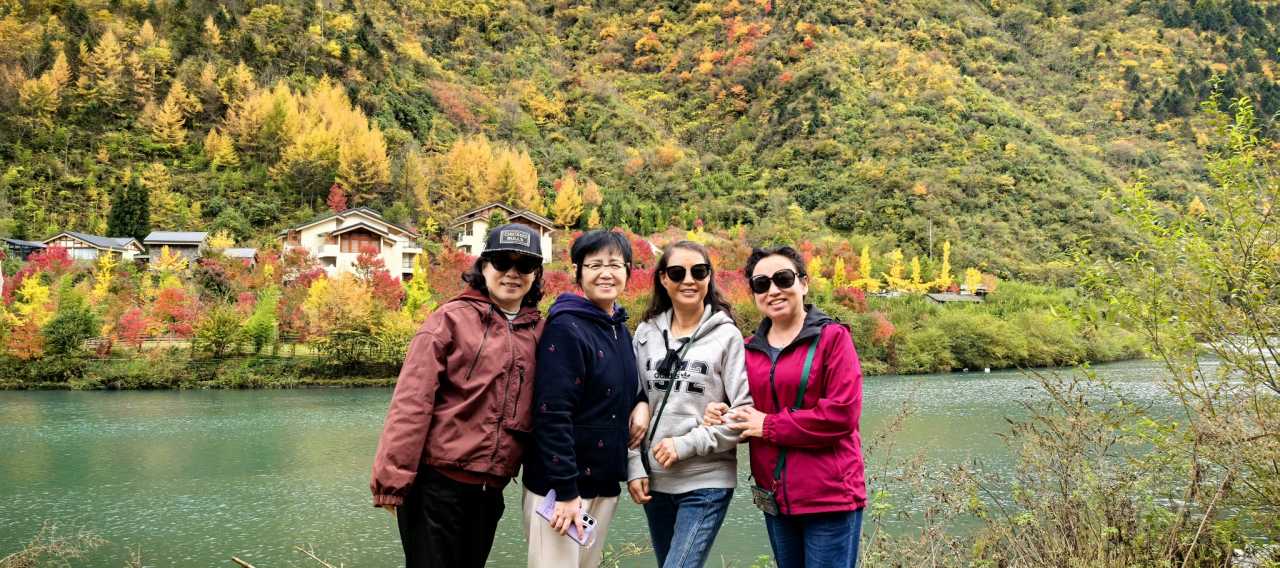
- Ya – Route planning and itinerary design
- Feng – Financial management (our "CFO")
- Mei – Financial assistant
- Ying – Medical and health support (a retired healthcare professional)
The Itinerary at a Glance
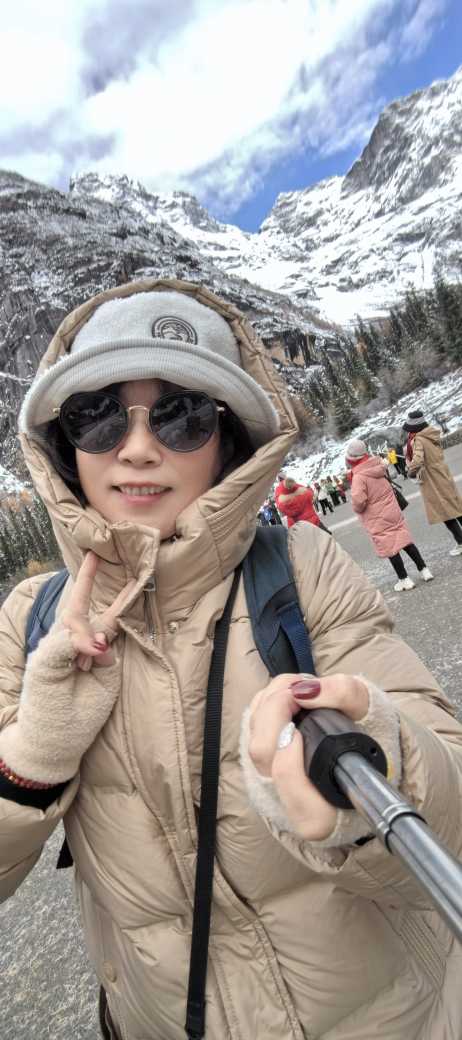
| Day | Route | Overnight Stay |
|---|---|---|
| D1 | Nanjing → Chengdu → Dujiangyan | Dujiangyan |
| D2 | Dujiangyan → Four Sisters Mountain | Four Sisters Town |
| D3 | Four Sisters Mountain → Li-Xiao Road → Guergou | Guergou |
| D4 | Guergou → Bipenggou → Xiaojin County → Jiaju Tibetan Village | Jiaju Tibetan Village |
| D5 | Jiaju → Danba → Dangling | Dangling |
| D6 | Dangling → Danba → Sky City → Xinduqiao | Xinduqiao |
| D7 | Xinduqiao → Kangding → Luding → Mount Emei | Mount Emei |
| D8 | Mount Emei – Golden Summit | Golden Summit |
| D9 | Golden Summit → Leshan Suji Ancient Town → Chengdu → Nanjing | — |
Transportation: How to Get Around Western Sichuan
We flew round-trip between Nanjing and Chengdu. For ground travel within Sichuan, we opted for a private chartered vehicle with a driver—a decision that proved invaluable given the winding, high-altitude mountain roads.
Our driver, a capable young man named Dahai, came highly recommended through a connection made nine years earlier. Back in 2015, during a trip to Jiuzhaigou and Ruoergai, a friend had introduced us to a team of experienced Sichuan-Tibet drivers led by "Brother Xiaojun." Over the years, we'd trusted them with two subsequent trips to Tibet and a 41-day journey through Xinjiang. Trust, once earned at 4,000 meters above sea level, is not easily broken.
Accommodation & Meals
Except for the Golden Summit lodging on Mount Emei (which we booked ourselves), all accommodations were arranged through Brother Xiaojun's team. [Link: Best hotels in Four Sisters Town] Breakfast was provided by each hotel; for lunch, we'd find a bustling local eatery; dinner was either researched online or arranged at our hotel.
What We Packed: Essential Gear for Autumn in Western Sichuan

Essentials: - ID cards and any discount eligibility documents - Phones, chargers, power banks, selfie stick - One 26-inch suitcase and one 20L backpack
Clothing: - One down jacket (heavy), one lightweight down vest - Thermal underwear set, sweater, hoodie, light jacket - Two long-sleeve base layers, one pair of fleece-lined jeans, two regular pants - Marten boots and lightweight shoes - Hats (one regular, one wool), gloves, scarf, sunglasses, trekking poles
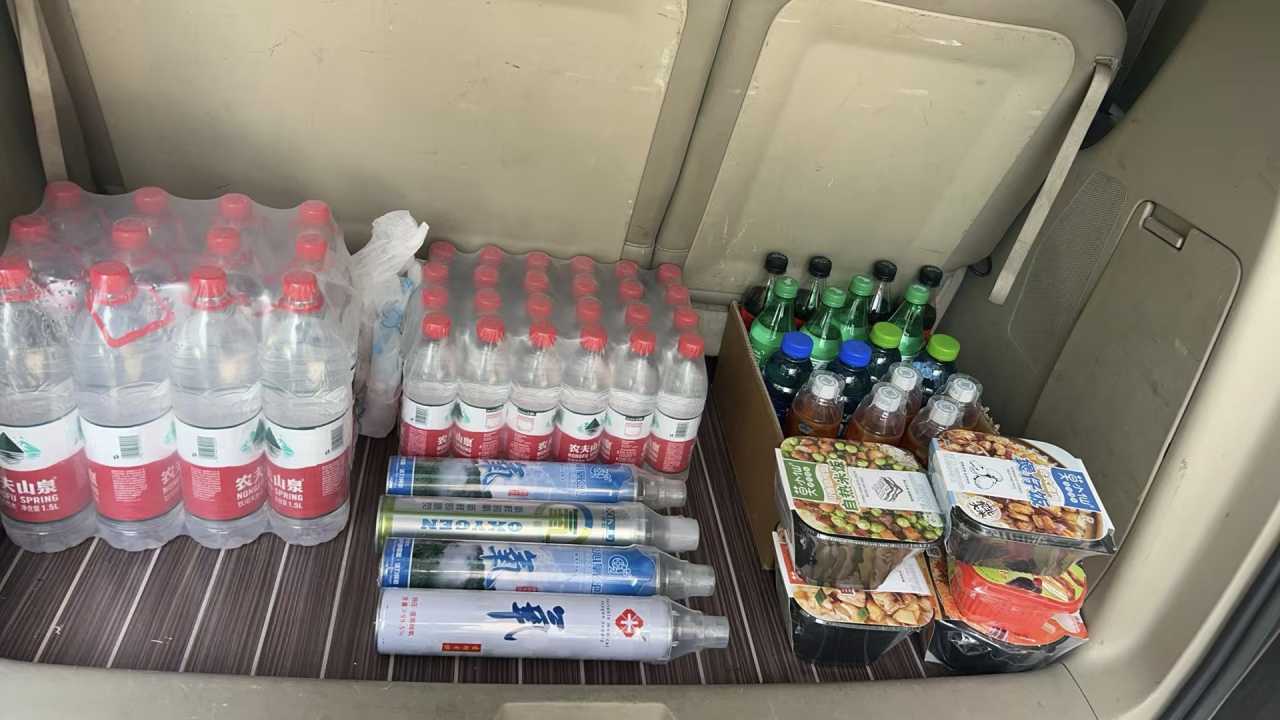
Health & Comfort: - Sunscreen, hand cream, skincare products - Travel kettle, thermos, pillow cover, slippers, disposable toilet seat covers - Portable oxygen canisters, injectable glucose, quick-acting heart medicine - Snacks: chocolate, beef jerky, cookies, brown sugar
The Budget Breakdown for a 9-Day Western Sichuan Tour
Because we're no longer spring chickens, and the pandemic had taken a toll on our stamina, we prioritized comfort. Most of our accommodations were mid-to-high range hotels and guesthouses. The private car and driver added a significant safety margin.
Per-person costs: - Round-trip flights (Nanjing–Chengdu, including airport shuttles): ¥1,438 - Daily group expenses (meals, transport, guides): ¥1,738 - Accommodation: ¥2,283 - Vehicle (including driver): ¥2,700 - Insurance: ¥81 - Tickets (including Dangling motorcycle): ¥830 - Total: ¥8,800
Day 1: Nanjing → Chengdu → Dujiangyan
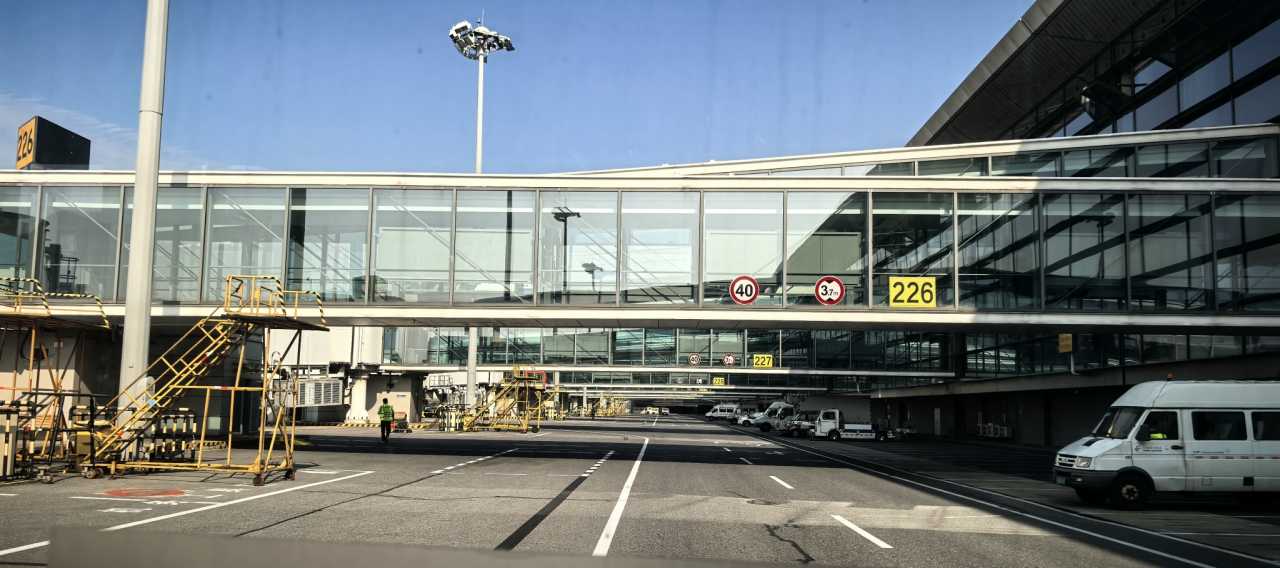
Chengdu is one of those cities you never want to leave. But having visited many times before, we skipped the city center entirely. Dahai picked us up at the airport and drove directly to Dujiangyan, arriving around 8 PM.
He led us to a small restaurant that, despite mediocre online reviews, served surprisingly delicious food. After dinner, we strolled to the South Bridge to photograph the famous "Blue Tears"—the ethereal blue glow of the river at night—and wandered through the ancient Guan County old town.
Day 2: Dujiangyan → Four Sisters Mountain – First Glimpse of Autumn Splendor
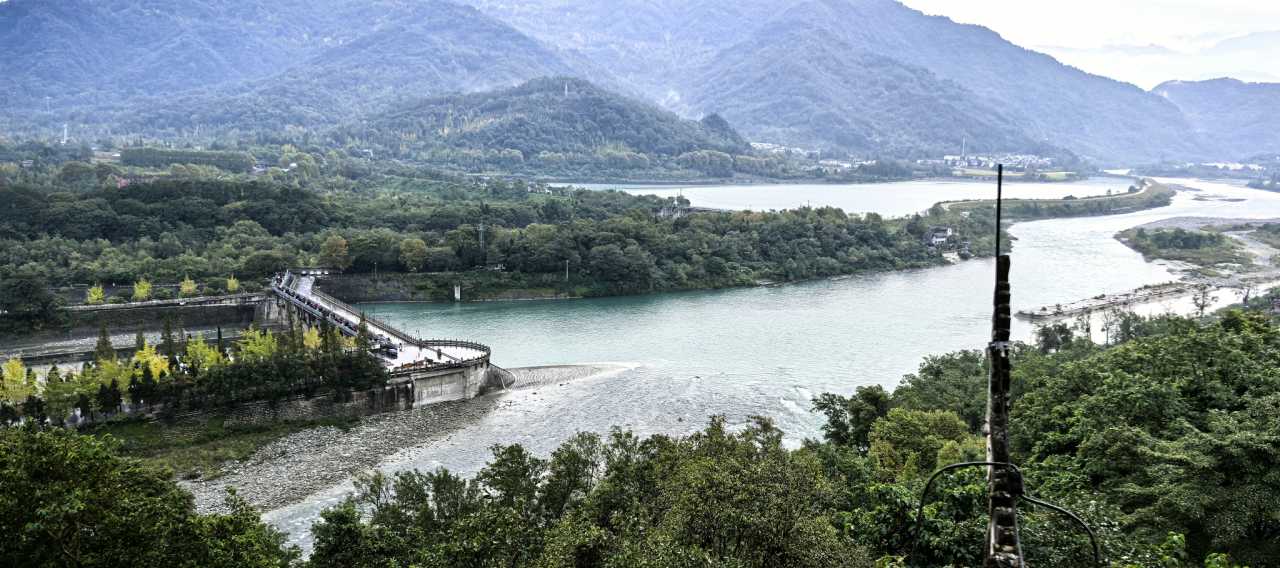
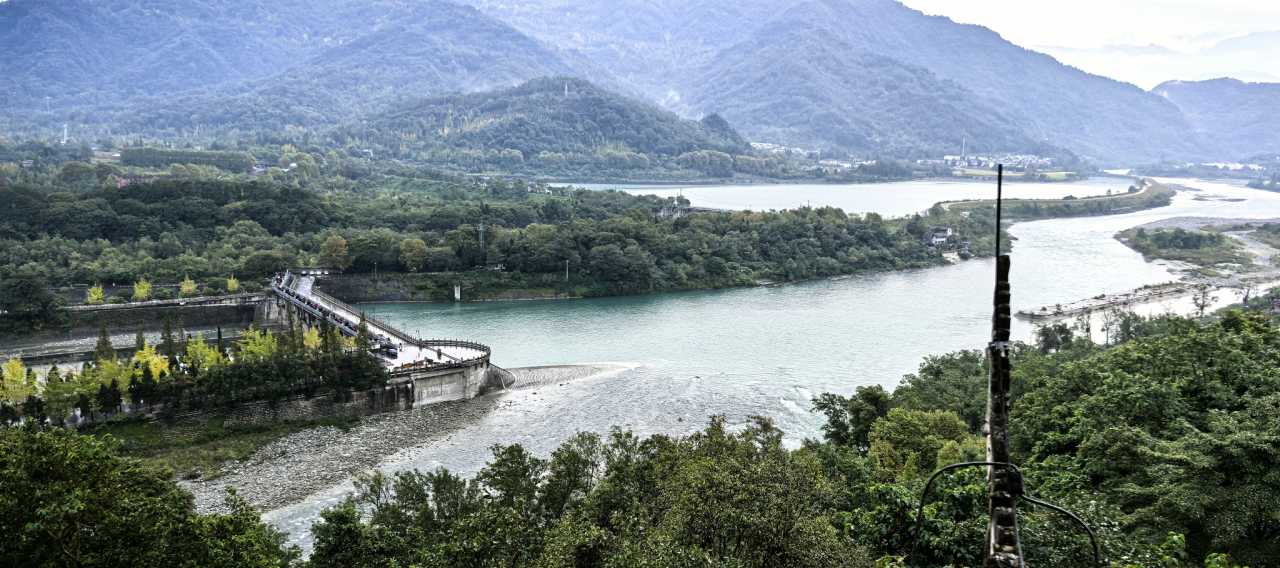
The next morning, Dahai dropped us at Qinyan Tower, the highest point of Dujiangyan's scenic area. We hired a guide and explored the ancient irrigation system from top to bottom—a wise strategy that saved our knees. The rain added a layer of freshness to the air, making the walk thoroughly enjoyable.
By 10:10 AM, we were back on the road, heading toward Four Sisters Mountain via the Dujiangyan–Wenchuan Expressway, then exiting at Yingxiu to pick up National Highway G350—the famous Panda Avenue.
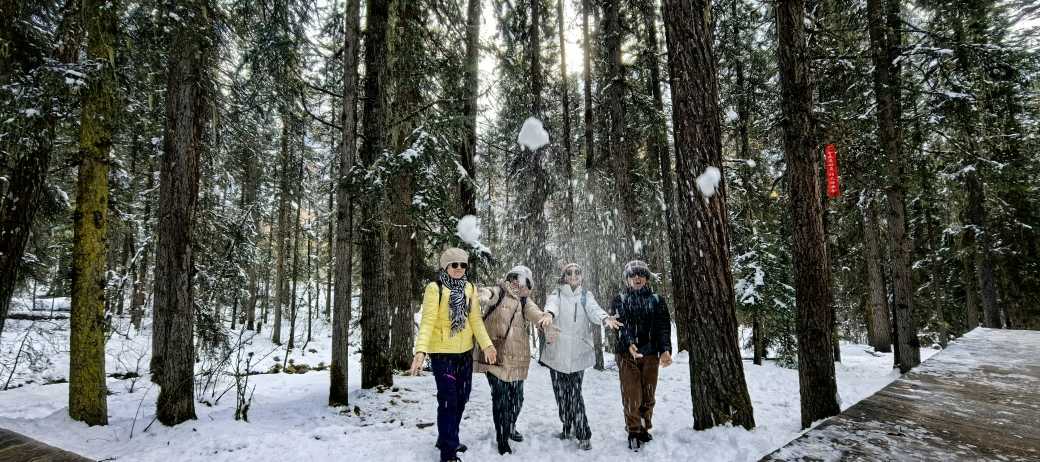
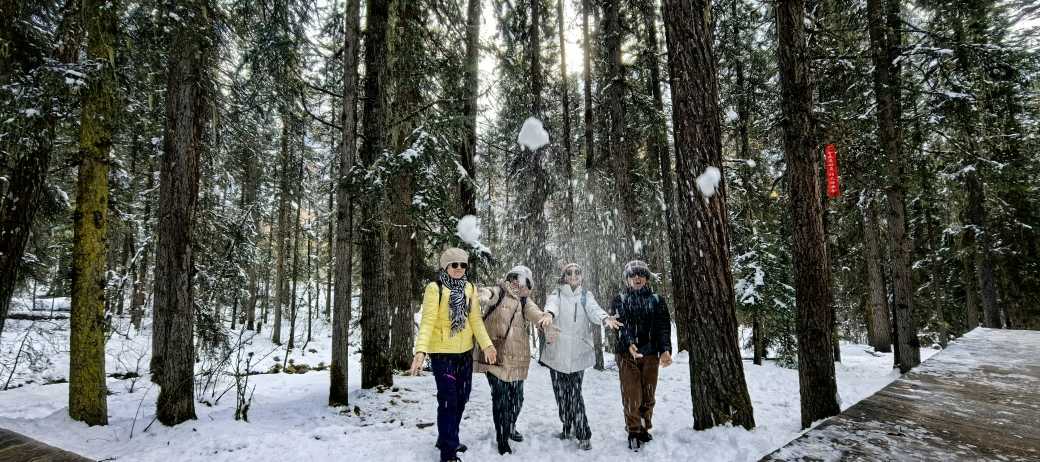
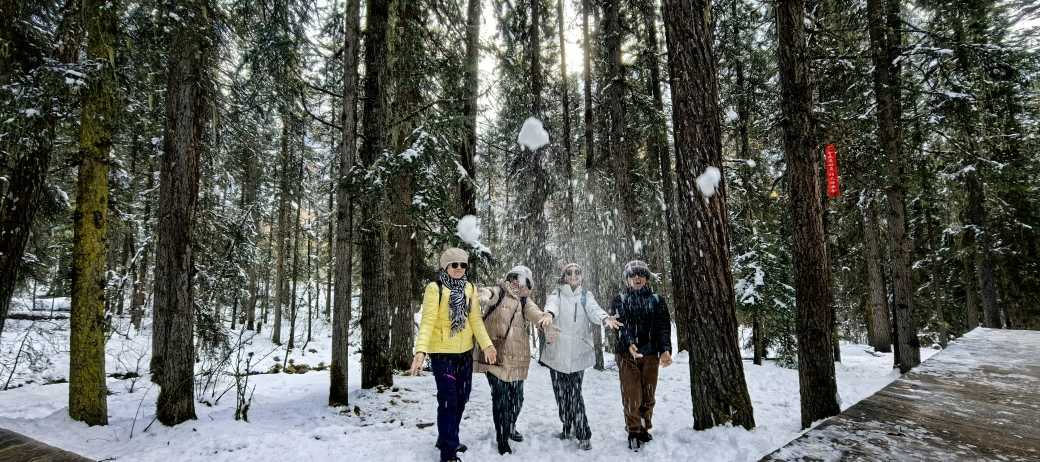
Around noon, we stopped for lunch in Wolong Town. As we pressed deeper into the mountains, the scenery transformed. Snow began to fall on Balang Mountain, and the road to the summit was closed, forcing us through the tunnel instead.
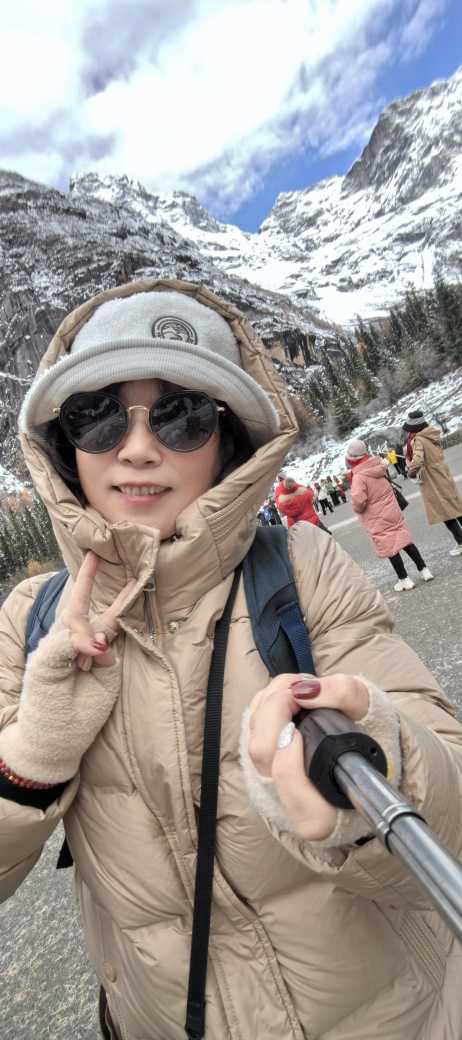
At 2:10 PM, we reached the Cat's Nose Ridge viewpoint. Though clouds obscured the Four Sisters peaks, the landscape was still breathtaking. The temperature had dropped sharply, reminding us to bundle up.
By 2:30 PM, we arrived at Four Sisters Town and checked into the Guishang Business Hotel. We had originally planned to visit Shuangqiao Valley that afternoon, but the altitude and a chill from the viewpoint left us feeling off. We wisely decided to rest and rescheduled for the next morning.
A side note: The local Xiaojin apples were absolutely delicious—crisp, sweet, and fragrant.
Day 3: Four Sisters Mountain → Li-Xiao Road → Guergou – A Day of High-Altitude Wonders
Our hotel was barely a five-minute walk from the Shuangqiao Valley entrance. At 7:25 AM, we joined the first batch of visitors on the sightseeing bus.
First stop: Redwood Forest (3,840m) – The morning light was magical, and the crowds were nonexistent. Our decision to come early was already paying off.
Second stop: Potala Peak – Named for a mountain that resembles the Potala Palace, this spot offers a 360-degree view of snow-capped peaks.
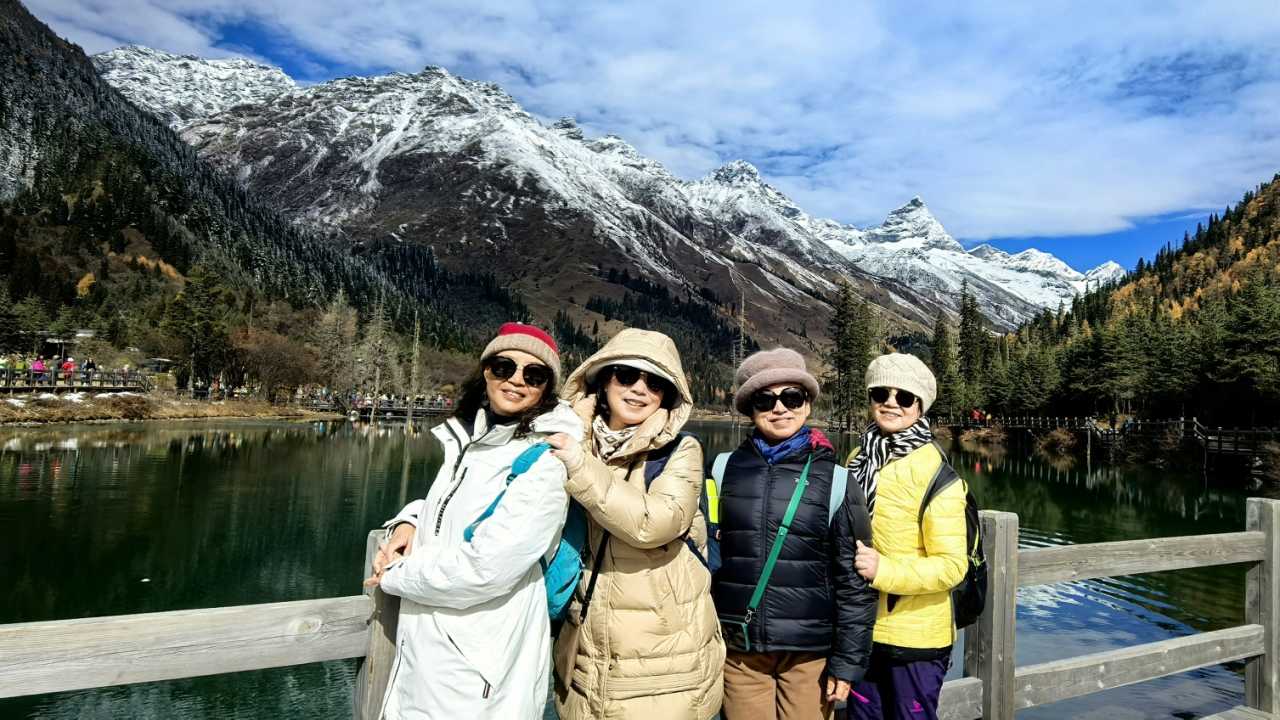
Third stop: Sigulacuo Lake (3,588m) – The mirror-like surface reflected blue skies, white clouds, snow mountains, and colorful forests. This was the soul of Shuangqiao Valley.
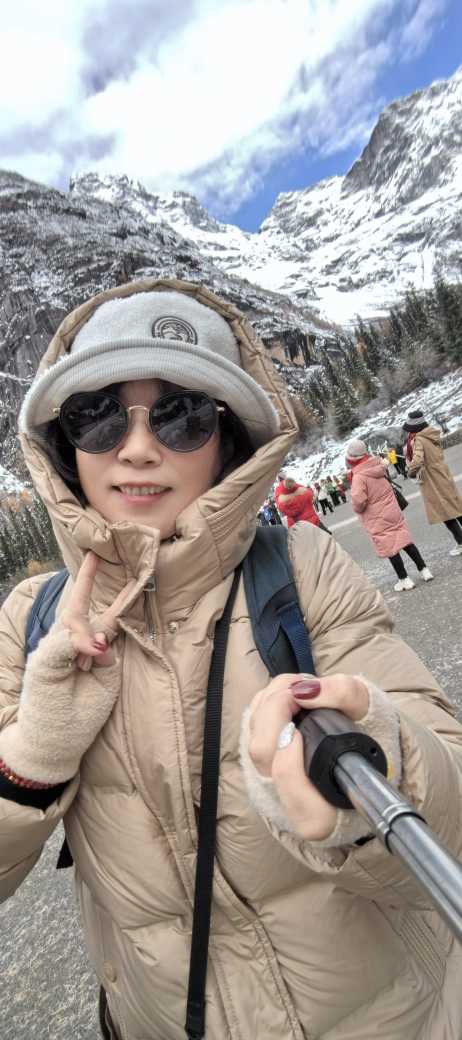
Fourth stop: Nianyu Dam (3,500m)
Fifth stop: Cloud Summit Service Center (3,360m) – By 12:30 PM, we'd been exploring for five hours. To conserve energy for the days ahead, we skipped the remaining stops and headed down.
After a quick lunch at our hotel, we set off again. Along the road, fruit vendors were selling the season's Xiaojin apples. We bought a bagful. A friend had asked me to bring back some Xiaojin rose tea, so we stopped at a rose plantation—but unfortunately, they had no products for sale.
At 3 PM, we entered Li-Xiao Road, a newly built county road connecting Li County and Xiaojin County. It has quickly become an internet sensation for its stunning scenery. We passed Xiao'erpu and Da'erpu, two scenic spots, but the ground was slippery from fresh snow, and the crowds were thick. Still groggy from the morning's beauty, we drove past the Red Rock Beach and Thor's Waterfall without stopping.
As we descended through the snowy mountains, a headache began to form—a reminder of the altitude. We pressed on, knowing the best was yet to come.
Day 4–9: Continuing the Autumn Quest Through Bipenggou, Danba, and Mount Emei
The remaining days of our journey took us through some of the most stunning landscapes in Western Sichuan. From the terraced Tibetan villages of Jiaju to the dramatic cliffs of Dangling, from the sky-high city of Kangding to the sacred slopes of Mount Emei, every day brought new wonders. [Link: Complete guide to Bipenggou autumn colors]
By Day 9, we had circled back to Chengdu, our hearts full and our cameras overflowing with images of golden forests, snow-capped peaks, and the warm smiles of local people.
FAQ: Planning Your Western Sichuan Autumn Foliage Tour
1. When is the best time to see autumn colors in Western Sichuan?
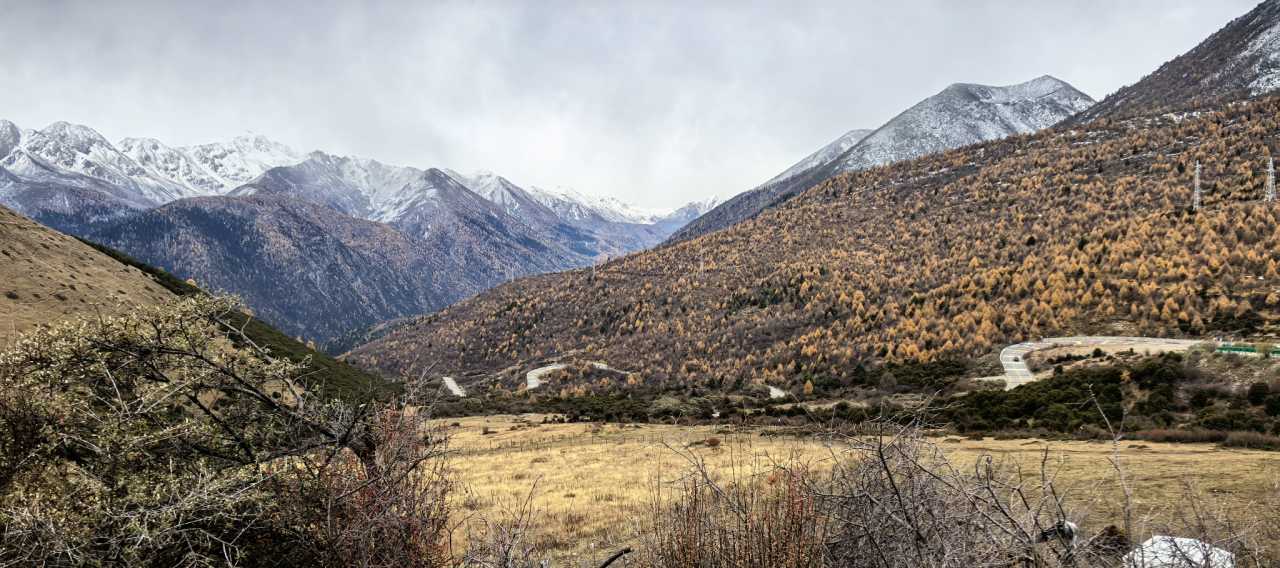
The optimal window is from early October to early November. Peak colors vary by elevation: higher areas like Balang Mountain peak in mid-October, while lower valleys like Bipenggou peak in late October to early November.
2. Is Western Sichuan suitable for senior travelers?
Absolutely. Our group averaged over 60 years old, and we completed the journey comfortably. Key tips: hire a private driver, stay at mid-range hotels with good heating, pack altitude medication, and listen to your body—skip activities if you feel unwell.
3. How much does a 9-day Western Sichuan autumn tour cost?
Based on our experience, expect to spend approximately ¥8,800 per person (around $1,200 USD) for flights, private transport, mid-range accommodation, meals, and entrance fees. Costs can vary based on season and comfort level.
4. What should I pack for autumn in Western Sichuan?
Pack layers: a heavy down jacket, thermal underwear, fleece-lined pants, and waterproof boots. Don't forget altitude essentials like portable oxygen, glucose, and quick-acting heart medication. Sunscreen and sunglasses are crucial even in cold weather.
5. Can I drive myself, or should I hire a driver?
We strongly recommend hiring an experienced local driver. The mountain roads are winding, narrow, and often icy. A local driver knows the conditions, traffic patterns, and best viewpoints—plus, you can enjoy the scenery instead of focusing on the road.
Your Turn: Start Planning Your Western Sichuan Autumn Adventure
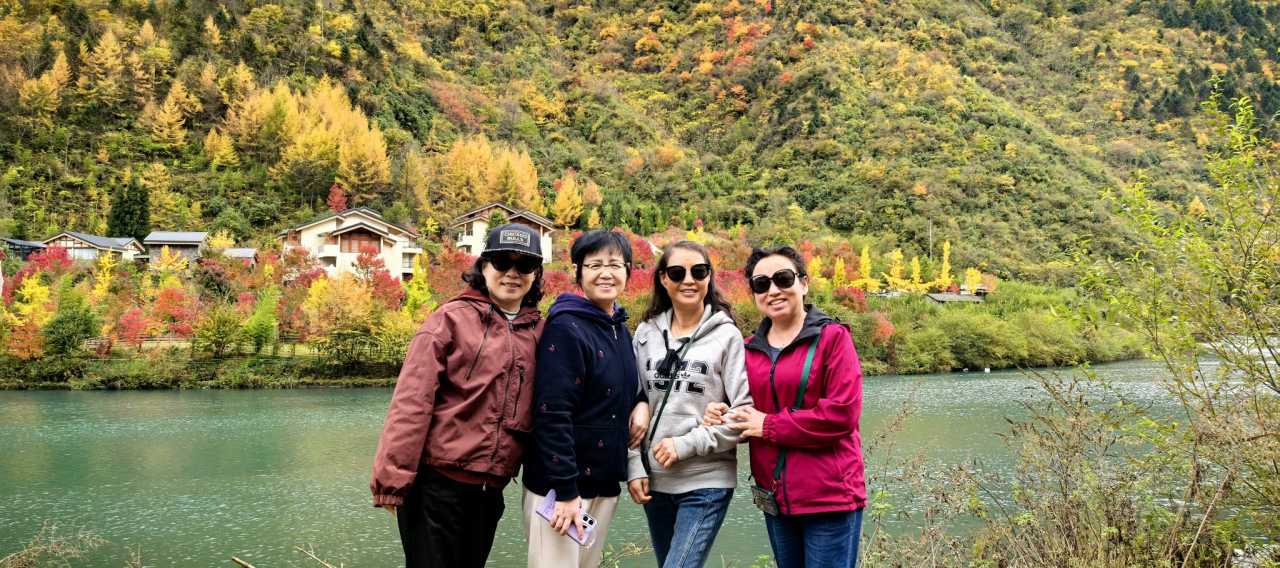
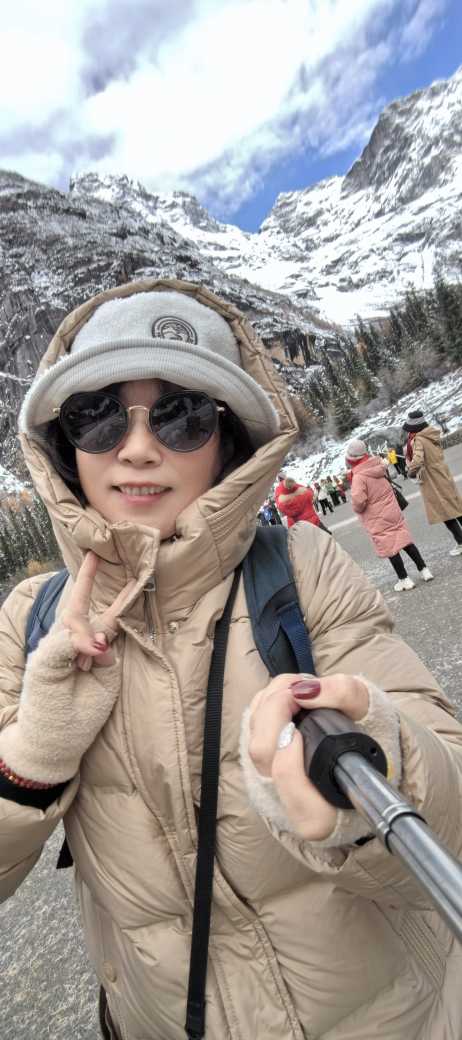
Western Sichuan's autumn colors are a once-in-a-lifetime spectacle. Whether you're a seasoned traveler or embarking on your first high-altitude adventure, the golden forests, snow-capped peaks, and warm Tibetan hospitality will leave an indelible mark on your soul.
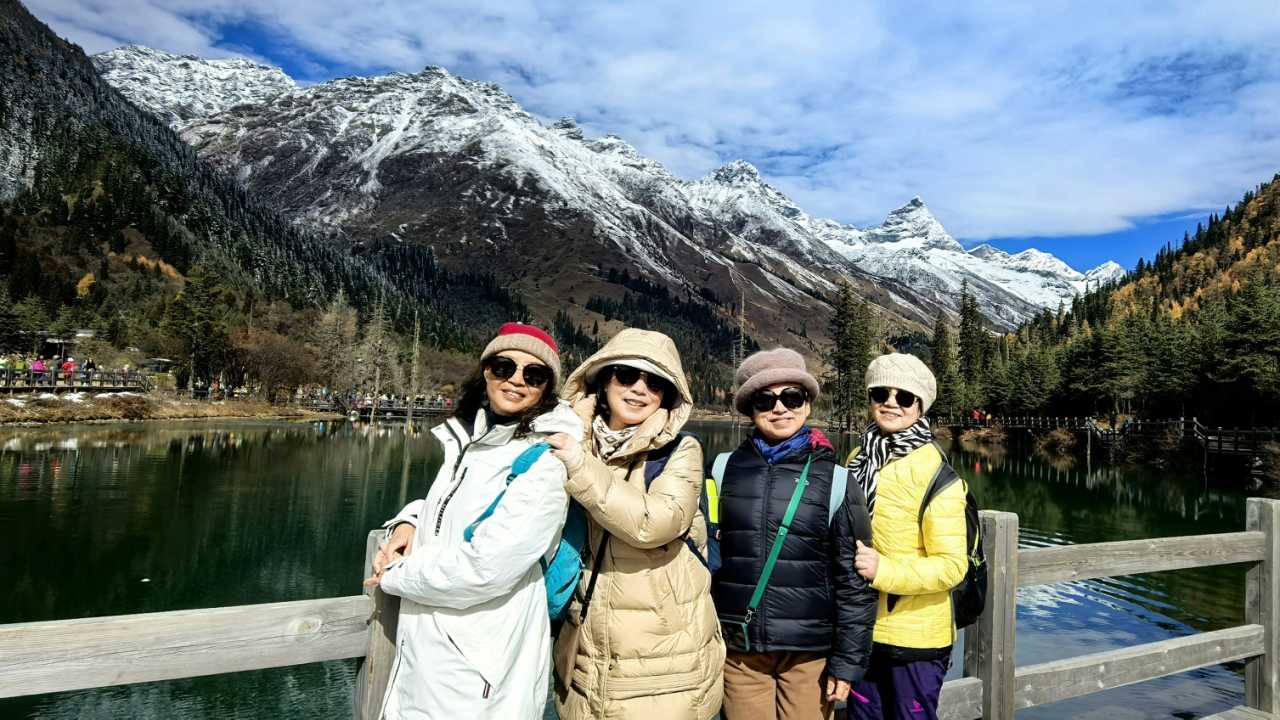
Ready to chase the colors? Here's your next step: Book your flights to Chengdu for late October or early November. Contact a reliable Sichuan-Tibet driver team (ask for references from past travelers). Pack smart, pace yourself, and prepare for the journey of a lifetime.
The mountains are calling—and the autumn colors are waiting.
Have you visited Western Sichuan in autumn? Share your experience in the comments below!