Mount Emei Travel Guide: A Sacred Encounter with China's "Moonlit Brows" Goddess
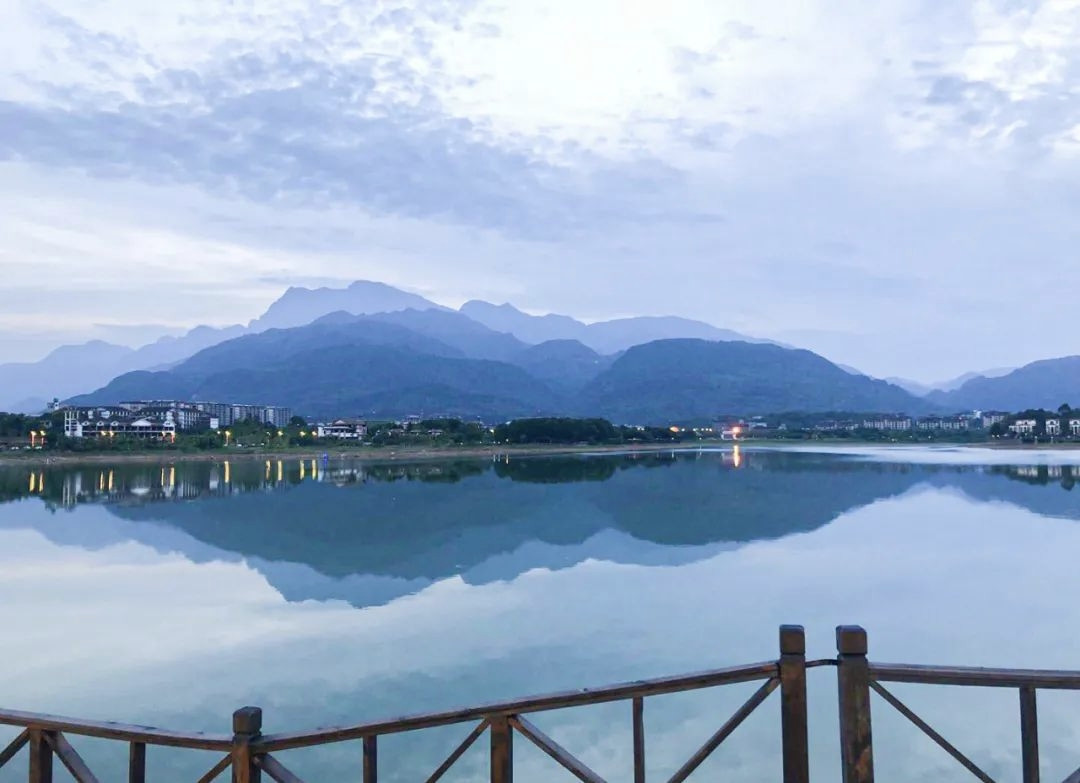
Meta Description: Discover Mount Emei, China's sacred Buddhist mountain and the legendary "Moonlit Brows" goddess. Explore the Golden Summit, sea of clouds, Buddha's halo, and ancient temples in this comprehensive travel guide.
Introduction: Why Mount Emei Captivates the Soul
Among the sacred mountains of southwestern China, Mount Emei (峨眉山) holds a unique place in the hearts of travelers and pilgrims alike. Unlike the majestic Mount Tai or the perilous Mount Hua, Emei's allure lies in its ethereal beauty—a goddess with "moonlit brows and star-bright eyes" who appears and disappears through veils of mist. This UNESCO World Heritage Site, standing at 3,079 meters above sea level, is not merely a mountain. It is the sacred seat of Samantabhadra Bodhisattva, a living canvas for poets and scholars, and a window through which every seeker of inner peace can converse with heaven and earth.
In this comprehensive Mount Emei travel guide, we'll take you on a journey through cloud seas, ancient temples, and breathtaking landscapes. Whether you're planning your first visit or seeking deeper spiritual insights, prepare to encounter the goddess of "moonlit brows" in all her glory.
I. The Golden Summit: Where Clouds Become Her Robe
Moonlit Brows and Star-Bright Eyes at Dawn
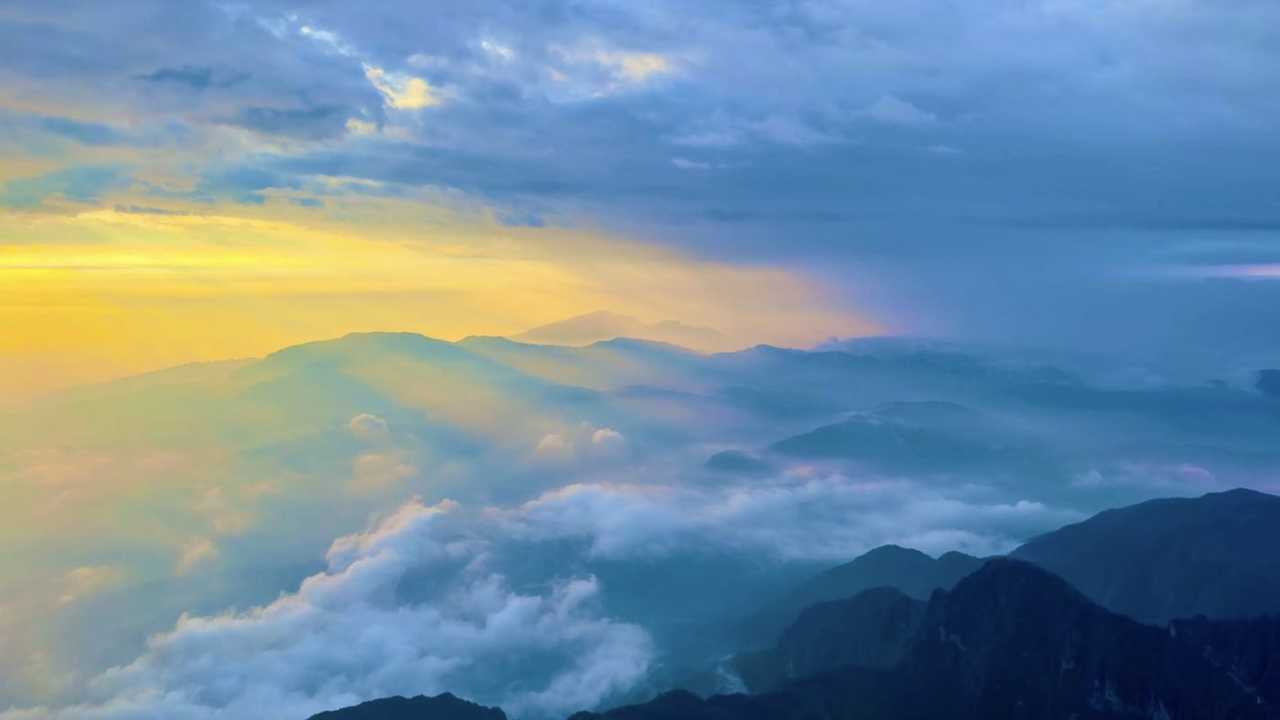
At four in the morning on the Golden Summit, the icy wind wraps around you like a shroud of mist. Then, as the first ray of sunlight pierces the clouds, it gilds the towering 48-meter-tall Samantabhadra statue in gold. This is the moment you understand what "star-bright eyes" truly means.
The Golden Summit (金顶) is the soul of Mount Emei. Here, beneath your feet lies a rolling sea of clouds; above your head, the sky feels close enough to touch. The Samantabhadra statue gazes upon all beings with unwavering compassion—a sight that has inspired countless pilgrims and photographers.
Best time to visit the Golden Summit: Early morning (4:00-6:00 AM) for sunrise and the "Buddha's Halo" phenomenon.
Rainbow-Hued Robes: The Weather of Mount Emei
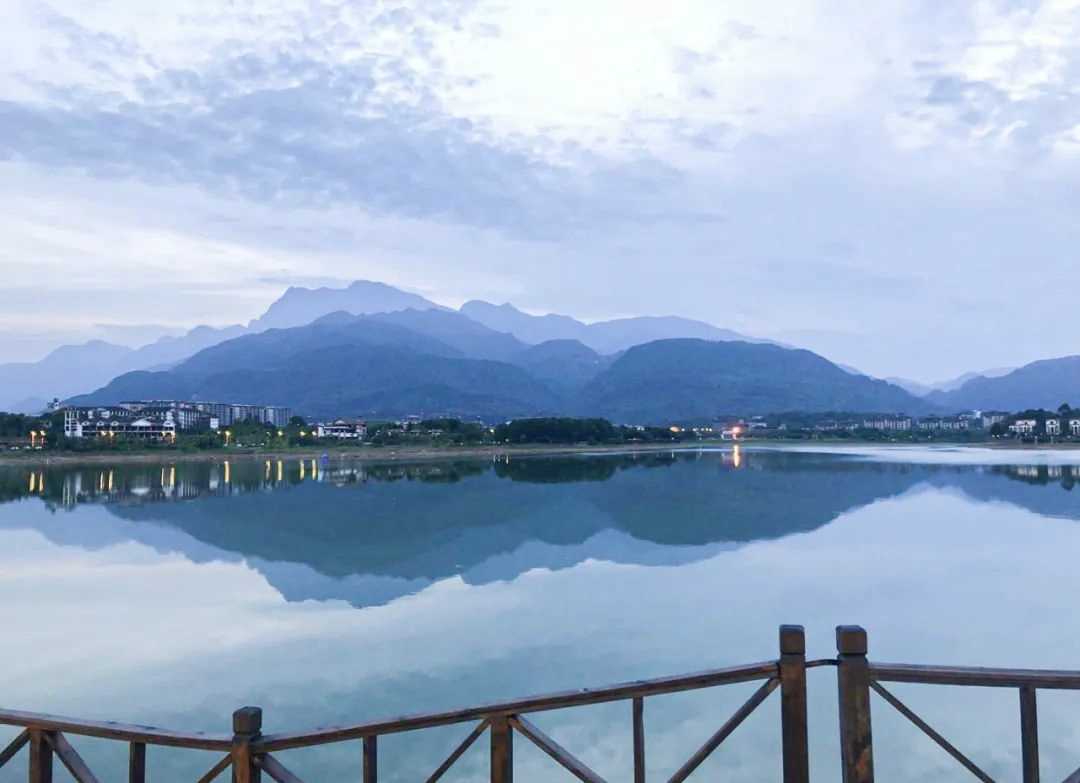
Mount Emei's weather is famously unpredictable—more capricious than a woman's heart, locals say. One moment, the sky is flawless blue; the next, a fine drizzle descends. Yet this very caprice is the source of its unique charm.
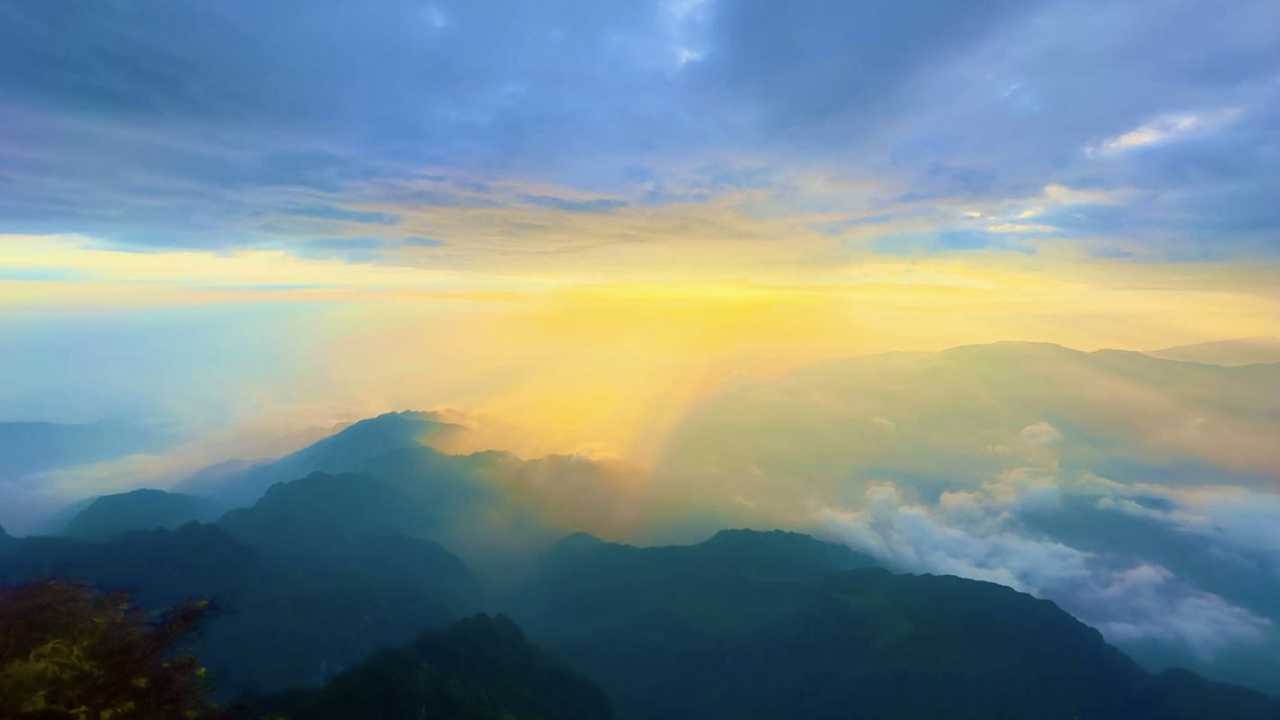
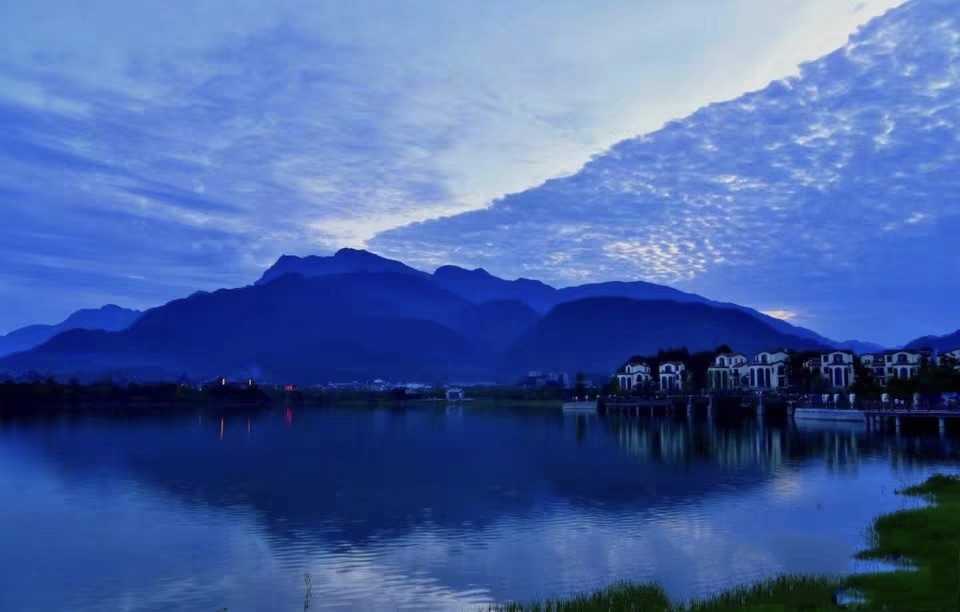
When mist and rain shroud the peaks, the entire mountain dons a gossamer veil—the goddess's "rainbow-hued robes of mist and rain." Come evening, the setting sun spills golden and crimson hues across the clouds, creating her "cloud-woven shawl" in all its splendor.
Pro tip: Pack layers and rain gear regardless of the season. The Buddha's halo (佛光) phenomenon—a rainbow-colored ring around your shadow—is most common in the late afternoon when sun and mist align.
II. Mount Emei Through the Seasons: A Living Goddess
Spring: Jade Nectar and Tipsy Blossom Hairpins
Spring transforms Mount Emei into a paradise of color and fragrance. Above 2,000 meters, high-altitude rhododendrons burst into bloom from April to June. These ancient plants—some over a century old—cling to cliffs and precipices, their gnarled branches producing breathtakingly delicate blossoms in pink, white, and crimson.
The "Spring's Jade Nectar" (春之玉液) refers to the region's famed liquor culture, brewed from crystal-clear mountain springs. While you can sample these local spirits, the real nectar is the pure mountain air itself, infused with the scent of wildflowers and damp earth.
Summer: Verdant Tresses and Layered Peaks
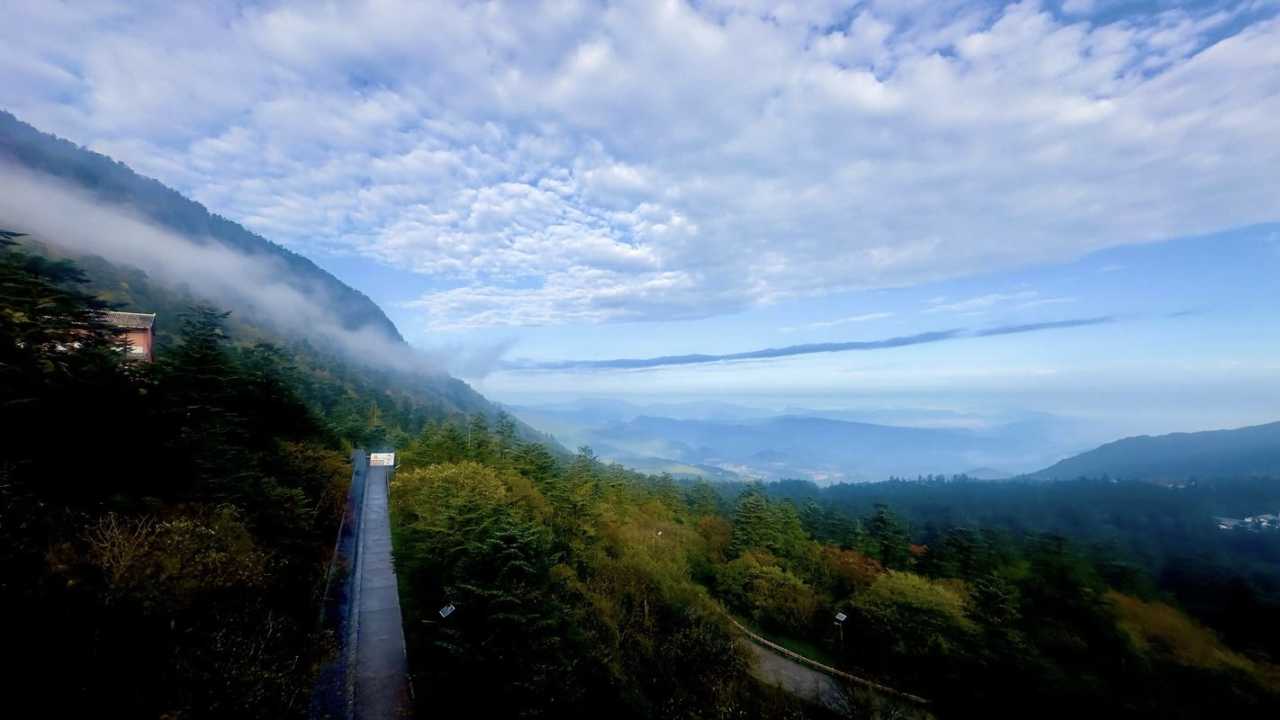
From base to summit, Mount Emei's vegetation displays striking vertical zonation:
| Elevation | Vegetation | Characteristic |
|---|---|---|
| 500-1,500m | Evergreen broadleaf forests | Dense, full of life—the goddess's "verdant tresses" |
| 1,500-2,500m | Mixed coniferous and broadleaf | Distinct layers—"folded green peaks" |
| 2,500m+ | Fir forests | Dark green cloak—solemn and majestic |
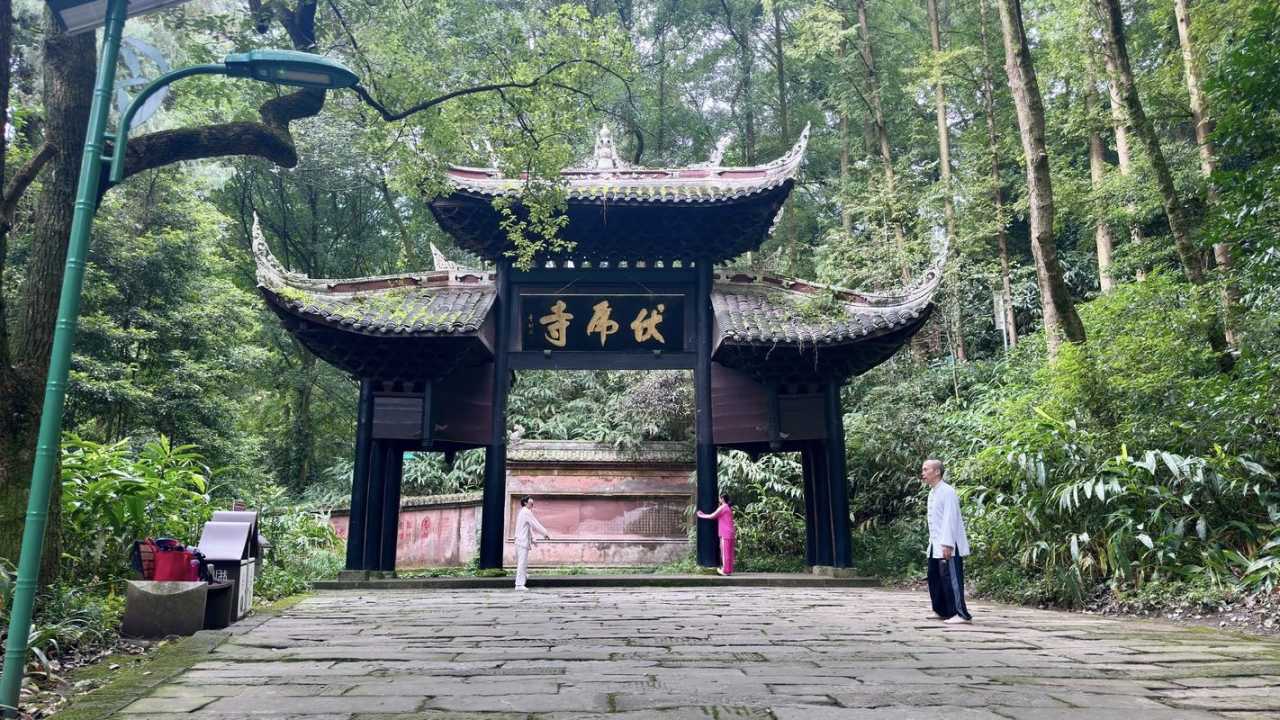
Walking the mountain paths, you'll encounter agile monkeys leaping between branches, the bell of Fuhu Temple echoing through valleys, and shafts of sunlight filtering through the canopy. These are the gifts Mount Emei bestows upon those who walk her trails.
[Link: Mount Emei hiking trails and difficulty levels]
Autumn: Golden Summit Under Clear Skies
Autumn offers the clearest views of the Golden Summit and distant snow peaks of Gongga Mountain. The sea of clouds is particularly dramatic during this season, often stretching endlessly to the horizon.
Winter: A Snow-Covered Goddess
Winter transforms Mount Emei into a wonderland of ice and snow. The Samantabhadra statue stands resplendent against a white backdrop, and the rhododendron branches become crystalline sculptures. Fewer tourists visit during winter, offering a more contemplative experience.
III. Buddhist Emei: Sacred Sites and Spiritual Significance
Samantabhadra of the Ten Directions
Mount Emei is the sacred seat of Samantabhadra Bodhisattva (普贤菩萨), whose mount is a six-tusked white elephant. At Huazang Temple on the Golden Summit, you can see the magnificent "White Elephant on a Lotus Throne" sculpture—the elephant gentle yet majestic, as if ready to step onto a cloud.
The "Samantabhadra of the Ten Directions" (十方普贤) is the mountain's iconic landmark. This golden statue consists of four Samantabhadra figures standing back to back, facing east, south, west, and north—symbolizing the bodhisattva's compassion shining upon all ten directions of the universe.
The Three Holy Ones of the Avatamsaka Sutra
In major temples like Wannian Temple and Huazang Temple, you'll find the "Three Holy Ones of the Avatamsaka Sutra" (华严三圣)—Vairocana Buddha flanked by Manjushri and Samantabhadra. This triad represents the complete cycle of Buddhist practice: with "wisdom" as the eyes and "practice" as the feet, one ultimately attains truth.
At Wannian Temple, don't miss the Ming Dynasty bronze statue of Samantabhadra riding an elephant, weighing 62 tons. This masterpiece of Buddhist art has watched generations of pilgrims prostrate themselves from mountain base to summit.
[Link: Top 10 temples to visit on Mount Emei]
The Immeasurable Great Vehicle
"The Great Vehicle is immeasurable, the Dharma is boundless"—this Buddhist doctrine forms the spiritual core of Mount Emei. Here, you encounter people of all ages and professions. Some come to pray, some to fulfill a vow, some simply to find inner peace. But whatever their purpose, when they stand on the Golden Summit, watching the sea of clouds surge and the Buddha's halo shine, all their worries dissolve into the air.
IV. Literary Emei: Where Poets Found Inspiration
Su Shi and the Spirit of Mount Emei

Mount Emei is not only a Buddhist sacred site but also a wellspring of inspiration for poets and scholars. Su Shi (苏轼), the great Song Dynasty poet, hailed from nearby Meishan, just 60-70 kilometers away. In his poem "Seeing Off Yang Mengrong," he calls himself "one who dwells in the shadow of Mount Emei."
The image of "bamboo staff and straw sandals" (竹杖芒鞋) appears frequently in Chinese poetry about Emei—representing the simple, humble approach of those who truly seek to understand the mountain's mysteries.
Modern Literary Connections
Contemporary writers continue to find inspiration on Mount Emei. The mountain's mist-shrouded peaks and ancient temples provide the perfect backdrop for meditation and creative work. Many guesthouses near the mountain offer writing retreats for those seeking artistic renewal.
[Link: Best guesthouses for writers and artists near Mount Emei]
V. Practical Travel Guide for Mount Emei
How to Get There
- By air: Fly to Chengdu Shuangliu International Airport (CTU) or Chengdu Tianfu International Airport (TFU), then take a bus or private car (2-3 hours) to Mount Emei Scenic Area.
- By train: High-speed trains from Chengdu East Railway Station to Emeishan Station (approximately 1 hour).
- By bus: Regular buses from Chengdu's Xinnanmen Bus Station to Mount Emei.
Best Time to Visit
- April-June: Rhododendron season, mild temperatures
- September-November: Clear skies, dramatic cloud seas
- December-February: Snow-covered landscapes, fewer crowds
Recommended Itinerary
Day 1: Arrive at Mount Emei base, visit Baoguo Temple and Fuhu Temple. Take cable car to Golden Summit for sunset.
Day 2: Golden Summit sunrise, visit Huazang Temple and Samantabhadra statue. Descend to Wannian Temple and Qingyin Pavilion.
Day 3: Hike the Monkey Zone, visit Hongchunping and Xixiangchi. Depart in the afternoon.
What to Pack
- Warm layers (summit temperatures can drop to near freezing year-round)
- Rain gear
- Comfortable hiking shoes
- Sunscreen and sunglasses (UV is intense at high altitude)
- Snacks and water (limited options on the mountain)
FAQ: Everything You Need to Know About Mount Emei
Q: Is Mount Emei suitable for beginner hikers?
A: Yes! While the summit is at 3,079 meters, cable cars are available from multiple points. You can customize your experience from easy day trips to multi-day treks. The most popular route combines cable car rides with moderate walking.
Q: What is the "Buddha's halo" phenomenon and when can I see it?
A: The Buddha's halo (佛光) is a rainbow-colored ring around your shadow, visible when sunlight hits mist or clouds at the right angle. It's most common in late afternoon (3:00-5:00 PM) during autumn and spring when conditions are optimal.
Q: Can I visit Mount Emei in one day from Chengdu?
A: Technically yes, but it's rushed. A day trip allows time for cable car to Golden Summit and one major temple. For a meaningful experience, we recommend at least two days.
Q: Are there accommodation options on the mountain?
A: Yes! Options range from budget hostels near the base to comfortable hotels on the Golden Summit. Booking in advance is essential during peak seasons (April-October and Chinese holidays).
Q: What should I know about the monkeys on Mount Emei?
A: The Tibetan macaques are famous but can be aggressive. Do not carry food in open bags, avoid direct eye contact, and never tease them. Stick to designated paths in the Monkey Zone.
Conclusion: Your Journey to Meet the Goddess Awaits
Mount Emei is more than a destination—it's an encounter with the divine, a conversation with nature, and a journey into your own soul. Whether you come for the sea of clouds, the Buddha's halo, the ancient temples, or simply to walk where poets and pilgrims have walked for millennia, this mountain will leave its mark on you.
The goddess of "moonlit brows" is waiting. She wears her rainbow-hued robes, her cloud-woven shawl, and gazes upon all who seek her with star-bright eyes. The only question is: when will you answer her call?
Ready to plan your Mount Emei adventure? [Link: Book your Mount Emei tour package] or [Link: Download our complete Mount Emei travel checklist]
Have you visited Mount Emei? Share your experience in the comments below—we'd love to hear about your encounter with the goddess of moonlit brows!
You may also like


