Moonrise Over Qionghai: The Ultimate Xichang Travel Guide to Poetry and Faraway Dreams
Meta Description: Discover Xichang, the "Moon City" of China. Explore Qionghai Lake, jacaranda-lined streets, Jianchang Ancient City, and authentic Liangshan barbecue in this comprehensive travel guide.
Introduction: Why Xichang Deserves a Spot on Your Bucket List
Nestled in the heart of Liangshan Yi Autonomous Prefecture in Sichuan Province, Xichang is a city that defies expectations. Known as the "Moon City" for its exceptionally clear night skies, this highland gem (elevation ~1,500 meters) offers a unique blend of natural beauty, cultural heritage, and modern comfort. From the shimmering waters of Qionghai Lake to the purple haze of jacaranda blossoms on Hangtian North Road, Xichang is a destination that rewards the curious traveler.
Many first-time visitors imagine a dry, red-rock landscape with intense UV rays—a typical highland scene. But Xichang surprises with its gentle climate, abundant water resources, and lush greenery. By day, Qionghai Lake is a mirror of emerald calm; by night, waves crash with a rhythmic roar, as if the lake itself changes personality after sunset. This duality—tranquil yet passionate, ancient yet modern—makes Xichang a truly unforgettable destination.
In this comprehensive guide, we'll walk you through a three-day itinerary covering the best things to do in Xichang, from moonrise over Qionghai to the smoky flavors of local barbecue. Whether you're a nature lover, a foodie, or a culture enthusiast, Xichang has something for you.
[Link: Best time to visit Xichang – seasonal guide]
Day 1: Arriving in Xichang – First Glimpses of the Moon City
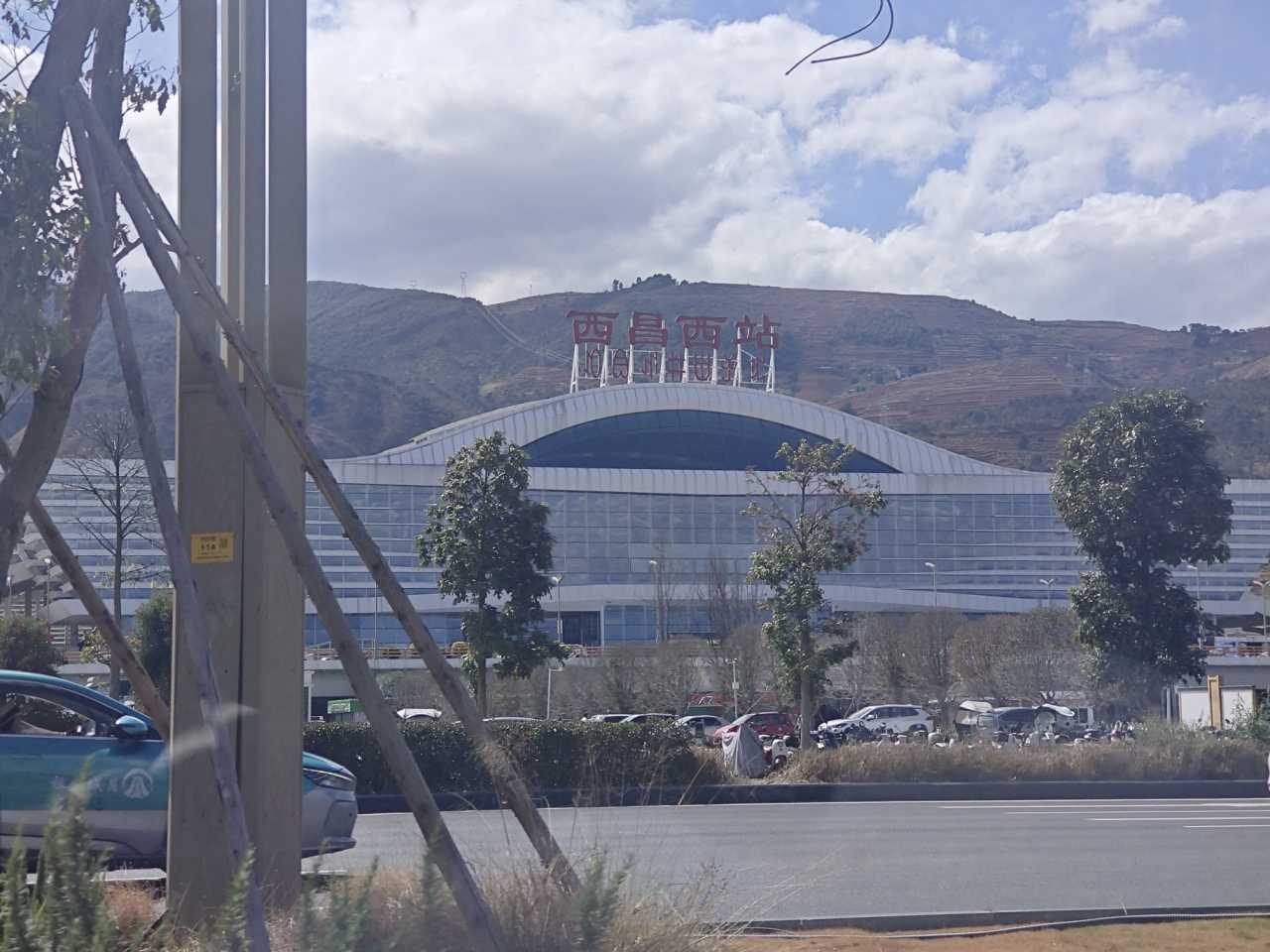
Getting from Xichang West Station to the City Center
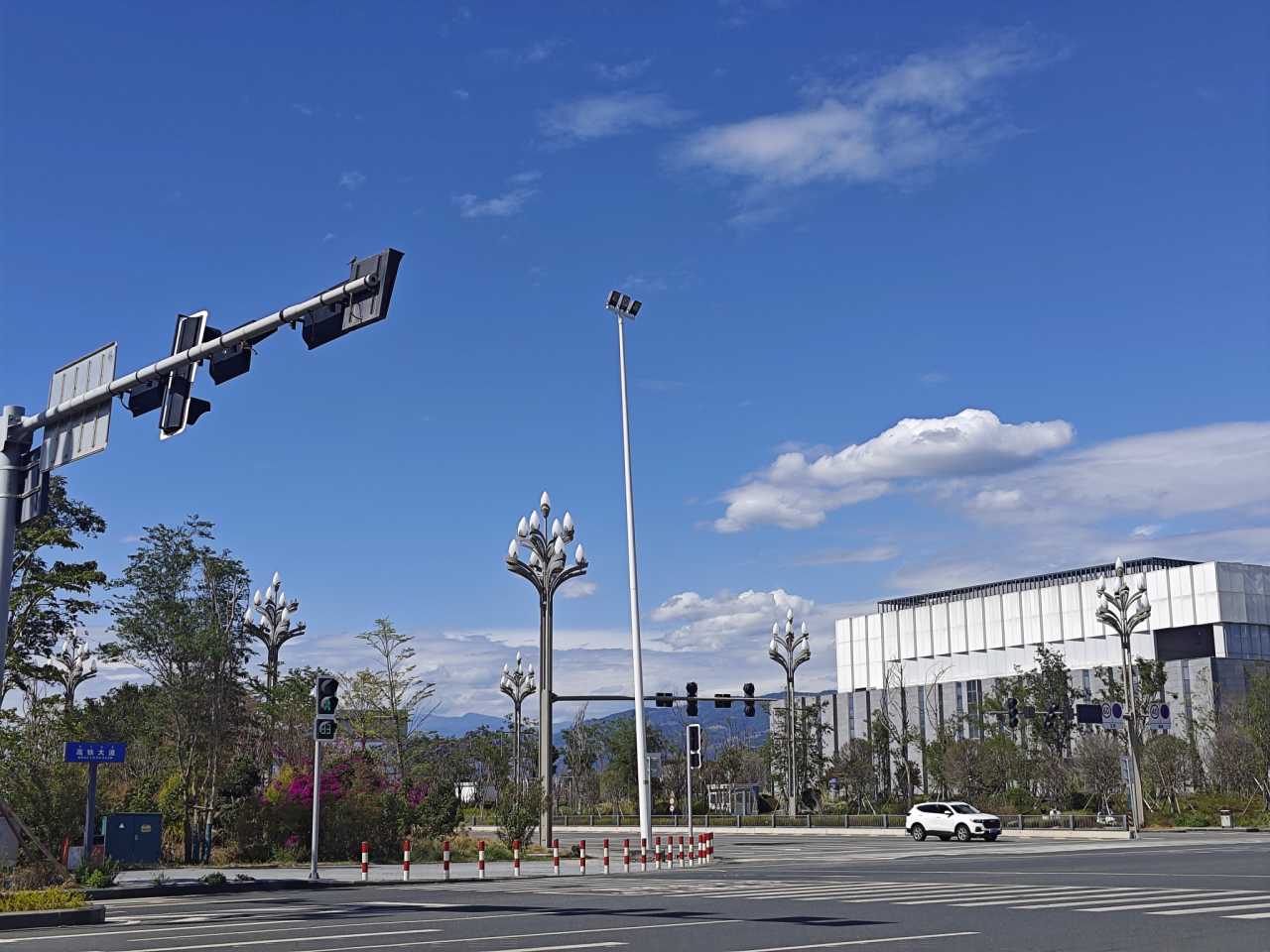
Your journey begins at Xichang West Station, served by high-speed rail from Chengdu (about 3 hours). Step off the train around 3 PM, and you'll be greeted by bright blue skies and fluffy white clouds—a signature of Xichang's highland climate. Though the sun is strong, a light jacket is all you need; the air is crisp and refreshing.
Practical Tip: When using ride-hailing apps like Didi or Gaode at Xichang West Station, take the escalator down to the basement level—most drivers wait there. Avoid hailing taxis directly at the station unless you're prepared for potential surcharges. The fare to the city center is approximately 20–30 RMB.
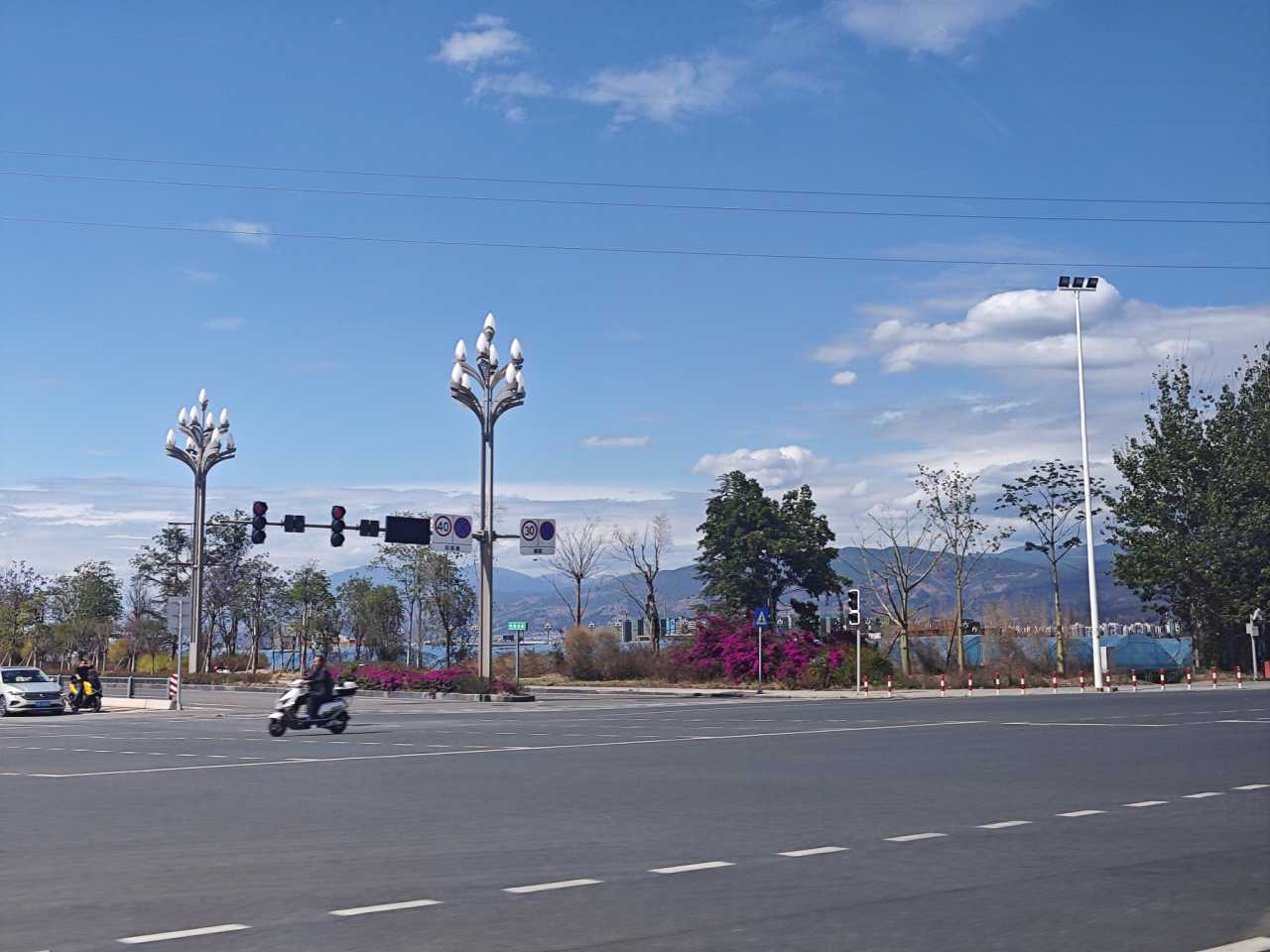
The 10-kilometer drive into town is a visual treat. Great clouds drift across the azure sky, soft as cotton candy yet elegant as ink wash paintings. This is your first taste of Xichang's "highland gift"—pure, transparent air that makes everything look more vivid.
[Link: How to get from Chengdu to Xichang by train]
Heyue Garden Hotel: A Tranquil Retreat on Qionghai's Western Shore
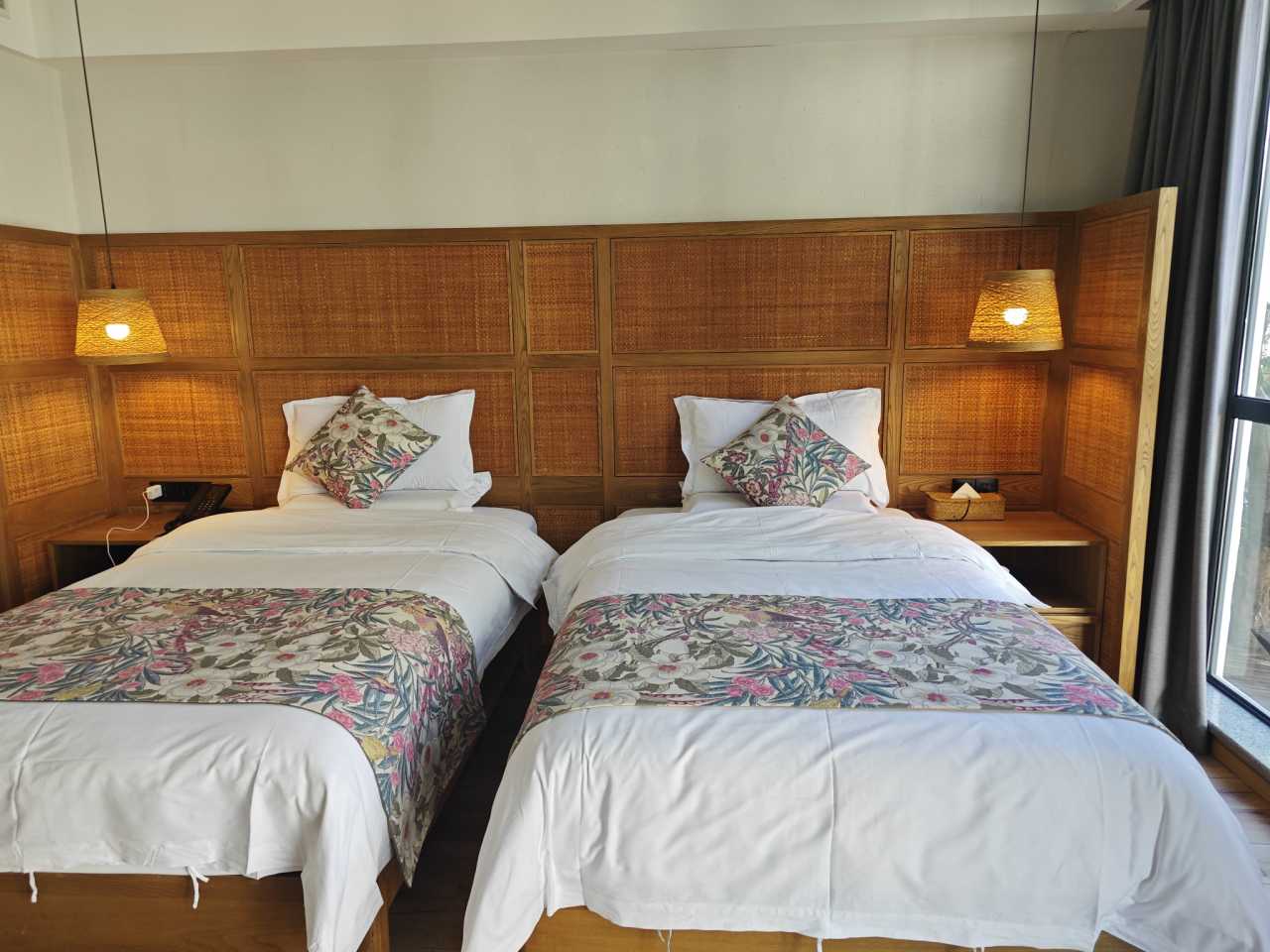
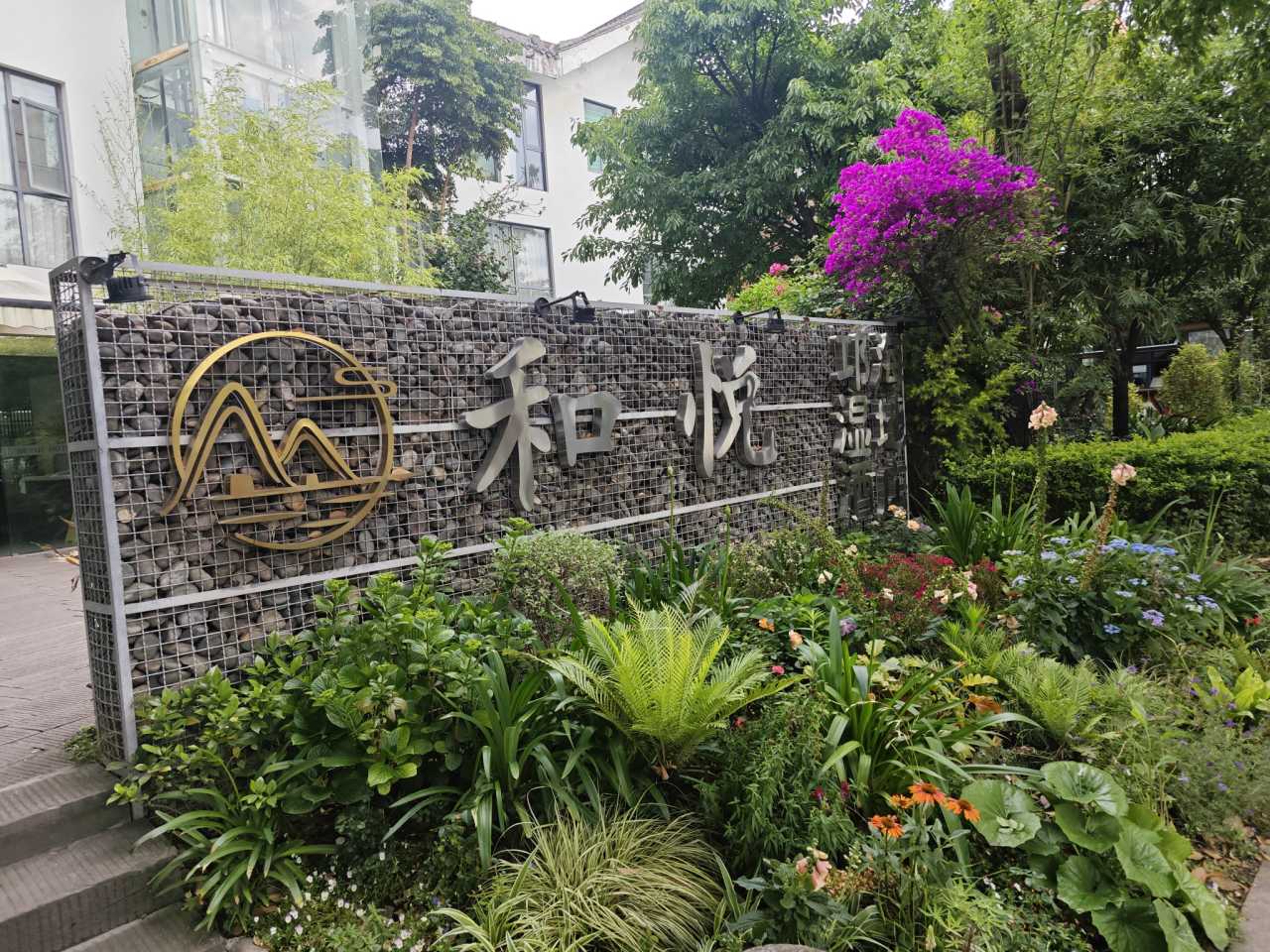
For accommodation, we recommend Heyue Garden Hotel (No. 6 Wanghai Road, next to the south gate of Nanhong Agate Market). Located in Haimen Fishing Village on the western shore of Qionghai, this hotel offers a perfect balance of convenience and tranquility. A 200-meter walk brings you to the lake.

What we loved: - Chinese-style courtyard with stone tables and swings—ideal for relaxation - Bamboo-woven headboard paired with bamboo-framed lamps casting warm, soft light - Garden-view rooms with floor-to-ceiling windows (though privacy is somewhat limited) - Exceptional quiet—the hotel is set back from the main road, ensuring peaceful nights
Practical Info: - Cost: 250–550 RMB/night; garden-view twin room ~280 RMB/night - Transport: Buses 1, 22, 105, or 106 from the city center - Nearby: Nanhong Agate Market (perfect for souvenir shopping)
Pro tip: Sip a cup of Xichang's specialty bitter buckwheat tea while sitting by the window. The gentle breeze and serene atmosphere are pure bliss.
Hangtian North Road: A Flowing Purple Feast
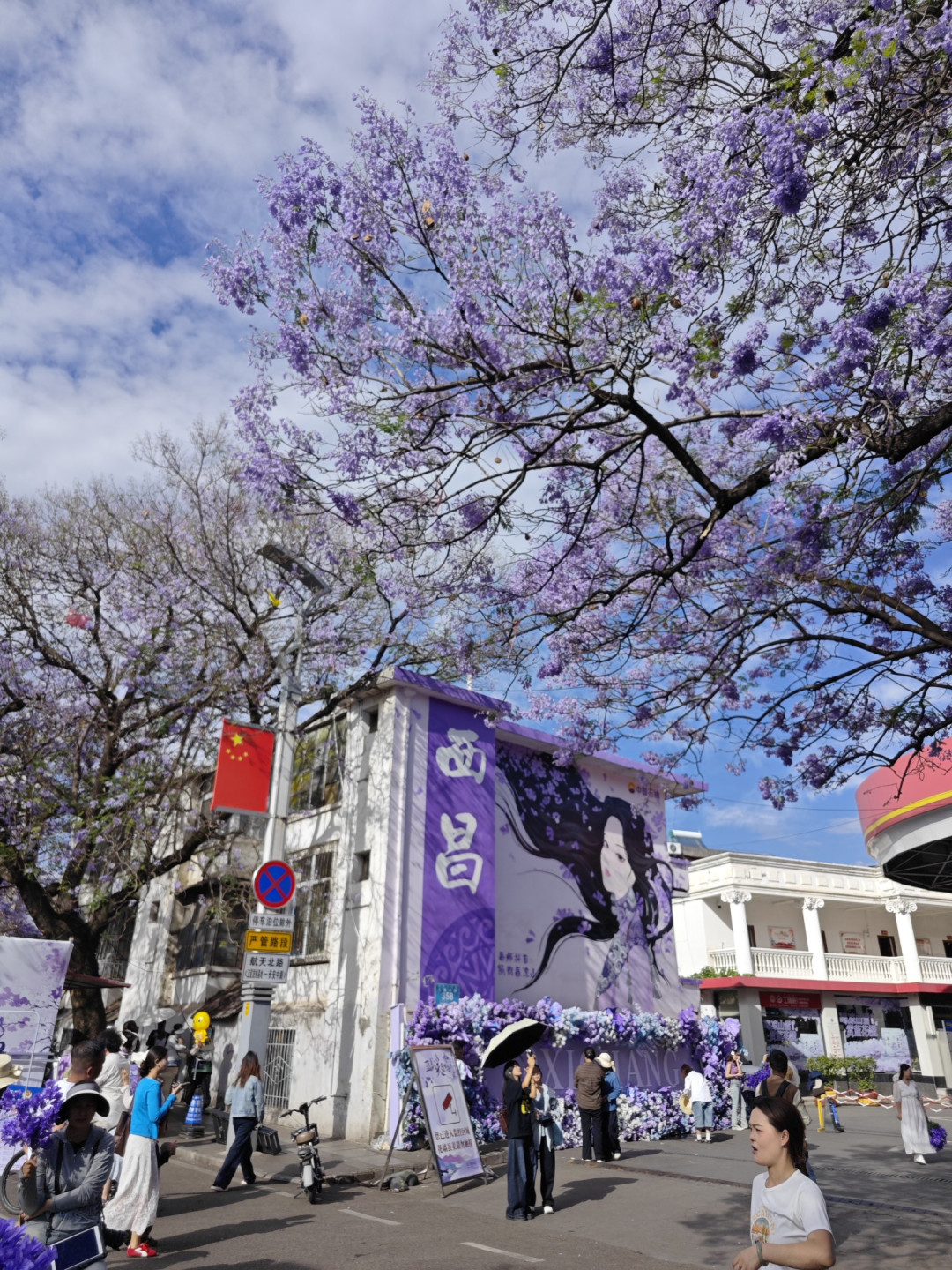
After dropping your luggage, head straight to Hangtian North Road—Xichang's most famous jacaranda viewing spot. If you visit just before May Day (late April to early May), you'll witness the trees at peak bloom. The purple blossoms create a canopy of drifting smoke, intoxicating to behold.
What to expect: - Photo setups and specialty food stalls along the road - "Liangshan Snow" yogurt (Xichang's signature)—try it, but note: it's quite sweet - Road closures for motor vehicles during peak season (good for safety, but crowds can be heavy)
Drawbacks: Some decorations feel a bit tacky, and commercial photographers occupy the best spots. To get a great photo, you need the right position, angle, and lighting. But even without professional shots, the experience is memorable.
Practical Tip: - Location: Take a ride-hailing service to China Petroleum Chang'an Gas Station—you'll be at the southern starting point of Hangtian North Road - Time needed: 1–2 hours
Hu Si Ge BBQ: The Authentic Taste of Xichang
For dinner, visit Hu Si Ge Specialty Fire Pit BBQ (Main Branch). Located at 1st Floor, Beibuwan Swimming Hall, Shengli North Road, this spot delivers the genuine Xichang barbecue experience.
Rating: 4.3/5
What makes it special: - Minimally seasoned ingredients—the flavor comes entirely from dipping sauces - Two types of dips: dry (chili powder + cumin) and wet (chili segments, garlic, vinegar for a tangy kick) - Fresh ingredients and generous portions—excellent value for money
Tips for success: 1. This is a DIY grill over real charcoal—sitting nearby is hot and smoky 2. Don't place everything in the center at once; keep turning pieces around the edges 3. Staff can be hard to find, so be prepared to manage your own cooking
Address: 1st Floor, Beibuwan Swimming Hall, Shengli North Road (the taxi will pass through an area that looks like a suburban-rural fringe—don't worry, you're going the right way)
Jianchang Ancient City: Lights at Dusk, Moon in the Sky
Built in 1387 AD (Ming Dynasty), Jianchang Ancient City (also known as Xichang Ancient City) served as an important post on the "Southern Silk Road" and the "Tea Horse Road." Historically, it was as famous as Qionghai Lake, with the saying: "Above is the ancient city, below is Qionghai."
Honest assessment: Today's Jianchang Ancient City is essentially a commercial street designed to look old. If you expect genuine ancient architecture, you'll be disappointed. However, as an evening stroll destination, it works perfectly.
Best experience: Enter at night through the south gate (Datong Tower) when lights are just coming on and the moon hangs in the sky. Walk along the main road lined with shops and restaurants. Listen to street performers. Take photos in the atmospheric lighting.
Time needed: 1–2 hours
[Link: Other ancient towns near Xichang worth visiting]
Day 2: Qionghai Lake and the Wetland Park
Morning: Qionghai Lake at Dawn
Start your day early to catch sunrise over Qionghai Lake. The lake is the soul of Xichang—it's impossible to overstate its importance. The city nestles at the foot of mountains and beside the lake, as if Qionghai itself supports this concrete forest.
What to do: - Walk the Qionghai Wetland boardwalks—this "city kidney" is a haven for birdwatchers and nature lovers - Rent a bicycle and cycle the forest paths winding through the wetland—alternating curves and straightaways, filled with joyful cyclists - Visit Haimen Fishing Village for a glimpse of traditional lakeside life
Practical Info: - Entrance fee: Free for most wetland areas; some sections may charge 20–50 RMB - Bicycle rental: ~20–30 RMB per hour - Best time: 6:00–8:00 AM for sunrise; 4:00–6:00 PM for golden hour
Afternoon: Local Flavors and Market Exploration
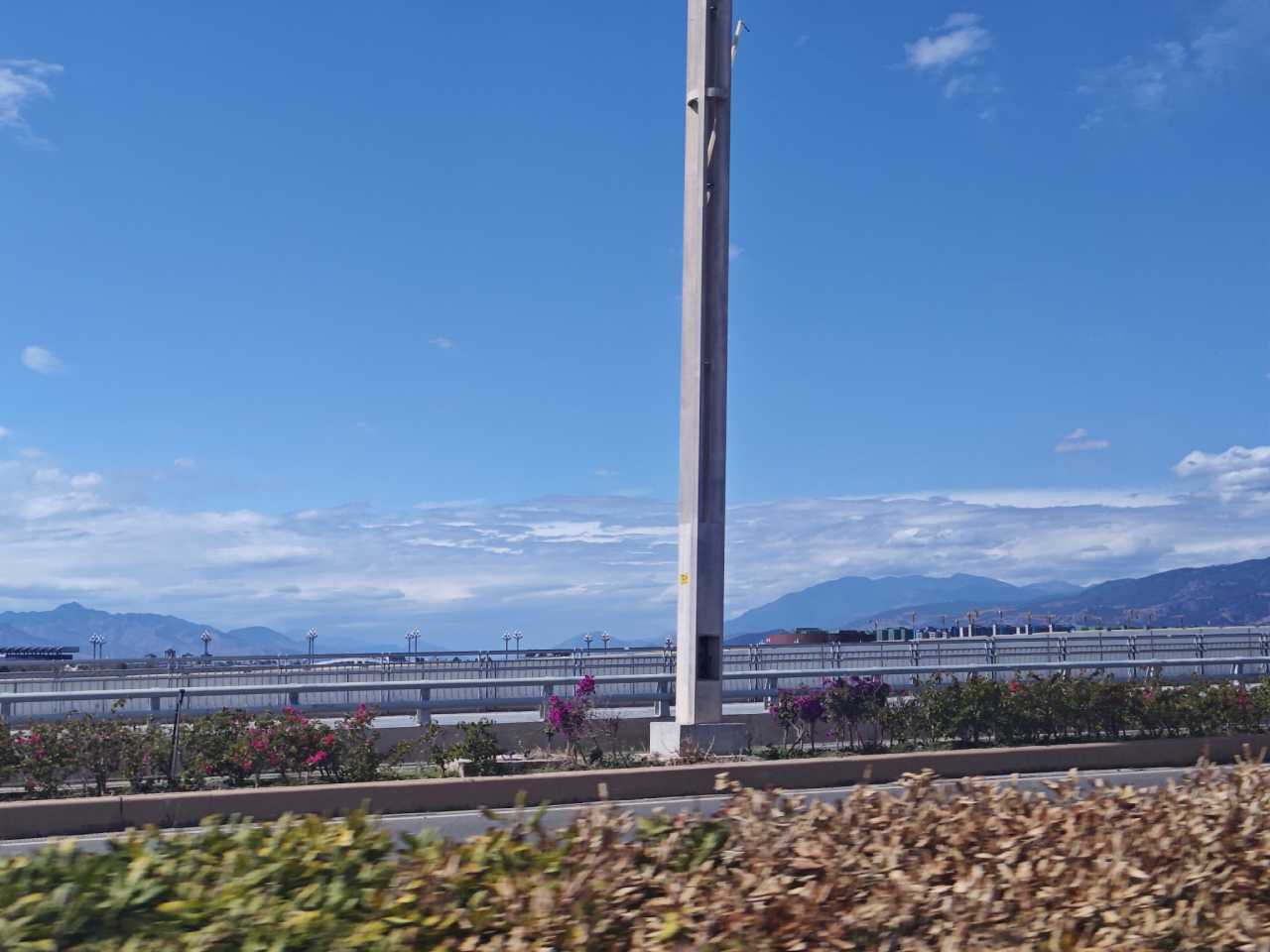
For lunch, try Xichang-style rice noodles—steaming bowls of beef and lamb offal rice noodles served at dawn are a local staple. Chicken-and-ham shreds with a distinctly Yunnan flair are also worth seeking out.
Afternoon options: - Dashiaban Ancient Village—buildings crowd together in neat rows, with vendors' cries rising and falling - Local market—overflows with abundant produce, perfect for foodies and photographers - Nanhong Agate Market (next to your hotel)—browse for souvenirs
Evening: Moonrise Over Qionghai
As dusk falls, return to Qionghai for the main event: moonrise over the lake. Xichang's clear highland skies make for spectacular moon viewing. Find a quiet spot on the western shore (near Haimen Fishing Village) and watch the moon ascend over the water.
Pro tip: Bring a light jacket—temperatures drop quickly after sunset. A portable chair or blanket makes the experience more comfortable.
Day 3: Jacaranda Season and Departure
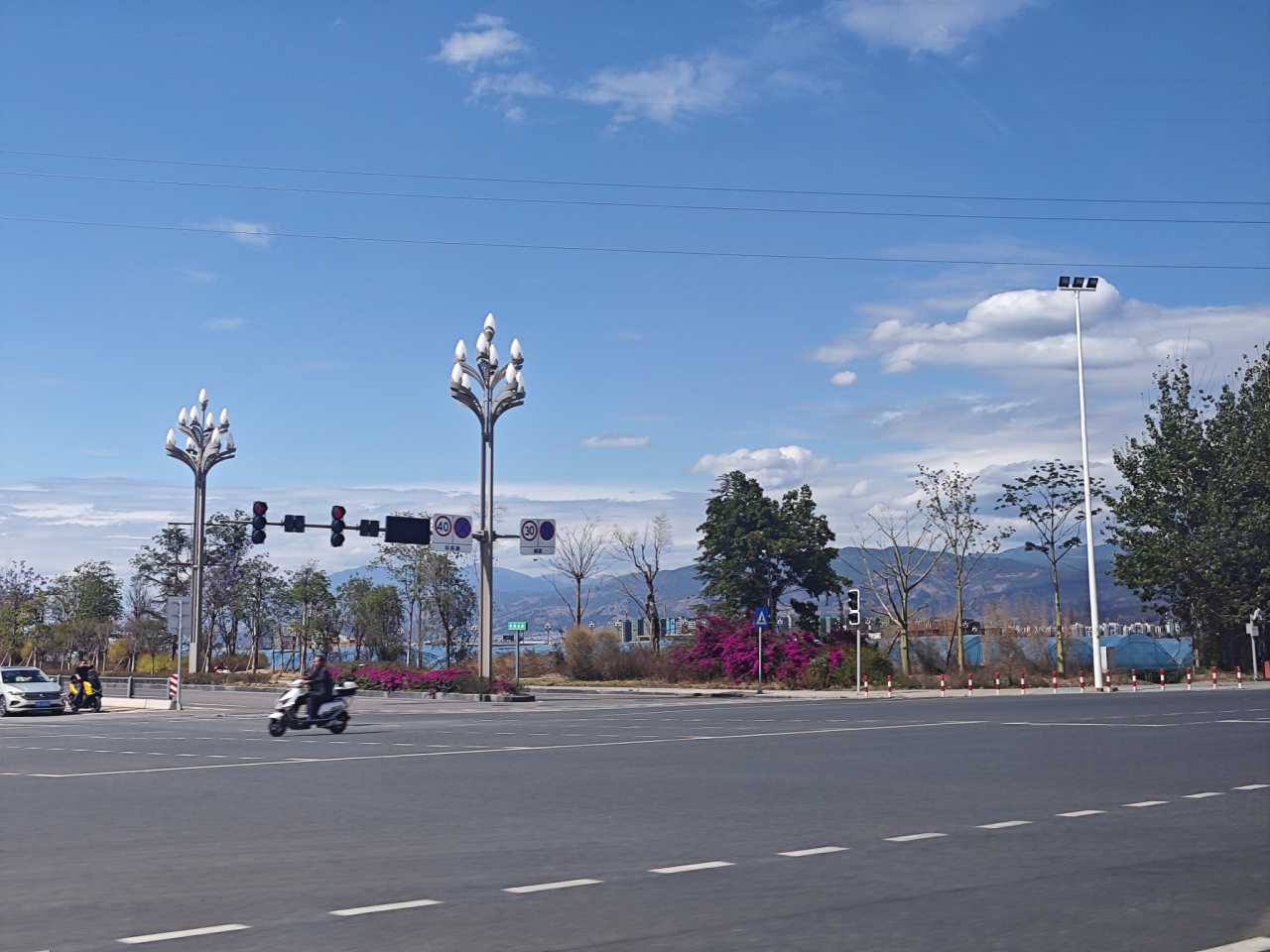
Morning: Final Jacaranda Views
If you're visiting during jacaranda season (late April to early May), spend your final morning revisiting Hangtian North Road or exploring less crowded spots like the Qionghai Wetland's jacaranda groves.
Departure: Last Bites and Souvenirs
Before heading to the station, grab a final taste of Xichang: bitter buckwheat tea (a local specialty), Liangshan snow yogurt, or barbecue skewers from a street vendor.
FAQ: Your Xichang Travel Questions Answered
1. When is the best time to visit Xichang for jacaranda blossoms?
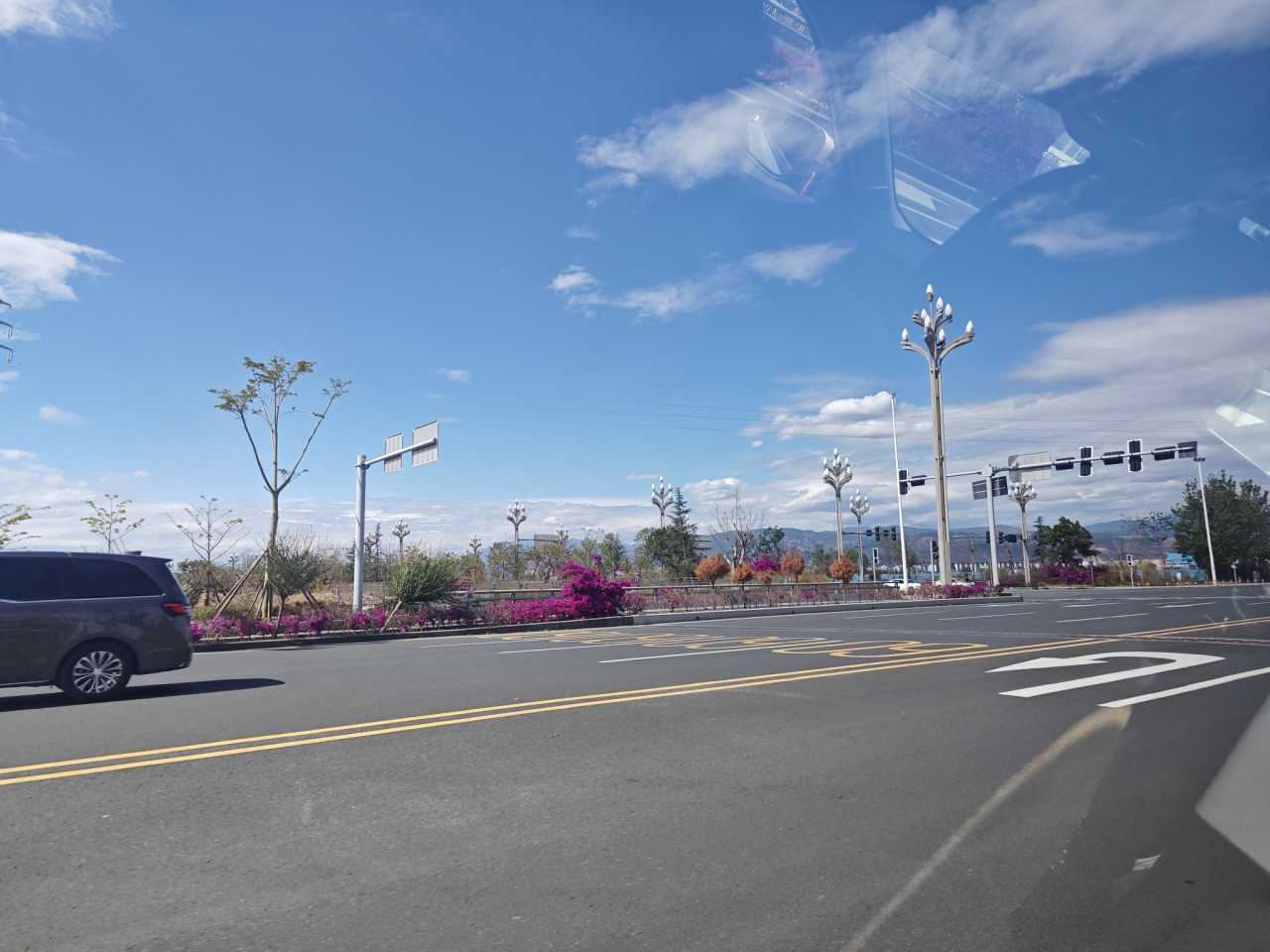
The peak jacaranda season in Xichang runs from late April to early May, just before May Day. For the best experience, visit during weekdays to avoid crowds. Hangtian North Road is the most famous spot, but you'll also find jacaranda trees throughout the city.
2. How many days do you need in Xichang?
2–3 days is ideal for a first visit. This allows time to explore Qionghai Lake, visit Jianchang Ancient City, enjoy local food, and experience the jacaranda blossoms (if in season). If you want to include day trips to nearby attractions like Lugu Lake or the Liangshan Yi villages, plan for 4–5 days.
3. Is Xichang suitable for family travel?
Absolutely. Xichang offers family-friendly activities like cycling around Qionghai Lake, visiting the wetland park, and exploring the ancient city. The climate is mild year-round, and the city is safe and walkable. Hotels like Heyue Garden Hotel offer garden spaces for children to play.
4. What should I pack for a trip to Xichang?
- Light jacket or sweater (evenings can be cool year-round)
- Sunscreen and sunglasses (high-altitude UV is strong)
- Comfortable walking shoes (you'll do a lot of walking)
- Reusable water bottle (stay hydrated in the dry climate)
- Camera (for the stunning landscapes and jacaranda blooms)
5. How do I get from Xichang to other attractions in Liangshan?
Xichang is a good base for exploring the Liangshan region. Lugu Lake (about 4 hours by bus) and Liangshan Yi villages (various locations) are popular day trips. You can also take buses to Mianning or Huili for more cultural experiences.
[Link: Day trips from Xichang – Lugu Lake and beyond]
Conclusion: Your Xichang Adventure Awaits
Xichang is a city that rewards those who take the time to explore. From the gentle morning light on Qionghai Lake to the vibrant purple haze of jacaranda blossoms, from the smoky flavors of charcoal barbecue to the ancient streets of Jianchang, every moment offers a new discovery.
The city and its lake depend on each other—a vibrant tapestry of coexistence. And now, it's your turn to experience it.
Ready to plan your trip? Book your train tickets to Xichang West Station, reserve a room at Heyue Garden Hotel, and prepare for an unforgettable journey. The moon is waiting over Qionghai.
[Link: Book Xichang hotels on Booking.com] [Link: Find Xichang tours on Klook] [Link: Check train schedules from Chengdu to Xichang]
Have you visited Xichang? Share your experience in the comments below!
You may also like


