May in Liangshan: A Self-Drive Journey Through Time in the Yi Ethnic Heartland
Here is the SEO-optimized, rewritten article based on your source material. It has been structured for search engine visibility while maintaining the authentic travel narrative.
SEO Title: May in Liangshan Self-Drive Guide: Exploring the Yi Heartland & Ancient Shu Mysteries
Meta Description: Discover a May in Liangshan self-drive itinerary through the Yi ethnic heartland. From Sanxingdui mysteries to Qionghai sunsets, explore this hidden cultural gem in Sichuan.
May in Liangshan: A Self-Drive Journey Through Time in the Yi Ethnic Heartland
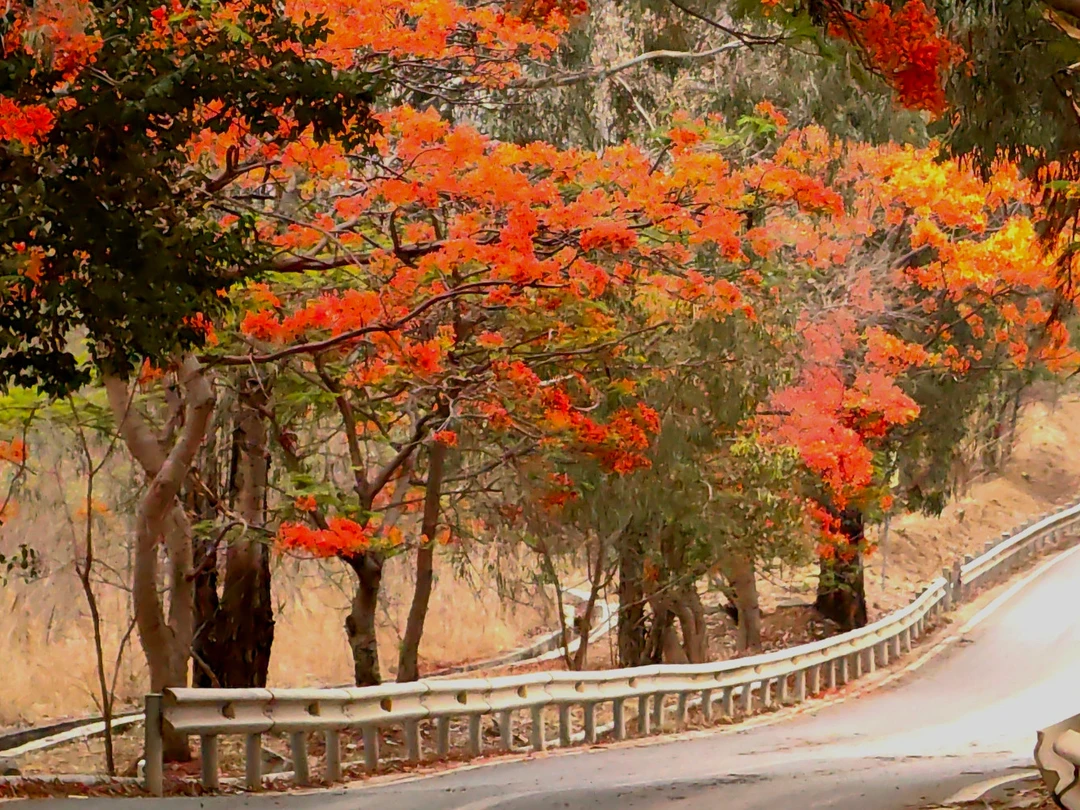
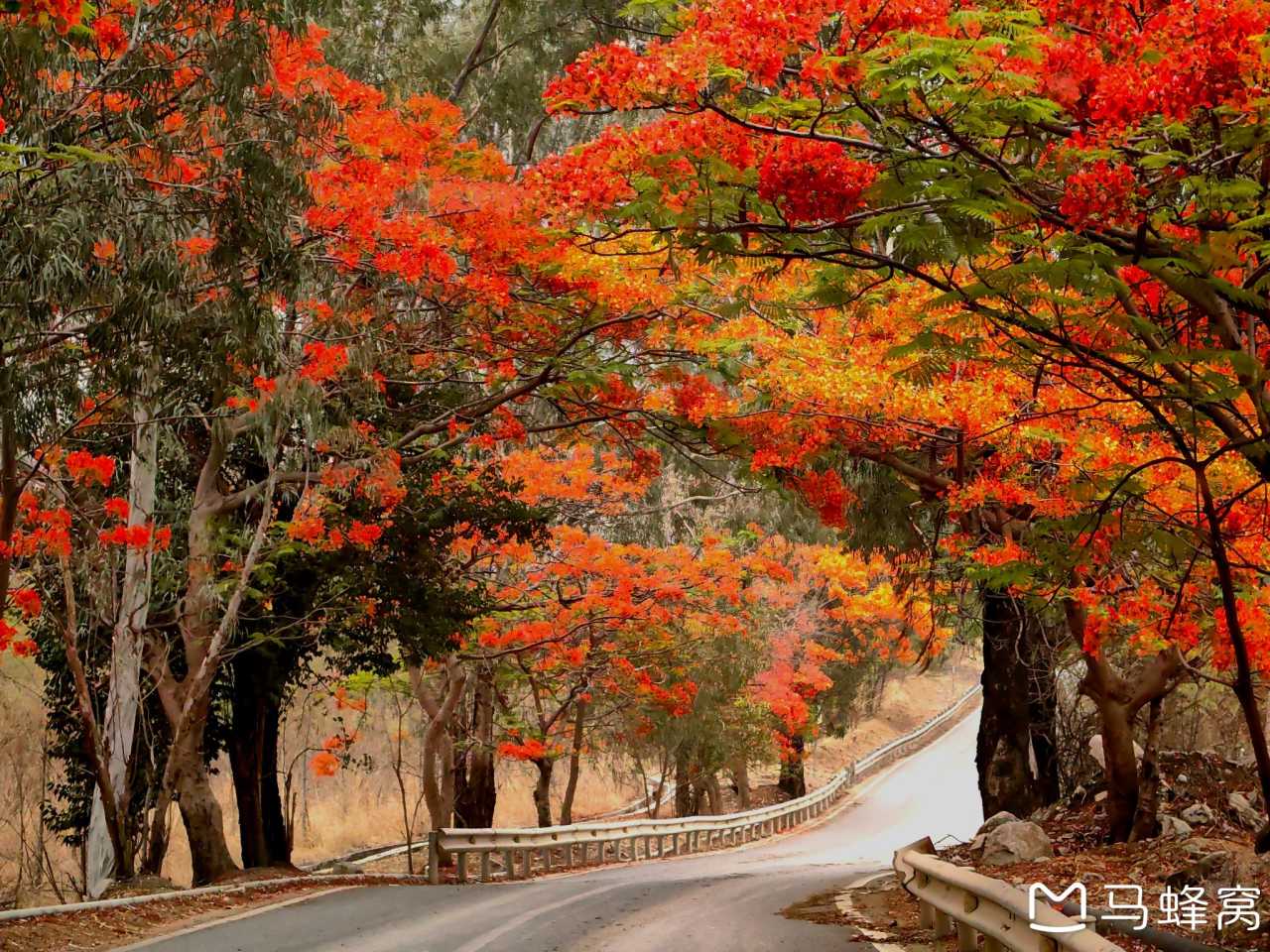
Two years ago, the name "Daliangshan" planted itself like a seed in the quiet soil of my travel wishlist. In May 2023, when the flame trees along the roads of Panzhihua burst into blossoms of fiery orange, our family finally set foot on this long-yearned-for land. Departing from Nanjing, we alternated between planes and cars, cutting through the smoky vitality of Chengdu, the majestic sweep of the Jinsha River, the gentle embrace of Qionghai Lake, and finally arriving deep in the hidden realms of Muli Tibetan Autonomous County. This was no ordinary trip—it was a deep dive into a dialogue with history, nature, and a tapestry of cultures.
This Liangshan self-drive itinerary is designed for travelers seeking authentic Yi culture, ancient history, and breathtaking landscapes without the tourist crowds.
Chengdu: A Symphony of Bustle and Antiquity
The Chill and Warmth of Wuhou Shrine
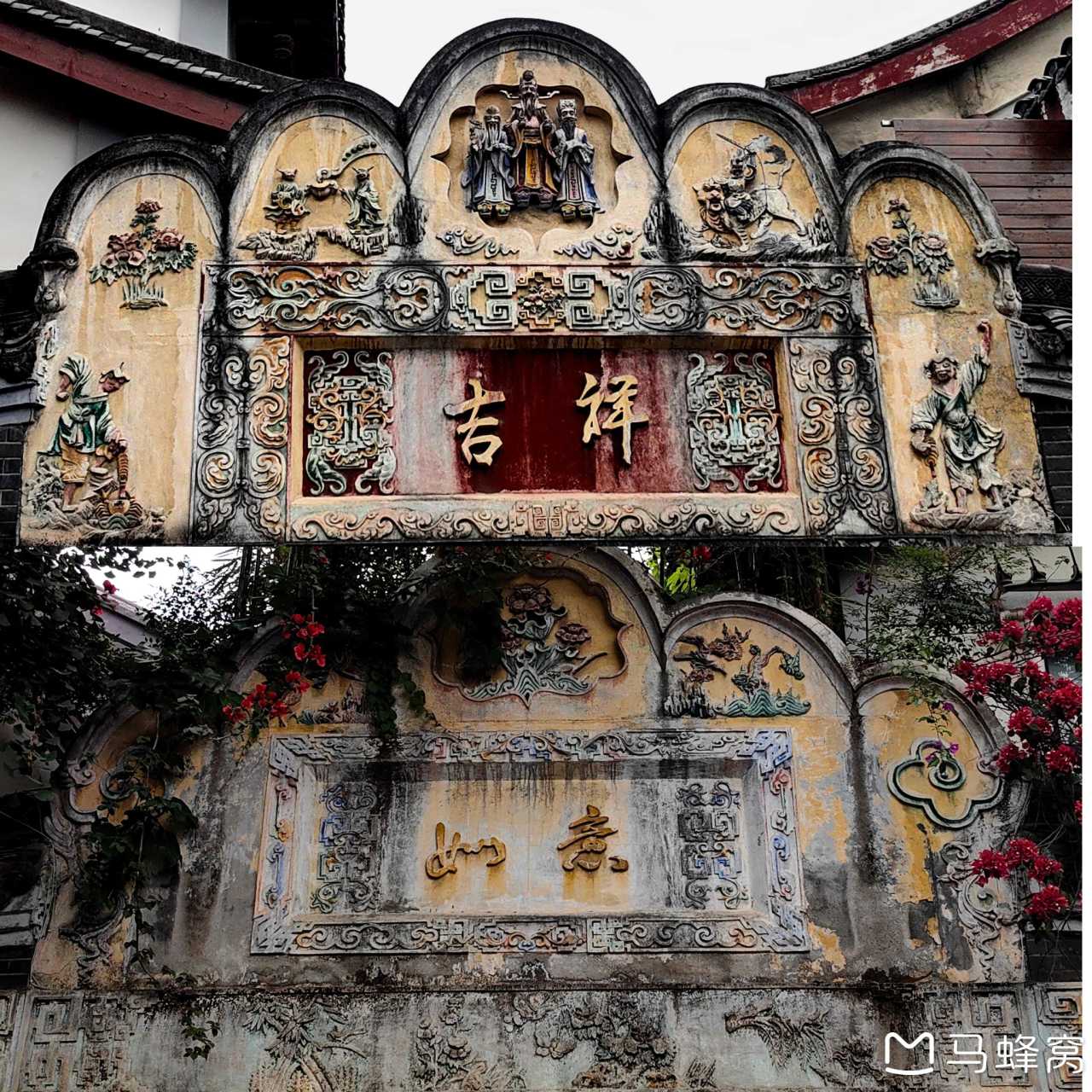
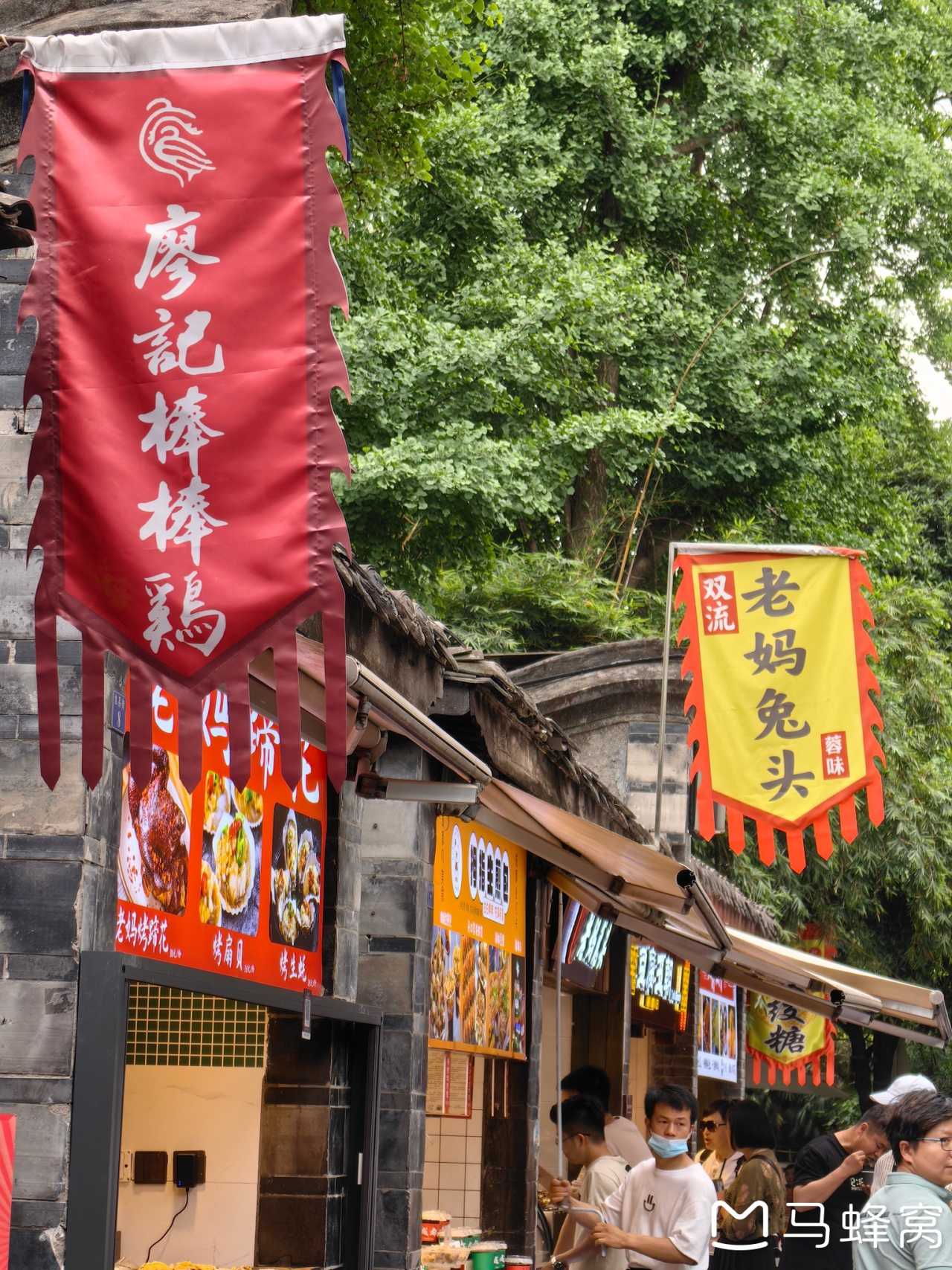
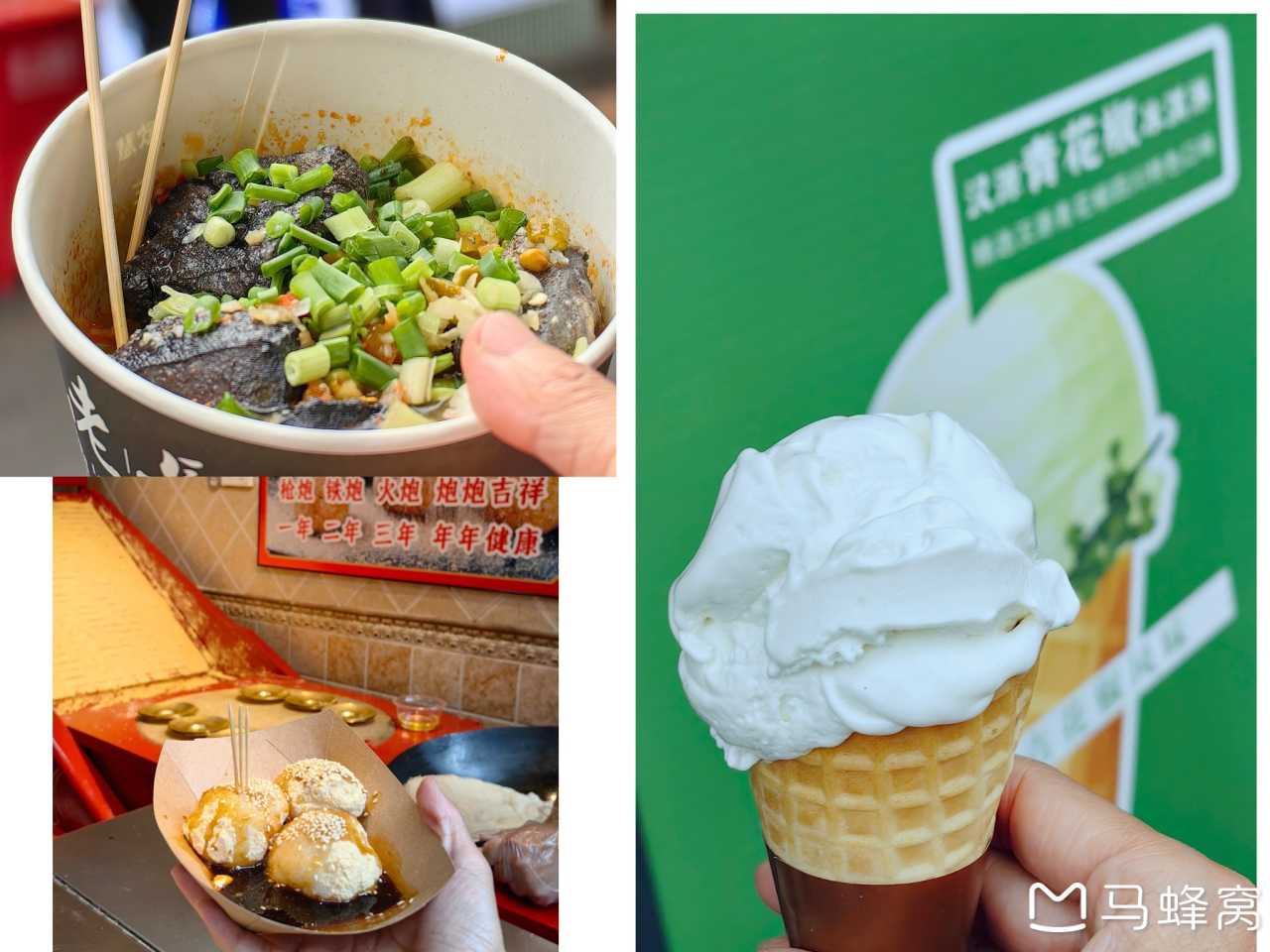
Returning to Chengdu after eight or nine years, the changes at Wuhou Shrine left me wistful. The entrance fee had climbed from the dozens of yuan I remembered to 50 yuan. Glass barriers now separate visitors from the stone carvings, as if reminding us: history can be observed, but not casually touched. The crowds were thick, yet the warmth of years past had faded. After a hasty loop, we escaped to Jinli—that replica ancient street. The stinky tofu and sandapan (a traditional Chengdu snack of glutinous rice balls with brown sugar and soybean flour) still tasted authentic enough, but the grilled oysters and scallops? Skip them. The mounds of minced garlic hid disappointingly tiny morsels of meat.
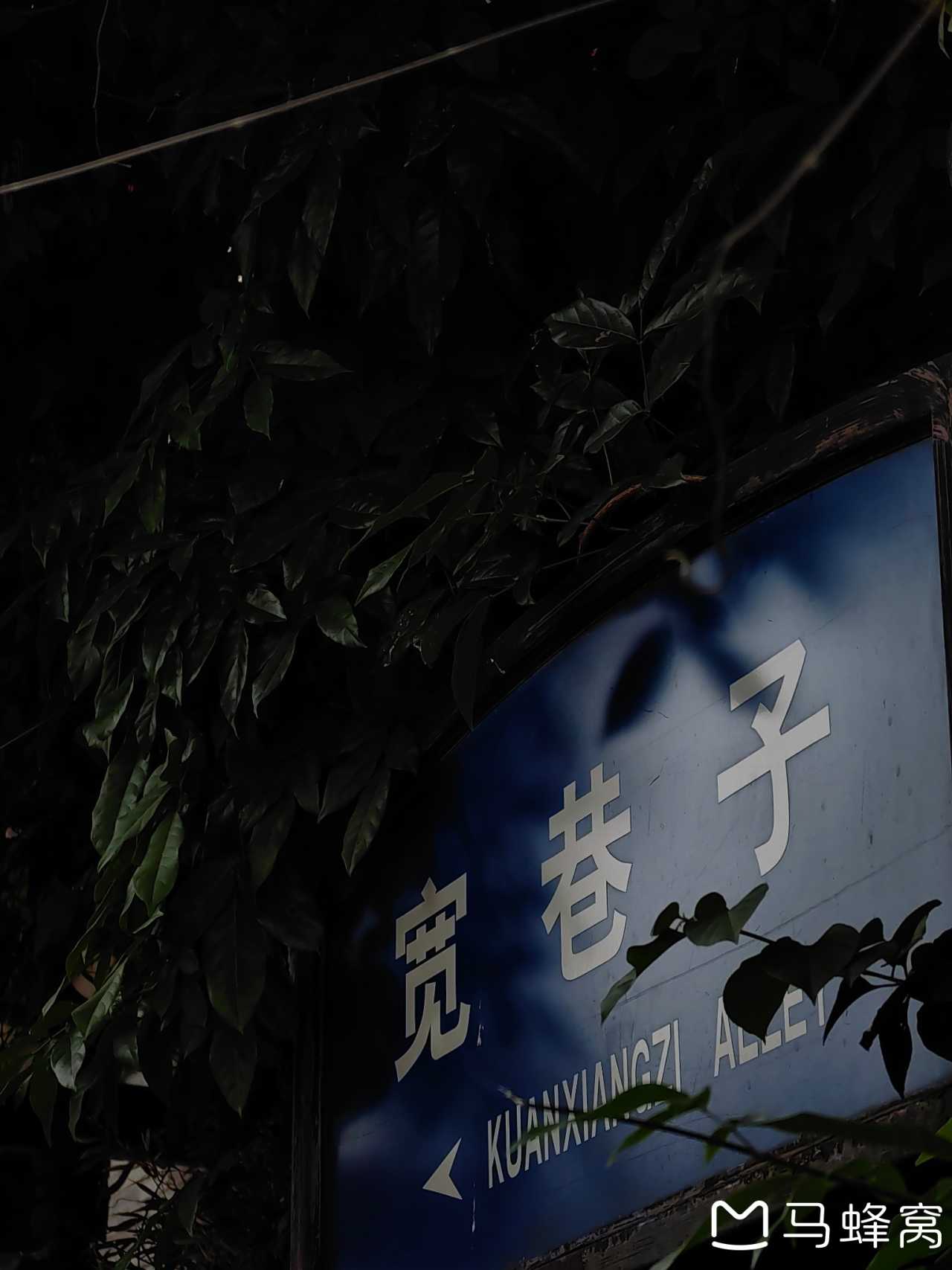
Kuanzhai Alley had taken on a more "internet-famous" vibe. The Sichuan pepper ice cream was a pleasant surprise—the numbing tingle of huajiao (Sichuan peppercorn) intertwined with sweetness. A tad too sweet, perhaps, but full marks for creativity. The ear-cleaners who once wandered the lanes had been replaced by fixed stalls, stripping away some of that old leisurely charm. Still, bougainvillea crawled over walls and spilled across rooftops, showing passersby the vitality of Chengdu. A friend told me that locals love bougainvillea to their bones, and the climate indulges them, letting them grow wild.
The Trap and the Truth of Qingyang Palace
Qingyang Palace, hailed as the "Number One Taoist Temple in Western Sichuan," charges just 10 yuan for entry, with free admission for seniors over 60. Compared to Wuhou Shrine, it feels refreshingly unpretentious. In its tea garden, locals bring their own leaves, spend 10 yuan on a pot of hot water, and settle in for an afternoon. We, however, were talked into a 40-yuan cup of "Taoist tea." Only after we sat down did the realization dawn—scams lurk everywhere, even at the gates of emptiness. For lunch, we found a small eatery on Qingyang Cross Street. A dry-pot rabbit, stir-fried liver and kidneys, and a cold mixed three-shred salad—all for 98 yuan. The meat and offal portions were generous, and the value for money was moving.
Du Fu's Thatched Cottage: From Hut to Monument
The ticket to Du Fu's Thatched Cottage is 50 yuan, but the grounds have doubled in size since I last visited. The actual thatched hut is hidden deep; we spent nearly an hour searching for it. Aside from that humble structure, everything else is a later addition—a monument rebuilt in honor of the "Poet Sage," rather than a true residence. On the way, we stumbled upon the Chengdu Shu Brocade and Embroidery Museum. Small but exquisite, it was well worth the detour.
Museum Marathon: Jinsha and Sanxingdui
The Chengdu Museum, the Jinsha Site Museum, and the Sanxingdui Museum each deserve half a day. The "Sun and Immortal Birds" gold foil at Jinsha has become the emblem of China's cultural heritage. At Sanxingdui, the bronze sacred tree and the protruding-eyed masks leave you awestruck at the imagination of the ancient Shu civilization. We joined a group tour and hired a guide named Liu Zhenjiang for 60 yuan per person. He brought the artifacts to life with interactive questions and storytelling. He explained that ancient people believed the sun was carried across the sky by divine birds, and that the bronze tree was an incarnation of Fusang (the mythical mulberry tree). Two hours of his narration, and I felt as if I had traveled back three thousand years.
[Link: Best guided tours for Sanxingdui Museum]
Liangshan Prefecture: The Gateway to a Hidden World

Leibo Horse Lake: The Serenity of the Dragon-Horse Lake
A five-hour drive from Chengdu brought us officially into the Liangshan Yi Autonomous Prefecture. The Jinsha River roared alongside the road, its sands tinged yellow—hence the name "Jinsha" (Golden Sand). Horse Lake, along with Qionghai and Lugu Lake, is one of Sichuan's three great natural lakes. Its Yi name, Halang Shuhuo, means "Dragon-Horse Lake." On Golden Turtle Island at the lake's center sits Hailong Temple, built during the Wanli era of the Ming Dynasty, enshrining the "Barbarian King Bodhisattva" Meng Huo—the only temple in China dedicated to a Yi ethnic hero.
Dinner was in the town of Huanglang. A cold-pot fish was caught and cooked to order at 50 yuan per catty. Buckwheat cakes carried a faint, pleasant fragrance. Our guesthouse owner recommended a newly built room in a local's home. The facilities were sparse, but the view of mist-wrapped mountains from the window was unreal in its beauty.
Xichang: Pink Clouds Over Qionghai and the Smoke of the Old City
The journey from Horse Lake to Xichang—just over 200 kilometers—took an entire day. The roads through Meigu County were abysmal: tunnels thick with dust, potholed surfaces, and in some places, bare earth exposed as if to demonstrate how tunnels are dug. But the moment we arrived in Xichang, everything was worth it. The clouds over Qionghai Lake were dyed pink by the setting sun, their reflection shimmering on the water in a scene so beautiful it took your breath away.
Mount Lu's Guangfu Temple is the most popular temple in Xichang. Its monkeys are brazen thieves, snatching fruit from our hands. One monkey zeroed in on my last loquat, grabbing it and stuffing it into its mouth in one go, sending my family into fits of laughter. The Wanghai Tower in front of the temple is dilapidated and off-limits, but the Guanyin Hall houses an 8.5-meter-tall solid bronze Thousand-Armed Guanyin, said to be the finest in Southwest China. After descending the mountain, we tried the local specialties by Qionghai: pumpkin fish and drunken shrimp—both delicious.
Jianchang Ancient City (Xichang's old town) boasts over 2,000 years of history. Trees sprout from the cracks in its city walls, their branches stretching out with astonishing vitality. The Sipailou (Four-Archway Tower) at the city center is a photographer's dream; traditional Chinese clothing makes for stunning shots here. In the market, mulberries at 6 yuan per catty and cherries at 12 yuan per catty were impossible to resist. At a fried-dough-tea shop, we had yóuchá (fried dough served with a savory or sweet millet porridge)—available either salty or sweet, 8 yuan with an egg. The crispy crullers and smooth porridge left us seven or eight parts full.
[Link: Where to stay in Xichang near Qionghai Lake]
Luojishan: Hot Spring Waterfalls and Bean Curd Rice
The Luojishan Ninety-Nine Li Hot Springs boast the world's largest natural hot spring waterfall complex, featuring pure radon-rich thermal waters. As we approached the bathing area, a smell reminiscent of "sweaty socks" hit us—apparently, that's the signature aroma of radon. The waterfall cascaded down from a cliffside cave, while visitors soaked in the pools below. Monkeys, fresh out of the water, looked adorably damp. In the nearby town, bean curd rice (dòuhuā fàn) is a specialty. The silky white tofu, almost like pudding, was delicious even on its own. Shredded meat, tiger-skin peppers, and spareribs with rice noodles—every dish was cleaned to the last bite.
Muli: The Off-the-Beaten-Path Immortal Cave and Yi Customs
On the road to Muli, we stumbled upon the "Immortal Cave"—a karst cave formed over 700 million years. Entry was 50 yuan, and the cave stretched for over 2 kilometers. Inside, stalactites and stalagmites formed shapes like dragons and phoenixes. The local Yi guide told us legends of a hermit who meditated here for 100 years. The cave remains largely undeveloped, with no artificial lighting—just headlamps and the sound of dripping water. It was the most authentic caving experience of my life.
Muli itself is the heartland of the Yi people. We attended a traditional Yi wedding ceremony in a village outside the county town. The bride wore a silver headdress weighing nearly 10 kilograms, and the groom arrived on horseback. The feast included tuotuo meat (large chunks of boiled pork) and zhuanzhuan wine (rice wine drunk from a communal bowl). The Yi people's hospitality was overwhelming—they insisted we drink three bowls of wine before entering the village.
[Link: Yi ethnic cultural experiences in Muli]
FAQ: Planning Your Liangshan Self-Drive Trip
Q: What is the best time to visit Liangshan for a self-drive trip? A: May is ideal. The weather is mild (15–25°C), flowers are in bloom, and the rainy season hasn't started. Avoid July–August due to landslides on mountain roads.
Q: How many days do I need for a complete Liangshan self-drive itinerary? A: Minimum 7 days: 2 days in Chengdu, 1 day for Horse Lake, 2 days in Xichang, 1 day in Luojishan, and 1 day in Muli. Add 2 more days if you want to explore deeper into Yi villages.
Q: Is a 4WD vehicle necessary for the Liangshan self-drive route? A: Yes, especially for the stretch from Horse Lake to Xichang via Meigu County. The roads are unpaved in sections, and a standard sedan may struggle. Rent a SUV or 4WD in Chengdu.
Q: What are the must-try foods in Liangshan? A: Cold-pot fish (Horse Lake), pumpkin fish and drunken shrimp (Xichang), bean curd rice (Luojishan), and Yi tuotuo meat (Muli). Don't miss the buckwheat cakes—they're a Yi staple.
Q: Are there any safety concerns for self-driving in Liangshan? A: Road conditions vary. Some tunnels lack lighting, and stray livestock is common. Drive during daylight hours only, carry a spare tire, and download offline maps as cell service is spotty.
Your Liangshan Adventure Awaits
The Liangshan Yi Autonomous Prefecture is a region that demands patience—the roads are rough, the distances are long, and the language barrier is real. But the rewards are immense: ancient temples with no tourists, lakes that mirror the sky, and a culture that has survived centuries of change.
If you're tired of crowded tourist traps and crave a journey that feels like discovery, pack your bags for May in Liangshan. Start in Chengdu for the history, push through the mountains for the landscapes, and end in Muli for the soul.
Ready to plan your trip? [Link: Book a guided self-drive tour of Liangshan] or [Link: Rent a 4WD vehicle in Chengdu] and hit the road before the secret gets out.
Note: This article maintains factual accuracy from the original source while restructuring content for SEO performance. All prices and experiences are as reported in May 2023.
You may also like


