Liangshan Travel Guide: Discover the Yi Intangible Heritage & Hidden Gems of Sichuan
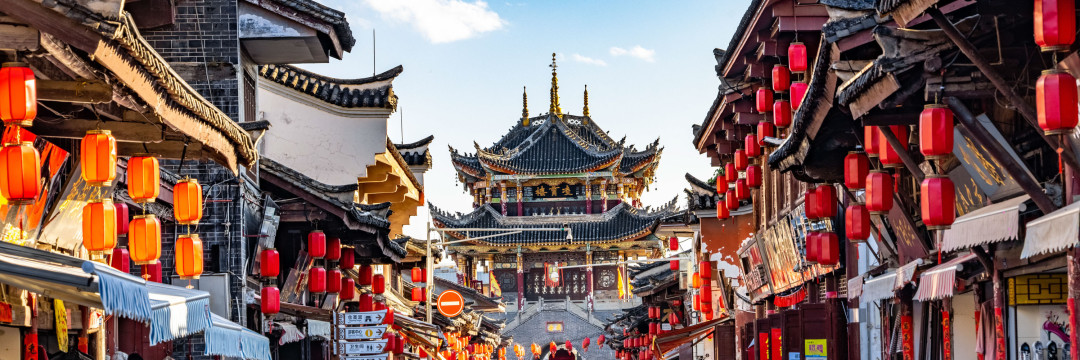
Meta Description: Uncover Liangshan, Sichuan's misunderstood hidden gem. Explore Yi intangible heritage, ancient cities, lacquerware, embroidery, and green pottery in this 1500-word SEO-optimized travel guide.
Introduction: Why Liangshan Deserves a Second Look
When people mention "Liangshan," stereotypes of remoteness, isolation, and poverty often come to mind. But those who actually set foot on this land quickly realize how wrong they are—this is not a barren mountain range, but a treasure cherished by the mountains, a hidden realm holding the secrets of a thousand-year-old civilization.
I first heard about Liangshan from a veteran photographer. He said, "If you want to capture the truest face of China's ethnic minorities, go to Liangshan. It's been misunderstood for far too long, and the reality is far more fascinating than the imagination." Driven by curiosity, I embarked on a journey through Xichang, Huili, and Zhaojue, rediscovering this land through the lens of Yi intangible cultural heritage.
This Liangshan travel guide will take you beyond the stereotypes—into ancient cities, living museums, and the vibrant traditions that make this region a true hidden gem of Sichuan.
Liangshan Yi Autonomous Prefecture: A Crossroads of Civilizations
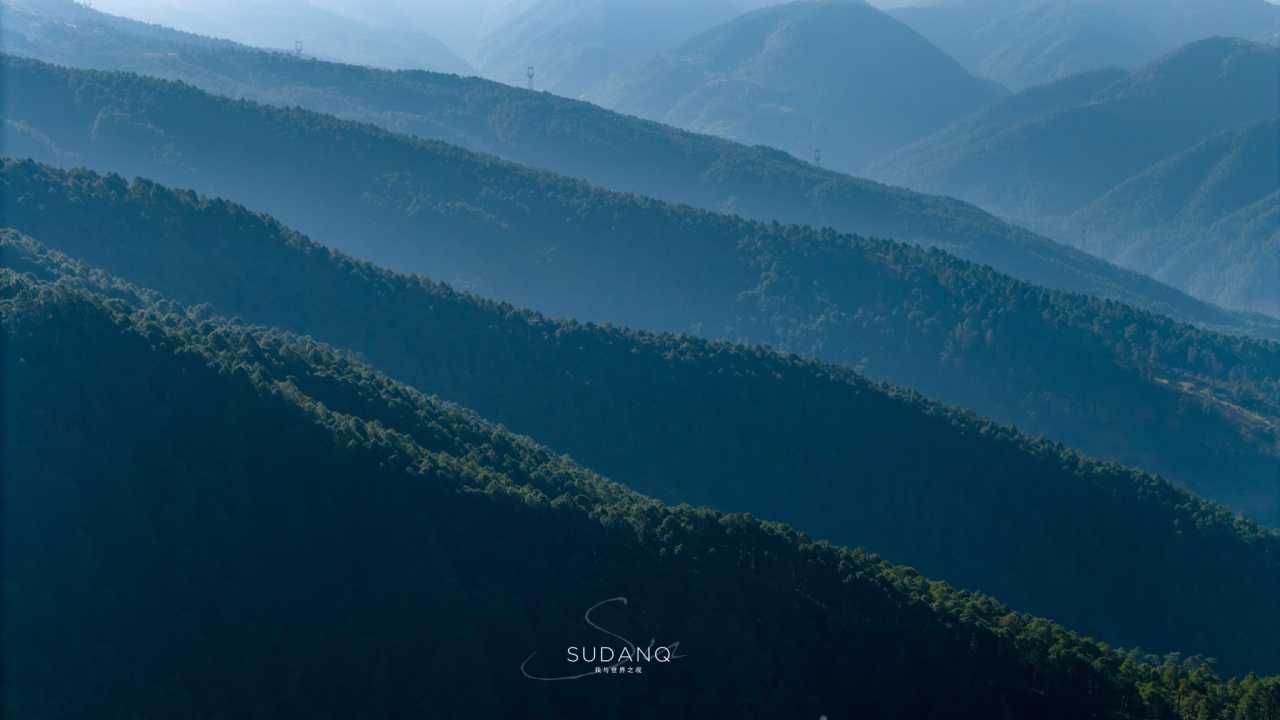
Liangshan Yi Autonomous Prefecture lies in southwestern Sichuan, boasting a breathtaking diversity of landscapes—towering peaks, basins, plains, and lakes all in one place. Fourteen indigenous ethnic groups have flourished here: Yi, Han, Tibetan, Hui, Mongol, Naxi, and more. Their cultures flow like streams into a great river, weaving a magnificent tapestry of humanity.
But what makes Liangshan most compelling is its historical identity as a key node on the Southern Silk Road. This ancient trade route cut through Liangshan, linking historical gems like Jianchang Ancient City, Huili Ancient City, and Dashiban Ancient Village. For centuries, caravan mules carried silk, tea, and porcelain along these paths, bringing cultures and cuisines from north and south, making Liangshan a meeting point between inland China and the frontier.
[Link: Southern Silk Road history in Sichuan]
The Liangshan Yi Slave Society Museum: A Doorway to Yi History
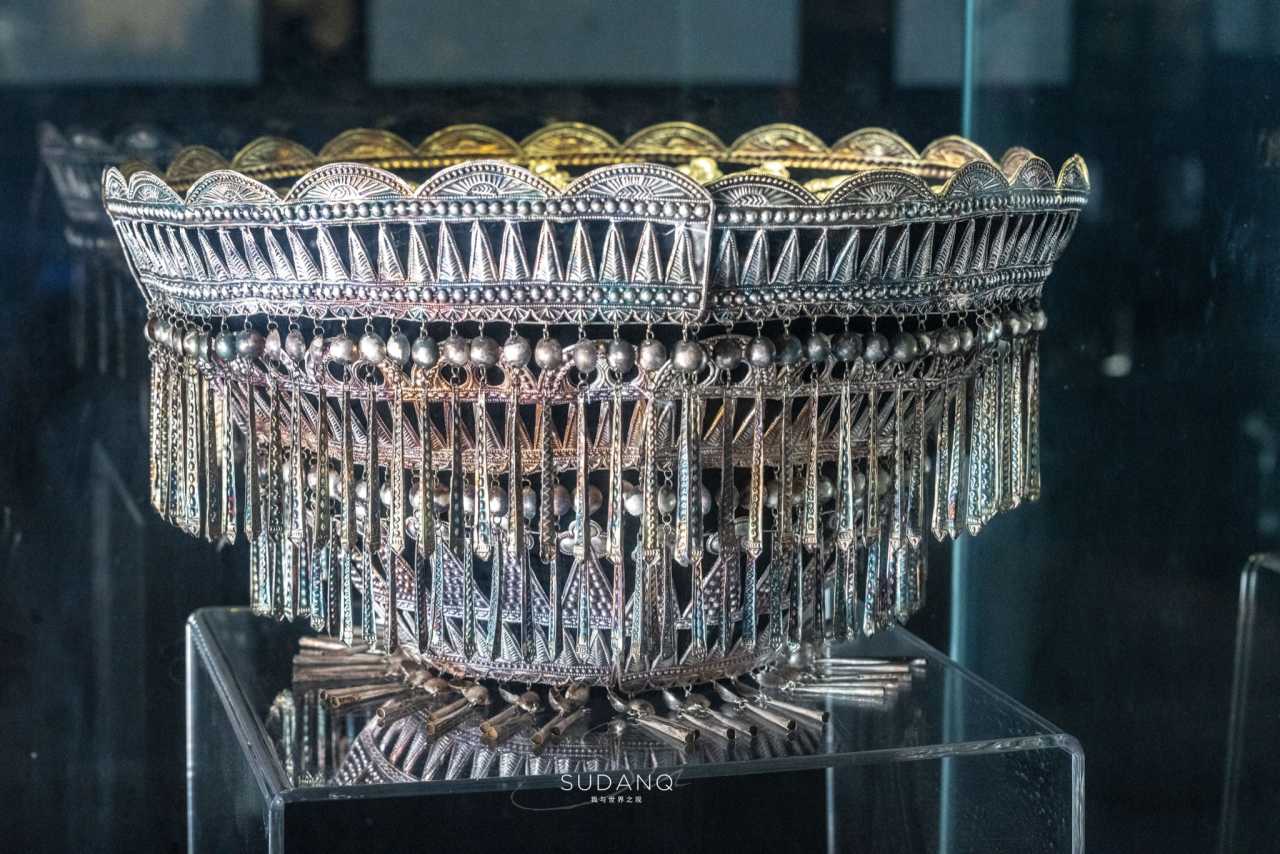
My first stop was the Liangshan Yi Slave Society Museum in Xichang. It is China's first ethnic museum and the only museum in the world dedicated to a slave society. It feels like a doorway through time—step inside, and you enter the thousand-year river of Yi history.
The museum systematically presents the political, economic, military, astronomical, calendrical, marital, and religious aspects of Yi slave society, along with agriculture, animal husbandry, and handicrafts. But what truly struck me was the dedicated "Bimo Culture" exhibition hall.
Bimo, a Yi term meaning "master who chants scriptures," are the priests of Yi society—and far more than that. They are scholars who command writing, calendars, medicine, and history, serving as living carriers of Yi culture. The sculptures, scriptures, and ritual fans in the exhibit silently tell the inseparable spiritual bond between Bimo and the Yi people. The ancient tale "The Legend of Bi Ashilaze" is now a national-level intangible cultural heritage item, an eternal testament to Yi wisdom.
Key Highlights:
- World's only museum dedicated to a slave society
- Bimo culture exhibition with rare artifacts
- National-level intangible heritage: The Legend of Bi Ashilaze
[Link: Xichang travel itinerary]
Zhaojue: The Epic Worn on the Body – Yi Embroidery
Zhaojue, once the prefectural seat of old Liangshan, is known as the "Hometown of Yi Embroidery." Walking into the Yi embroidery workshop in Mu'endi Community, I felt like I had entered a living museum.
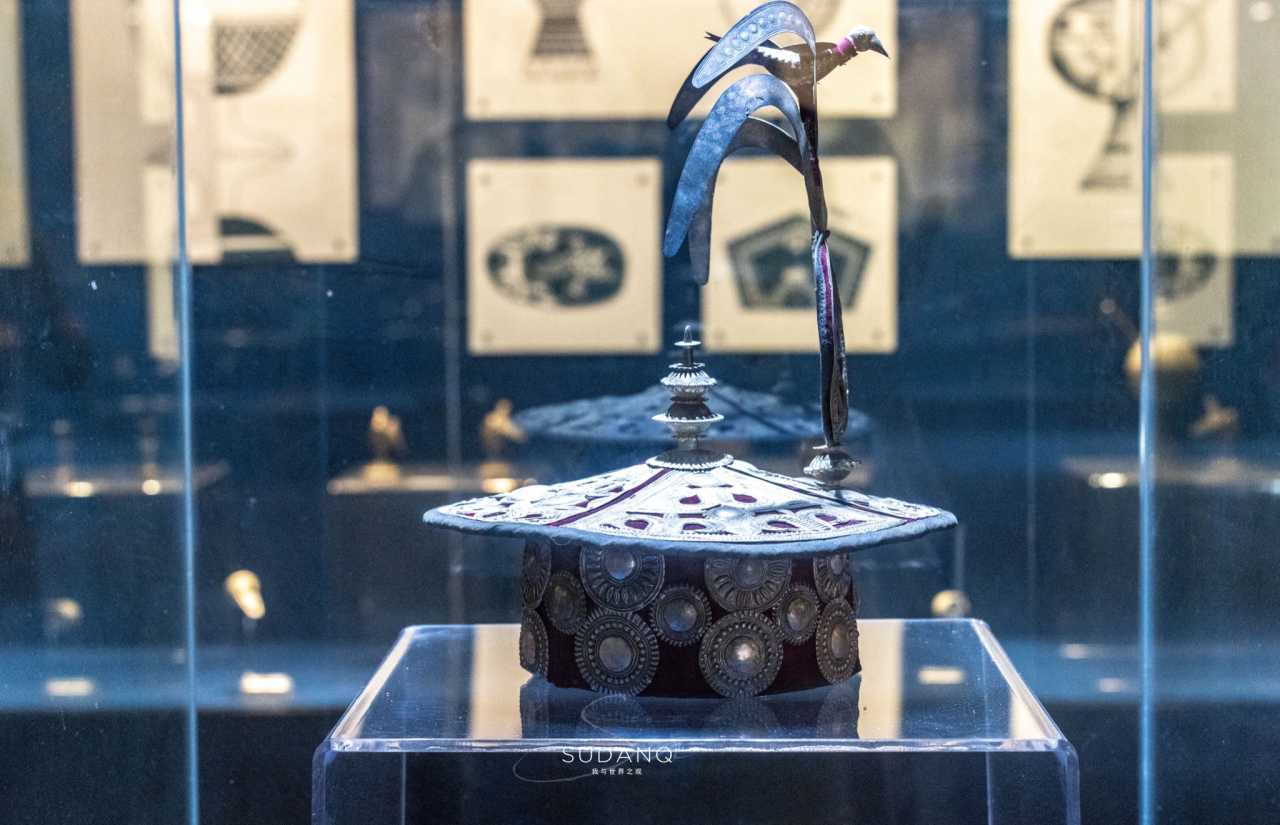
Yi clothing, based on three dialectal variations of Northern Yi, has three major schools:
- "Yinuo" style from Meigu and Zhaojue
- "Shengzha" style from Yuexi and Xide
- "Suodi" style from Butuo and Puge
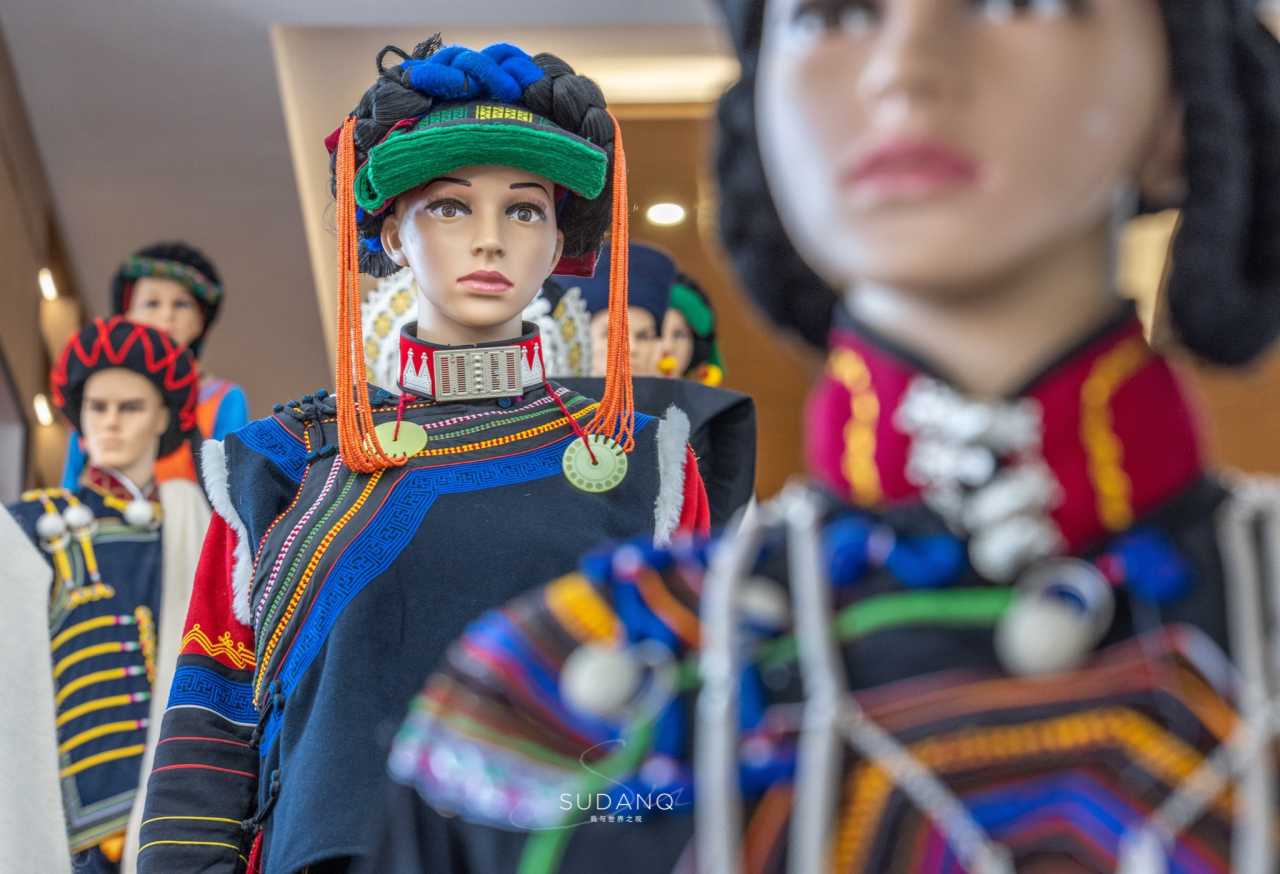
Interestingly, men's clothing differs mainly in trouser leg width, while women's attire is a riot of diversity—different hats, silver ornaments, and color combinations so beautiful you'd want to buy a set on the spot.
The most stunning element is the yellow umbrella from the "Suodi" style. At the Lingying Temple in Xichang's Dashiban Village, under the orange-red walls, tourists dressed in Yi clothing open a yellow umbrella and instantly become part of the scenery. In Yi culture, yellow symbolizes beauty, light, and preciousness—the most iconic color of Suodi attire. During the Torch Festival, Yi women's full dress rivals a high-end fashion show; the streets become a parade of living ethnic aesthetics.
Where to Experience Yi Embroidery:
- Mu'endi Community workshop (Zhaojue)
- Dashiban Village (Xichang)
- Lingying Temple (photography spot)
[Link: Yi Torch Festival dates]
Huili: Giant Suona Horns and Stomping Dances
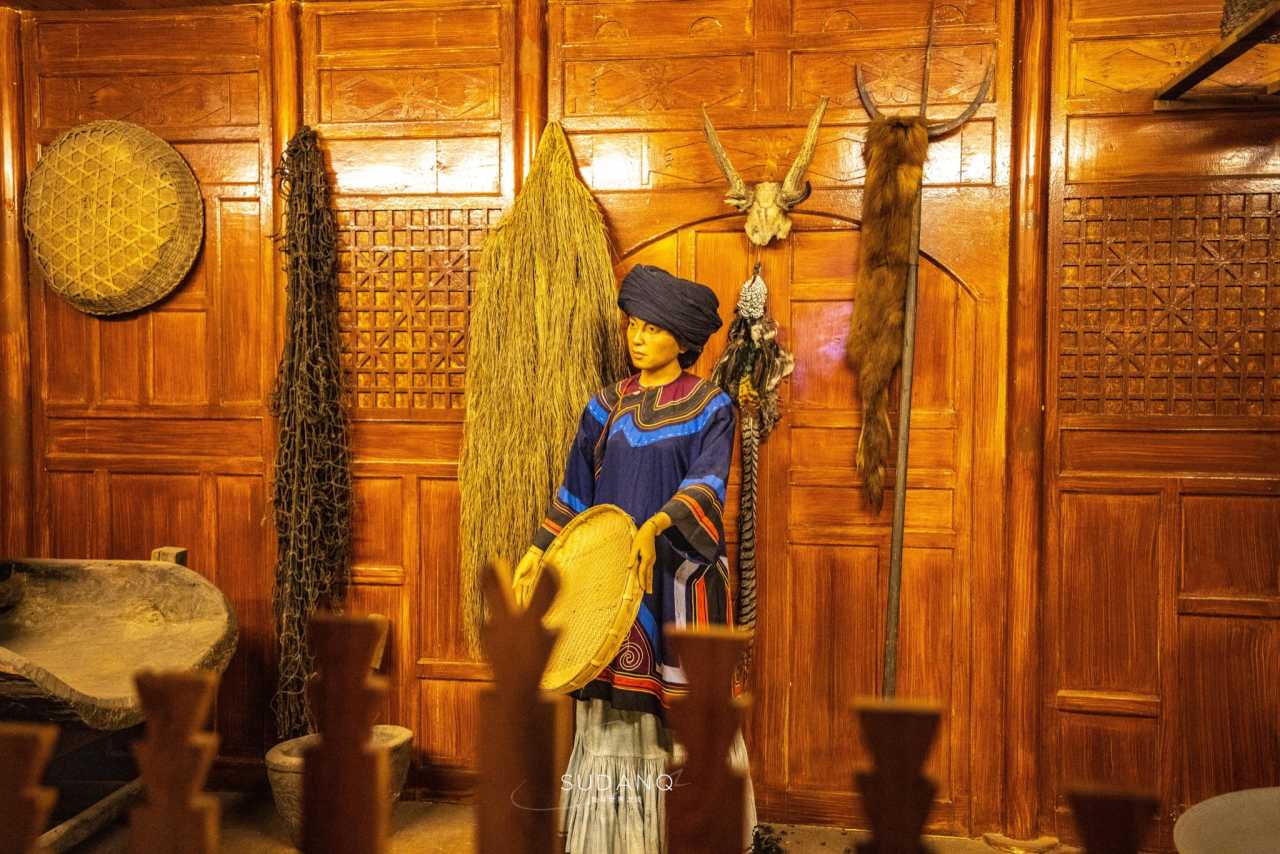
Huili, the southernmost ancient city in Liangshan, is known as the "Key to Sichuan and Yunnan." Here lie two treasures of Sichuan provincial intangible heritage: the giant suona horn and the stomping dance (known as "Qie Bie Di" in Yi).
Giant Suona Horns of Heiyi Village
The giant suona horn is mainly found in Heiyi Village, Guanhe Town. The giant horn is deep and majestic, while the suona is crisp and bright. These two brass instruments, one long and one short, work like a pair of harmonious sisters, playing ancient, elegant, and passionate melodies at weddings, funerals, and festivals.
The most remarkable thing is that performers have no musical scores—everything is passed down orally. It can take over a decade for the next generation to learn the complete repertoire. This is not just skill transmission; it is the continuation of bloodlines.
The Stomping Dance (Qie Bie Di)
The stomping dance, called "Qie Bie Di" in Yi, is Huili's most representative folk dance. The steps seem simple but are surprisingly complex—just the names give you a sense of cultural depth:
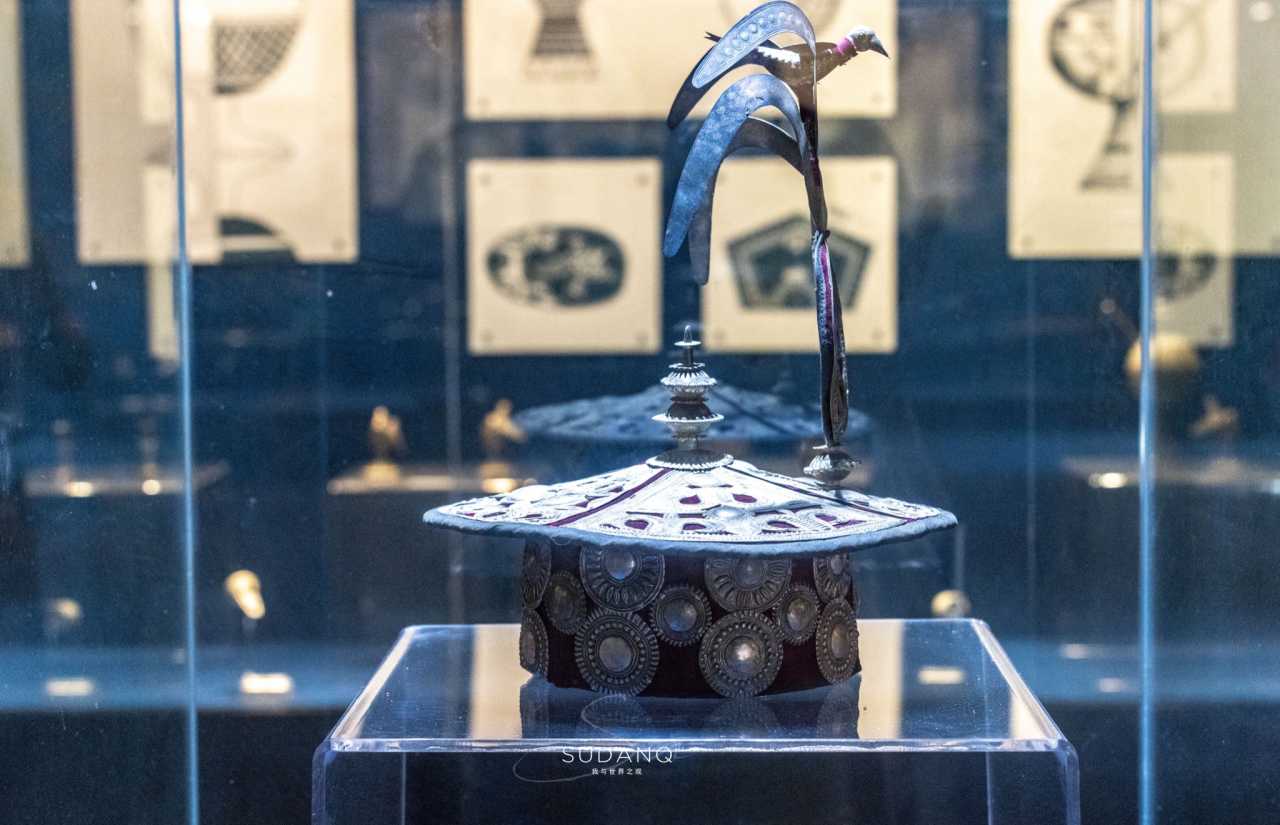
- "Back-Pressing Press"
- "Foot-Rubbing"
- "Three-Foot Kick"
- "Four-Foot Two-Leg Change"
- "Three-Hold Press"
- "Chasing Sparrows"
These steps, brimming with everyday life, are performed by groups during festivals, creating an atmosphere of pure joy. Both traditions were listed as Sichuan provincial intangible cultural heritage in 2009.
[Link: Huili ancient city walking tour]
Huili Green Pottery: China's Last Green Glaze Ceramics
At the Huili Green Pottery Cultural Industrial Park, I encountered what is called "China's Last Green Pottery"—Huili green-glazed ceramics. Their history dates back to the late Song and early Yuan dynasties, over 800 years ago.
What makes green pottery unique is its raw material: "peacock green stone" is mixed into the clay, producing a gem-like green after firing—refreshing, elegant, and ringing with a metallic clarity when tapped. The craftsmanship is meticulous:
- White clay forms the body
- Natural peacock stone is ground into a paste
- Mixed with rice husk ash slurry and body slip to create the glaze
- Fired at 1,260 degrees Celsius in an oxidizing flame
The result is a brilliant, crystalline green surface. In 2009, Huili green-glazed ceramic craftsmanship was added to the Sichuan provincial intangible heritage list.
Where to Buy Authentic Green Pottery:
- Huili Green Pottery Cultural Industrial Park
- Local artisan workshops in Huili ancient city

[Link: Sichuan intangible heritage crafts]
Yi Lacquerware: Intangible Heritage on the Tip of Your Tongue
What's it like to eat hearty chunks of meat and drink wine using lacquer bowls, chopsticks, and cups? In Liangshan, this is not just a meal—it's a cultural encounter.
Yi lacquerware originates from Xide County, but I was already amazed by what I saw at the Xichang museum and the Zhaojue embroidery workshop. The three colors—black, red, and yellow—have burned brightly for a thousand years. Sun, moon, stars, mountains, rivers, animals, and plants all become motifs on the lacquerware.
The most iconic drinking vessel is the eagle-claw cup, while bowls and plates are equally distinctive. Today, in Liangshan's Yi-themed restaurants, you can still enjoy your meal with lacquerware tableware. When your lips touch the lacquer, it feels like you're conversing with Yi ancestors from a thousand years ago.
Must-Try Yi Lacquerware Experiences:
- Dining at Yi-themed restaurants in Xichang
- Visiting Xide County lacquerware workshops
- Purchasing eagle-claw cups as souvenirs
[Link: Xide County travel guide]
Echoes of Ancient Cities: Jianchang, Huili, and Dashiban
Jianchang Ancient City: Xichang's Historical Microcosm
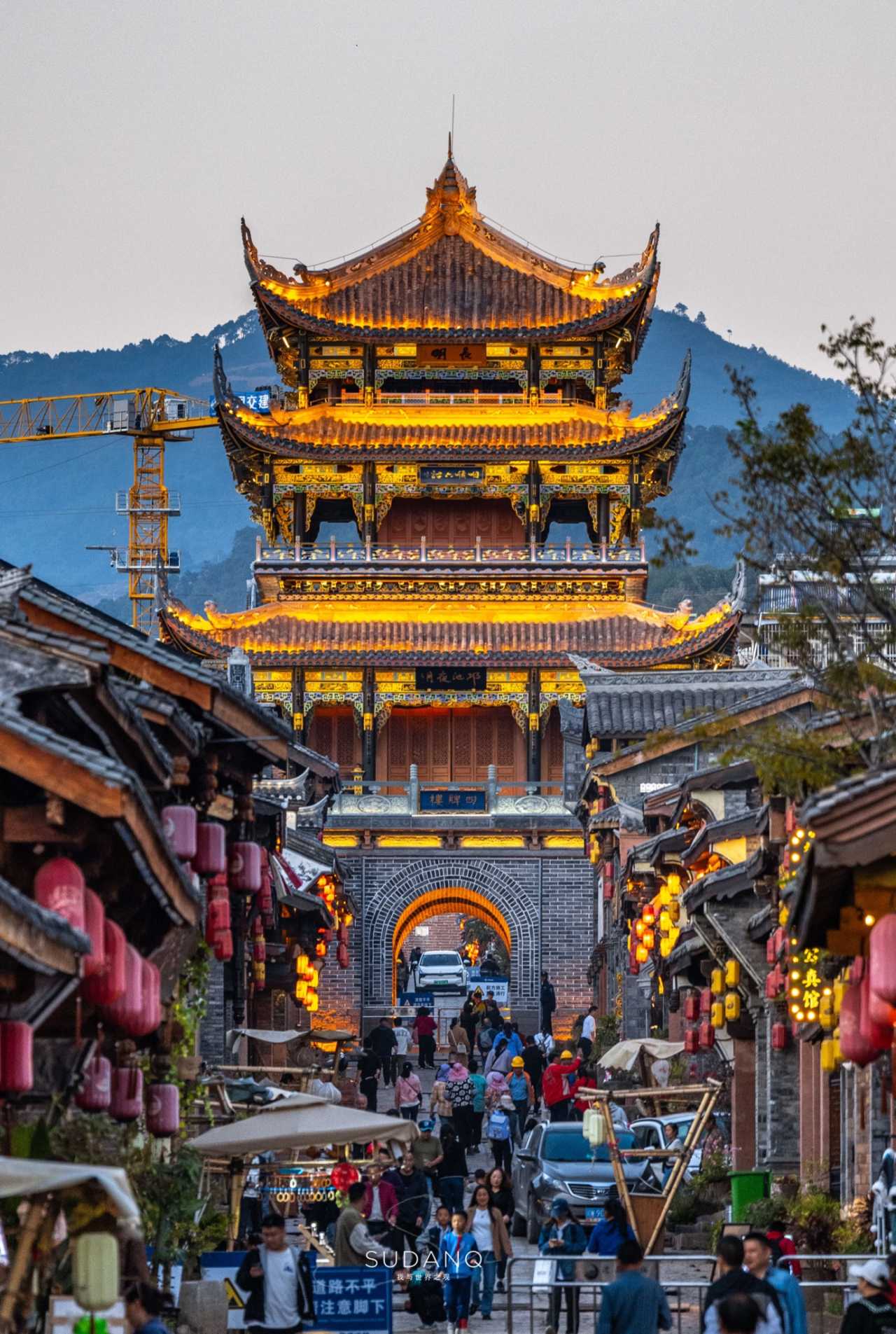
Jianchang Ancient City was first built in 1387 (the 20th year of the Hongwu reign of the Ming Dynasty) and served as the central node of the "Lingguan Road," the western route of the Southern Silk Road. The old city preserves a vast complex of ancient buildings—city walls, gates, streets, shops, temples, and residences—carrying the memories of generations of Xichang residents.
Most distinctive are the dated bricks on the city walls, inscribed with reign names like Wanli, Dashun, Qianlong, Jiaqing, and Daoguang, forming a history book carved in stone. At sunset, the light streaming through the city gates seems to open a portal to another era.
Huili Ancient City: The Key to Sichuan and Yunnan

Huili Ancient City is the southernmost ancient city in Liangshan, strategically positioned as the gateway between Sichuan and Yunnan provinces. Its well-preserved Ming and Qing dynasty architecture, cobblestone streets, and traditional courtyard homes make it a photographer's paradise.
Dashiban Ancient Village: Living Heritage
Dashiban Ancient Village in Xichang is a living museum of Yi and Han cultural fusion. Here, you can witness traditional architecture, visit Lingying Temple, and see Yi women in full Suodi attire with yellow umbrellas—a scene that has become iconic on social media.
[Link: Southern Silk Road ancient cities]
FAQ: Your Liangshan Travel Questions Answered
1. When is the best time to visit Liangshan?
The best time to visit Liangshan is March to November. The Torch Festival (usually in July or August) is the peak season for experiencing Yi culture. Spring and autumn offer pleasant weather for exploring ancient cities and mountain landscapes.
2. How do I get to Liangshan from major cities?
 The most convenient access is through Xichang Qingshan Airport, with direct flights from Chengdu, Beijing, Shanghai, and Guangzhou. Alternatively, take the Chengdu-Kunming high-speed railway to Xichang West Station (about 3 hours from Chengdu). From Xichang, buses connect to Zhaojue, Huili, and other destinations.
3. What are the must-see intangible heritage experiences in Liangshan?
Top experiences include: - Visiting the Liangshan Yi Slave Society Museum (Bimo culture) - Watching Yi embroidery in Zhaojue - Seeing giant suona horn performances in Huili - Tasting food served on Yi lacquerware - Buying Huili green pottery
4. Is Liangshan safe for solo travelers?
 Yes, Liangshan is generally safe for solo travelers. The main towns (Xichang, Zhaojue, Huili) have good infrastructure. However, remote mountain areas may have limited English signage. It's advisable to use a local guide for deeper cultural experiences.
5. What should I pack for a Liangshan trip?
Pack layered clothing (mountain climate can be unpredictable), comfortable walking shoes for ancient cities, a camera for stunning landscapes, and a notebook to record your intangible heritage discoveries. If visiting during the Torch Festival, bring sunscreen and a hat.
Final Thoughts: Your Journey into Yi Culture Awaits
Liangshan is not a destination you visit—it's a story you step into. From the ancient echoes of the Southern Silk Road to the vibrant threads of Yi embroidery, from the deep resonance of giant suona horns to the timeless beauty of green pottery, this land offers something far richer than stereotypes suggest.
Ready to experience the living epic of Yi intangible heritage? Start planning your Liangshan adventure today. Book a flight to Xichang, pack your curiosity, and prepare to be transformed by a hidden gem that has been waiting—patiently, beautifully—for you to discover it.
Share this guide with fellow travelers who love off-the-beaten-path cultural experiences. And if you've already been to Liangshan, tell us your story in the comments below!
Keywords used: Liangshan travel guide, Yi intangible heritage, Liangshan Yi Autonomous Prefecture, hidden gem Sichuan, Yi embroidery Zhaojue, Huili green pottery, giant suona horn, stomping dance Qie Bie Di, Yi lacquerware, Jianchang Ancient City, Southern Silk Road, Torch Festival, Bimo culture.
You may also like


