Late Autumn in Western Sichuan: Your Ultimate Guide to Colorful Forests and Snow-Capped Mountains
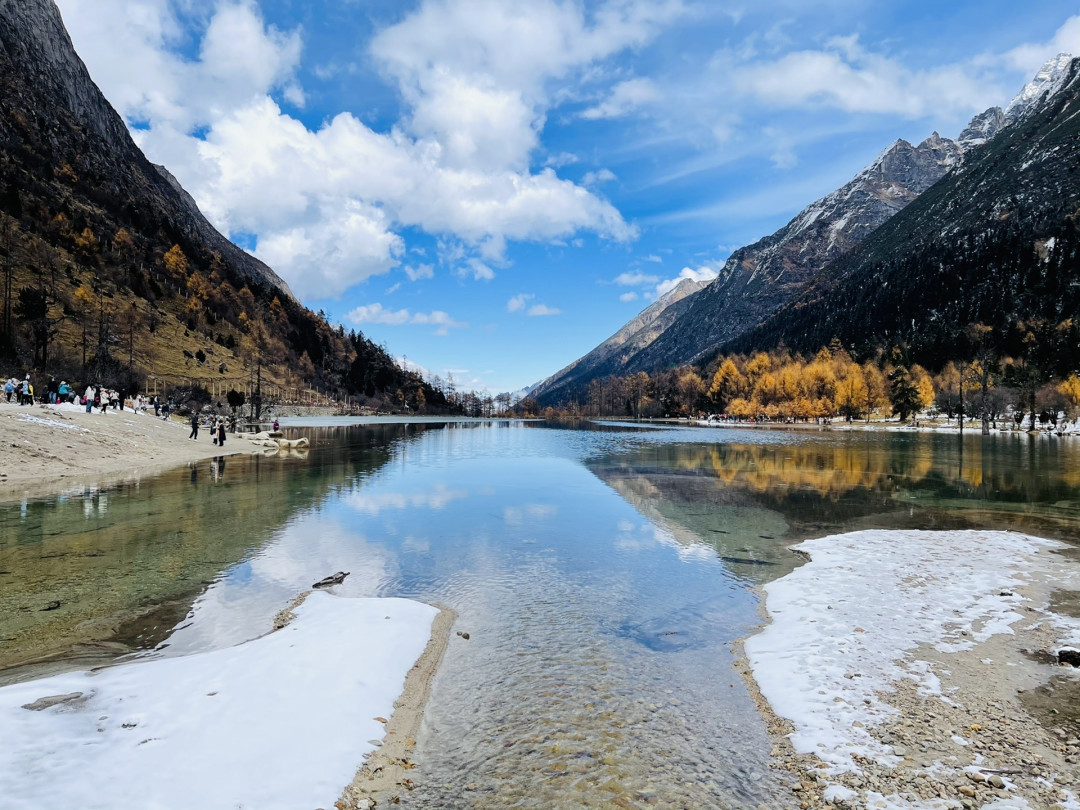
Meta Description: Discover Western Sichuan's late autumn magic—where vibrant forests meet snow peaks. Expert guide to Mount Siguniang, Panda Avenue, and travel tips for an unforgettable oil-painting landscape.
Introduction: Why Late Autumn in Western Sichuan is a Bucket List Destination
There's a reason photographers, hikers, and nature lovers return to Western Sichuan year after year. When late autumn arrives—typically from late October through November—the region transforms into a living canvas. Colorful forests of gold, amber, and crimson blanket the mountainsides, while pristine snow-capped peaks rise majestically in the background. It's not just a trip; it's an immersion into one of China's most breathtaking natural spectacles.
For years, I dreamed of this journey. That high school geography lesson about plate tectonics and the Hengduan Mountains planted a seed of wanderlust that finally bloomed this late autumn. What I discovered exceeded every expectation—and I'm here to share everything you need to plan your own unforgettable adventure.
When to Visit Western Sichuan for Peak Autumn Colors
Primary Keyword: Late autumn in Western Sichuan
The sweet spot for autumn foliage in Western Sichuan is mid-October to mid-November. Here's why:
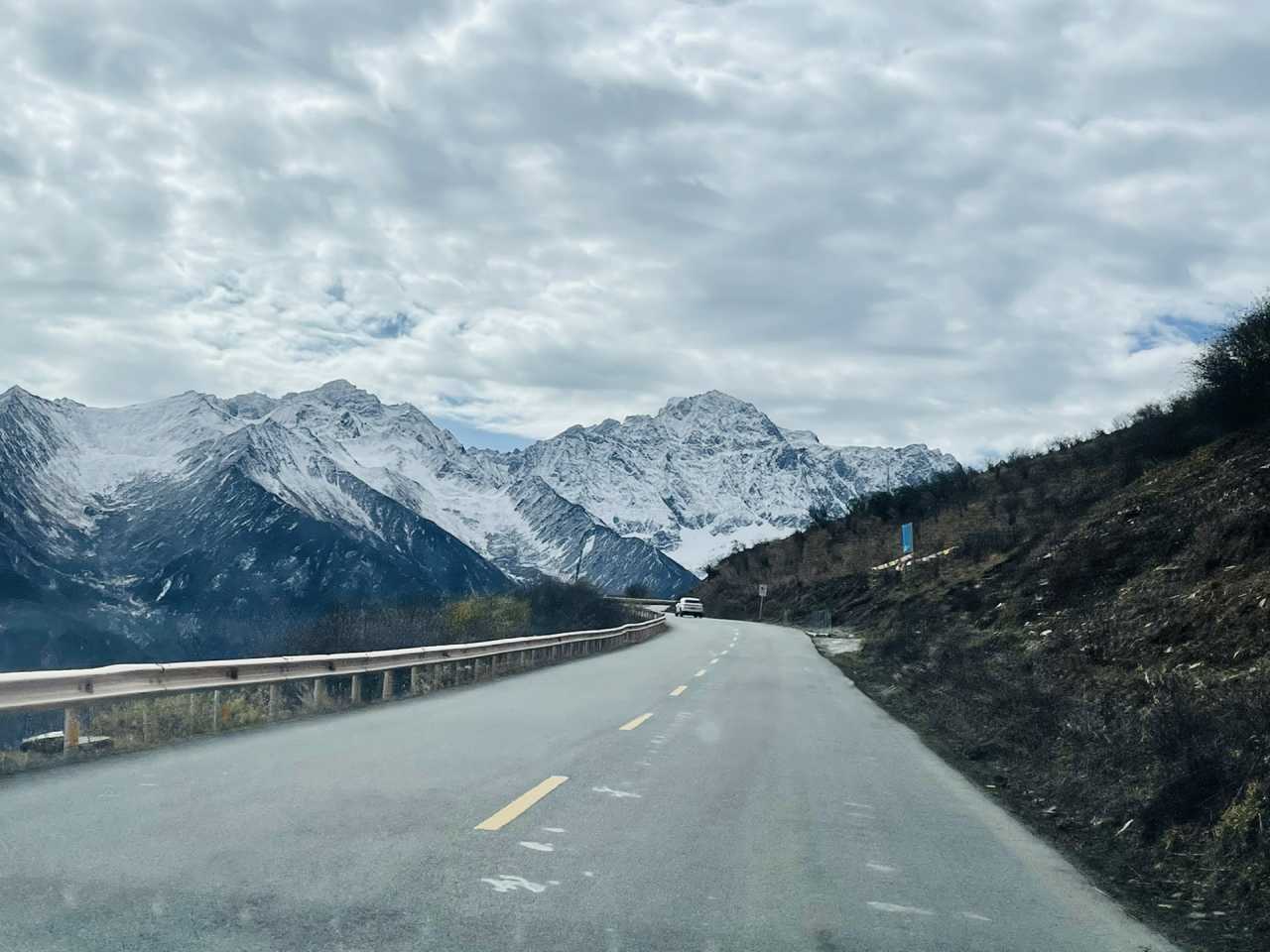
- October: Higher elevations (3,000m+) show peak color in larch and birch forests
- Early November: Mid-elevations burst with red, orange, and yellow hues
- Late November: Snow begins dusting the peaks, creating the iconic "oil painting" effect
Unlike summer's rain or winter's road closures, late autumn offers stable weather, crisp air, and fewer crowds. The temperature ranges from 5°C to 15°C during the day, dropping below freezing at night—perfect for layering.
Long-tail keyword variation: "Best time to see autumn leaves in Western Sichuan"
How to Get There: The Scenic Route on Panda Avenue
From Chengdu to the Mountains
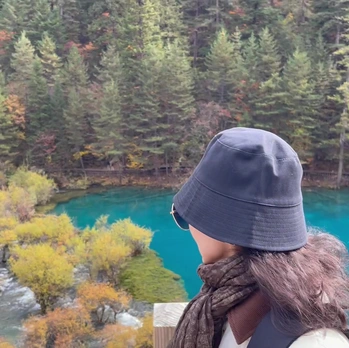
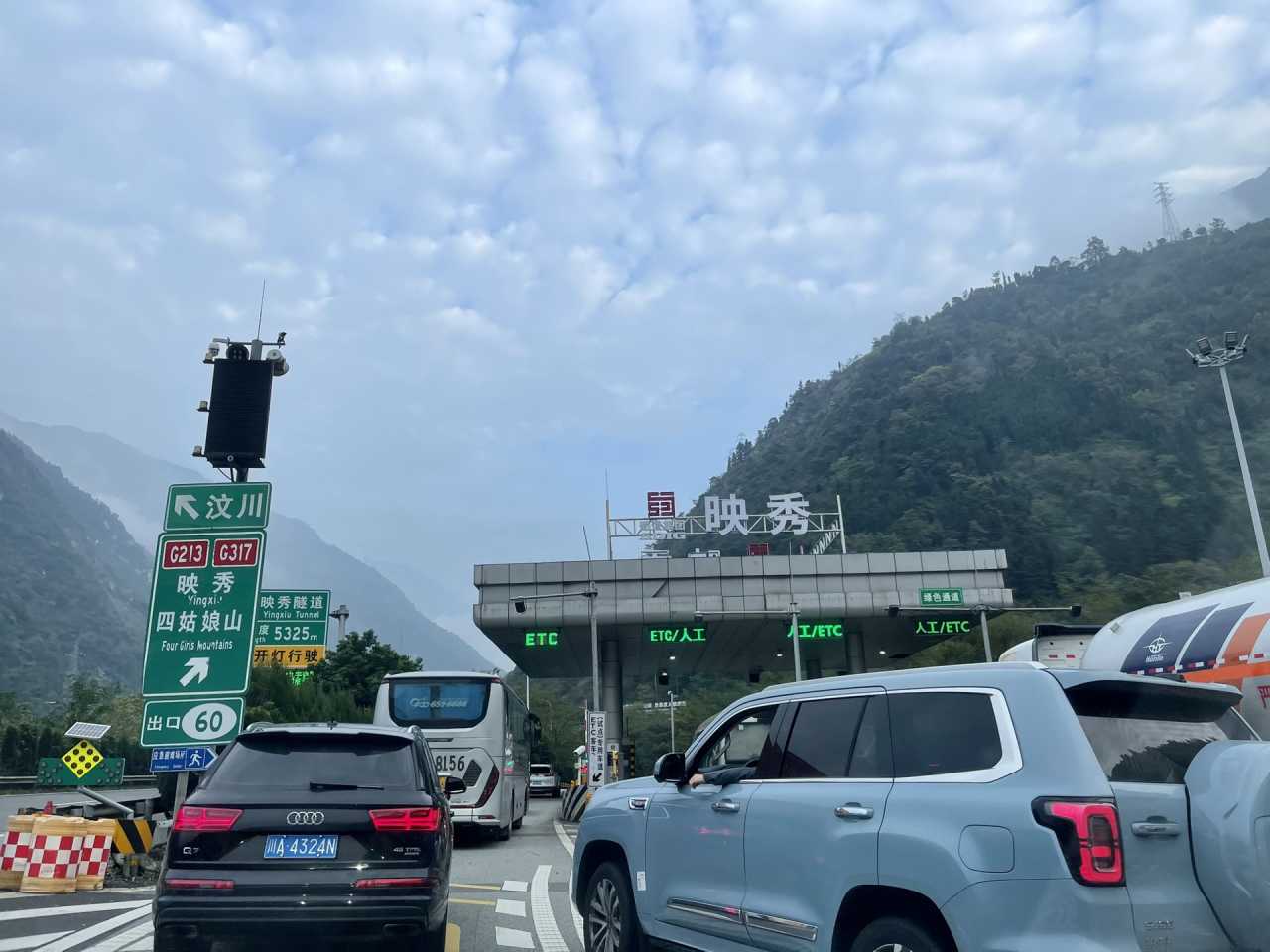
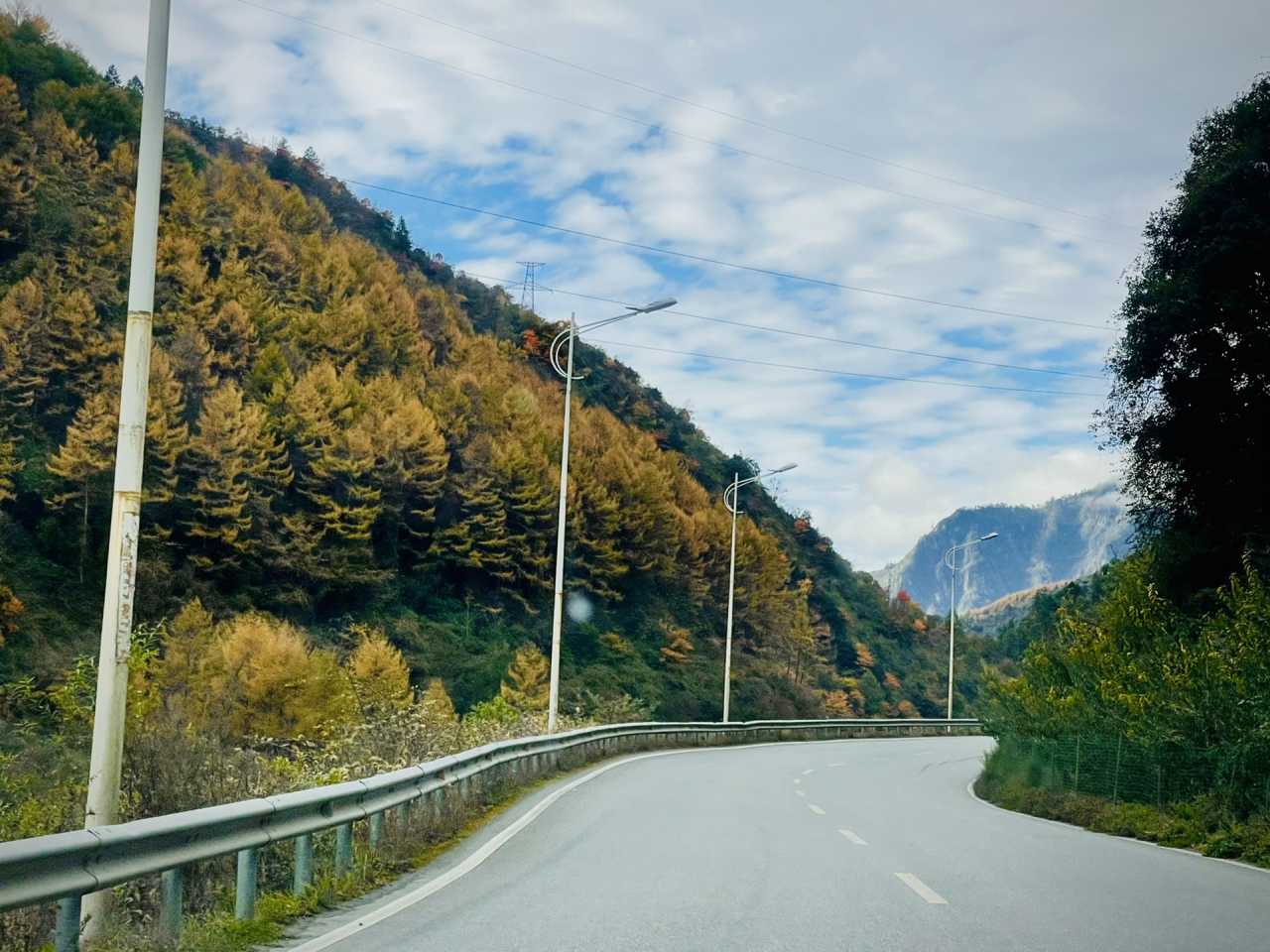
Your journey begins in Chengdu, where most travelers depart early morning. The Rongchang Expressway takes you west through tunnels and valleys, passing landmarks like Mount Qingcheng and the Zipingpu Tunnel.
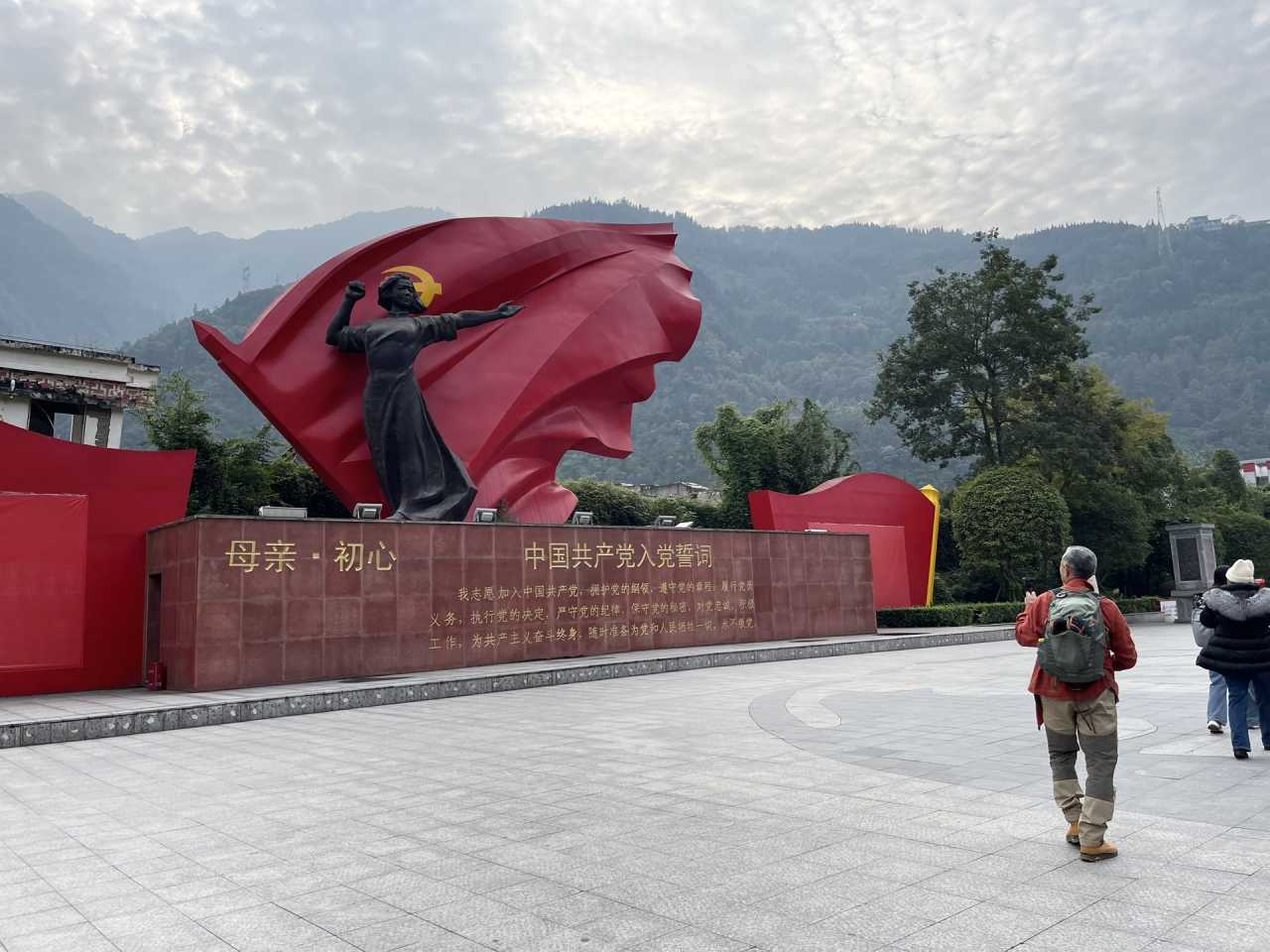
Key stop: Yingxiu Town—a sobering reminder of the 2008 earthquake, where the tilted teaching building remains as a memorial. Take a moment to pay respects before continuing.
National Highway G350: The Panda Avenue Experience
Long-tail keyword variation: "Panda Avenue road trip Western Sichuan"
This 500-kilometer artery connects Luhuo County to Yingxiu, threading through Wenchuan, Wolong, Mount Siguniang, Danba, and Bamei. Elevation climbs from 400m to over 4,000m, offering a stunning cross-section of landscapes:
- Snow-capped mountains
- Colorful forests
- Alpine grasslands
- Winding rivers
- Traditional Tibetan villages
Unlike the rugged, aloof National Highway 318, Panda Avenue feels more welcoming. Small towns dot the route, offering water refills, tire repairs, and hearty local meals. It's a road built for slow travel and spontaneous discoveries.
[Link: Best road trips in Sichuan Province]
Mount Siguniang: The Queen of Sichuan Mountains
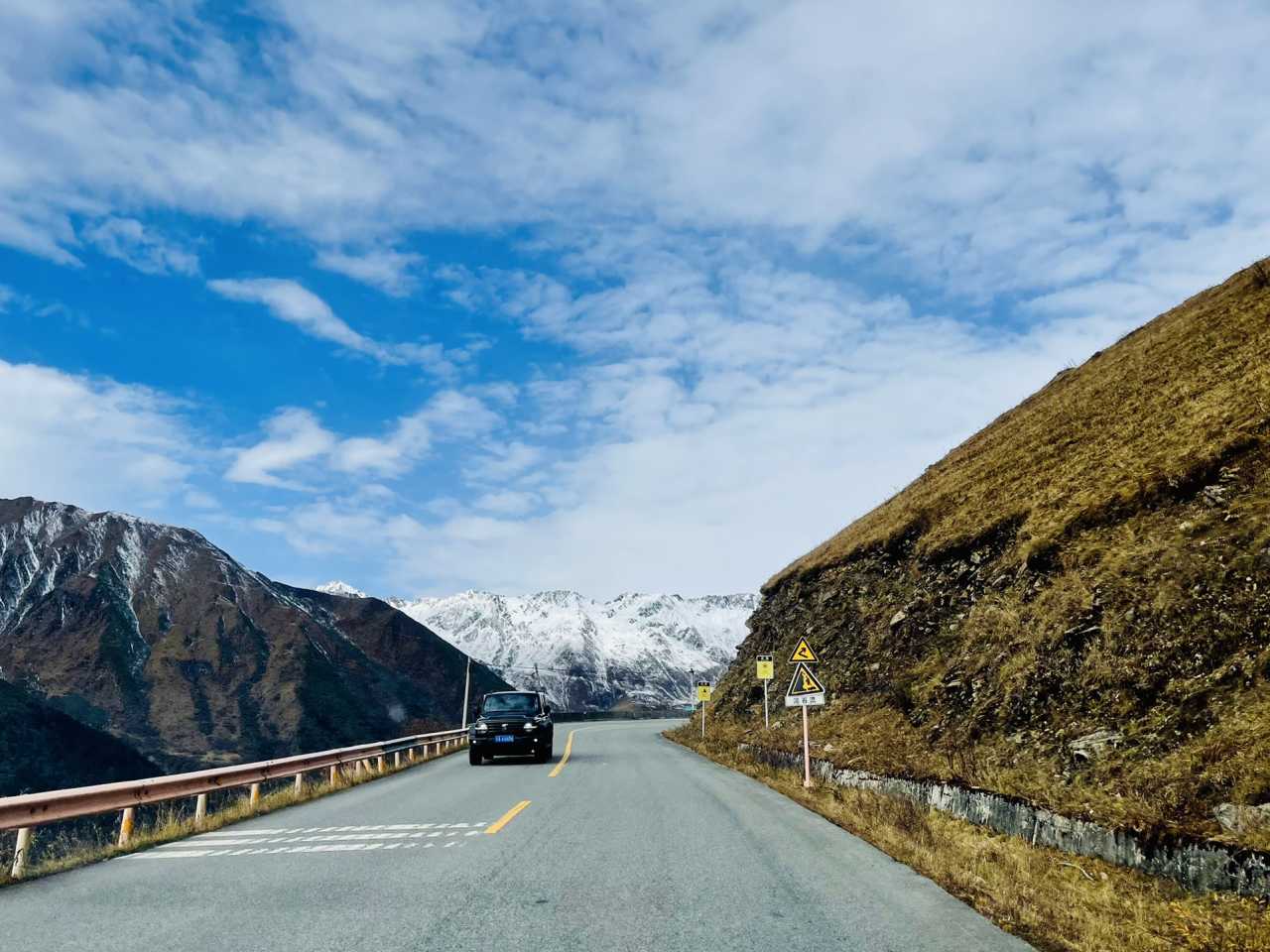
Why You Shouldn't Skip Shuangqiao Valley
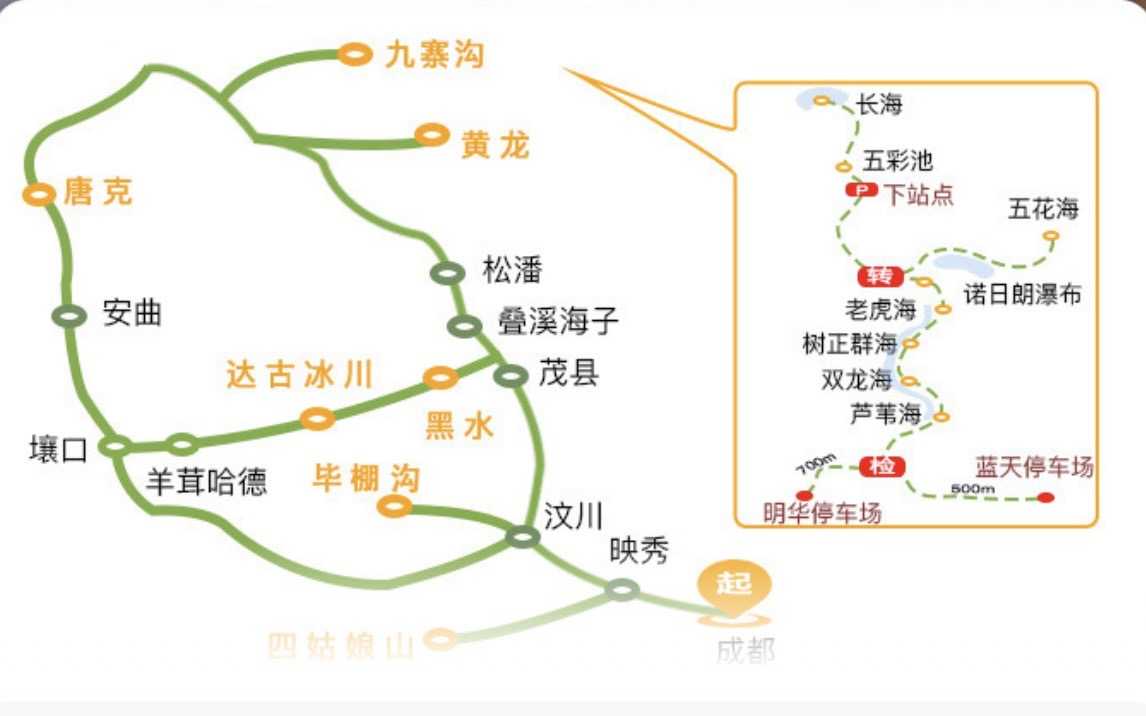
Primary keyword: Mount Siguniang autumn travel guide
I'll admit it—I almost skipped Mount Siguniang. After visiting Gongga Mountain (the "King of Sichuan Mountains"), I thought the "Queen" might feel like a theme park. But Shuangqiao Valley, the most accessible of the four valleys, completely reversed my impression.
The Maobiliang Viewing Platform offers the iconic panorama: Big Peak, Second Peak, Third Peak, and Yaomei Peak standing in a graceful row. At 2,900m elevation, you're still climbing toward the redwood forest at 3,800m+.
What Makes Late Autumn Here Special
Long-tail keyword variation: "Shuangqiao Valley autumn photography tips"
The colors layer like a painter's palette:
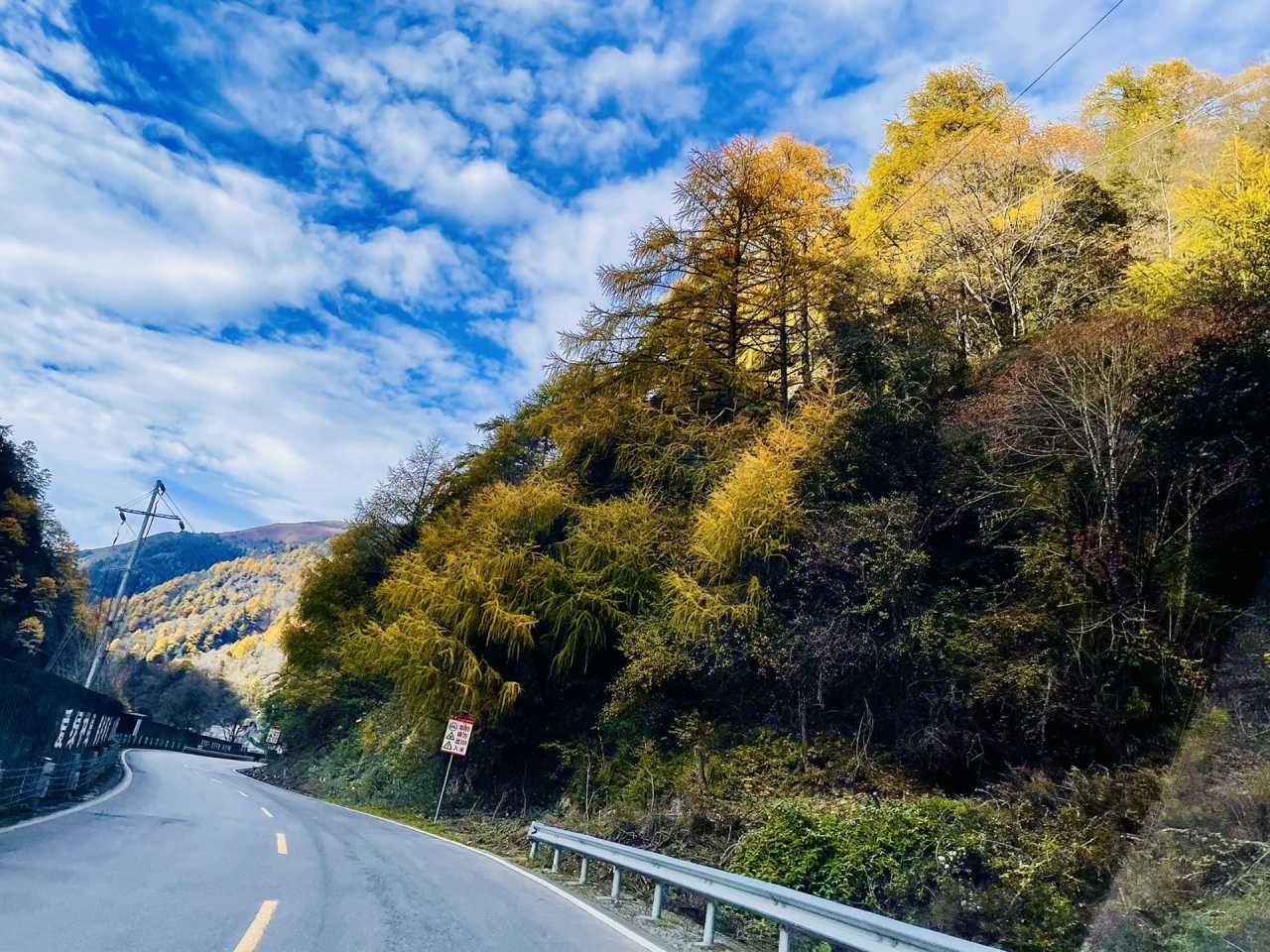
- Lowest level: Pure caramel yellow from birch and larch
- Middle level: Deep ink green from fir and spruce
- Top level: Pristine white snow on granite peaks
At the Redwood Forest (Hongshulin) , towering ancient trees stand in neat rows, their golden branches creating irregular geometric patterns against the sky. From above, the valley looks carpeted in fuzzy yellow, stretching endlessly. Where snow has melted, brown rock faces and green pine forests emerge—like bread dusted with powdered sugar.
Pro tip: The valley is trumpet-shaped, opening south. On the opposite side lies Bipeng Valley, famous for the "Changchuanbi" hiking route. Some hikers complete the crossing in one day; by car over two mountain passes, it takes two days.
Sigungna Lake and the Wedding Photo Moment
Long-tail keyword variation: "Tibetan white pagoda photography spots"
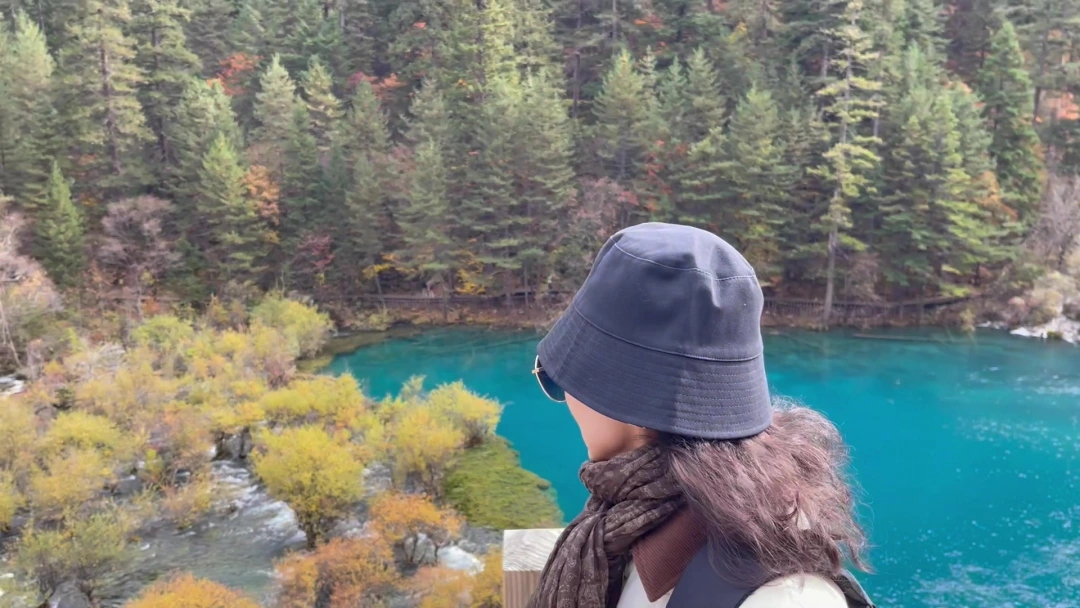
Walking the boardwalk at Bujiangda Peak, you'll find a Tibetan white pagoda surrounded by open grassland. The grass has turned yellow, and larch forests by the stream shimmer like gold leaf. Snow-capped mountains—Eagle Beak Peak and Hunter Peak—guard this sacred lake with turquoise-blue waters.
I stumbled upon a young couple taking wedding photos by the pagoda. The sweet atmosphere was infectious. I sat down, ate chocolate and biscuits, and let myself feel the joy. Every color here looks like freshly squeezed oil paint—no filter needed.
Practical Travel Tips for Western Sichuan in Late Autumn
What to Pack
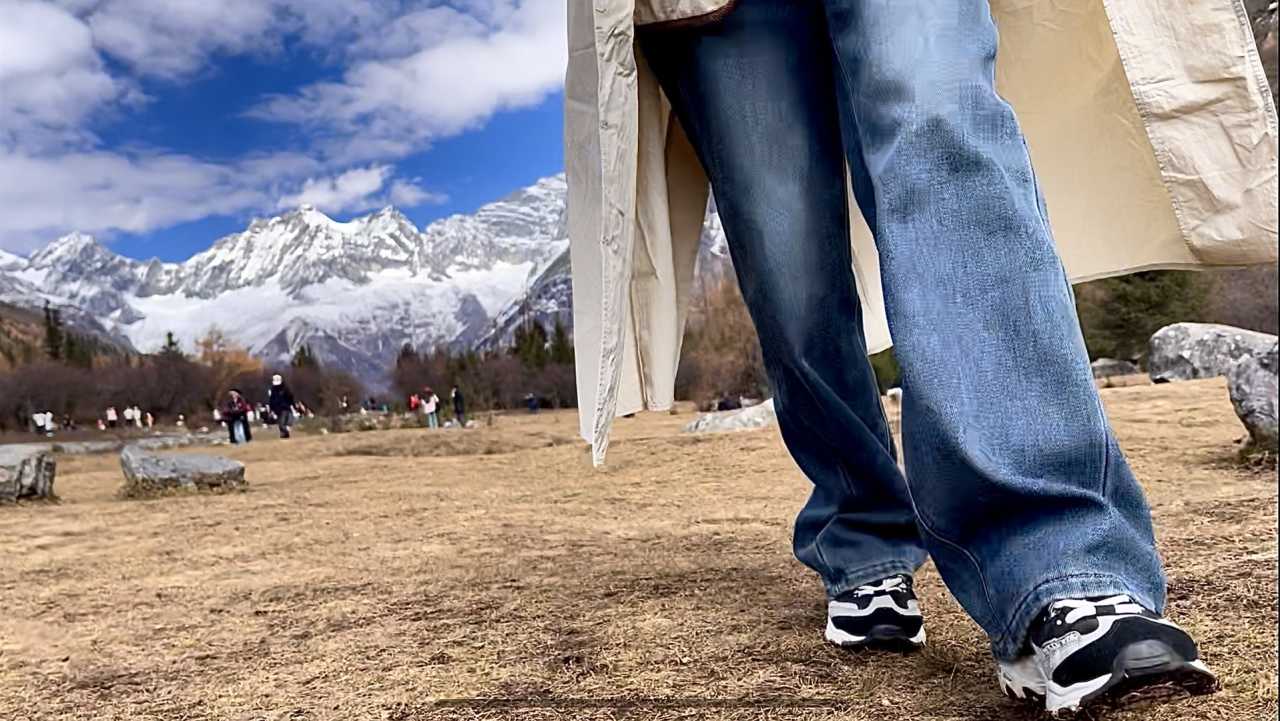
- Layers: Base layer, fleece, waterproof jacket
- Warm hat and gloves: Temperatures drop 20°C from Chengdu
- Sun protection: UV is intense at altitude
- Comfortable hiking shoes: Boardwalks and trails can be icy
- Camera with extra batteries: Cold drains power quickly
Altitude Considerations
Long-tail keyword variation: "Altitude sickness prevention Western Sichuan"
Most scenic areas range from 2,900m to 4,000m. Acclimatize in Chengdu (500m) first. Symptoms to watch for:
- Headache
- Nausea
- Shortness of breath
Tips: Stay hydrated, avoid alcohol, and ascend gradually. Our guide Dajiang—always in thin clothes at 4,000m—handled everything with unshakeable calm. You don't need to be superhuman, just prepared.
Getting Around
Private car with a local guide is ideal. Our group of five (a middle-aged couple from Hong Kong/Canada, a mother-daughter pair from Guangdong, and me) shared costs and experiences. Guides know the best viewpoints, timing for light, and hidden spots.
[Link: Private tour guides in Sichuan]
Frequently Asked Questions

Q1: Is late autumn too cold for Western Sichuan travel?
Not at all! Daytime temperatures range from 5°C to 15°C. The cold is crisp and invigorating, not bitter. Snow at higher elevations adds to the scenery, not detracts. Pack layers and you'll be comfortable.
Q2: How do I reach Mount Siguniang from Chengdu?
Drive via the Rongchang Expressway and Panda Avenue (G350). The journey takes 4-5 hours, depending on stops. Public buses also run from Chengdu's Chadianzi Bus Station to Rilong Town (the gateway to Mount Siguniang).
Q3: What's the best valley for first-time visitors?
Shuangqiao Valley is the most accessible, with shuttle buses and boardwalks. Changping Valley offers more hiking. Haizi Valley requires 4WD access. For autumn colors, Shuangqiao Valley delivers maximum visual impact with minimum effort.
Q4: Can I see snow-capped mountains and autumn leaves together?
Yes—this is the magic of late autumn in Western Sichuan. Lower elevations still show vibrant foliage while peaks are already dusted with snow. The contrast creates the "oil painting" effect that makes this season so special.
Q5: Do I need a permit to visit Mount Siguniang?
No special permit is required for Shuangqiao Valley. For hiking routes like Changchuanbi (crossing to Bipeng Valley), you may need a guide and registration. Check with your tour operator or the scenic area office.
Conclusion: Your Late Autumn Adventure Awaits
Western Sichuan in late autumn is more than a destination—it's a revelation. The geography lessons of your youth come alive. The colors you've seen in photographs become real. And the memories you make will call you back, year after year.
Ready to experience this oil painting for yourself?
Start planning now. November is just around the corner, and the best viewpoints fill up quickly. Book your guide, pack your layers, and prepare for a journey that will redefine your understanding of beauty.
[Link: Book Western Sichuan autumn tours]
Don't wait for "someday." The mountains are calling, and they're wearing their finest colors.
Have you visited Western Sichuan in autumn? Share your experience in the comments below—or ask any questions you have about planning your trip!
You may also like


