June in Xinjiang: A Magical Journey Through God's Private Reserve, Crossing Four Seasons in a Single Day
Here is the SEO-optimized, rewritten article based on your source material. It has been restructured for search intent, keyword density, and readability while preserving the original narrative and factual accuracy.
SEO Title: Xinjiang in June: A 4-Season Road Trip Through Sayram Lake & Guozigou (2025 Guide)
Meta Description: Discover the magic of June in Xinjiang. From freezing at Sayram Lake to lavender fields in shorts, experience "four seasons in a day" on this epic Tianshan road trip.
June in Xinjiang: A Magical Journey Through God’s Private Reserve (Crossing 4 Seasons in a Day)
Some journeys are meticulously planned; others are gifts from fate. My Xinjiang June trip was the latter—a spontaneous escape from a buggy work project and a friend’s surprise month-long vacation. I slapped melodramatic labels on it ("my last journey before marriage," "province #20"), but the moment I looked down from the airplane window, all that noise dissolved.
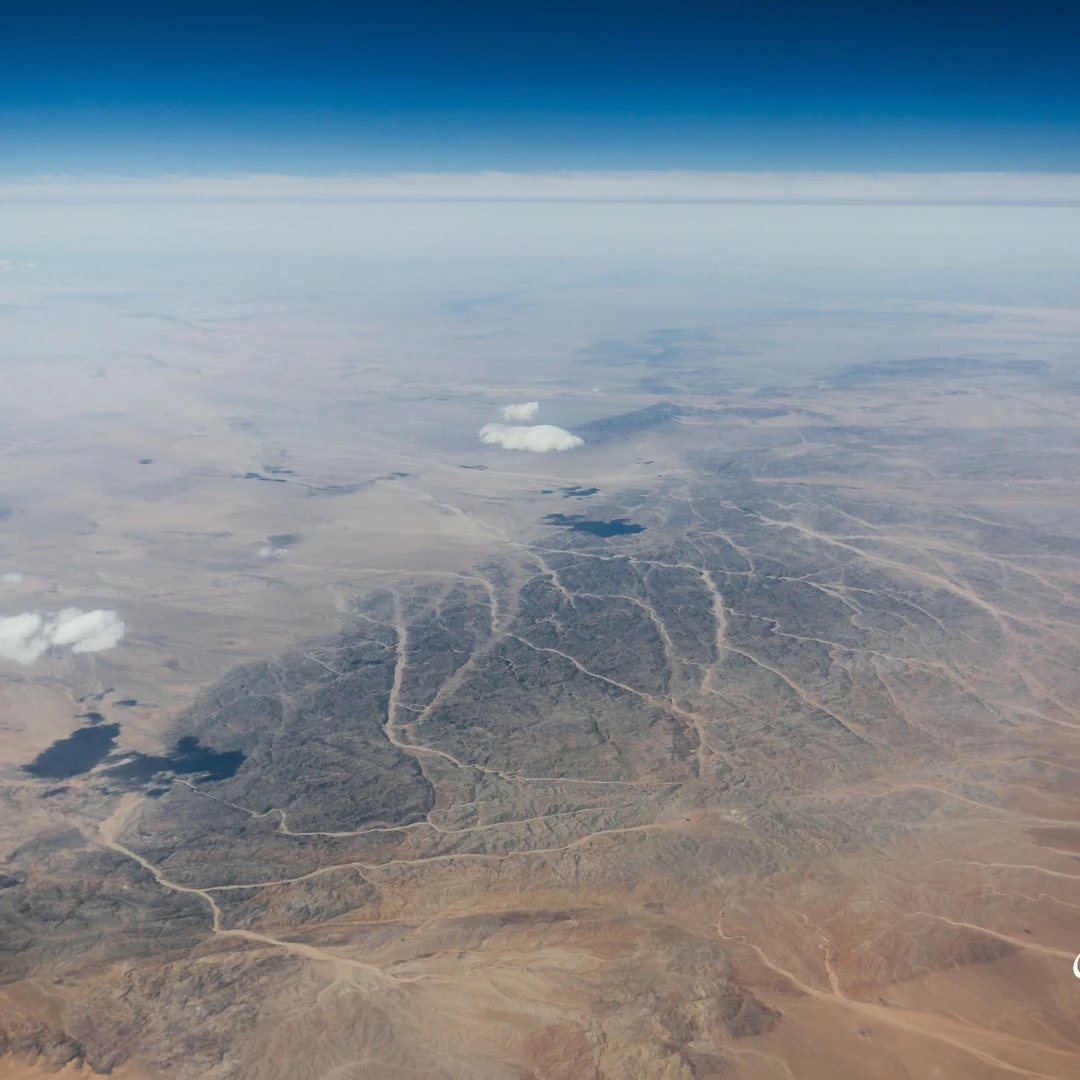
Below me lay the Gobi Desert—barren, endless, and stark. This is the land of poplar trees that "live three thousand years without dying," the realm of "a solitary smoke straight in the vast desert." Before I even landed, the sheer presence of Xinjiang, China had struck me dumb.
First Meal in Xinjiang: The Hardcore Lamb Skewer Baptism
Our first meal was a direct assault on Xinjiang lamb skewers. Honestly, this was "hardcore" beyond expectations.

We ordered conservatively: two red-willow skewers, two regular lamb, two Keng Kao Rou (pit-roasted), two beef tendon, plus grilled lotus root, garlic, lamb intestines, and potato slices. To top it off: grilled chives and a clay-oven naan. Back in Beijing, we order in multiples of ten—this "one-by-one" approach was a first. I forced down five skewers and skipped dinner entirely.
Pro tip for Xinjiang food tours: Xinjiang people understand lamb at a philosophical level. Every bite is a taste bud baptism. Don't over-order; the portions are massive.
Sayram Lake: The "Last Tear of the Atlantic" (And a Grasshopper War)
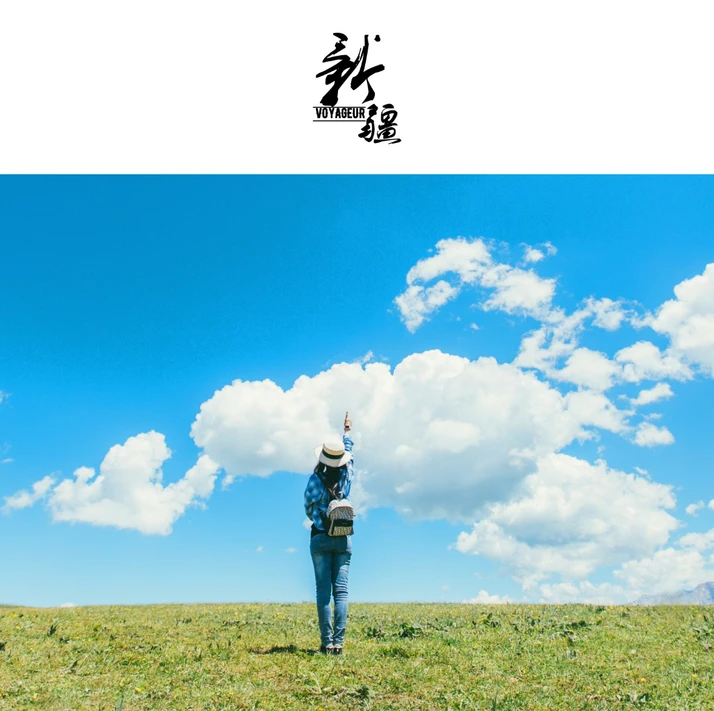
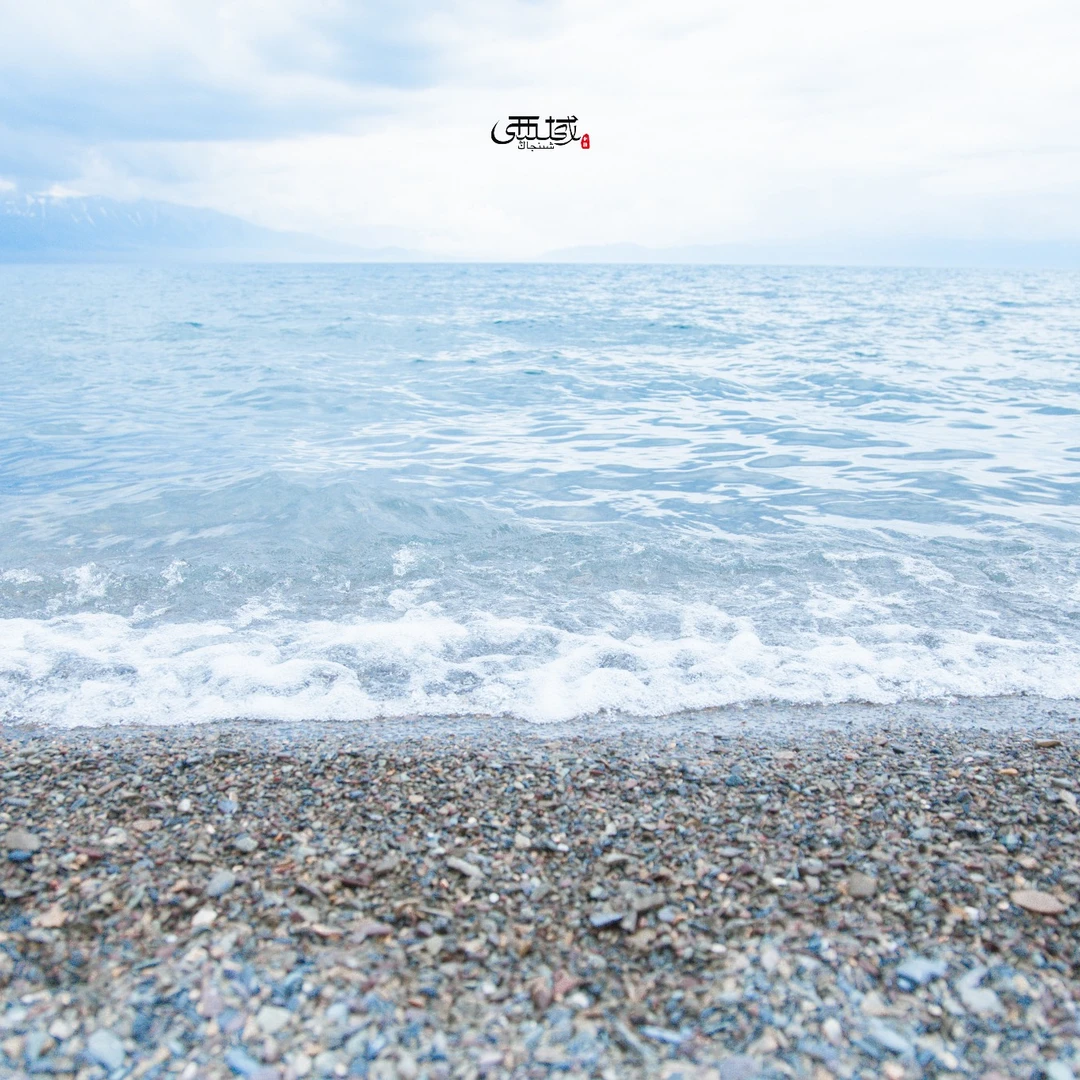
At dawn, we drove toward Sayram Lake on the western Tianshan Mountains. This alpine lake sits at over 2,000 meters—known as "the last tear of the Atlantic" because it’s the final place touched by warm, moist air currents from that ocean.
On the road, my friend Songsong asked, "Isn't Sri Lanka also called the last tear?" After a frantic Baidu search: "That's 'the tear of the Indian Ocean.'" "Oh."
Lakes named after "tears" always feel lingdong (spirited). Unfortunately, the weather was hazy—Sayram looked more sleepy than tearful.
Weather warning for June in Xinjiang: May in Urumqi is mild, but Sayram Lake is a high-altitude lake. The perceived temperature made me question my life choices. If you plan to camp at Sayram, bring serious warm clothing—otherwise, you might literally "freeze to death in Northern Xinjiang."
The Roadside Wetland & Grasshopper Battle
Compared to Sayram's turbulence, a roadside wetland was much calmer. Clear reflections spread across the water. Even more unexpected: a swarm of grasshoppers. We launched an all-out grasshopper-catching battle.
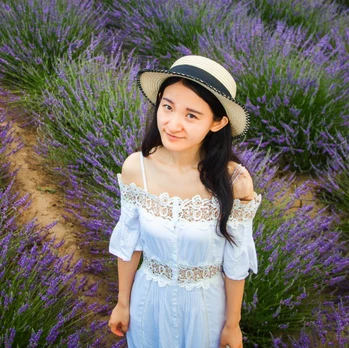
I caught a little one—soft body, short antennae. Songsong always gets sidetracked by small animals (he once chased birds while waiting for a bus). I wrote him a mock biography: Name: Songsong. Special skill: Brawling with small animals.
Catching grasshoppers reminded me of childhood afternoons—those memories are written all over summer, blazing like the scorching weather, lighting up an entire childhood.
Guozigou Valley: Clouds, Yurts, and Stargazing Disappointment
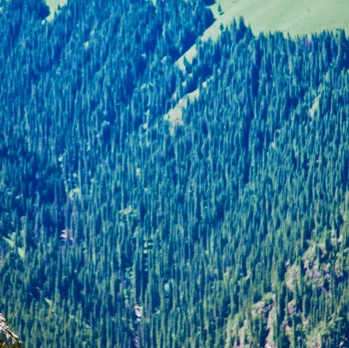
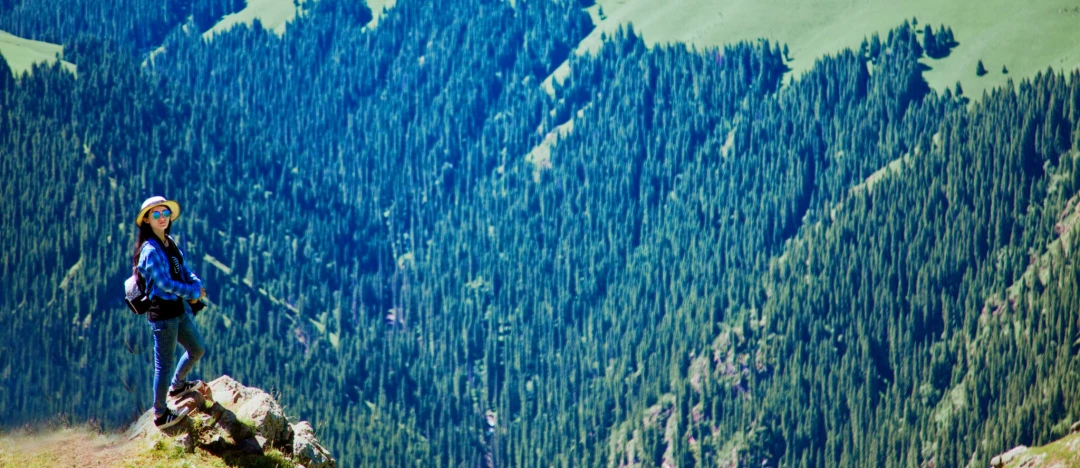
Guozigou Valley was the only spot on our route suitable for stargazing. Yurts pitched under the dome of the sky—that was the ideal.
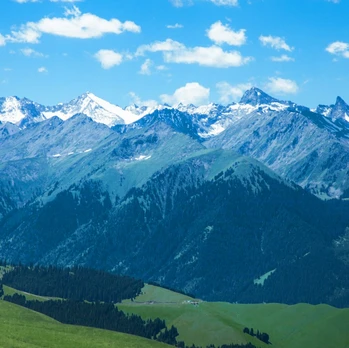
We stepped in dog poop but caught no lucky breaks. The clouds were unbelievably thick. We neither waited for sunset nor miraculously welcomed sunrise. A group of us girls set alarms for sunrise, only to be told: "No sunrise today."
Despite the disappointment: Wrapping ourselves in coats to see the sea of clouds in the mountains wasn't so bad. The mist clumped together, shifting shapes. When we first woke up, the Guozigou Bridge was visible. Soon, thick fog swept through, making it appear and disappear.
Yurt Living: Mongolian Ger vs. Kazakh Zhanfang
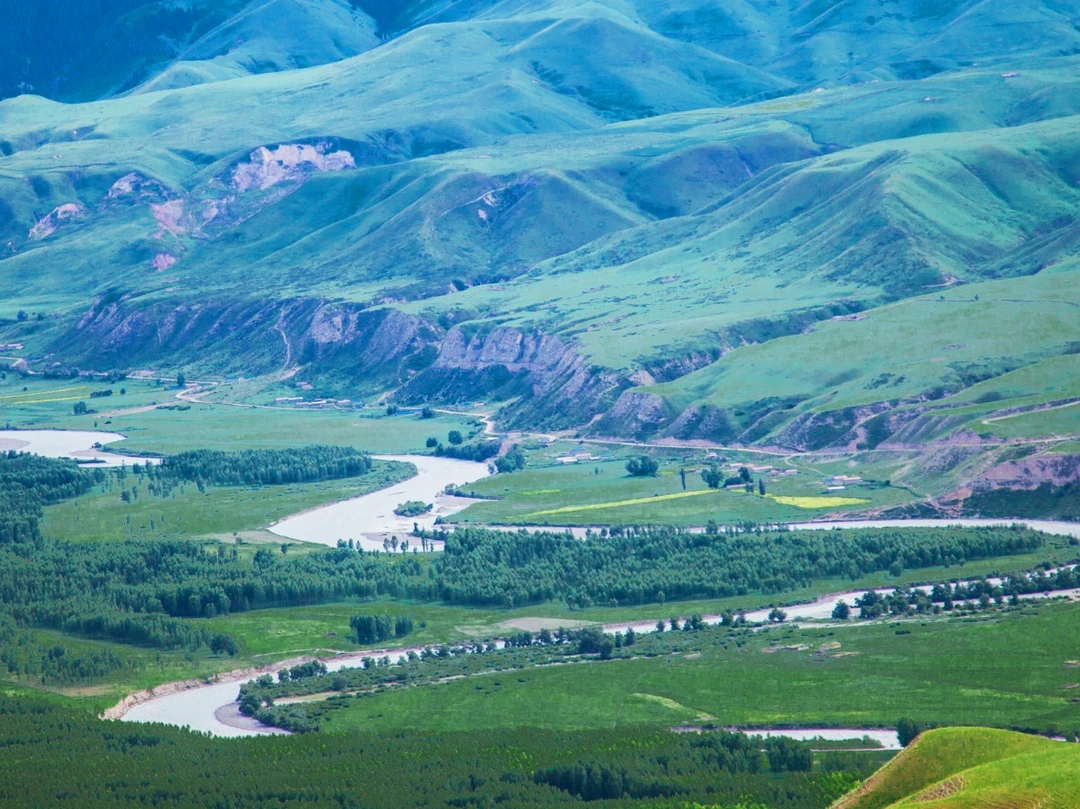
We stayed in a super-sized yurt across from the Guozigou Bridge—big enough for 20+ people. Living conditions weren't great: we needed sleeping bags, and the bathroom was a natural pit latrine. But the location was perfect for views. If you're lucky, the Guozigou Bridge under a starry Milky Way must be stunning.
Quick guide to yurts in Xinjiang: - Mongolian Ger: Round-domed top. Easy to set up and move. - Kazakh Zhanfang: Pointed-cone top. More sturdy, earthquake-resistant, and larger.
Among Kazakh stories, the most romantic is the legend of a young man climbing the Tianshan to pick a snow lotus as a love token. Kazakh women use snow lotus stewed with lamb to replenish energy—a testament to how much they treasure this flower.
The Forgetful Princess: From Down Jacket to Short Shorts in One Hour
"The weather changes every ten miles"—I learned this saying the hard way in Xinjiang.
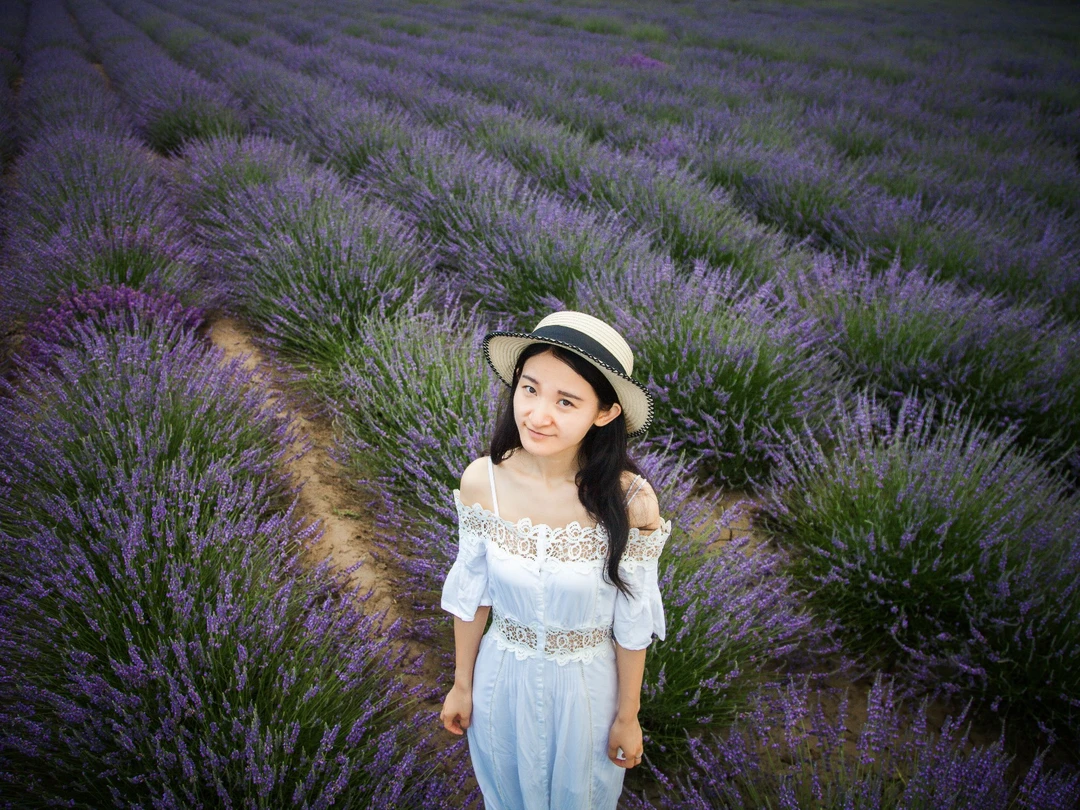
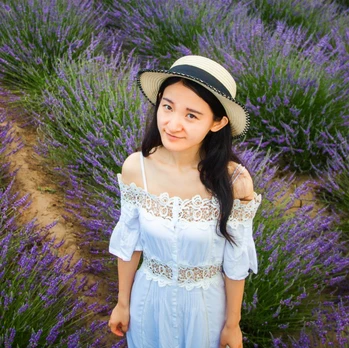
Wrapped tightly in a down jacket at Sayram, I couldn't imagine ever being hot enough to take off layers. Yet an hour later, I was skipping bare-legged through a lavender field in Xinjiang, full of life. The once-pale sky turned candy blue.
This was the Forgetful Princess Lavender Garden. There were plenty of tourists, but the park was large enough for everyone to find a corner free of photobombers. This was paradise for women, while most men willingly became the ones behind the camera. I snapped away, then asked Songsong to pose. His reply: "No." Then he headed straight for the restroom.
Lavender varieties to note: - Spherical clusters with a duller purple hue. - Denser growth with a pinkish tint.
Everyone has a preference, but what you really need is the right weather.
FAQ: Planning Your June Xinjiang Trip
Q1: Is June a good time to visit Xinjiang?
 A: Yes. June in Xinjiang offers the unique experience of "four seasons in a day." You'll see snow at Sayram Lake, green valleys in Guozigou, and blooming lavender fields. It's peak season for road trips, but crowds are manageable outside of major holidays.
Q2: What should I pack for a June trip to Xinjiang?
 A: Pack for extremes. You need: - A down jacket or heavy fleece for high-altitude lakes (Sayram Lake). - Shorts and light tops for low-altitude lavender fields. - Sunscreen, sunglasses, and a hat (UV is intense). - Comfortable walking shoes. - Sleeping bag if camping in yurts.
Q3: How do I get to Sayram Lake from Urumqi?
 A: It's a 5-6 hour drive from Urumqi. Most travelers rent a car or join a Xinjiang road trip tour. The route passes through Guozigou Valley, making it a perfect 2-3 day itinerary.
Q4: What is the difference between a yurt and a Mongolian ger?
 A: Mongolian gers have round-domed tops and are easier to move. Kazakh yurts (zhanfang) have pointed-cone tops and are more sturdy. Both are available for accommodation in scenic areas.
Q5: Can I see lavender fields in Xinjiang without visiting France?
 A: Absolutely. The Forgetful Princess Lavender Garden near Sayram Lake rivals Provence. Peak bloom is usually mid-June to early July.
Internal Linking Suggestions
[Link: Best Xinjiang road trip itineraries for 2025] [Link: How to camp at Sayram Lake safely] [Link: Guide to Kazakh yurt accommodation] [Link: Top 10 Xinjiang street foods you must try]
Ready to Experience "Four Seasons in a Day"?
Xinjiang isn't just a destination—it's a sensory overload. One hour you're shivering in a down jacket at a glacial lake; the next, you're bare-legged in a lavender field. You'll fight grasshoppers, miss sunrises, and eat lamb skewers that redefine your understanding of meat.
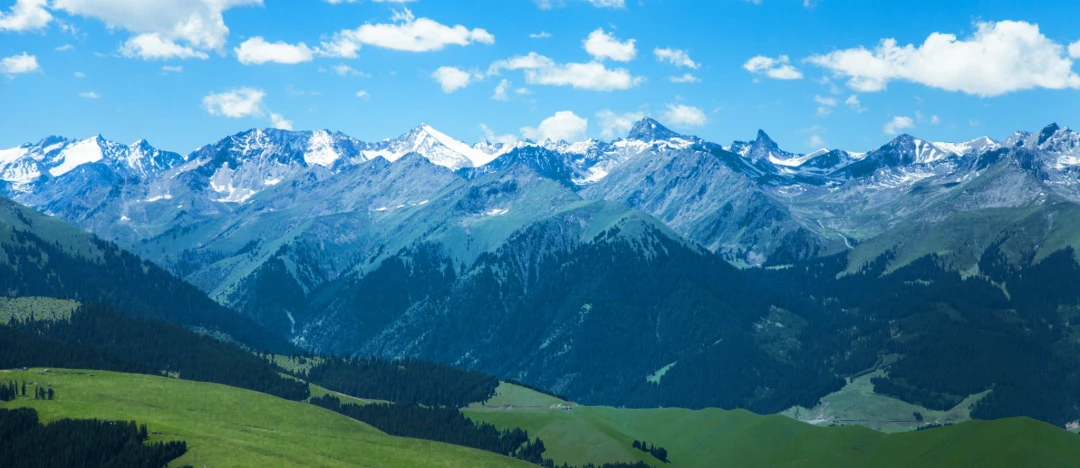
This land of poplar trees and snow lotuses doesn't care about your itinerary. It just happens to you.
Book your June Xinjiang adventure today. Whether you're chasing the "last tear of the Atlantic" or the perfect lavender selfie, this is a journey that will follow you home.
Have questions? Drop them in the comments below—I'll help you plan your route.
You may also like


