July on the Western Sichuan Plateau: A Belated Spring – Your Ultimate Travel Guide
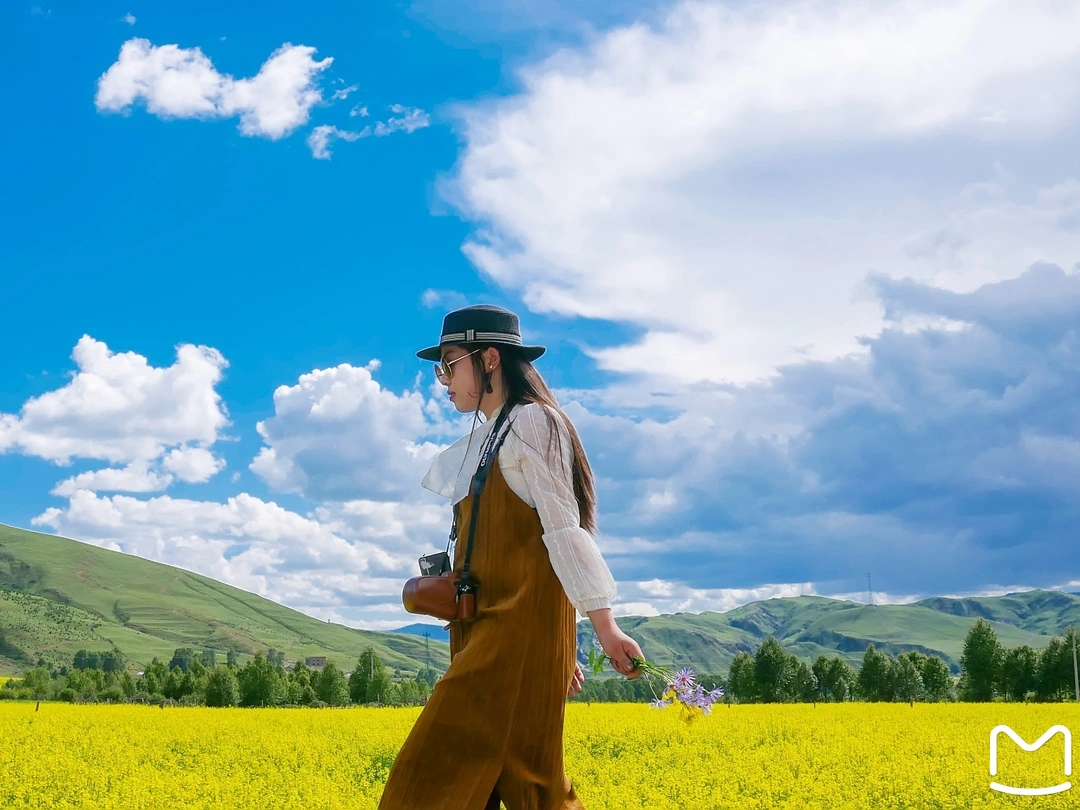
Meta Description: Escape the summer heat and discover a magnificent spring in July on the Western Sichuan Plateau. Explore Zheduo Mountain, Muniya Holy Land flower sea, and Tagong Grassland. 5-day itinerary, travel tips & FAQs.
Introduction: Why July on the Western Sichuan Plateau is a Hidden Gem
At six in the morning, the wind on the Western Sichuan Plateau still carries a bone-chilling cold. I pulled my down jacket tighter, settled into a rattan chair on the balcony of the Muniya Holy Land Hotel, and watched the clouds—like someone had overturned a jar of cotton candy—spread across the entire sky in thick, fluffy patches. Sunlight leaked through the gaps between the clouds, landing on the distant ridges, shimmering gold as if someone had traced their outlines with powdered gold.
This July, I escaped from a city scorched by high temperatures and came to the Western Sichuan Plateau. I had only intended to find some cool relief, but instead, I stumbled into a magnificent spring. If you're searching for a Western Sichuan Plateau travel guide that combines alpine meadows, Tibetan culture, and breathtaking mountain passes, you've come to the right place.
5-Day Western Sichuan Itinerary: Two Scenic Routes to the Plateau
Day 1: Chengdu to Muniya Holy Land via the Sichuan-Tibet Highway

Route: Chengdu → Ya'an → Tianquan → Luding → Kangding → Zheduo Mountain → Muniya Holy Land
Day 2: Muniya Holy Land to Bamei Town – Flower Seas and Grasslands
Route: Muniya Holy Land → Xinduqiao → Xiabaisang Farm → Little Potala → Tagong Grassland → Bamei Town
Day 3: Bamei Town Exploration – Moshi Park and Huiyuan Temple
Route: Bamei Town → Moshi Park (Mill Rock Park) → Huiyuan Temple → Bamei Town
Day 4: Bamei Town to Daofu – Flower Seas and Tibetan Villages
Route: Bamei Town → Seka Township Flower Sea → Longdeng Grassland → Randeng Temple → Daofu Folk Houses → Daofu County → Bamei Town
Day 5: Return to Chengdu via Balang Mountain
Route: Bamei Town → Yala Snow Mountain Viewing Platform → Danba → Xiaojin → Yingxiu → Chengdu
Pro Tip: From Chengdu to Bamei, you have two route options: - Southern Route: Via Ya'an–Tianquan–Luding–Kangding, crossing Erlang Mountain - Northern Route: Via Yingxiu–Xiaojin–Danba, crossing Balang Mountain
For this trip, we took the southern route on the way there and the northern route on the way back, giving us both scenic corridors. [Link: Best time to visit Western Sichuan Plateau]
Zheduo Mountain: The "Many" Turns of the First Pass of Kham
Why Zheduo Mountain is an Unmissable Plateau Pass
At an elevation of 4,300 meters, the Zheduo Mountain pass is an unavoidable landmark on the Sichuan-Tibet Highway. To its west lies the uplifted plateau region, where the Yalong River winds through; to the east are high mountains and deep valleys, where the Dadu River surges endlessly. The locals call it the "First Pass of Kham"—and for good reason.
The Winding Road and July Rhododendrons
The winding mountain road twists and turns, curve after curve, forming a shape that looks exactly like the Chinese character for "many" (多). There's an old saying among the locals: "Erlang Mountain will scare you to death; Zheduo Mountain will exhaust you to death." Riding through this mountain in a car can indeed make your legs feel weak.
But the beauty of Zheduo Mountain lies precisely in these twists and turns. July is the season when the plateau rhododendrons are in full bloom. Purple flowers spread across the slopes like someone had spilled a bottle of violet dye, covering the mountains in dreamy hues. When the sunlight hits them, the dewdrops on the petals sparkle, so beautiful it makes you reluctant to blink.
Viewing Platform and Prayer Flags at the Summit
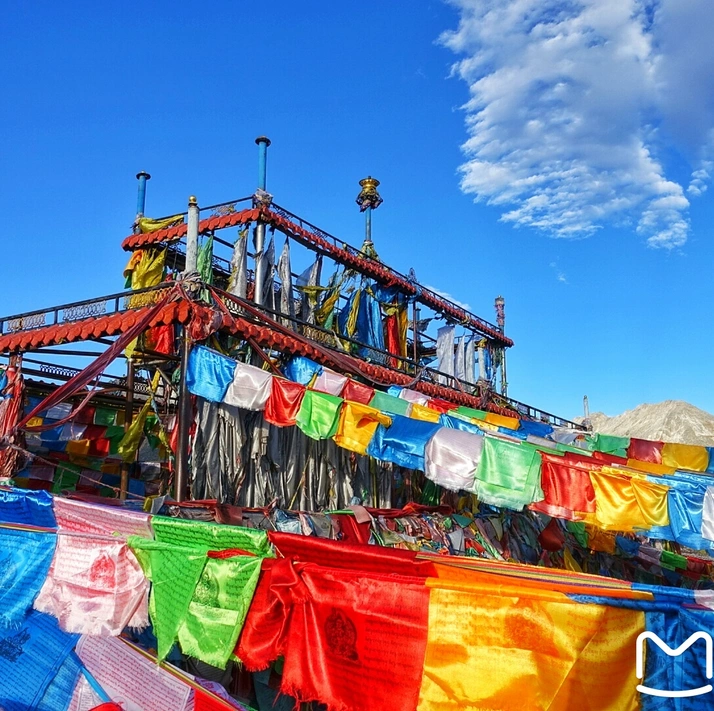
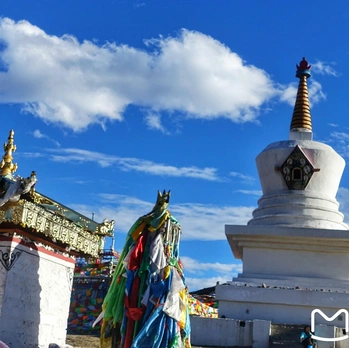
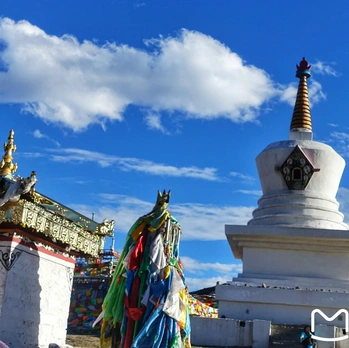
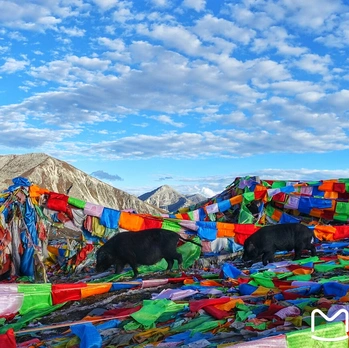
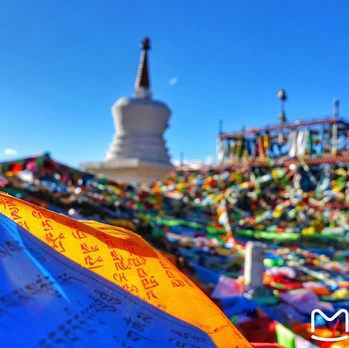
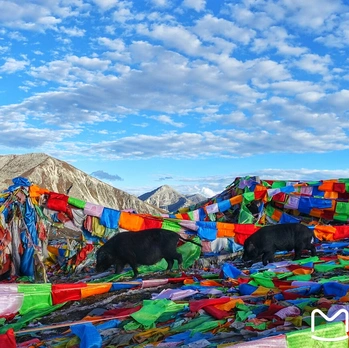
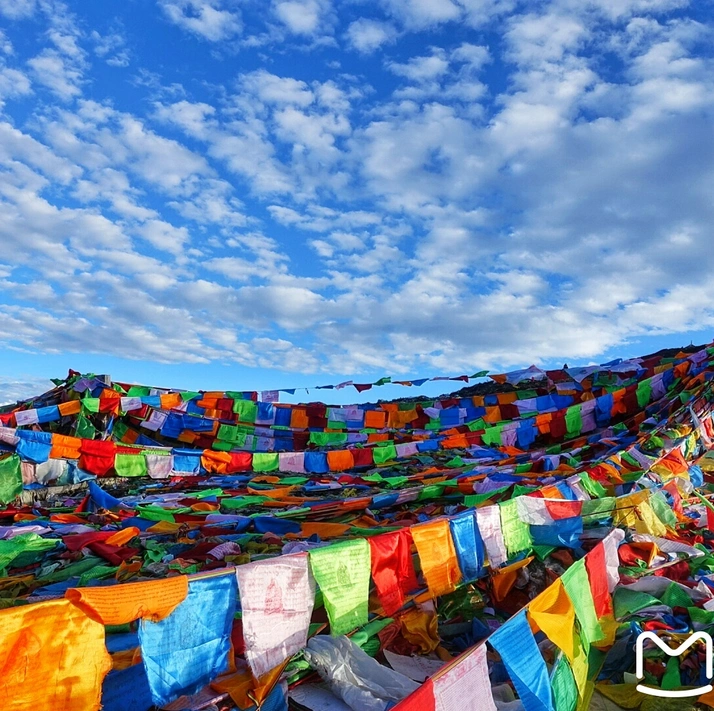
At the pass, there's a viewing platform and a stone staircase leading straight to the summit. Colorful prayer flags rustle loudly in the wind, their sound like ancient Sanskrit chants from a thousand years ago. The wind at the summit is strong and the temperature low—you absolutely need a thick coat, and preferably a hat too. Otherwise, the wind will give you a headache, and even the most stunning scenery won't be enjoyable.
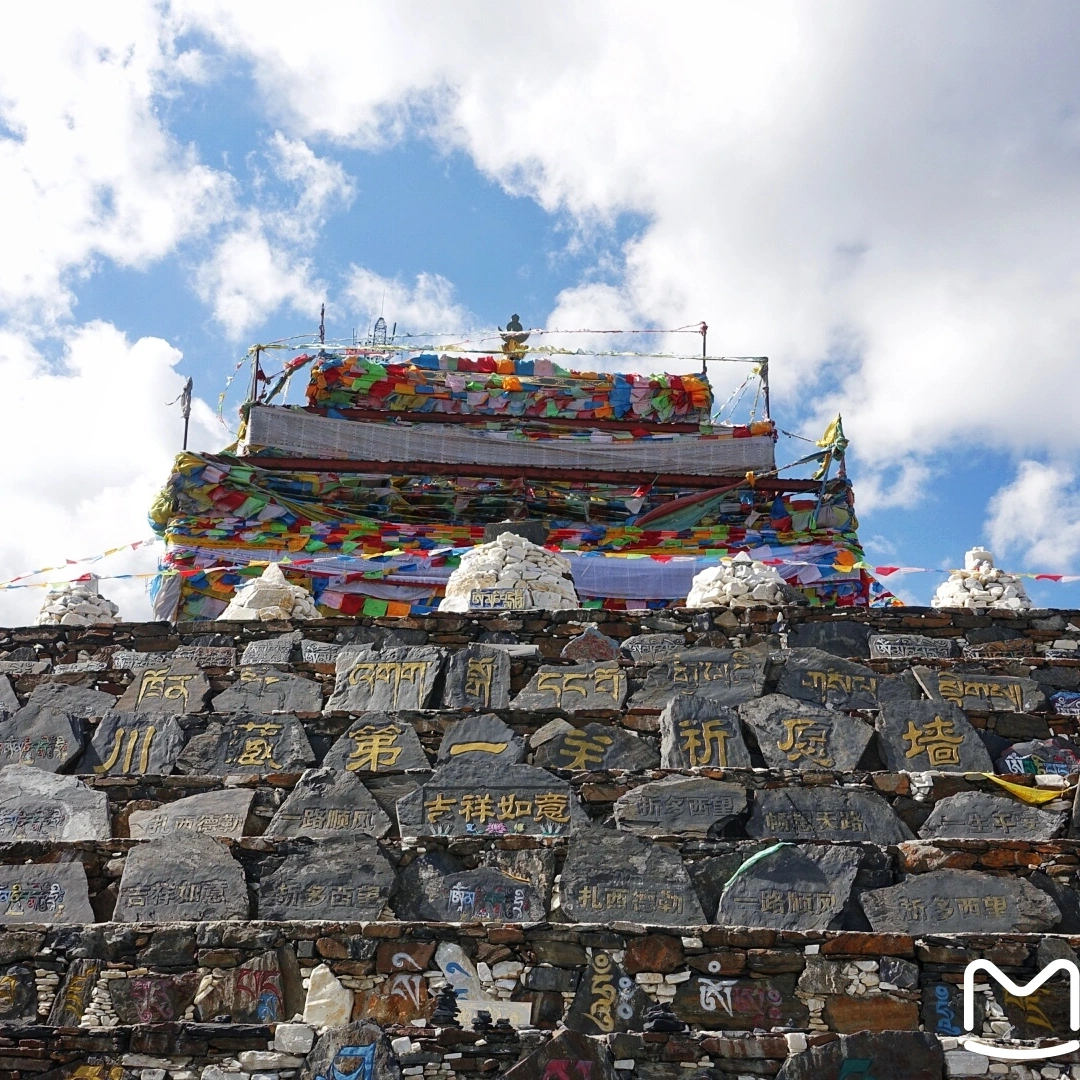
We were lucky when we arrived—blue skies, white clouds, and crystal-clear air. A few wild pigs walked calmly beside the prayer flags, completely ignoring the passing tourists, as if we were the strangers intruding on their territory. As we climbed the stone steps, we saw piles of mani stones of all sizes along the path, each one looking like it had been carefully placed by someone. [Link: Altitude sickness prevention tips]
Muniya Holy Land: A Belated Spring Confession in July
The July Flower Sea at 3,800 Meters
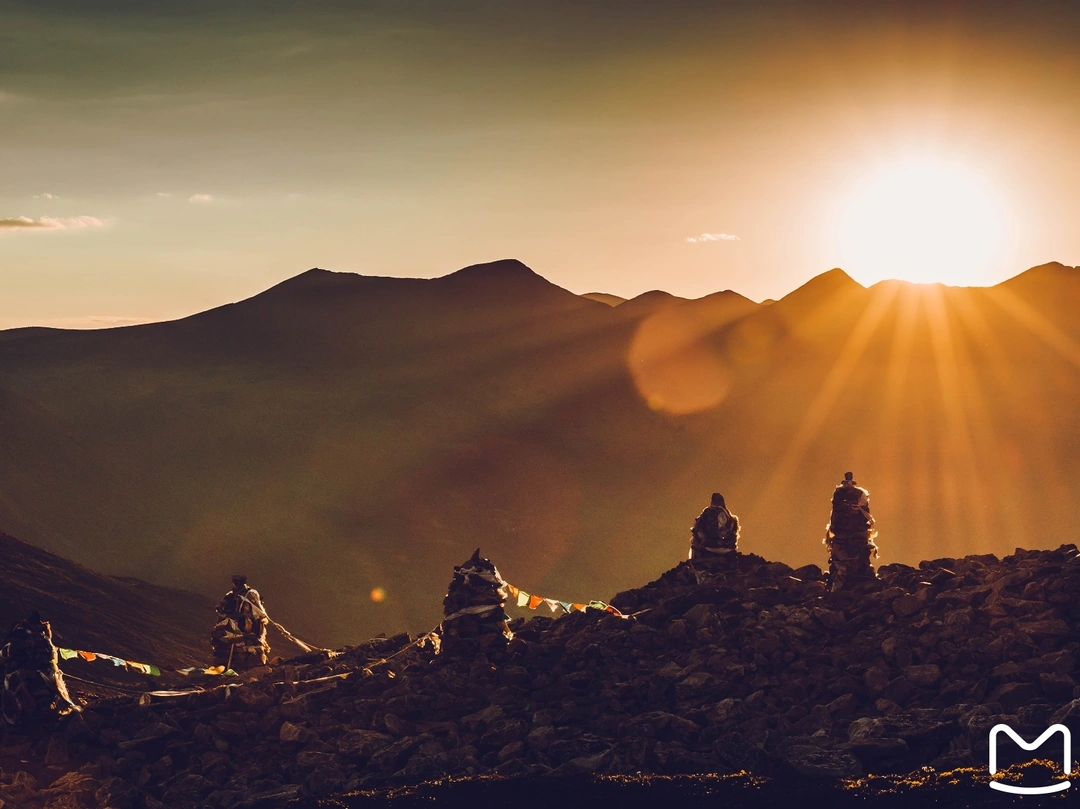
At dusk, the sun hung at the edge of the sky, and the little white flowers on the asphalt road were dyed golden. The moment I pressed the shutter, a distant passerby was frozen into a painting. I reached out, trying to touch that sliver of sunset, but only scattered light slipped through my fingers, falling onto the wide road of Muniya—dappled and brilliant.
Muniya—an ancient name. In Tibetan history, in the Epic of King Gesar, it holds a significant place. On this meadow at 3,800 meters above sea level lies Muniya Holy Land—the first scenic area in Garzê Prefecture to blend folk customs with natural landscapes—slowly becoming known to the world.
Legends and History of Muniya Holy Land
Legend has it that this was once a resting place for the Muniya Princess when she entered and left the pass, and also her summer palace for mountain pilgrimages and flower viewing. It was also where Rurong Jiamuzun meditated and sought enlightenment, and an important post station on the ancient Tea Horse Road.
We came here in July, just to escape the scorched city. The plateau sky never disappoints—it comes with its own filter, dreamlike and surreal. The colorful mani stones sparkled in the sunlight, so sacred that we hardly dared to speak loudly.
The Makeup Lake and 360-Degree Viewing Platform
Following the direction of the prayer wheels, we walked along the boardwalk toward the lake. Two oval-shaped lakes shimmered under the sun, their deep blue waters lying quietly in the valley. I heard that this was where the Muniya Princess used to do her makeup. In an era without mirrors, this lake water was like the magic mirror in Snow White, always reflecting the princess at her most beautiful.
At the summit, there was a 360-degree viewing platform surrounded by mountains. The连绵 mountain ranges emitted colorful hues under the sunlight. The light purple rhododendrons were in full bloom, and in the cold wind, the purple waves surged like ocean tides. How vast the world is, how broad the heart can be—but what remains unforgettable is just a meadow full of flowers.
Where to Stay Near Muniya Holy Land
There's no accommodation inside the Muniya scenic area, but just to the right of the main gate is the Jiamuzun Resort Hotel. These Tibetan-style villas are surrounded by wildflowers in a riot of colors. The private courtyards are perfect for relaxation while ensuring privacy. Meals are served at the restaurant near the entrance—you can order dishes, and the food is decent. [Link: Tibetan-style accommodation recommendations]
Xiabaisang Farm: Horses, Yaks, and Freedom on the Grassland
A Photographer's Paradise in July
Heading from Muniya toward Xinduqiao for about ten kilometers, you reach Xinduqiao, known as a "photographer's paradise." But in July, Xinduqiao lacks the stunning beauty of its autumn golden leaves, so we didn't linger. Instead, we stopped by the roadside wherever we saw plenty of livestock and just played around.
Free-Range Yaks and Horse Riding
The most common sight in Tibetan areas is the free-range yaks on the pastures. Like black pearls, they grazed leisurely on the grass. A few horses wandered freely, without reins or caretakers, their bells jingling crisply. Later, we learned that the owner had hung a bell on the lead horse's neck, and the others would follow the sound.
The place we stopped was called Xiabaisang Farm. On the flat grassland, colorful little flowers were blooming freely, swaying gently in the breeze. As the cattle lowered their heads, they'd bite off a mouthful of flowers in one go. The farm owner led a horse over and asked if we wanted to ride. A lap cost only thirty yuan—quite a bargain. But the horse was spirited, so we could only let the owner lead it for a short run—not quite satisfying. [Link: Horse riding safety tips]
Little Potala: Sutras on Stone, Faith in Flowing Water
The Mystery of the Mani Stones
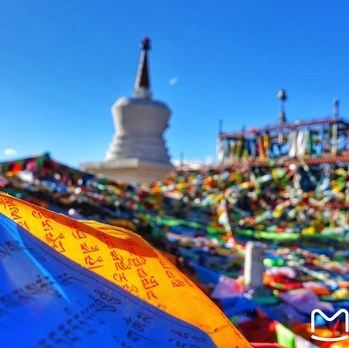
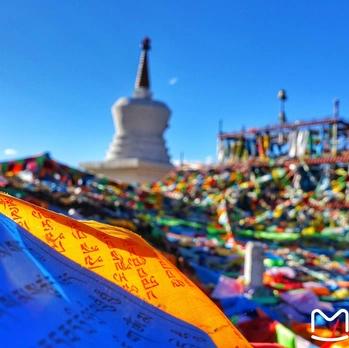
I guess I'll never break the habit of falling asleep in the car. I don't know how long passed, but just before reaching Tagong, we saw a hillside covered in mani stones, and even the river valley was filled with stones inscribed with sutras.
The stones were painted with sutras in black and white, giving them a unique character. Cool mountain springs flowed down from the summit, gurgling along the river channel. We thought for a long time but couldn't figure it out: Were the sutras painted on the stones before they were brought here, or were the stones already there and someone later painted the sutras on them?
This sacred site, known as Little Potala, is a testament to Tibetan Buddhist devotion. The combination of flowing water and inscribed stones creates a spiritual atmosphere that words can hardly capture. [Link: Tibetan Buddhist sites in Garzê]
Tagong Grassland and Bamei Town: The Heart of Western Sichuan
Tagong Grassland in July
Tagong Grassland is one of the most famous high-altitude grasslands in Western Sichuan. In July, it transforms into a carpet of green dotted with wildflowers. Yaks and sheep graze peacefully against a backdrop of snow-capped peaks. It's the perfect place for a picnic, a leisurely walk, or simply sitting and watching the clouds drift by.
Bamei Town: A Base for Exploration
Bamei Town serves as an excellent base for exploring the surrounding attractions. With its convenient location and range of accommodation options, it's where we stayed for several nights. From here, you can easily visit Moshi Park, Huiyuan Temple, and the Seka Township Flower Sea.
Frequently Asked Questions About Western Sichuan Plateau Travel
Q1: What is the best time to visit the Western Sichuan Plateau?
While many travelers visit in autumn for the golden leaves, July offers a unique "belated spring" experience with blooming rhododendrons, lush grasslands, and comfortable temperatures (10-20°C during the day). It's an ideal escape from summer heat.
Q2: How do I prevent altitude sickness on the plateau?
- Ascend gradually; spend a night at Kangding (2,600m) before going higher
- Stay hydrated and avoid alcohol
- Consider taking acetazolamide (Diamox) after consulting your doctor
- Carry portable oxygen canisters for emergencies
- Listen to your body; descend if symptoms worsen
Q3: What should I pack for a July trip to Western Sichuan?
- Clothing: Down jacket or heavy fleece (temperatures drop to near freezing at night), thermal layers, waterproof jacket, sun hat, woolen hat
- Footwear: Sturdy hiking boots with good grip
- Accessories: Sunglasses, SPF 50+ sunscreen, lip balm, reusable water bottle
- Health: Basic first aid kit, altitude sickness medication, pain relievers
Q4: Is it safe to drive on the Western Sichuan Plateau roads?
Roads are generally well-maintained, but mountain passes like Zheduo Mountain require caution. Hire a local driver if you're not experienced with high-altitude mountain driving. Check weather conditions before departure, as rain can cause landslides.
Q5: Can I visit these attractions without a tour group?
Yes, independent travel is possible. Renting a car with a driver is common and affordable. Alternatively, join a small group tour from Chengdu. Public buses connect major towns, but reaching remote attractions like Muniya Holy Land requires private transport.
Conclusion: Your Belated Spring Awaits on the Western Sichuan Plateau
The Western Sichuan Plateau in July is not just a destination—it's a transformation. From the winding turns of Zheduo Mountain to the sacred lakes of Muniya Holy Land, from the free-roaming yaks of Xiabaisang Farm to the prayer flags fluttering in the wind, every moment feels like stepping into a living painting.
Whether you're a seasoned traveler or a first-time visitor to high altitudes, this July Western Sichuan itinerary offers the perfect blend of natural beauty, cultural immersion, and adventure. The plateau's "belated spring" is a gift waiting to be unwrapped.
Ready to plan your escape? Book your Chengdu-to-Western-Sichuan tour today and experience the magic of July on the plateau. [Link: Book a Western Sichuan tour] or [Link: Customize your itinerary]
Have you visited the Western Sichuan Plateau in July? Share your experience in the comments below!
Keywords used: Western Sichuan Plateau travel guide, July Western Sichuan itinerary, Muniya Holy Land flower sea, Zheduo Mountain pass, Tagong Grassland, Western Sichuan Plateau altitude tips, belated spring plateau, Sichuan-Tibet Highway July, Garzê Prefecture attractions
You may also like


