Joy in the Land of Abundance, Yearning for Chengdu: A City Where Time Slows Down
Here is the SEO-optimized article, rewritten and expanded to approximately 1500 words. It maintains the poetic essence of the original while structuring it for search engine visibility and user engagement.
Joy in the Land of Abundance, Yearning for Chengdu: A City Where Time Slows Down
Meta Description: Discover the joy of Chengdu, the Land of Abundance. From Wuhou Shrine’s red walls to winter Jinli’s spicy snacks, explore a city where time slows down. Plan your trip with our expert guide.
Introduction: Echoes of a Millennium in the Land of Abundance
On the vast map of China, there lies a fertile land embraced by mountains and nourished by rivers—Sichuan. Since ancient times, this region has been a strategic prize for military powers. From the Qin state using the Bashu granary to conquer the Central Plains, to Liu Bang "stockpiling grain and biding his time" in Sichuan before defeating Xiang Yu; from the Mongol army sailing down the Yangtze River to destroy the Southern Song, to Chongqing becoming the rear-guard stronghold during the War of Resistance Against Japan—history has proven time and again that this land's strategic value is irreplaceable.
But the charm of Chengdu goes far beyond its strategic importance. The people here live with clarity, ease, and a deep appreciation for life's pleasures. A bowl of cold noodles with a pot of hot tea in the morning, chatting and playing mahjong before noon, strolling through gardens and getting an ear-cleaning in the afternoon, wandering through shopping districts in the evening, and finishing the day with hotpot and rabbit heads—this rhythm of life makes countless outsiders both envious and yearning.
Today, I want to take you into Chengdu—a nationally renowned historical and cultural city with a 5,000-year civilization. The song "Chengdu" has made countless people dream of this city where time slows down, and I, too, finally set foot on this long-yearned-for land before the arrival of 2026.
First Encounter with the Hibiscus City: A Warm Choice in Winter
As a popular tourist destination, Chengdu tourism sees a constant stream of visitors year-round. How to avoid the crowds and choose the right time? After careful consideration, I decided to set off on the weekend around the Beginning of Winter (Li Dong). This timing was clever: while everyone was planning their New Year holiday, they overlooked this traditional solar term.
In winter, flight tickets to Chengdu are affordable, and hotel accommodations are reasonably priced. The only thing you have to endure is the cold, rainy weather. My advice: choose a hotel near a metro station for easy travel; either book ahead at popular restaurants or line up early; bring enough warm clothes, and for the rest—just go with the flow.
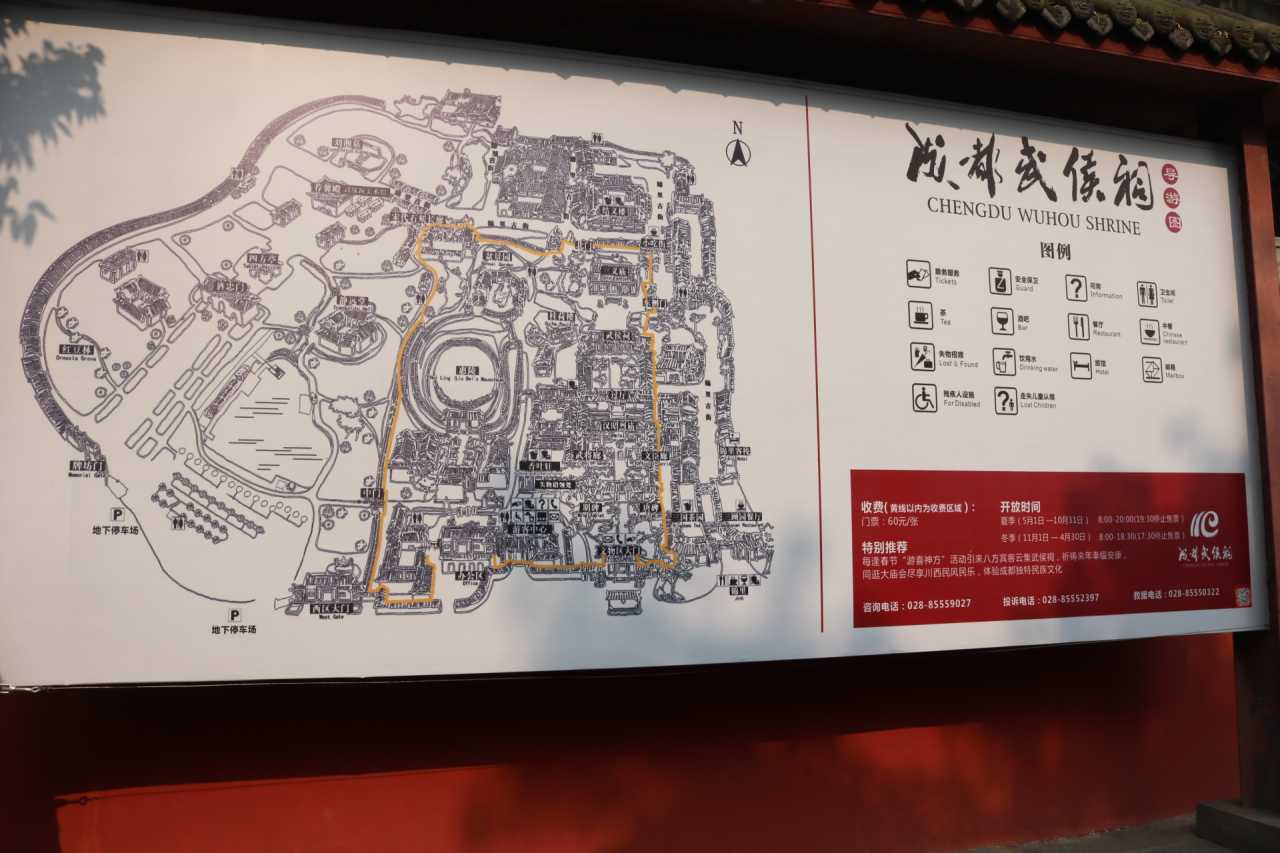
In the early morning, I took off through the mist, flying over strange peaks and jagged rocks, and finally landed at Chengdu Shuangliu International Airport. Metro Line 10 and then Bus 57 took me into the city. Outside the window, the outlines of Wuhou Shrine and Jinli Ancient Street appeared faintly—exactly my destination for the day.
The hotel was chosen along the South River, with convenient transportation and a cluster of snack stalls. One side faced a lively street, while the other side was a quiet residential area, perfect for rest. The only thing that gave me pause was the several hospitals nearby. But what really caught my eye was the clustering of mahjong parlors and safe deposit box shops on the street. I couldn't help but imagine: Chengdu people love to play, and they lock their mahjong winnings in safes—just a joke, of course.
Huangchengba Snacks: A First Taste on the Tip of the Tongue
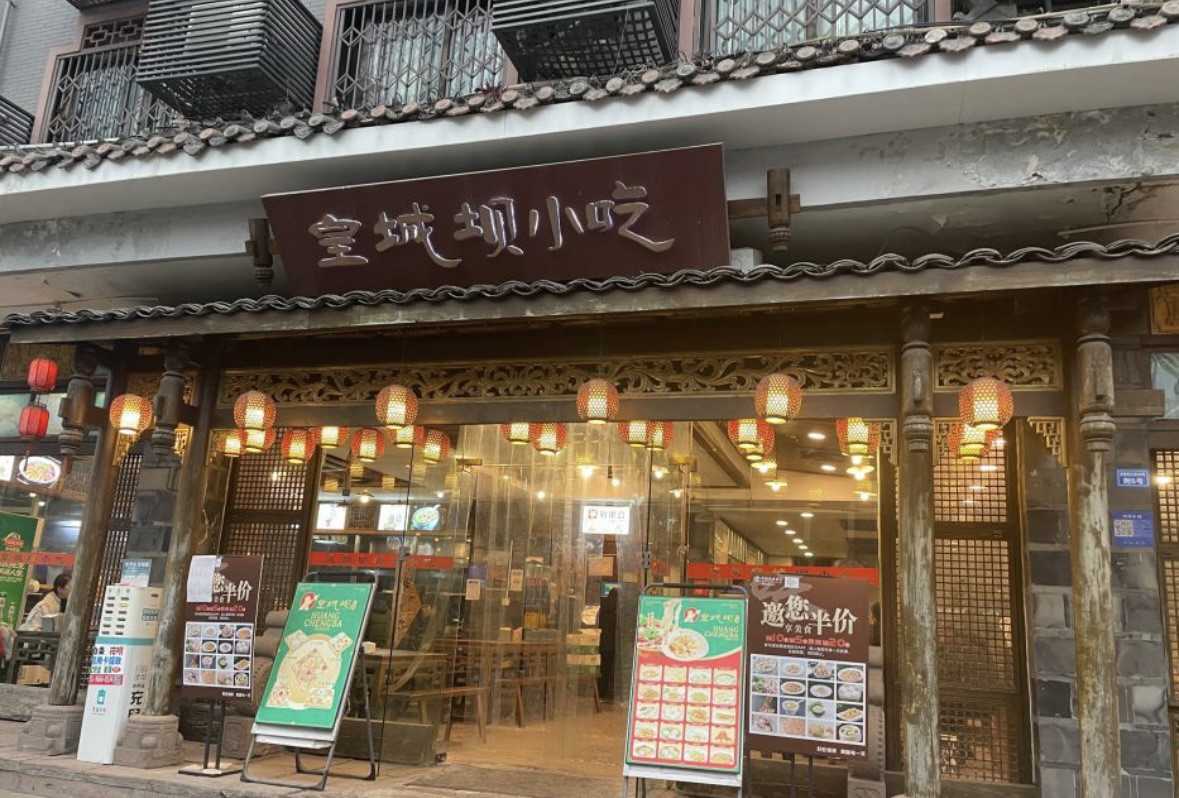
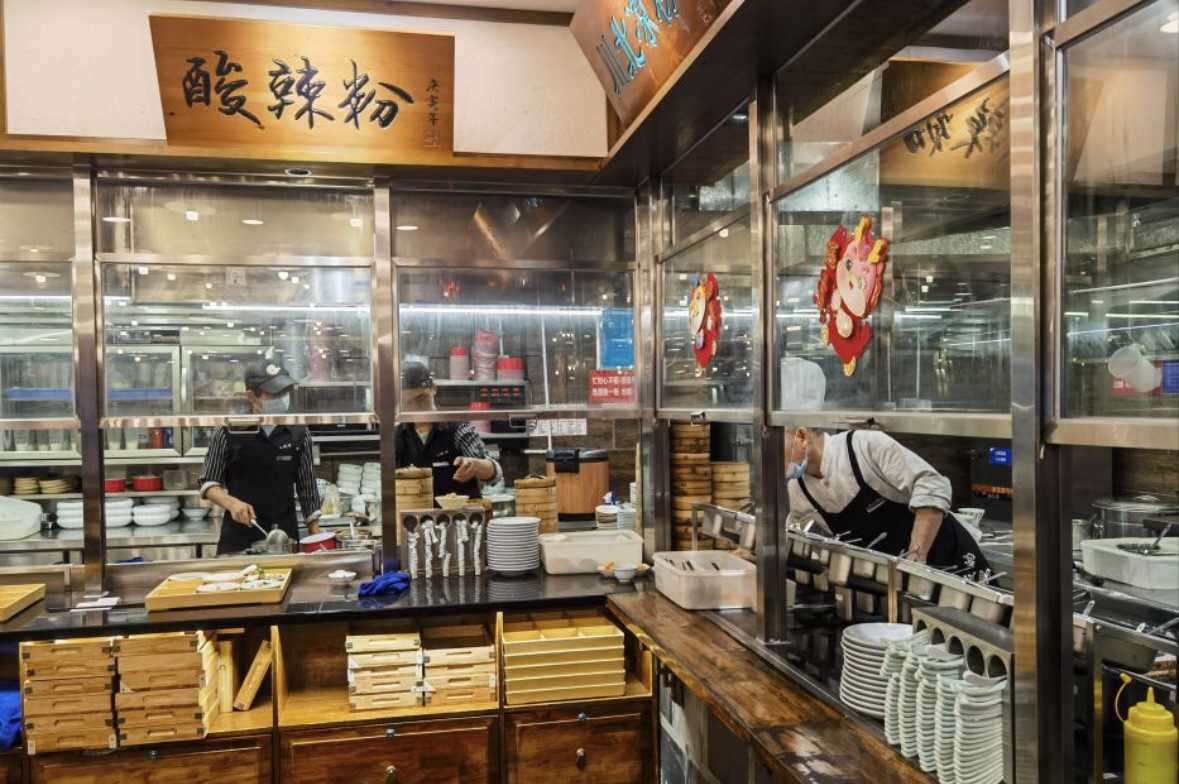
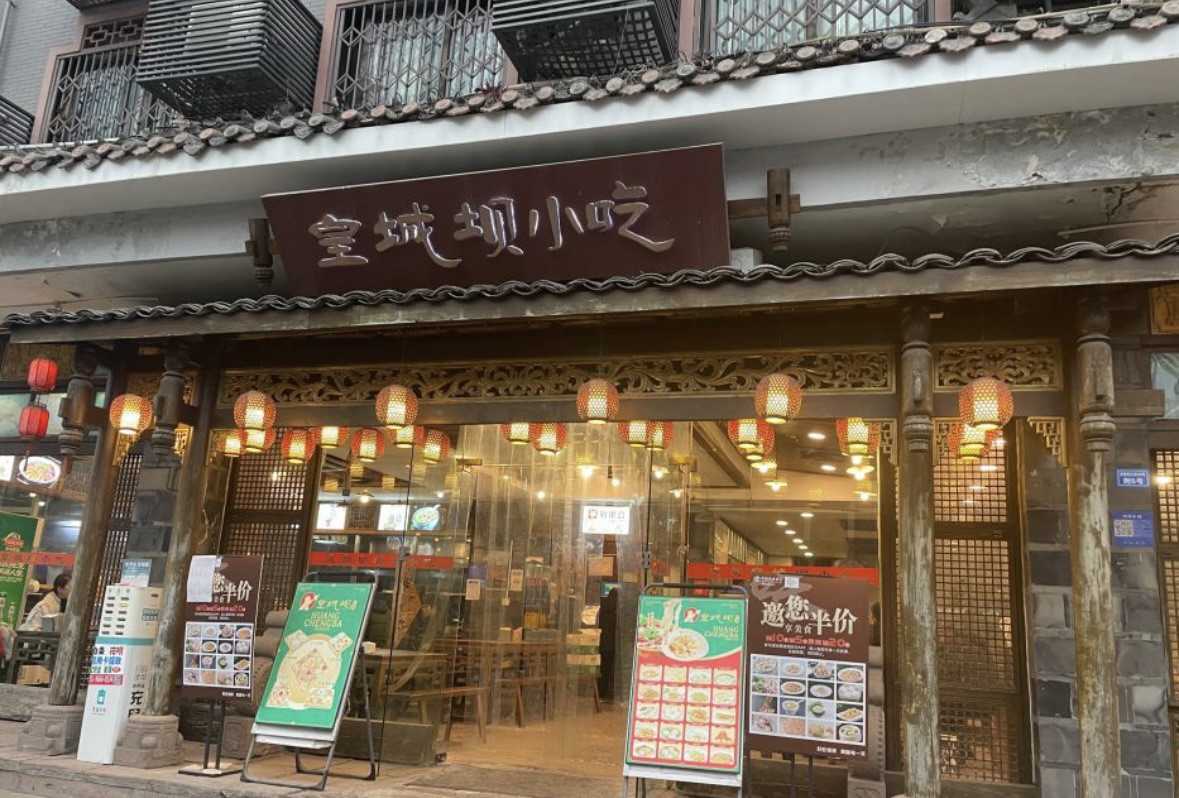
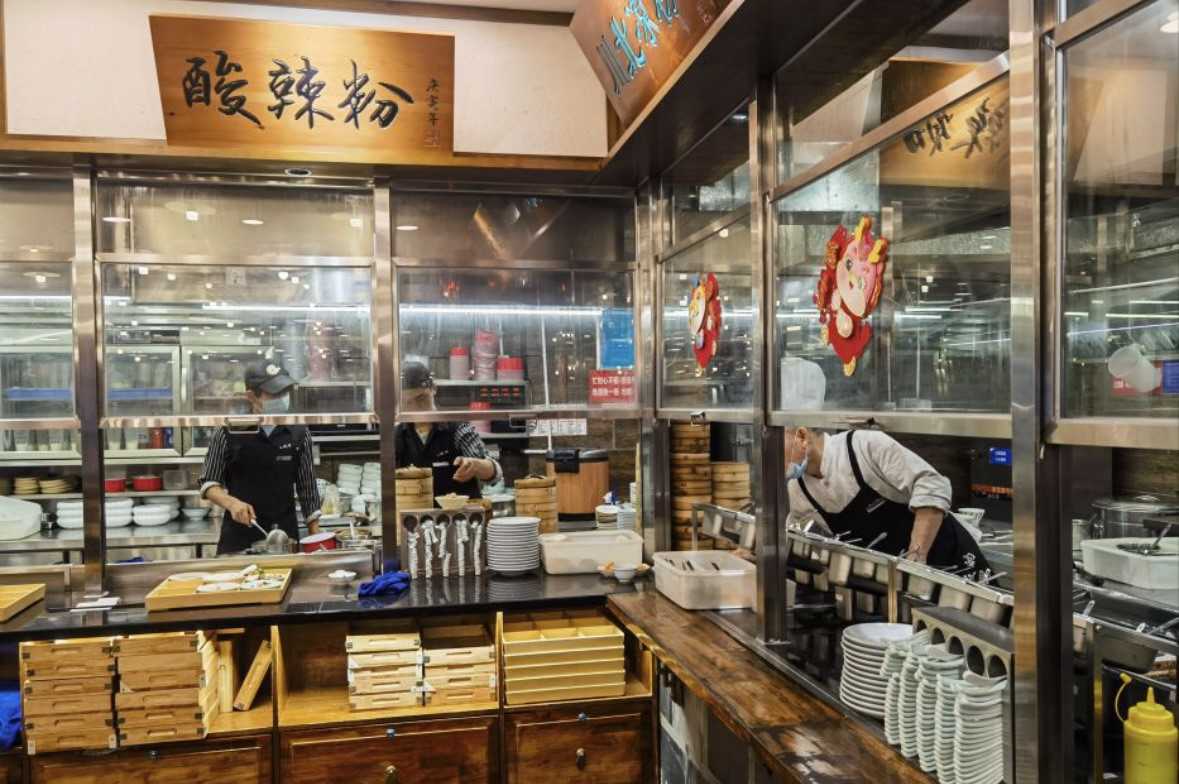
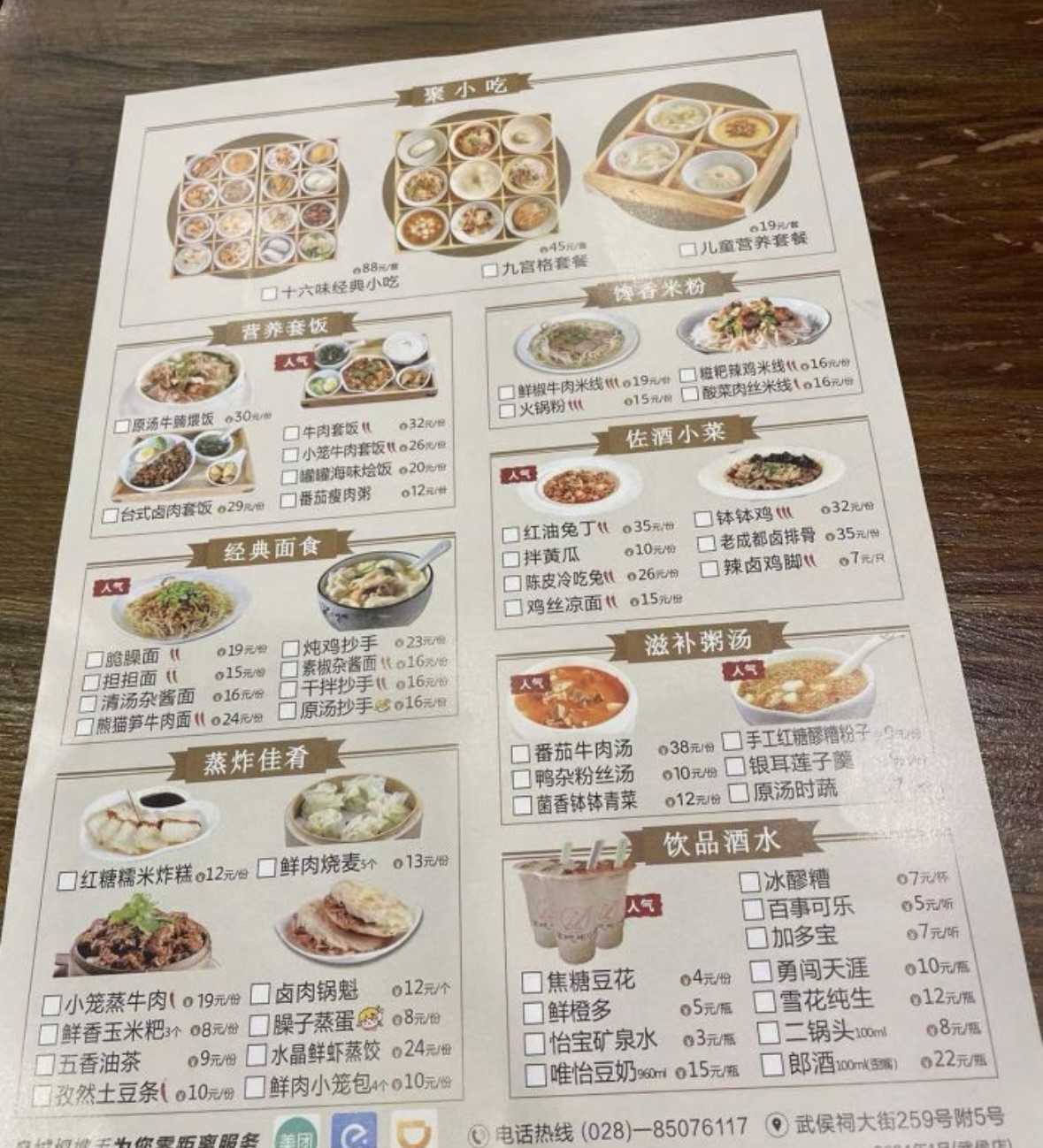
For my first meal in Chengdu, I chose Huangchengba Snacks (皇城坝小吃). This eatery was tucked away on the ground floor of a residential building, with wooden tables and long benches. In the open kitchen, chefs prepared dishes right in front of you. Warm yellow lanterns cast a glow on the wooden ceiling, and hanging signs reading "甜水面 (Sweet Water Noodles)" and "川北凉粉 (Northern Sichuan Cold Noodles)" swayed like market banners.

The signature dishes were, naturally, noodles and cold noodles. The 川北凉粉 (Northern Sichuan Cold Noodles) were crystal clear, with a fragrant chili oil that wasn't too harsh. The 甜水面 (Sweet Water Noodles) were coated in sesame paste and red chili oil, so chewy that your chopsticks would tangle. One sweet, one spicy; one cold, one hot—it was the perfect opening act for the taste buds.
[Link: Best street food in Chengdu]
Wuhou Shrine: A Bond Between Ruler and Minister Amid Red Walls and Bamboo Shadows
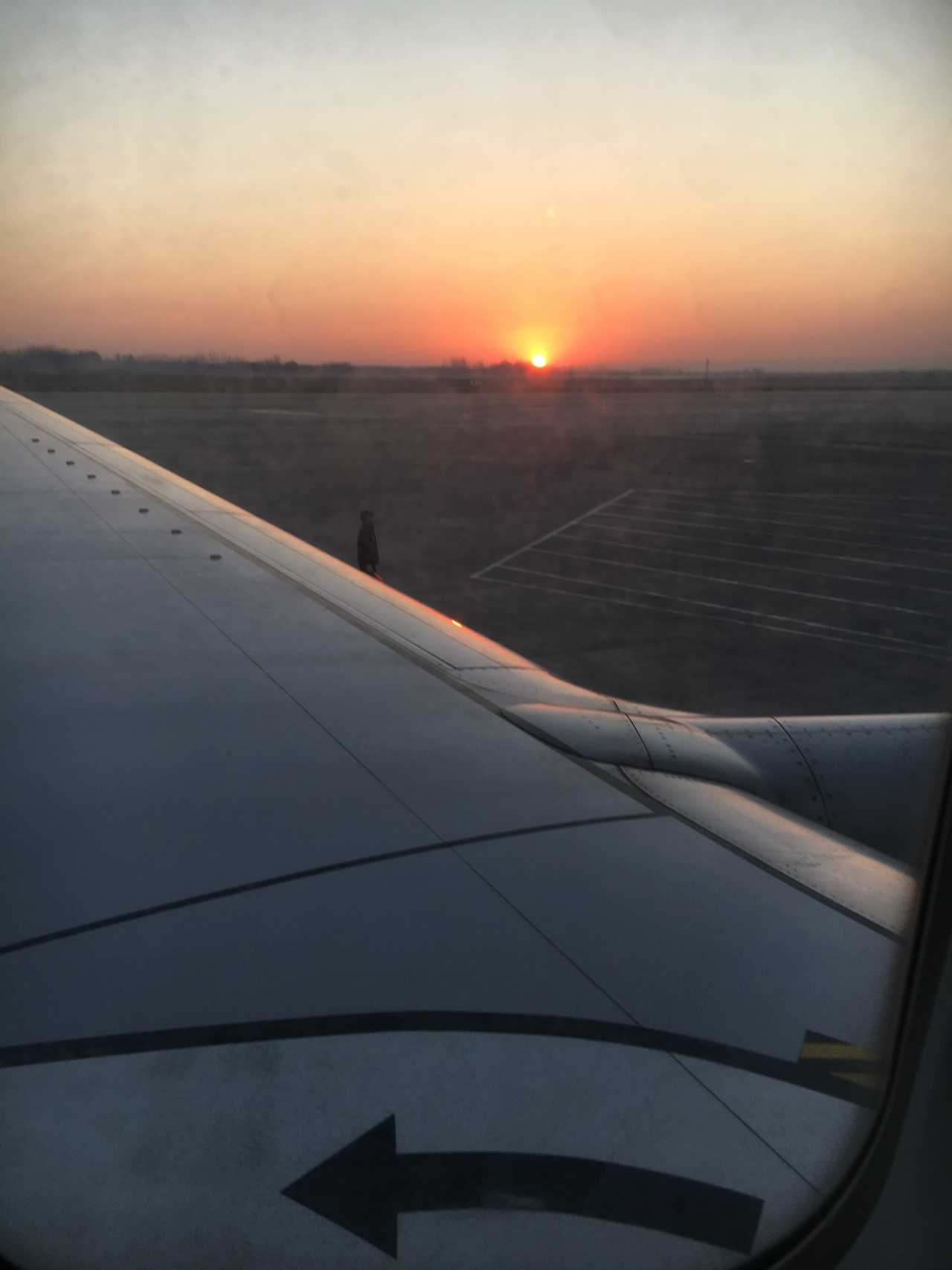
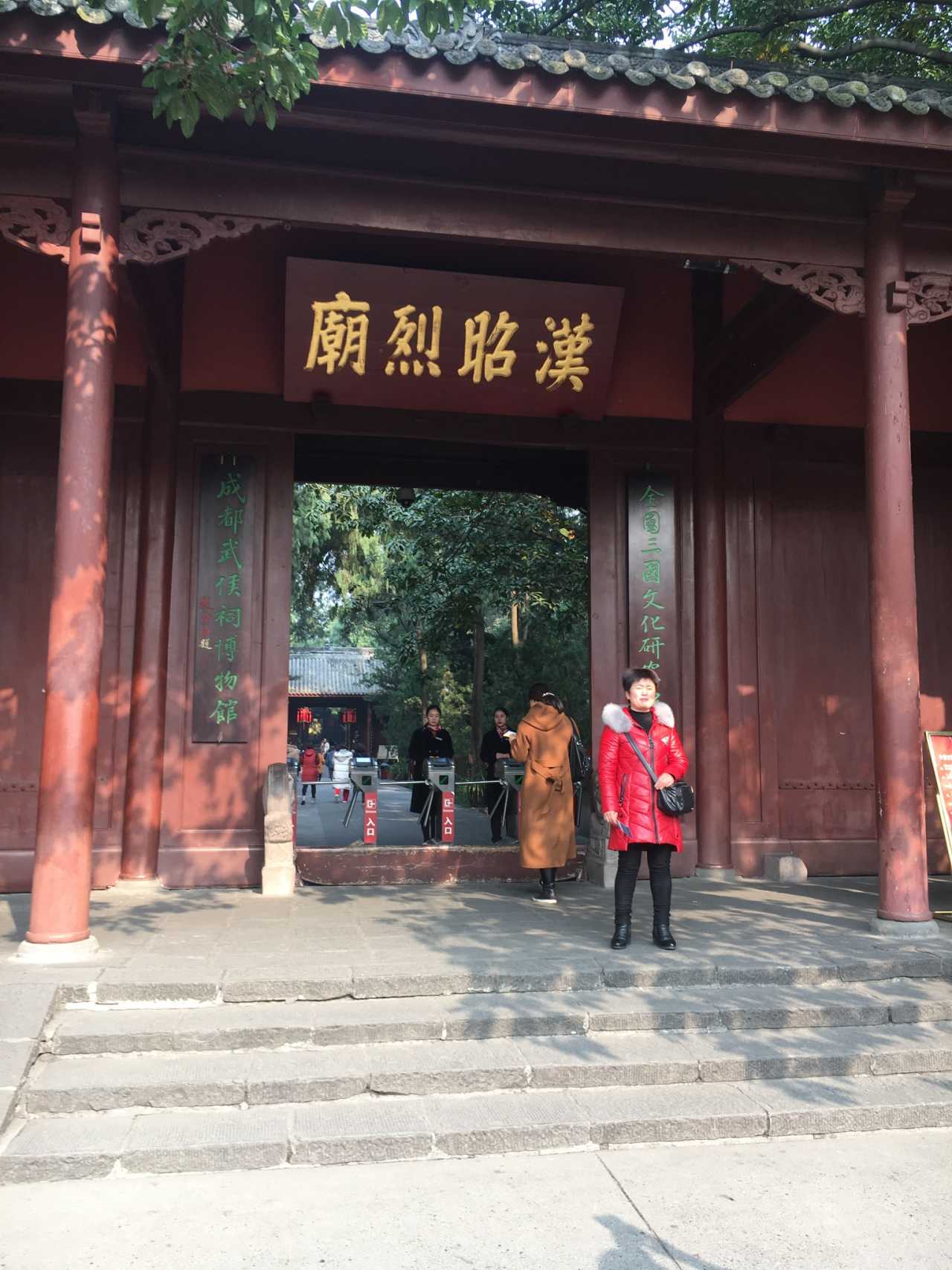
Passing through the bustling snack street of Jinli, I stepped into Wuhou Shrine—the only temple in China dedicated to both a ruler and his minister. Red walls, bamboo shadows, and ancient trees reaching for the sky—this place embodies the eternal reverence for wisdom and loyalty.
Wuhou Shrine history dates back to the late Western Jin dynasty, when the emperor Li Xiong of the Cheng-Han kingdom built the first Wuhou Shrine in the Lesser City of Chengdu. During the early Ming dynasty, it was merged with the temple honoring Liu Bei, the Han Zhaolie Temple, creating the unique "co-worship of ruler and minister" layout.
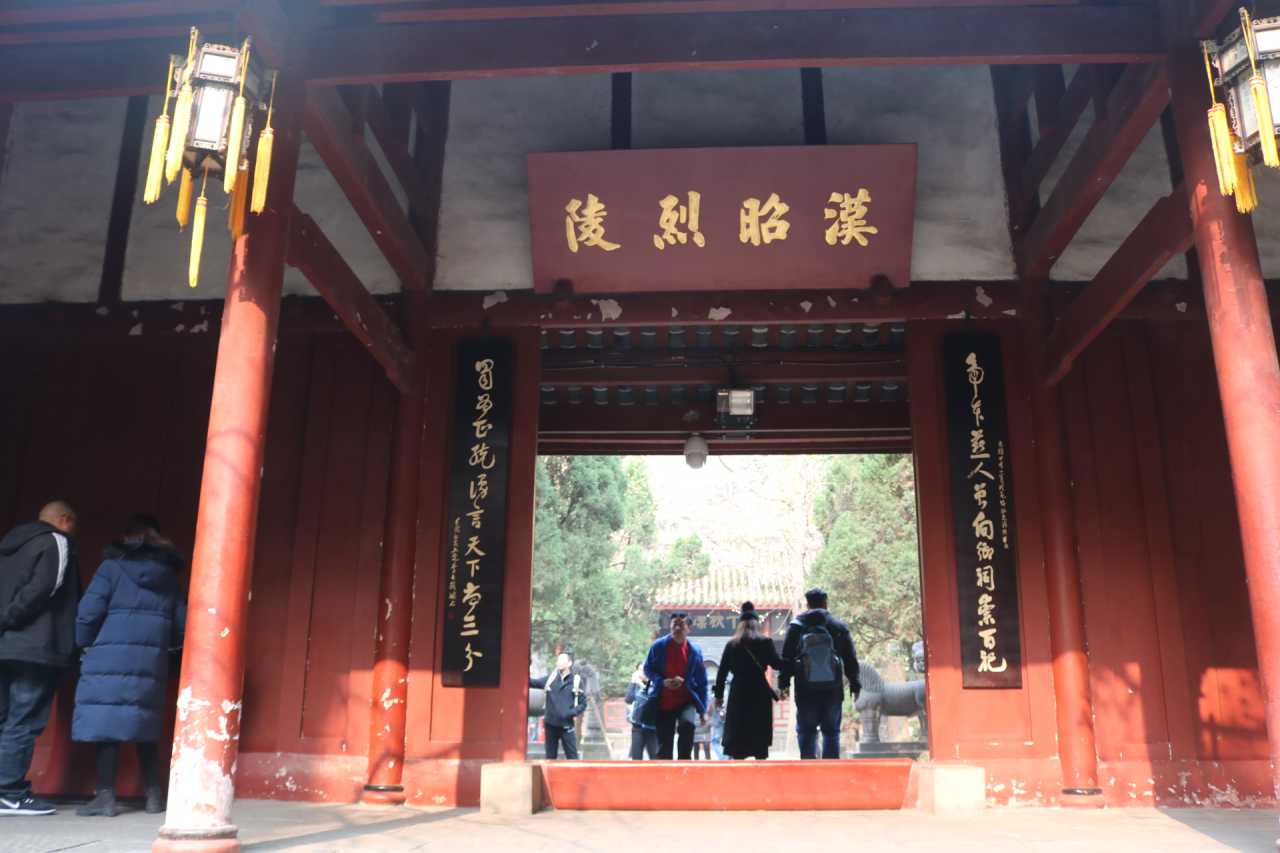
As you enter the main gate, the golden plaque reading "汉昭烈庙 (Han Zhaolie Temple)" hangs high, signifying that this site honors both Zhuge Liang's wisdom and Liu Bei's talent for recognizing and using capable people. Walking along the sacred path, six stone tablets stand in silence. The most famous is the "Three Wonders Stele"—the text written by Pei Du, a prime minister of the Tang dynasty; the calligraphy by Liu Gongchuo, a renowned calligrapher; and the carving by the artisan Lu Jian.
Inside Liu Bei's Hall, a gilded clay statue of Liu Bei sits three meters tall, dignified and solemn. Interestingly, his son Liu Shan is not enshrined here—because his surrender to the Western Jin led to the fall of Shu Han, later generations deemed him unworthy of incense offerings. This detail reflects the Chinese standard for evaluating historical figures: loyalty and integrity matter far more than status or position.
Passing through Liu Bei's Hall, you enter Zhuge Liang's Hall. Inside, a seated statue of Zhuge Liang, holding a feather fan and wearing a silk headband, looks scholarly and wise. The most famous item in the hall is a couplet written by Zhao Fan of the Qing dynasty: "If you can win hearts, opposition will naturally dissolve; from ancient times, those who know war are not fond of fighting. If you don't assess the situation, both leniency and strictness will be wrong; future rulers of Shu must think deeply."
Wuhou Shrine is filled with ancient trees. The "Huiling" sacred path, lined with red walls and green bamboo, is a famous photo spot. Huiling is Liu Bei's tomb, with a burial mound 12 meters high and 180 meters in circumference, surrounded by pines and cypresses, solemn and majestic.
Today, Wuhou Shrine has transcended its role as a historical site. People come here not just to pay homage, but to seek the spiritual strength of "doing one's utmost." Within the red walls lies a thousand years of history; beneath the bamboo is the legacy of wisdom and loyalty—these stories, spanning time, still shine with undying brilliance today.
[Link: Top historical sites in Chengdu]
Winter Jinli: Delicacies That Can't Be Wrapped in a Cotton Coat
Jinli Ancient Street, the oldest and most commercially vibrant street in Western Shu history, is known as the "First Street of Western Shu." Its name comes from the Shu Han kingdom's Brocade Official City—Zhuge Liang, to boost the economy, gathered the brocade-weaving industry here, establishing the first "industrial development zone" in Chinese history.
In winter, Jinli Ancient Street transforms into a wonderland of warmth. The cold air carries the aroma of sizzling skewers, bubbling hotpot, and freshly fried pastries. Vendors line the cobblestone paths, offering everything from spicy rabbit heads to sweet glutinous rice balls. The atmosphere is festive, with red lanterns swaying in the wind and the chatter of locals and tourists mixing in the air.
Walking through Jinli, you can't help but notice the contrast: the cold air bites your cheeks, but the heat from the food warms your hands and stomach. It's a sensory experience that defines Chengdu food culture—bold, spicy, and unapologetically joyful.
[Link: Things to do in Chengdu at night]
Why Chengdu is the City Where Time Slows Down
The phrase "Chengdu where time slows down" is not just a poetic cliché—it's a lived reality. The city's pace is deliberate, almost meditative. People linger over tea, play mahjong for hours, and treat meals as multi-hour social events. This is the Land of Abundance in action: not just in material wealth, but in the wealth of time spent enjoying life.
The Sichuanese "no spice, no joy" food culture is deeply tied to the region's humid, foggy climate and the historical "Huguang Fills Sichuan" migration. Chili peppers, introduced from Hunan, found their perfect stage here. Eating spicy food is not just about flavor—it's about generating internal heat to combat the external dampness. It's a philosophy of balance that extends to every aspect of life.
FAQ: Planning Your Trip to Chengdu
1. What is the best time to visit Chengdu?
 The best times are spring (March to May) and autumn (September to November) when the weather is mild. However, winter offers fewer crowds and lower prices, making it a great choice for budget travelers.
2. How many days do you need in Chengdu?
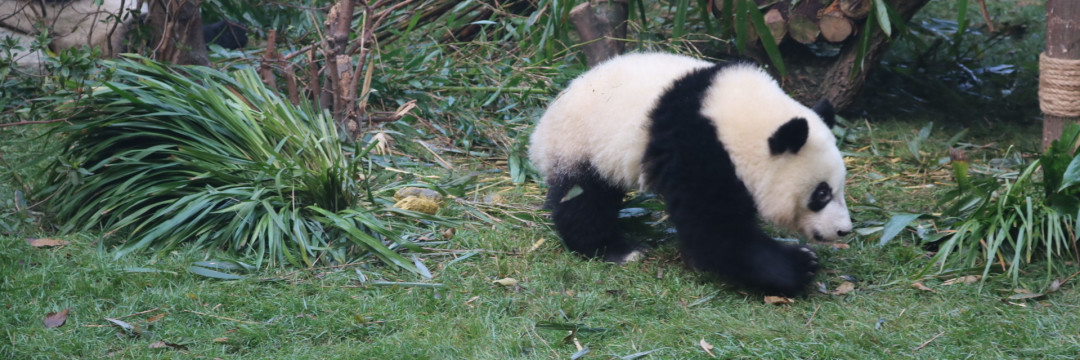
 A 3-4 day itinerary is ideal to cover major attractions like Wuhou Shrine, Jinli Ancient Street, Kuanzhai Alley, and the Chengdu Research Base of Giant Panda Breeding.
3. Is Chengdu expensive for tourists?
 No, Chengdu is relatively affordable. Street food is cheap, public transportation is efficient, and hotel prices are reasonable, especially outside peak season.
4. What are must-try dishes in Chengdu?
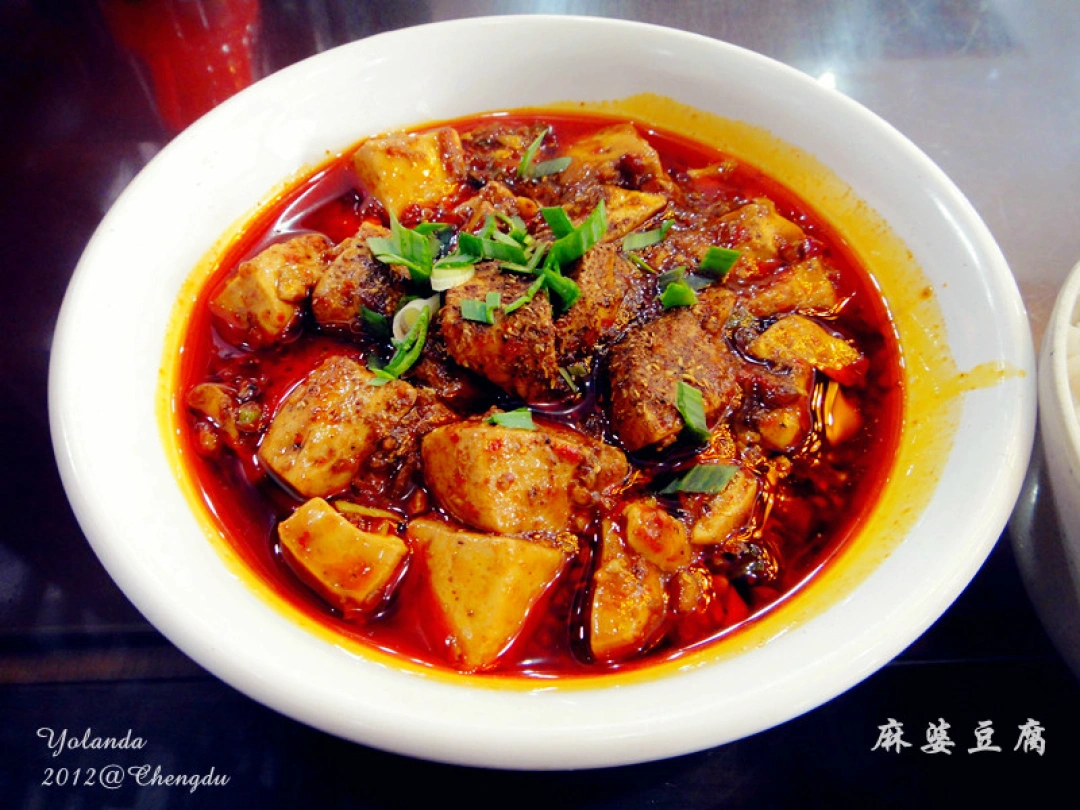
 Don't miss Mapo Tofu, Kung Pao Chicken, Dan Dan Noodles, Hotpot, and Rabbit Head. For a quick snack, try Sweet Water Noodles and Northern Sichuan Cold Noodles.
5. How do I get around Chengdu?
The Chengdu Metro is extensive and easy to use. Buses and taxis are also available. For a more local experience, rent a bike or use ride-hailing apps.
[Link: Chengdu travel itinerary for 3 days]
Conclusion: Your Journey to the Land of Abundance Awaits
From the ancient red walls of Wuhou Shrine to the bustling lanes of Jinli Ancient Street, from the fiery heat of a hotpot to the quiet hum of a mahjong table—Chengdu is a city that invites you to slow down, savor, and smile. It is a place where history lives in the present, and where joy is found in the simplest moments.
So pack your bags, book your flight, and come experience the Joy in the Land of Abundance. Whether you're a history buff, a food lover, or simply someone in need of a slower pace, Chengdu has something for you.
Call to Action: Ready to explore the Land of Abundance? Start planning your Chengdu travel guide today. Book your hotel, map your route, and get ready to fall in love with a city where time truly slows down. Don’t wait—your Chengdu adventure begins now.