Journey to Tibet: 5,000 Kilometers of Family Memories That Will Last a Lifetime
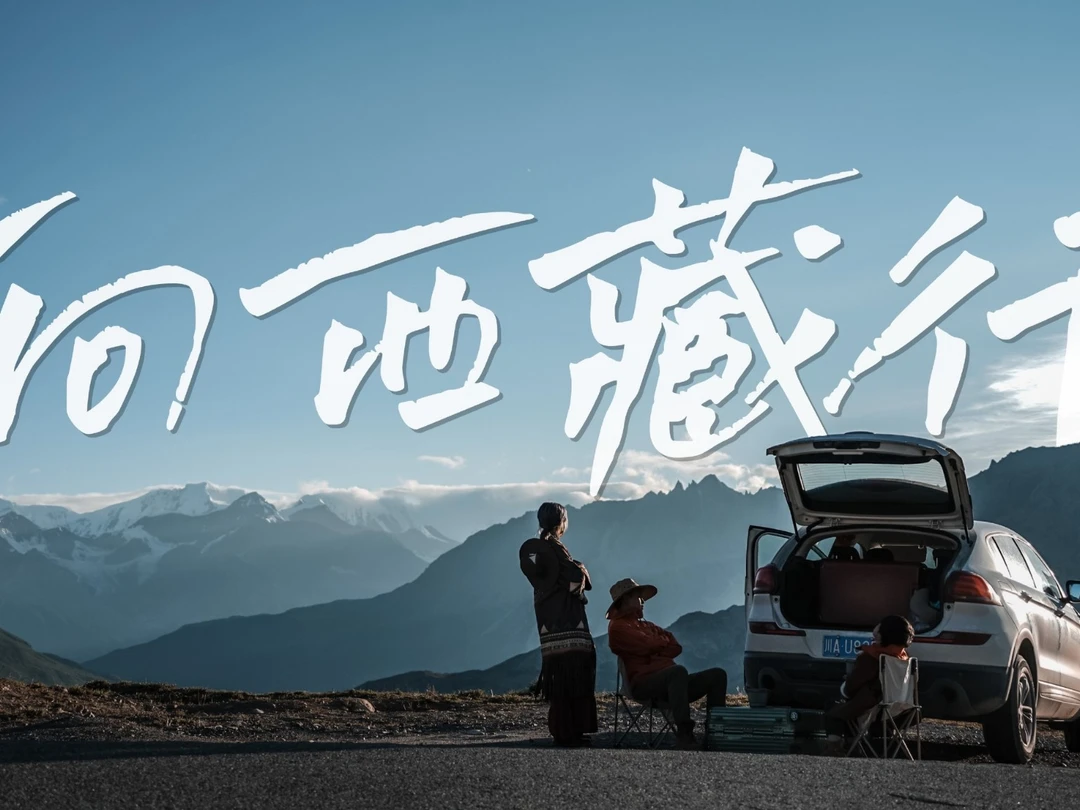
Meta Description: Planning a Tibet road trip with family? Discover our 20-day, 5,000-km journey on the Sichuan-Tibet Highway, with practical tips on altitude sickness, must-see stops, and how to make memories that last forever.
Introduction: Why We Chose Tibet for Our Family Road Trip
Some say there are only two kinds of road trip mileage in Tibet: zero, or infinity. Once you set foot on that land and catch a glimpse of its scenery, a seed is planted deep in your heart—one that drives you to set out again and again, until you finally reach that destination called "Lhasa."
My husband Lao Zhao and I have been married for 18 years, and our combined road trip mileage has long surpassed 300,000 kilometers. We have a 7-year-old son named Tata. The three of us—one family, one car, carrying an obsession with distant places—embarked on this 5,000-kilometer journey. Not to cleanse our souls, but to fulfill a promise—to give ourselves an answer.
This trip had mudslides, traffic jams, altitude sickness, but also golden mountains at sunrise, a river of stars, and our child's 8th birthday wish. Twenty days, 480 hours—those seemingly insignificant moments have become our most precious collection for the rest of our lives.
Why Tibet? The Deeper Meaning Behind Our Family Adventure
We had traveled to western Sichuan three times before, but we could never cross that threshold leading into Tibet. Something always felt missing, as if life owed us an answer. This time, we brought Tata along and set a firm goal: "We won't turn back until we reach Lhasa."
Beyond our obsession with the Sichuan-Tibet Highway, there was a warmer reason for this journey: to let Tata celebrate his 8th birthday in Lhasa. We wanted to give him a shining childhood memory, to let him know that the world is vast, but home is small—small enough that one car and three people can hold all the happiness.
Our last long-distance trip was the fireworks festival in Japan before the pandemic. Time flies. Tata has grown from a little one who needed to be carried everywhere into a boy who can build his own mani piles. We don't want to miss a single moment of his growth, and even less do we want to miss any opportunity to see the world together with him.
[Link: Family-friendly Tibet travel tips]
Tibet Road Trip Route: The Classic Sichuan-Tibet Highway 318
We took the classic southern route of National Highway 318, departing from Chengdu and passing through Kangding, Xinduqiao, Litang, Batang, Baxoi, Rawu, Bomi, and Nyingchi, finally arriving in Lhasa. For the return trip, we originally planned to take Highway 317, but road conditions were poor, so we went back the same way. The silver lining was that we got to savor every place along the southern route twice—rushing on the way there, and taking photos on the way back. You could say we "thoroughly absorbed" this road.

The round trip was about 5,000+ kilometers. I recommend staying overnight in counties with lower altitudes, such as Kangding (about 2,600 meters), Batang (about 2,580 meters), Baxoi (about 3,260 meters), Bomi (about 2,750 meters), and Nyingchi (about 3,100 meters). These places have lower risks of altitude sickness. Xinduqiao (about 3,600 meters) has beautiful scenery, but its altitude is not low; Litang and Rawu are both above 4,000 meters—those with a history of altitude sickness should be cautious. Our family of three, except for Tata who felt a bit unwell in the first two days, was mostly lively and energetic afterward. So from the third day on, we freely chose our accommodations.
[Link: Best time to travel Tibet by car]
Chengdu to Ya'an: A Bowl of Wontons to Start the Journey
The first leg was from Chengdu to Ya'an, 130 kilometers, all for a bowl of wontons.
Qiaotoubao Wontons (Bridgehead Wontons) is an old shop we always wanted to visit on every trip to western Sichuan, but we always missed it because of tight schedules. This time, with Tata, we finally had a reason to "stop and eat." This shop used to be a barbershop. The owner was so good at cooking wontons and making Sichuan pepper chicken that customers shifted from getting haircuts to eating, so he simply changed businesses. The shop has expanded from a small stall at the bridgehead to across the street. An auntie carries bowls of wontons back and forth, and we silently recited to ourselves: "If it's not clean, eating it won't make you sick."
The Sichuan pepper chicken was truly amazing—tender and smooth chicken, with a spicy and numbing dipping sauce that was bursting with flavor. Honestly, I used to think there was nothing good to eat in western Sichuan. Lao Zhao and I often survived on self-heating rice meals. This time, my view completely changed. The wonton wrappers were a bit tough, but that was a minor flaw. A large bowl cost only 8 yuan—a price that made us feel like we had traveled back a decade.
An old shop like this is all about the human touch. The flavors of a city carry a sense of nostalgia; every bite is an anchor point for memory. When we travel with Tata, we always insist on letting him experience the local warmth of each place—that's the true essence worth remembering.
Ya'an to Kangding: Luck Begins with a Golden Mountain at Sunrise
A good mood on the road comes from good weather.
Kangding's Liuliucheng (Liumang Town) is always our first stop when entering western Sichuan. The altitude is low, and the town is bustling and lively. Buying supplies here, stocking up on oxygen canisters and medicine, is a non-negotiable routine. This time, as soon as we arrived in Kangding, we witnessed a rare sight—the city and the snow-capped mountain sharing the same frame. The thick fog suddenly cleared, and the golden light of the setting sun bathed the earth, dyeing the distant snow mountain in gold.
At that moment, I thought: This trip probably won't have bad luck.
[Link: Kangding travel guide]
Kangding to Xinduqiao: From Two to Three
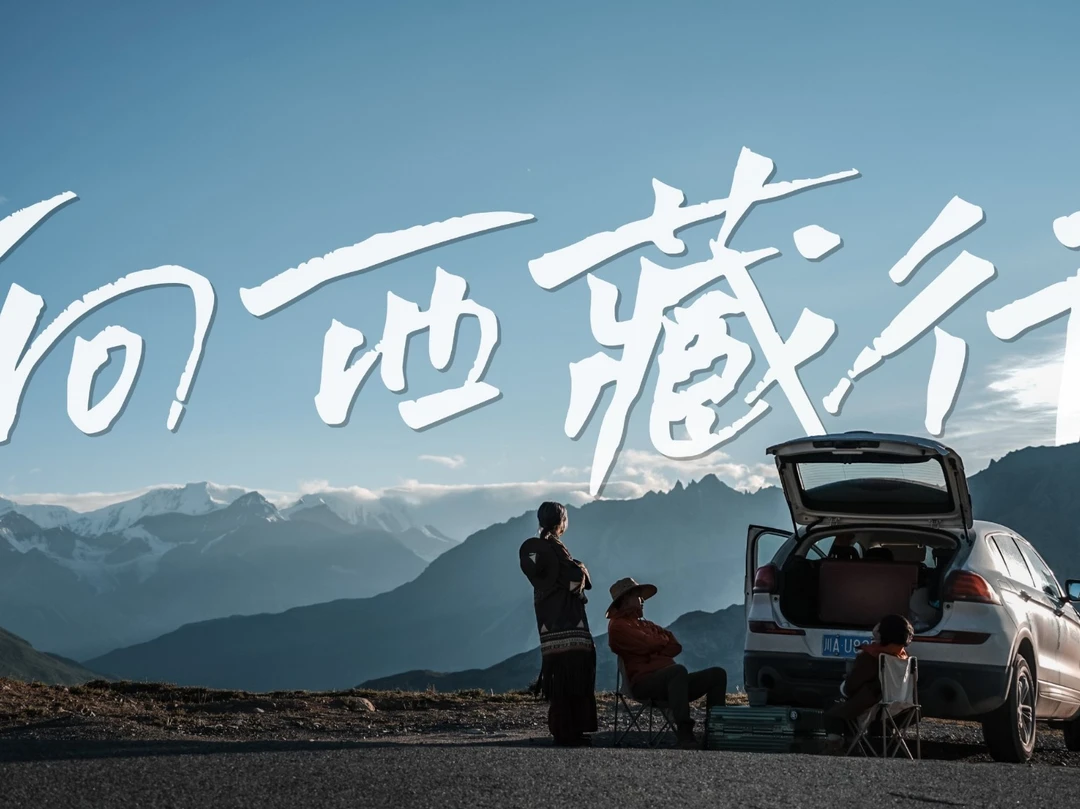
The 76-kilometer journey took us most of the day, because the scenery along the way was too beautiful to rush through.
Siding Co (Siding Lake): An Extra "Little Light Bulb"
The last time we came to Siding Co, the lake was frozen, with just two chairs and two people. This time, the lake rippled with gentle waves, and there was a little rascal by our side. Siding Co is located on Provincial Highway S434, an excellent vantage point for viewing the Gongga Snow Mountain and the Yala Snow Mountain from afar. The altitude is over 4,000 meters, and in winter, when it's frozen, you can walk on the lake. Unfortunately, the clouds were too thick this time, and Tata couldn't see Gongga. That's western Sichuan for you—the weather always leaves you with some regrets, and it always makes you want to come back.
Qingrao Sacred Mountain: Little Horse and Silence
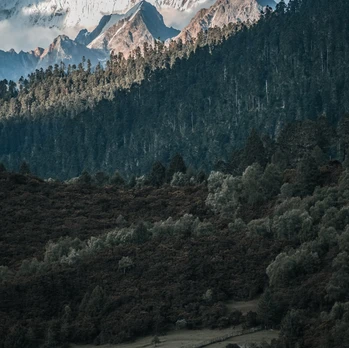
On the way to Tagong Grassland, we passed by Qingrao Sacred Mountain. In summer, the grassland is lush and green. Tibetan locals led their family horses for rent. Tata wanted to ride, so we rented two. The little girl leading the horse was only 12 years old and hadn't started school yet. She asked Tata how old he was when he started school. When she learned he entered first grade at 6, we all fell silent.
I don't know if she was envious, but my heart was a mix of emotions.
At the end of the trip, I asked Tata: "What impressed you the most in these 20 days?" He said: "Riding the little horse." He's still that child who loves animals the most. But I know that one day, his answer will change. That will mean he's grown up. I feel both happy and sad—that's the price of growing up.
Yuzixi (Yuzi West): Yala Snow Mountain on a Washboard Road
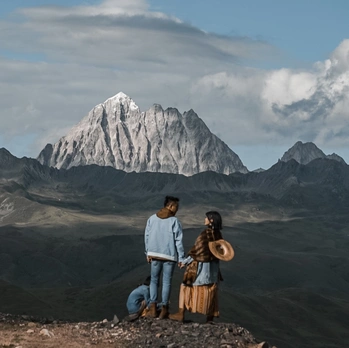
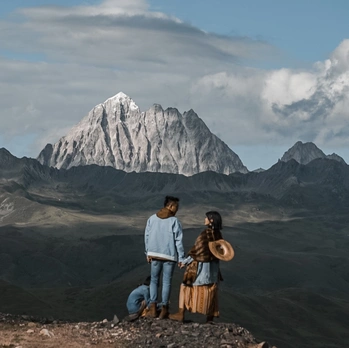
The road to Yuzixi wasn't great—about 30 minutes on a washboard road. I recommend driving an SUV; sedans are likely to scrape their undercarriages. We went from Tagong to Yuzixi, and the road was even rougher than from Xinduqiao, but the scenery was worth it. The Yala Snow Mountain accompanied us the whole way, its shape changing from different angles: from the Baméi direction, it looked like a crown; from the Xinduqiao direction, like a lotus.
Using a 200mm lens, Yala Snow Mountain seemed within arm's reach. Tata had some altitude sickness and wasn't in great spirits, but he didn't complain. He tried his best to accompany us in seeing every view.
[Link: Western Sichuan road trip itinerary]
Practical Tips for a Tibet Family Road Trip
Altitude Sickness Management
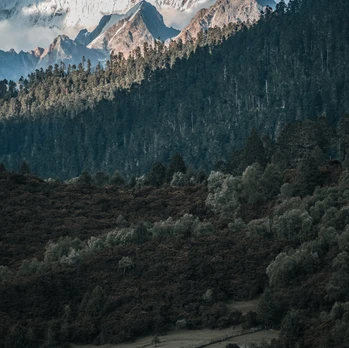
Our family of three, except for Tata who felt a bit unwell in the first two days, was mostly lively and energetic afterward. So from the third day on, we freely chose our accommodations. Key tips:
- Stay in low-altitude counties like Kangding (2,600m), Batang (2,580m), Baxoi (3,260m), Bomi (2,750m), and Nyingchi (3,100m)
- Avoid high-altitude overnight stops like Litang and Rawu (both above 4,000m)
- Stock up on oxygen canisters and medicine in Kangding
- Give your body 2-3 days to acclimatize before pushing higher
Vehicle Recommendations
The road to Yuzixi and many sections of Highway 317 are rough. We recommend: - SUV or 4WD for washboard roads and mountain passes - Sedans may scrape undercarriages on unpaved sections - Carry a spare tire and basic repair kit
Best Time to Travel
Summer (June-September) offers lush grasslands and better weather, but be prepared for: - Mudslides and road closures during monsoon season - Crowds at popular stops like Xinduqiao and Nyingchi - Variable weather—always pack layers and rain gear
Frequently Asked Questions About Tibet Road Trips
1. Is it safe to take a child to Tibet?
Yes, with proper planning. Ensure your child is healthy, acclimatize slowly, and monitor for altitude sickness symptoms. Our 7-year-old Tata handled it well after the first two days. Choose low-altitude overnight stops and carry oxygen canisters.
2. How long does a Tibet road trip take?
Our round trip from Chengdu to Lhasa and back took 20 days covering 5,000+ kilometers. A one-way trip on Highway 318 can take 10-14 days depending on stops and road conditions.
3. What is the best route for a first-time Tibet road trip?
The Sichuan-Tibet Highway 318 (southern route) is the most popular and scenic. It offers lower altitudes, better infrastructure, and more services than the northern route (Highway 317). Key stops: Chengdu → Kangding → Xinduqiao → Litang → Batang → Baxoi → Rawu → Bomi → Nyingchi → Lhasa.
4. Do I need a permit to drive to Tibet?
Yes, foreign travelers need a Tibet Travel Permit and must be part of an organized tour. Chinese citizens need a border pass for certain areas. Check current regulations before departure.
5. What should I pack for a Tibet family road trip?
Essentials include: oxygen canisters, altitude sickness medication, warm layers, rain gear, sunscreen, sunglasses, a first-aid kit, snacks, and entertainment for kids. Also bring a camera with a zoom lens for mountain photography.
The Journey That Changed Us
This Tibet road trip wasn't just about reaching Lhasa. It was about the 5,000 kilometers of shared memories—the mudslides that tested our patience, the golden mountains that rewarded our perseverance, and the little boy who grew a little taller with every mile.
We didn't find the answer we were looking for. Instead, we discovered that the journey itself was the answer. Every moment—the laughter, the silence, the awe, and even the altitude sickness—became part of our family story.
Are you ready to create your own Tibet road trip memories? Start planning today. The road is waiting, and the memories will last a lifetime.
Have you traveled to Tibet with your family? Share your experience in the comments below, or [contact us] for personalized itinerary planning.
You may also like


