Journey to Jiuzhaigou and Huanglong: A Perfect Encounter with Paradise on Earth
Here is the SEO-optimized, rewritten article based on your source material. It is structured for search engine visibility while maintaining the authentic, practical voice of the original travelogue.
Title: Jiuzhaigou & Huanglong Travel Guide: Your Ultimate 4-Day Itinerary to "Paradise on Earth"
Meta Description: Planning a trip to Jiuzhaigou and Huanglong? Discover a complete 4-day itinerary, expert tips on altitude sickness, camera gear, and packing. Experience "paradise on earth" without the tourist traps.
Jiuzhaigou & Huanglong Travel Guide: A Perfect 4-Day Encounter with Paradise on Earth
Last autumn, I finally embarked on the long-awaited journey to Jiuzhaigou (Nine-Village Valley) and Huanglong (Yellow Dragon) Scenic Area. As a seasoned travel enthusiast, this four-day, four-night adventure was incredibly rewarding. I experienced the breathtaking beauty often called "paradise on earth," but I also gathered plenty of practical, hard-won advice along the way.
Today, I’m sharing this complete Jiuzhaigou itinerary and heartfelt advice with you—whether you are a first-time visitor or a photography buff looking for the best angles. This guide covers everything from altitude sickness prevention to the best route for avoiding crowds.
Pre-Trip Preparation: How to Avoid Common Mistakes
What to Wear in Jiuzhaigou: Pack Light, Travel Right
From two visits to Jiuzhaigou, I’ve learned the climate is surprisingly manageable. Generally, whatever you’d wear in a temperate city like Beijing works here. The only extra essentials are reliable rain gear and a slightly thicker fleece jacket for chilly post-rain weather. If you are visiting during spring or winter, however, you will need significantly warmer layers.
Altitude Sickness at Huanglong: Don’t Panic, But Don’t Ignore It
Both Jiuzhaigou and Huanglong sit at elevations between 2,000 and 4,000 meters (6,560–13,120 feet). While this is high-altitude territory, most people adapt fine. Unless you are particularly frail or over 50, altitude sickness shouldn't ruin your trip—but you must respect the altitude.
Key tips for high-altitude travel: - Move slowly: Don’t walk too fast or jog. - Stay warm: Wind protection is critical. - Fuel up: Never let yourself get too hungry. - Recognize symptoms: Shortness of breath, headaches, cold sweats, or a racing heart mean you need to sit down immediately. Eat high-energy food like chocolate and take deep breaths. The air here is oxygen-rich, and you will recover quickly.
Sun Protection: The High-Altitude UV Trap

The UV intensity here far exceeds standard levels. On my trip, even the five fingers of my camera-holding hand got sunburned and peeled. Apply sunscreen diligently—ideally once in the morning and again at noon. Don’t forget your ears and the back of your neck.
Water and Food Strategy: Bring Your Own Lunch
The water in Jiuzhaigou is technically drinkable, but I recommend sticking to your own bottles. Aim for two to three bottles of water per day.
Food logistics: - Huanglong: Has snack stalls, but they are limited. - Jiuzhaigou: Only has a dining hall at Nuorilang Central Station. - Best strategy: Bring your own lunch. Choose high-energy, compact, non-perishable foods: chocolate, small packs of sausage, marinated eggs, pastries, and cucumbers (great for hydration). Remember: you carry everything in, so pack according to your strength.
Shoes and Socks: Comfort Over Fashion
The entire scenic area has well-maintained boardwalks. Regular walking shoes are more than enough. Avoid high-cut, full-leather hiking boots—they will make you look out of place and torture your feet. For socks, choose slightly thicker cotton ones; silk socks slip easily and won’t last more than a few kilometers of walking.
Photography Tips for Jiuzhaigou: Hard Lessons from a Gear Enthusiast
When I see people using only phones to capture the turquoise lakes, I feel a little pang of regret. But honestly, for the average tourist, a 10-megapixel compact camera with a 28mm wide-angle lens is perfect. You will constantly wish for a wider angle, while a powerful zoom lens is practically useless here.
If you are bringing a DSLR like I did, keep these settings in mind: - Flash: Essential. Remember to adjust the flash compensation on your camera body. - Exposure (EV): In most cases, set the EV value to -0.7 to prevent the sky from washing out. - Portraits: If you don’t use exposure compensation, faces will turn out completely black. - Mode: Choose aperture-priority mode and set the aperture to F11 or higher for sharp landscapes. - Memory: Use 8GB SDHC high-speed cards. Bring several spares—you will shoot more than you expect.
The Perfect 4-Day Jiuzhaigou & Huanglong Itinerary
Day 1: Arrival in Chengdu – The Gateway to Paradise
I flew into Shuangliu International Airport in the evening and checked into a business hotel. Pro tip: If you are catching an early flight to Jiuhuang Airport the next morning, stay near the airport rather than heading into the city center. This saves you a stressful early morning commute.
Day 2: Huanglong’s Splendor – And a Costly Cable Car Mistake
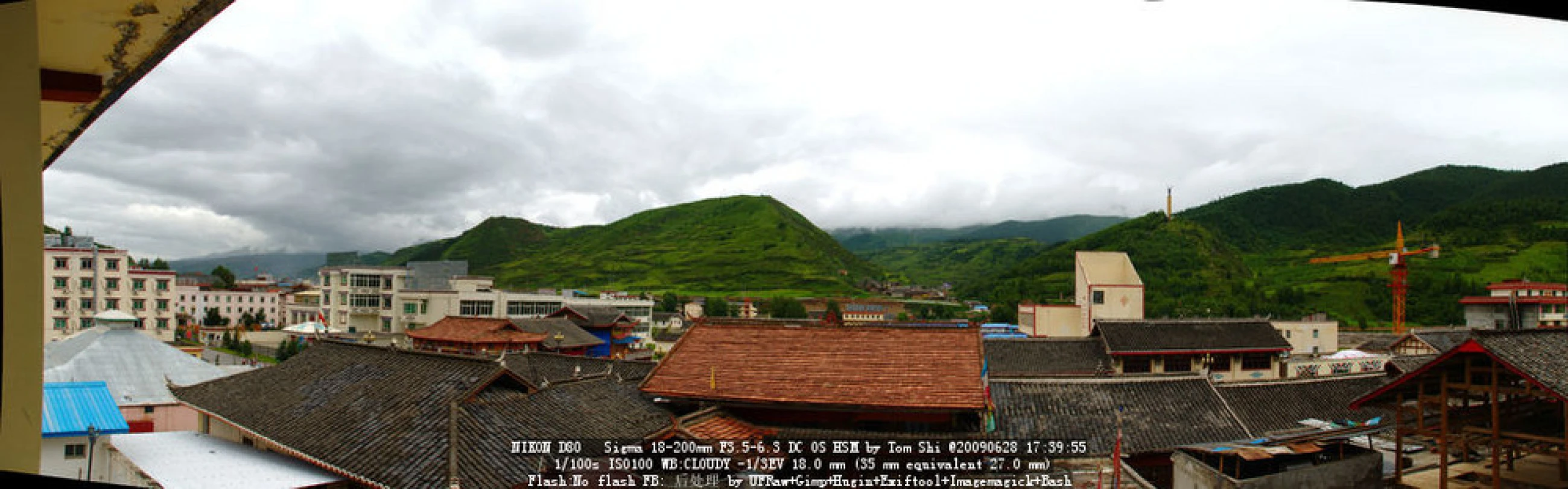
Woke up at 5:30 AM to catch the 7:20 AM flight to Jiuhuang Airport (a 40-minute journey). From the airport, it takes about 1.5–2 hours by car to reach Huanglong. Passing through Chuanzhusi Town, you can catch a distant view of the Red Army Long March Monument. At Xuebaoding (Snow Mountain Peak), elevation ~4,000 meters, we stopped for 10 minutes to take photos.
The Deadly Trap of the Huanglong Cable Car The cable car costs 120 RMB round trip. My advice: Skip it if you are reasonably fit. - The cable car drops you at the top, but you still need to walk 3 km (1.9 miles) to the Five-Color Pond. - Walking from the entrance to the Five-Color Pond is only 4 km (2.5 miles). - Taking the cable car means you miss the beautiful water features along the lower trail. - Worse, after hiking from the Five-Color Pond to the top cable car station, the kids in our group developed altitude sickness. The entire trip took 8 hours with the cable car; hiking usually takes only 6.
Huanglong’s highlights include: - Welcome Pond (Yingbin Caichi) - Flying Waterfall and Flowing Light (Feipu Liuhui) - Golden Sand Paving the Ground (Jinsha Pudi) - Five-Color Pond (Wucai Chi)
The drive from Huanglong to Jiuzhaigou takes 2.5–3 hours. We arrived around 8 PM and stayed at the Kangba Linka Hotel, about 1.5 km from the scenic area entrance. A four-star standard room cost just 200 RMB—excellent value.
Day 3: Jiuzhaigou Day 1 – The Best of Rize Valley
Woke up at 6:30 AM and took a taxi to the scenic area entrance (11 RMB, 5–6 minutes). We collected our tickets and sightseeing bus pass, and also handled the procedure for a second-day entry (highly recommended).
Pro tip: We stayed at a Tibetan home in Shuzheng Village inside the park (60 RMB per person, including dinner and breakfast). This allowed us to travel light and beat the morning crowds.
Rize Valley Route (Most Attractions): 1. Take the bus all the way to Primeval Forest. 2. Walk to Grass Lake (Fangcao Hai) and Swan Lake (Tian’e Hai) (~2.3 km). 3. Take the bus to Arrow Bamboo Lake (Jianzhu Hai). 4. Walk from Arrow Bamboo Lake to Mirror Lake (Jing Hai) (~7 km). 5. Visit Five-Flower Lake (Wuhua Hai) and Pearl Shoal Waterfall (Zhenzhu Tan Pubu).
Lunch: The Nuorilang Central Station cafeteria offers a buffet (25 RMB per person), but I recommend bringing your own food—it saves both money and time.
Day 4: Jiuzhaigou Day 2 – Zechawa Valley & Shuzheng Valley
Woke up at 6:30 AM and set off at 7:30 AM.
Zechawa Valley: - Take the bus to Long Lake (Chang Hai) – 20 minutes. - Walk 1 km to the Five-Color Pond (Wucai Chi). (Skip Seasonal Lake.)
Shuzheng Valley: - Take the bus from Five-Color Pond to Rhinoceros Lake (Xiniu Hai). - Follow the boardwalk past Tiger Lake (Laohu Hai), Shuzheng Waterfall, Shuzheng Cluster of Lakes, the Ancient Mill House, and out to the exit.
This route ensures you see the iconic turquoise waters and massive waterfalls without the heavy crowds of the main entry point.
FAQ: Your Top Questions Answered
Q1: Is it better to visit Jiuzhaigou or Huanglong first? A: Visit Huanglong first. It is higher in elevation and requires more physical exertion. Doing it on Day 2 allows you to acclimatize slightly before tackling the larger Jiuzhaigou valley.
Q2: Can I visit Jiuzhaigou in one day? A: Technically, yes. But a two-day visit is strongly recommended. The park is massive. A single day forces you to rush, skip trails, or spend too much time on buses. A two-day pass is worth the extra cost.
Q3: What is the best time of year to visit? A: Autumn (October) is the peak season for fall foliage. Summer (June-August) offers lush greenery and active waterfalls. Winter is beautiful but cold, and some high-altitude trails may close.
Q4: Do I need to book tickets in advance? A: Absolutely yes. Jiuzhaigou limits daily visitor numbers. Book your tickets online at least one week in advance, especially during Golden Week (October 1-7) and autumn.
Q5: Is the Huanglong cable car worth it? A: It depends. If you are elderly, have young children, or have mobility issues, take the cable car up. If you are reasonably fit and want to see more scenery, walk up and down. The cable car actually adds distance to the most scenic part of the hike.
Ready to Book Your Trip to Paradise?
This Jiuzhaigou and Huanglong itinerary is designed to maximize your time, minimize your stress, and ensure you capture the true beauty of "paradise on earth."
Don’t wait until the last minute. Book your flights to Chengdu and your park tickets today. The autumn colors are spectacular, but the window is short.
[Link: Best Hotels Near Jiuzhaigou Entrance] [Link: How to Book Jiuzhaigou Tickets Online] [Link: Top 10 Mistakes First-Time Visitors Make]
Have you visited Jiuzhaigou? Share your best tip in the comments below!
You may also like


