Into the Wilderness: Snow Mountain Trekking for the Soul | A 5-Day Western Sichuan Mini Loop
Meta Description: Discover the ultimate 5-day Western Sichuan Mini Loop itinerary—snow mountain trekking, alpine meadows, and high-altitude adventure near Mount Siguniang. Expert tips on gear, car rental, accommodation, and costs for first-time plateau travelers.
Introduction: Why the Western Sichuan Mini Loop Should Be Your Next Adventure
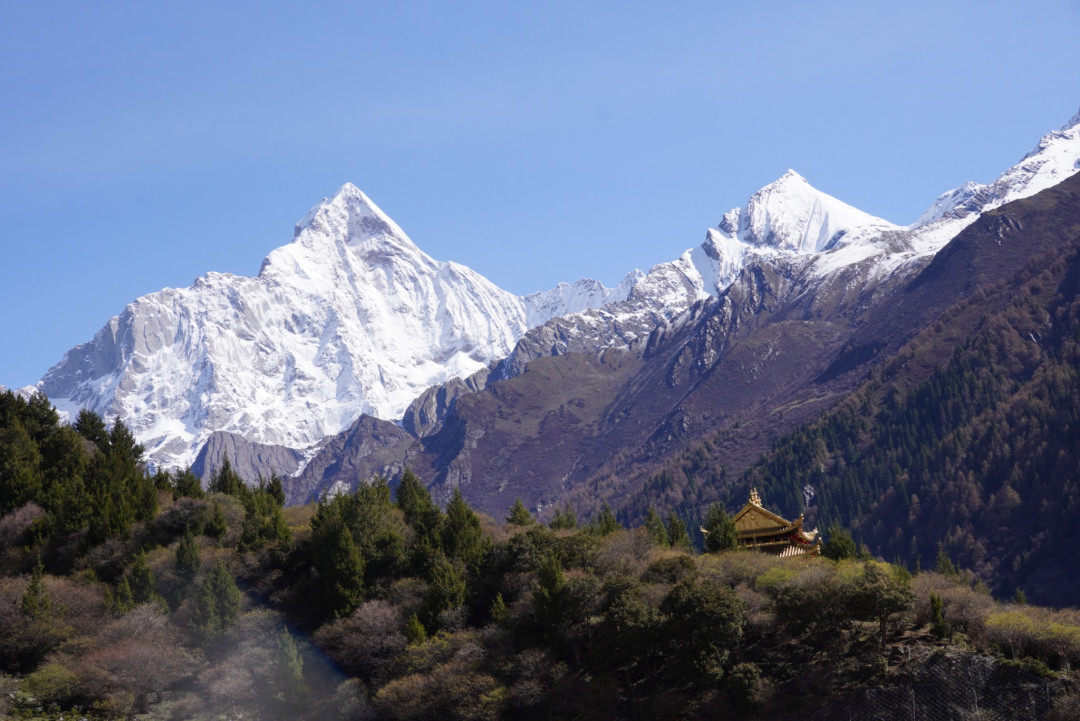
Sometimes, a journey begins with a single movie. After watching Pegasus 3, a group of friends found themselves mesmerized by the vast, snow-capped peaks, sprawling meadows, and crystal-clear lakes of Western Sichuan. The seed of a spontaneous adventure was planted. With the May Day holiday approaching, the decision was unanimous: head to Mount Siguniang (Four Sisters Mountain).
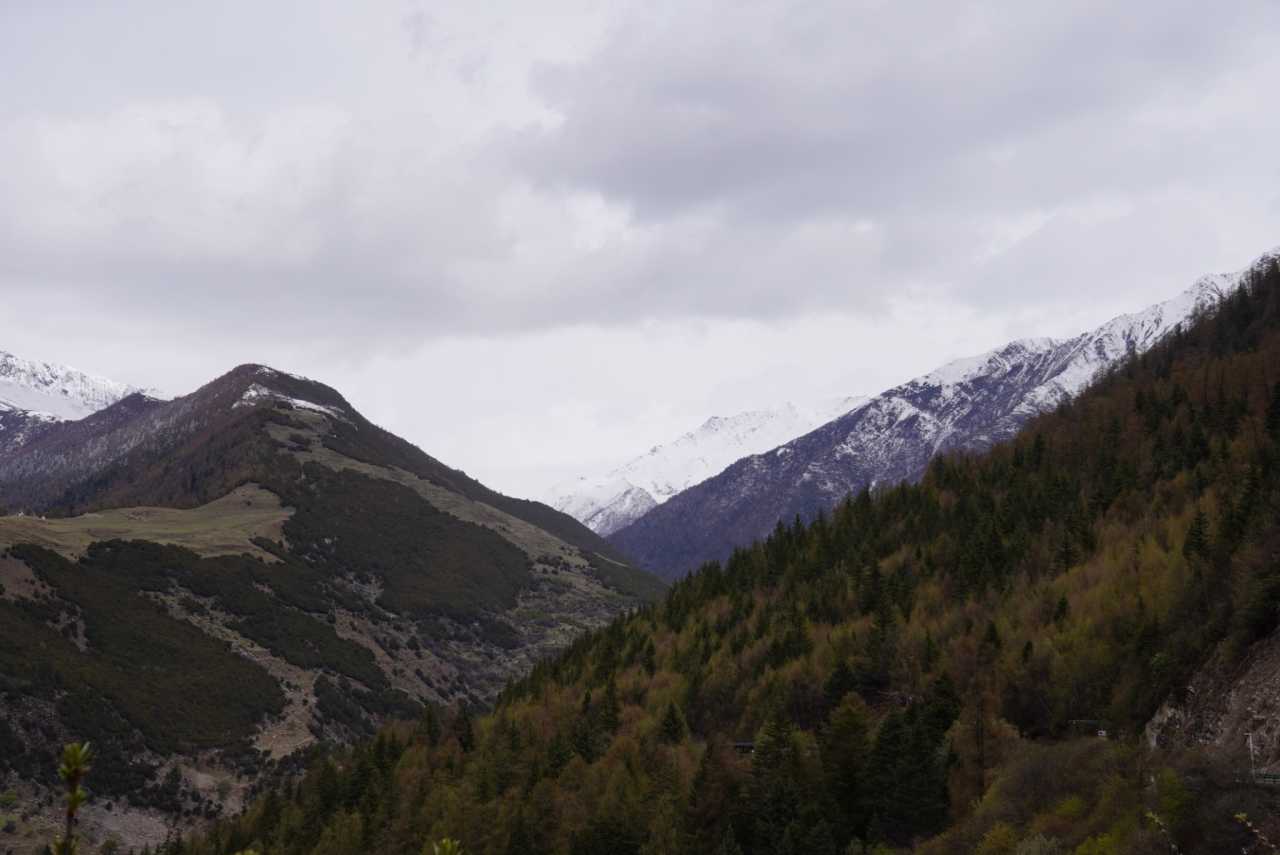
The Western Sichuan Mini Loop is more than just a road trip—it's a soul-stirring escape into pristine wilderness. In just five days, you can feast your eyes on snow mountains, alpine meadows, glacial lakes, and primeval forests while experiencing the thrill of high-altitude trekking. The scenery shifts like a fast-forwarded movie, blending spring blossoms with winter snowcaps. For anyone setting foot on the plateau for the first time, this route is a tailor-made, entry-level "test run" into high-altitude adventure.
We played it smart: departing before the holiday and returning during it. This strategy helped us avoid the peak crowds of Golden Week and enjoy a stretch of near-secluded tranquility in the mountains.
[Link: Best time to visit Western Sichuan]
Pre-Trip Preparation: Gear, Car Rental, and Accommodation Guide

Self-Driving & Car Rental Tips for Western Sichuan
The entire trip was self-driven. We rented a Toyota Frontier (known as the "Fenglanda" in China) via Ctrip. Fortunately, the road conditions on the Western Sichuan Mini Loop are quite friendly, with no special vehicle requirements. As long as you avoid taking a sports car off-roading, you'll manage just fine. A standard SUV or crossover is more than adequate for this route.
Pro tip: Book your rental car at least two weeks in advance during peak seasons like May Day or National Day holidays.
Dressing Guide: The "Sandwich" Layering Method for High-Altitude Trekking
In late April, Chengdu's temperature hovers around 20°C (68°F), so a T-shirt and light jacket suffice. But once you enter the Western Sichuan plateau, the temperature difference becomes extreme—only 5°C (41°F) in the morning and evening, yet soaring to 20°C (68°F) when the sun emerges. Plus, constant hiking means sweating is inevitable.
The three-layer sandwich method is the golden rule for snow mountain trekking:
- Base layer: Moisture-wicking fabric (avoid cotton)
- Mid-layer: Fleece or lightweight down for insulation
- Outer shell: Waterproof, windproof jacket
Mountain weather changes in an instant—clear skies can turn to drizzle within minutes. A shell jacket is absolutely essential.
UV protection is non-negotiable: - Sunscreen (SPF 50+) - Sunglasses (for UV protection and snow glare) - Wool hat (wind protection helps prevent altitude sickness) - Regular sun hat
Food on the Western Sichuan Route: Embrace the Spice
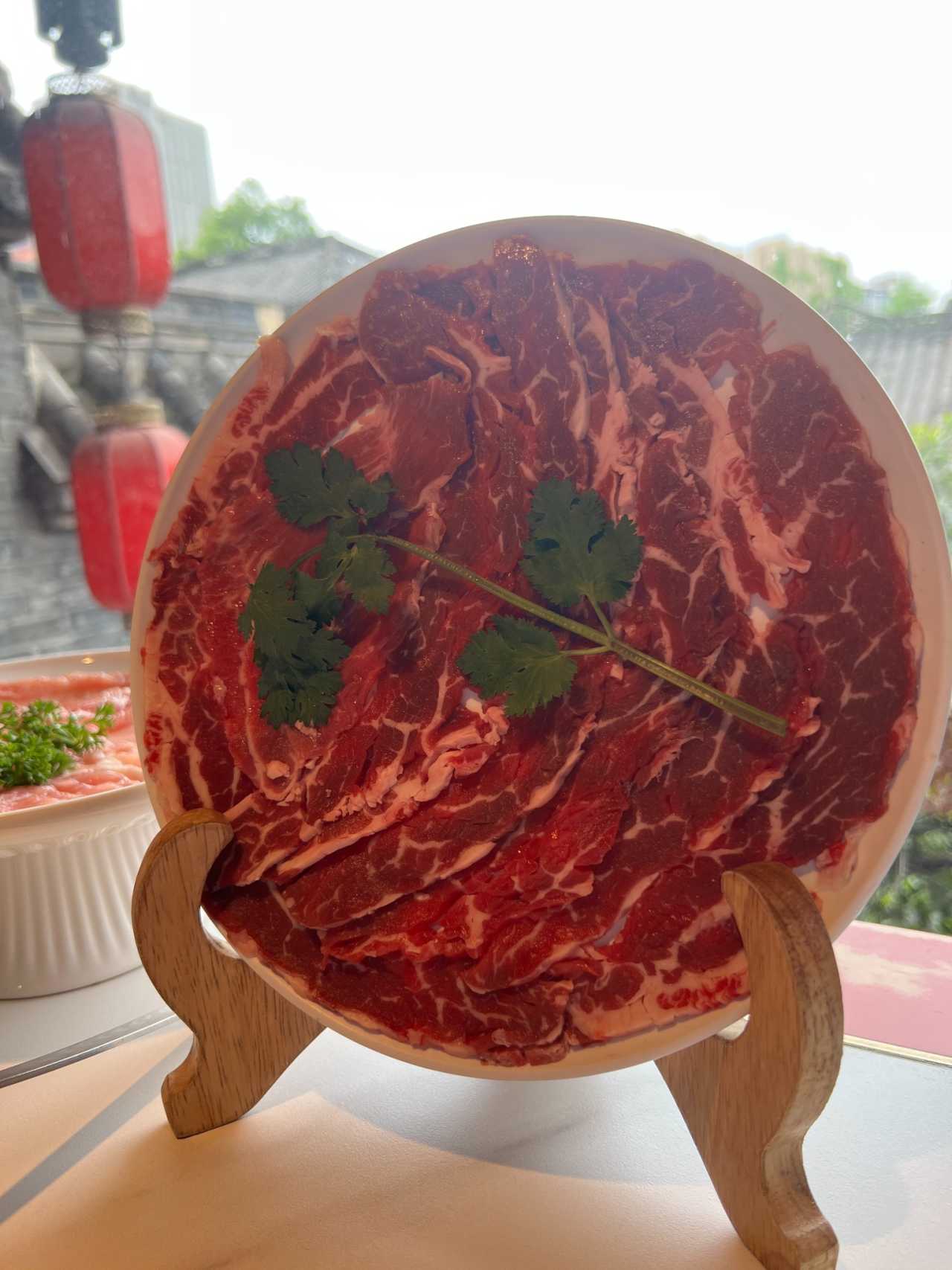
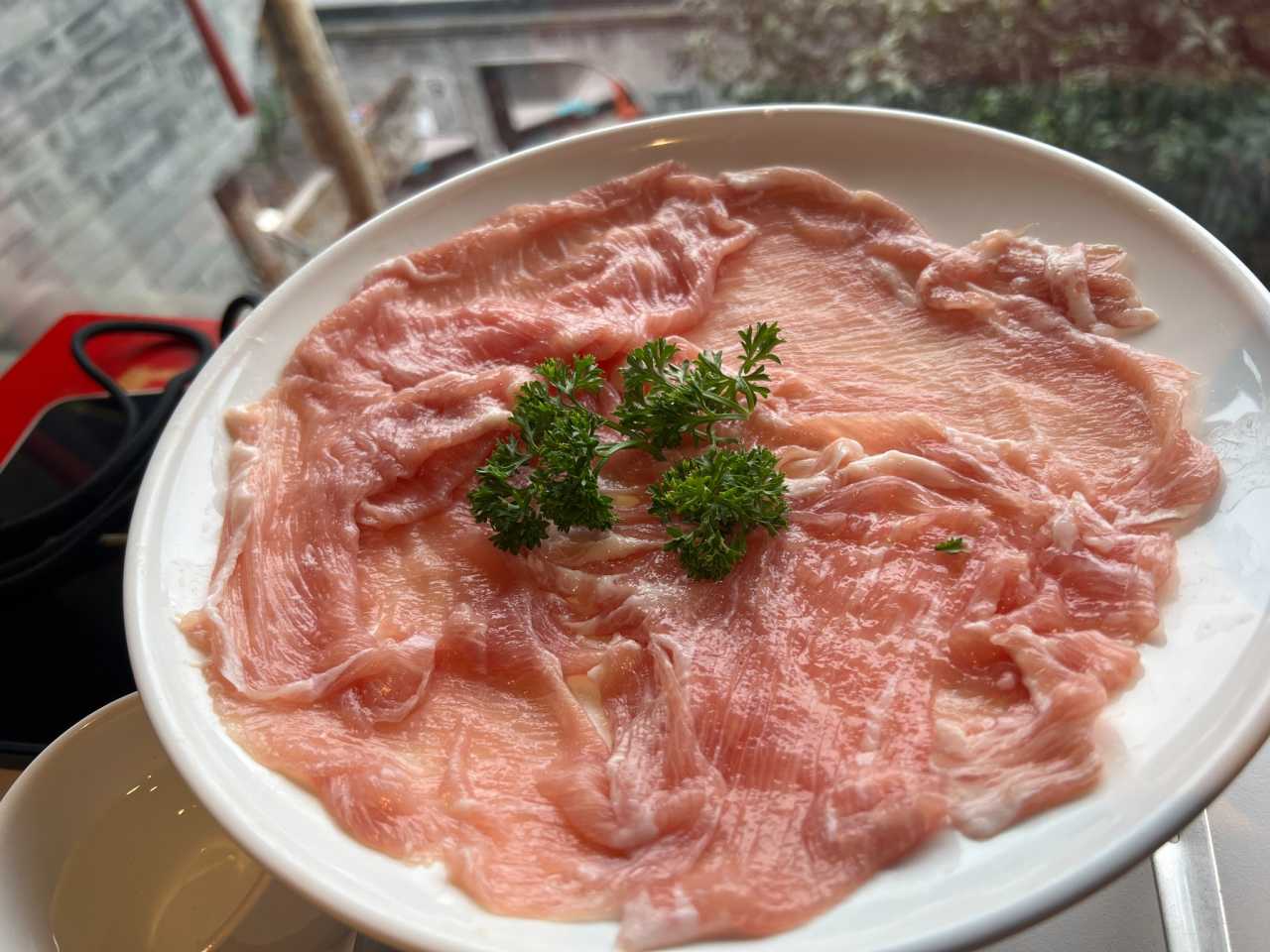
Everything about the Western Sichuan route is remarkable—except the food's spice level. It's unapologetically spicy! We stayed two nights near Mount Siguniang and enjoyed two hotpot meals: yak meat hotpot and matsutake mushroom chicken hotpot. Southerners with sensitive palates might find it drying, but the ingredients are fresh and flavors robust.
Important: Don't expect delivery apps or coffee shops. Options are very limited, so be mentally prepared to "do as the locals do." Pack some snacks and instant noodles as backup.
Flights & Costs Breakdown
| Item | Details |
|---|---|
| Outbound | Shanghai Hongqiao 07:50 → Chengdu Tianfu 10:50 (Spring Airlines) |
| Return | Chengdu Tianfu 20:35 → Shanghai Hongqiao 23:10 (Spring Airlines) |
| Total Cost | 1,640 RMB (including flights + one night's accommodation in Chengdu) |
A resourceful friend snagged a flight-and-hotel package deal, saving us significantly on transportation. The trade-off was early mornings and late nights, but for the savings, it was well worth it.
[Link: Budget travel tips for Western Sichuan]
Accommodation Recommendations
Yueshan Siji Guesthouse (Changpinggou Branch) – Five-Star Recommendation
This guesthouse boasts an unbeatable location, directly facing the panoramic view of Mount Siguniang with zero obstructions. It features nine mountain-view rooms with king-size beds, allowing you to literally "lie in bed and watch the snow mountains."
Highlights: - Tibetan owner who is warm and hospitable - 360-degree glass tea room with unobstructed views of Balang Mountain and Mount Siguniang - Complimentary tea, snacks, and drinks - Newly opened with spacious rooms and comfortable bedding - Underfloor heating, diffuse oxygen supply, and inhalable oxygen equipment - Free shuttle service to Changpinggou
Dining: Breakfast is simple; dinner is mainly hotpot with fresh ingredients (yak hotpot: 168 RMB/person; matsutake chicken hotpot: 550 RMB)
Note: Located high on the mountain with few nearby restaurants
Relax-C Likuang Yinshi Hot Spring Hotel (Bipenggou Branch)
Located just a 3-minute drive from the Bipenggou scenic area, this newly opened hotel offers outdoor hot spring pools—perfect for soaking after dinner.
Highlights: - Comparable to Ji Hotel chain in quality - Good service with free tea - Laundry room and gym available (though working out at high altitude? Impressive!) - On-site restaurant serving fresh coffee in the morning - À la carte dishes, barbecue, and hotpot for dinner - Shuttle service to the scenic area - Lower altitude (2,800 meters / 9,186 feet) makes it safer than staying inside the park
Day 1: Half-Day City Walk in Chengdu
An early morning flight from Shanghai Hongqiao T1 (Spring Airlines' hub) landed punctually at 10:50 at Chengdu Tianfu Airport. After collecting luggage, we contacted the rental company, picked up the car, and drove straight to our hotel near Kuanzhai Alley.
Important: Tianfu Airport is far from the city center—we didn't arrive at the hotel until 13:30.
Kuanzhai Alley & Local Hotpot
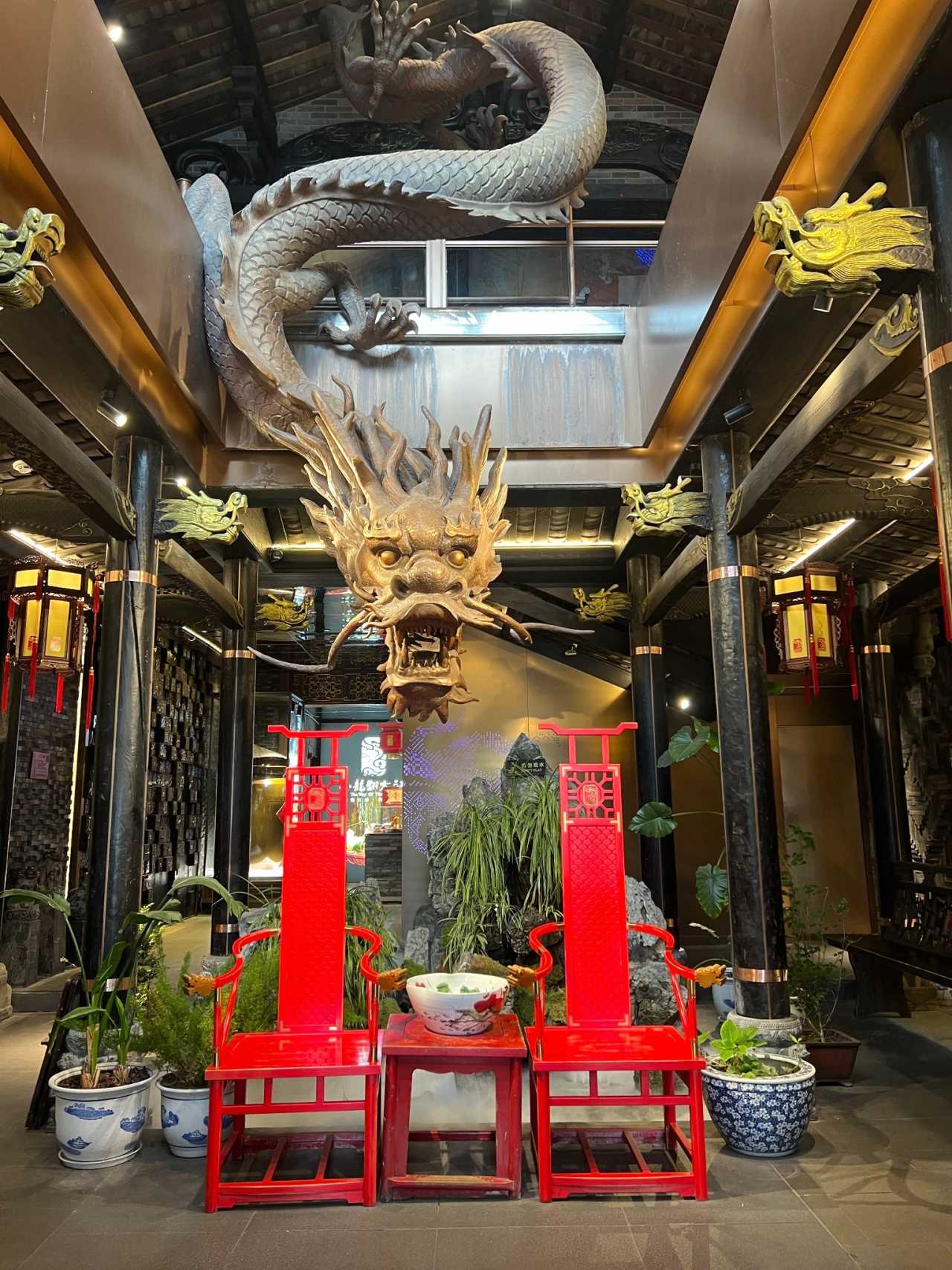
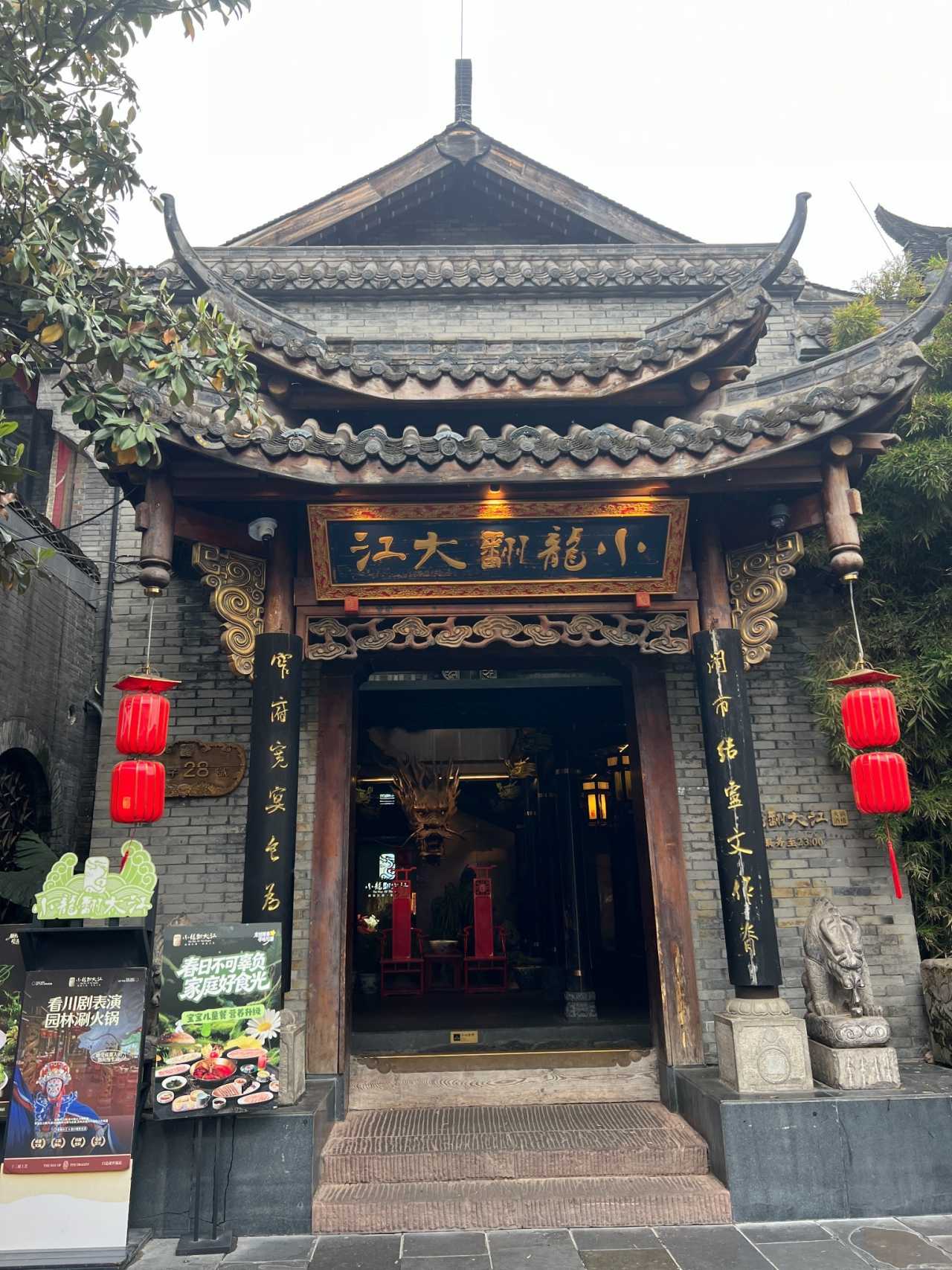
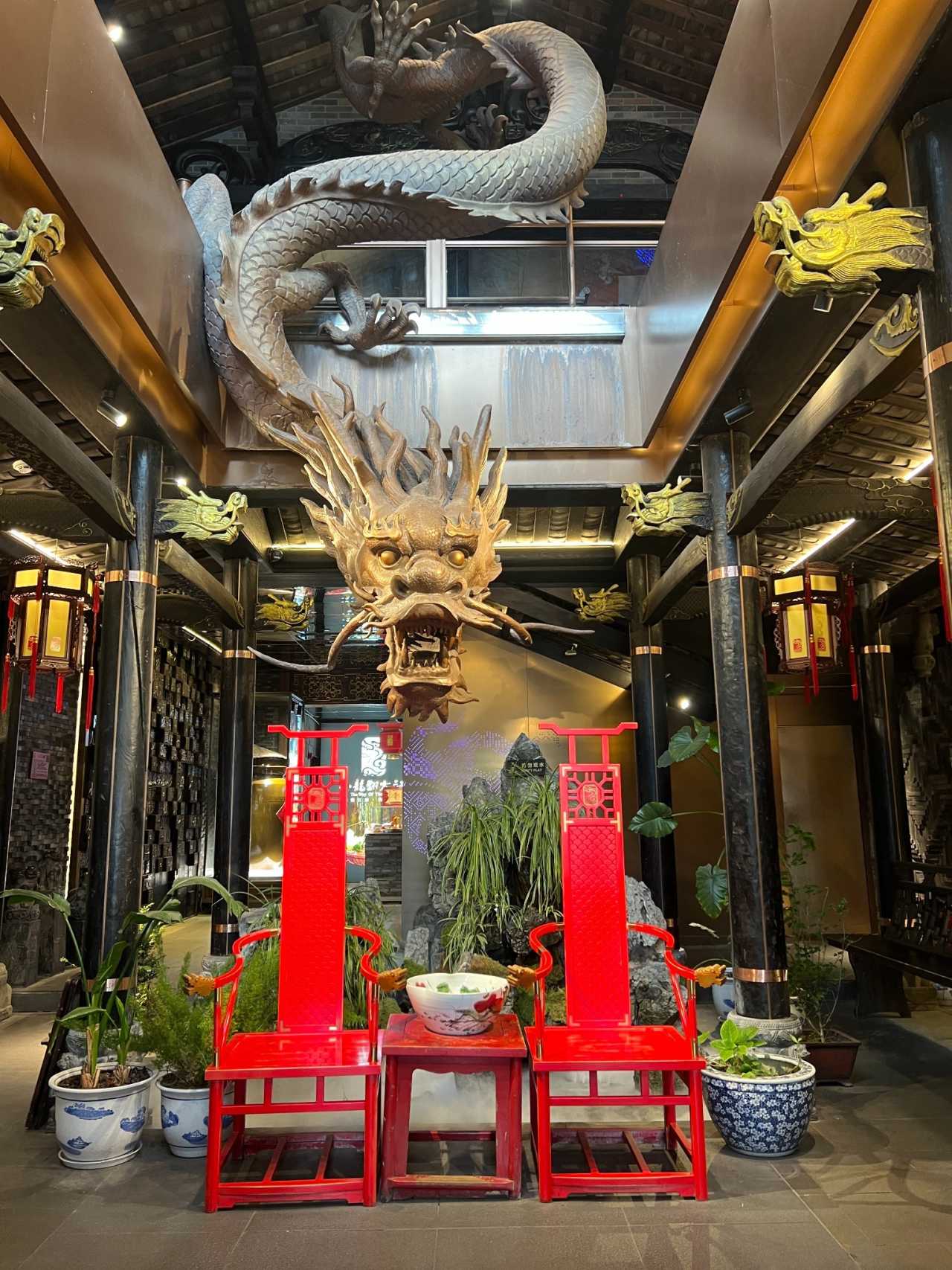
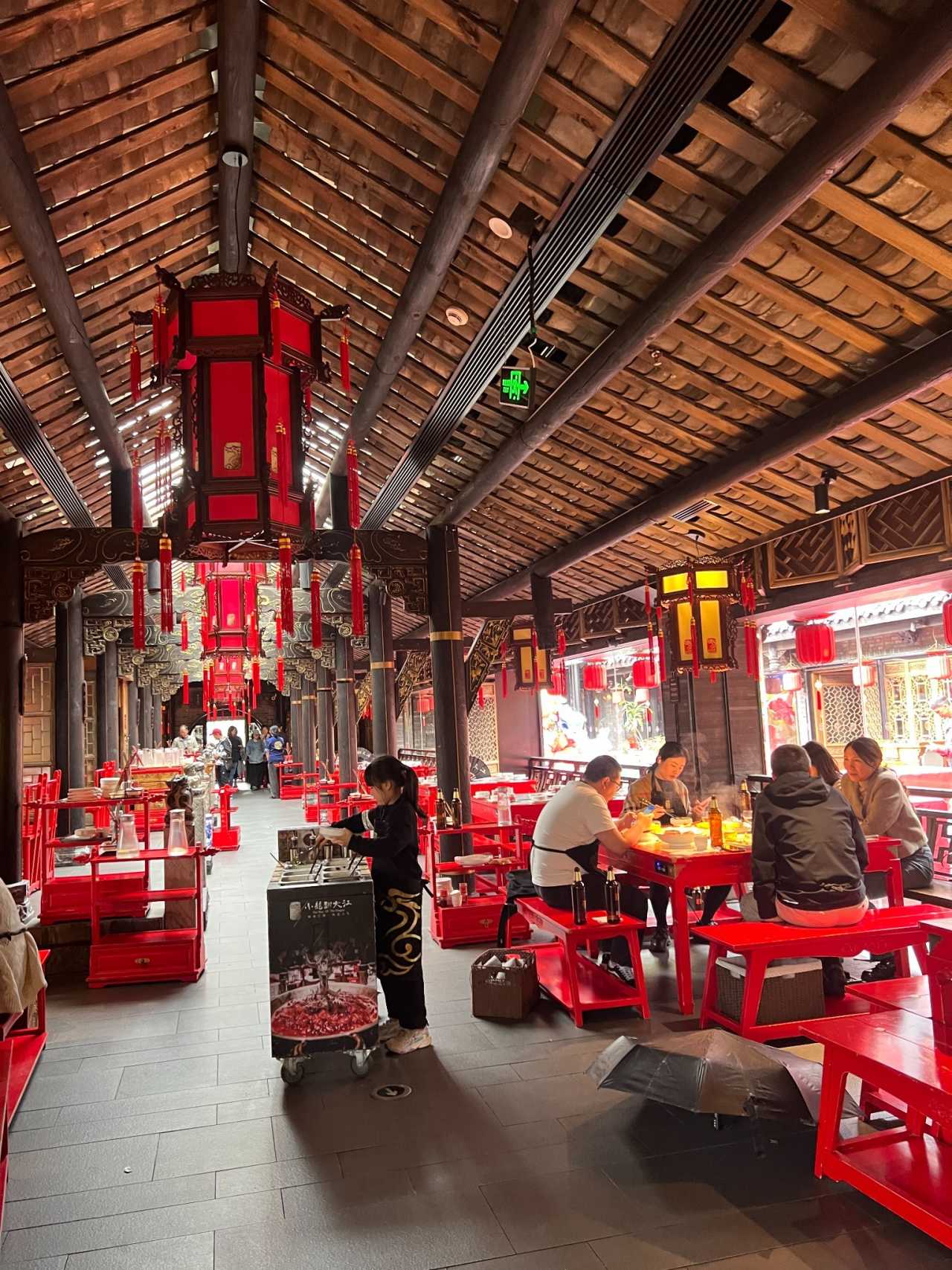
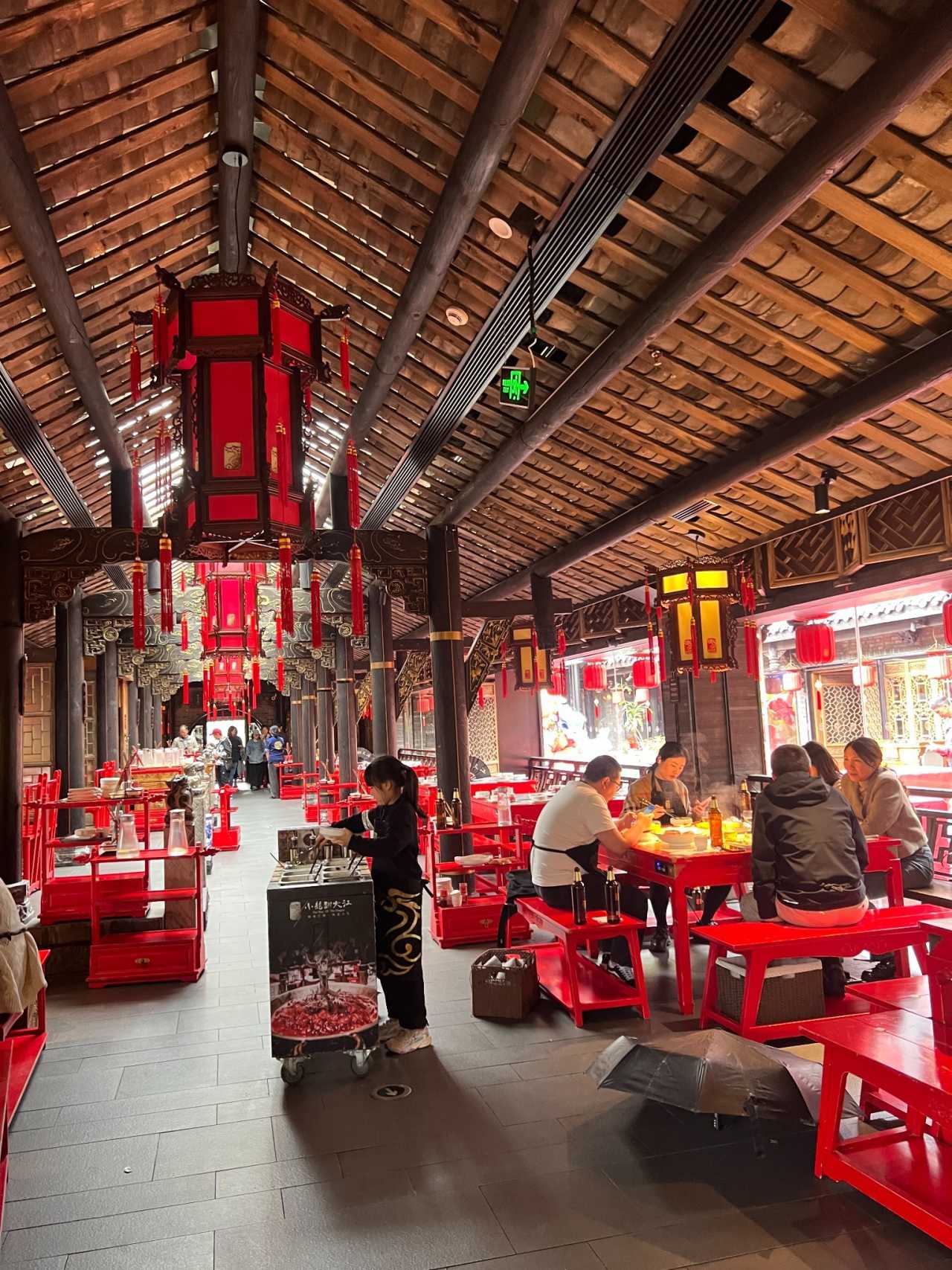
After a quick check-in, we took a taxi to Kuanzhai Alley. A friend recommended Xiaolong Fan Dajiang, a local hotpot restaurant. The ambiance was pleasant, and they apparently host face-changing performances in the evening. The hotpot ingredients were fresh, though we ordered a split pot (not traditional beef tallow broth), so the flavor wasn't particularly outstanding. The bill for three people was 398 RMB—not cheap, but suitable for bringing out-of-town friends for a taste.
Taikoo Li & Daci Temple
Full and satisfied, we strolled through Kuanzhai Alley—full of "trendy" tea houses with vendors hawking traditional performances. We took the subway to Taikoo Li, a luxury brand paradise, and visited the adjacent Daci Temple (said to be where Tang Monk was ordained). Then we continued our City Walk from Dongshun South Street to Tangba Street—a peaceful escape from the bustle, with well-preserved Republican-era buildings alongside small bars, cafes, and artistic shops. It reminded me of the small lanes in Shanghai's Jing'an District.
Evening: Yulin Street Skewer Hotpot
In the evening, we took a taxi to Yulin Street, famous for its skewer hotpot (chuanchuan). We found an old, highly-rated shop and ordered 140 RMB worth, returning completely satisfied. With an early start tomorrow, it was time to rest for the high-altitude adventure ahead!
[Link: Chengdu food guide for travelers]
Day 2: Shuangqiao Valley – Where Rafting is the Soul
We set off promptly at 8:30 AM with clear roads ahead. An hour after leaving Chengdu city, rolling mountains began appearing on the horizon—we were entering the mountain region, and the altitude was climbing.
Balang Mountain Viewing Platform: First Glimpse of Snow Mountains
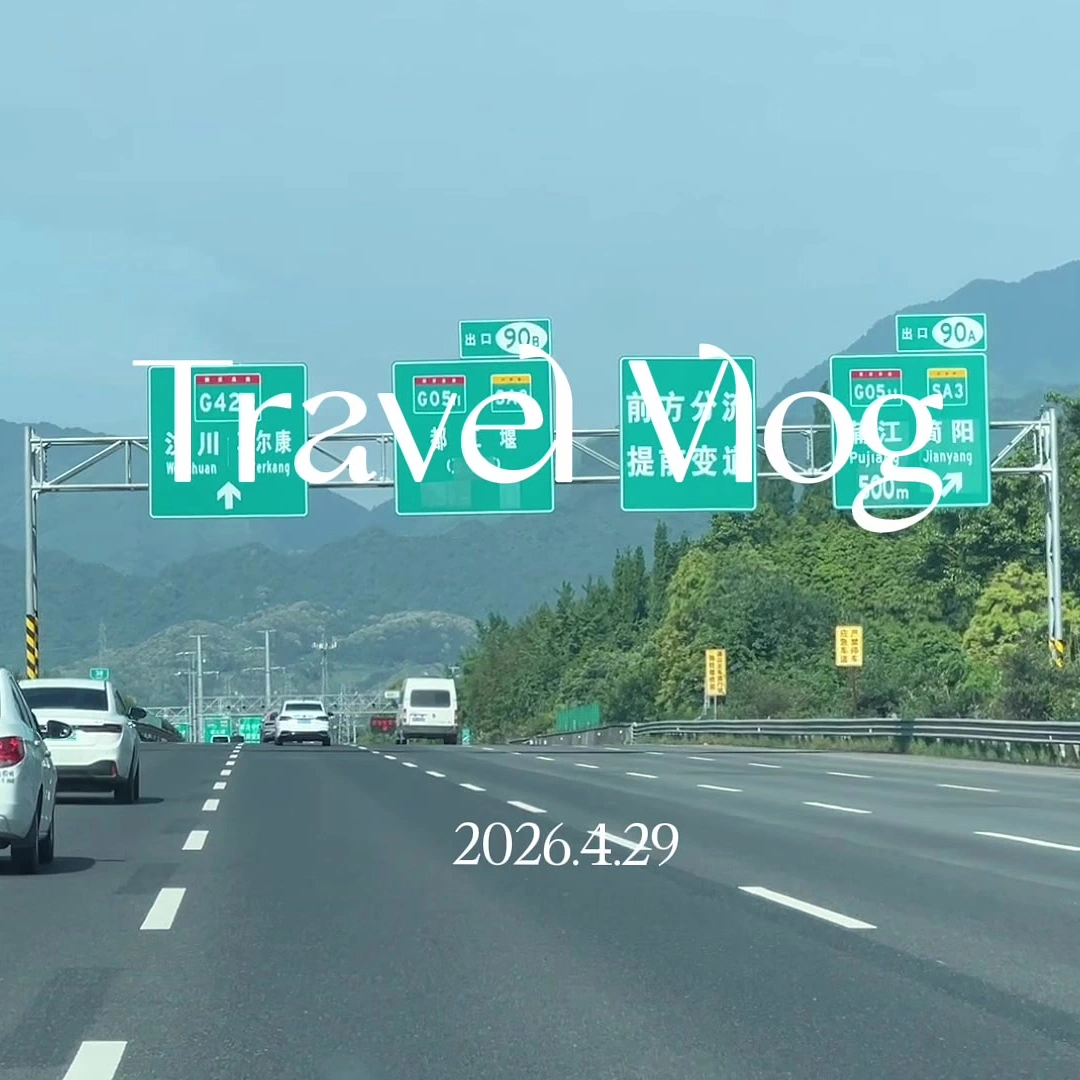
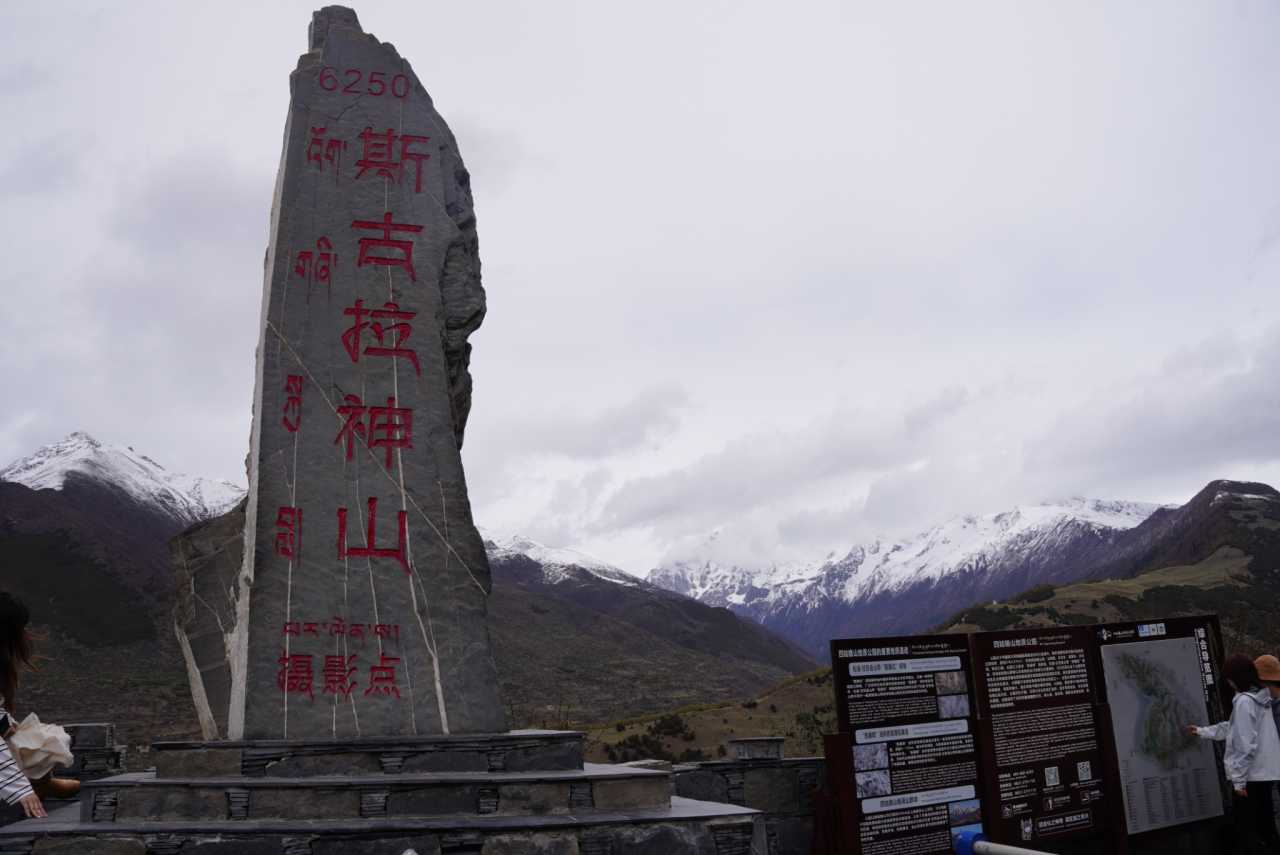
Our first stop was the Balang Mountain Viewing Platform. Seeing the snow mountains for the first time was genuinely exciting! Balang's main peak stands at 5,048 meters (16,562 feet), surrounded by over a dozen subsidiary peaks above 4,600 meters (15,092 feet). Together, they form the watershed for the Min and Dadu Rivers.
Tip: Spend 20-30 minutes here to acclimate to the altitude while soaking in the panoramic views.
Shuangqiao Valley: The Crown Jewel of Mount Siguniang
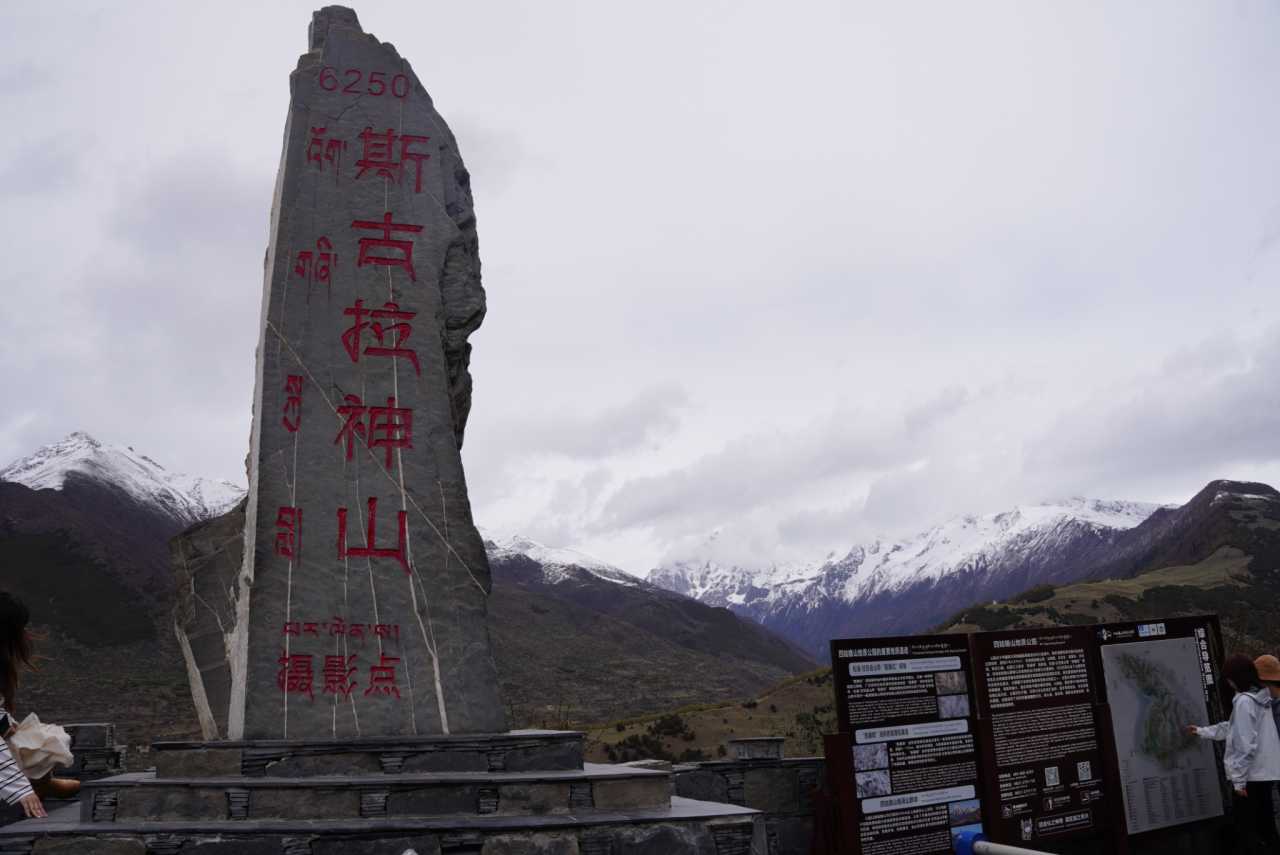
Shuangqiao Valley is the most accessible of Mount Siguniang's three valleys, and its highlight is the rafting experience. The gentle river winds through alpine meadows with snow-capped peaks as your backdrop—an unforgettable combination of adventure and serenity.
What to expect: - Scenic shuttle buses transport visitors through the valley - Multiple stops for photography and short walks - The rafting section is calm enough for beginners - Bring waterproof gear for your camera and phone
Day 3: Changpinggou – High-Altitude Trekking Adventure
Changpinggou offers a more challenging trekking experience than Shuangqiao Valley. The trail stretches deep into the mountains, passing through primeval forests, alpine lakes, and yak pastures.
Trekking tips: - Start early (before 8 AM) to avoid afternoon weather changes - Carry at least 2 liters of water per person - Pack high-energy snacks like nuts, chocolate, and energy bars - Wear sturdy hiking boots with good ankle support - Use trekking poles for stability on uneven terrain
Altitude awareness: Changpinggou reaches elevations above 3,800 meters (12,467 feet). Watch for symptoms of altitude sickness: headache, nausea, dizziness. If symptoms worsen, descend immediately.
[Link: High-altitude trekking safety guide]
Day 4: Bipenggou – Hot Springs and Forest Walks
Bipenggou offers a different experience—lush forests, waterfalls, and natural hot springs. The lower altitude (2,800-3,600 meters) makes it ideal for recovery after days of high-altitude trekking.
Highlights: - Red Leaves Lake – stunning in autumn but beautiful year-round - Hot spring pools – perfect for soothing tired muscles - Forest boardwalk – easy walking with spectacular scenery - Wildlife spotting – keep an eye out for golden monkeys and pheasants
Evening relaxation: Return to the Relax-C Likuang Yinshi Hot Spring Hotel for a soak in the outdoor pools. The contrast of warm water against cool mountain air is pure bliss.
Day 5: Return to Chengdu and Departure
The final day involves a scenic drive back to Chengdu, with opportunities for last-minute photo stops. Allow 4-5 hours for the return journey, depending on traffic.
Departure tips: - Return the rental car with a full tank - Arrive at Tianfu Airport at least 2 hours before your flight - Consider booking a lounge pass for comfort during layovers
FAQ: Western Sichuan Mini Loop
1. Is the Western Sichuan Mini Loop suitable for first-time high-altitude travelers?
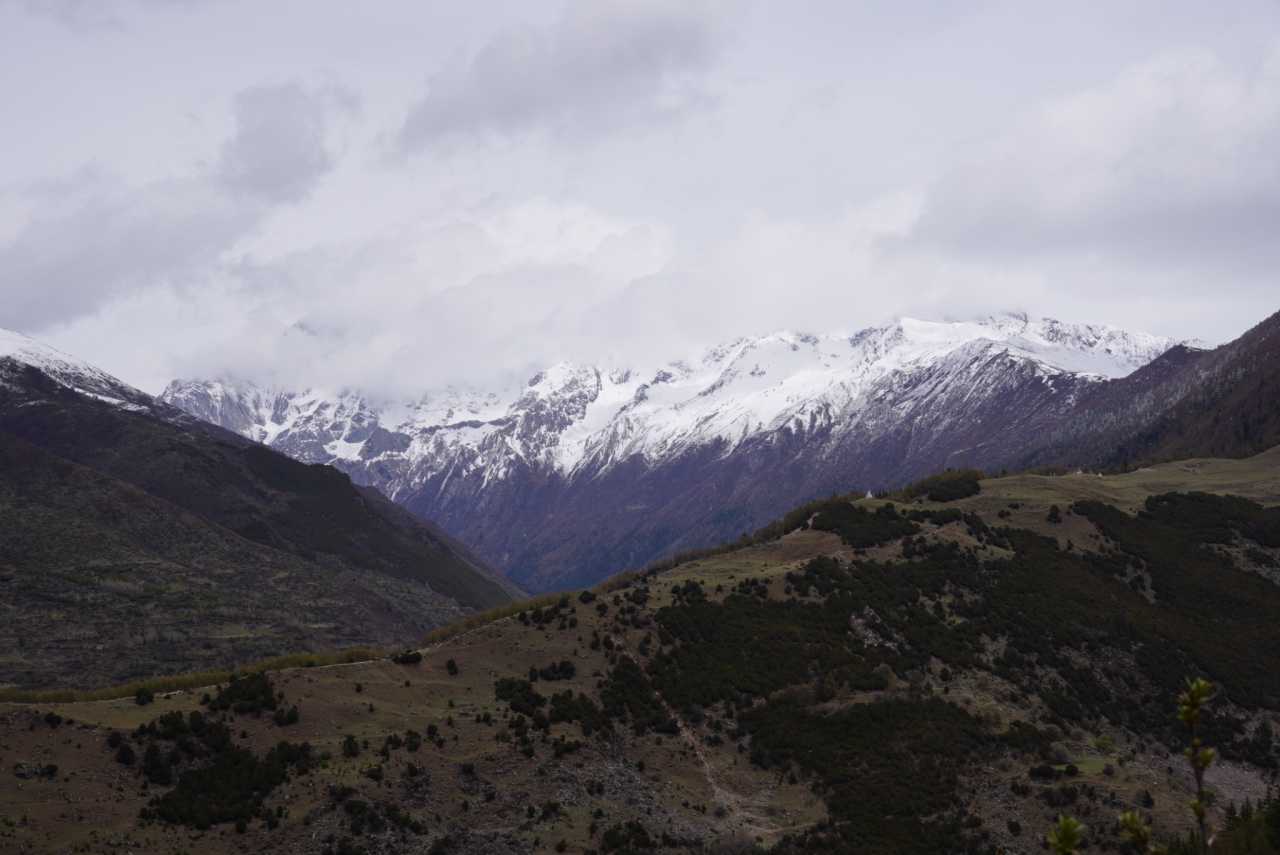
Yes! This route is considered an entry-level "test run" for plateau travel. The highest point is around 5,048 meters (Balang Mountain), but most activities occur at 2,800-3,800 meters. However, proper acclimatization is essential—spend the first night in Chengdu or at lower altitudes before ascending.
2. What is the best time to visit the Western Sichuan Mini Loop?
Late April to early June offers spring blossoms and moderate temperatures. September to October provides autumn colors and stable weather. Avoid July-August (rainy season) and December-February (extreme cold and road closures).
3. Do I need a special vehicle for self-driving in Western Sichuan?
No. The Western Sichuan Mini Loop has well-maintained roads suitable for standard SUVs and sedans. However, avoid low-clearance sports cars. A 4WD vehicle is only necessary if you plan to explore off-road trails.
4. How do I prevent altitude sickness on this route?
- Ascend gradually (spend first night below 2,800 meters)
- Stay hydrated (drink 3-4 liters of water daily)
- Avoid alcohol and heavy meals
- Consider taking acetazolamide (Diamox) after consulting your doctor
- Carry portable oxygen cans for emergencies
- Descend immediately if symptoms worsen
5. What should I pack for a 5-day Western Sichuan trip?
Essentials: - Three-layer clothing system (base, mid, shell) - Waterproof hiking boots - Sunscreen (SPF 50+) and lip balm - Sunglasses with UV protection - Wool hat and sun hat - Reusable water bottle - High-energy snacks - First-aid kit with altitude sickness medication - Power bank (limited charging options in remote areas)
Conclusion: Your Soul Awaits in the Western Sichuan Wilderness
The Western Sichuan Mini Loop is more than a travel itinerary—it's a journey into yourself. From the first glimpse of snow-capped peaks at Balang Mountain to the serene rafting through Shuangqiao Valley, every moment offers a chance to disconnect from the noise of daily life and reconnect with nature's raw beauty.
Whether you're a seasoned trekker or a first-time plateau explorer, this 5-day adventure delivers an unforgettable blend of challenge, wonder, and serenity. The yak hotpot, the mountain-view rooms, the hot spring soaks—every element combines to create an experience that will stay with you long after you return home.
Ready to answer the call of the wild? Start planning your Western Sichuan Mini Loop today. Book your flights, reserve your rental car, and pack your sense of adventure. The snow mountains are waiting.
[Link: Book your Western Sichuan tour package]
Have you trekked the Western Sichuan Mini Loop? Share your experience in the comments below!