Into Spring's Magnolia Blooms: A Complete Hiking Guide to Jiangyou's Cangwang Village Dawuji
Meta Description: Discover Jiangyou's hidden magnolia paradise in Cangwang Village Dawuji. Complete hiking guide with routes, bloom season, camping tips, and how to reach this Sichuan spring wonderland.
Introduction: Uncovering Sichuan's Best-Kept Spring Secret
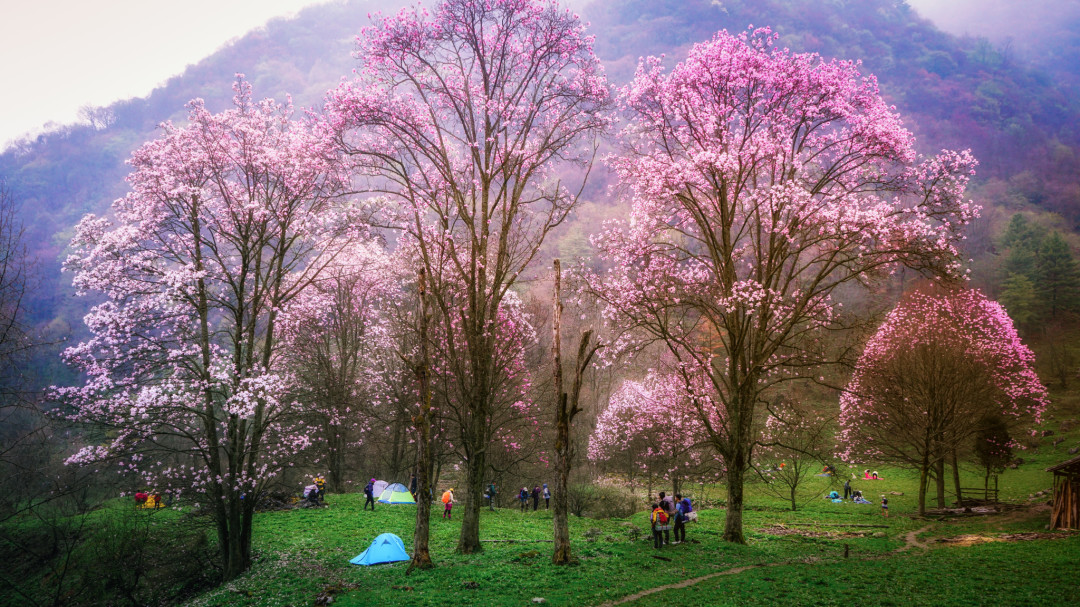
When spring breezes sweep across the mountains, awakening nature from its winter slumber, are you also searching for a secluded paradise far from the noise of daily life? Hidden deep in the mountains of Jiangyou, Sichuan, lies a little-known pink wonderland—Dawuji in Cangwang Village. Here, there are no crowds, no commercial clamor—only ancient trees, wildflowers, and a realm of pure tranquility. This hidden gem once graced the pages of Chinese National Geography, described as "a paradise in words," yet it remains obscure, waiting for those willing to measure the wilderness with their own steps.
This was once a small village nestled in a valley. After the villagers moved out, all that remained were ancient trees and wildflowers. Awakening in the morning mist and retreating into the sunset, wandering through mountain blossoms—today, I share with you a complete guide to this magnolia flower hiking route, leading you into the spring sea of blooms at Cangwang Village Dawuji.
What Makes Jiangyou's Magnolia Blooms Special?
Understanding the Magnolia Flower
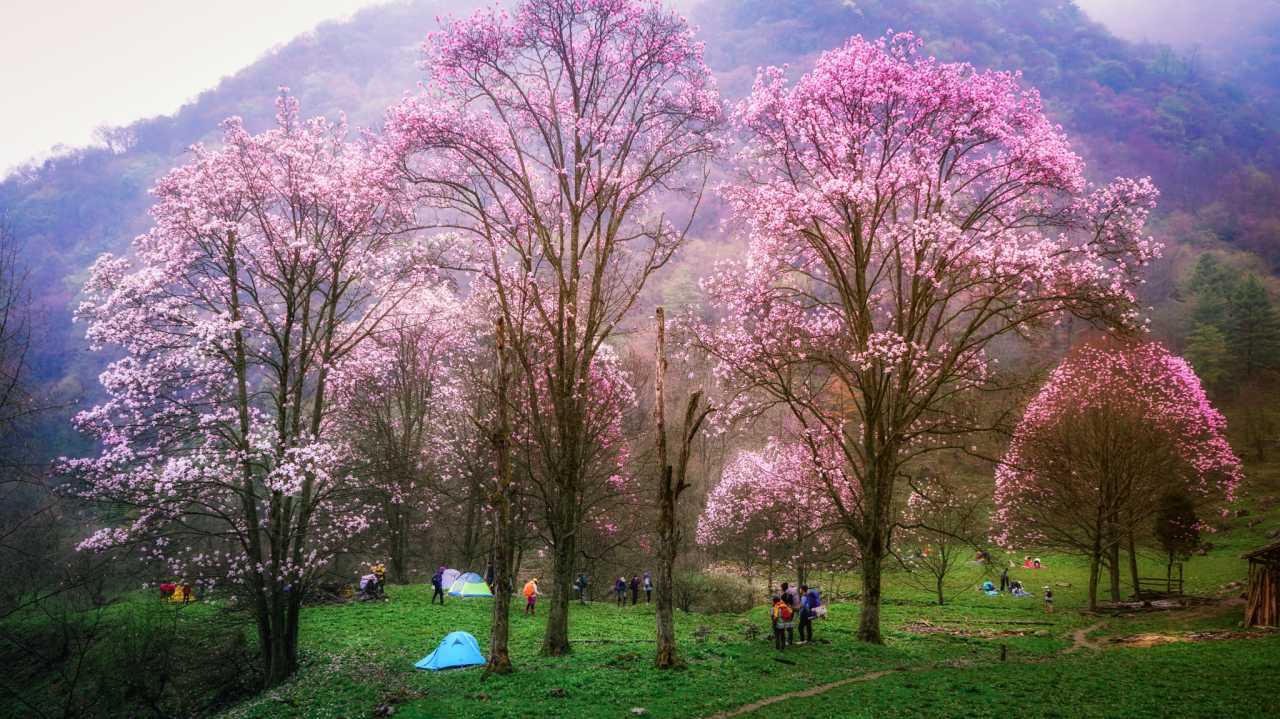
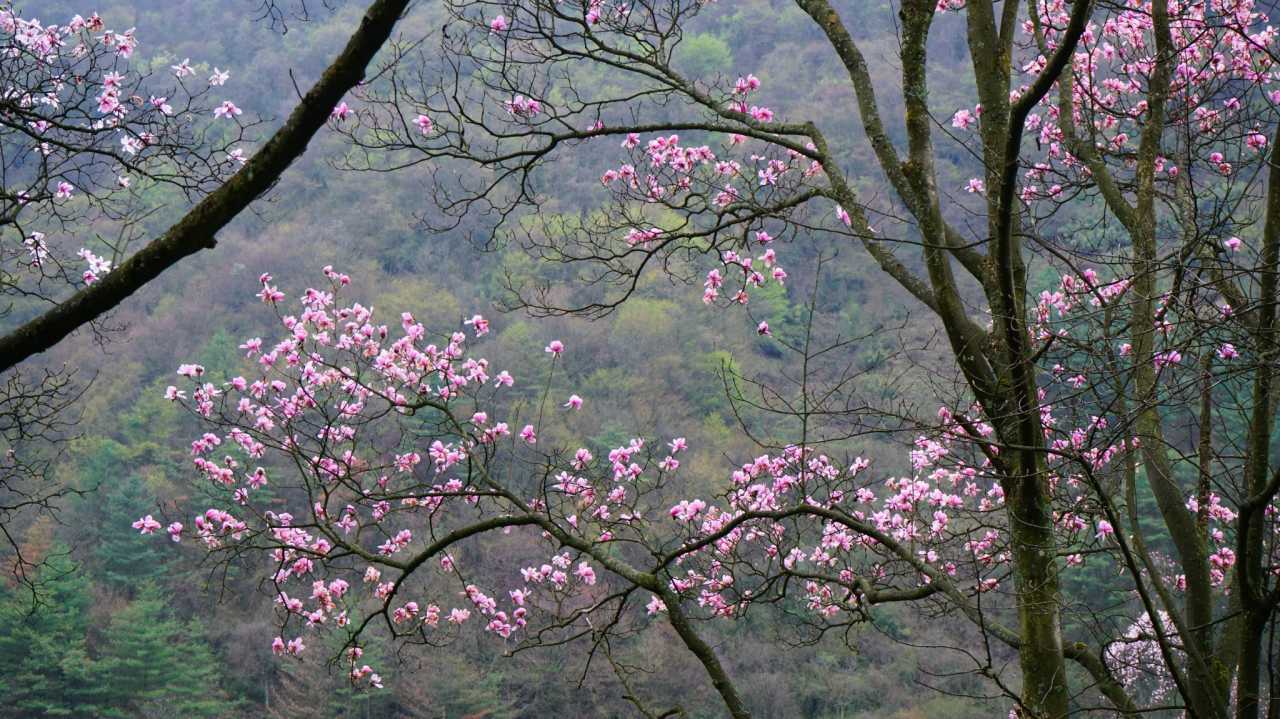
Magnolia flowers belong to the Magnoliaceae family and the Magnolia genus. These deciduous trees reach heights of 6 to 12 meters, with light gray bark and purple-brown branchlets. The leaves are oblong-lanceolate, while the flowers bloom at the tips of young branches, emitting a fragrant aroma. Each flower features nine tepals (petal-like segments), numerous stamens with filaments that are purple outside and white inside, and a cylindrical aggregate fruit.
The flowering period typically runs from February to May, with the fruiting period extending from June to September. The flower language of the magnolia is "gratitude and pure love"—showy yet not vulgar, retaining an elegant grace and unique charm.
Where Magnolia Trees Thrive
These trees primarily grow in mountain broadleaf forests at altitudes ranging from 400 to 2,000 meters. They prefer a warm climate and well-drained, loose, fertile, slightly dry sandy loam soil. You'll find them flourishing on flatlands or hilly areas throughout the region.
Alternative Names for the Magnolia
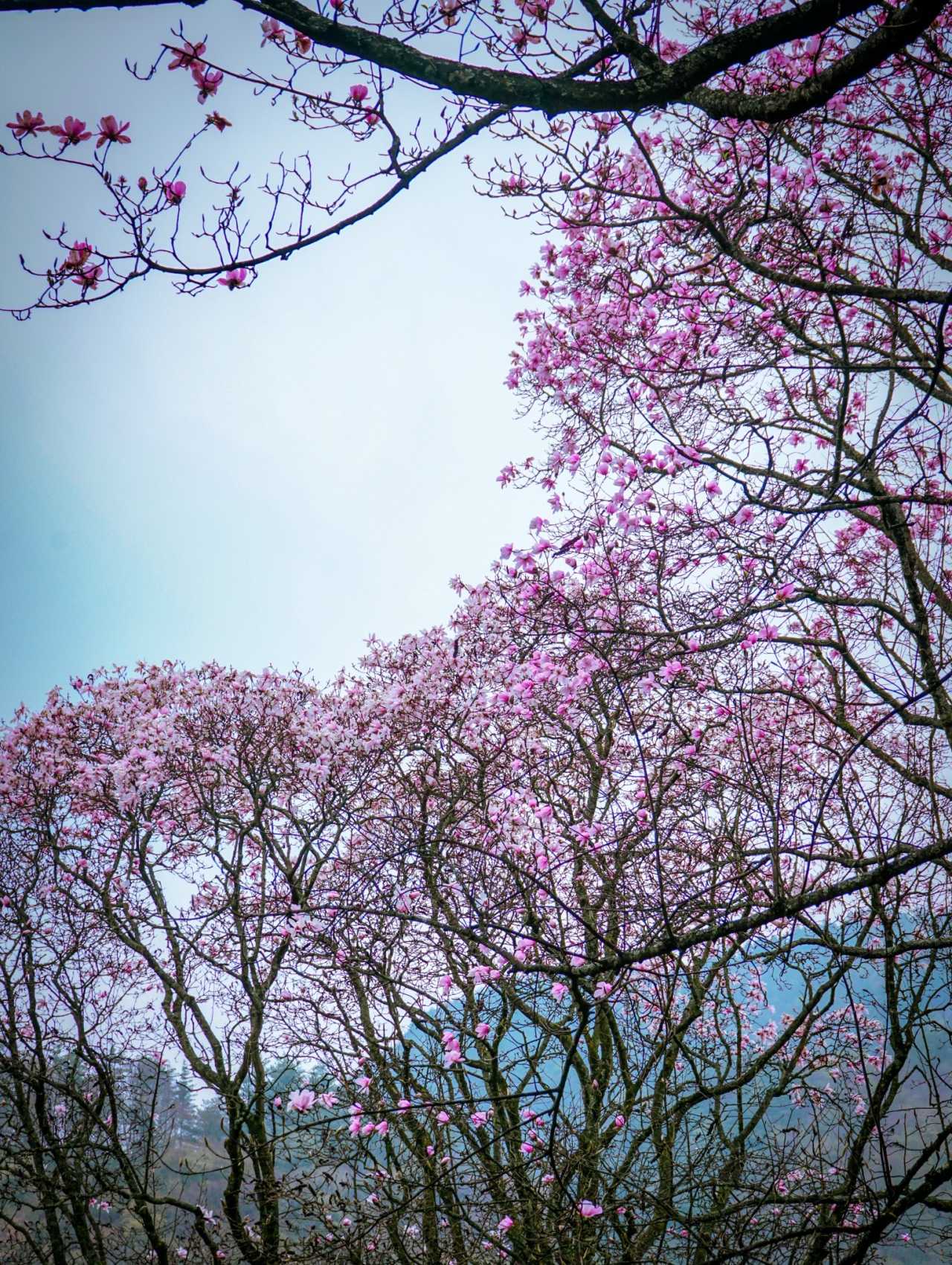
Locally, the magnolia flower goes by many names: "wooden pen flower," "spring-watching flower," "jade orchid flower," "tree orchid flower," "purple jade orchid," "jade tree," and "spring hall jade." Whatever you call it, it remains the most moving messenger of spring in Jiangyou's mountain landscapes.
Cangwang Village Dawuji: A Complete Overview
Geographic Location and How to Get There
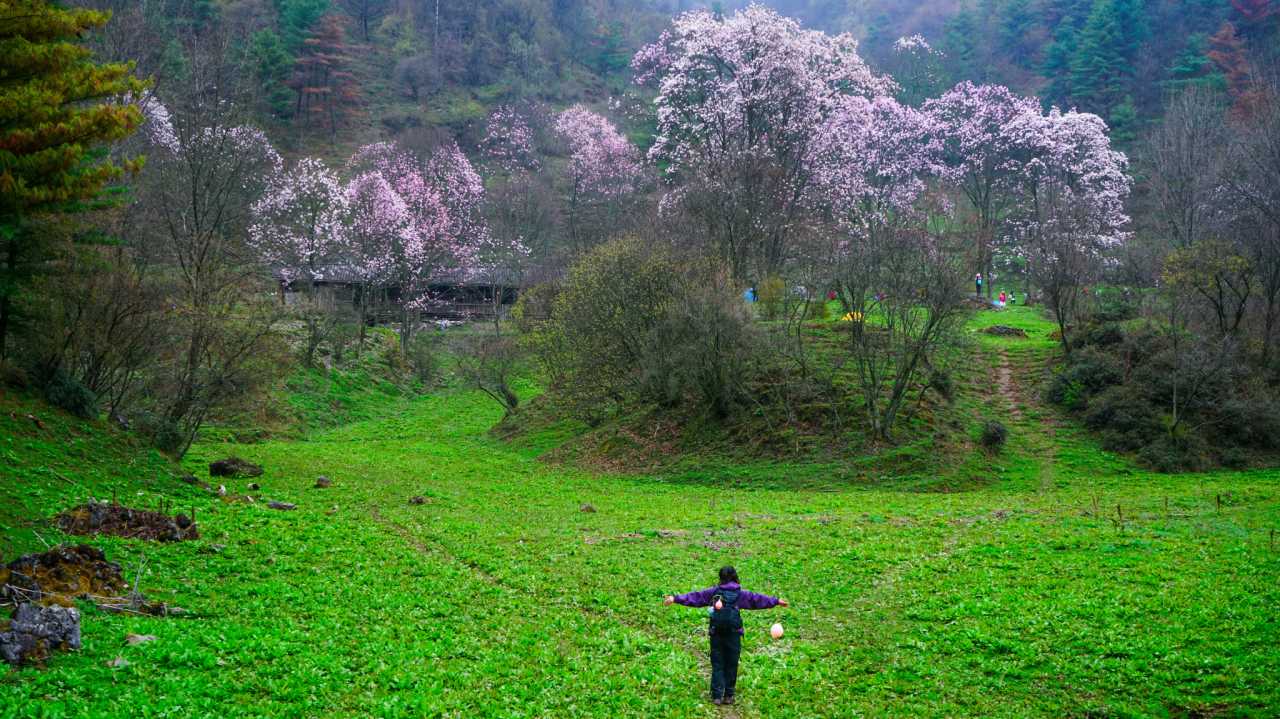
Cangwang Village is located in Guixin Valley, Yongsheng Town, Jiangyou. Simply navigate to "Guixin Valley" on your map. The drive from Chengdu takes approximately three hours. Because the road into the mountains is narrow, timing matters:
- Early departure: You can drive all the way to the trailhead
- Later departure: It's advisable to take a local shuttle vehicle
Hidden deep in the mountains, the highest elevation here is about 2,000 meters. The air is fresh and invigorating, and spring brings frequent clouds, fog, and rain—creating an ideal environment for magnolia flowers to thrive.
Best Time to See Magnolia Blooms at Dawuji
The peak flowering period is between April 8th and 15th each year, lasting only a little over a week. If you want to go, timing is everything. Within this short window, finding a day with good weather—sunny, with morning mist and evening sunset glow—makes it even more challenging.
Important notes: - Magnolia trees have "big years" and "small years" in terms of bloom intensity - Specific flowering times can vary annually - Check relevant updates before departure
[Link: Best spring hiking destinations in Sichuan]
The Ultimate Dawuji Hiking Route: Two-Day Loop

Route Overview
The recommended route is the most complete grand loop, ensuring you don't miss a single magnolia tree, with scenery that never repeats itself.
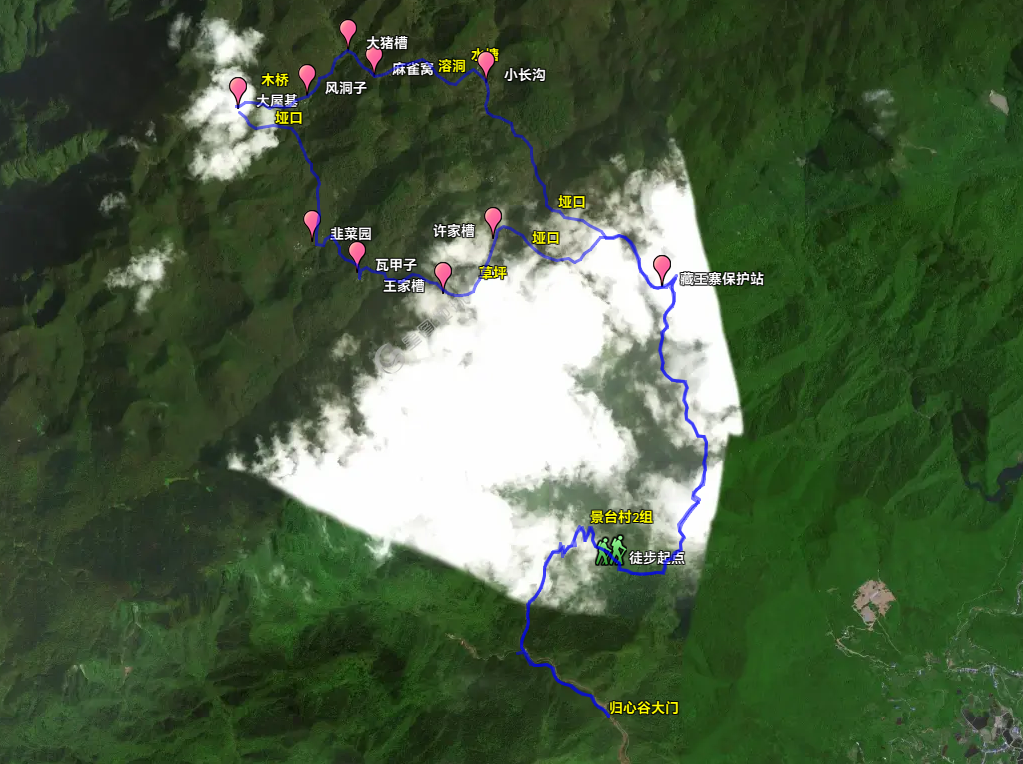
Total distance: Approximately 24 kilometers Elevation gain: About 1,200 meters Recommended duration: Two days
Day 1: Guixin Valley → Ranger Station → Xiaochanggou → Maquewo → Dazhucao → Fengdongzi → Dawuji
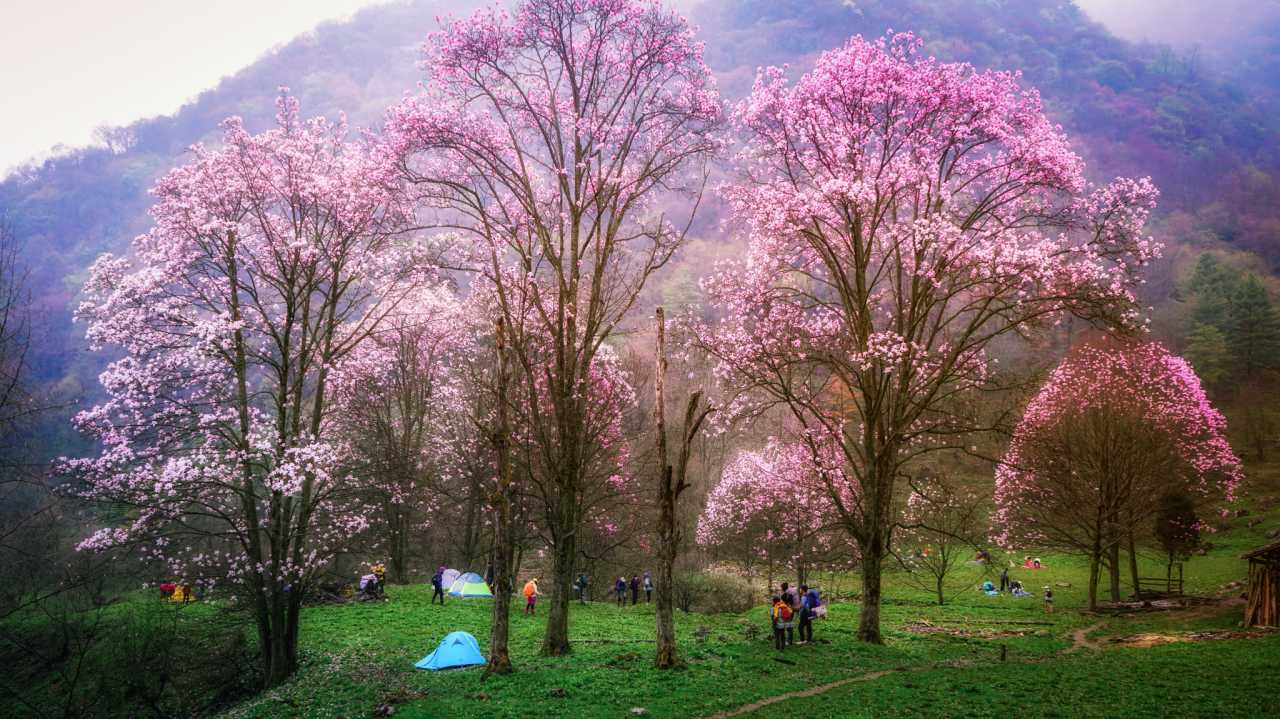
The first day takes you through the heart of the magnolia forest. The most abundant blooms are concentrated in Xiaochanggou, Dazhucao, and Dawuji itself. This section offers the most dramatic scenery, with ancient trees dotting the meadows and mist-shrouded valleys.
Day 2: Dawuji → Jiucaiyuan → Wangjiachao → Xujiachao → Ranger Station → Guixin Valley
The second day completes the loop, passing through Jiucaiyuan—another prime magnolia viewing area. This route can also be completed as a single-day through-hike for experienced hikers, but camping overnight offers a deeper experience of this hidden paradise.
Trail Conditions and Difficulty
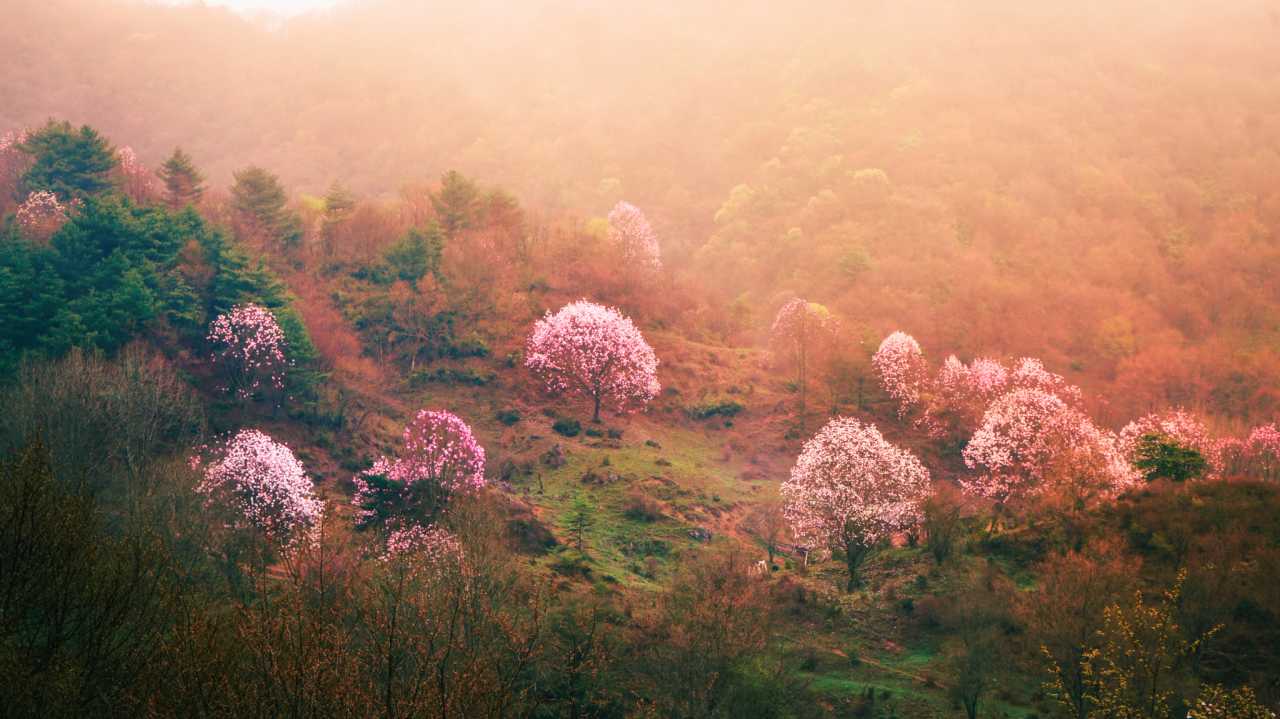
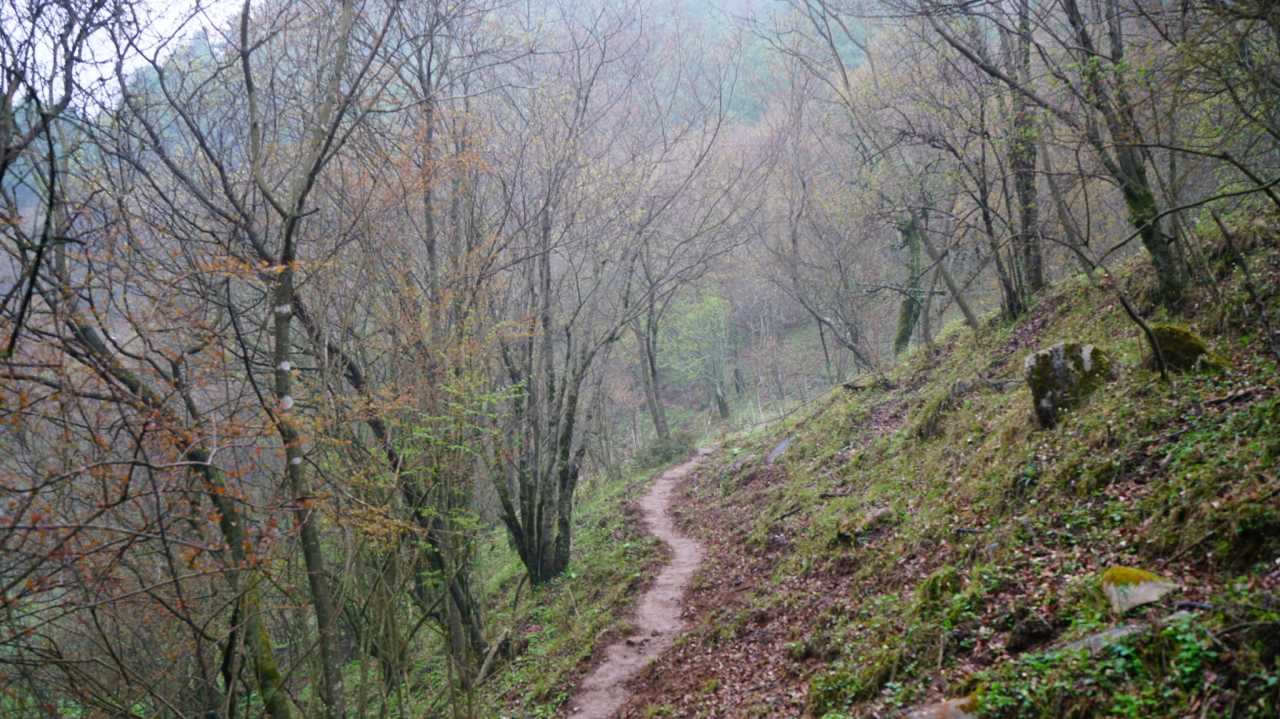
The trail conditions are varied but generally good. However, after spring rains, sections can become muddy, especially where pack mules travel. Key points:
- The path behind the Ranger Station is increasingly difficult
- Spring rains turn some trails into muddy quagmires
- Trekking poles are highly recommended
- Proper hiking boots are essential
Where to Stay and Eat at Cangwang Village
Accommodation Options
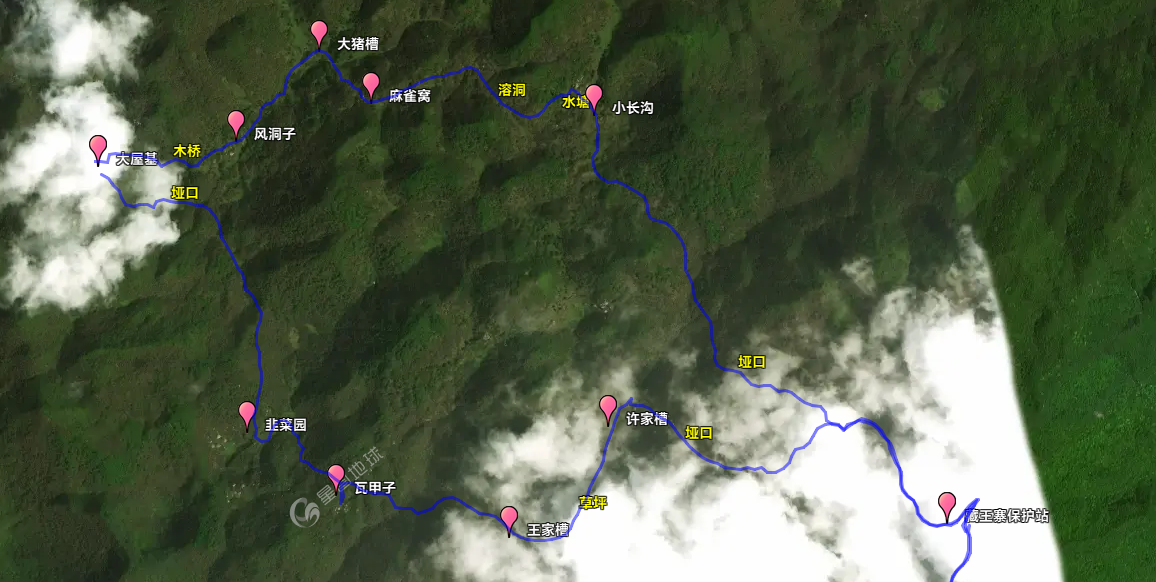
Currently, the Ranger Station, Dazhucao, Dawuji, and Jiucaiyuan can provide accommodation and meals. Here's what to expect:
- Price range: Approximately 100 RMB per night (includes breakfast and dinner)
- Weekend rates: Higher than weekday rates
- Reservations: Not possible due to no cell signal—first-come, first-served
- Accommodation type: Basic shared dormitory-style beds or tents
Camping at Dawuji
If you enjoy camping, the camping conditions at Dawuji are quite good and highly recommended. You'll need to bring:
- Tent, sleeping bag, sleeping pad
- Camping stove and cookware
- One dinner and one breakfast
- Trail snacks
[Link: Essential camping gear for Sichuan mountain hiking]
What to Pack for Your Dawuji Hiking Trip
Essential Clothing
| Item | Purpose |
|---|---|
| Quick-dry tops and bottoms | Base layer for moisture management |
| Lightweight down jacket | Warmth at higher elevations |
| Waterproof jacket and pants | Protection from rain and mist |
| Wool socks | Warmth and blister prevention |
| Hiking boots or trekking shoes | Traction on muddy trails |
| Rain jacket | Unexpected spring showers |
Essential Gear
- Headlamp (essential for early starts or late finishes)
- Trekking poles (highly recommended for muddy sections)
- Backpack (comfortable for 24km hiking)
- Cash (no ATMs or card payments in the mountains)
Optional Gear
- Camera (for capturing magnolia blooms)
- Drone (for aerial views of the valley)
- Binoculars (for wildlife spotting)
Into the Deep Mountains: The Ranger Station and Xiaochanggou
On a morning when the weather wasn't ideal, a group of friends in a few cars finally arrived at the starting point of our hike—Guixin Valley. We parked and hurried up the mountain. The trail conditions were varied but generally good.
On the winding mountain path, thin mist swirled, awakening spring. Branches on either side were sprouting new leaves, and the grass was beginning to turn green. As we continued along the rocky slopes, more people appeared—Dawuji is gaining popularity, and this hidden gem is gradually entering people's awareness.
After about two hours of hiking, we reached the Cangwang Village Ranger Station. Here, you can warm yourself by a fire, eat, and spend the night—it's the largest supply point in the entire area. Passing through the station, we continued up the mountain via the trail behind it. The path grew increasingly difficult, especially after several spring rains, and with pack mules coming and going, the trail had turned into a muddy quagmire.
We arrived at a fork in the loop trail around Dawuji. One path led toward Dazhucao, while the left-hand trail headed toward Jiucaiyuan. Both eventually converge at Dawuji.
We kept walking along the mountain path, weaving through the forest, and the trail gradually improved. Along the way, we spotted a tree pruned to look like a bonsai. Moving on, we began to see occasional magnolia trees, though scattered and solitary. However, the surrounding meadows were beautiful.
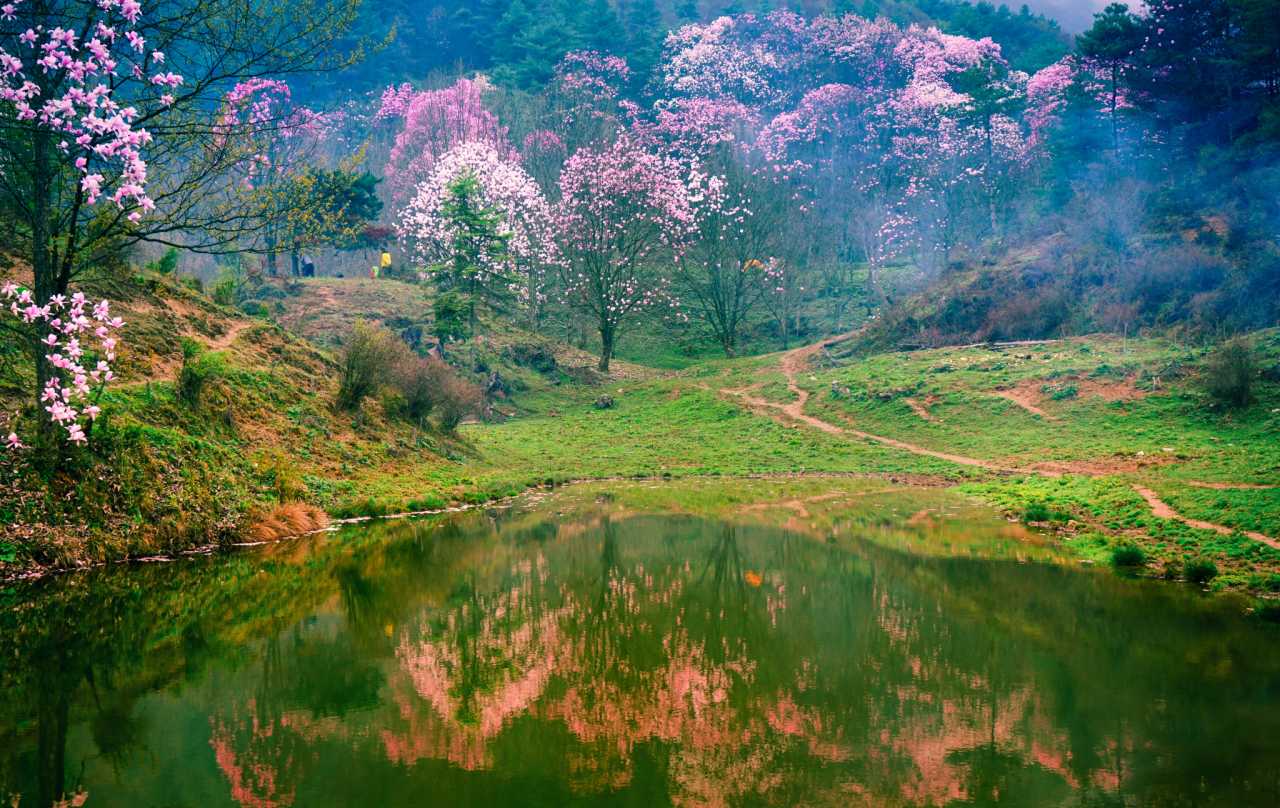
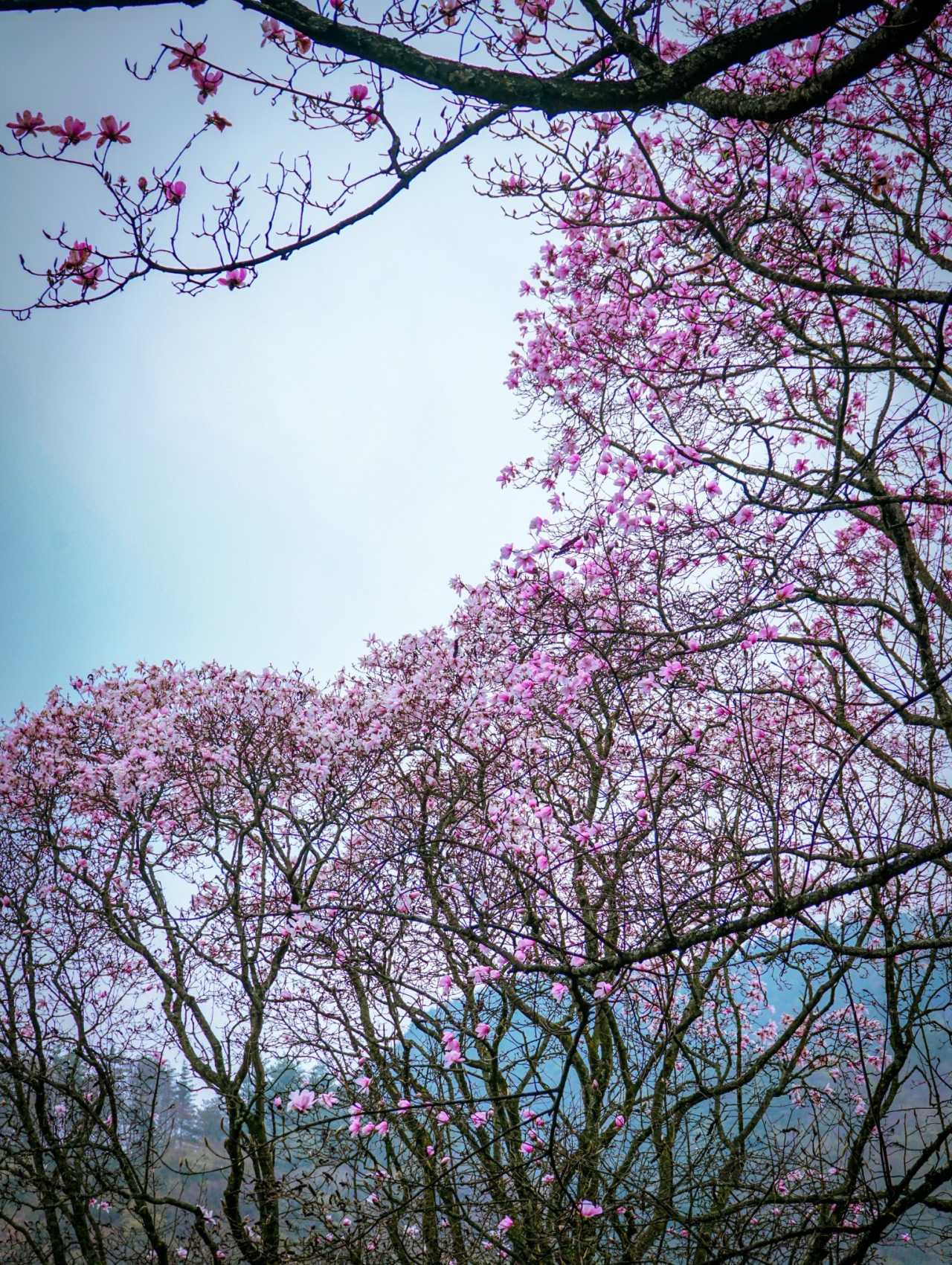
The trail rose and fell, and we could only rely on our own steps to measure the distance. This must have been the last pass on this section. Sure enough, after crossing it, a vast meadow appeared below, with a large expanse of magnolia trees beyond it. In the morning mist, a small cottage stood with wisps of cooking smoke rising from its chimney—we had stepped into a hidden paradise: Xiaochanggou.
We took our first group photo with the magnolia flowers. The blossoms were white tinged with pink, their colors lovely. Then we scattered, hurrying to capture the beauty of this flower sea. Taking advantage of the faint morning mist, we captured this scene—the delicate mist and the flower sea were so smooth, and with a longer exposure, they took on a soft, dreamlike quality.
We arrived at the courtyard in front of the cottage, where a small pond lay. The pond wasn't large, but it perfectly reflected the magnolia trees—a photographer's dream.
Frequently Asked Questions About Cangwang Village Dawuji
1. Is the Dawuji hiking route suitable for beginners?
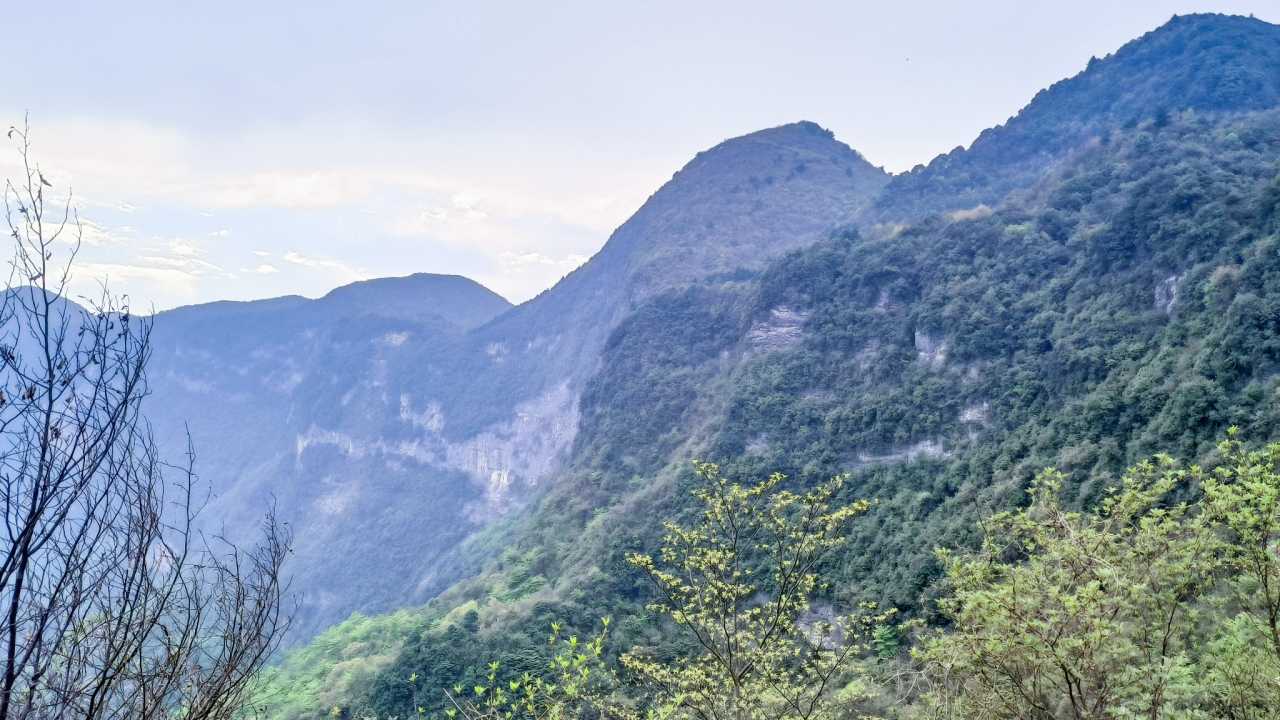
The 24-kilometer loop with 1,200 meters of elevation gain is considered moderate to challenging. Beginners can attempt the route over two days with camping, but single-day completion requires good fitness. The muddy sections after rain add difficulty.
2. Can I visit Dawuji outside the magnolia bloom season?
Yes, but the primary attraction is the magnolia blooms. The peak season is only April 8-15. Outside this window, the area offers beautiful mountain scenery and wildflowers, but the famous pink wonderland won't be at its best.
3. Is there cell phone reception at Cangwang Village?
No. There is no cell signal in the mountains. Don't rely on reservations for accommodation—it's first-come, first-served. Inform someone of your plans before departing, and carry a physical map or downloaded navigation.
4. What is the best time of day for photography at Dawuji?
Early morning offers the best conditions. The morning mist creates a dreamlike atmosphere, and the soft light enhances the pink hues of the magnolia blooms. Sunset also provides beautiful golden-hour photography opportunities.
5. Are dogs allowed on the Dawuji hiking trail?
While not explicitly prohibited, the trail conditions—especially muddy sections and pack mule traffic—make it challenging for dogs. If you bring a dog, ensure it's well-trained, physically fit, and equipped with booties for rough terrain.
Plan Your Spring Magnolia Adventure Today
The magnolia blooms at Cangwang Village Dawuji wait for no one. With a peak season lasting barely a week, planning is essential. This hidden paradise offers something rare in today's crowded travel landscape: genuine solitude, untouched nature, and the chance to witness spring's most beautiful messenger in its natural habitat.
Whether you're a seasoned hiker tackling the full 24-kilometer loop, a photographer chasing the perfect misty-morning shot, or a nature lover seeking peace far from the city, Dawuji in Jiangyou delivers an unforgettable experience.
Don't let this spring pass you by. Pack your gear, check the bloom forecast, and set out for Sichuan's best-kept secret. The magnolia trees are blooming, the mist is rising, and the trail is waiting.
[Link: More Sichuan hiking guides and spring flower destinations]
Have you visited Cangwang Village Dawuji? Share your experience in the comments below, or ask questions about planning your trip. Your fellow hikers will thank you!
You may also like


