In Muli, Encountering Another Possibility of Shambhala

Here is the SEO-optimized rewrite of your article. The content has been restructured for search engine visibility while preserving the original narrative voice and factual accuracy.
Title: Muli Travel Guide: Discovering the Hidden Shambhala in Sichuan’s Daliang Mountains
Meta Description: Explore Muli, the secluded "Shangri-La" in Sichuan. Discover Muli Monastery, rugged mountain roads, and the Tibetan paradise that inspired James Hilton. Plan your journey.
Muli Travel Guide: Discovering the Hidden Shambhala in Sichuan’s Daliang Mountains
Some places you can pinpoint precisely on a map, yet they always feel just out of reach. Muli, Sichuan, is exactly that kind of place. Nestled deep within the Daliang Mountains of southwestern Sichuan, this remote Tibetan autonomous county remains one of China’s most elusive travel destinations.
In October 2022, I brought my family and spent five days entering this land known as "Shambhala." It was less a trip and more a pilgrimage to a distant dream. Here is your comprehensive Muli travel guide to encountering another possibility of paradise.
Why Muli Is Called the Real Shangri-La
The term "Shambhala" refers to the land of ultimate bliss—a paradise on earth. But Muli holds a unique claim to this title. In 1925, explorer Joseph Rock visited Muli Monastery three times, documenting his travels for National Geographic magazine. British author James Hilton later used Rock’s writings as inspiration for Lost Horizon, introducing the world to the concept of "Shangri-La."
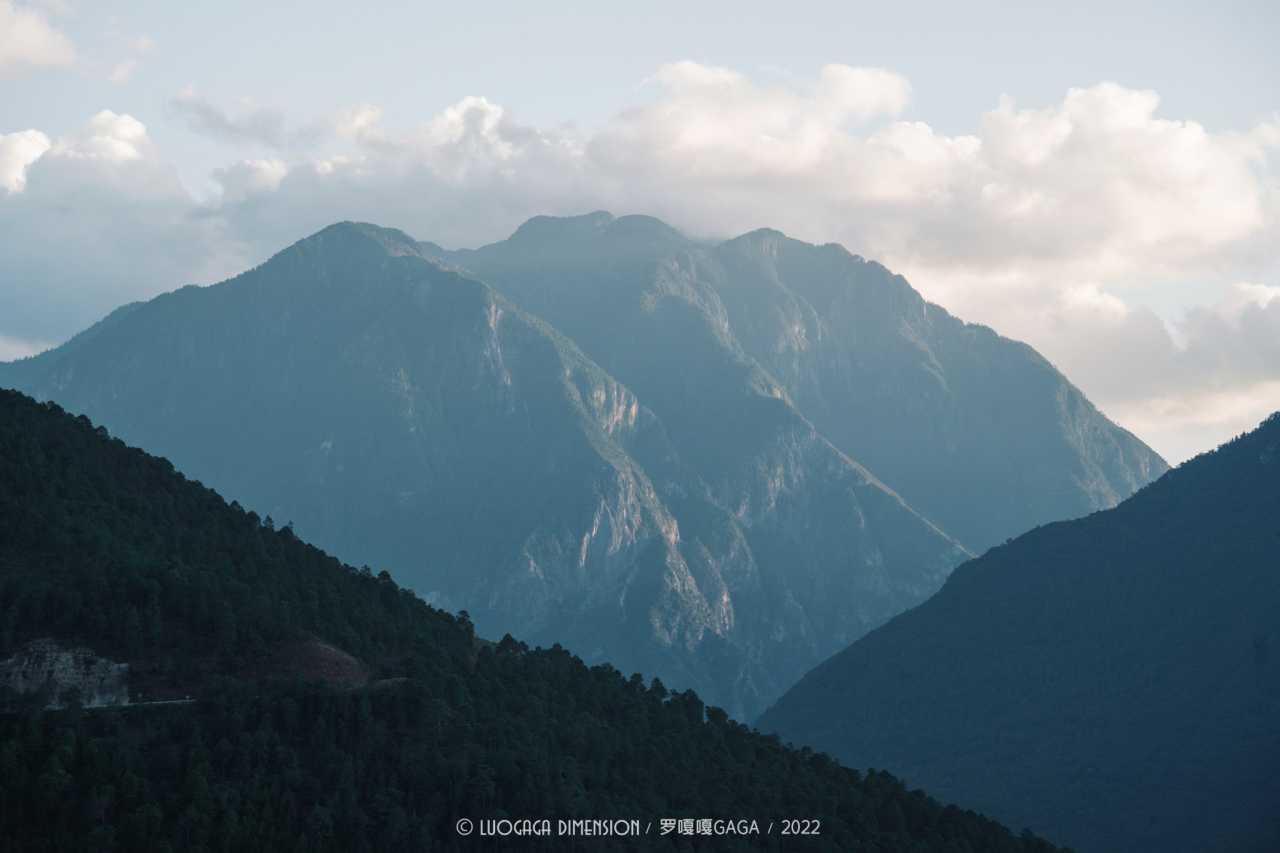
Many believe the prototype for Shangri-La lies in Muli. While other destinations like Yading or Shangri-La City claim the name, Muli remains the quiet, untouched heart of the myth. It is one of only two Tibetan autonomous counties in China, where 21 ethnic groups coexist. Bordering Litang, Yajiang, Yanyuan, Kangding, Jiulong, and Yunnan’s Shangri-La City, Muli sits at the center of a network of famous destinations—yet it remains a pearl wrapped in mountains.
The Road to Muli: Navigating the Daliang Mountains
A Journey of Patience and Courage
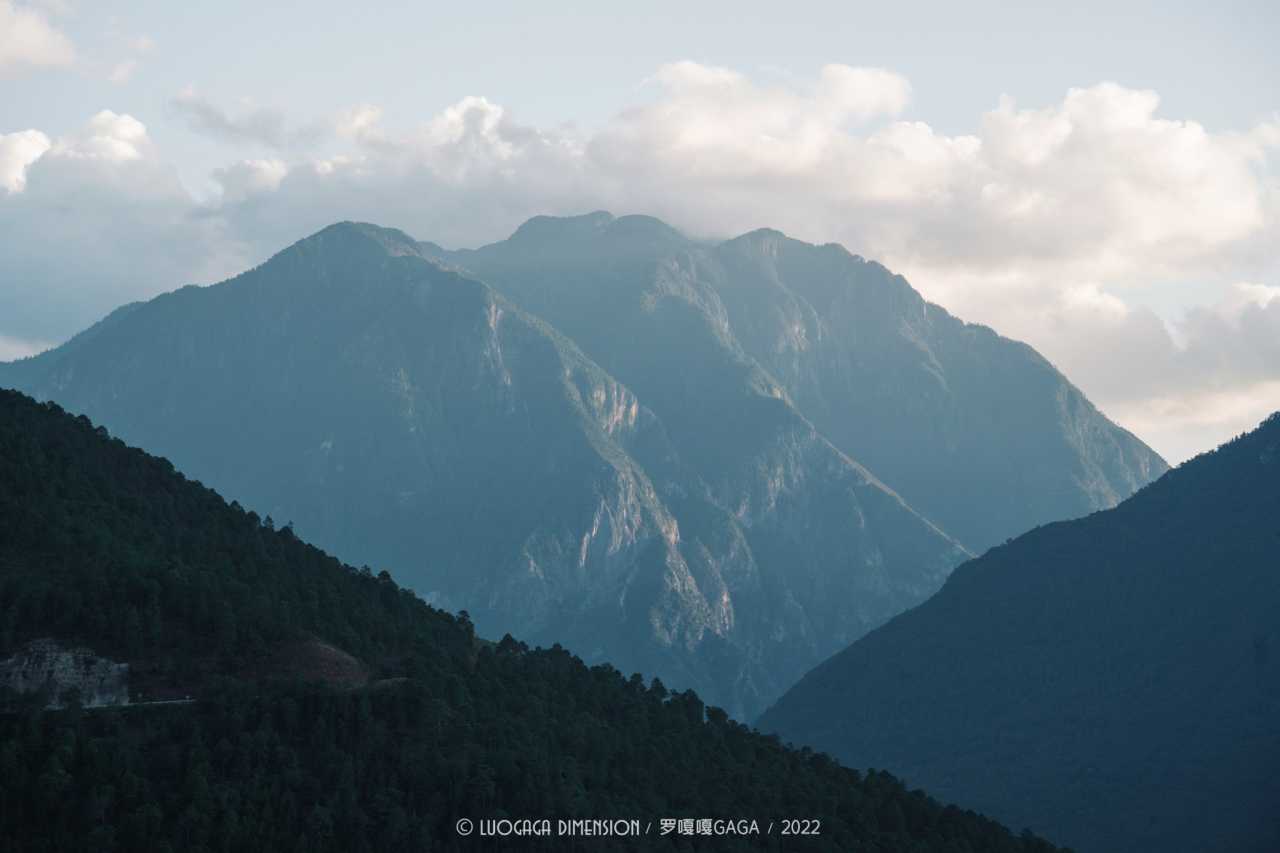
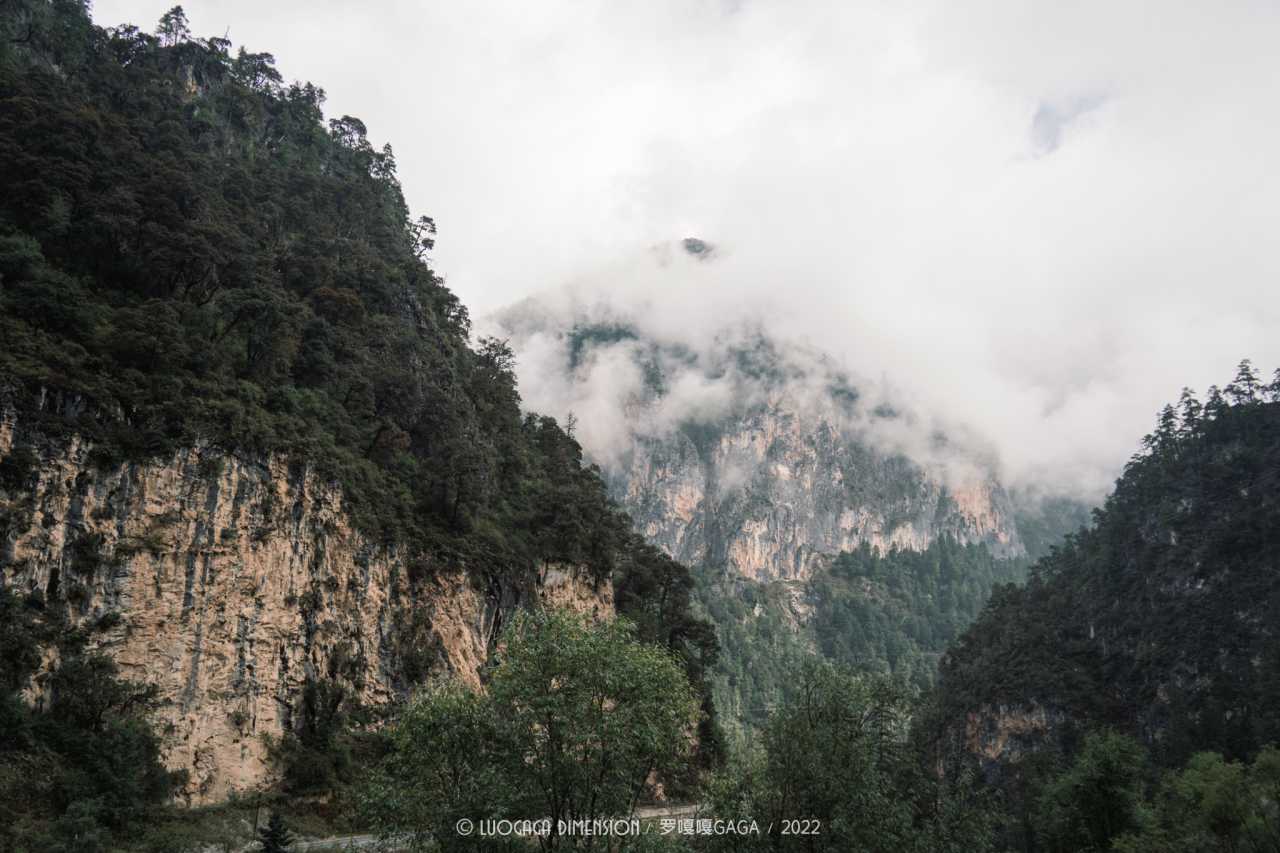
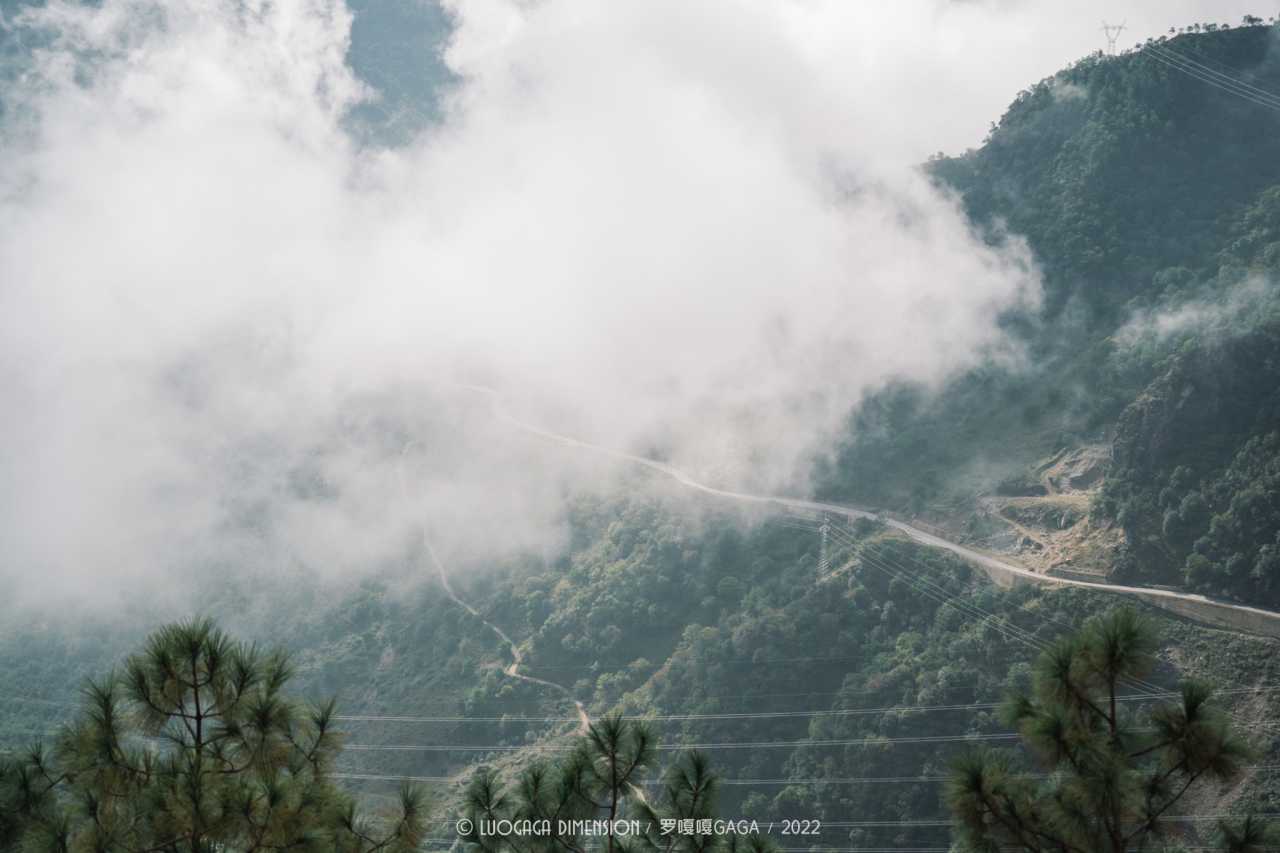
Departing from Xichang, the road to Muli is a test of endurance. The scenery shifts from city to village to endless mountains. Inside Muli’s territory, the mountain roads straighten out slightly, but "straight" is a relative term. You will encounter:
- Countless 180-degree hairpin turns
- Falling rocks and landslides
- Six months of fire prevention season
- Four months of monsoon rains
Nature uses its most primal methods to filter visitors. Only those truly willing to "waste time" for Muli make it through. Tourist facilities—rest areas, viewing platforms, and public toilets—are brand new, built within the last two years. Muli is working hard to open its doors, but the road remains rugged.
Entering Qiaowa Town: The County Seat
Approaching Qiaowa Town, the county government seat, Buddhist painted murals appear on the hillside. A massive portrait of Chairman Mao marks the entrance. The entire town is built along the mountainside, with Tibetan-style buildings featuring red roofs and white walls. National Highway 227 skirts the bottom of the town, while the raging Litang River runs beside it.
The town is lively, with narrow roads where motorcycles, pedestrians, and street stalls weave together. The Sichuan pepper in the breakfast shop is especially fragrant—a local specialty worth stocking up on.
Muli Monastery: A Dialogue Between Faith and Time
How to Visit Muli Monastery
Crossing a bridge hung with prayer flags and climbing the winding mountain road, Muli Monastery comes into view. Even before ascending, you can feel its grandeur. The road leading to the monastery is narrow and twisting, with potholes and construction sections that cause traffic jams lasting hours. Monks ride motorcycles up and down the mountain.
Muli Monastery—Tibetan name "Muli Gadan Shezhu Qule Langbajiwaling"—sits at an altitude of 2,637 meters. Built in 1656 (the 13th year of the Qing Dynasty’s Shunzhi reign), it was founded by the lama Sangden Rongbu, modeled after Lhasa’s Drepung Monastery. The temple has been destroyed, rebuilt, and expanded multiple times. The current main building was completed in 2020.
What to See Inside
The intricately carved and painted wooden pillars inside and outside the main hall are works of art. Every pillar features finely detailed patterns and vibrant colors, radiating an aura of sacred inviolability. The interior is even more magnificent:

- Painted murals on the walls
- Ritual objects and decorations
- Carved central pillars
- Monks' robes and hats neatly folded on the central platform
On either side outside the main hall stand two white marble steles, erected in May 2022. They record the monastery’s construction history and mention Joseph Rock. The inscription reads: "Austrian-American explorer Joseph F. Rock visited Muli Monastery three times in 1924, 1928, and 1929, and published multiple travelogues about Muli in National Geographic magazine."
Rock wrote in his travelogue: "In my dreams, I returned to that fairy-tale land surrounded by high mountains—Muli. It is so beautiful and peaceful. I also dreamed of medieval gold and riches, of buttered lamb and pine torchlight—everything was so comfortable, so pleasant, so beautiful..."
Current Renovation Status
The monastery was undergoing renovation during my visit. The main hall was intact, but everything below the staircase was under construction, full of vehicles and rubble. One unusual building caught my attention—a house-shaped cover placed over a pile of earthen wall ruins. A monk told me it was the ruins of the Qiangba (Maitreya) Buddha hall. A police officer on the road said, "You should have come back in two years—it'll be beautiful then!"
Other Muli Attractions You Shouldn’t Miss
While Muli Monastery is the highlight, the county offers more:
- Litang River Valley: The green torrent that becomes a major river by the time it reaches Muli, with scattered houses dotting the slopes.
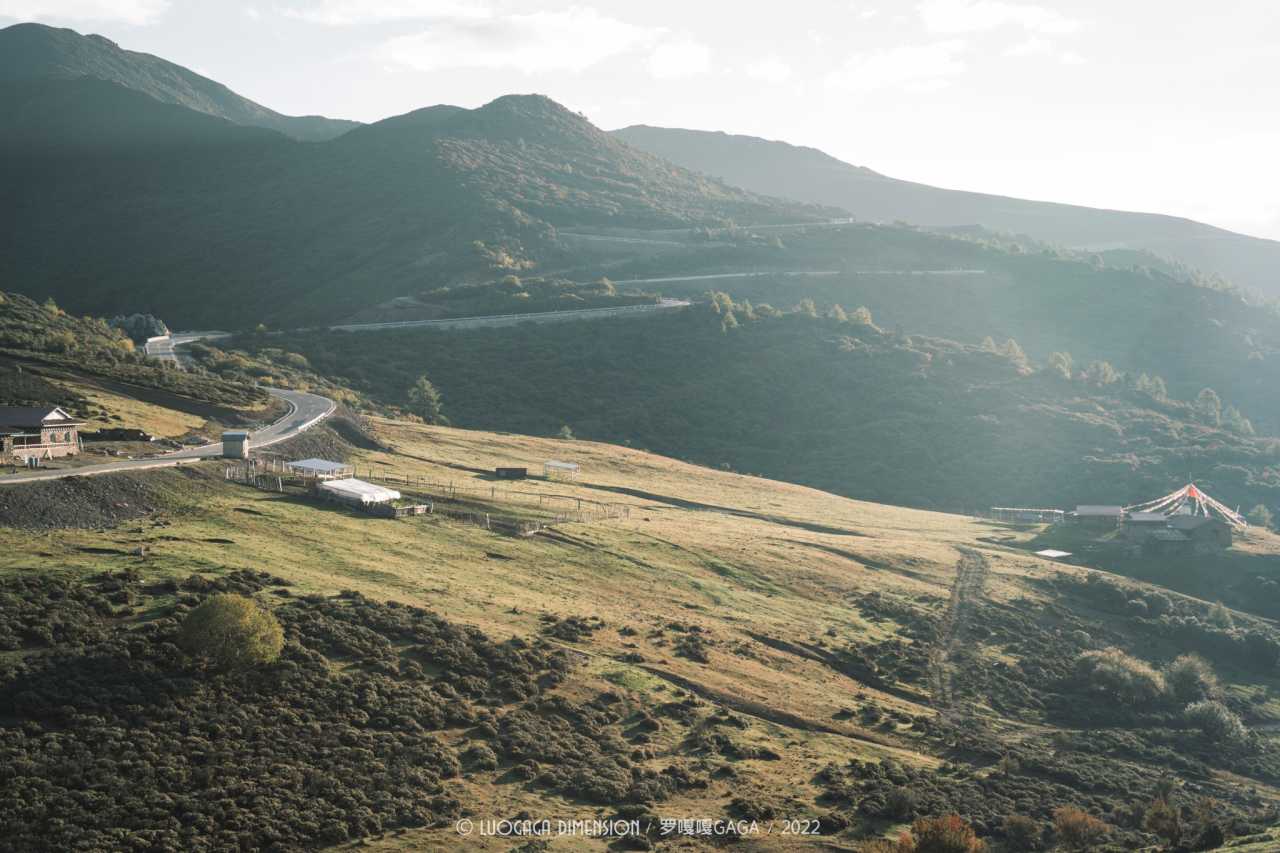
- Maoya Grasslands: Though the river is just a trickle here, the grasslands offer stunning high-altitude scenery.
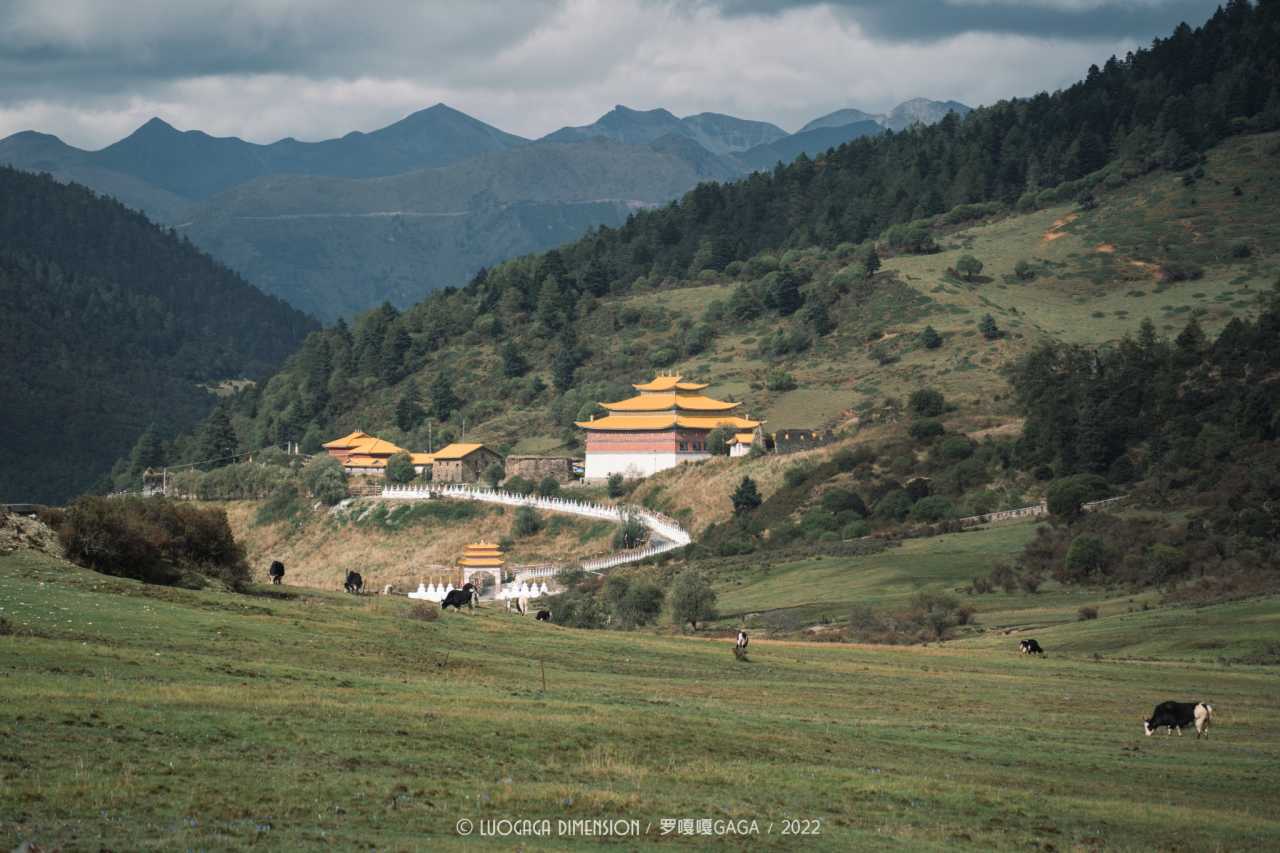
- Tibetan Villages: Red and yellow Tibetan-style buildings stand out vividly against the sea of green.
- Local Markets: Stock up on Sichuan pepper and other local products.
FAQ: Planning Your Muli Trip
1. When is the best time to visit Muli?
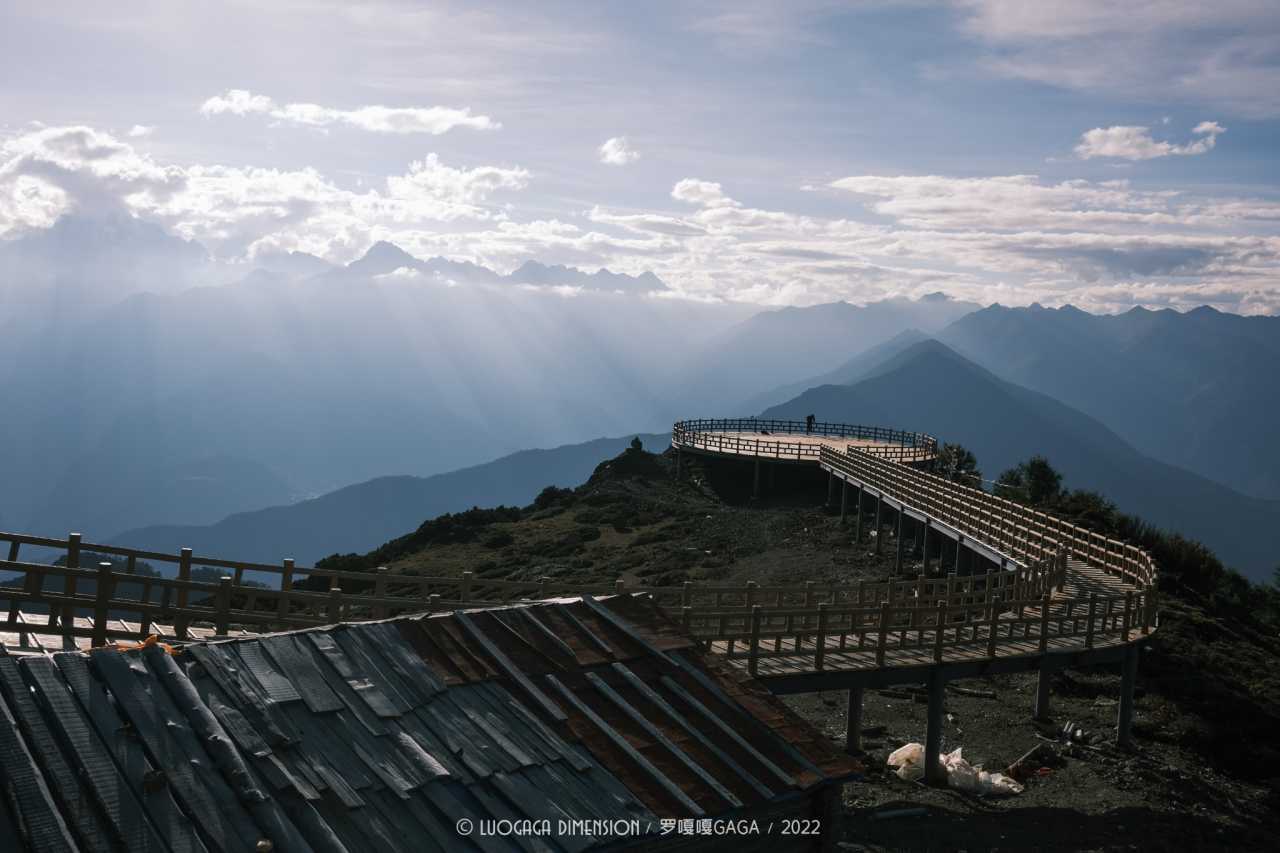 The best time is October for clear skies and mild temperatures. Avoid the monsoon season (June–September) due to landslides and road closures. Fire prevention season (November–April) may restrict some outdoor activities.
2. How do I get to Muli?
Fly into Xichang Qingshan Airport and drive west into the Daliang Mountains. The drive takes 4–5 hours depending on road conditions. Alternatively, take a bus from Xichang to Qiaowa Town.
3. Is Muli safe for solo travelers?
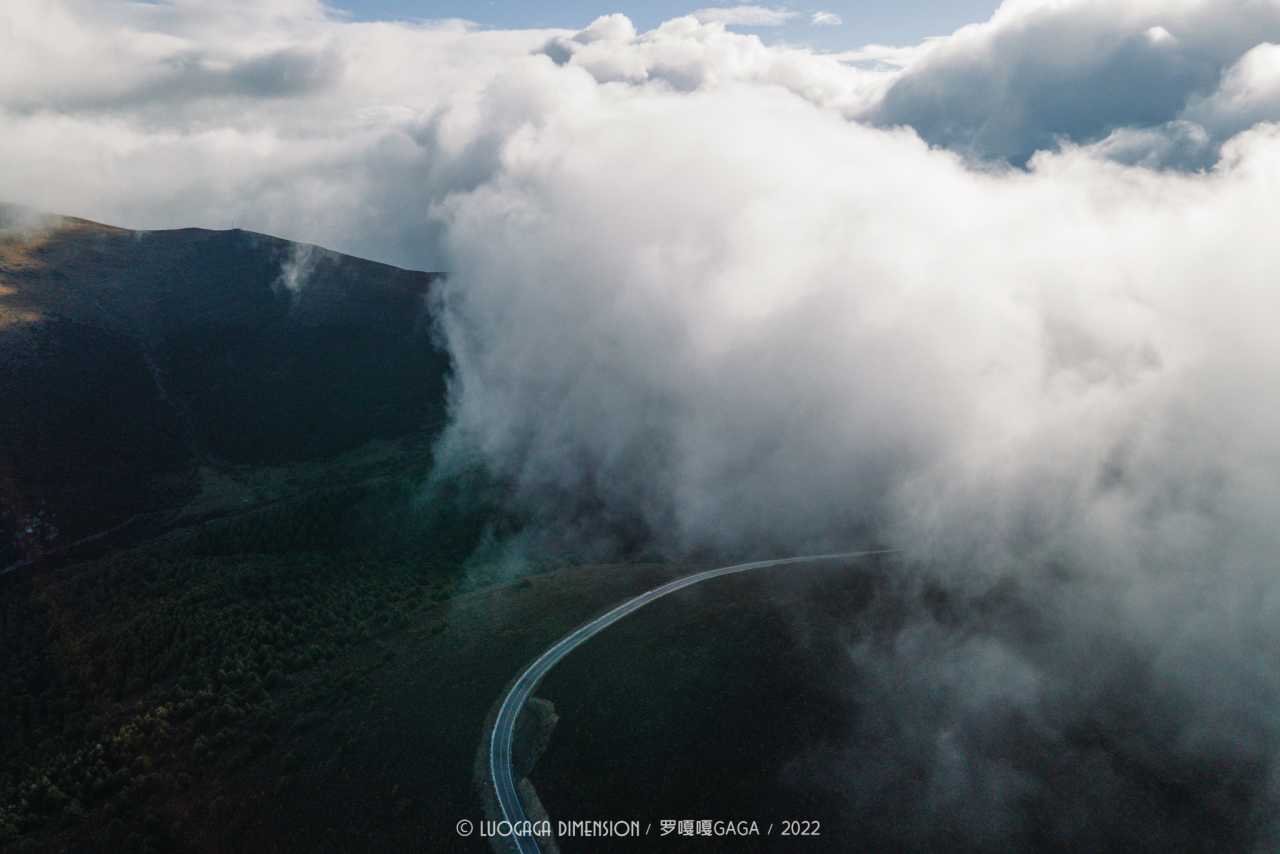 Yes, but you need a 4WD vehicle and an experienced driver due to the hairpin turns and potential landslides. Roadside assistance is limited, so carry supplies.
4. What should I pack for Muli?
 Pack warm layers (temperatures drop at night), sturdy hiking shoes, rain gear, snacks, and a first-aid kit. The altitude (2,637 meters at the monastery) can cause mild altitude sickness.
5. Can I visit Muli Monastery without a guide?
Yes, the monastery is open to visitors. However, a local guide can help navigate the construction zones and provide deeper historical context. [Link: Guided tours in Muli]
Internal Linking Suggestions
- [Link: How to plan a road trip through Sichuan’s Tibetan regions]
- [Link: Best Tibetan monasteries to visit in Sichuan]
- [Link: The history of Shangri-La and Joseph Rock’s expeditions]
- [Link: Top 10 hidden gems in the Daliang Mountains]
Final Thoughts: Why Muli Deserves Your Time
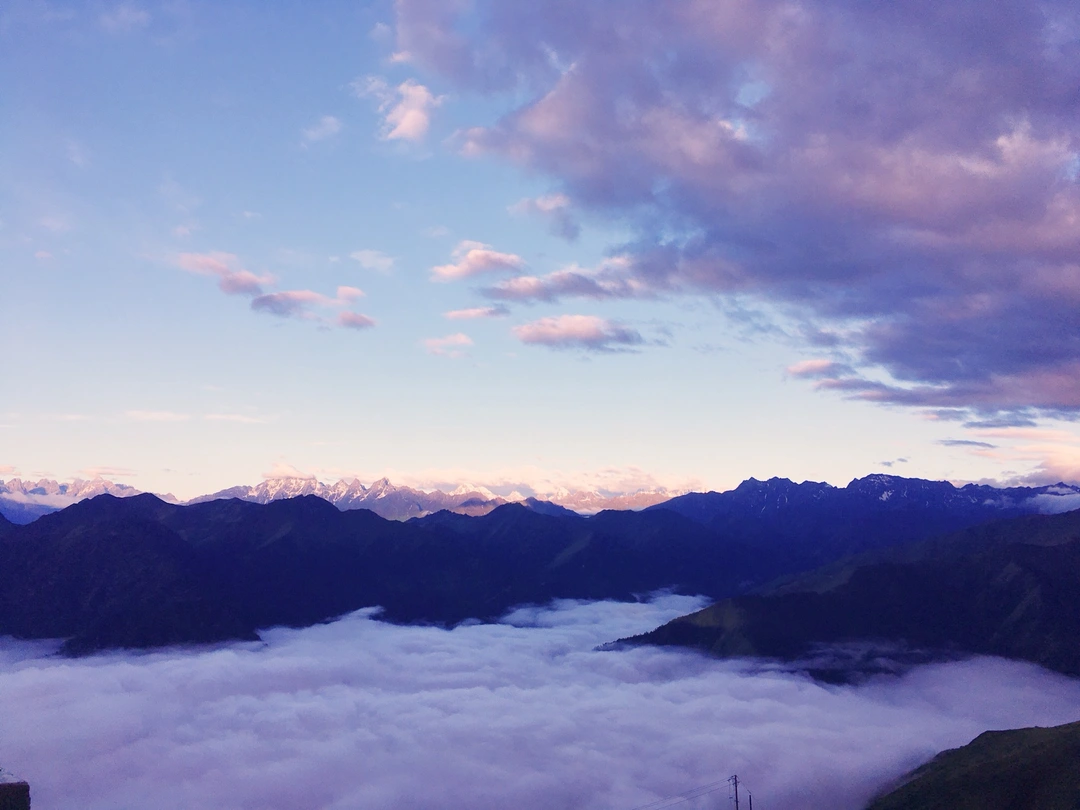
Muli is not a place you simply visit. It is a place you earn. The road tests your patience. The altitude challenges your body. The construction reminds you that paradise is still being built. But when you stand on Muli’s soil, watching mist rise from the valleys and listening to the wind cut through the dense forests, you understand—it’s not a place name. It’s a feeling.
Joseph Rock dreamed of returning to this fairy-tale land. James Hilton turned that dream into a global legend. Now, it’s your turn.
Are you ready to discover your own Shambhala? Start planning your Muli trip today. Book your flight to Xichang, pack your patience, and prepare for the journey of a lifetime.
CTA: Have you visited Muli or another hidden Shangri-La? Share your story in the comments below. For personalized itinerary advice, contact our travel experts.
You may also like