In Chengdu's Slow Time, I Found What Life Should Be: A Travel Guide to the City That Never Rushes
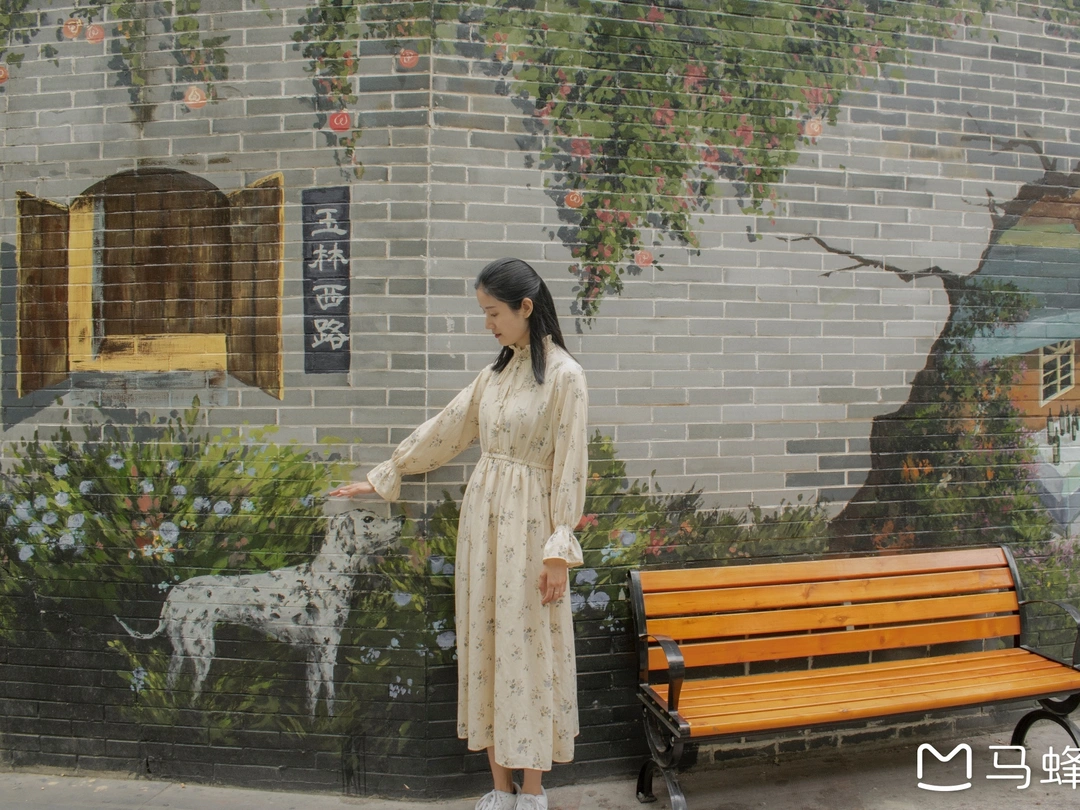
Meta Description: Discover why Chengdu is called "a city you never want to leave." From Yulin's food streets to Jinli's ancient charm, learn how to experience Chengdu's slow pace and vibrant culture like a local.
Introduction: Why Chengdu's "Slow Life" Captivates Travelers
Every traveler has that one city they dream of visiting—a place that whispers to them through stories and photos. For me, that city was Chengdu. Friends described it as "a city you never want to leave," and after years of hearing that phrase, I finally decided to test the legend myself.
April seemed like the perfect time. I packed light, kept my schedule deliberately loose, and set out to experience Chengdu's famous "slow life" firsthand. What I discovered wasn't just a destination—it was a rhythm, a philosophy, and a reminder of what life should feel like.
This Chengdu travel guide shares my journey through the city's food, culture, and hidden corners. Whether you're planning your first trip or returning for more, I hope these Chengdu travel tips help you find your own slow moments.
Pre-Trip Planning: How to Prepare for a Chengdu Adventure
Choosing the Right Accommodation in Chengdu

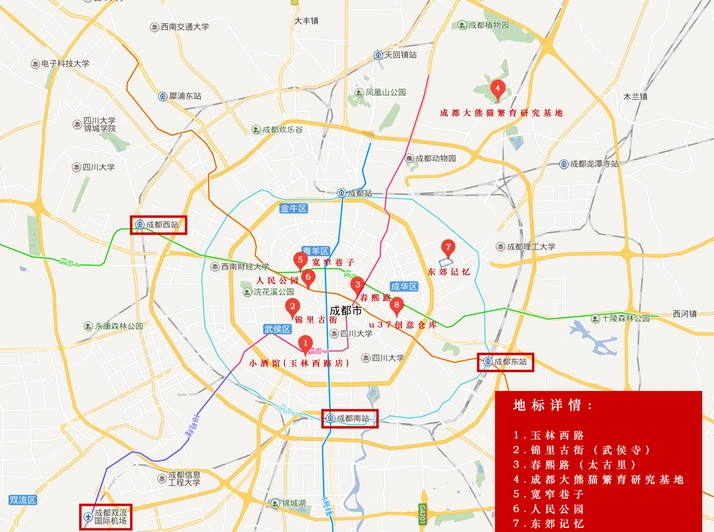
We selected a homestay near Yulin Road—one of Chengdu's most authentic neighborhoods. This area offers:
- Authentic local atmosphere: Old buildings with vintage charm
- Food paradise: A street packed with local eateries
- Convenient location: 10-minute walk to "Little Bar" and metro station
- Budget-friendly pricing: Affordable compared to tourist zones
Pro tip: The vintage decor makes it perfect for retro-style photos, but be prepared for modest amenities typical of older buildings.
What to Pack for Chengdu in April
April weather in Chengdu is pleasantly mild but unpredictable:
- Mornings and evenings: Cool—bring a light jacket
- Midday sun: Generous—UV-protective tops or sunscreen recommended
- Rain gear: Umbrella or light raincoat (spring showers are common)
Photography Gear for Your Chengdu Trip
Many readers ask about my equipment. Here's what I used:
- Film camera: Nikon FE (for that nostalgic feel)
- DSLR: Nikon D3400 (for most shots in this guide)
- Smartphone: For quick captures and street photography
- Editing: Photoshop for post-processing
Note: My film shots remain undeveloped—a project for another day!
Chengdu Food Guide: Must-Try Dishes and Hidden Gems
Fighting Cock (Douji) – New City Plaza Branch
Located about one kilometer from Kuanzhai Alley, this Sichuan restaurant is a hidden gem. The wooden tables, warm yellow lighting, and retro ambiance create an Instagram-worthy setting.
Must-try dishes:
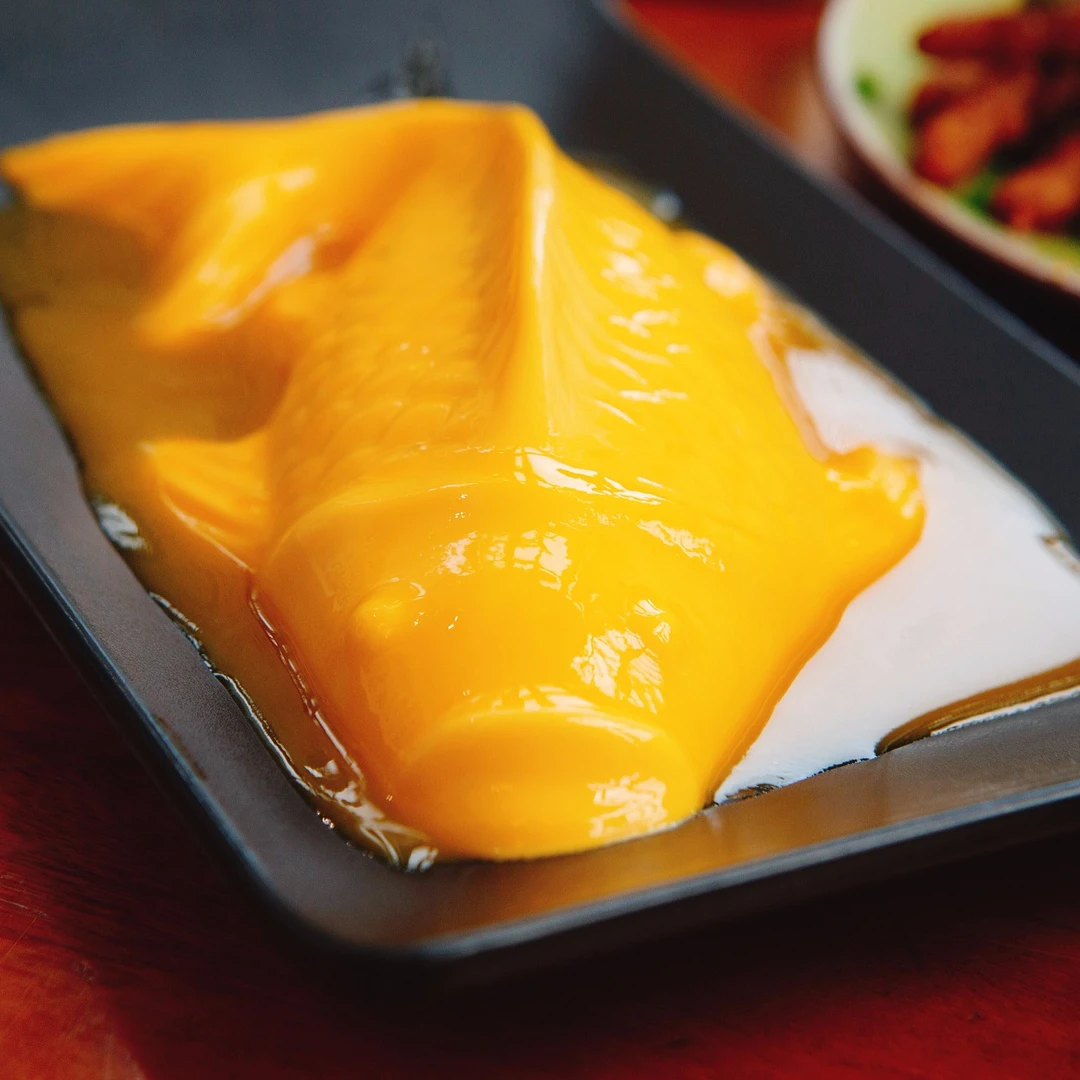
- Douji's Fish (Mango Pudding): Sweet and sour appetizer, perfect for summer
- Boiling Chicken Slices: Water-boiled chicken covered in chilies, served with dramatic steam
- Crispy Chicken Feet: Rolled in chili powder—spicy, numbing, melt-in-your-mouth tender
- Xi Fen (Sip Noodles): Coconut and sour plum flavored ice jelly with fruit chunks
- Baozi Beef: Large steamed bun filled with tomato-braised beef brisket
- Pineapple Grilled Skewers: Grilled meat paired with sweet-and-sour pineapple
Peng Huo – Xiaotong Alley Branch
Also near Kuanzhai Alley, this spot blends Western minimalist decor with a fusion menu. Despite offering lobster barbecue, pizza, and steak, it's famous for its maocai (Sichuan boiled assorted vegetables and meats).
Recommended dishes:
- Fruit Pizza: 6-inch size perfect for three people
- Charcoal-Grilled Pork Belly: Thinly sliced, spicy, served with cucumber
- Shake-Shake Crispy Pork: Packed in a bag—shake to coat with chili powder
- Maocai: Customizable spice levels and ingredients
- Fillet Steak: Medium-well, tender, and juicy
- Grilled Oysters and Scallops: With vermicelli noodles
Travel tip: Passion fruit drinks are a must-try. Arrive early—this place gets crowded fast.
[Link: Best Sichuan restaurants in Chengdu] [Link: Kuanzhai Alley food guide]
Day 1: Yulin Street – Embracing Chengdu's Slow Pace
The Art of Missing Your Train
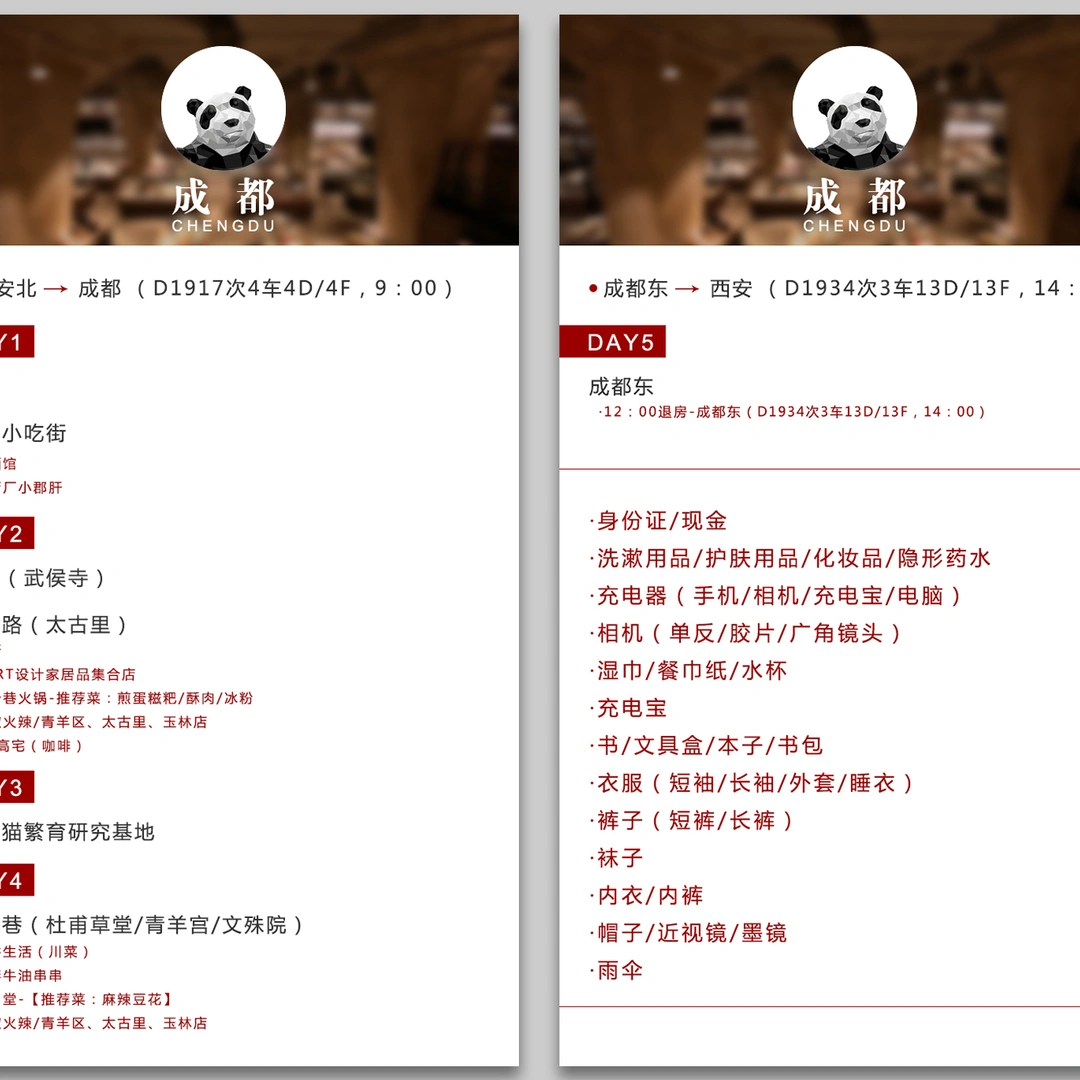
The real test of travel is how you handle unexpected delays. My friend Wanzi and I are both "cutting-it-close" experts, and this time we missed our high-speed train. Fortunately, we hadn't printed tickets, so we changed to a later departure—two hours delayed.
Instead of frustration, we embraced the moment. We ordered black tea in the waiting room, read books (I brought Wang Xiaobo's The Temple of Eternal Life), and actually enjoyed the extra time.
Personal travel philosophy: From now on, I'll bring a book on every trip. Each time I open it, I'll remember that journey—making the book carry deeper meaning.
Arriving in Chengdu: First Impressions
We arrived at 2:30 PM, called a Didi, and met an incredibly warm driver. Even unfamiliar with the route, he did his best to drop us close to our homestay. Traffic was heavy, but Wanzi fell asleep immediately—a sign of comfort.
Day one was intentionally slow. We dropped luggage, wandered the neighborhood near Yulin Road, and searched for food. The old streets were bursting with life—rows of snacks lined both sides. After observing for days, I realized chuanchuan (skewer hotpot) and hotpot reign supreme in Chengdu.
Evening at "Little Bar"
By evening, "Little Bar" was swarming with people. Every time we passed, I thought: the owner must be grateful to Zhao Lei for that song.
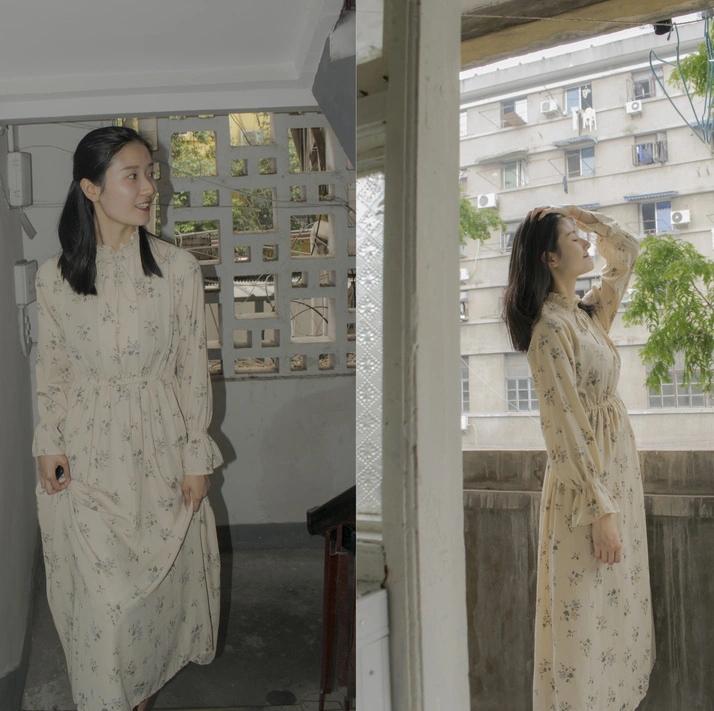
"Walk with me on the streets of Chengdu, until all the lights go out and we don't stop…"
During our days in Chengdu, Wanzi and I developed a habit of eating fruit daily. Even my hay fever improved—probably thanks to the humid southern air. Strolling in oversized slippers, feeling like locals—it was wonderful.
[Link: Yulin Road nightlife guide] [Link: Chengdu's music scene and famous songs]
Day 2: Jinli and Chunxi Road – Ancient Charm Meets Modern Trend
Exploring Jinli Ancient Street
A half-hour walk from our homestop brought us to Jinli. Along the way, we spotted a retro-style bus—and vowed to ride it before leaving (spoiler: we never did).
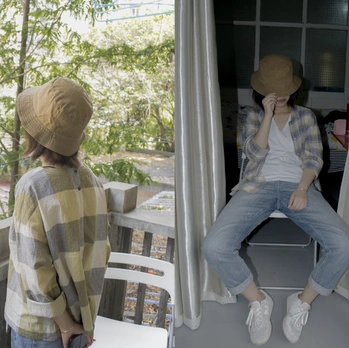
Jinli is a purpose-built tourist attraction with replica ancient buildings packed with snacks and handicrafts. Honestly, it was too crowded. I've always hated crowds, but it felt wrong to skip it.
We bought a fruit cup to quench our thirst and wandered off the main path. Suddenly, the view opened—a stretch of green greeted us, and bird sounds instantly lifted my mood. I'm not sure what that place was called; just keep walking along Jinli's small lanes and you'll find it.
Regret: Because we rushed to Fangsuo Bookstore, we missed Wuhou Shrine and Du Fu's Thatched Cottage this time. Next visit, for sure.
Chunxi Road: Shopping and Culture
Chunxi Road is a commercial street packed with trendsetters. Our goals: the long-admired Fangsuo Bookstore and the world's largest Muji flagship store.
Fangsuo Bookstore: Its design fascinates me—the entrance is hard to find, the bookstore is underground, and taking the elevator feels like entering a cave. I considered buying a book but remembered the pile at home.
Line Cafe: A social media hotspot with queues for photos. We skipped the giant Brown Bear photo.
Muji Flagship Store: Four floors with a coffee area to rest. The Innisfree across the street has one too.
As night fell, we headed back. The provincial sports stadium near the metro station looked perfect for an after-dinner stroll—but we never made it.
[Link: Best bookstores in Chengdu] [Link: Chunxi Road shopping guide]
FAQ: Your Chengdu Travel Questions Answered
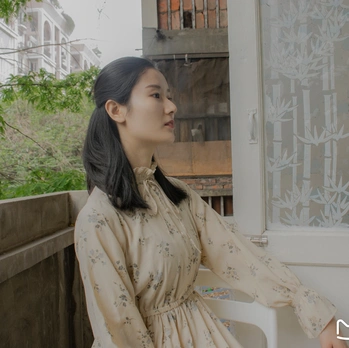
1. Is Chengdu really as "slow" as people say?
Absolutely. Chengdu's pace is noticeably relaxed compared to other Chinese cities. Locals prioritize leisure, food, and socializing. You'll see people playing mahjong in parks, sipping tea in traditional teahouses, and lingering over meals for hours.
2. What's the best time to visit Chengdu?
 Spring (March to May) and autumn (September to November) offer mild temperatures and fewer crowds. April, when I visited, is ideal—cool mornings, warm afternoons, and blooming flowers.
3. How many days do you need in Chengdu?
For a relaxed experience, 3-4 days is perfect. This allows time for major attractions (Jinli, Kuanzhai Alley, Wuhou Shrine) plus spontaneous exploration. If you want to add day trips to pandas or Leshan Giant Buddha, plan 5-6 days.
4. Is Chengdu expensive for travelers?
 Chengdu is surprisingly affordable. Accommodation near Yulin Road costs less than tourist zones. Street food meals range from 10-30 RMB ($1.50-$4.50). Even upscale restaurants like Fighting Cock offer reasonable prices.
5. What should I eat in Chengdu as a first-timer?
Start with classics: mapo tofu, kung pao chicken, dan dan noodles, and hotpot. Then explore chuanchuan (skewer hotpot), maocai (boiled vegetables/meats), and local snacks like xi fen (sip noodles). Don't miss the fruit drinks—they're refreshing and unique.
[Link: Chengdu food tour recommendations] [Link: Budget travel tips for Chengdu]
Conclusion: Why You Should Visit Chengdu Now
Chengdu taught me something valuable: life doesn't have to be a race. In this city, missing a train becomes an opportunity to read. Crowds at tourist spots lead to unexpected green spaces. And a simple evening stroll in oversized slippers feels like belonging.
If you're tired of rushing through vacations, Chengdu offers a different rhythm. It's a place where you can eat well, wander aimlessly, and rediscover what matters.
Ready to experience Chengdu's slow life? Start planning your trip today. Book your homestay near Yulin Road, pack a light jacket and a good book, and prepare to lose yourself in the city that never rushes.
Have you visited Chengdu? Share your slow travel stories in the comments below—or ask me anything about planning your trip!
Internal Linking Suggestions: - [Link: Chengdu vs. other Chinese cities for slow travel] - [Link: How to plan a budget-friendly China trip] - [Link: Best homestays in Chengdu for authentic experiences] - [Link: Sichuan cuisine guide for beginners] - [Link: Day trips from Chengdu: Pandas, Leshan, and more]
You may also like


