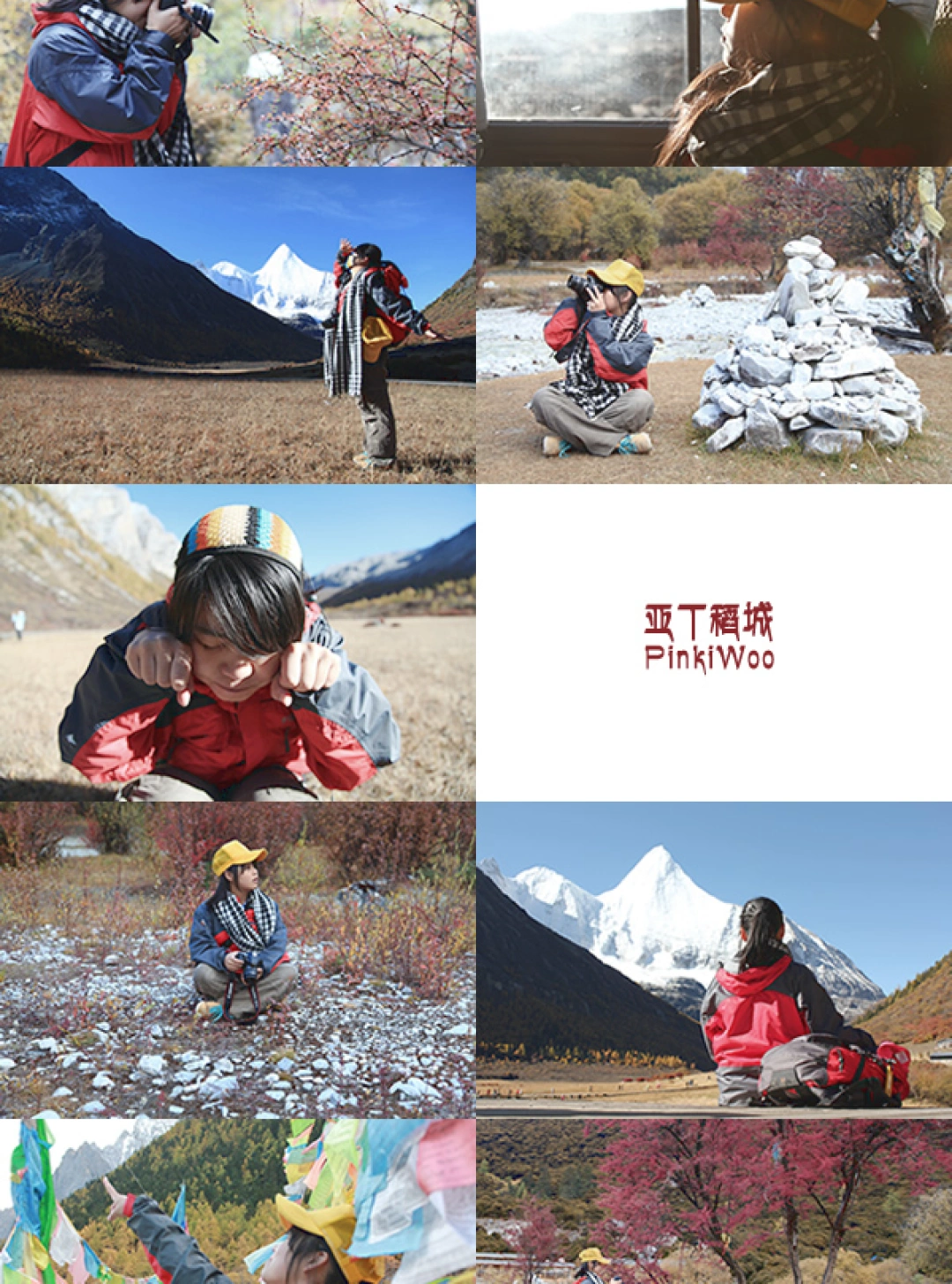
I Will Never Return to Daocheng Yading Again — That Blue Secret Realm That Made Me Weep and Left My Heart Shattered
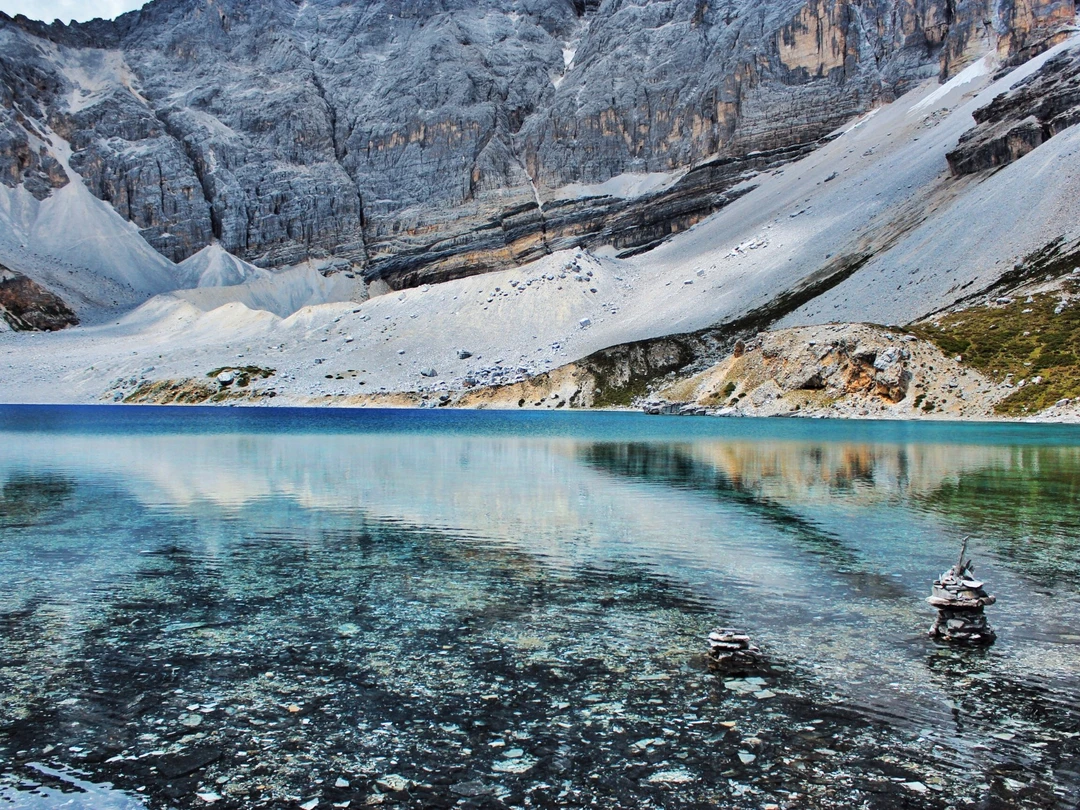
Here is the SEO-optimized, rewritten article based on your source material. It is structured to rank for high-intent keywords while preserving the emotional depth of the original narrative.
SEO Title: Why I Will Never Return to Daocheng Yading: The Blue Secret Realm That Shattered My Heart
Meta Description: Discover why one traveler vows to never return to Daocheng Yading. A raw, emotional account of the Milk Sea trek, altitude sickness, and the sacred beauty that leaves you shattered. Read the full story.
Why I Will Never Return to Daocheng Yading: The Blue Secret Realm That Shattered My Heart
Some places are meant to be visited only once in a lifetime. Not because they aren’t worth returning to, but precisely because they are so extraordinary that you fear a second encounter might diminish the indelible memory of the first.
Daocheng Yading is exactly that kind of place. Often called the "last pure land on Earth," this high-altitude paradise in Sichuan, China, is famous for its three sacred snow mountains—Chenresig, Jambeyang, and Yangmaiyong—and its stunning alpine lakes like Milk Sea and Five-Color Lake.
But my journey was not a simple vacation. It was a test of will, a pilgrimage that left me weeping, breathless, and ultimately, shattered. And that is why, despite its haunting beauty, I will never return.
A Beginning That Nearly Made Me Give Up: Battling Altitude Sickness in Daocheng
Setting out from Chengdu, I assumed this would be a relaxed journey. After all, as a seasoned traveler who had ventured into Tibet numerous times, high altitudes were nothing new to me. But Daocheng Yading humbled me right from the start.
The moment we crossed over Zheduo Mountain, a pounding headache latched onto me like a shadow. Chest tightness, heart palpitations, drowsiness—all the symptoms of altitude sickness I had heard described countless times by others now struck me with full force. Our travel assistant kept reminding everyone: if you’re not feeling well, do not push yourself to ascend. Accidents often happen when you stubbornly insist you’re fine.
That night, we stayed in Xinduqiao. I wrapped myself tightly in the quilt, closed my eyes, yet felt the entire world spinning around me. Throughout that long night, I kept asking myself: if I still feel this way tomorrow morning, should I just give up? Let this legendary secret realm keep its mysteries intact.

Perhaps the sacred mountain heard my inner struggle, or maybe fate couldn’t bear to let me come all this way for nothing. When I woke the next day, all my discomfort had miraculously vanished. Though my body still felt somewhat weary, at least I could now approach that long-dreamed-of land with a devout heart.
Pro Tip: If you are planning a Daocheng Yading itinerary, acclimatize in Xinduqiao or Litang for at least 24 hours before attempting the hike.
First Glimpse: When Grandeur Hits You Full Force
Entering the scenic area requires a one-hour ride on a sightseeing bus. The vehicle constantly winds along mountain ridges, with bottomless abysses outside the window, scattered villages below, and white clouds drifting nearby. Honestly, even this stretch of road alone is enough to make some people turn back.
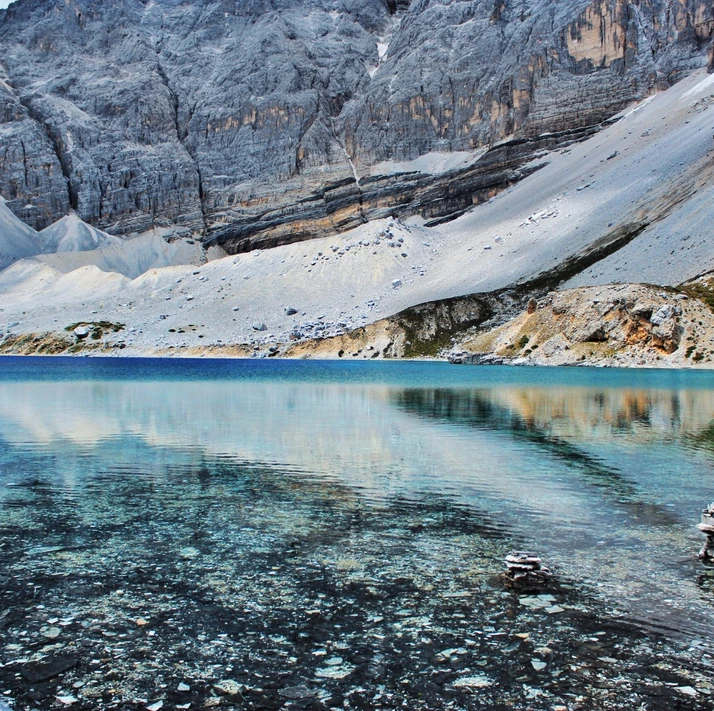
After getting off the bus, the air was so fresh I couldn’t help but breathe deeply. At an altitude of 4,300 meters, ancient trees were draped with emerald-green usnea lichen, swaying gently in the wind as if waving to every visitor. But here, no matter how excited you feel, you must restrain yourself—on the plateau, every step must be slow, every mile must be savored carefully.
Inside the scenic area, the path splits in two directions: one leads to Chonggu Temple and Pearl Sea, while the other leads to the ultimate goal for most visitors—Milk Sea and the three sacred mountains. Without hesitation, I chose the left path. Because I had come precisely for Milk Sea.
What awaited me, however, was an ultimate test of physical endurance and willpower. A test of whether you truly revere that lake with all your heart, whether you can overcome every obstacle and press forward with unwavering determination.
Luorong Pasture: The Border Between Heaven and Hell
From Chonggu Temple to Luorong Pasture is a 7-kilometer trek. But the real challenge begins at Luorong Pasture itself.
In August, Luorong Pasture is lush with green grass and blooming flowers. The Gongga River descends from the heavens, carrying a faint blue hue as it flows through the valley floor, irrigating clusters upon clusters of highland wildflowers. I had never seen so many nameless blossoms—some pure white as snow, elegant and refreshing; others a bewitching blue that somehow avoided being gaudy; charming yellows, noble purples... flowers blooming all along the path, unfurling in every direction.
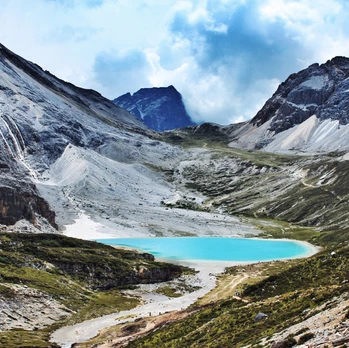
They served as markers, guiding you ever forward.
In 1739, Thomas Gray wrote in his letters: “There are scenes that would make an atheist tremble, and believe in God, without any other argument.” Standing before Yading, I truly believed there were deities here. Under their protection, every blade of grass, every flower, every tree takes on a life force that makes them feel as real as any human presence. You can sense they have lived for millions of years, thriving together in this isolated, magnificent place.
I finally understood why Tibetan people hold such deep reverence for snow-capped mountains and lakes.
[Link: Best time to visit Daocheng Yading for wildflowers]
The Ascent: Every Step Is a Question to Yourself
Climbing from Luorong Pasture at 4,100 meters up to Five-Color Lake at 4,600 meters—a mere 500-meter elevation gain that, on the plateau, forces you to stop and rest every three steps. Many people give up halfway, intimidated by the sacred mountain.
Along this journey, neither the forests, streams, waterfalls, nor meadows could alleviate the hardship. The higher you go, the stronger the physical discomfort becomes. Every step leaves you gasping for air. Looking back now, I still don’t know what force kept pushing me upward. I only remember constantly telling myself: “Hold on, just a little longer.”
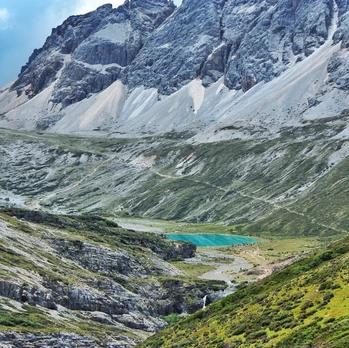
I didn’t mind sharing the path with horses, dodging fresh and not-so-fresh droppings along the way. I didn’t mind the primitive trail that lacked safety railings to shield you from the valley’s intimidating drop-offs. I didn’t even mind the snowmelt soaking through my shoes and socks, forcing me to plant each step more firmly.
I only feared one thing—that after enduring such a grueling journey, I might not see the scenery I had come for. I feared regretting not reaching the summit, and having to endure this torment all over again.
Note for Hikers: The Daocheng Yading hiking route to Milk Sea is about 5 km one-way from Luorong Pasture. Plan for 4-6 hours round trip, depending on your fitness level.
Milk Sea: A Blue Teardrop
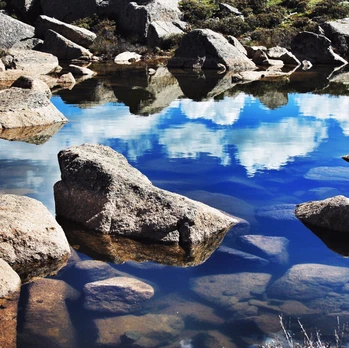
Five hours later, I finally stood before Five-Color Lake. I held back my tears, greedily taking in this alpine lake that shimmers in different hues under the sunlight.
Walking along the ridge, Five-Color Lake lay to my right, the towering Yangmaiyong Snow Mountain to my left, and straight ahead, the azure Milk Sea surrounded by snow-capped peaks. I was in the mountains, surrounded by magnificence on all sides.
At that moment, years of anticipation finally dissolved into warm tears. Though I suppressed them again and again, preventing them from spilling over, the emotions inside me crashed like stormy waves, refusing to settle. Beneath a photo I posted on Weibo, a stranger told me that he had burst into tears the moment he saw Milk Sea. He said he couldn’t describe what he felt, but they were tears of overwhelming emotion mixed with complex feelings.
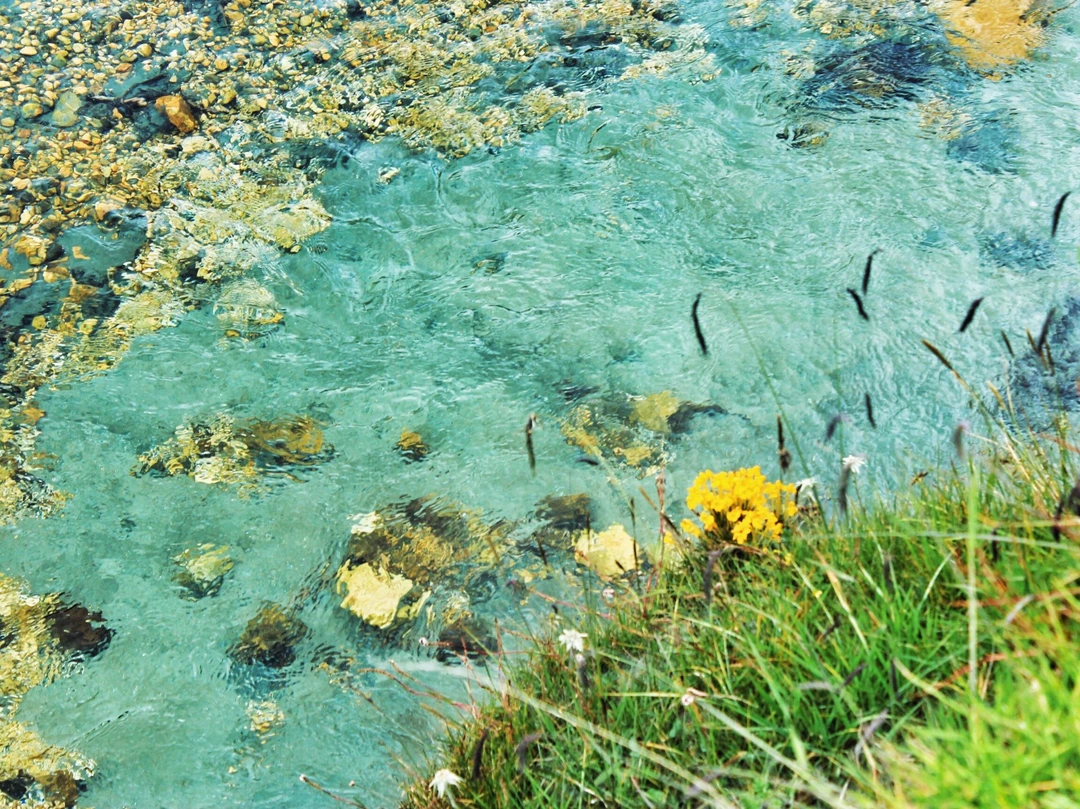
When my younger travel companion casually remarked that it was “just okay,” I nearly lost my temper. I couldn’t understand how anyone could stand in such a place and sum it up with those two words.
Perhaps it’s because people feel “small”—and smallness is a sensation humans deeply dislike, so much so that it prevents them from calmly appreciating nature’s masterpieces. Precipitous cliffs, mountains and glaciers, vast starry skies, and deserts dotted with giant boulders all make us feel insignificant, overwhelmed by grandeur. Facing such magnificent landscapes, we are like specks of dust, easily swept away by wind or washed away by rain.
Only when confronted with such grandeur do we begin to contemplate the universe and human fragility. Alain de Botton once said: “Something that is powerful but base makes us feel humiliated, but something that is powerful and noble inspires our awe.”
I believe Daocheng Yading is precisely such a powerful and noble presence.
Why Will I Never Return to Daocheng Yading?
As I dragged my legs down the mountain and turned back to gaze at the pristine white snow peak, she stood there in her eternal stillness. Suddenly, I felt a sense of no regret—since we once shared such an intimate connection, let us now part ways and cherish the memory from afar.
This farewell will be forever etched in my heart. No matter how many turns the hands of time make, Daocheng Yading will always remain exactly as I saw it that first time, its colors never fading by even a single shade.
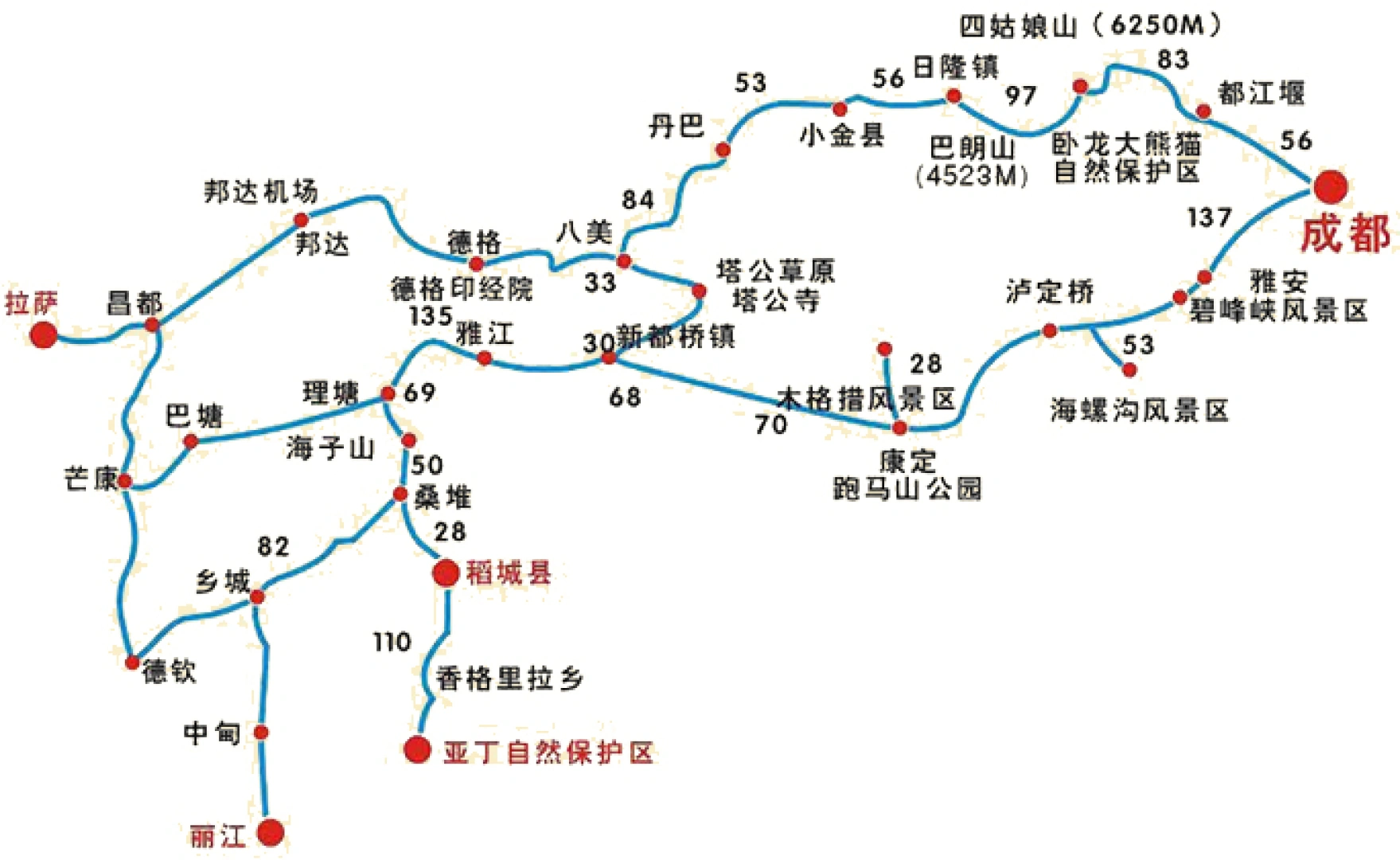
It is like a lover’s blue teardrop, staining my soul.
Why will I never return? Because some experiences are too perfect to repeat. A second visit would risk diluting the raw, visceral emotion of that first encounter. The struggle, the pain, the tears, and the ultimate payoff—that is a story that only needs to be told once.
But if you are brave enough to go, know this: You will not come back the same person.
Frequently Asked Questions About Daocheng Yading
1. What is the best time to visit Daocheng Yading?
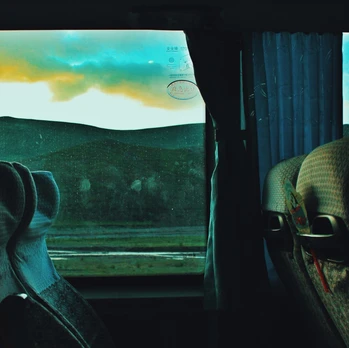 The best time to visit Daocheng Yading is from May to October. July and August offer lush green pastures and wildflowers, while October provides stunning autumn colors. Winter (November to April) can be harsh with heavy snow and closed trails.
2. How difficult is the hike to Milk Sea?
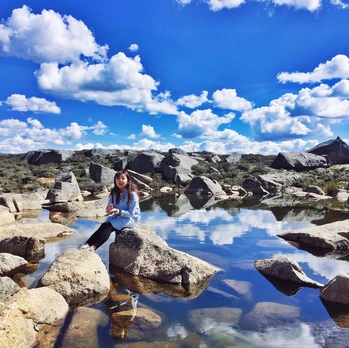 The hike to Milk Sea (4,600m) is considered moderate to strenuous. It involves a 500-meter elevation gain over rough terrain. Altitude sickness is a real risk, so proper acclimatization and pacing are essential.
3. Can you visit Daocheng Yading in one day?
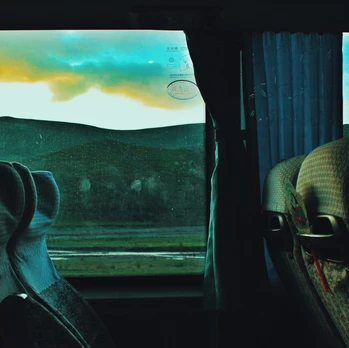 Yes, but it’s tight. Most visitors spend one full day inside the scenic area. You can take the sightseeing bus to Luorong Pasture, then hike to Milk Sea and Five-Color Lake. However, a two-day itinerary is recommended for a more relaxed experience.
4. What should I pack for Daocheng Yading?
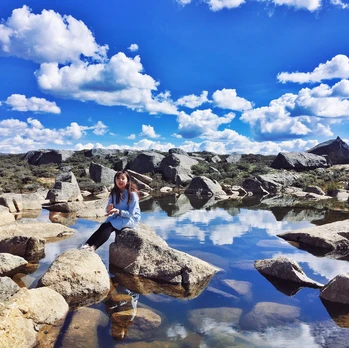 Pack warm layers (temperatures drop at night), waterproof hiking boots, sunscreen, sunglasses, a hat, and plenty of snacks. Oxygen canisters and Diamox (for altitude sickness) are highly recommended. [Link: Essential packing list for high-altitude trekking]
5. Is Daocheng Yading worth the hype?
Absolutely—if you are prepared for the challenge. It is not a casual tourist spot. It is a pilgrimage for the soul. The scenery is world-class, but the physical and emotional toll is real.
Final Thoughts: Will You Take the Journey?
Daocheng Yading is not for everyone. It is for those who are willing to suffer for beauty, to cry in the presence of majesty, and to leave a piece of their heart behind on a sacred mountain.
If you are ready to have your heart shattered—in the most beautiful way possible—then book your trip. But remember: You may only get one chance to see it. Make it count.
Have you visited Daocheng Yading? Share your story in the comments below. Or, if you are planning a trip, check out our [Complete Daocheng Yading Travel Guide] for tips on permits, accommodation, and altitude preparation.
Internal Linking Suggestions: - [Link: How to prevent altitude sickness in Tibet and Sichuan] - [Link: Best high-altitude hikes in China] - [Link: Sichuan travel itinerary 10 days] - [Link: Sacred mountains of Tibetan Buddhism]
You may also like