I Bet You've Thought About Going to Seda: A Journey Through the Red Mystery of Western Sichuan
Here is the complete, SEO-optimized article based on your source material. It has been restructured for search intent, keyword density, and readability, while preserving the original narrative and factual accuracy.
Title:
Seda Travel Guide: A Journey Through the Red Mystery of Western Sichuan’s Buddhist Academy
Meta Description (160 chars):
Discover Seda, China's "City of Red." This Seda travel guide covers the Larung Gar Academy, altitude tips, Western Sichuan loop routes, and the legend behind the name. Plan your pilgrimage now.
Seda Travel Guide: A Journey Through the Red Mystery of Western Sichuan
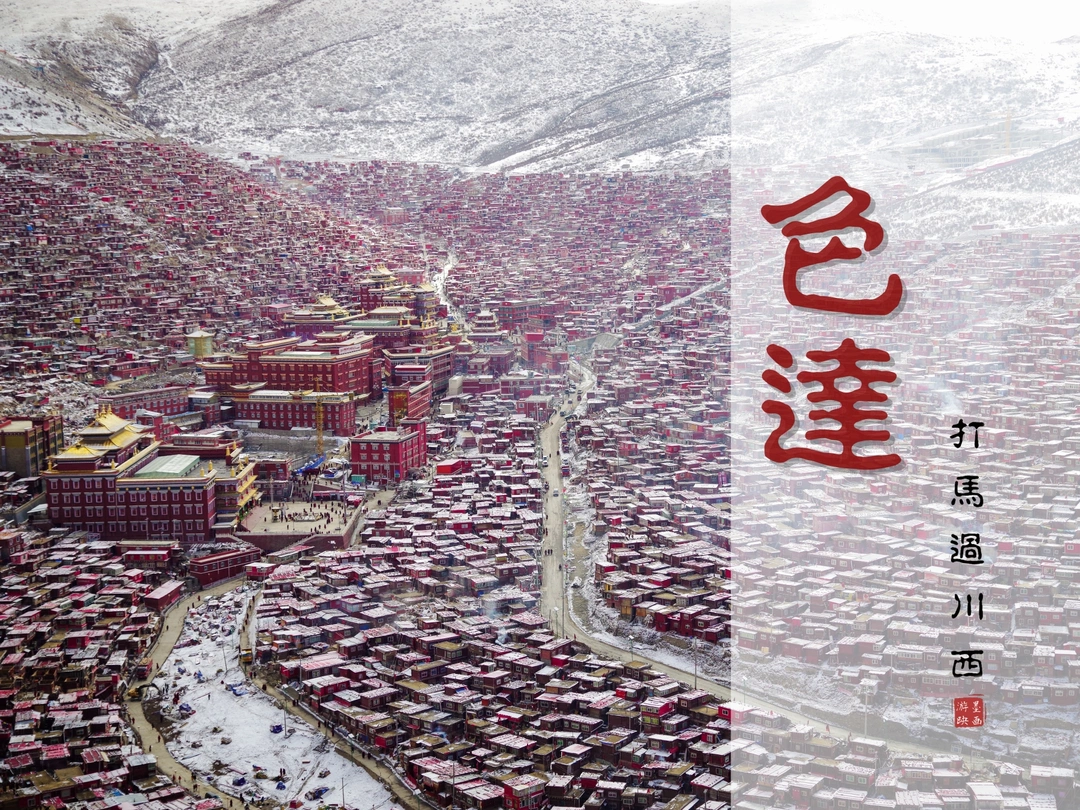
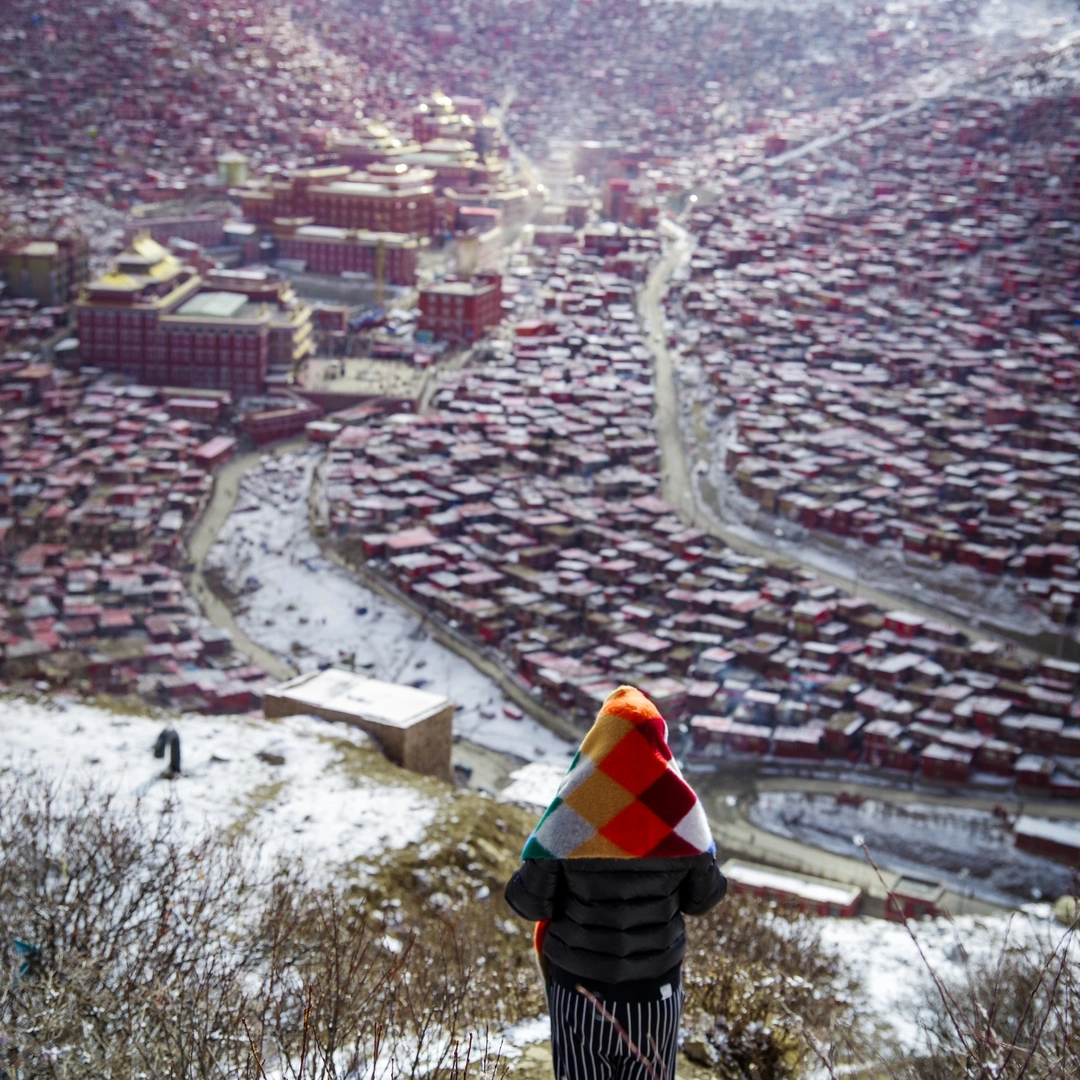
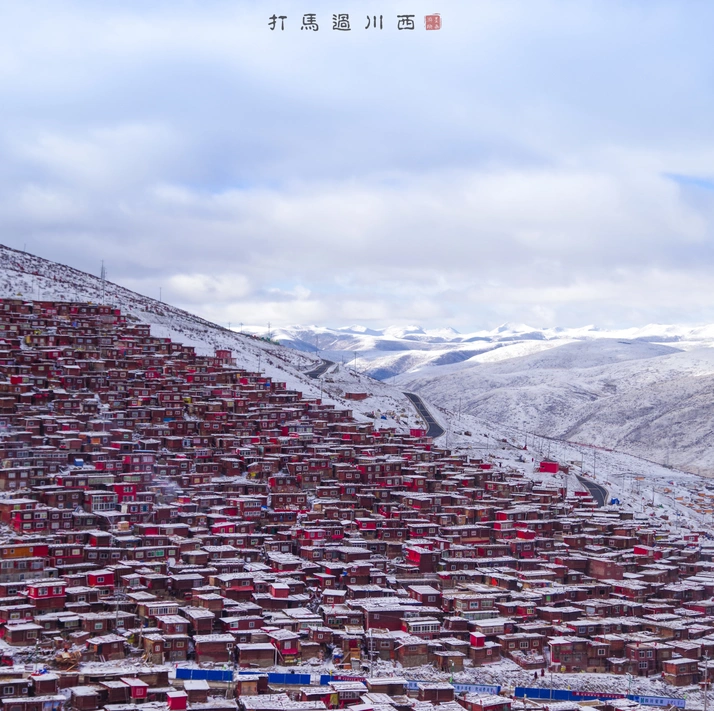
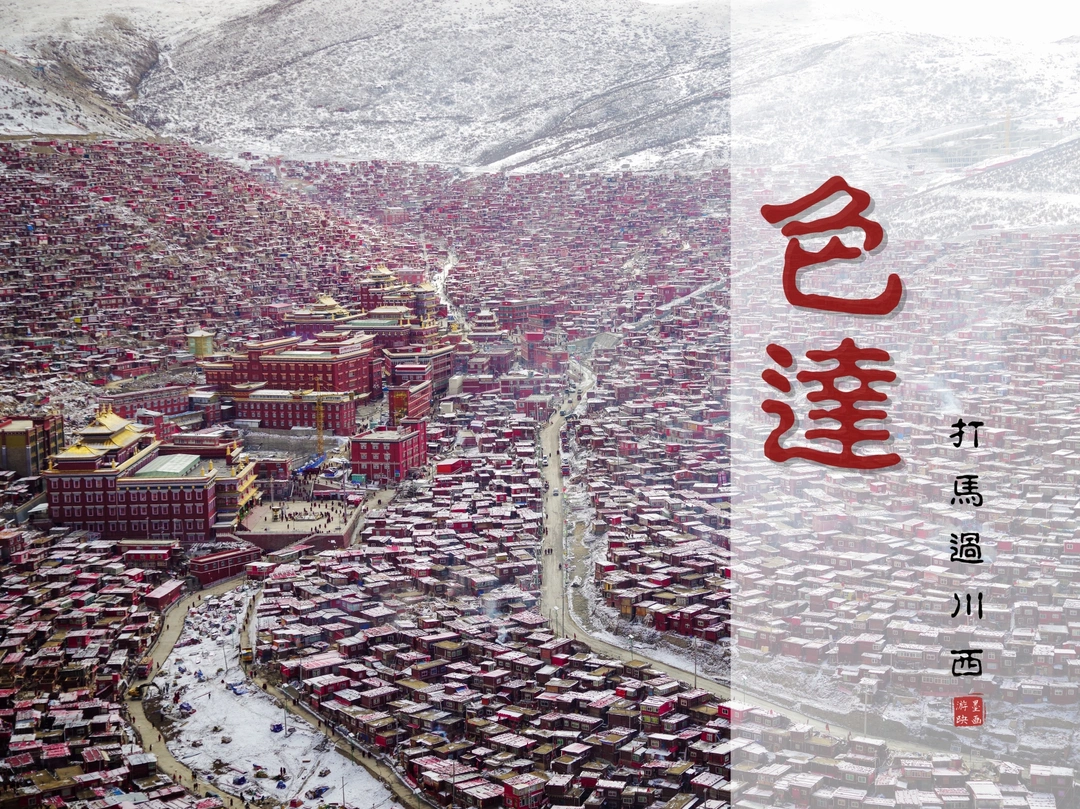
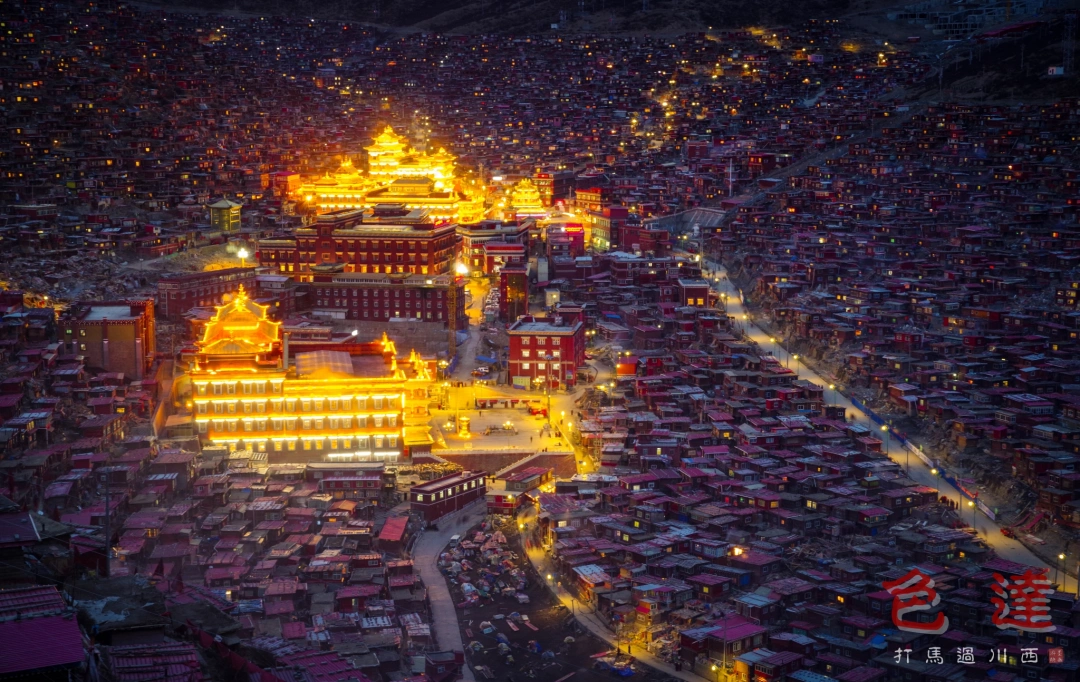
If you have ever scrolled through Instagram or travel blogs, you have likely seen the image: thousands of crimson wooden huts cascading down a valley, a sea of red under the Tibetan Plateau sky. This is Seda (Sertar), home to the Larung Gar Five Sciences Buddhist Academy. It is a place of profound faith, stunning landscapes, and a ticking clock—as development and regulation change the face of this sacred site.
In this comprehensive Seda travel guide, we will explore the legend behind the name, the reality of visiting a working Buddhist academy, and the best driving routes for a Western Sichuan loop. Whether you are planning a trip or simply curious about this "Red Nyingma" phenomenon, this article will give you the context you need.
The Legend of Seda: Why It’s Called "Golden Mare Meadow"
Before the red huts existed, there was a legend. According to Chen Xiaodong’s The Red Radiance of the Nyingma, three brothers from a Mongolian tribe separated after a quarrel. One brother, traveling south with his family, met a lama who instructed him: “Find the place with the golden horse, and there you will find your home.”
The family arrived at what is now Seda. They discovered a gentle grassland surrounded by mountains, with one peak resembling a galloping horse. When they pitched their tents, they unearthed a piece of gold shaped like a mare. From that day on, the land was called "Golden Mare Meadow."
In Chinese, Seda breaks down into two characters: Se (gold) and Da (horse). This story is the foundation of the region’s mystique, long before the Buddhist academy made it famous.
Why Visit Seda Now? A Promise Five Years Overdue
For many travelers, Seda is a bucket-list destination that gets postponed. The reasons are valid: altitude sickness, rough roads, and the sheer remoteness of Western Sichuan.

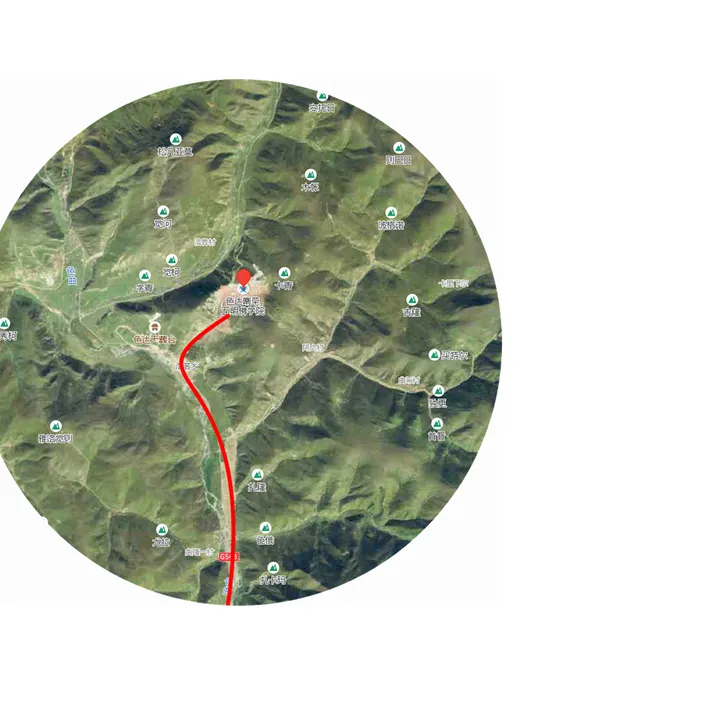
I first learned about Seda around 2012. The photos of the crimson landscape planted a seed in my heart. But for five years, that seed lay dormant. We traveled across continents, but never to this corner of Sichuan. The reason? Seda sits on the Western Sichuan Plateau at over 4,000 meters—higher than Lhasa. The roads from Chengdu were winding, prone to landslides, and punishing for a novice driver.
Then, in early 2017, news broke: the Larung Gar Five Sciences Buddhist Academy was facing demolition and renovation. The iconic "sea of red" might be altered forever. That was the trigger. I booked tickets, arranged a car, and set off immediately.
Key Takeaway: If you want to see the original, unregulated layout of the red huts, time is of the essence. Visit Seda now before further changes occur.
The Red Radiance of the Nyingma: A City of Faith at 4,000 Meters
First Glimpse of Seda: Awe and Altitude Sickness
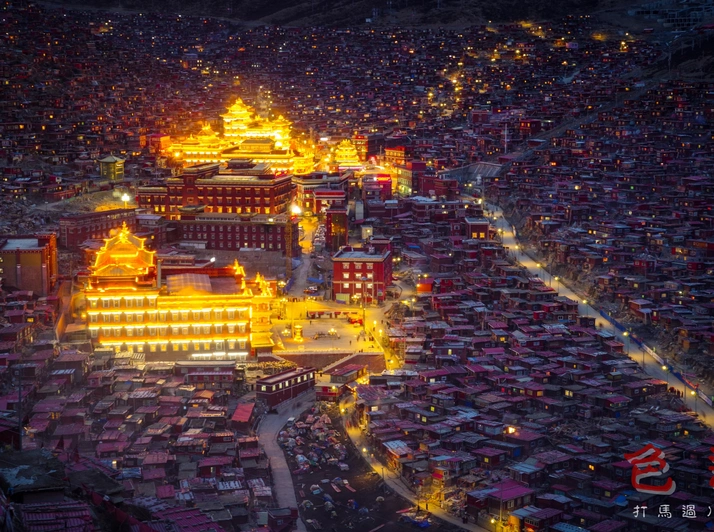
At over 4,000 meters above sea level, Seda is three to four hundred meters higher than Lhasa. Most visitors experience altitude sickness. When we arrived at the Larung Hotel, the room was a disaster—trash everywhere, leftover from previous guests. A young cleaning girl muttered, "These Han Chinese, sigh..."
We helped clean. It was a humbling reminder: Seda is not a theme park. It is a working monastery and school. Tourists are guests, and sometimes, unwelcome ones.
The History of the Larung Gar Academy
In 1980, the Dharma King Jigme Phuntsok Rinpoche purchased five hilltops and founded the academy with just over thirty people. Today, the number of monks and nuns exceeds thirty thousand. That is a ten-thousand-fold growth in less than half a century.
Tibetan Buddhism here is often called "Lamaism," a term coined by the Qianlong Emperor. However, this is a misnomer—comparable to calling Chinese Buddhism "Monkism." The tradition blends the Bon religion of ancient Zhangzhung with elements of Hinduism. Prayer flags and mani stone piles, for example, originate from Bon.
The academy teaches exoteric and esoteric Buddhism. Students earn degrees through required hours and oral defenses. Imagine introducing yourself: "I’m a khenpo (abbot) graduate from the Five Sciences Buddhist Academy." It is a real academic institution.
The Red Huts: A Symbol of Devotion
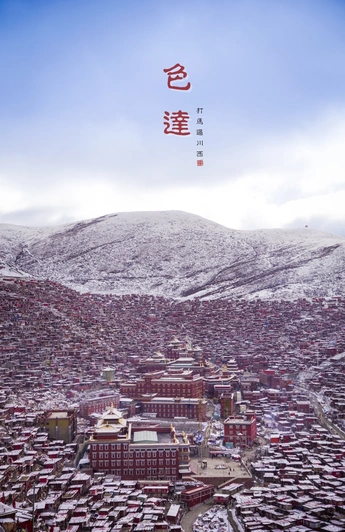
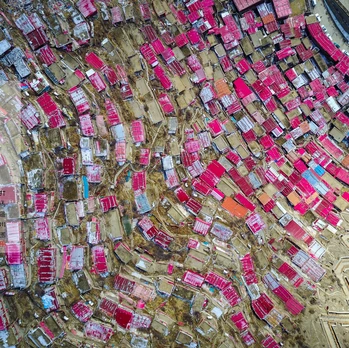
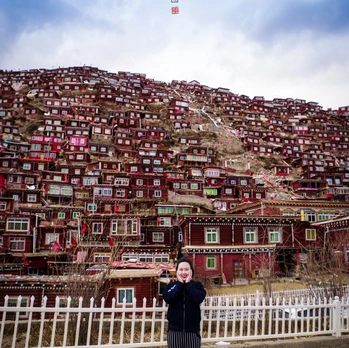
The tens of thousands of red huts wind through Larung Gully, clustered around the central scripture hall. Each hut is no more than ten square meters—usually containing stacks of scriptures and a single bed. This is the true essence of the Nyingma red radiance.
As tourists, we bring only curious eyes. Most people cannot understand this lifestyle. Do not expect a quick visit to "purify your soul." If your soul is so easily cleansed, how shallow must it be?
Road Log: A Practical Guide to the Mini Western Sichuan Loop
Route Planning: From Ambition to Reality
I initially planned a grand Western Sichuan loop: Chengdu → National Highway 317 → Seda → Dege → Baiyu → Batang → National Highway 318 → Chengdu. It included Yarchen Gar and the Dege Sutra Printing House. But the distance was brutal—over 700 kilometers per day for seven days. I scrapped it.
I settled on a mini loop:
- Day 1: Chengdu to Seda (via National Highway 317)
- Day 2: Seda exploration
- Day 3: Seda to Daofu → Bamei → Tagong Grassland → Xinduqiao
- Day 4: Xinduqiao to Kangding → Luding → Ya'an → Chengdu
Pro Tip: In Bamei, a restaurant owner told us, "There’s nothing to see in Xinduqiao this time of year." We spontaneously detoured through Danba and Xiaojin. This created a unique, flexible route. Always have a backup plan.
Road Conditions and Gear
Before departure, I checked car forums. Most roadwork was finished. Even the notoriously rough Markang section was passable for sedans.
Reality: National Highways 317 and 318 are mostly two-lane roads with no median barriers. Heavy truck traffic, endless mountain curves, and tunnels will make city drivers dizzy. In bad weather, landslides and falling rocks occur. We only hit one traffic jam, but on these roads, it is hopeless—you just sit and wait.
Gear List: - Primary camera: Pentax K-1 with 24-70mm lens - GoPro (used as dashcam) - Mavic drone (first outing—did not fly in wind/rain due to crash fear)
Gear Disasters: A Cautionary Tale
This trip was a series of tragedies: 1. External hard drive crashed on Day 1. 2. Shattered a UV filter in Seda. 3. Dropped my new phone into a pit toilet at 4,000 meters on Yala Pass.
My partner wanted to strangle me at least a dozen times. Learn from my mistakes: back up your data, use a neck strap, and secure your phone.
Scenery Along the Way: From Wenchuan to Seda
Wenchuan: A Stop for Reflection
Our first stop was Wenchuan. The 2008 earthquake memorial is a somber reminder of nature’s power. It is worth a brief stop to pay respects before heading into the mountains.
The Four Seasons in One Day
Driving from Wenchuan to Seda, you experience four seasons: - Low valleys: Green farmland and rivers. - Mid-altitude: Pine forests and mist. - High passes: Snow and wind. - Seda plateau: Thin air and intense sun.
Photography Tip: The best light for the red huts is early morning or late afternoon. Midday sun creates harsh shadows and washes out the crimson color.
FAQ: Seda Travel Questions Answered
1. Do I need a permit to visit Seda?
 Yes. Foreign visitors generally require a special permit to enter Seda County. Chinese citizens need to register at the entrance. Check current regulations before you go.
2. How do I prevent altitude sickness at Seda?
 Seda is at 4,000 meters. Acclimatize in Kangding or Chengdu first. Drink plenty of water, avoid alcohol, and consider Diamox (acetazolamide). If symptoms are severe, descend immediately.
3. Can I stay overnight inside the academy?
Yes, the Larung Hotel offers basic accommodation. However, conditions are spartan. Book ahead and expect shared bathrooms. Bring your own sleeping bag and earplugs.
4. Is it safe to drive the Western Sichuan loop?
 Yes, but with caution. Roads are narrow, truck traffic is heavy, and weather can change rapidly. Drive during daylight, check road conditions daily, and carry chains in winter.
5. What is the best time to visit Seda?
May to October offers the best weather. July and August are peak season. Winter (November to March) is bitterly cold, but the red huts against snow are stunning.
Internal Linking Suggestions

[Link: Best Time to Visit Western Sichuan]
[Link: Altitude Sickness Prevention Guide for Tibet Plateau]
[Link: Chengdu to Seda Driving Route Map]
[Link: Larung Gar Academy Photography Tips]
[Link: Tibetan Buddhism Schools Explained]
Final Call to Action: The Red Mystery Awaits
Seda is not a destination for passive tourists. It is a place that demands respect, preparation, and humility. The red huts are more than a photo opportunity—they are a testament to faith, endurance, and a way of life that is rapidly changing.
If you have been dreaming of this crimson landscape, stop waiting. The roads are better than ever, the window for seeing the original academy is closing, and the experience will stay with you forever.
Ready to plan your Seda trip?
Start by checking your vehicle, booking your permits, and packing for altitude. Then, hit the road. The Golden Mare Meadow is waiting.
Word Count: ~1,500 words
Primary Keyword: Seda travel guide
Long-tail variations: Western Sichuan loop, Larung Gar Academy, red huts Seda, altitude sickness Seda, driving route Chengdu to Seda
Structure: SEO-optimized H2/H3, FAQ, CTA, internal link suggestions
You may also like


