Hidden Wonders of Western Sichuan: The Ultimate Self-Drive Guide to the Aba Ring Road
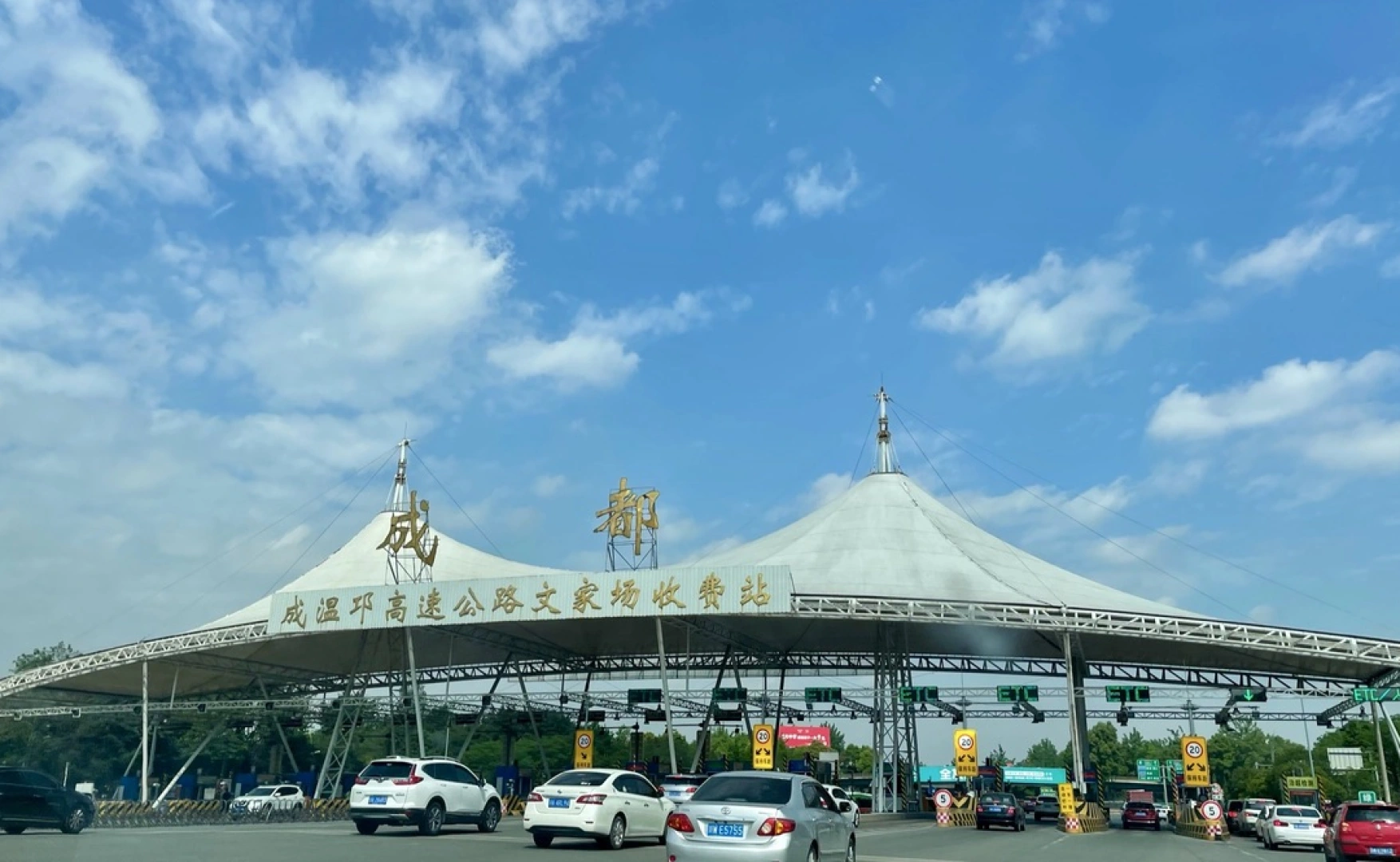
Meta Description: Discover the Aba Ring Road, a 6-day self-drive odyssey through Western Sichuan's snowy peaks, grasslands, Tibetan villages, and panda encounters. Expert tips on altitude sickness, driving, and hidden gems.
Introduction: Why the Aba Ring Road Deserves Your Attention
Every April, when spring breezes sweep across the Chengdu Plain, the season of blooming grass and singing birds quietly arrives. For travel enthusiasts who love self-driving, this is not just a perfect time for spring outings, but also a golden window to explore the hidden wonders of Western Sichuan. When people mention Western Sichuan, most immediately think of the snowy mountains and alpine lakes of Garzê. But today, I want to recommend another route that is equally stunning yet more accessible — the Aba Ring Road.

This ring road, spanning over 1,500 kilometers, strings together snowy peaks, grasslands, lakes, Tibetan villages, wetlands, and even giant pandas like beads on a necklace. Unlike Garzê, which feels "aloof and remote" (with elevations often exceeding 4,000 meters), the Aba Ring Road cleverly covers an elevation range from 1,000 to 4,000 meters, giving your body ample time to acclimatize to the plateau. Whether you're a first-timer tackling high-altitude self-driving or a seasoned traveler tired of monotonous mountain scenery, Aba will surprise you in ways you never expected.
[Link: Best time to visit Western Sichuan]
Trip Overview: Six Days and Five Nights, Starting from Chengdu
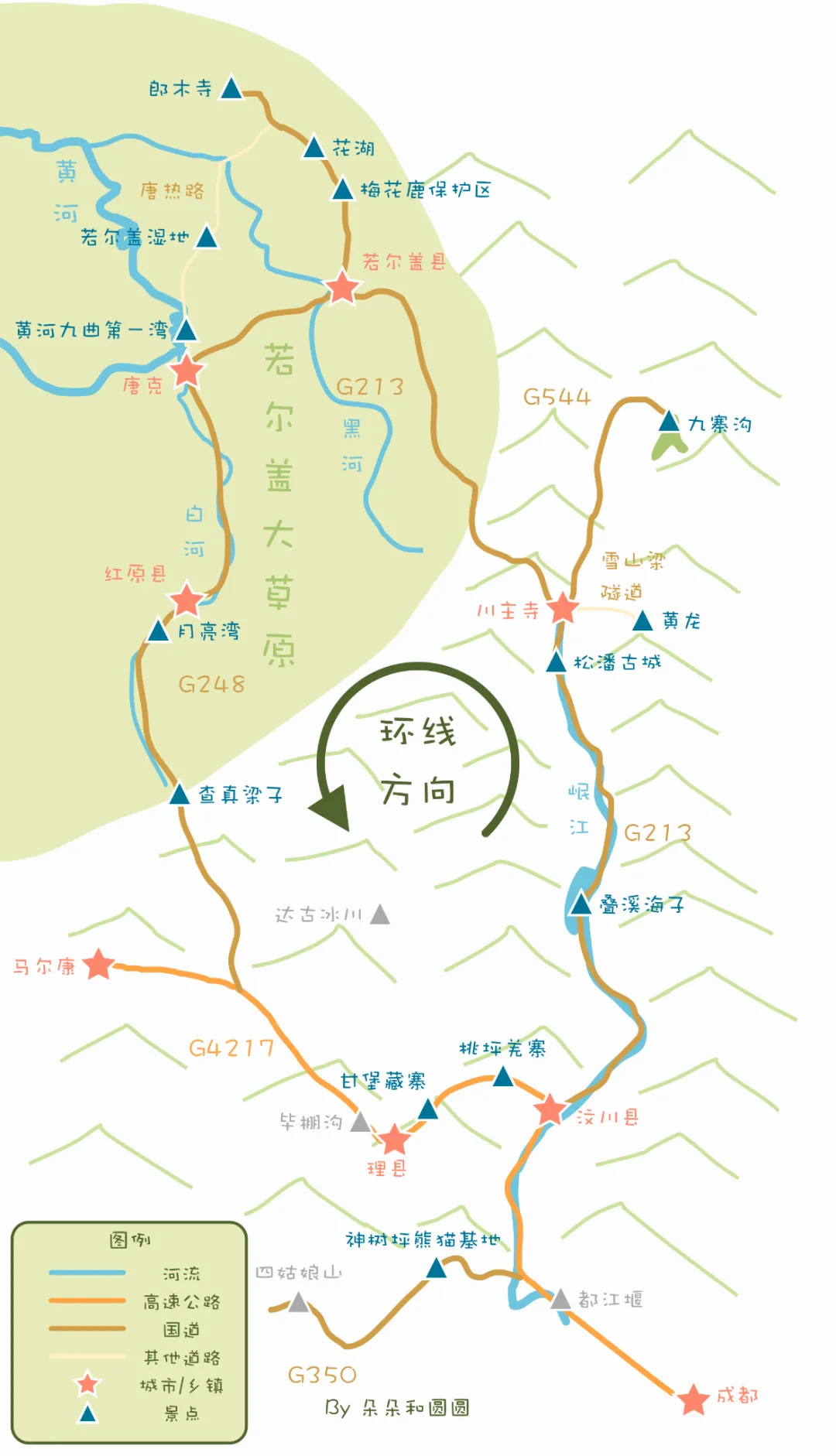
This ring road begins in Chengdu, passing through Diexi Lake, Songpan Ancient Town, Jiuzhaigou, Huanglong, Zoigê Grassland, the First Bend of the Yellow River, Hongyuan, Li County, and finally returning to Chengdu. The scenery changes dramatically each day — from canyons to plateaus, from lakes to grasslands, from Tibetan villages to panda bases — like a flowing visual feast.
Best Season: April to October. In April, grass grows and birds sing; from June to July, the Flower Lake is in full bloom; from September to October, autumn colors paint the landscape. However, note that during the dry season (e.g., April), some scenic spots may have insufficient water, affecting the viewing experience.
Self-Drive Tips: A Seasoned Driver's Survival Guide for Western Sichuan
What Vehicle Do You Need for the Aba Ring Road?
Many people think you need an SUV for high-altitude driving, but that's not true. The entire Aba Ring Road has excellent road conditions — mostly asphalt or concrete, with no dirt roads as you might imagine. On the contrary, there are many vehicles on the road, so a small car is actually more agile and easier to park. When renting a car, a fuel-efficient sedan is more than enough.
Essential Driving Tips for the Aba Ring Road

- Pulling Over: On grassland national highways, lanes are narrow and speeds are high. If you want to stop for photos, make sure to pull completely off the road. Never park with your wheels on the shoulder — it's extremely dangerous.
- Night Driving Taboo: There are almost no streetlights on this route, and the high beams of oncoming cars can temporarily "blind" you. If you must drive at night, the safest move is to follow closely behind a local car with a Chuan U (川U) license plate — their taillights will be your guiding light.
- Speed Trap Pitfalls: There are many speed cameras along the way. If you're unfamiliar with the route, following a Chuan U car is your safest bet.
How to Prevent Altitude Sickness on the Aba Ring Road
High-altitude sickness is a concern for many, but on the Aba Ring Road, you can easily handle it by taking a "gradual approach":
- Adapt Step by Step: Start from Jiuzhaigou (elevation around 2,000 meters) and slowly work your way up to Zoigê (elevation 3,500 meters), giving your body plenty of time to adjust.
- Avoid Strenuous Activity: Don't run, jump, or shout excitedly. Even spotting a marmot — don't scream with joy — all these activities consume a lot of oxygen.
- Eat in Moderation: Overeating increases oxygen consumption during digestion. Drink more cola to replenish sugar (hearing this must make you happy, right?).
- Breathe Actively: Consciously deepen and quicken your breathing — it effectively relieves oxygen deficiency.
- Accommodation Choice: Your breathing tends to become shallow during sleep, so book hotels with oxygen supply equipment. Tent camps may seem romantic, but if you can't sleep well, everything else is in vain.
- Oxygen Backup: You don't really need to carry an oxygen bottle everywhere, but if you're worried, bring an oxygen bag. County hospitals offer oxygen refills for about a dozen yuan per bag.
Other Essential Gear for Western Sichuan Self-Driving
- Drone: If possible, definitely bring one! Many landscapes only reveal their true grandeur from above — like the winding Yellow River's first bend or the vast expanse of Zoigê Wetland.
- Warm Clothing: On the plateau, there are only two seasons: "winter" and "almost winter." A down jacket is essential. Catching a cold at high altitude is no joke.
Day 1: Chengdu → Diexi Lake → Songpan Ancient Town → Jiuzhaigou
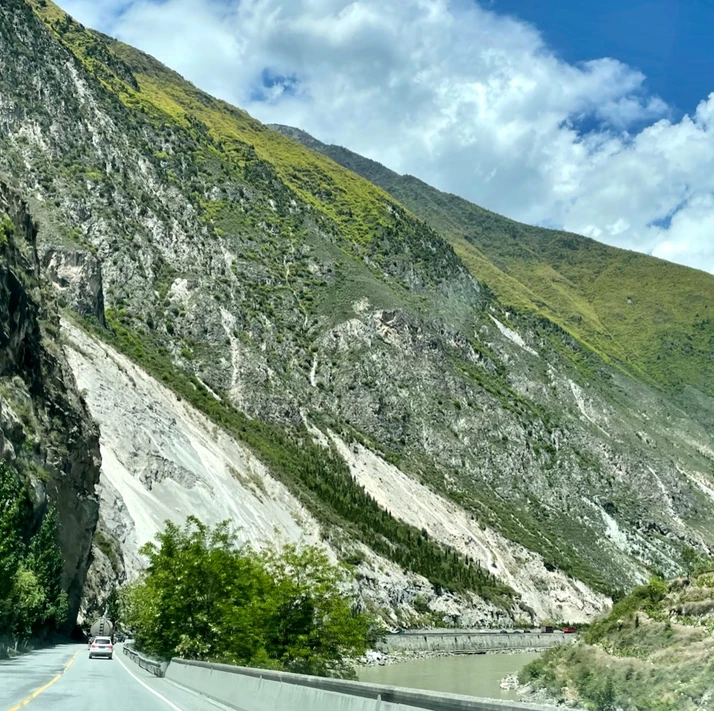
Distance: Approximately 440 km
Route: Duwen Expressway → G213 → G544
Pace: Relaxed, departing at 10 a.m.
Diexi Lake: A Hidden Gem of Western Sichuan (Recommendation Index: ★★)
Departing from Chengdu, follow the Min River upstream, pass through Wenchuan, and you'll enter National Highway 213. This road hugs the cliffside — on the left, nearly vertical rock faces; on the right, the rushing Min River. Look up, and you'll see mountaintop meadows sliced into patchwork patterns by drifting clouds.
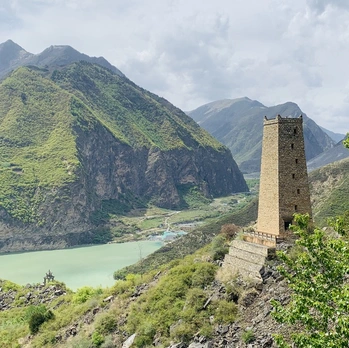
After about 230 kilometers, you'll reach your first stop — Diexi Lake. Standing on the observation deck, you can see a deep lake beneath the sheer cliffs. This lake was formed by a massive earthquake in the 1930s, when an entire ancient town collapsed and the Min River surged in to create a barrier lake, leaving only towering Qiang watchtowers as witnesses to history.
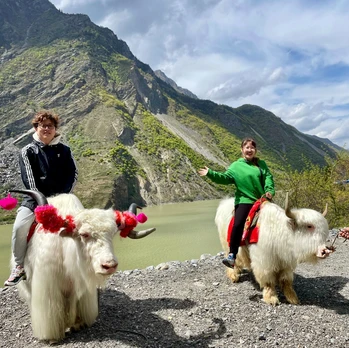
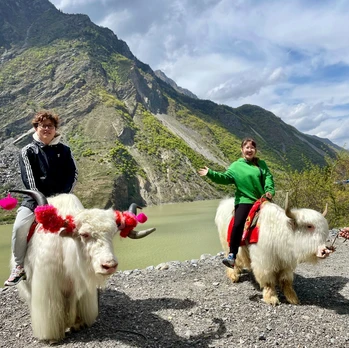
By the lakeside, local herders keep white yaks. For 10 yuan, you can ride one for a photo. But if, like me, you worry the yak might suddenly lose its temper and toss you into the lake, it's better to just snap a picture from a distance.
Songpan Ancient Town: A Tibetan Cultural Hub (Recommendation Index: ★★★)
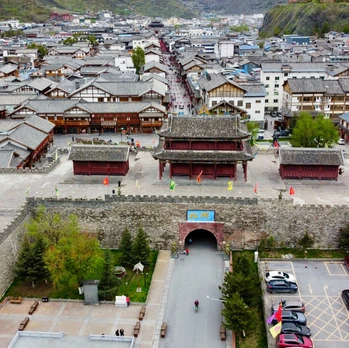
Continue on, and you'll arrive at Songpan Ancient Town. Historically known as "Songzhou," it was a military fortress built during the Tang Dynasty to defend against Songtsen Gampo. Later, after Princess Wencheng's marriage alliance, it became a major trade hub in the Southwest. Judging by the scale of its city walls, the layout was quite sophisticated back then.
Today, the ancient town is still bustling. Milk tea shops, toy stores, and Tibetan clothing shops line the streets, all at reasonable prices with no tourist-trap rip-offs. The streets are full of life, as if time has slowed down here.
Lunch Recommendation: Qingzhen Ruziniu (Halal Milk-fed Beef) (Recommendation Index: ★★★★). The yak meat hotpot here is incredibly tender, and the meat is cheaper than the vegetables! The owner is a well-traveled, talkative guy who gave us a bottle of highland barley wine as a farewell gift.
After eating and drinking your fill, head to Jiuzhaigou under the cover of dusk.
Day 2: Full-Day Tour of Jiuzhaigou
The weather forecast predicted moderate rain, but plateau weather is as fickle as a child's face. When we woke up, the mountains outside our hotel were shrouded in mist. By the time we finished breakfast and reached the parking lot at the valley entrance, the sky had already begun to clear.
Jiuzhaigou Route Overview
Jiuzhaigou's scenic spots are distributed across three valleys forming a Y-shape. The principle is "go up and play down." Upon entering the park, buses randomly take visitors to the top of either the left or right valley, from where you tour downward. After returning to the central hub, you switch buses to the other side. On the way down, you can either walk or take the bus between attractions.
Left Valley: Zechawa Valley
Long Lake (Recommendation Index: ★★★★★)
The bus dropped us at the top of the left valley — Long Lake. The moment we stepped off, the sky was clear and boundless, and the lake reflected the surrounding peaks like a mirror. This is the highest lake in Jiuzhaigou, and the view is absolutely breathtaking.
[Link: Jiuzhaigou travel tips]
Day 3: Zoigê Grassland and the First Bend of the Yellow River
After two days of canyon and lake scenery, today you'll experience the vastness of the Tibetan Plateau. Drive north from Jiuzhaigou to Zoigê County, where the landscape opens up into endless grasslands.
Zoigê Grassland: The Roof of the World
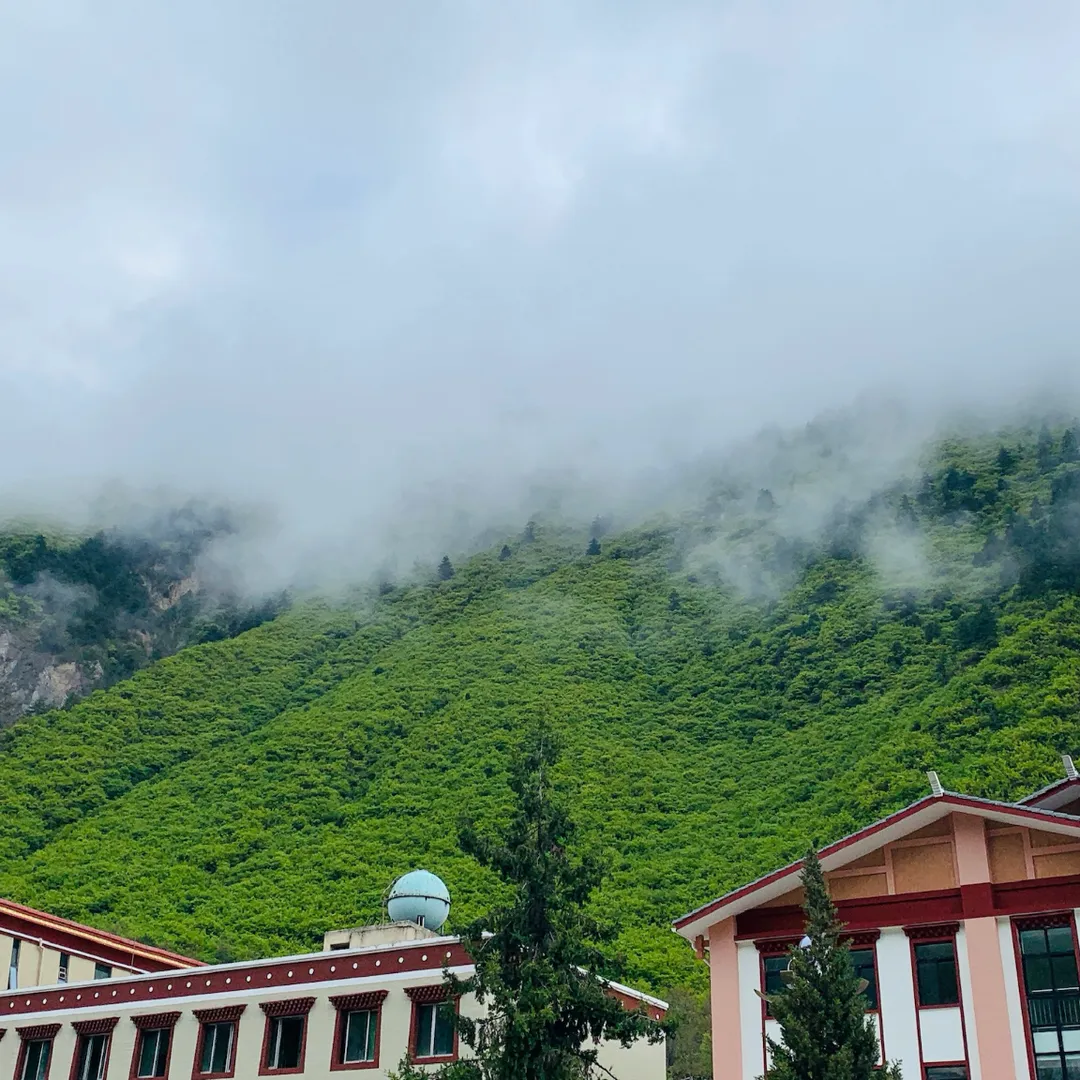
The Zoigê Grassland is one of the largest alpine wetlands in the world. In summer, wildflowers bloom across the rolling hills, and yaks and sheep dot the landscape like scattered pearls. The air is thin but crisp, and the sky feels close enough to touch.
The First Bend of the Yellow River
Just west of Zoigê, the Yellow River makes its first dramatic bend. From the observation deck, you can see the river winding through the grassland like a golden ribbon. For the best photos, visit at sunset when the light turns the water to molten gold.
Day 4: Hongyuan and Li County
Today's drive takes you through Hongyuan County, known for its red grasslands and Tibetan monasteries. Stop at the Moon Bay Wetland Park for a short hike, then continue to Li County, where you can visit the Taoping Qiang Village.
Taoping Qiang Village: A Living Museum
This ancient village is home to the Qiang ethnic minority, one of China's oldest peoples. The stone houses are built into the hillside, connected by narrow alleys and watchtowers. The village has been continuously inhabited for over 2,000 years.
Day 5: Panda Encounters and Return to Chengdu
On your final day, visit the Wolong Panda Base, located just outside Chengdu. Here you can see giant pandas in their natural habitat, including cubs playing in the nursery. Afterward, drive back to Chengdu, completing the Aba Ring Road circuit.
Frequently Asked Questions About the Aba Ring Road
1. Is the Aba Ring Road suitable for beginners?
Yes! The road conditions are excellent, and the gradual elevation gain makes it ideal for first-time high-altitude drivers. Just follow the altitude sickness prevention tips above.
2. What is the best time to visit the Aba Ring Road?
April to October is ideal. April offers spring blooms, June-July features flower-filled grasslands, and September-October showcases stunning autumn colors.
3. Do I need a 4x4 vehicle for this route?
No. A standard sedan is perfectly fine. The entire route is paved with asphalt or concrete.
4. How do I handle altitude sickness on the Aba Ring Road?
Start at lower elevations (Jiuzhaigou at 2,000m), ascend gradually, avoid strenuous activity, eat lightly, and consider booking hotels with oxygen supply.
5. Can I see giant pandas on this route?
Yes! The Wolong Panda Base is a must-visit on Day 5, offering close encounters with giant pandas in a natural setting.
Final Thoughts: Why the Aba Ring Road Is a Must-Do
The Aba Ring Road offers a perfect blend of natural beauty, cultural immersion, and adventure. From the turquoise lakes of Jiuzhaigou to the endless grasslands of Zoigê, from ancient Tibetan villages to playful pandas, this route delivers unforgettable experiences at every turn.
Ready to plan your Western Sichuan self-drive adventure? Start by booking your rental car in Chengdu and downloading offline maps. The road is calling — answer it.
[Link: Book your Chengdu car rental] [Link: Download offline maps for Western Sichuan]
Note: This article is based on the original source from Mafengwo. All recommendations and tips are factually accurate as of the publication date.


