Heaven on the Left, Garzê on the Right: The Ultimate Seven-Day Western Sichuan Self-Drive Itinerary
Meta Description: Discover Western Sichuan's hidden gems on a 7-day self-drive loop through Garzê. From Luding's iron bridges to Danba's Tibetan villages, experience plateau landscapes that rival heaven. Expert itinerary, tips & FAQs.
Introduction: Where Dreams Meet the Plateau
Zhuangzi dreamed of a butterfly, while Tsangyang Gyatso asked the Buddha: "Is there a perfect path in this world?" The answer lies hidden among the mountains and rivers of Western Sichuan. This is not a dream, yet it feels more surreal than any dream; it is not heaven, yet it feels more real than heaven itself. When your tires grind across the folds of the plateau, when prayer flags crackle in the wind beneath snowy peaks, you will finally understand: some landscapes are meant to be measured not with footsteps and the heart—but with a Western Sichuan self-drive itinerary that transforms travel into pilgrimage.
This 1,600-kilometer loop (approximately 1,000 miles) from Chengdu through Garzê and Ngawa delivers seven days of cloud-level beauty, ancient Tibetan culture, and landscapes that will redefine your understanding of "paradise."
Why Western Sichuan is a Garden Blessed by the Gods
Western Sichuan is a geographic concept that transcends administrative boundaries. While it broadly includes Chengdu, Leshan, Deyang, Meishan, and Ya'an, the soul of the region lies in the Tibetan plateau regions of Garzê and Ngawa. Here, the southeastern edge of the Qinghai-Tibet Plateau meets the Hengduan Mountains at elevations between 4,000 and 4,500 meters (13,100–14,800 feet).
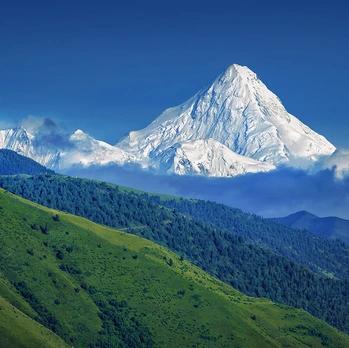
The terrain rises high in the northwest and slopes gently to the southeast. Snow-capped mountains, alpine meadows, forests, lakes, glaciers, hot springs, waterfalls, and canyons—every highland wonder you can imagine is compressed into this single stretch of land. The headwaters and major tributaries of the Yangtze River gave birth to an ancient and mysterious civilization here.
Western Sichuan travel seasons define the experience: - Spring and summer: Rolling on the grasslands leaves you drenched in floral scents - Autumn: Clear days let you almost reach out and touch the sky - Winter: Pure white snow makes you forget the road you came from
Self-Drive Loops: Small vs. Large

- Small loop: Starts at Xinduqiao, turns back through Tagong Grassland (3–4 days)
- Large loop: Begins at Daocheng Yading, passes through Dêgê and Sêrtar, returns via Barkam (10–15 days)
- Our 7-day loop: Skipped Daocheng Yading and Sêrtar, choosing main route highlights
Full road trip route: Suzhou → Enshi → Leshan → Chengdu → Luding → Kangding → Xinlong → Garzê → Luhuo → Daofu → Danba → Xiaojin → Yingxiu → Chengdu → Dianjiang → Ezhou → Suzhou
Luding: A Symphony of Iron Chains and Deep Gorges
When most people think of Luding, they picture the iron-chain bridge spanning the Dadu River. But Luding's hidden attractions go far beyond: Swallow Gully, Hailuogou Glacier, Moxi Ancient Town, Yajiageng Red Stone Beach, and Yajia Love Lake.
The History of Luding Bridge
In 1705, Emperor Kangxi ordered the construction of the first bridge across the Dadu River to open a passage between Han and Tibetan regions. Completed the following year, Kangxi named it "Luding Bridge"—combining "Lu" (from the Lushui River) and "Ding" (meaning "pacification" of the Dzungar rebellion). This bridge became a link between Han and Tibetan cultures, and Luding County took its name from the bridge.
When we arrived, days of heavy rain had closed the scenic area. Fortunately, just as we parked, the site reopened. Standing at the bridgehead, the iron chains swayed slightly in the wind while the turbulent Dadu River raged below. The heroic feat of the Red Army's capture of Luding Bridge during the Long March resonates here as a silent power, commanding deep respect.
[Link: Best time to visit Hailuogou Glacier]
Kangding: Beyond the Love Song
"On the running horse mountain, there is a drifting cloud"—Kangding travel guide reveals more than just a love song birthplace. Mount Gongga, Mugecuo Lake, Tagong Grassland, Xinduqiao, Zheduo Mountain, Quanhuatan, Baihaizi, and Hehuahai—every spot is a masterpiece of nature.
Zheduo Mountain: Gateway to Tibet
Zheduo Mountain is the first major barrier on the Sichuan-Tibet Highway, standing at 4,298 meters (14,100 feet). Crossing Zheduo Mountain truly marks your entry into Tibetan territory.
Xinduqiao: Photographer's Paradise
Known as the "Photographer's Paradise," Xinduqiao in autumn transforms poplar groves and Tibetan-style houses into a perfect picture. Every snapshot looks like a masterpiece.
[Link: Kangding to Xinduqiao driving tips]
Xinlong: The Forgotten Daocheng
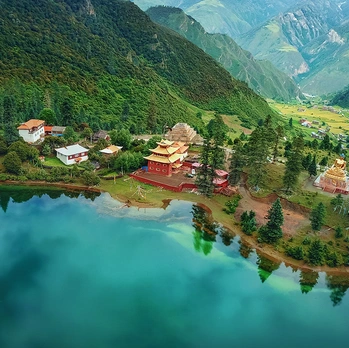
Xinlong—a name unfamiliar to most, yet its scenery is stunning. Xinlong off-the-beaten-path destinations include Cuoka Temple, Cuoka Lake, Kawalori Snow Mountain, Yalong River Grand Canyon, Picha Valley, Larima, and Jiangdui Temple. These landscapes rival those of Daocheng yet remain little-known due to their remote location.
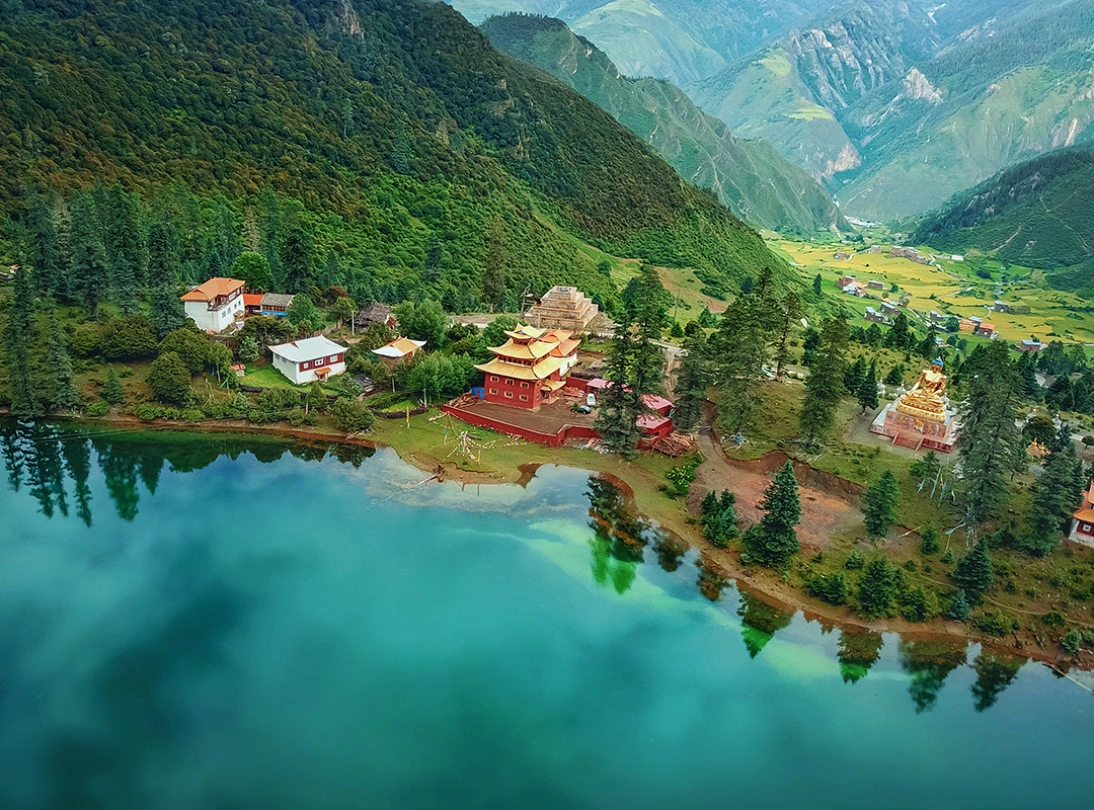
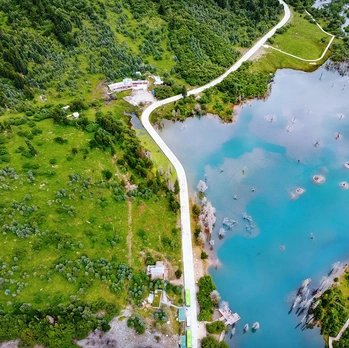
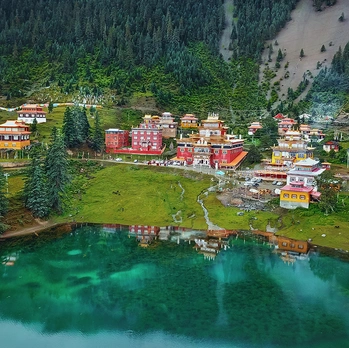
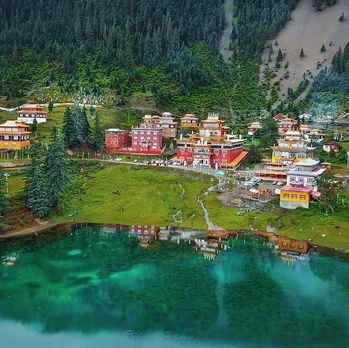
Cuoka Lake is hailed as a "fairyland on earth." Its waters are as green as jade, reflecting snow-capped mountains and temples. In the early morning, a thin mist shrouds the area, making you feel as if you've stepped into a dream. If you're tired of crowded tourist spots, Xinlong is an excellent choice.
Luhuo: A Gentle Haven for Passing Travelers
Luhuo—a name both familiar and unfamiliar. Most people pass through quickly, unaware that it hides treasures like Kasa Lake, Shouling Temple, Zongta Grassland, and Xialatuo Village.
Kasa Lake and Shouling Temple
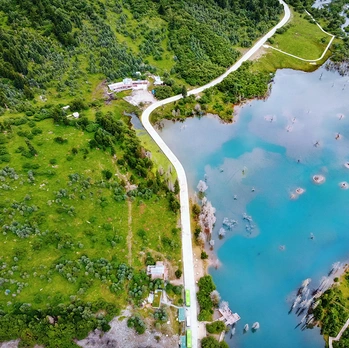
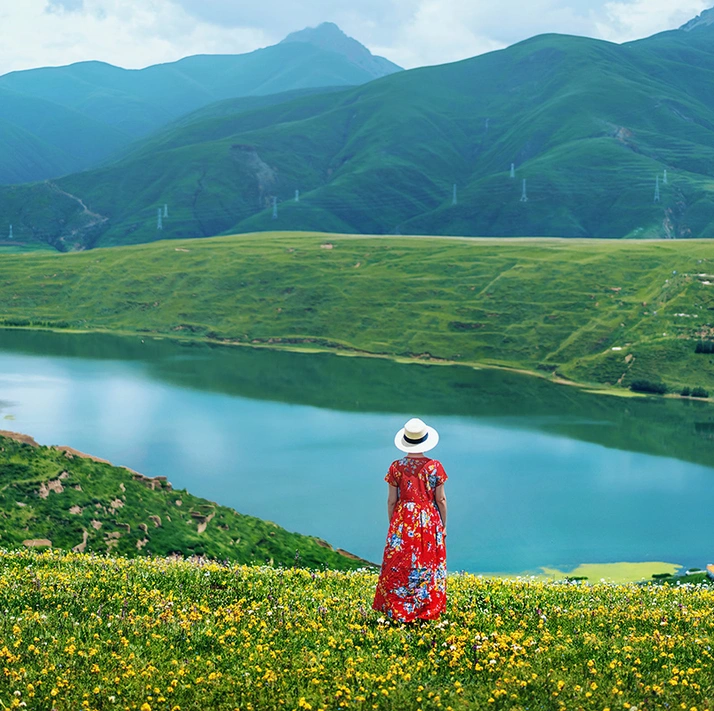
Kasa Lake is one of the largest freshwater plateau lakes in Western Sichuan. Its waters are crystal clear, surrounded by snow-capped mountains. Shouling Temple is a famous Gelugpa monastery in the Kham region, with golden roofs and red walls that exude grandeur. If time allows, horse riding on Zongta Grassland offers a taste of the plateau's freedom and vastness.
Daofu: The Eight Beauties of Garzê
"Garzê has ten beauties, and Daofu claims eight." Daofu attractions include Yala Snow Mountain, Huiyuan Temple, Bamei Grassland, Ink Stone Park, Longdeng Grassland, Xiaqiangla Snow Mountain, and Tagong Grassland.
Ink Stone Park: Alien Landscape
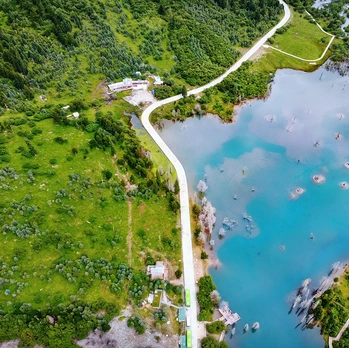
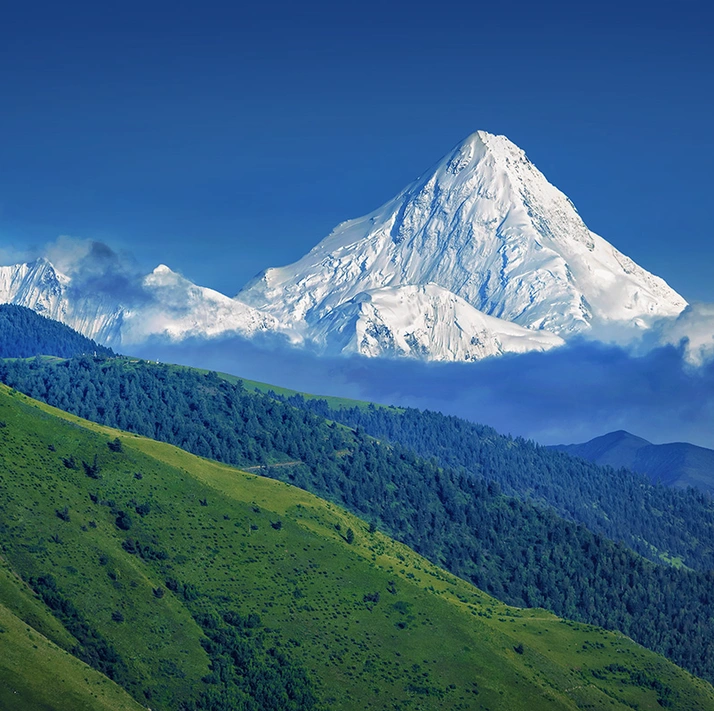
Ink Stone Park is Daofu's signature attraction. The stone forest here is gray-black, with bizarre shapes that resemble an alien landscape. Yala Snow Mountain is perpetually capped with snow, complementing the grasslands and forests. On Tagong Grassland, the golden-roofed Tagong Temple and the distant Yala Snow Mountain form a classic Tibetan tableau.
Danba: Home of Tibetan Villages and Beauties
Danba is famous for its Valley of Beauties and Tibetan villages. Danba Tibetan village tours feature Jiaju Tibetan Village, Zhonglu Tibetan Village, Suopo Ancient Watchtowers, Dangling, Hulu Lake, Danba's East Valley Natural Bonsai, and Moska Village.
Jiaju Tibetan Village: China's Most Beautiful Village
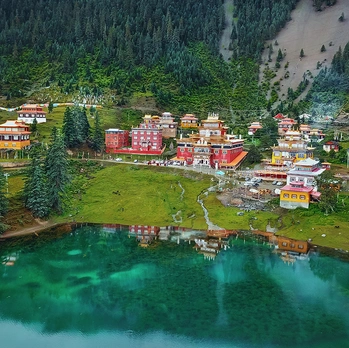
Jiaju Tibetan Village is hailed as "China's Most Beautiful Village." The Tibetan houses are built on hillsides, red and white in color, complementing the green mountains and clear waters. Dangling's Hulu Lake is a paradise for hikers. Its emerald waters, surrounded by snowy peaks, feel like a fairy tale.
Enshi: The Lively Charm of the First Daughter City
Starting from Suzhou, heading west, our first stop was Enshi in Hubei. Enshi Daughter City nightlife is the heart of the city. Though a man-made ancient town, it preserves the architectural features and folk customs of the Tujia ethnic group.
We stayed at the Baren Inn (Baren Kezhan), costing 330 yuan (about $45 USD) per night. The location was excellent, right at the performance center. For dinner, we went to Baren Hall (Barentang), which charged 50 yuan (about $7 USD) per person. They served dishes based on headcount: a main soup plus ten dishes, all authentic in flavor. We drank smash-bowl liquor (a Tujia tradition where you drink and then smash the bowl for good luck) and watched a Tujia performance, experiencing the warmth and boldness of the Tujia people.
Daughter City is very quiet in the early morning, perfect for a stroll. The southern food street offers everything from Enshi specialties to literary-style cafés.
Practical Tips for Your Western Sichuan Self-Drive Adventure
Best Time to Visit Western Sichuan
- May–October: Peak season with mild weather and blooming grasslands
- September–October: Best for autumn colors at Xinduqiao and Tagong
- November–March: Snowy landscapes, but some passes may be closed
Essential Packing List
- Warm layers (temperatures drop sharply at night)
- Sunscreen and sunglasses (high UV at altitude)
- Altitude sickness medication
- Portable oxygen cans
- Cash (ATMs are scarce in remote areas)
- Offline maps (cell service is unreliable)
Driving Tips for Plateau Roads
- Check weather conditions before crossing high passes
- Drive slowly on gravel roads
- Carry extra fuel (gas stations are 50–100 km apart)
- Respect local driving customs
Frequently Asked Questions
1. Is Western Sichuan safe for self-driving?
Yes, but preparation is key. Roads are generally well-maintained on main routes, but high passes can be treacherous in winter. Always check weather forecasts, carry chains, and inform someone of your itinerary.
2. How do I handle altitude sickness?
Ascend gradually. Spend the first night at lower elevations (e.g., Kangding at 2,600m/8,500ft). Stay hydrated, avoid alcohol, and consider medication like acetazolamide. If symptoms worsen (severe headache, vomiting, confusion), descend immediately.
3. What is the best time to photograph Xinduqiao?
Golden hour (sunrise and sunset) during mid-October to early November offers the best light and autumn colors. The poplar groves turn brilliant yellow, creating iconic images.
4. Do I need permits for Western Sichuan?
Most areas are open to domestic and international travelers. However, some border regions near Tibet require special permits. Check with local authorities before traveling to Sêrtar or remote border areas.
5. Can I visit Daocheng Yading in 7 days?
Including Daocheng Yading in a 7-day loop is tight but possible. You would need to skip some stops like Xinlong or Luhuo. The full loop we describe (1,600 km) already covers major highlights without Daocheng.
Ready to Drive Through Heaven?
This Western Sichuan self-drive itinerary is more than a travel plan—it's an invitation to experience landscapes that defy description. From the iron chains of Luding to the emerald waters of Cuoka Lake, from the golden roofs of Daofu to the ancient watchtowers of Danba, every kilometer delivers a new revelation.
Book your rental car today, pack your camera, and prepare for a journey that will change how you see the world. The plateau is waiting, and the clouds are calling.
[Link: Best Western Sichuan road trip routes for 2024] [Link: Tibetan cultural etiquette guide for travelers]
Note: This itinerary covers approximately 1,600 km (1,000 miles) on the loop, with a full road trip distance of 6,000 km (3,700 miles) from Suzhou. Adjust according to your starting point and available time.
You may also like