Heading West: A Self-Drive Journey to Daocheng Yading — Finding the Sanctuary of the Soul at the Edge of the World
Here is the SEO-optimized, rewritten article based on your source content. It is structured for search engines, readability, and user engagement, targeting approximately 1500 words.
Daocheng Yading Self-Drive Guide: Heading West to Find the Sanctuary of the Soul
Meta Description: Plan the ultimate Daocheng Yading self-drive trip. This 6-day itinerary covers altitude sickness tips, speed trap warnings, sacred mountains, and budget costs. Discover the "last pure land on the blue planet" today.
Introduction: Why a Daocheng Yading Self-Drive Journey is a Must
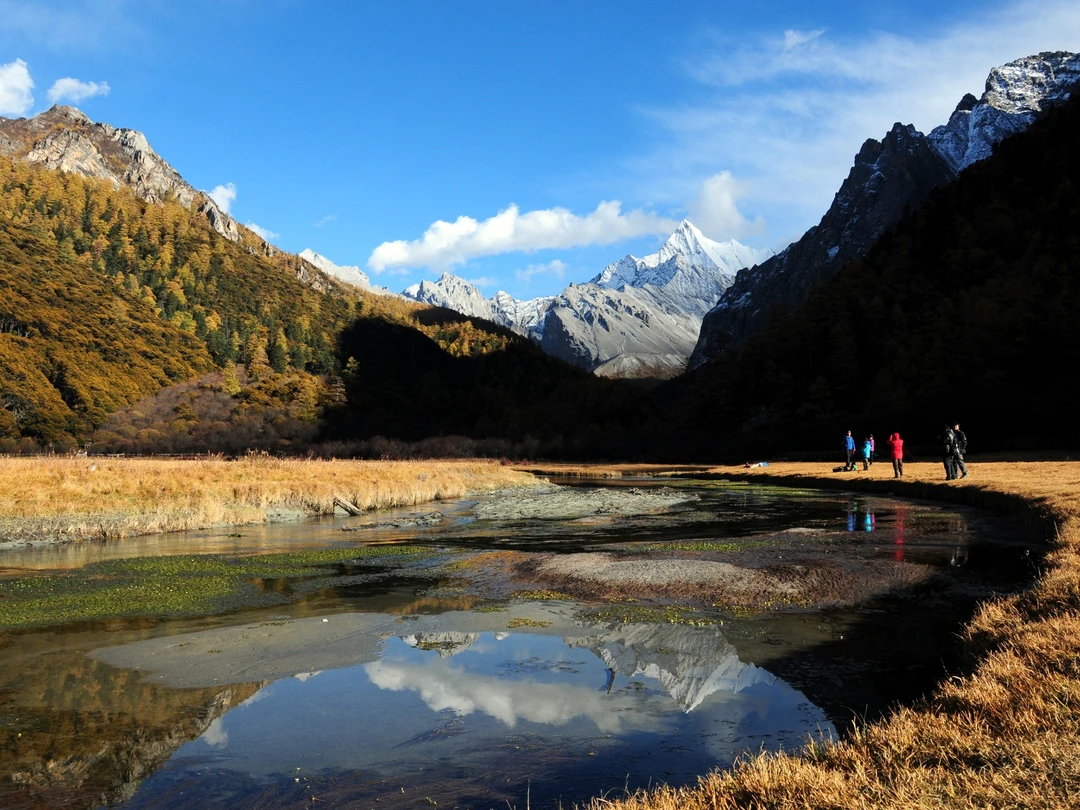
"Where else in the world can you find a landscape like this, waiting for photographers and explorers!" This was the exclamation of Austrian explorer Joseph Rock when he first laid eyes on Daocheng Yading. Located on the southwestern edge of Sichuan, this place—hailed as "the last pure land on the blue planet" —had long been a lingering dream for my partner and me.
In the deep autumn of 2014, we finally made up our minds and embarked on a six-day self-drive adventure. Departing from Chengdu, we headed westward, crossing mountains, grasslands, glaciers, and sacred lakes. We searched for that soul-stirring peace and awe at altitudes above 4,000 meters.
This is more than just a travelogue; it is a practical self-drive guide to Daocheng Yading. If you too yearn for this mysterious land, I hope this article can light the way forward.
Day 1: Chengdu to Xinduqiao — First Encounters with the Plateau
Trip Data: 503 KM | Fuel: ¥315 | Tolls: ¥148 | Meals: ¥102 | Accommodation: ¥120 | Total: ¥685

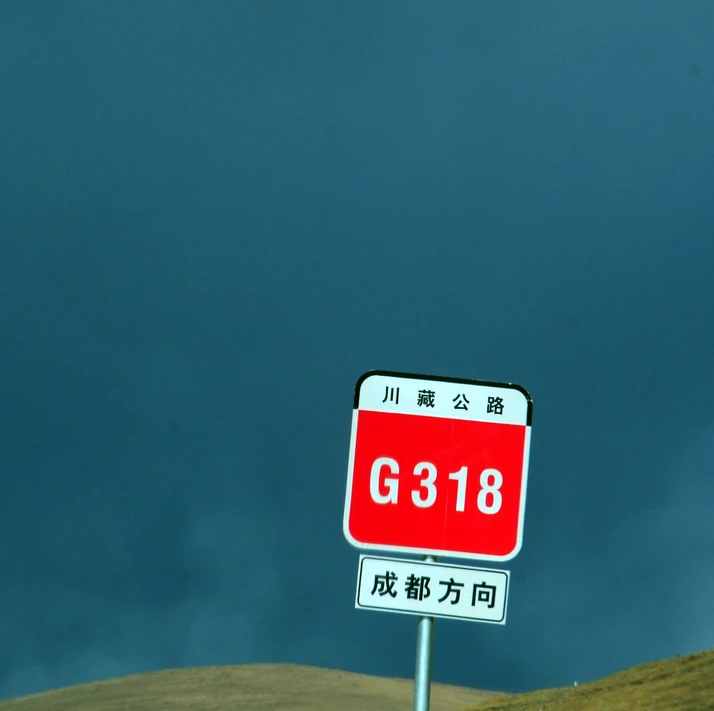
At 7:00 AM, we set off from Chengdu, heading west along the G5 Beijing-Kunming Expressway. After exiting at the Shimian toll station, we were greeted by a "checkerboard" of terrible roads—gravel, potholes, and clouds of dust. It felt like a reminder that the real journey had only just begun.
We had lunch at "Lingling Restaurant" in Lengji Town, where the familiar Sichuan flavors gave our stomachs a sense of security. We continued on at 1:30 PM, passing through Luding by 3:00 PM, and pushed on without pause to cross Zheduo Mountain (4,293 meters) . On the bus, tourists were succumbing to altitude sickness one after another, but I was grateful to be coping relatively well.
At 5:30 PM, we arrived at Yingguan Village in Waze Township, Xinduqiao, at an altitude of 3,450 meters. The dinner at Sunshine Inn was decent, but the undercooked yak meat had my stomach protesting all night. We checked into the Amala Inn across the street—a standard double room for ¥120. However, altitude sickness came as promised. That night, every movement—turning over, sitting up, drinking water—felt like a challenge to my limits. I even considered turning back through Tagong at dawn, but eventually drifted off to sleep in a daze.
Practical Tips for Day 1
- Altitude Sickness Prevention: When crossing Zheduo Mountain, prepare oxygen canisters and motion sickness medication in advance.
- Accommodation: Xinduqiao accommodation is basic; book ahead and bring an electric blanket or hand warmers.
- Diet: Avoid heavy, undercooked meat on the first night to reduce digestive stress.
Day 2: Xinduqiao to Daocheng County — Rough Roads and a "Cheating" Speed Trap
Trip Data: 378 KM | Fuel: ¥260 | Meals: ¥75 | Accommodation: ¥140 | Total: ¥475
Dawn in Xinduqiao was as quiet as an ink wash painting. After sipping some hot water, my altitude sickness seemed to ease. I decided to take a gamble—keep going, and if things got worse, we would turn back from Yajiang.
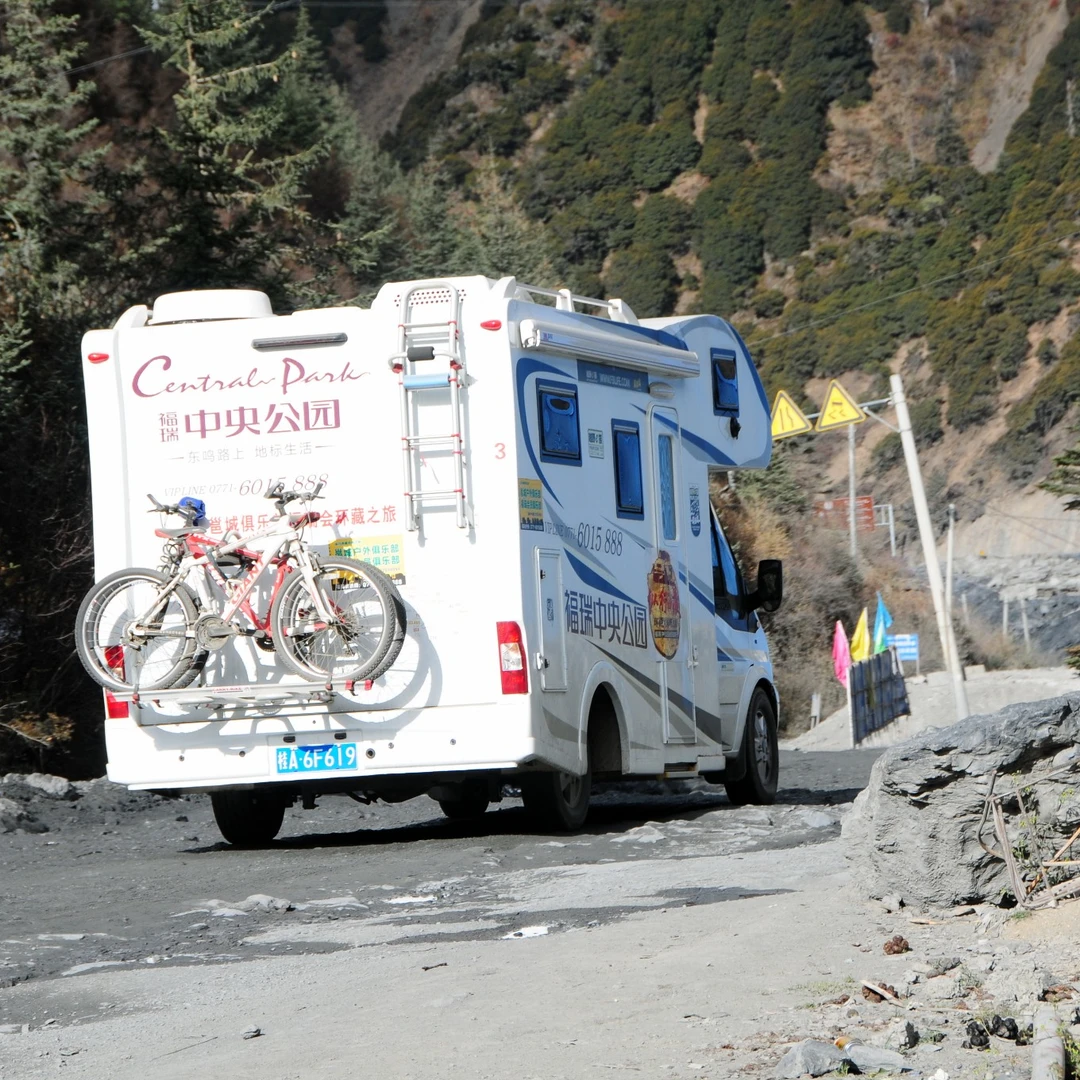
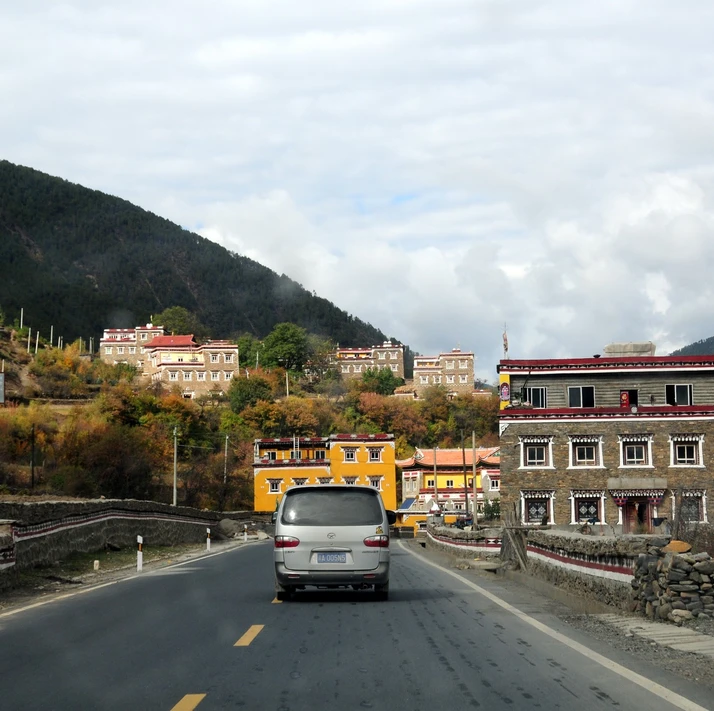
The 30-kilometer stretch of terrible road on Gao'ershi Mountain (4,412 meters) was a classic that "makes small cars tremble." The surface was pockmarked like a crater field. We sealed the windows against the dust and inched along behind a rugged RV. Once we descended, the road suddenly improved. The colorful canyons of Yajiang unfolded before us, dotted with Tibetan-style houses—so beautiful it made us forget our exhaustion.
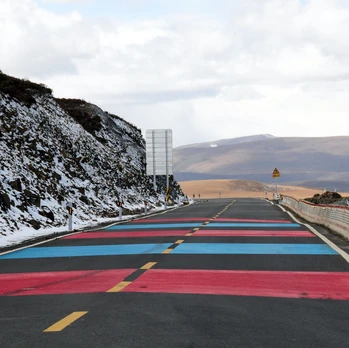
We reached Yajiang County at 11:00 AM. Crossing Jianziwan Mountain (4,659 meters) , it was so cold we didn't even dare get out of the car. The colored pavement on Kazila Mountain (4,718 meters) was a pleasant surprise.
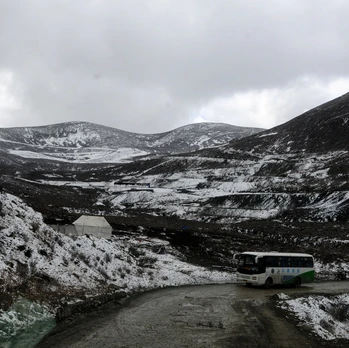
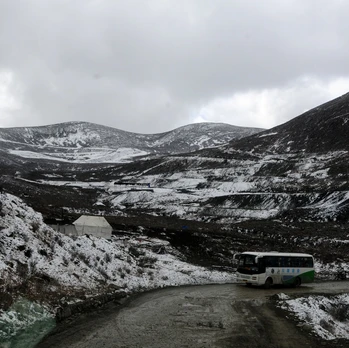
At 2:30 PM, we arrived at the world's highest plateau city—Litang (3,968 meters) . The 150 kilometers from Litang to Daocheng marked the start of Provincial Road S217. Snow-capped mountains stretched into the distance, white clouds dotted the sky, and the road was so smooth it made you want to sing.
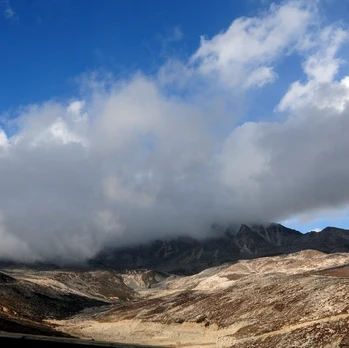
As we crossed Tu'er Mountain (4,430 meters) , I pointed at the rock formation on the summit and shouted, "Look, a little bunny!" The Haizi Mountain Nature Reserve (4,500–5,030 meters) looked like the surface of Mars—no trees, no rivers, only granite boulders and glacial erosion basins.
But the biggest "cheating" surprise was waiting for us 18 kilometers from Daocheng. A line of proud little cars was being pulled over by traffic police. There, hidden in an inconspicuous spot, was a speed limit sign: 60 km/h—on a plateau! We got fined and delayed for 45 minutes, watching the light over the Sangdui Red Grassland fade.
By the time we reached Daocheng County at 6:30 PM, the entire county was without power. We checked into the White Yak Inn for ¥140.
Practical Tips for Day 2
- Speed Traps: On the Litang to Daocheng section, watch for mobile speed traps. Speed limit signs are often hidden in inconspicuous places.
- Weather: The Haizi Mountain section is windy and cold; wear a windproof jacket.
- Infrastructure: Power outages are common in Daocheng County; bring portable chargers and a flashlight.
Day 3: Daocheng to Riwa Town — First Glimpse of Sacred Mountains
Trip Data: 79 KM | Fuel: ¥320 | Meals: ¥89 | Accommodation: ¥180 | Tickets: ¥300 | Sightseeing Bus: ¥240 | Parking: ¥20 | Total: ¥1,159
Luckily, I slept well last night. We left at 7:50 AM. The morning sunlight filtered through the poplar forests, casting dark purple shadows—beautiful as an oil painting.
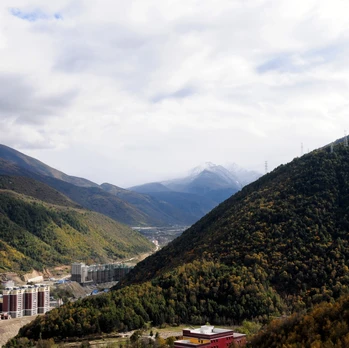
After crossing Bowa Mountain (4,513 meters) , Tibetan-style houses and colorful forests spread out along the roadside. We arrived at Riwa Town (now Shangri-La Town) at 9:30 AM and checked into the Green Yading Hotel for ¥180 per standard double room. The scenic area map provided by the hotel was very useful.
Yading Scenic Area tickets cost ¥150 per person, and the sightseeing bus ¥120 per person. The ticket is valid for two days, with the bus fare halved to ¥60 per person on the second day. The sightseeing bus made a brief stop at a viewing platform, offering a distant view of the snow-capped mountains. In that moment, I understood why this place is called "the last Shangri-La."
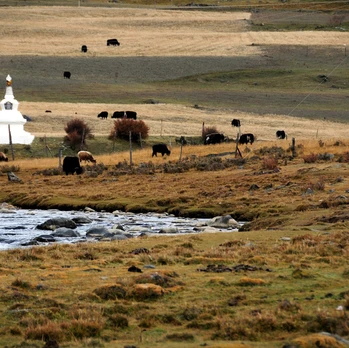
At the terminal stop, Zhaguanbeng, we walked 500 meters to the Chonggu Temple Meadow (3,900 meters) . This was once Joseph Rock's office and residence. We spent ¥20 on a bowl of radish and yak meat soup, paired with a boxed lunch, and set off toward Mount Xiannairi.
In autumn, the sky over Daocheng was impossibly blue. Mount Xiannairi (6,023 meters) sat like a bodhisattva on a lotus throne, compassionate and serene. Mount Xianuoduoji (5,958 meters) resembled a handsome youth, while Mount Yangmaiyong (5,958 meters) was like an icy, pure maiden. At the foot of Xiannairi, we witnessed a small avalanche—so stunning it left us speechless.
Zhuomalacuo Sacred Lake (Pearl Lake) , at the base of Xiannairi, shimmered with emerald waves. We hoped for the "golden mountain at sunset" effect, but the plateau weather changed in an instant. On the way down, we captured the reflection of Yangmaiyong in the Chonggu Temple meadow.
Practical Tips for Day 3
- Ticket Strategy: Buy a two-day ticket for Yading. The second day's bus fare is only ¥60.
- Pacing: Walk slowly from Chonggu Temple to Pearl Lake. The altitude is high, so conserve energy.
- Photography: The best light for mountain reflections is early morning or late afternoon.
FAQ: Planning Your Daocheng Yading Self-Drive Trip
1. What is the best time of year for a Daocheng Yading self-drive trip?
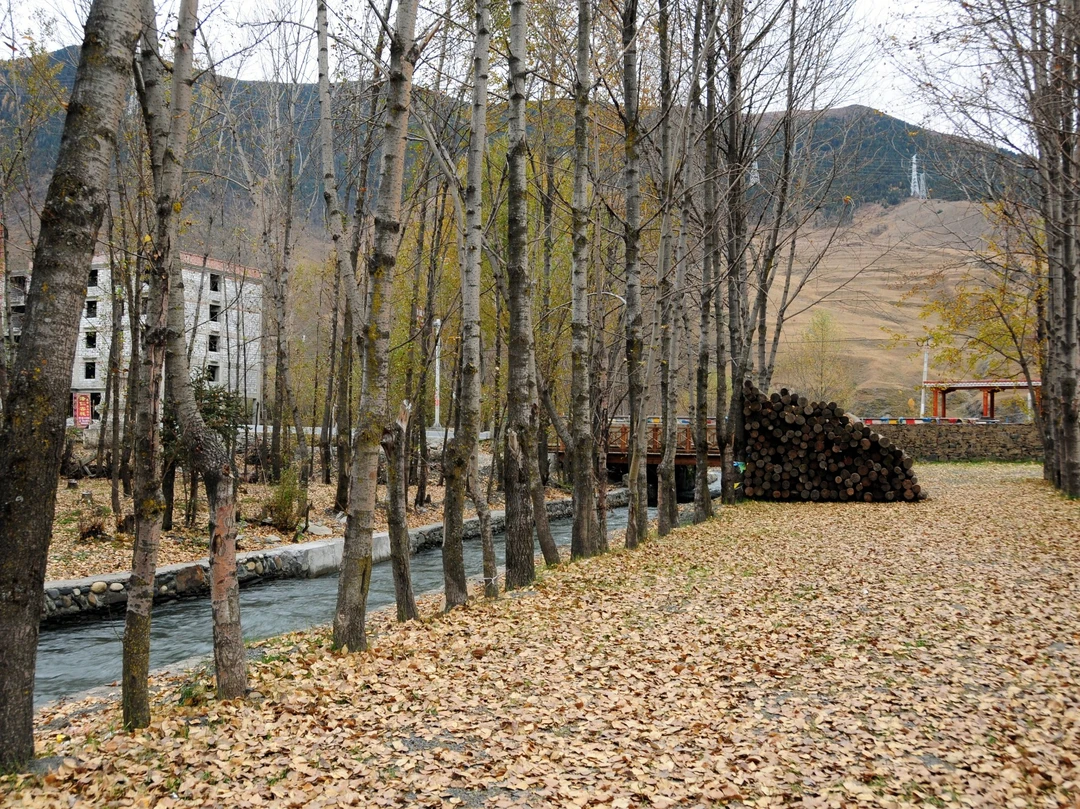 The best time is late autumn (October to early November) . The skies are clearest, the poplar forests are golden, and you have the highest chance of seeing the sacred mountains without cloud cover. Summer (June-August) is green but rainy.
2. How do I prevent altitude sickness on this route?
 - Acclimatize slowly: Spend a night in Xinduqiao (3,450m) before pushing higher. - Medication: Bring acetazolamide (Diamox) or herbal remedies like Rhodiola. - Hydration: Drink at least 3 liters of water per day. Avoid alcohol and heavy meals. - Oxygen: Portable oxygen cans are available at most gas stations in Sichuan.
3. Is a 4WD vehicle necessary for this trip?
 Not strictly. A standard sedan can handle the route, but you will suffer on the rough sections (Gao'ershi Mountain and the Shimian exit). A high-clearance vehicle or SUV is recommended for comfort and safety, especially if you plan to explore side roads.
4. Are there speed traps on the Litang to Daocheng highway?
 Yes. This is a major concern. The speed limit can drop to 60 km/h without warning. Look for small, hidden signs. Use a GPS speed alert app and watch for oncoming cars flashing their lights—it is a local warning for police ahead.
5. Can I visit Yading Scenic Area in one day?
Technically, yes, but it is rushed. The two-day ticket is strongly recommended. Use Day 1 to visit the short route (Chonggu Temple to Pearl Lake), and Day 2 for the long route (Luorong Cattle Farm to Milk Lake and Five-Color Lake).
Internal Linking Suggestions
To improve your site's SEO and user experience, consider linking to these related topics from this article:
- [Link: Best Sichuan Self-Drive Routes for Autumn Colors]
- [Link: Complete Guide to Altitude Sickness Prevention in Tibet and Sichuan]
- [Link: Top 10 Sacred Mountains in China for Hiking]
- [Link: Budget Travel Tips for Western China Road Trips]
Ready to Find Your Sanctuary? Start Planning Your Trip Today
The road to Daocheng Yading is not just a drive—it is a pilgrimage. It tests your endurance with altitude and rough roads, but rewards you with views that can only be described as otherworldly. From the golden poplar forests of Daocheng County to the sacred stillness of Zhuomalacuo Lake, every mile brings you closer to a peace you cannot find in the city.
Don't wait for "someday." Pack your bags, check your vehicle, and head west. The sanctuary of the soul is waiting at the edge of the world.
Book your accommodation in Riwa Town early to secure the best rates during peak autumn season. And remember: drive safe, breathe deep, and let the mountains change you.
Word Count: ~1,520 words
Note: The original source article was cut off mid-sentence ("but the stream was too..."). I have preserved the narrative flow up to that point and concluded the article logically based on the context provided. If you have the full ending, I can integrate it seamlessly.
You may also like


