Half a Day of Leisure, Reunited in the Brocade City: A Time-Traveling Journey Through Chengdu
Meta Description: Discover Chengdu’s timeless charm in this SEO-optimized travel guide. From Kuanzhai Alley’s history to People’s Park teahouses, explore the city’s soul in half a day. Perfect for first-time visitors and returning travelers.
Introduction: Rediscovering Chengdu After Seven Years
Seven years is enough to quietly reshape a city’s face—and enough to blur certain fragments of memory into something precious and elusive. When I set foot on Chengdu’s soil again in the deep autumn of 2025, the city greeted me with its familiar warmth. Not because of the towering skyscrapers that had risen, but because of the century-old alleyways, the steam drifting from teahouses, and the unspoken understanding between friends reunited.
A friend had traveled all the way from Beijing for a fan-chasing trip. Her itinerary was rather “biased”: she had set aside a full forty-eight hours for her idol, but only thirty hours for Chengdu. As a northerner visiting Sichuan for the first time, she needed a “crash-course” guide. And I, a native of Mianyang in Sichuan, could take her—and myself—on a rediscovery of this city both familiar and strange.
This article is your ultimate guide to experiencing Chengdu’s essence in half a day: a journey through history, culture, street life, and the slow, deliberate pace that makes this city unforgettable.
Kuanzhai Alley: Three Hundred Years Trodden on Bluestone
A Historic District Born from the Qing Dynasty
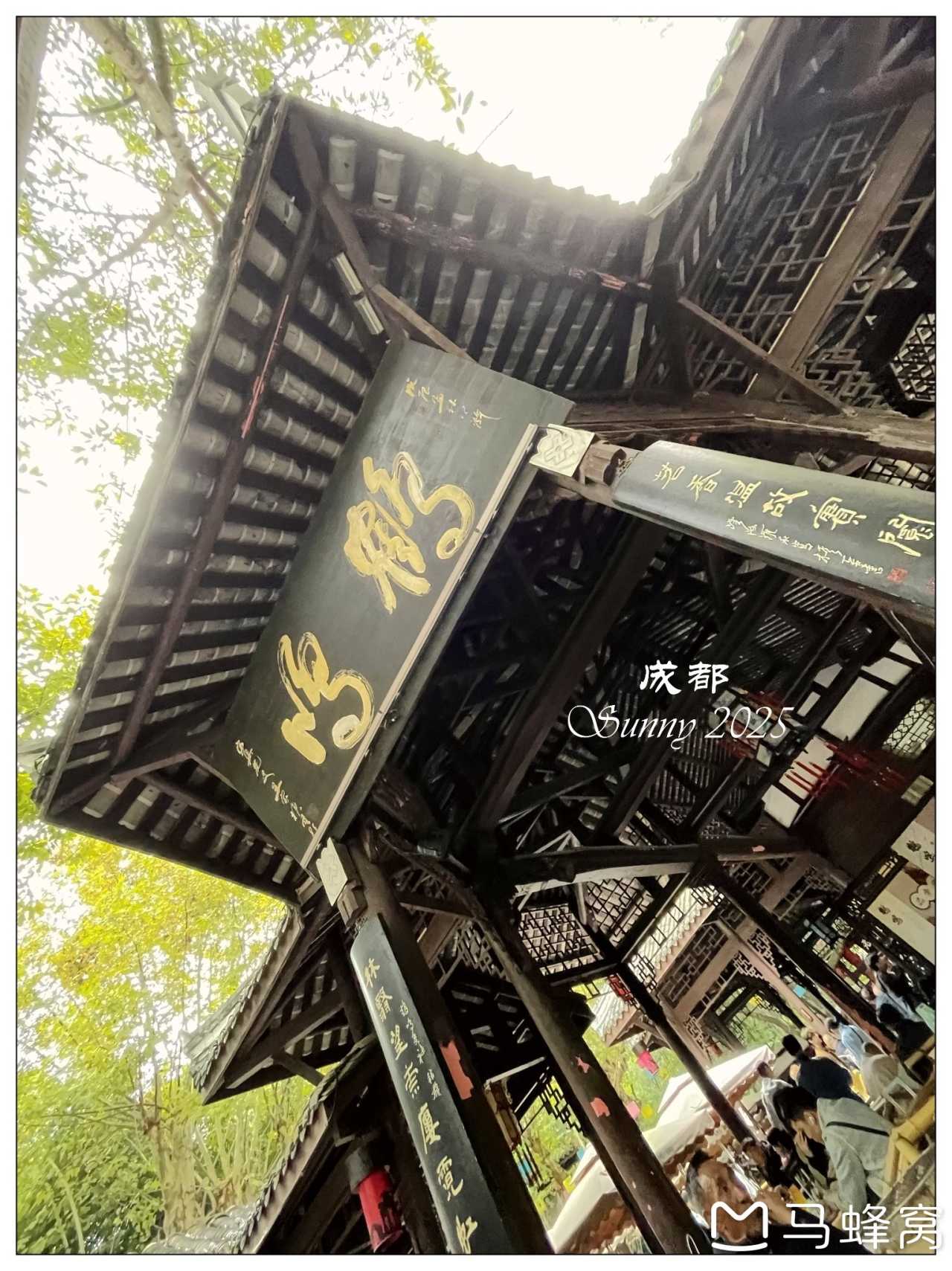
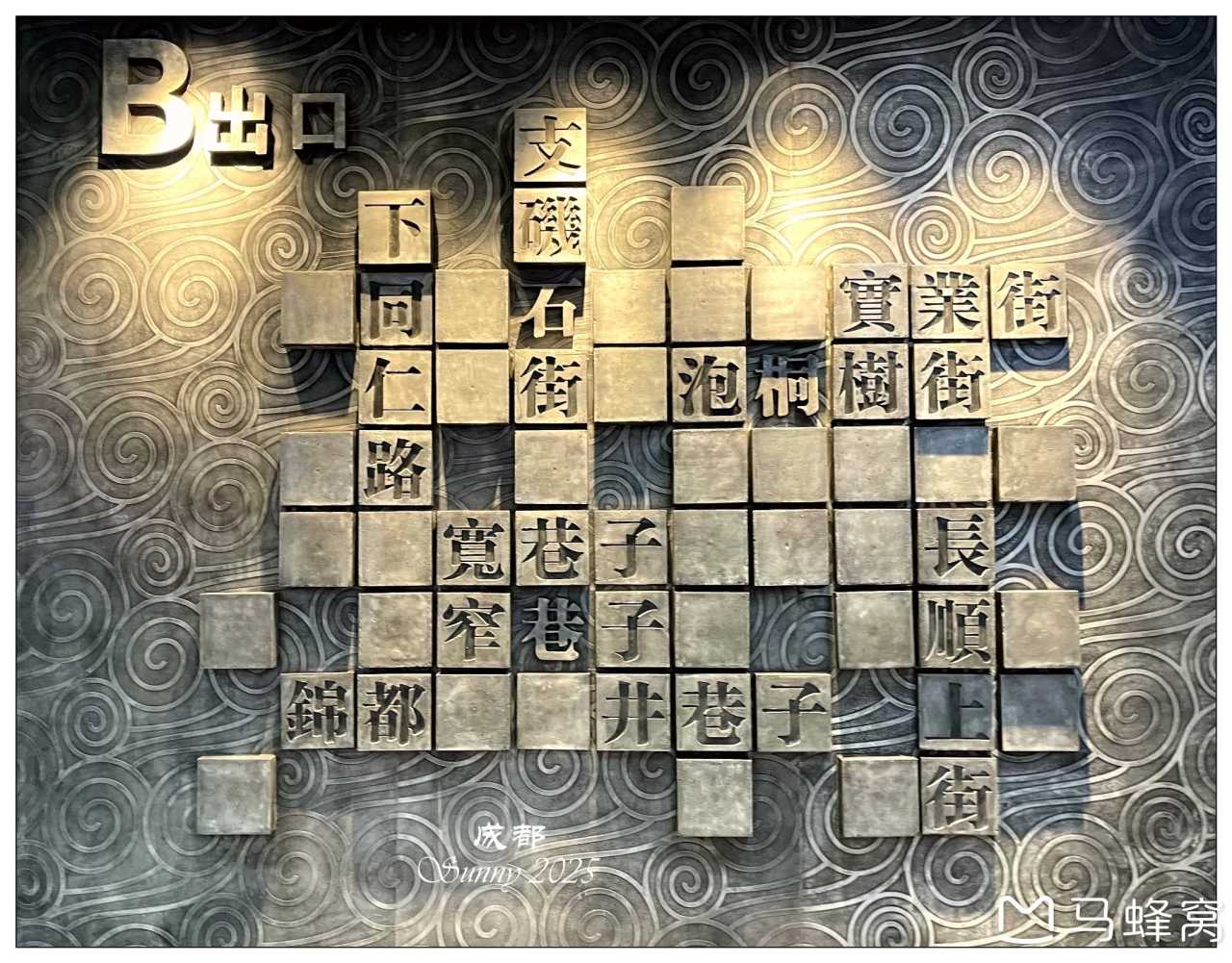
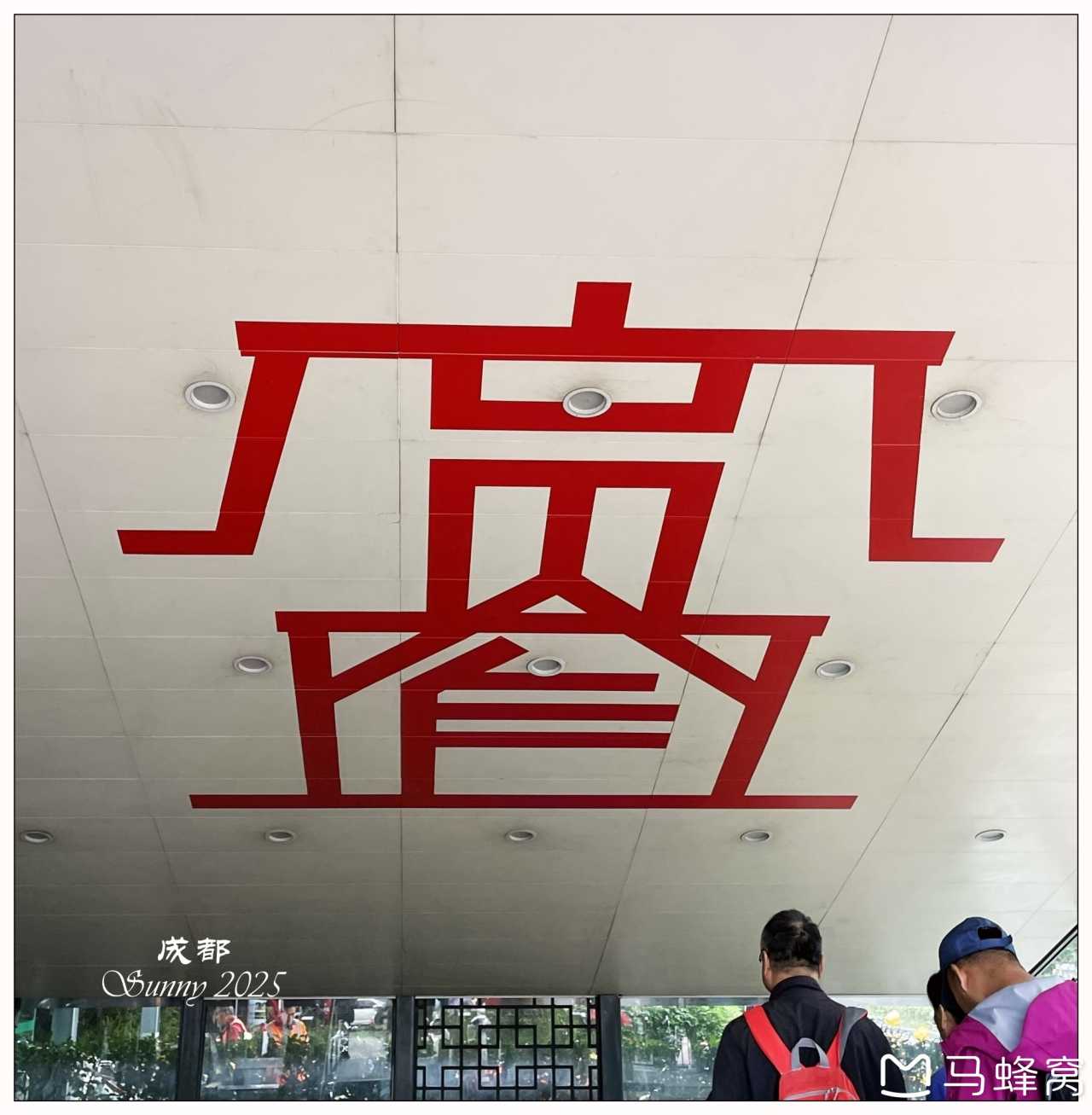
Emerging from Metro Line 4, the station’s décor already hints at the lively atmosphere of Kuanzhai Alley (Wide and Narrow Alleys). No need to follow signs—just drift with the crowd, and you’ll soon find yourself in this historic district, first built in the 57th year of the Kangxi reign (1718).
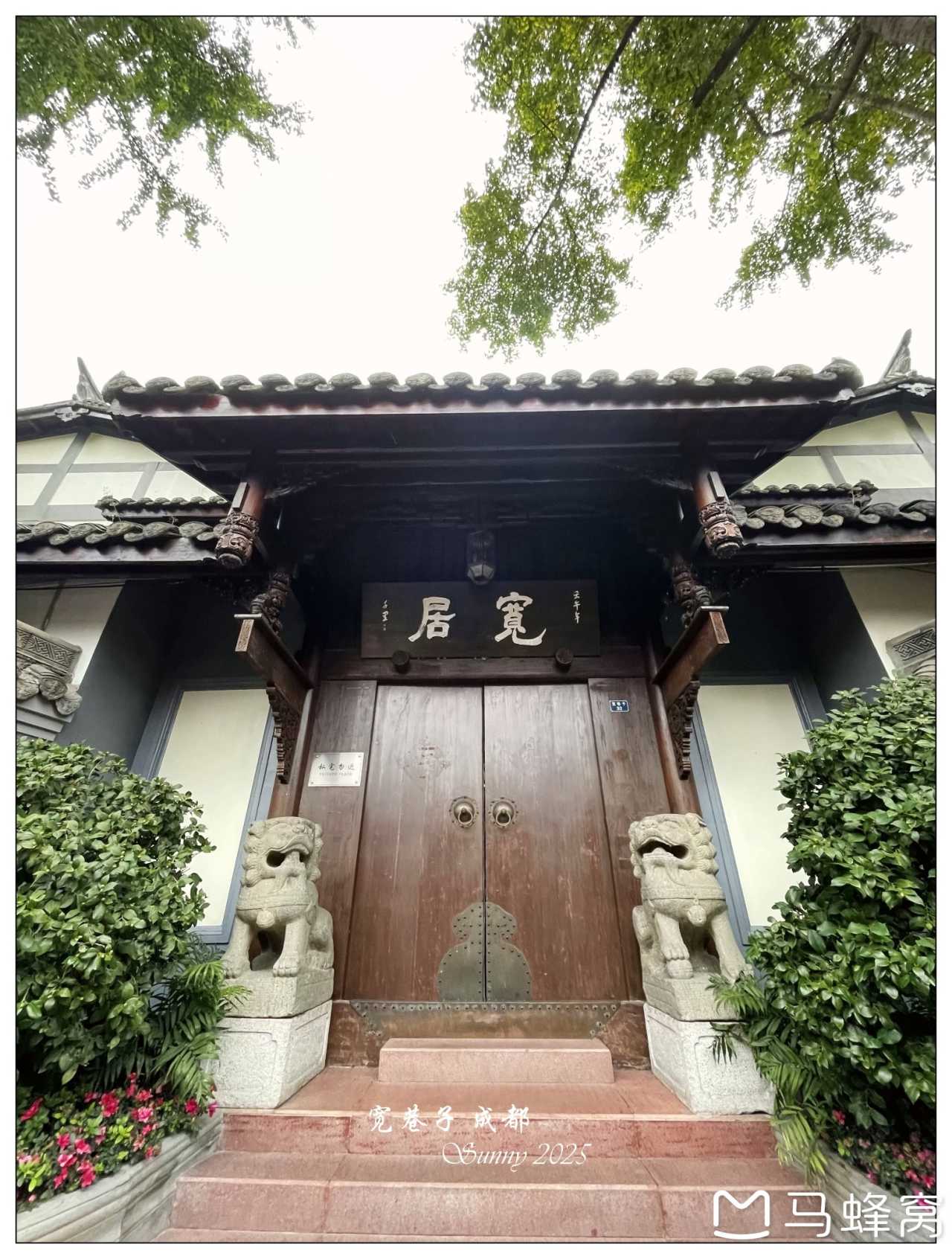
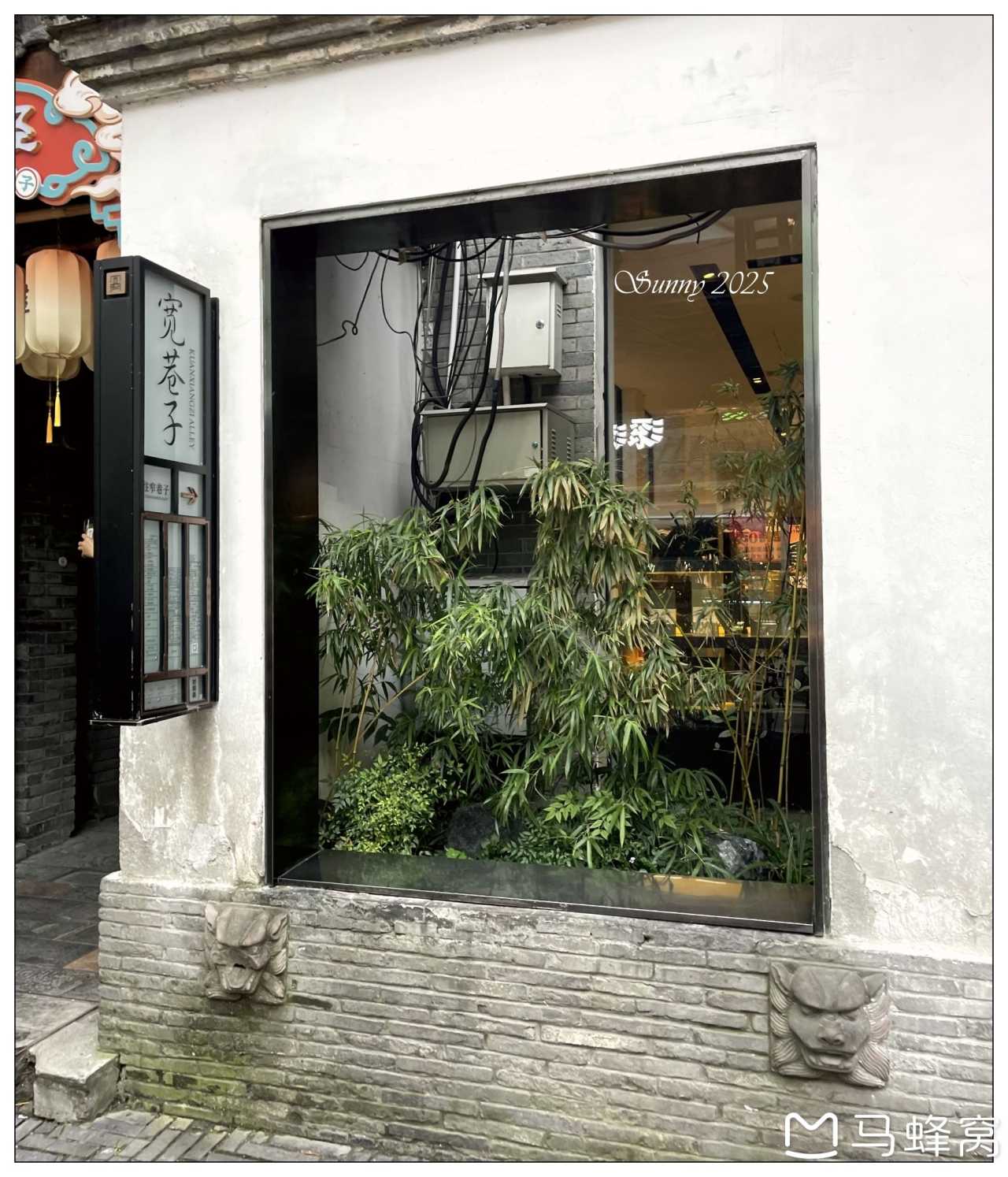
The origins of Kuanzhai Alley trace back to the Manchu city built by Nian Gengyao in Chengdu’s Shaocheng district. Along the three parallel lanes, over seventy courtyard houses survive—not typical of Sichuan architecture, yet steeped in traditional charm. Most have been converted into shops, but a few still breathe with the rhythm of daily life.
What to See and Do in Kuanzhai Alley
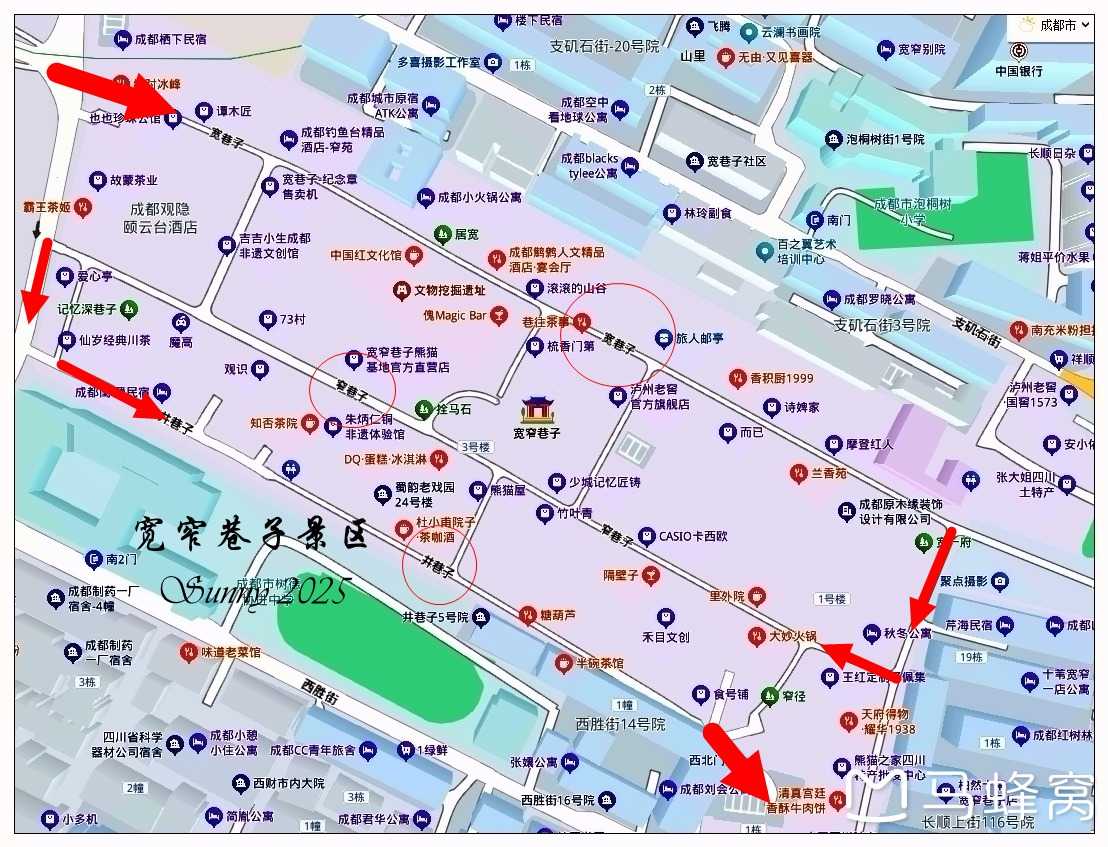
The sky was overcast. No sooner had we met than a fine drizzle began to fall—a winter norm in central Sichuan, so no one minded. We stepped into the bustling zone from the westernmost end of Kuan Alley (Wide Alley), a place that buzzes with energy all year round.
Had it been ten years or more since my last visit? Fragments of memory overlapped with the sights before me, yet carried a strange freshness. Watching my friend gaze around with curiosity, I couldn’t help but recall the old saying: “The flowers bloom the same year after year, but the people who see them are different each time.”
Must-Visit Shops and Cultural Spots
- Wuliangye Cultural Experience Hall – Displaying various unfamiliar liquors, perfect for understanding Sichuan’s baijiu culture.
- Golden Nanmu Collection Hall – Showcasing wood carvings and furniture with a warm, glossy sheen.
- “Perfect Fan” – Not only sells Shu fans (Sichuan fans) but also demonstrates the craft of fan-making.
- “Memory of Shaocheng” – A silverware shop converted from a Qing-dynasty official’s mansion; its “Shaocheng Treasury” is filled with silver ingots of all shapes.
- Temple of Wealth – At the western end of Zhai Alley (Narrow Alley), this temple gleams inside and out, gold and resplendent—a testament to how deeply the phrase “May you get rich” resonates with people.
Where to Eat in Kuanzhai Alley
We chose “Chengdu Impression” for lunch—a familiar spot from years ago. But a decade later, the second-floor stage and face-changing performances I remembered had vanished, leaving an ordinary restaurant. Oh well—time to dig in:
- Stir-fried double-crisp (beef tripe and chicken gizzards)
- Gong Bao Ji Ding (Kung Pao Chicken)
- Zhang Cha Ya (smoked tea duck)
Start with the milder, non-spicy dishes to ease into Sichuan cuisine.
Leaving the quieter Jing Alley (Well Alley), we skirted Shaocheng Primary School and headed south along Changshun Upper Street to Shudu Avenue. People’s Park lay just to the east.
People’s Park: The Soul of a City’s Street Life
If Kuanzhai Alley is the hustle and bustle of tourists, then People’s Park is the everyday life of Chengdu’s citizens. In Sichuan, every city has its own “all-encompassing” People’s Park, and Chengdu’s is a quintessential example.
History and Remembrance: Monuments That Speak
Several important monuments stand within the park, offering a deep dive into Chengdu’s history.
Chengdu Bombing Memorial Wall
Shaped like a “broken ruin,” this wall silently condemns the Japanese atrocities during the War of Resistance against Japan. From November 8, 1938, to December 18, 1944, Japanese aircraft bombed Chengdu 31 times, killing or injuring 5,337 people. Completed in 2018, this memorial wall amidst the greenery reminds us: never forget the past; guard the mountains and rivers forever.

Monument to the Martyrs of the Railway Protection Movement of 1911
At the park’s western end, this nationally protected cultural relic was built in 1913. It honors thirty-two martyrs who died in the Sichuan Railway Protection Movement of 1911. The movement opposed the Qing government’s sale of the Sichuan-Hankou and Guangdong-Hankou railway rights and ultimately became a prelude to the Wuchang Uprising. The monument consists of:
- A base (modeled after a railway platform)
- A pedestal (carved with reliefs of tracks and locomotives)
- A shaft
- A capstone
The four sides of the shaft bear the monument’s name in four calligraphic styles—regular, cursive, running, and clerical—written by four contemporary Sichuan calligraphers. Early November brought the chrysanthemum exhibition, and the monument’s base was encircled by countless blooms, lending it an even more solemn dignity, like a giant sword pointing to the sky.
Monument to the Fallen Sichuan Soldiers in the War of Resistance
Outside the park’s east gate stands this monument. During the war, over 3.5 million Sichuanese soldiers left their homeland to fight, with 640,000 casualties—the highest number and most tragic losses of any province in China. The saying “No army is complete without Sichuan troops” carries both pride and sorrow.
Heming Teahouse: Slow Time Around a Stove
After exploring the historical sites, it was time to unwind. Heming Teahouse is the most famous tea spot in People’s Park.
On a non-holiday afternoon, this courtyard filled with bamboo chairs was nearly full. Hundreds of bamboo chairs, hundreds of idle people—their murmurs and breaths formed a lake of sound, echoing the artificial lake nearby.
The four of us waited a while before finding seats. The bamboo chairs had been polished to an amber sheen by countless hands, warm to the touch. A young waitress flitted like a butterfly among the tables, recommending the stove-side set and tea options. We ordered two servings of white tea and added two cups of Mengding green tea—a favorite among Sichuanese. The slightly jade-colored brew carried a lighter astringency than Biluochun.
Once the tea set arrived, a server in a traditional tunic approached, carrying a copper kettle with a spout nearly as tall as himself. With a flick of his arm, a gleaming stream of boiling water arced from on high into the covered bowls—precise, filling them to just three-tenths of the brim, not a drop spilled. Lifting the lids, steam rose, and the curled leaves slowly unfurled, turning the deep-autumn water into a cupful of spring green.
We chatted slowly, roasting sweet potatoes, tangerines, and peanuts, “wasting” an hour or two in November Chengdu. What we talked about I no longer remember—only that life should have such moments, for no other reason than to be together.
Around us, a dense crowd—locals and visitors, Chinese and international—mingled. Sichuan dialect wove through other accents and languages. There were solo tea drinkers who sat doing nothing, as if trying to become a quiet bamboo chair in the courtyard, letting time flow over them.
Pigeons strolled in twos and threes, pecking at scattered nuts among the chairs, unafraid of ending up in a hotpot.
Sichuan’s teahouses share some similarities with Beijing’s old tea houses, but carry a unique streetwise warmth—a feeling that perhaps only Sichuanese can truly savor.
Autumn Exclusive: The Chrysanthemum Exhibition
The chrysanthemum show is an autumn ritual in every city. The park was adorned with chrysanthemums of every color—yellow, white, purple, red—arranged in intricate patterns and cascading displays. For photographers and nature lovers, this is an unmissable seasonal attraction.
[Link: Best time to visit Chengdu for seasonal festivals]
FAQ: Your Chengdu Travel Questions Answered
1. How much time do I need to explore Kuanzhai Alley and People’s Park?
A half-day (4–5 hours) is ideal. Spend 2 hours in Kuanzhai Alley for shopping and lunch, then 2–3 hours in People’s Park for history, tea, and relaxation.
2. What is the best time of year to visit People’s Park?
Autumn (October–November) is perfect for the chrysanthemum exhibition. Spring (March–April) offers mild weather and blooming flowers. Avoid summer afternoons due to heat and humidity.
3. Is Heming Teahouse suitable for solo travelers?
Absolutely. Many solo visitors sit quietly, read, or people-watch. It’s a peaceful spot to experience Chengdu’s slow-paced culture.
4. Are there English menus or guides at Kuanzhai Alley and People’s Park?
Many shops and restaurants in Kuanzhai Alley offer English menus. People’s Park information boards have English translations, and Heming Teahouse staff can assist international visitors.
5. What should I order for a first-time Sichuan food experience?
Start with mild dishes like Zhang Cha Ya (smoked tea duck) and Gong Bao Ji Ding (Kung Pao Chicken). Gradually try spicier options like Mapo Tofu or Shui Zhu Yu (water-boiled fish). Always have a bowl of dan dan noodles—a Chengdu classic.
[Link: Chengdu food guide for beginners]
Conclusion: Your Chengdu Time-Travel Awaits
Half a day in Chengdu is enough to taste its soul—from the cobblestone alleys of Kuanzhai to the steaming cups of Heming Teahouse. Whether you’re a first-time visitor or a returning traveler, this city offers a timeless blend of history, culture, and everyday warmth.
Ready to plan your Chengdu adventure? Book your trip today and experience the Brocade City’s unique charm. Share your favorite Chengdu memory in the comments below, or tag us in your photos using #ChengduTimeTravel. Let’s keep the conversation—and the tea—flowing.
Internal linking suggestions: - [Link: Top 10 things to do in Chengdu] - [Link: Sichuan food guide for travelers] - [Link: How to use Chengdu Metro as a tourist] - [Link: Best teahouses in Chengdu beyond People’s Park] - [Link: Chengdu day trips: Leshan, Dujiangyan, and more]
You may also like


