Gongga Pilgrimage: A Western Journey Through Snowstorms and Starry Skies
SEO-Optimized Title
Gongga Pilgrimage: A Complete Guide to the Western Sichuan Snow Mountain Loop Through Sirentong, Renzong Lake, and Zimei Pass
Meta Description
Embark on an epic Gongga pilgrimage through western Sichuan's snowstorms and starry skies. Discover the ultimate 8-day loop covering Sirentong, Renzong Lake, Yaha Pass, and more. A must-read for winter trekking enthusiasts.
Introduction: Why the Gongga Pilgrimage Should Be on Your Bucket List
Some journeys are not about arriving, but about returning. The Gongga pilgrimage—a sacred circuit around the "King of Sichuan Mountains"—is one such transformative experience. After a disappointing 2014 rainy season on the Sichuan-Tibet Highway that left Mount Gongga shrouded in clouds, I knew I had to return. Three years later, in the clear, rainless winter, I set out from Nanjing with just one companion, racing 2,000 kilometers in two days into the heart of western Sichuan.

This eight-day loop took us through Sirentong, Renzong Lake, Bawang Lake, Yajiageng, Yaha Pass, Zimei Pass, Gaoersi Mountain, and Black Stone City. Human traces were scarce; hardship and wonder walked hand in hand. The landscapes swung between extremes—so magnificent and majestic that words failed us. Now, I'm sharing this complete guide to help you plan your own Gongga pilgrimage.
[Link: Best time to visit western Sichuan for snow mountain views]
Chapter One: Sirentong Snowstorm—Where Waiting Becomes Part of the Scenery
Day One: Ascending Sirentong Mountain in Heavy Snow
Every place has its tradition of "scaring outsiders," and western Sichuan is no exception. When I called Boss Li—the only innkeeper on Sirentong—from a thousand kilometers away, his exaggerated "Aaaaahhhh~~~" warned me about the treacherous road. He insisted I travel with local tour vans. But I had prepared thoroughly: vehicle condition, recovery gear, and driving skills were all in check.
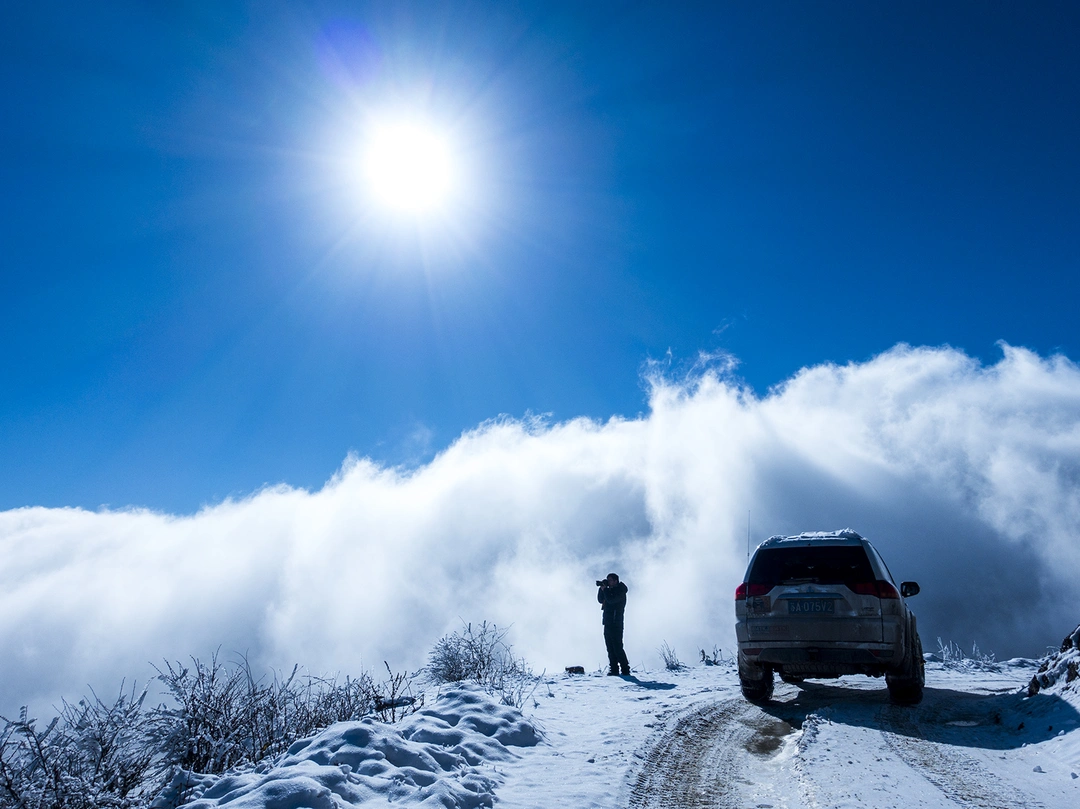
Sirentong—a name that sounds odd when spoken—lies at the junction of Luding, Yingjing, and Tianquan counties in the Erlang Mountain range. It shares the same mountain mass as the famous Niubei Mountain, like siblings occupying different peaks. While Niubei has become a nationally renowned viewing platform, Sirentong remains "a beauty hidden in an unknown boudoir." Only recently have explorers discovered that its scenery rivals Niubei's: from the summit, sunrise and seas of clouds unfold, with Gongga Snow Mountain, Four Sisters Mountain, and Mount Emei all within sight.
Key Sirentong travel tips: - Only four-wheel-drive vehicles can reach the top - Book Boss Li's inn in advance—limited capacity - Prepare snow chains for winter travel - The road up is extremely difficult but rewarding
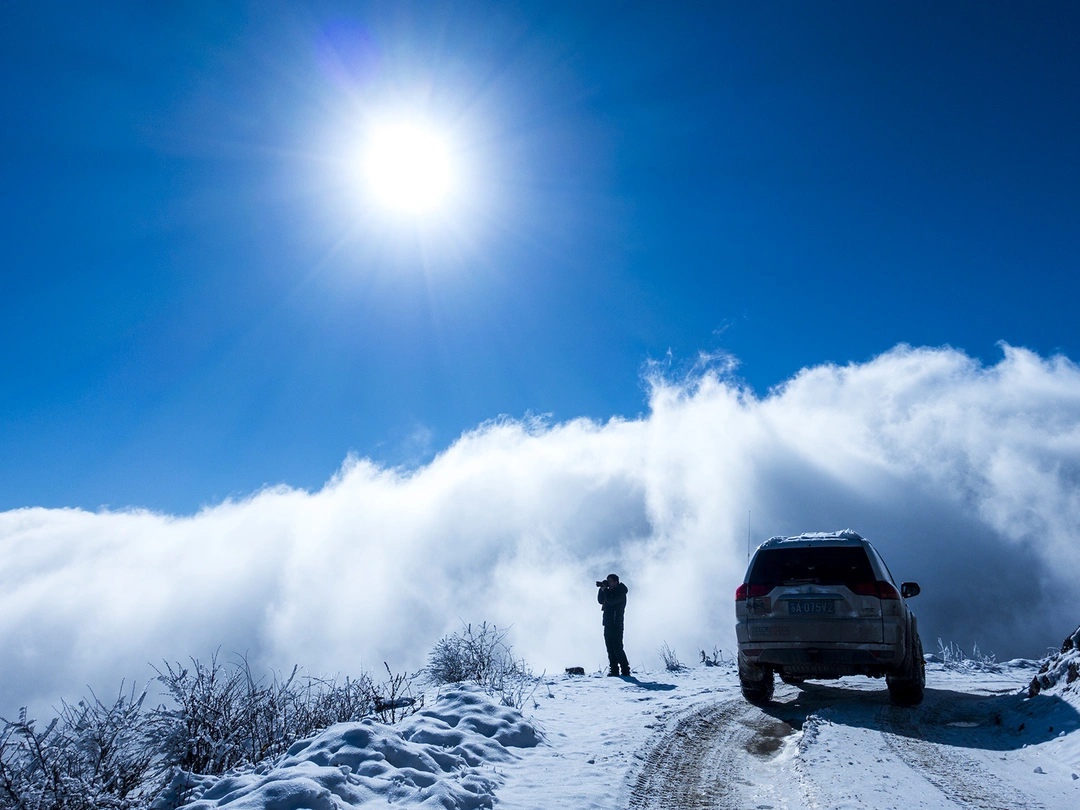
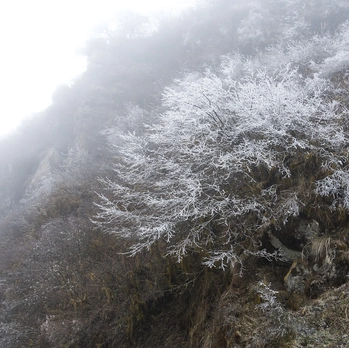
Shortly after leaving Lengqi Town, we reached the fork between Niubei and Sirentong. Following the sign toward "Heigou Village," the scenery transformed—from autumn's deep yellows and greens to scattered snow traces, then branches adorned with silver. At 3,500 meters above sea level, Sirentong's summit still had lush vegetation: rhododendrons, snow pines, and dwarf bamboo. Occasionally, branches would shake, sending snowflakes cascading down. We spotted two beautiful pheasants and a cute red panda—its yellow-and-black striped tail flashing before disappearing into the vast snowy landscape.
[Link: Essential gear for winter trekking in western Sichuan]
Day Two: Fierce Winds and Blizzard—A Sleepless Night
I woke at seven in the morning; the sky was still dark. Picking up my cup, I found the tea I had brewed the night before frozen solid into a block of ice. Heaven and earth stretched in boundless white—the heavy snow that had fallen all night showed no signs of stopping. On the pristine white snow, the footprints of various small animals were exceptionally clear: round, plum-shaped, branch-like...
What I had hoped for—distant mountains, seas of clouds, sunsets, starry skies—was replaced by blizzards, thick fog, and bitter cold. But an elderly carpenter at the inn comforted me: "After a night of snow, it'll clear up! Tomorrow you'll see snow mountains, seas of clouds—everything!"
Clutching this hope, I returned to my small wooden cabin. The简陋 room had no fire; apart from a layer of wooden planks and plastic sheeting keeping out the wind and snow, the temperature was as low as outdoors. Fortunately, the inn had plenty of thick blankets, and since there were few guests that night, we spread the extras beneath us, crawled into our own down sleeping bags, and managed to sleep well.
Chapter Two: Renzong Lake and Bawang Lake—Hidden Gems of the Gongga Loop
Renzong Lake: A Sacred Alpine Mirror
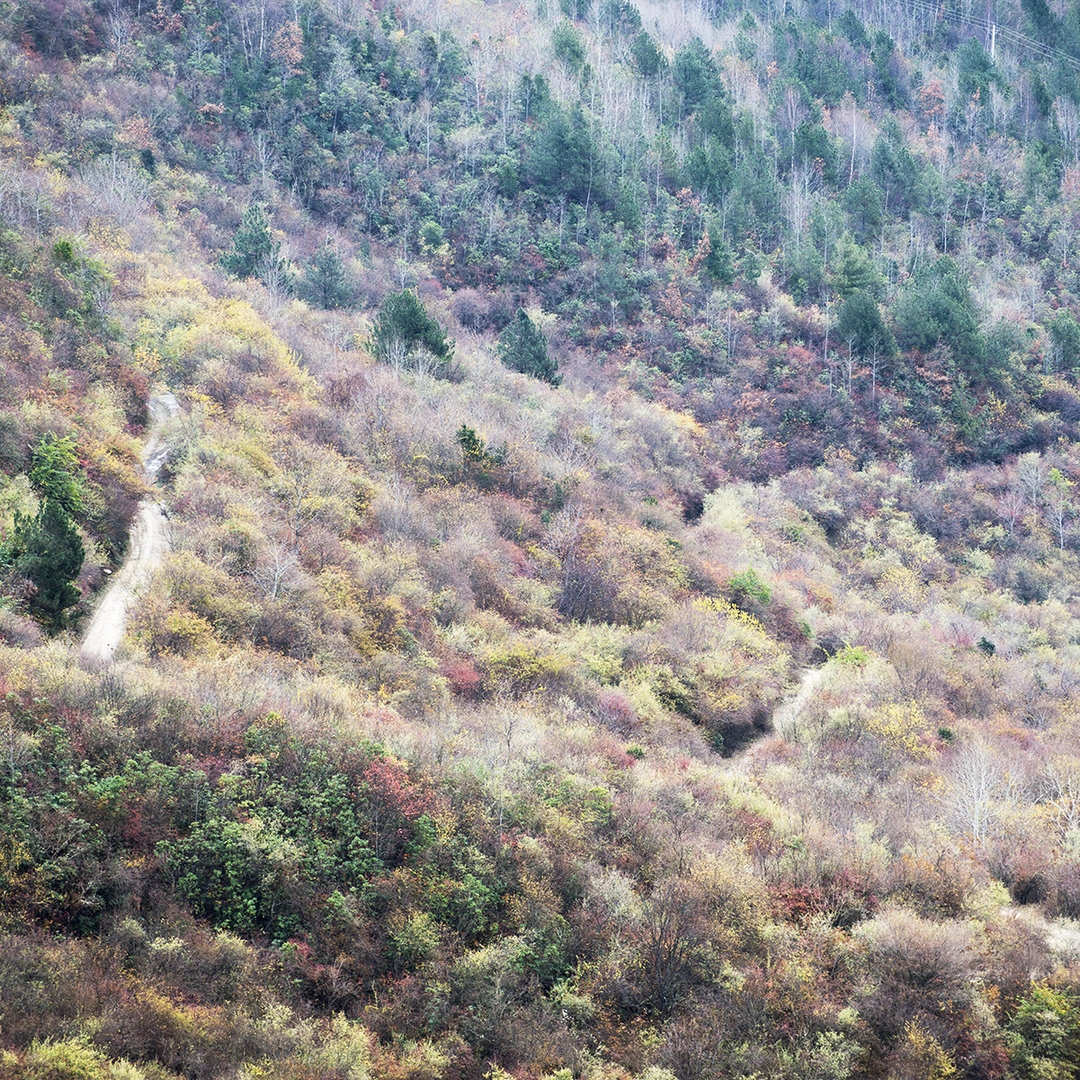
Renzong Lake is one of the most pristine stops on the Gongga pilgrimage. Nestled at high altitude, this alpine lake reflects the surrounding snow peaks like a mirror. During winter, the lake often freezes over, creating a surreal landscape of ice and snow. The trek to Renzong Lake requires moderate fitness but rewards with unparalleled solitude.
Renzong Lake trekking tips: - Start early to avoid afternoon winds - Bring microspikes for icy sections - Camping is possible but requires permits - Best viewed in clear weather for reflections
[Link: Best alpine lakes in western Sichuan for photography]
Bawang Lake: Where Legends Meet Landscape
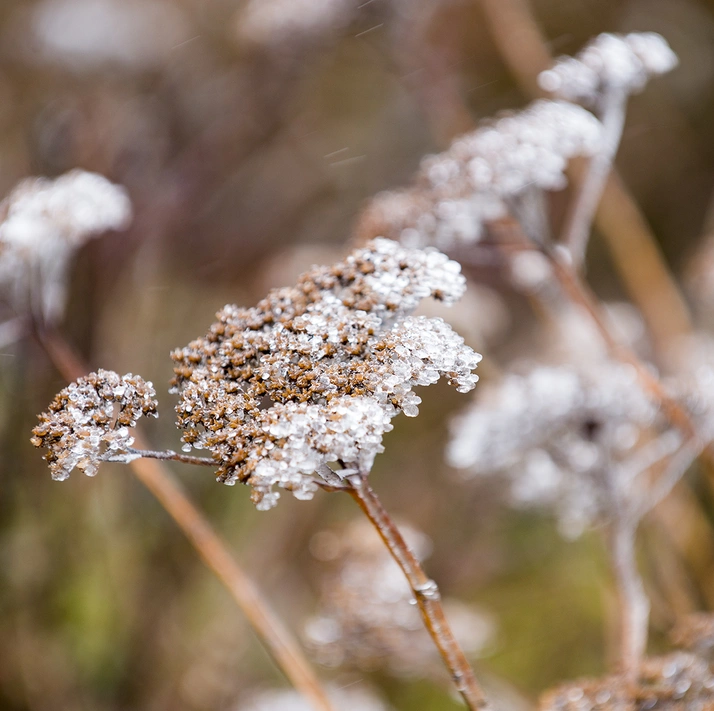
Bawang Lake, meaning "King's Lake," is steeped in local folklore. According to Tibetan tradition, this lake is sacred and should be treated with respect. The surrounding terrain is rugged, with rocky outcrops and sparse vegetation. The lake's deep blue waters contrast starkly with the white snow, making it a photographer's dream.
Bawang Lake highlights: - Sacred status—avoid loud noises or disturbances - Excellent camping spots with mountain views - Wildlife sightings possible (blue sheep, snow pheasants) - Challenging access—4WD recommended
Chapter Three: Yajiageng, Yaha Pass, and Zimei Pass—The High-Altitude Challenges
Yajiageng: The Gateway to Gongga's Heart
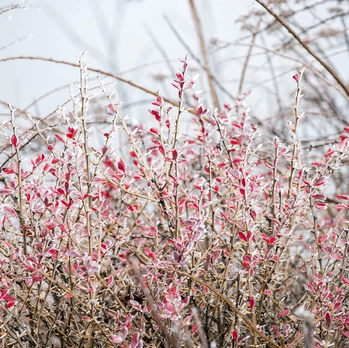
Yajiageng serves as a crucial passage point on the Gongga loop. At over 4,000 meters elevation, this area offers panoramic views of the surrounding peaks. The terrain here is characterized by alpine meadows in summer and deep snow in winter.
Yajiageng travel essentials: - Altitude: 4,000+ meters - Prepare for rapid weather changes - Carry oxygen supplements if sensitive to altitude - Best visited with a guide familiar with the area
Yaha Pass: The Highest Point of the Loop
Yaha Pass, at approximately 4,600 meters, is the highest point on the Gongga pilgrimage. The climb is strenuous, but the reward is a 360-degree view of the snow-capped giants. From here, you can see Mount Gongga in all its glory, as well as the surrounding peaks of the Daxue Mountain range.
Yaha Pass climbing tips: - Acclimatize for at least 2 days before attempting - Use trekking poles for stability - Pack high-energy snacks and plenty of water - Descend if experiencing severe altitude sickness
[Link: Altitude sickness prevention and treatment guide]
Zimei Pass: The Photographer's Paradise
Zimei Pass is renowned among photographers for its stunning sunrise views. The pass overlooks the Gongga Glacier and offers a unique perspective of the mountain's eastern face. During winter, the snow-covered slopes create a dramatic contrast with the deep blue sky.
Zimei Pass photography tips: - Arrive before sunrise for golden hour shots - Use a telephoto lens for glacier details - Bring a tripod for long exposures - Protect camera gear from cold and moisture
Chapter Four: Gaoersi Mountain and Black Stone City—The Final Leg
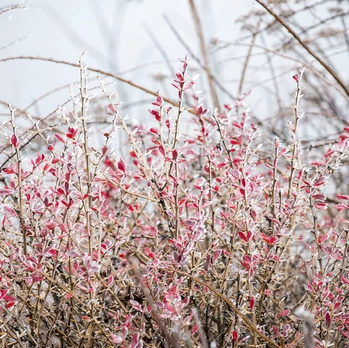
Gaoersi Mountain: A Hidden Viewing Platform
Gaoersi Mountain is less frequented than other stops on the loop, making it ideal for those seeking solitude. The mountain offers a different perspective of Gongga, with fewer crowds and more intimate encounters with nature.
Gaoersi Mountain highlights: - Remote and quiet—perfect for meditation - Excellent stargazing opportunities - Wild camping allowed with permits - Requires self-sufficiency—no facilities
Black Stone City: The Mysterious Ruins
Black Stone City is a geological wonder—a formation of dark volcanic rocks that resembles an ancient fortress. Local legends say this was once a stronghold of mountain spirits. The area is also rich in fossils, making it a fascinating stop for geology enthusiasts.
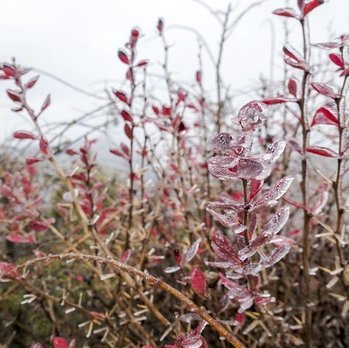
Black Stone City exploration tips: - Wear sturdy boots for rocky terrain - Bring a flashlight for cave exploration - Respect local beliefs—do not remove rocks - Best visited in the morning for soft light
[Link: Geological wonders of western Sichuan]
FAQ: Gongga Pilgrimage Essentials
1. What is the best time for a Gongga pilgrimage?
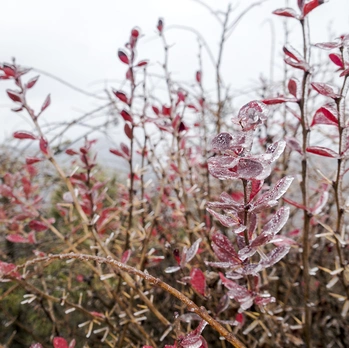 The best time is October to April for clear skies and snow-covered peaks. Winter offers the most stable weather, though temperatures can drop to -20°C at night. Avoid the rainy season (June-September) when clouds often obscure the mountains.
2. Do I need a 4WD vehicle for the Gongga loop?
Yes, absolutely. The roads to Sirentong, Renzong Lake, and other stops are extremely rough, especially in winter. A 4WD with high ground clearance and snow chains is essential. Some sections are passable only with experienced drivers.
3. How fit do I need to be for this trek?
 The Gongga loop involves moderate to high physical demands. Altitudes range from 3,500 to 4,600 meters. You should be comfortable with 6-8 hours of daily hiking, carrying a 10-15 kg backpack, and dealing with steep, snowy terrain. Prior high-altitude experience is recommended.
4. What permits do I need?
Most of the Gongga loop falls within Gongga Mountain National Nature Reserve. You need a permit from the local forestry department for camping and trekking. Some areas near Renzong Lake and Bawang Lake require additional permissions. Arrange these through a local guide or travel agency.
5. Can I do the loop independently?
While possible, hiring a local guide is strongly recommended. The terrain is remote, weather can change rapidly, and there are no medical facilities. A guide ensures safety, provides cultural insights, and handles permit logistics. Expect to pay around 300-500 RMB per day for a guide.
Conclusion: Your Gongga Pilgrimage Awaits
The Gongga pilgrimage is not just a trek—it's a journey of transformation. From the snowstorms of Sirentong to the starry skies above Zimei Pass, every moment tests your limits and rewards your spirit. The landscapes are so magnificent that even photographs fail to capture their full majesty. But what crystallizes in memory is not just the scenery—it's the heart that raced while gazing at mountains and waters.
Now is the time to plan your own pilgrimage. Prepare your gear, book your permits, and set your sights on the King of Sichuan Mountains. The prayer flags are waiting, the auspicious snow is falling, and the gods of the mountains are calling.
Ready to embark on your Gongga pilgrimage? [Link: Book a guided Gongga loop tour] or [Link: Download our complete western Sichuan trekking checklist]
Internal Linking Suggestions
- [Link: Best time to visit western Sichuan for snow mountain views]
- [Link: Essential gear for winter trekking in western Sichuan]
- [Link: Best alpine lakes in western Sichuan for photography]
- [Link: Altitude sickness prevention and treatment guide]
- [Link: Geological wonders of western Sichuan]
- [Link: Book a guided Gongga loop tour]
- [Link: Download our complete western Sichuan trekking checklist]
Article originally from Mafengwo. Optimized for SEO by [Your Name/Company]. All factual details preserved from the source.
You may also like


