Ganzi's Ten Beauties, Daofu Claims Eight: The Ultimate Guide to Western Sichuan's Hidden Gem
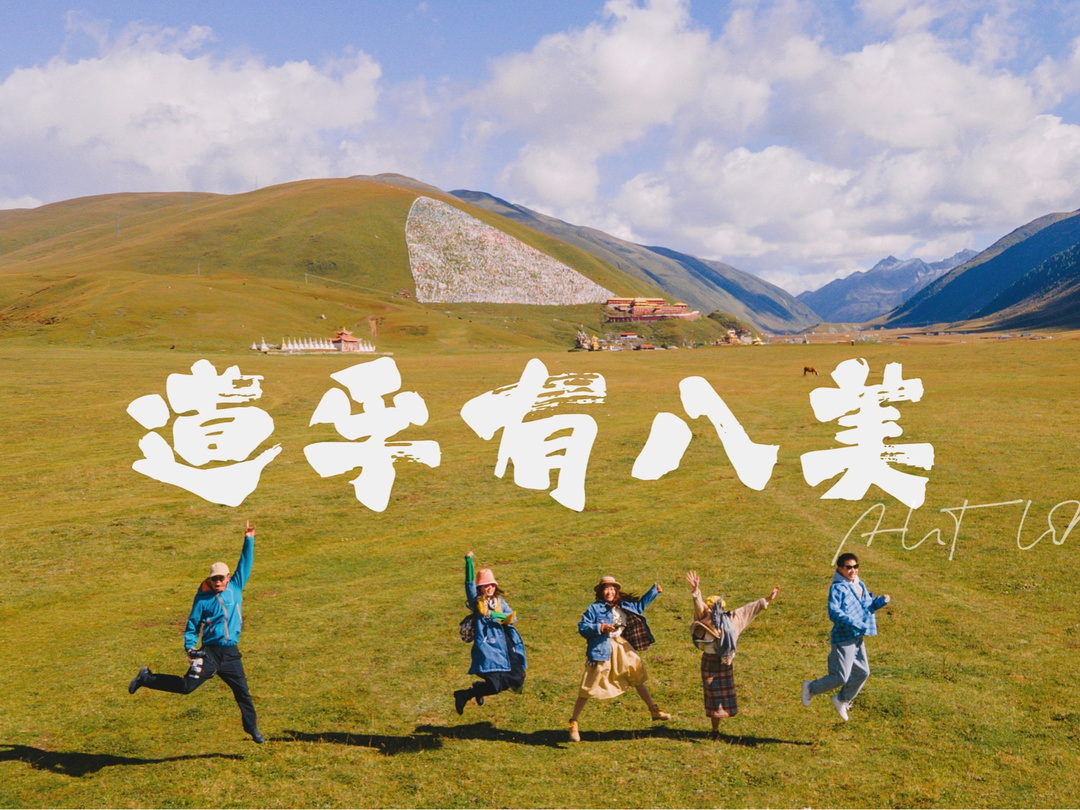
Meta Description: Discover Daofu's forgotten wonders—from alien-like Moshi Park to ancient Tibetan folk houses. This 4-day Western Sichuan itinerary reveals why "Ganzi's ten beauties, Daofu claims eight." Plan your trip now.
At twenty-five, I strapped on my camera and began a journey of measuring the world through my lens. As a native of Sichuan, I often feel fate has been especially kind to me—because on this land, we have an overwhelming abundance of breathtaking scenery. And the one that haunts my dreams the most is Western Sichuan.
Some say, "The beauty of Sichuan lies in Western Sichuan, and the beauty of Western Sichuan lies in Ganzi." That statement is no exaggeration. Western Sichuan sits at the convergence of the Qinghai-Tibet Plateau and the Sichuan Basin, where mountains stack upon mountains and rivers weave across the land—nature's most cherished canvas. And on this canvas, there is a modest little town that tugs at your heartstrings—Daofu.
Mention Daofu, and most people's first thought is "Moshi Park." Yes, this internet-famous spot has put Daofu on the map. But if you think Daofu is only about Moshi Park, you couldn't be more wrong. What lies hidden here is a perfect fusion of natural wonders, cultural treasures, and world-class architecture—a treasure trove that fulfills every fantasy you could have about Western Sichuan.
Ganzi Tibetan Autonomous Prefecture, also known as the Kham region, is the core area of China's second-largest Tibetan region after Tibet itself. And Daofu County happens to sit right at the midpoint between Luhuo in Ganzi and Wenchuan in Aba—the most dazzling pearl on this golden tourist route.
Today, let me take you into this sacred, pristine land to see those breathtaking landscapes forgotten by time.
Why Daofu is Called "Ganzi's Hidden Beauty"
The saying "Ganzi's ten beauties, Daofu claims eight" isn't just local folklore—it's a testament to the county's extraordinary concentration of natural and cultural wonders. From alien rock formations to sacred snow mountains, from ancient Tibetan architecture to sprawling grasslands, Daofu packs more diversity into one small region than many entire provinces.
[Link: Ganzi travel guide – best time to visit Western Sichuan]
4-Day Daofu Itinerary: Unlock the Essence of Western Sichuan
Before we set off, I'd like to share a tested route plan—good road conditions all the way, easily manageable by an ordinary sedan.
Day 1: Chengdu → Bamei Town → Moshi Park → Bamei Town

Day 2: Bamei Town → Longdeng Grassland → Yuke Grassland → Daofu Folk Houses
Day 3: Daofu County → Huiyuan Temple → Yala Snow Mountain → Bamei Town

Day 4: Bamei Town → Chengdu
The entire route sits at an altitude of around 3,000 meters, with Yuke Grassland slightly higher at about 3,600 meters. If you're prone to altitude sickness, feel free to adjust the itinerary. If time allows, I recommend staying an extra night in a Daofu folk house, or soaking in a hot spring at Yuke Grassland and playing there for half a day longer—it's absolutely worth it.
Self-Driving Tips for Daofu
Transportation: Self-driving or hiring a car is recommended. If you take a bus, you'll have to detour through Xinduqiao, which is more troublesome. If you're driving, take the airport road after Kangding—no need to go through Xinduqiao. The road conditions are excellent, and it takes just 6 hours from Chengdu to reach Bamei Town.
⚠️ Speed Bump Warning: The speed bumps in Daofu are practically "killer speed bumps," especially in Bamei Town. On the road from Bamei Town to Daofu and Moshi Park, there are concrete speed bumps; on the road to Huiyuan Temple and Yala Snow Mountain, there are six consecutive combination speed bumps. Remember: slow down! Don't go over 10 km/h, or your car will fly.
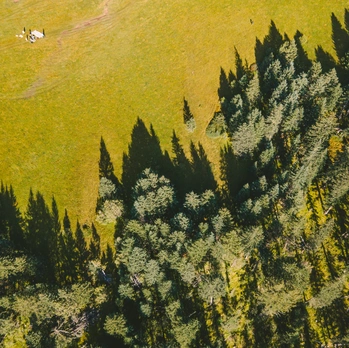
🐂 Yak Warning: When driving in Tibetan areas, be careful of yaks and horses, especially in shady spots under trees during the day and when driving at night. At night, if you encounter a yak head-on, you can see the reflection in its eyes, but if you come up from behind, you'll have to get very close before you notice them—and if you're going too fast, you won't be able to stop in time. Control your speed! Control your speed!
Top Attractions in Daofu: Where "Eight Beauties" Come Alive
Bamei Town, sitting on the tourist route from Danba to Xinduqiao, has been an important post on the ancient Sichuan-Tibet Tea Horse Road since ancient times. It's the hub connecting Eastern, Southern, and Northern Kham, and the gateway to the eight counties of Northern Ganzi.
With Bamei Town at its core, the surrounding beauties are scattered like stars: 8 kilometers to Moshi Park, 11 kilometers to Huiyuan Temple, 23 kilometers to Yala Snow Mountain, 37 kilometers to Longdeng Grassland. Every single spot will make you linger and forget to leave.
An Alien Planet: Moshi Park (Mo Stone Park)
If Western Sichuan is the epitome of colorful vibrancy, then Moshi Park is that "odd one out." This pitch-black stone forest is cold, deep, and brooding—like something straight out of a sci-fi movie's alien planet.
Moshi Park is located at the junction of Kama Village and Zhonggu Village in Bamei Town, Daofu. It's China's only high-altitude stone forest landscape and a must-pass destination when entering Daofu. For photography enthusiasts, it was once just an unremarkable "Bamei Stone Forest" along the Western Sichuan route, but in the last two years, it's exploded in popularity, becoming a must-visit internet-famous spot for tourists nationwide.
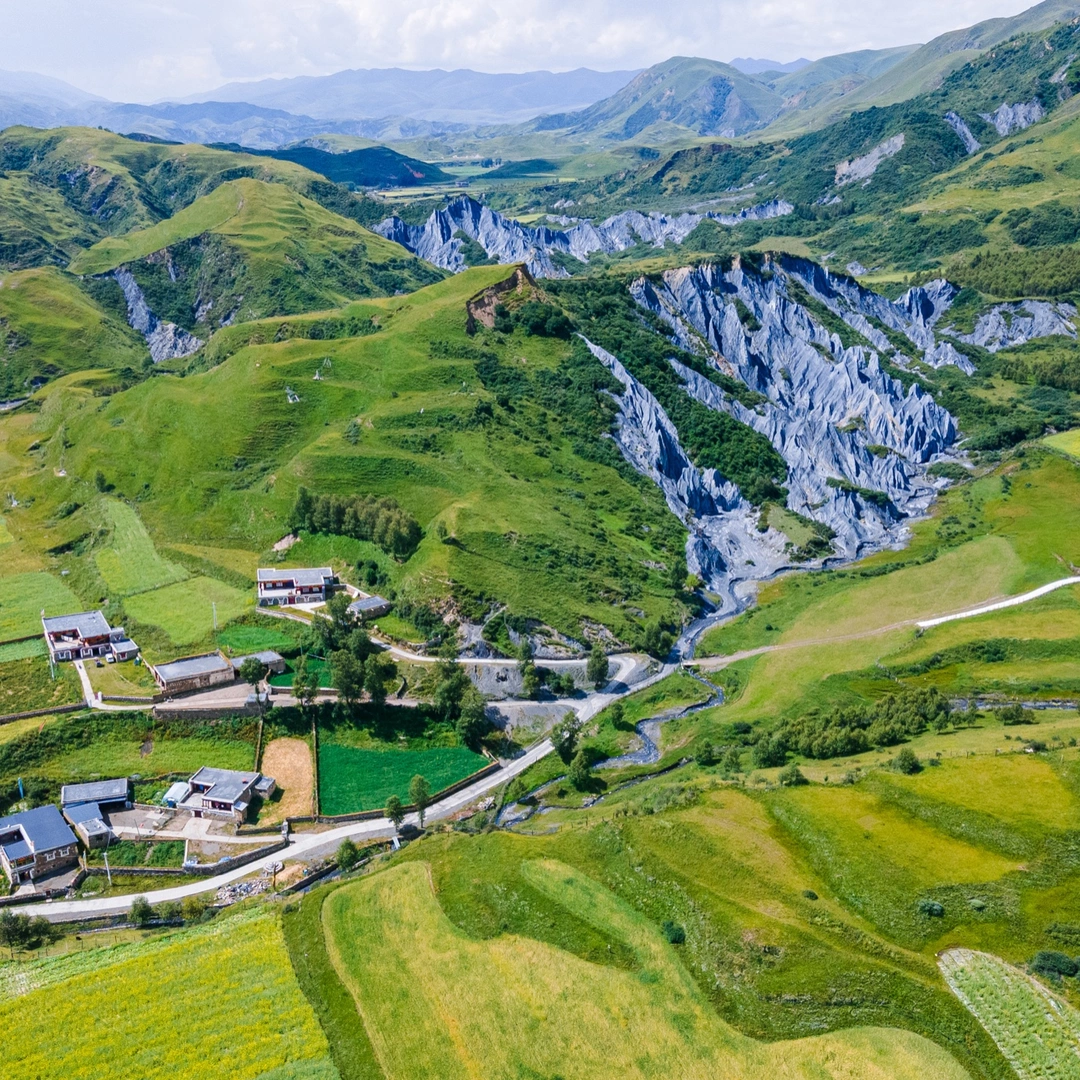
Follow the boardwalk deep into the scenic area, and you'll see increasing amounts of mylonite—a steep cliff on one side, and a dark, oddly shaped stone forest on the other. Using a drone to overlook this wondrous place, you can truly appreciate the majestic power and desolate beauty of the black stones—nearby, the gullied stone forest dotted across the grassland; in the distance, snow-capped peaks and blue sky with white clouds.
The formation of this stone forest is due to Daofu's location in a tectonically active zone. Influenced by Quaternary neotectonic movements, as the Qinghai-Tibet Plateau uplifted and the Xianshui River flowed through, the rocks in the fault zone were constantly squeezed, sheared, fractured, and mylonitized, eventually forming this unique mylonite stone forest. Under the weathering effects of water erosion, wind and snow scouring, and gravitational collapse, these loosely cemented rock formations ultimately created this stone forest-like landscape—an extremely rare geological wonder and the most critical evidence of the fault zone.
Walking through the narrow passages between the rocks, following the valleys, with peaks converging and thousands of towers standing, you'll truly understand why this place is called an "alien planet." Taking photos? It's just incredibly cool.
However, because the rock is relatively soft, Moshi Park has a limited lifespan. Under the relentless wind, frost, rain, and snow, it's constantly crumbling. In the face of nature, it is both magnificent and fragile. So, as you appreciate this beauty, please remember to protect it, so this miracle can continue to endure.
📌 Moshi Park Travel Tips - Address: Xiede Township, Daofu County, Ganzi Tibetan Autonomous Prefecture, Sichuan Province - Recommended visit time: 2 hours - Ticket: 60 RMB - Shuttle bus: 20 RMB - Recommended activities: Great for photos; wearing bright colors makes for better shots - Notes: Pets are not allowed inside; the park is busiest during holidays, with the fewest visitors right after opening and just before closing; early morning and late afternoon light is best for photos—midday can be a bit reflective; even on cloudy or rainy days, as long as there's no fog, the photos still turn out great
Architectural Treasure: Daofu Folk Houses
The architectural master Liang Sicheng once said, "The character of Chinese architecture is the character of our nation." This statement finds perfect expression in Daofu's folk houses.
As the "Capital of Tibetan Folk House Art," Daofu's folk houses are renowned worldwide for their unique architectural style and extraordinary construction techniques. Rows upon rows of Tibetan-style houses spread from the flatlands up the gentle slopes, forming a distinctive landscape. This area was an early meeting point between Han and Tibetan cultures, preserving the most primitive matriarchal clan traditions while showcasing exquisite woodcarving and painting.
The houses are typically three-story structures: the ground floor for livestock, the second floor for living quarters, and the third floor for worship and storage. The intricate window frames, colorful prayer flags, and hand-painted murals make every home a work of art. Don't miss the chance to stay overnight in one of these folk houses—it's a cultural immersion you won't forget.
[Link: Tibetan folk house architecture – cultural significance explained]
Sacred Serenity: Huiyuan Temple
Just 11 kilometers from Bamei Town, Huiyuan Temple is one of the most important Gelugpa (Yellow Hat) monasteries in the region. Founded in the 17th century, this temple complex features towering white stupas, golden roofs, and prayer halls filled with ancient thangkas and scriptures. The peaceful atmosphere and stunning mountain backdrop make it a perfect spot for reflection and photography.
Majestic Wonder: Yala Snow Mountain

At 23 kilometers from Bamei Town, Yala Snow Mountain stands at 5,820 meters, its snow-capped peak visible from miles away. Unlike many other snow mountains in Western Sichuan, Yala is relatively accessible—you can drive to a viewpoint that offers breathtaking panoramas without a strenuous hike. The contrast between the white snow, blue sky, and green grasslands is a photographer's dream.
Endless Horizons: Longdeng Grassland and Yuke Grassland
Longdeng Grassland, 37 kilometers from Bamei Town, is a vast expanse of alpine meadows dotted with yaks, horses, and nomadic tents. In summer, wildflowers bloom in a riot of colors. Yuke Grassland, slightly higher at 3,600 meters, offers hot springs where you can soak while gazing at the surrounding peaks. Both are perfect for picnics, horseback riding, and simply breathing in the pure mountain air.
Frequently Asked Questions About Daofu Travel
Q1: When is the best time to visit Daofu?
The best time to visit Daofu is from May to October, when temperatures are mild (15–25°C) and the grasslands are lush. July and August offer the wildflowers in full bloom. Winter (November–April) can be cold and snowy, but the landscapes are equally stunning for those seeking solitude.
Q2: Is Daofu suitable for first-time visitors to Western Sichuan?
Yes! Daofu is an excellent choice for first-time visitors because of its moderate altitude (around 3,000 meters) and well-maintained roads. Unlike some high-altitude destinations in Tibet, Daofu is accessible by regular sedan and offers a gentler introduction to highland travel. Just be mindful of altitude sickness symptoms and take it slow on your first day.
Q3: How much does a trip to Daofu cost?
A 4-day self-driving trip from Chengdu typically costs: - Fuel & tolls: ~800–1,000 RMB - Accommodation: 200–500 RMB/night (budget to mid-range) - Tickets: Moshi Park (60 RMB + 20 RMB shuttle), Huiyuan Temple (free), others free - Food: 100–200 RMB/day - Total per person: ~2,000–3,000 RMB
Q4: What should I pack for a Daofu trip?
Pack layered clothing—mornings and evenings are cold even in summer. Essentials include: - Warm jacket or fleece - Sunscreen and sunglasses (UV is intense at altitude) - Comfortable walking shoes - Rain jacket or umbrella - Altitude sickness medication (e.g., acetazolamide) - Power bank (limited charging options in remote areas)
Q5: Are there any cultural etiquette tips for visiting Tibetan areas?
Yes! Respect local customs: - Always ask permission before photographing people or inside temples - Walk clockwise around prayer wheels and stupas - Avoid pointing your feet at religious objects or people - Dress modestly when visiting temples (cover shoulders and knees) - Do not touch or climb on sacred objects
Final Thoughts: Why Daofu Should Be Your Next Western Sichuan Destination
Daofu is not just a stopover—it's a destination that rewards those who linger. From the alien landscapes of Moshi Park to the living art of Tibetan folk houses, from the spiritual calm of Huiyuan Temple to the wild freedom of the grasslands, this forgotten secret realm holds all the stunning surprises you never imagined.
The saying goes true: Ganzi's ten beauties, Daofu claims eight. But the ninth and tenth beauties? They're the ones you'll discover for yourself—the unexpected moments, the warm smiles of locals, the feeling of standing at the edge of the world.
So pack your camera, fuel up your car, and set out for Daofu. This hidden gem of Western Sichuan is waiting to be explored.
📌 Ready to plan your Daofu adventure? [Link: Book your Chengdu car rental] or [Link: Find Daofu accommodation deals]
Have you visited Daofu? Share your experience in the comments below!
About the author: A Sichuan native and travel photographer who has spent years documenting Western Sichuan's hidden gems. Follow for more off-the-beaten-path travel guides.
You may also like


