Gannan Shangri-La: A 7-Day Soul Journey of Self-Driving and Trekking in Zhagana
Meta Description
Discover the hidden gem of Gannan Shangri-La on a 7-day self-driving and trekking adventure. Explore Labrang Monastery, Sangke Grassland, Langmusi, and Zhagana. Your ultimate Gannan travel guide with costs, routes, and tips.
Introduction: Why Gannan Shangri-La Deserves Your Next Adventure
While travelers flock to Tibet, Qinghai Lake, and Daocheng Yading, a quieter, more soulful destination awaits at the crossroads of Gansu, Qinghai, and Sichuan. Gannan Shangri-La is not just a place—it's a feeling. Nestled away from the crowds, this region offers a gentler Tibetan Buddhist culture, untouched grasslands, and some of China's most dramatic trekking terrain.
Gannan lacks the religious orthodoxy of Lhasa and the dazzling colors of Jiuzhaigou. But in an age of over-tourism, its low-key simplicity and raw natural beauty make it extraordinarily precious. This is a land where Tibetan and Han cultures converge, where faith feels intimate, and where every mountain pass whispers stories of ancient pilgrimages.
For travelers who love the vast Northwest—after completing the Qinghai, Ali, and northern Sichuan routes—Gannan is the unmistakable next target. This 7-day self-driving and trekking itinerary starts from Lanzhou, winds through sacred monasteries, flower-filled grasslands, and ends with an unforgettable trek in Zhagana, the "Shangri-La of Gansu."
Gannan Self-Driving Itinerary: A Classic Loop
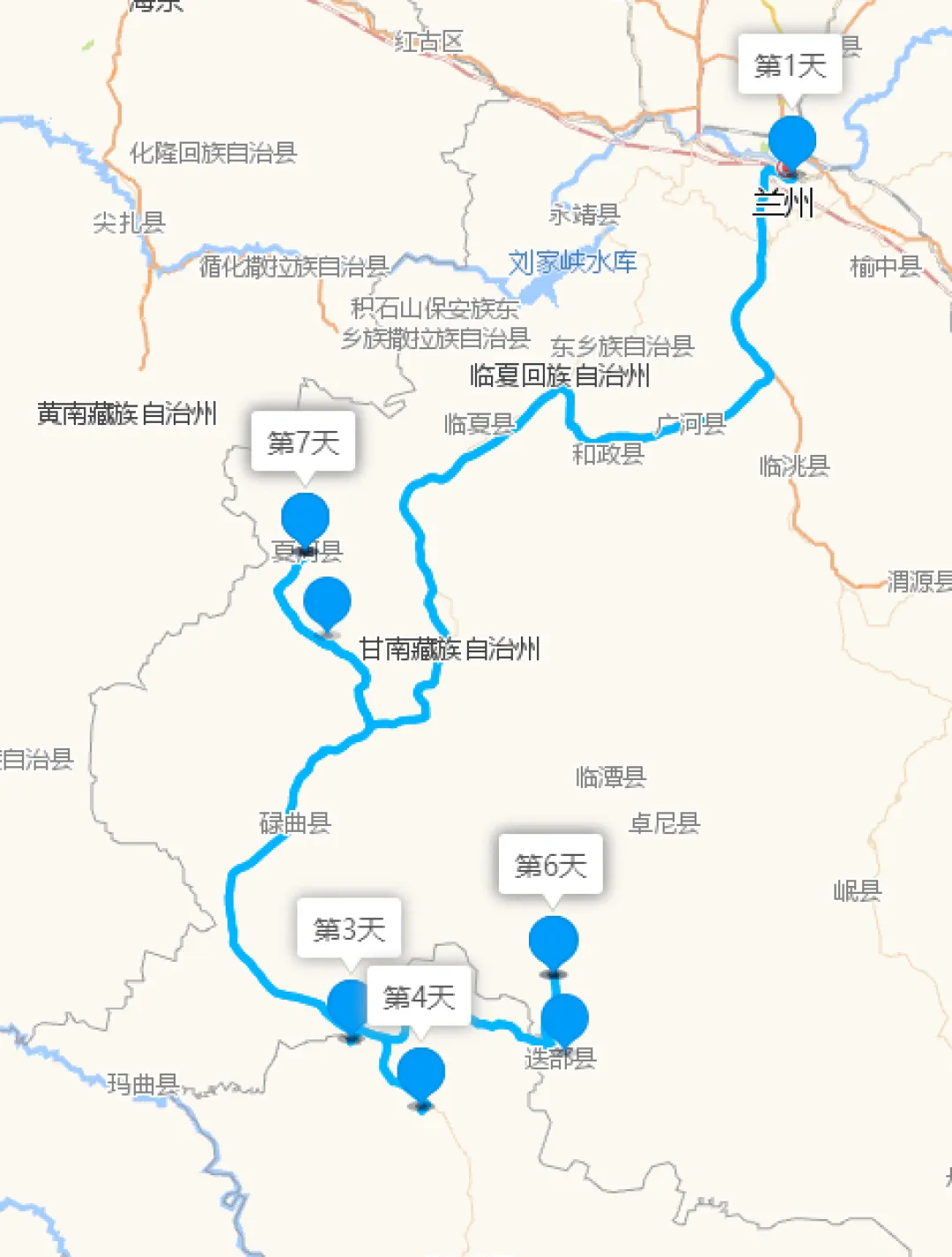
This Gannan loop route is perfect for 4–7 days. Our journey began in Beijing, entered Gannan via Lanzhou, and spanned 9 days total (including travel). Here's the detailed day-by-day plan:
Day 1: Beijing → Lanzhou
 Fly into Lanzhou, pick up your rental car, and rest before the adventure begins.
Day 2: Lanzhou → Labrang Monastery → Xiahe (235 km)
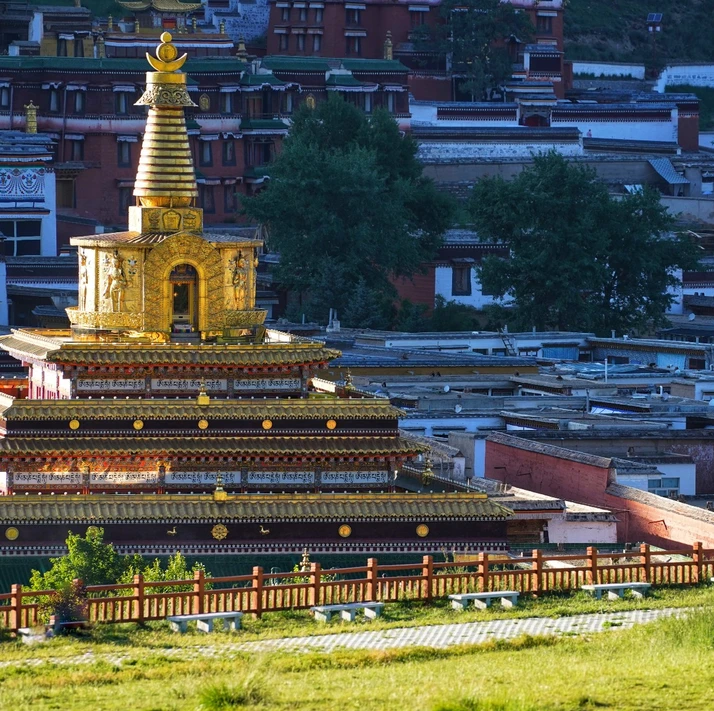
Visit Labrang Monastery, one of the six great Gelug monasteries. Overnight in Xiahe.
Day 3: Xiahe → Sangke Grassland → Langmusi (180 km)
Drive through the stunning Sangke Grassland. Arrive at Langmusi, a border town between Gansu and Sichuan.
Day 4: Langmusi → Ruoergai Huahu (Flower Lake) (36 km)
 A short drive to Huahu. Spend the day exploring this vast wetland. Overnight in a yurt resort.
Day 5: Ruoergai Huahu → Diebu → Zhagana (105 km)
Enter the Zhagana National Geopark. Check into a local inn and prepare for trekking.
Day 6: Full-Day Trekking in Zhagana
Choose from short loops or the challenging big loop. Overnight in Zhagana.
Day 7: Zhagana → Diebu → Sangke Grassland → Labrang Monastery (270 km)
Return journey with stops at favorite spots.
Day 8: Labrang Monastery → Lanzhou (235 km)
 Drive back to Lanzhou. Overnight near the train station.
Day 9: Lanzhou → Beijing
Fly home with memories of a lifetime.
Route Tips for First-Timers
- Huahu vs. Gahai Lake: Similar scenery—choose one. We recommend Huahu for its boardwalks and birdlife.
- Langmusi: Spend an extra day here. Wake up for sunrise and the sky burial, then listen to evening chanting. Experience the cycle of life and death in one day.
- Zhagana Trekking: 1–3 days. The big loop requires a group—difficulty is considerable.
- Summer Camping: July–August grasslands are perfect for camping. Sunsets are unforgettable.
- Return Route: You can go from Diebu through Zhuoni (Dayu Valley) to Lanzhou, but road conditions are poor. We returned the same way.
- Extended Trip: Add Qinghai Lake and northern Sichuan's Aba (Lianbao Yeze) for a 15-day grand loop.
[Link: Best time to visit Gannan]
Gannan Travel Costs and Accommodation: Value Meets Character
Over 9 days, the per-person cost was approximately 4,500 RMB. Major expenses: flights to/from Beijing, car rental, and peak-season accommodation.
Budget Breakdown
- Flights (Beijing–Lanzhou): ~1,200 RMB round trip
- Car rental (7 days): ~2,000 RMB (split between two people)
- Fuel & tolls: ~600 RMB
- Accommodation (8 nights): ~1,600 RMB
- Food & misc.: ~1,100 RMB
Accommodation Recommendations
| Location | Hotel | Price/Night | Notes |
|---|---|---|---|
| Labrang Monastery | Deyuan Inn | 288 RMB | Tibetan owner, foreign wife. Great food. |
| Huahu (Flower Lake) | Great World Yurt Resort | 260 RMB | Modern yurts, unique character. |
| Zhagana | Ruyi Inn | 280 RMB | Warm family, near Lasang Monastery. |
| Langmusi | Zhongyuan Inn | ~200 RMB | Friendly owner, slight drain smell. |
| Lanzhou | Ji Hotel (near station) | 370 RMB | Decent value, inconvenient parking. |
Gannan Self-Driving Guide: A Road Even Beginners Can Handle
Gannan's attractions are scattered, and public transport is inconvenient. Self-driving or hiring a car is essential. Two of us traveled—only one driver, a novice with just one previous trip in Inner Mongolia. The entire route was stress-free.
Car Rental Tips
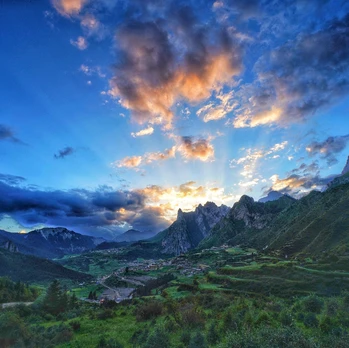 - July–August: Peak season in Gansu and Qinghai. Rental prices in Lanzhou are much higher than in Beijing. - Alternative: Drive from Beijing to the Northwest if you have time and another driver. - Our choice: Shenzhou Car Rental.
Road Condition Warnings
Overall, roads are good with light traffic. But three sections require caution:
- Langmusi to Huahu (Flower Lake): Construction zones with single-lane alternating traffic. Expect delays.
- Langmusi to Diebu County: Provincial road with potholes and ongoing construction. Bumpy and slow.
- Diebu County to Zhagana: Road base laid, but heavy dust when dry. From Zhagana scenic area to Dongwa Village, the road narrows—one-way only. We were lucky to meet no oncoming cars.
Vehicle Recommendation: A regular sedan works—we scraped bottom twice, but nothing serious. An SUV offers more reassurance.
[Link: Essential gear for Gannan self-driving]
Labrang Monastery: Serenity and Grandeur in a Buddhist Holy Land
Labrang Monastery needs no introduction. Along with Tibet's Sera, Drepung, Ganden, and Tashilhunpo monasteries, and Qinghai's Kumbum Monastery, it is one of the six great Gelug monasteries. Its labels speak for themselves: "World's Tibetan Library," "World's Longest Prayer Wheel Corridor," and "Filming Location for A World Without Thieves."
Practical Information
 - Admission: 40 RMB per person - Free Entry: Before 8:00 AM and after 6:00 PM (outside main temple buildings). The prayer wheel corridor is always free. - Tip: We arrived after closing—the gatekeeper let us in for free.
What to Experience
- The Prayer Wheel Corridor: Walk the 1.7 km path of 1,700 prayer wheels. Spin each one mindfully.
- Debating Monks: Listen to their rhythmic chanting and hand-clapping. Even without understanding, you'll feel the energy.
- The "Goat Immortal": A lazy goat basks in the parking lot. Its condescending gaze says: Don't mess with me.
- Daxia River: Sit by the river and let the sound wash away your fatigue.
Where to Stay
Deyuan Inn (288 RMB/night) is 150 meters from the parking lot. Rich Tibetan atmosphere, mostly foreign guests, excellent food.
Sangke Grassland: The Ultimate Northwest Landscape Experience
Just 10 km from Labrang Monastery, Sangke Grassland unfolds like a movie scene. Blue skies, white clouds, green grass, grazing cattle and horses—every snapshot looks like a film still.
Best Time to Visit
July–August: The grassland is at its peak. Wildflowers bloom in dazzling arrays, creating an ocean of blossoms.
Activities
- Drive the endless road: Stop anytime for photos.
- Camping: Join Tibetan herders' camps or stay in grassland resorts.
- Horseback riding: Experience the nomadic lifestyle.
- Sunset photography: The golden hour here is magical.
[Link: Top 10 grasslands in China]
Langmusi: Where Life and Death Meet
Langmusi straddles the Gansu-Sichuan border, offering a unique blend of Tibetan and Sichuan cultures. This town is famous for two things: sunrise views and the sky burial tradition.
Must-Do Experiences
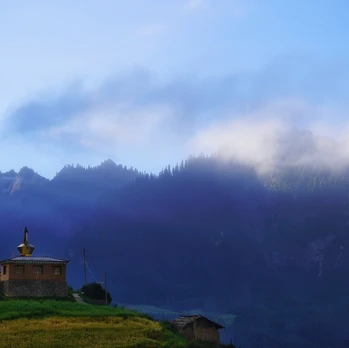 - Sunrise at Langmusi: Wake early to see the mist rise over the valley. The golden light on the monastery roofs is unforgettable. - Sky Burial Ground: A deeply spiritual experience. Observe respectfully from a distance. - Evening Chanting: Listen to monks chant as dusk falls. It's a meditation on the cycle of life and death.
Accommodation
Zhongyuan Inn (~200 RMB/night) has a friendly owner who knows how to do business. Rooms may have a slight drain smell, but it's clean and convenient.
Zhagana Trekking: The Soul of Gannan Shangri-La
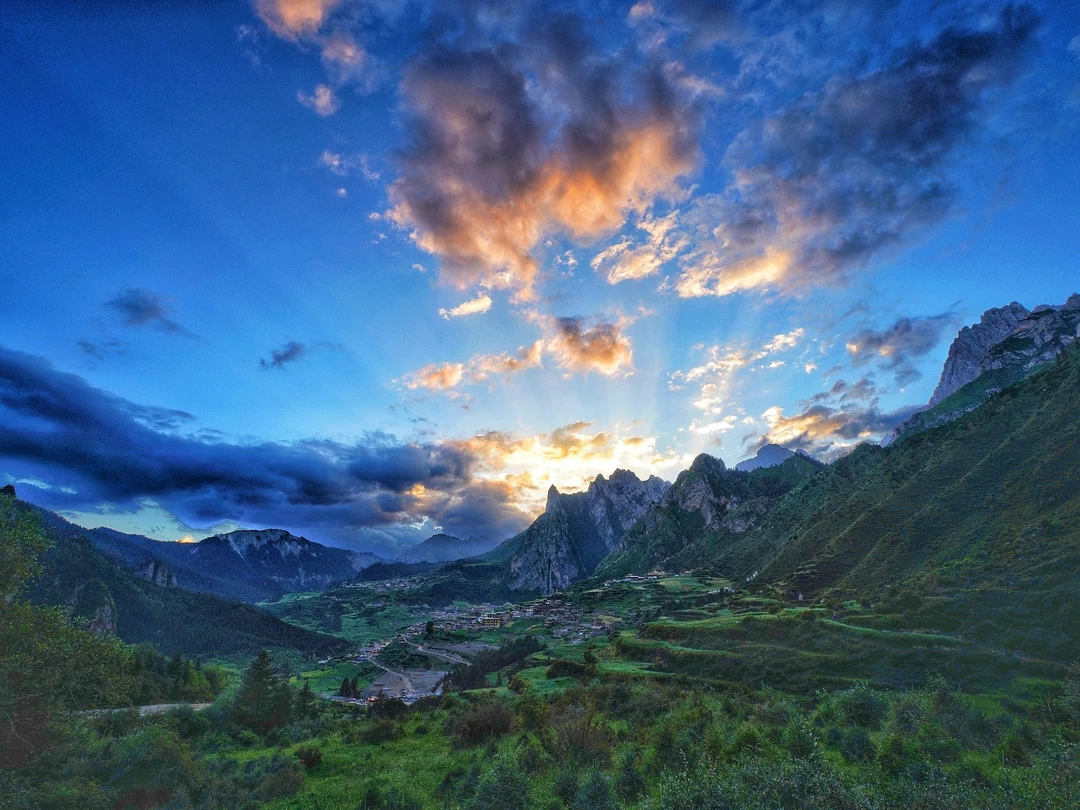
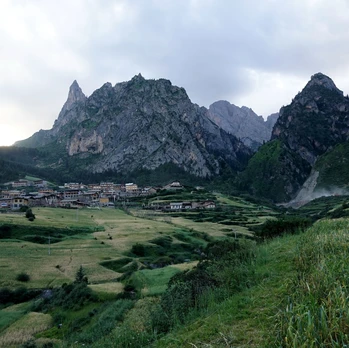
Zhagana National Geopark is the crown jewel of this journey. Often called the "Shangri-La of Gansu," it features dramatic stone peaks, alpine meadows, and pristine villages.
Trekking Options
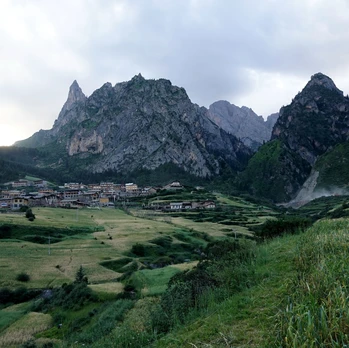 - Short Loop (1 day): Suitable for beginners. Walk through Dongwa Village, past Lasang Monastery, and into the valley. - Big Loop (2–3 days): Requires a group. Considerable difficulty but rewards with stunning views. Best done with a guide.
Where to Stay
Ruyi Inn (280 RMB/night) is run by a warm family. The owner and his daughters are incredibly welcoming. Parking and meals available. Location is higher up, close to Lasang Monastery.
Tips for Zhagana Trekking
- Altitude: Zhagana sits at ~3,000–4,000 meters. Acclimatize in Lanzhou or Xiahe first.
- Gear: Bring sturdy hiking boots, rain gear, and warm layers. Even in summer, nights are cold.
- Food: Pack snacks and plenty of water. The inn provides meals, but trail options are limited.
- Respect local customs: Zhagana is a sacred place. Dress modestly and ask permission before photographing people.
[Link: Zhagana trekking guide for beginners]
FAQ: Gannan Shangri-La Travel Tips
1. What is the best time to visit Gannan?
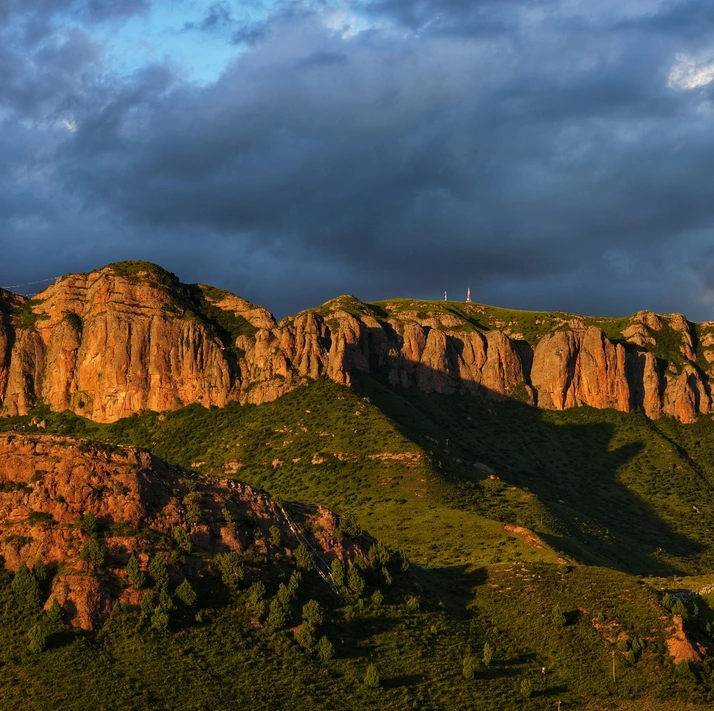 July–August offers the best weather and wildflower blooms. September–October has golden grasslands and fewer crowds. Winter is harsh—many roads close.
2. Is Gannan safe for solo female travelers?
Yes. Gannan is generally safe, but exercise normal precautions. Stick to well-traveled routes, book accommodations in advance, and share your itinerary with someone back home.
3. Do I need a permit to visit Gannan?
No special permits are required for most areas. However, some remote border zones near Sichuan may require a temporary permit. Check with local authorities.
4. Can I visit Gannan without a car?
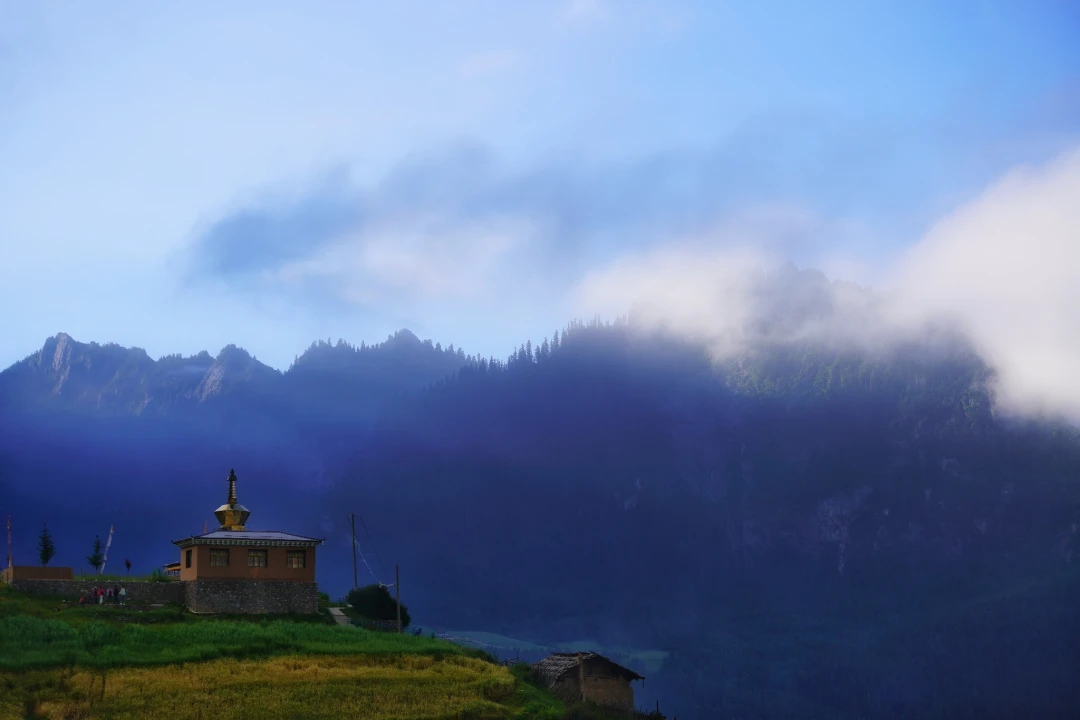 Public transport is limited. Buses connect major towns (Xiahe, Langmusi), but reaching Zhagana and Sangke Grassland is difficult. Self-driving or hiring a car with a driver is strongly recommended.
5. What should I pack for a Gannan self-driving trip?
- Clothing: Layers (warm jacket, fleece, rain shell), comfortable hiking shoes, sun hat.
- Gear: Sunscreen, sunglasses, reusable water bottle, power bank, flashlight.
- Documents: Driver's license, passport, car rental papers.
- Health: Altitude sickness medication, basic first aid kit.
Conclusion: Your Gannan Soul Journey Awaits
Gannan is not just a destination—it's a pilgrimage. From the prayer wheels of Labrang Monastery to the wildflower meadows of Sangke Grassland, from the sacred sky burial grounds of Langmusi to the towering peaks of Zhagana, every mile of this 7-day self-driving and trekking journey feeds the soul.
You'll return home with dust on your boots, peace in your heart, and photos that capture a world most travelers never see. This is the Gannan Shangri-La—low-key, profound, and waiting for you.
Ready to Plan Your Gannan Adventure?
- Book your flights to Lanzhou (July–August peak season)
- Reserve your rental car early (prices double in summer)
- Contact Ruyi Inn in Zhagana for trekking advice
- Pack light, but pack smart
Don't wait. The grasslands are calling, the prayer wheels are spinning, and Zhagana's peaks are waiting for your footsteps.
[Link: Book Gannan self-driving tours] [Link: Gannan trekking packages]
Have you visited Gannan? Share your experience in the comments below. For more Northwest China travel guides, subscribe to our newsletter.
You may also like


